
Revive Your Ride: Simple Steps for Bimini Canvas Repair
Your Bimini Top: More Than Just Shade
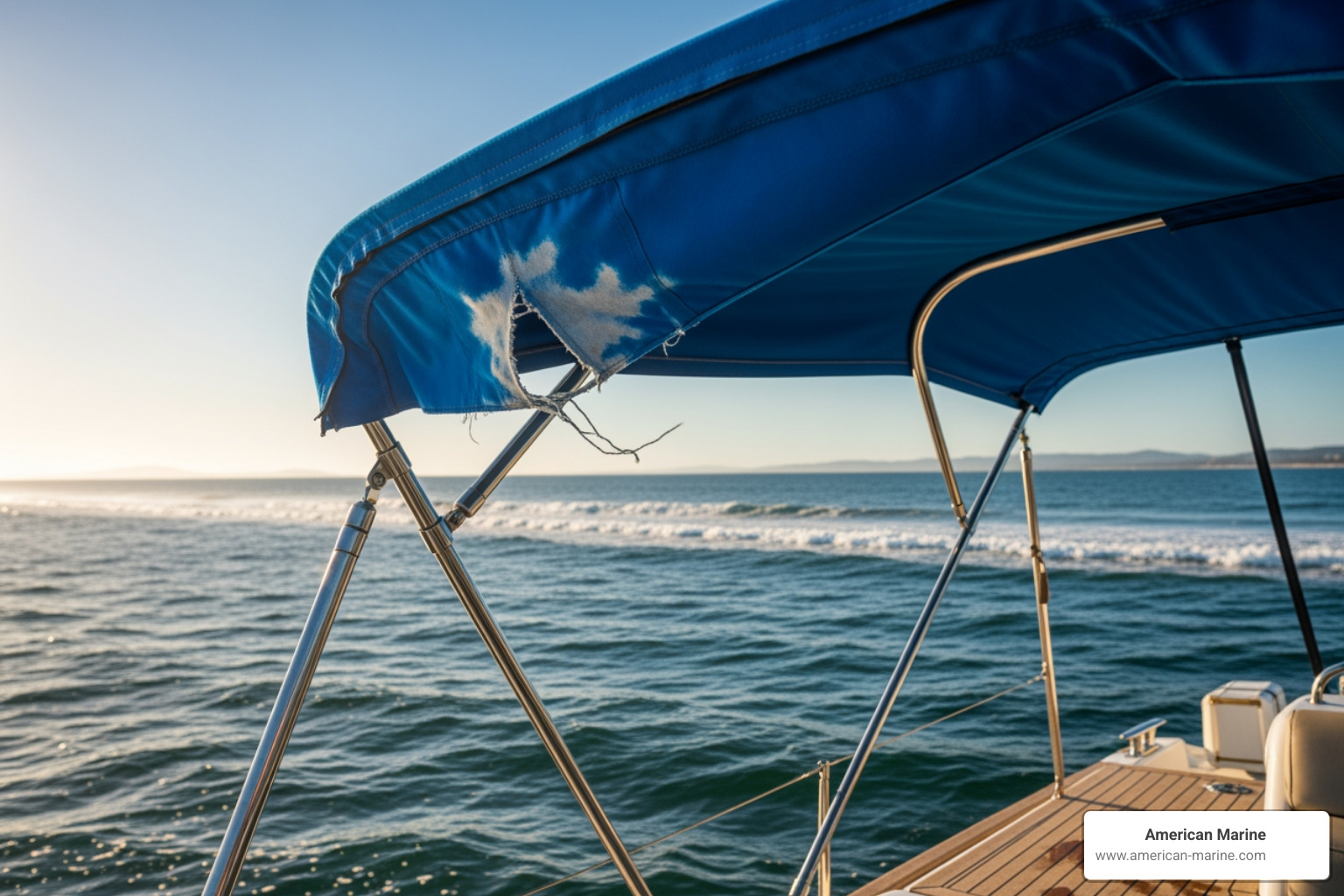
Bimini canvas repair is essential when you notice fading, tears, loose stitching, water leakage, or mildew on your boat's sun protection. Minor damage like small tears and seam splits can be patched at home using marine-grade adhesive and UV-resistant thread. However, extensive UV degradation, large tears, or widespread seam failure require professional intervention to restore both function and aesthetics.
Quick Repair Decision Guide:
- DIY-Friendly: Small tears (under 2 inches), minor seam splits, simple re-stitching
- Professional Required: Large tears, extensive fading/brittleness, zipper replacement, widespread damage
- Key Materials: Marine-grade adhesive patches, UV-bonded polyester thread, waterproofing spray
- Cost Factor: Repairs typically cost less than replacement but may be short-term for aging canvas
Your bimini top serves as the primary defense against sun, wind, and rain on your vessel. It provides critical shade during long days on the water and protects your crew and guests from harmful UV exposure. When properly maintained, a quality bimini improves comfort, preserves the value of your yacht, and maintains the refined appearance you expect.
But time and elements take their toll. The Gulf's intense sun breaks down fabric fibers. Salt spray corrodes hardware. Wind stress tears seams. What starts as minor fading or a small tear quickly escalates into water leakage, mildew growth, and compromised protection.
The good news? Many common issues are repairable—if you catch them early. Understanding when you can handle a repair yourself versus when to call in professionals saves both time and money while keeping your vessel pristine.
Assessing the Damage: When Does Your Bimini Need Help?
A bimini top is more than just an aesthetic addition; it's a functional component that significantly impacts the overall usability and comfort of your boat. It shields passengers from harsh sun, helps prevent sunburn, and keeps the cockpit cooler, making long days on the water far more enjoyable. When it's in good condition, it improves the boat's appearance and can even contribute to its resale value. However, a damaged bimini top can quickly diminish these benefits, affecting both comfort and the boat's overall appeal.
The marine environment in places like South Florida, with its abundant sunshine, high humidity, and saltwater exposure, is particularly tough on marine canvas. Boat owners need to be vigilant about checking their bimini tops for signs of wear and tear.
Common Signs of Wear
Common signs that your bimini canvas repair is needed often start subtly. We encourage our clients to perform regular checks for these indicators:
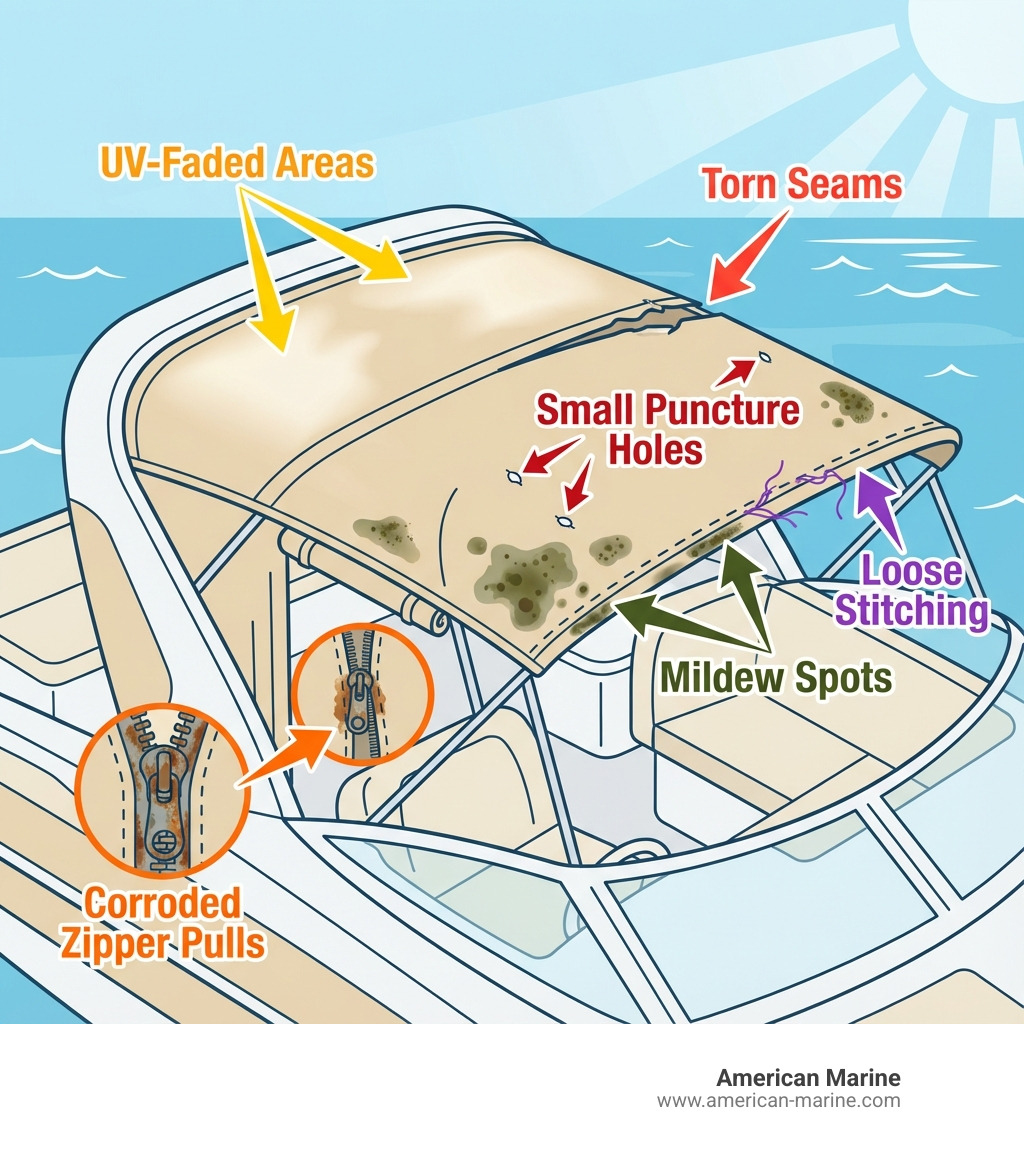
- Fading and Discoloration: This is often the first visual cue. The vibrant color of your canvas will start to dull or change, especially in areas most exposed to direct sunlight. This isn't just cosmetic; it indicates that the UV protectants in the fabric are breaking down.
- Brittleness: As fabrics age under UV exposure, they lose their pliability and become stiff, almost brittle to the touch. This makes them more prone to cracking or tearing, especially when being folded or deployed.
- Water Leakage: Your bimini should offer reliable protection from rain. If you notice water dripping through the canvas during a downpour, it means the fabric's water resistance has degraded, or seams have failed.
- Environmental Impact: The constant exposure to sun, salt, and wind in our South Florida waters takes a heavy toll.
- Sun Damage: The intense UV rays are a primary cause of degradation, leading to fading, brittleness, and reduced water resistance.
- Saltwater Corrosion: Salt spray can aggressively corrode zippers and other metal fasteners, rendering them difficult or impossible to operate.
- Wind Stress: Strong winds can put immense pressure on seams and attachment points, causing tears and holes in the canvas.
Common Types of Bimini Canvas Damage
Understanding the specific types of damage can help us determine the best course of action for bimini canvas repair:
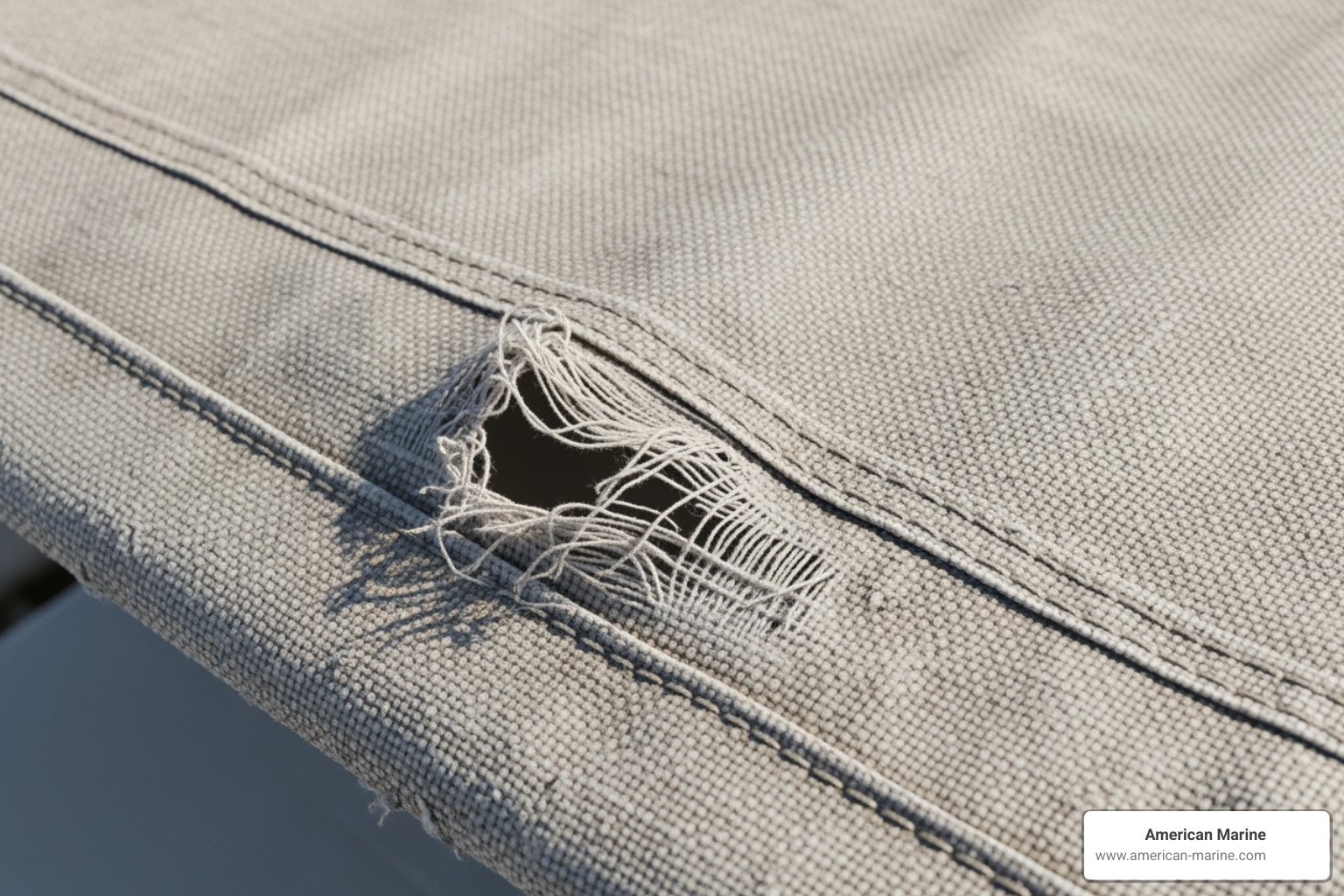
- Tears and Holes: These can range from small punctures caused by sharp objects to larger rips from strong winds or general chafe against boat structures. Unattended, even small tears can quickly expand.
- Loose or Broken Stitching: The thread used in marine canvas, while robust, is also susceptible to UV degradation. Over time, stitching can weaken, solve, or break, leading to leaks and the separation of canvas panels. Professional repair often necessitates resewing with UV-resistant thread to ensure longevity.
- Mold and Mildew Growth: Due to the high humidity in our region, mildew and mold growth are common issues. These not only look unsightly but can also weaken the canvas fibers if left untreated. Regular cleaning is crucial, but sometimes professional treatment is needed to fully eradicate persistent growth.
- Zipper and Fastener Failure: Zipper corrosion from saltwater exposure is a frequent problem that affects the functionality of bimini enclosures and covers. Snaps and other fasteners can also become corroded, bent, or simply wear out, making it difficult to secure the bimini.
The Impact of UV Damage on Marine Canvas
UV damage is arguably the single greatest enemy of marine canvas, especially here in South Florida. The sun's ultraviolet rays don't just fade the color; they actively break down the molecular structure of the fabric fibers.
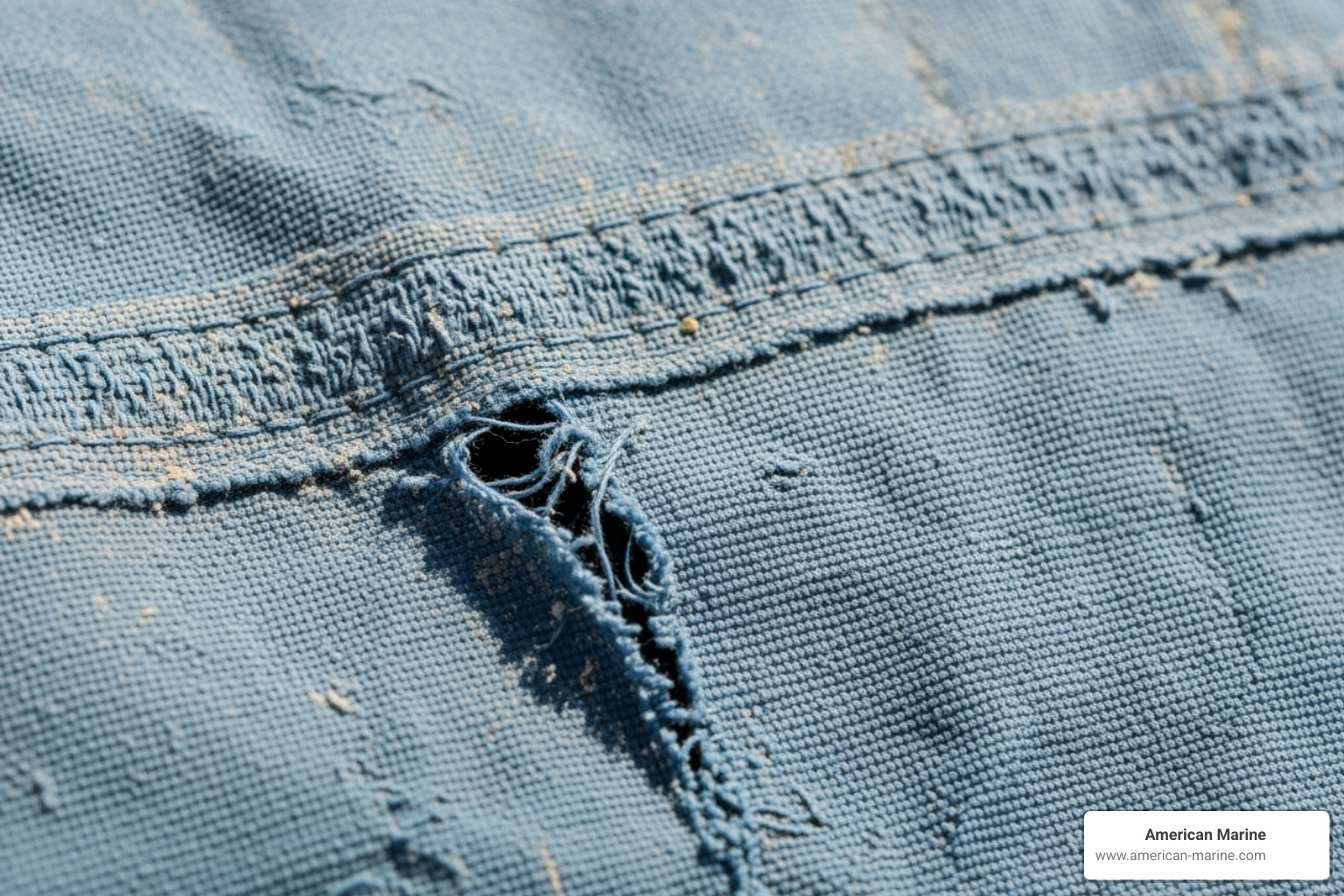
- How UV Rays Break Down Fabric: Prolonged exposure to UV radiation causes a chemical breakdown in the fabric. This leads to:
- Reduced Water Resistance: The protective coatings and inherent water-repellent properties of the fabric degrade, allowing water to permeate the canvas.
- Color Fading: Dyes in the fabric are bleached by the sun, leading to dull, washed-out colors. Solution-dyed fabrics, where the yarn is dyed before weaving, offer better color vibrancy and fade resistance compared to fabrics dyed after weaving.
- Weakened Fibers: The fabric literally loses its tensile strength, becoming brittle and prone to tearing with minimal stress.
- How to Spot UV Degradation: Beyond visible fading, look for a stiff or crunchy texture in the canvas. If you can easily poke a small hole in a sun-exposed area, or if the fabric cracks when bent, significant UV degradation has occurred. This is a critical sign that your bimini needs attention, and often, professional bimini canvas repair or replacement is the best solution.
A Step-by-Step Guide to DIY Bimini Canvas Repair
While we specialize in comprehensive marine canvas solutions for luxury yachts, we understand that sometimes a quick, minor fix is all that's needed to keep your bimini top functional. DIY bimini canvas repair is best suited for small, localized issues rather than widespread damage.
DIY Suitability: When to Attempt a Home Repair
You can typically handle these minor repairs at home:
- Small Tears: Tears under 2-3 inches that are not at a major stress point.
- Minor Seam Splits: Short sections of a seam where the stitching has come undone, but the fabric itself is still strong.
- Simple Re-stitching: Replacing a few inches of loose stitching on a non-structural seam.
- Replacing a single snap or grommet: If you have the right tools.
If the damage is larger, the fabric is brittle, or multiple areas are affected, it's usually best to consult with professionals like us.
Essential tools and materials for bimini canvas repair
Before you start, gather your supplies. Using marine-grade materials is crucial for any repair to withstand the South Florida elements.
- Marine-grade adhesive patch kit: Look for kits designed for canvas or sail repair, often clear or color-matched. These typically include a strong, flexible adhesive and durable patching material.
- UV-resistant polyester thread: We recommend UV-bonded polyester thread (like V-92) for its superior resistance to UV degradation and saltwater. Standard sewing thread will quickly fail outdoors.
- Heavy-duty needles: For hand-sewing, you'll need sturdy needles that can penetrate marine canvas. A curved upholstery needle can be helpful.
- Seam ripper: Essential for carefully removing old, damaged stitching without further harming the fabric.
- Mild soap or specialized canvas cleaner: For cleaning the repair area and for general maintenance. Avoid harsh detergents or bleach.
- Soft-bristle brush: For gently scrubbing canvas during cleaning.
- Waterproofing spray: After any repair, a good quality marine-grade waterproofing spray can help restore the fabric's water repellency.
- Scissors: Sharp, heavy-duty scissors for cutting canvas.
- Rubbing alcohol and clean cloths: For preparing surfaces for adhesive patches.
How to Patch Minor Tears and Holes
Patching is an effective method for small tears and holes, especially if the surrounding fabric is still in good condition.
- Clean the Area: Crucially, the canvas around the tear must be clean and dry. Use a mild soap or specialized canvas cleaner, rinse thoroughly, and allow it to air dry completely. For adhesive patches, wipe the area with rubbing alcohol and let it evaporate to ensure a clean bonding surface.
- Cut the Patch: Using a marine-grade adhesive patch kit, cut a patch that is larger than the tear by at least 1 inch on all sides. Round the corners of the patch to prevent snagging and peeling.
- Apply Adhesive: If your patch kit requires separate adhesive, apply a thin, even layer to both the patch and the canvas around the tear. Follow the product's instructions for application and drying time. For peel-and-stick patches, simply remove the backing.
- Press Firmly: Carefully align the patch over the tear and press it down firmly, working from the center outwards to remove any air bubbles. If possible, apply pressure to both sides of the canvas (e.g., placing a flat, heavy object on top).
- Allow to Cure: Adhere strictly to the adhesive's curing time. This can range from a few hours to 24 hours or more. Rushing this step will compromise the repair's durability.
- Waterproofing the Patch: Once the adhesive is fully cured, consider applying a marine-grade waterproofing spray over the patched area and the surrounding canvas to improve its water repellency.
How to Re-Stitch a Seam by Hand
Re-stitching a seam is a bit more involved but can save a bimini with otherwise healthy fabric.
- Removing Old Thread: Carefully use a seam ripper to remove all loose and damaged thread from the affected seam section. Be meticulous to avoid cutting the canvas itself.
- Prepare the Fabric: If the fabric panels have separated, gently align them. You might use fabric clips or even basting tape (Seamstick) to temporarily hold them in place.
- Using a Sewing Awl (Optional but Recommended): For heavier marine canvas, a sewing awl can make the job much easier. It allows you to create precise holes and then pass the thread through, forming a strong, lock-stitch. If you don't have an awl, you'll need a heavy-duty needle and thimble.
- Lock-Stitch Technique: The lock-stitch is ideal for marine canvas as it's strong and prevents the entire seam from solveing if one stitch breaks.
- Start by knotting your UV-resistant polyester thread at the beginning of the repair.
- Pass the needle through both layers of fabric from one side.
- On the other side, bring the needle back through the fabric a short distance away, creating a loop.
- Pass the needle through this loop before pulling tight. This "locks" each stitch.
- Continue this process, making consistent stitch lengths, matching the original seam as closely as possible.
- Doubling the Stitch at Ends: At the beginning and end of your repair, double-stitch a few times to reinforce the seam and prevent it from solveing. Tie off securely with a knot.
Professional Repair vs. Replacement: Making the Right Call
Deciding whether to repair your bimini canvas or replace it entirely is a common dilemma for boat owners. While DIY repairs can address minor issues, knowing when to seek professional help is key to maintaining your vessel's integrity and appearance.
When to Seek Professional Help
We recommend contacting marine canvas professionals for bimini canvas repair when:
- Large Tears: Any tear exceeding a few inches, especially if it's in a high-stress area or involves multiple panels.
- Extensive UV Damage: If the canvas is noticeably brittle, cracking, or has widespread fading, the fabric's integrity is compromised. Repairing small sections won't address the overall weakness.
- Widespread Seam Failure: If multiple seams are solveing, it indicates the thread is failing throughout the bimini, requiring comprehensive re-stitching.
- Zipper or Hardware Replacement: Replacing corroded zippers or complex hardware often requires specialized tools and expertise to ensure a proper, durable installation.
- Significant Mildew or Staining: Stubborn mold and mildew, or deep-set stains, might require professional cleaning and treatment methods that go beyond what's available for DIY.
Ensuring Quality Repairs
When entrusting your bimini top to professionals, especially in a demanding environment like South Florida, ensure you're getting quality service. We pride ourselves on the craftsmanship and materials we use.
- Checking for Experience: Look for companies with a long-standing reputation in the marine canvas industry. For example, some companies in the industry have been covering boats since the 1970s, indicating extensive experience. We at American Marine have decades of experience crafting custom marine solutions for luxury yachts and superyachts across Miami, Fort Lauderdale, West Palm Beach, and Broward County.
- Requesting Material Specs: A reputable professional will use marine-grade fabric and UV-bonded polyester thread for all repairs. These materials are crucial for longevity. Don't hesitate to ask about the specific fabrics and threads they plan to use. Solution-dyed acrylics (like Sunbrella®) and coated polyesters are highly recommended for their durability and UV resistance.
The Professional Process for Bimini Canvas Repair
When you bring your bimini to professionals like us, you can expect a thorough and meticulous process designed for lasting results:
- Inspection and Assessment: Our experts will conduct a detailed inspection to assess the extent of the damage, identify underlying issues like fabric degradation, and determine the most effective repair strategy.
- Patterning: For complex repairs or sections needing replacement, precise patterning is essential. We use advanced 3D-measured, precision-cut solutions to ensure a perfect, taut fit, minimizing wrinkles and maximizing performance.
- Patching with Matching Fabric: For larger tears or worn areas, we use durable, high-quality marine-grade fabrics that blend seamlessly with your existing canvas, ensuring both strength and aesthetic appeal.
- Industrial Sewing Machines: Professionals use specialized industrial sewing machines capable of handling heavy marine canvas, ensuring strong, consistent seams that can withstand the rigors of the marine environment.
- Resewing with UV-Bonded Thread: All re-stitching and new seams are done using UV-bonded polyester thread. This specialized thread offers superior resistance to UV degradation and saltwater, ensuring the repairs last as long as possible.
- Zipper Replacement: Corroded or broken zippers are carefully removed and replaced with marine-grade, corrosion-resistant zippers (like YKK), restoring full functionality to enclosures.
- Professional Cleaning: Before returning your bimini, we can offer professional cleaning services that remove stubborn stains, mold, and mildew using specialized treatments designed for marine canvas.
- Protective Treatments: After cleaning and repair, we can apply protective treatments that improve the canvas's durability against future exposure to sun and saltwater, restoring water repellency and UV resistance.
Bimini Canvas Repair vs. Full Replacement
When faced with a damaged bimini, boat owners often weigh the pros and cons of repairing versus replacing. Here's a comparison to help you make an informed decision:
| Factor | Repair | Replacement |
|---|---|---|
| Cost | Lower upfront cost | Higher upfront cost |
| Best For | Minor, localized damage (small tears, minor seam splits, hardware issues) | Widespread damage, extensive UV degradation, brittle fabric, significant water leakage, or when the bimini is nearing the end of its 5-10 year average lifespan |
| Turnaround | Faster (days to a week) | Longer (weeks for custom fabrication) |
| Lifespan | Extends life short-term, contingent on overall fabric health | New full lifespan (5-10+ years depending on material and maintenance) |
| Aesthetics | May show patch or slight color variation | Perfectly uniform, like-new look |
Typical Costs for Professional Services
The cost of professional bimini canvas repair can vary significantly based on several factors. While we can't provide a universal price range without an assessment, here's what influences the cost:
- Size of the Top: Larger bimini tops naturally require more material and labor for repairs.
- Extent of Damage: A small patch is less expensive than extensive re-stitching or multiple panel replacements.
- Material Type: High-end marine-grade fabrics like Sunbrella® will cost more than standard options.
- Labor Rates in Your Area: Costs can vary by region. In South Florida, where marine craftsmanship is highly valued, rates reflect the expertise and quality of service.
- Getting an Estimate: The best way to understand the cost is to contact us for a detailed inspection and a personalized estimate. We'll assess your bimini's condition and provide a transparent breakdown of the necessary repairs.
Prevention is Key: Extending Your Bimini's Lifespan
An ounce of prevention is truly worth a pound of cure, especially when it comes to your bimini canvas. Regular maintenance and choosing high-quality materials from the outset are the most effective ways to extend its lifespan, avoid costly repairs, and keep your yacht looking its best.
Regular Cleaning and Maintenance
Consistent care can significantly prolong the life of your bimini top and minimize the need for extensive bimini canvas repair.
- Rinse with Fresh Water: After every outing, especially in saltwater, rinse your bimini top with fresh water to remove salt residue, which can accelerate corrosion and fabric degradation.
- Clean Spills Immediately: Address bird droppings, food spills, or other stains as soon as they occur. The longer they sit, the harder they are to remove and the more likely they are to set into the fabric.
- Monthly Cleaning Schedule: For general cleaning, use a mild soap (specifically formulated for marine canvas) and lukewarm water with a soft-bristle brush. Gently scrub the canvas, then rinse thoroughly until all soap residue is gone. Always ensure the canvas is completely dry before folding or storing to prevent mold and mildew growth.
- Proper Storage When Not in Use: If your boat is stored for an extended period, or if severe weather is expected, consider removing and properly storing your bimini top in a clean, dry place. If it remains on the boat, ensure it's folded neatly and secured with a cover to protect it from UV rays and environmental pollutants.
- Checking Hardware: Regularly inspect zippers, snaps, and frame components for signs of corrosion or wear. Lubricate zippers with a marine-grade lubricant to keep them functioning smoothly.
The Importance of High-Quality Materials
The initial investment in high-quality materials pays dividends in longevity and performance.
- Marine-Grade Fabrics: We exclusively use elite marine-grade materials for our custom canvas solutions. These fabrics are specifically engineered to withstand the harsh marine environment.
- Solution-Dyed Acrylics: Fabrics like Sunbrella® are prime examples of solution-dyed acrylics. The yarn is dyed before it's woven, meaning the color goes all the way through the fiber, not just on the surface. This results in superior color vibrancy and fade resistance compared to fabrics dyed after weaving.
- Coated Polyester: Another excellent option, coated and sealed polyester offers exceptional strength against UV rays, retains its shape well, and resists stretching.
- Benefits of Quality Materials:
- Fade Resistance: High-quality, solution-dyed fabrics maintain their color and aesthetic appeal for much longer, even under intense South Florida sun.
- Strength: These materials are inherently stronger, resisting tears and abrasions from wind and chafe.
- Durability: They are built to last, offering a lifespan of 5-10 years or more with proper care, significantly reducing the frequency of bimini canvas repair or replacement.
- Water Resistance: Superior water-repellent properties keep your boat and crew dry.
Conclusion: Keep Your Yacht Protected and Pristine
Your bimini top is a vital component of your boat's comfort, protection, and aesthetic appeal. Recognizing the early signs of damage, understanding when to opt for DIY bimini canvas repair, and knowing when to call in the professionals are crucial steps in maintaining your vessel. From small tears to extensive UV degradation, addressing issues promptly can prevent minor problems from escalating into costly replacements.
For extensive damage or a complete upgrade on your luxury vessel, trust the experts at American Marine for a precision-crafted solution. We specialize in custom marine canvas and upholstery, ensuring top-tier craftsmanship and timely delivery for yachts and superyachts across Miami, Fort Lauderdale, West Palm Beach, and Broward County.
Contact Us to discuss your needs and ensure your bimini top provides the shade and protection you deserve. For the ultimate in sun protection and style, explore our custom Bimini Shades.
Privacy Policy This site is protected by reCAPTCHA and the GooglePrivacy PolicyandTerms of Serviceapply. Terms of Service This site is protected by reCAPTCHA and the GooglePrivacy PolicyandTerms of Serviceapply.