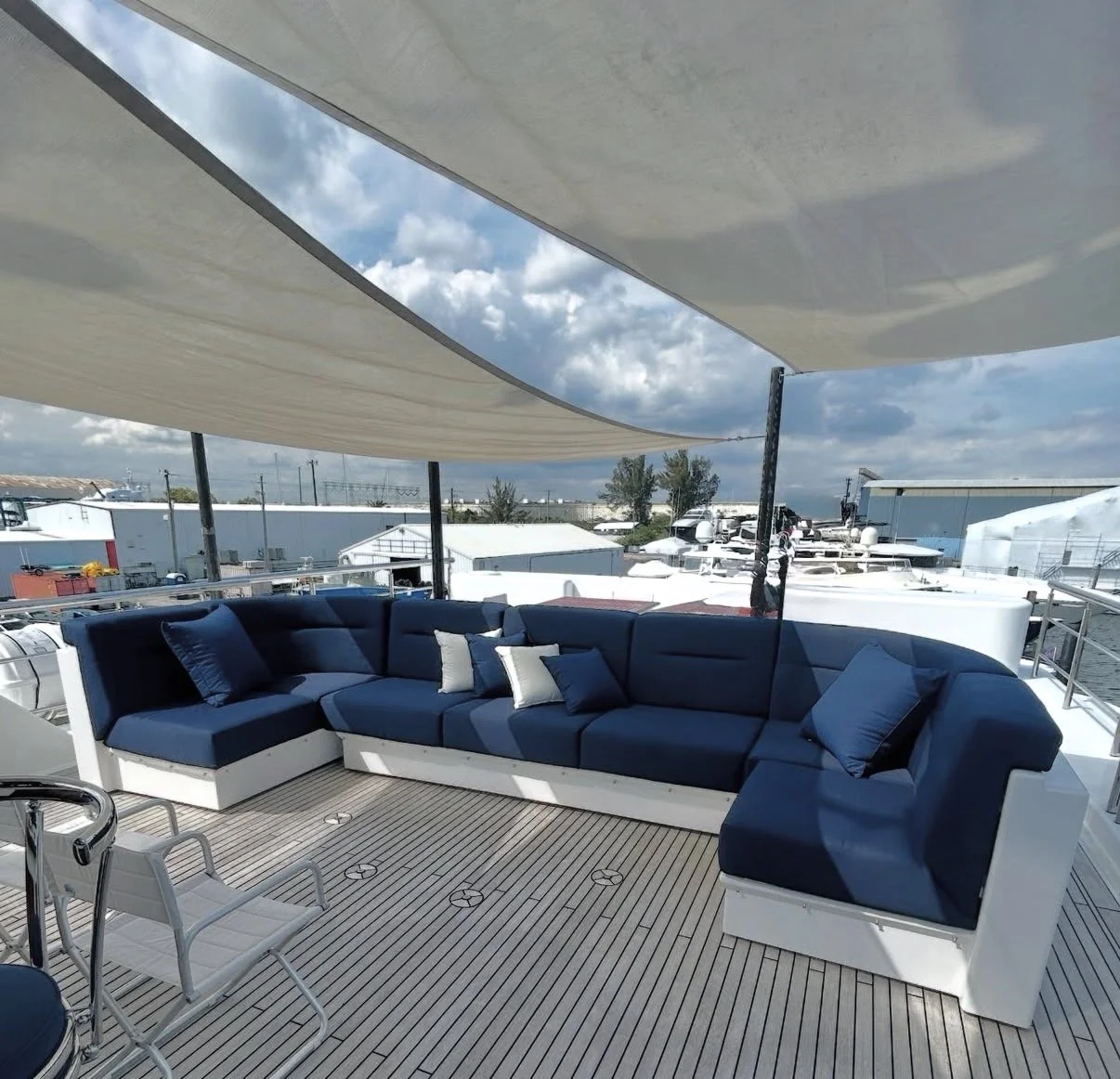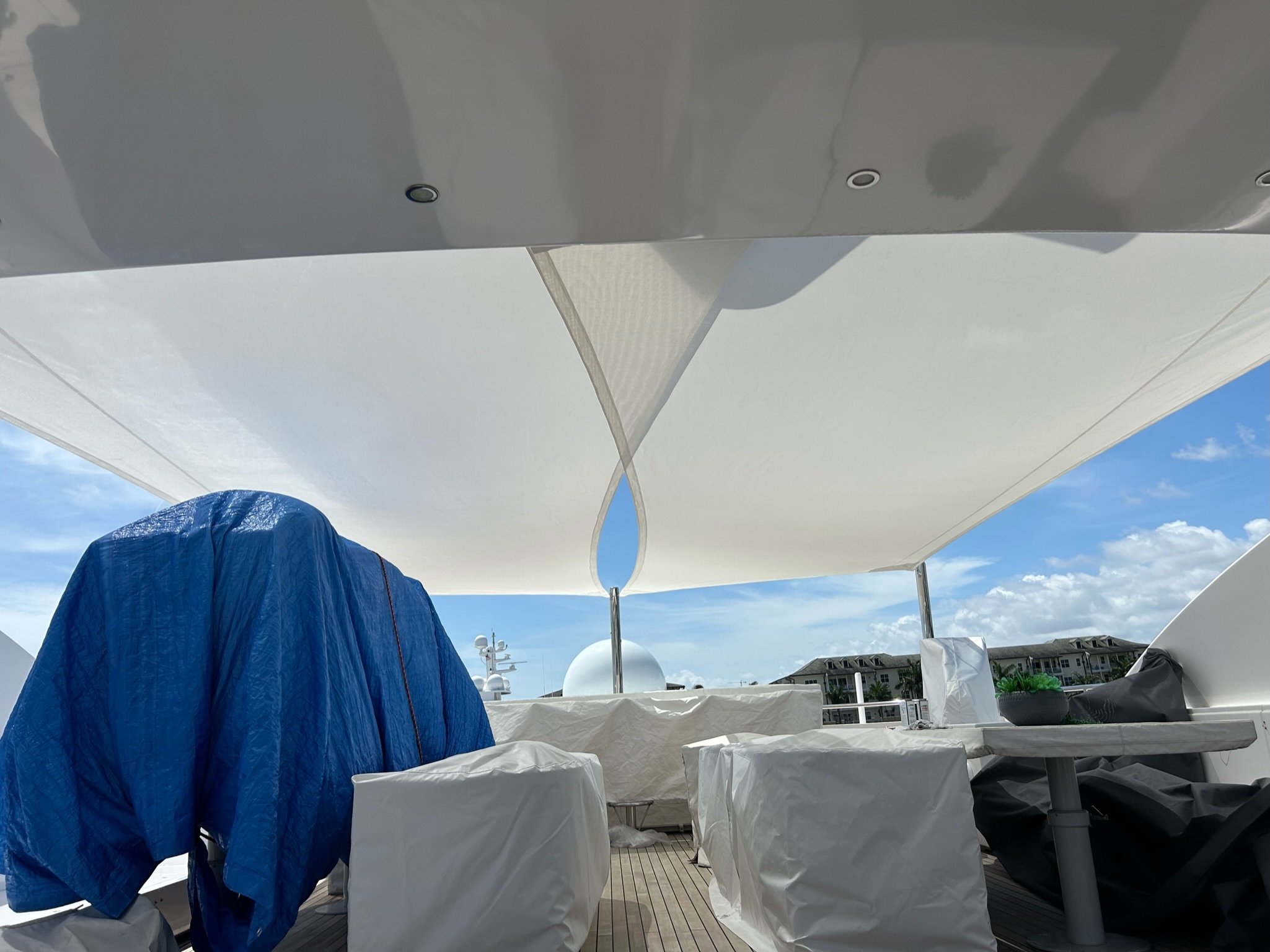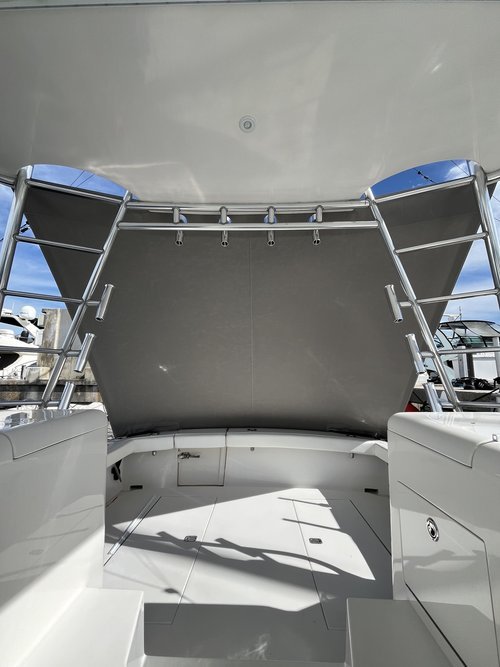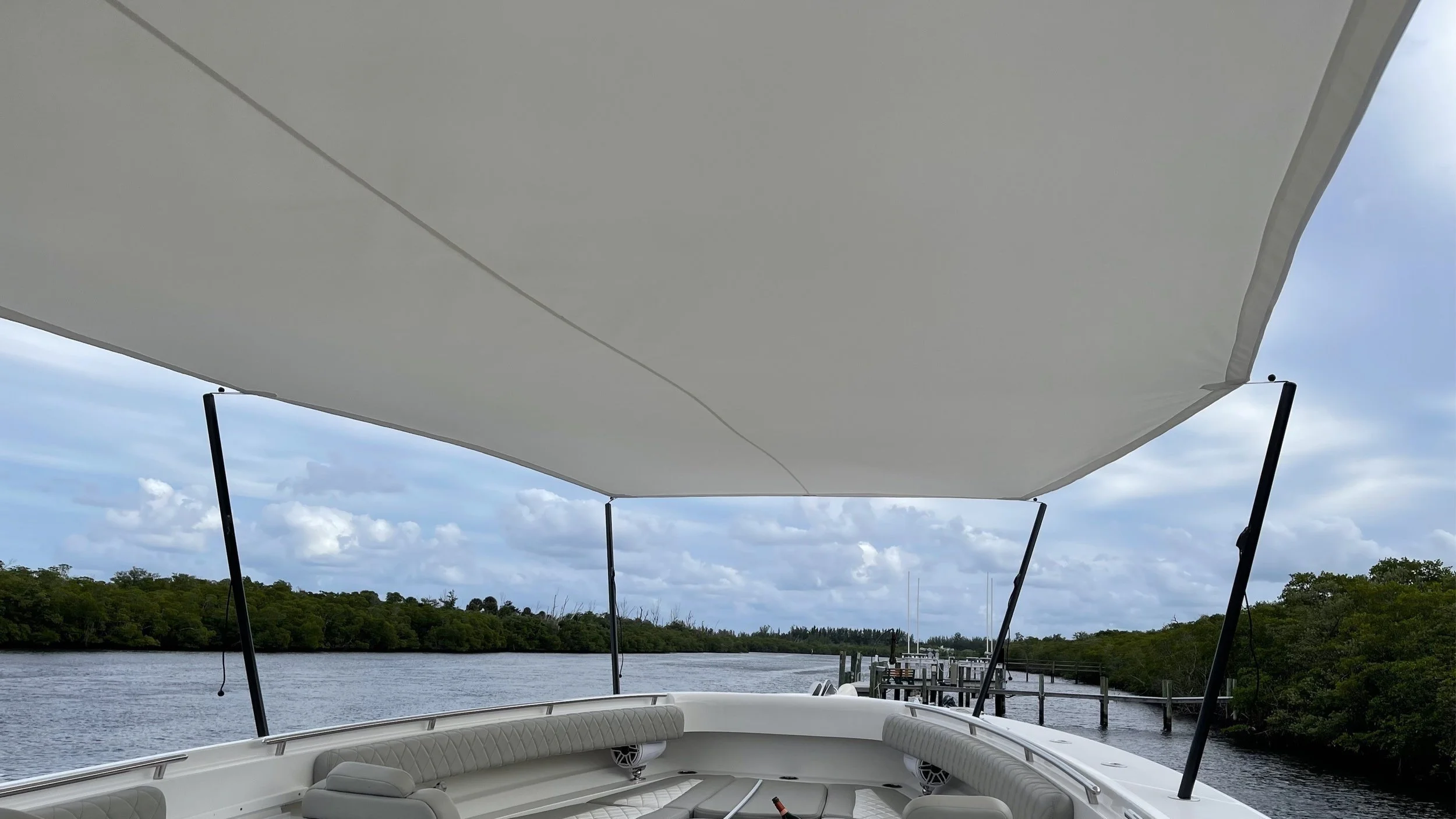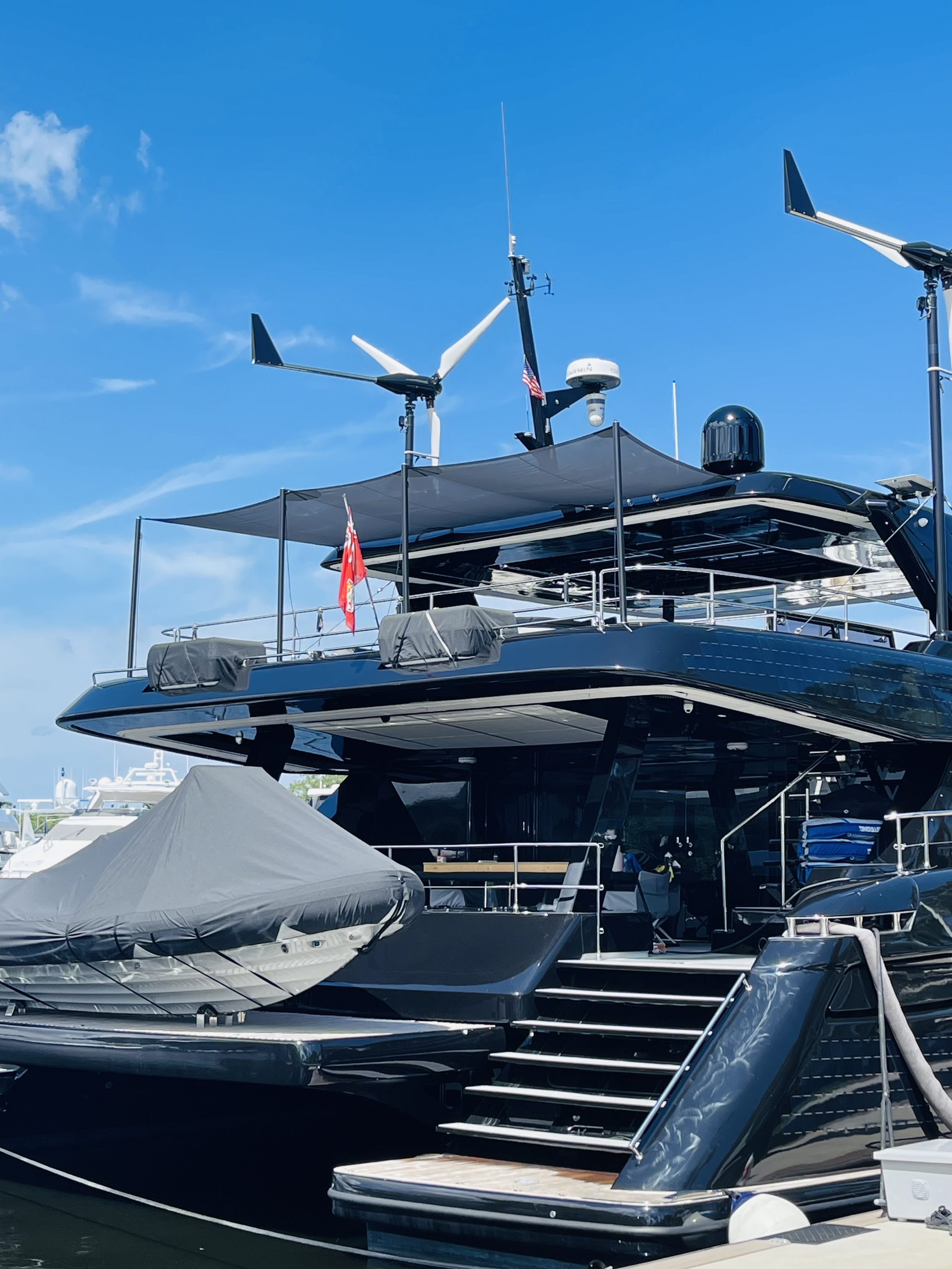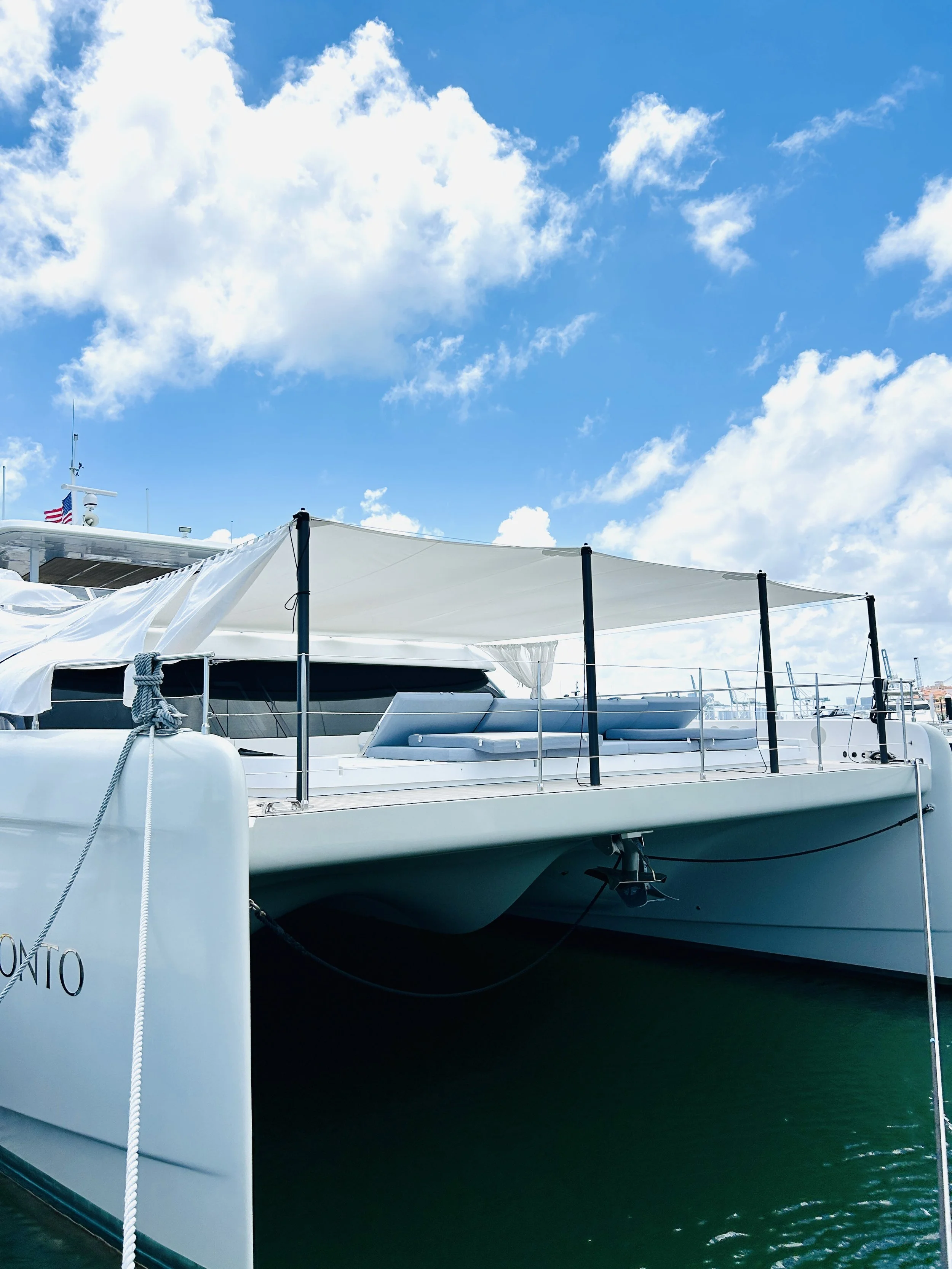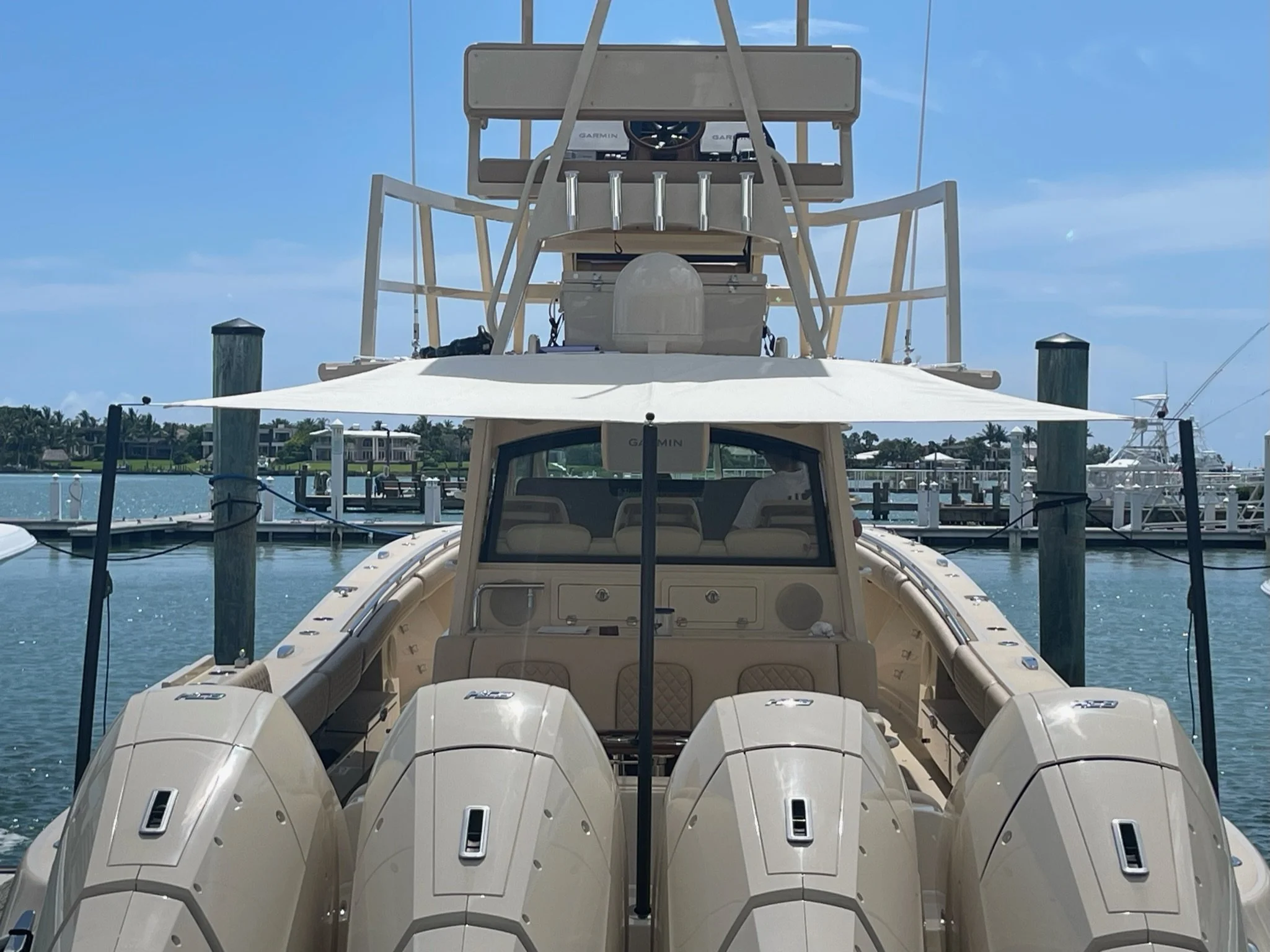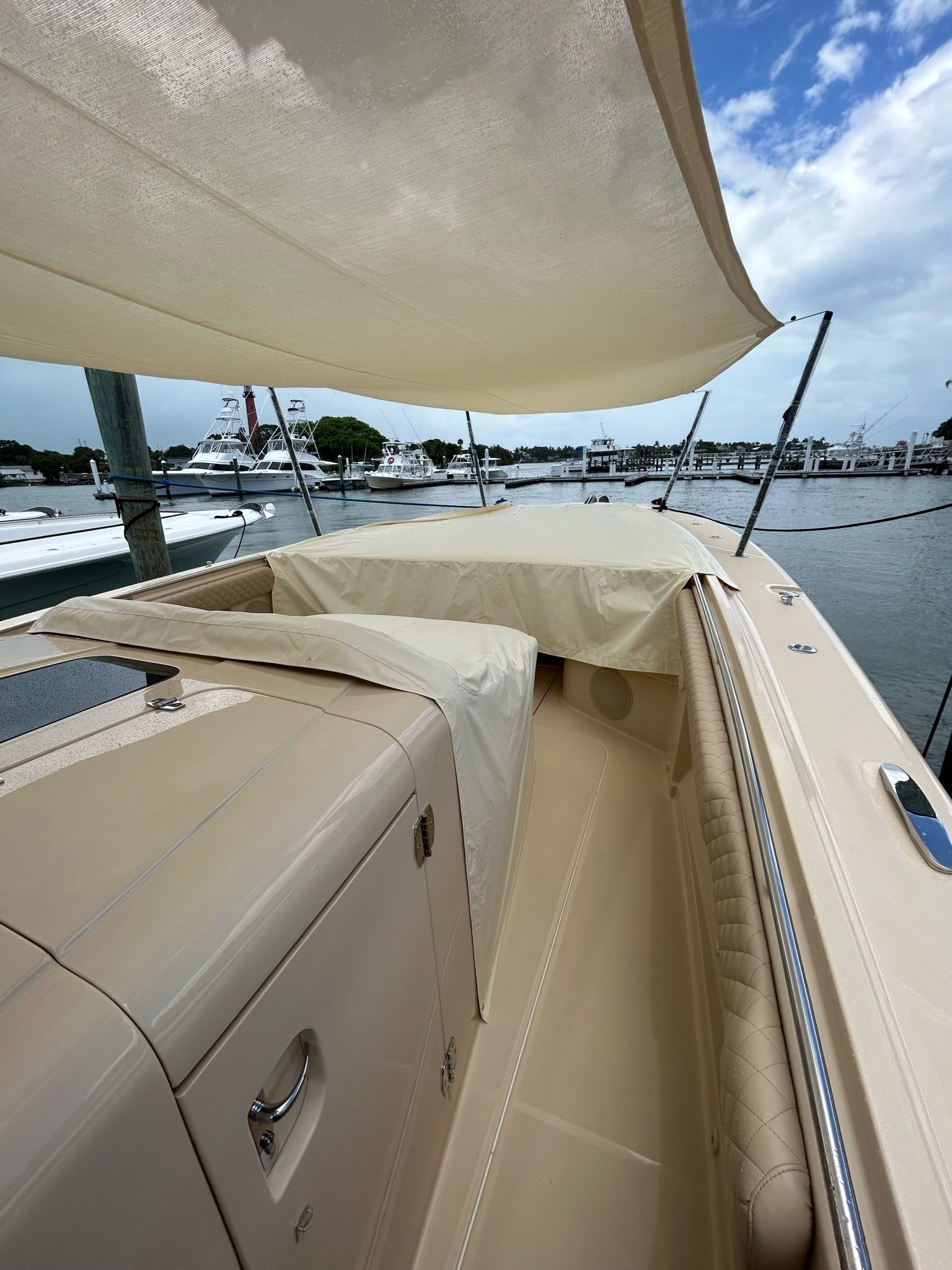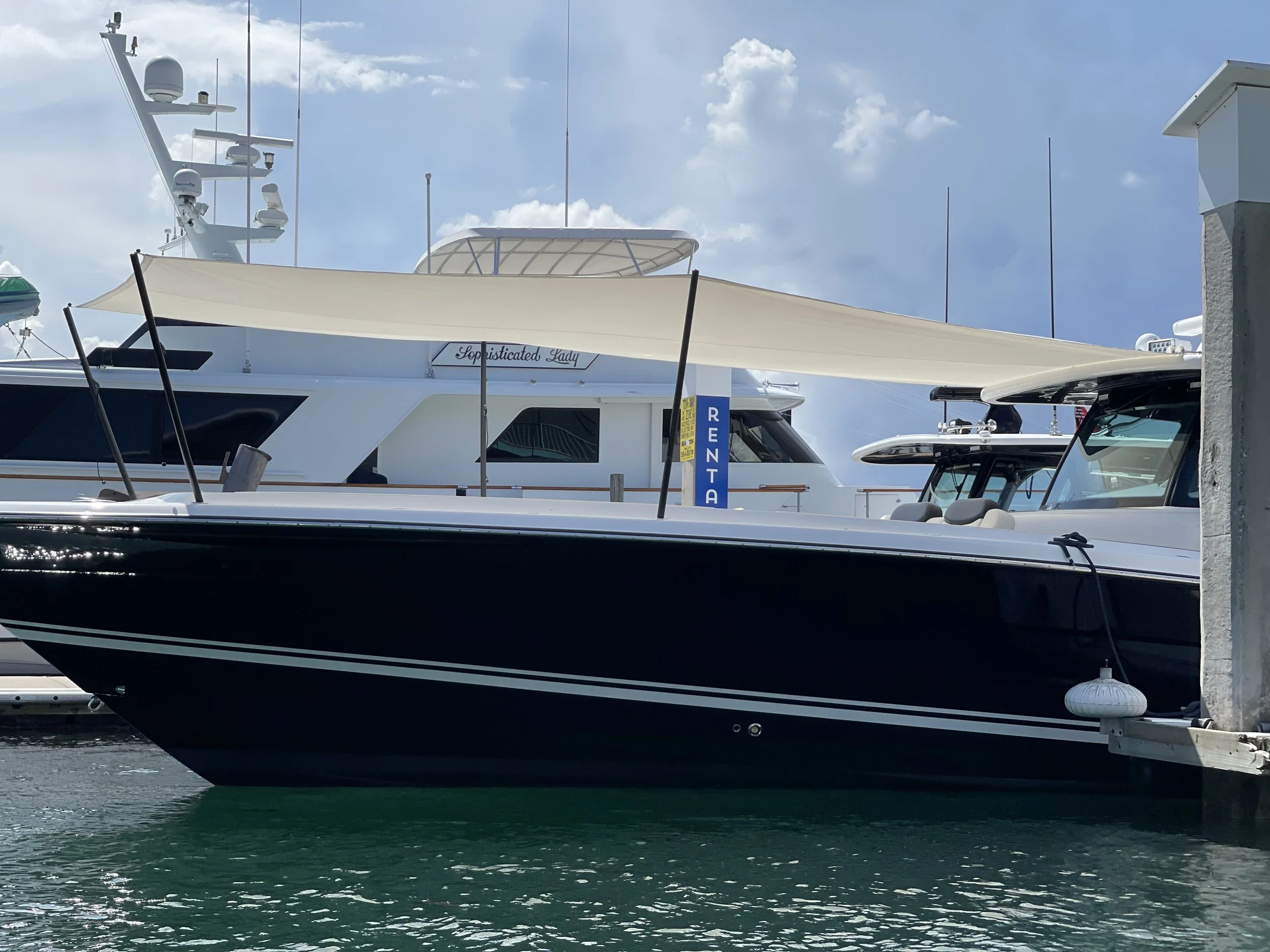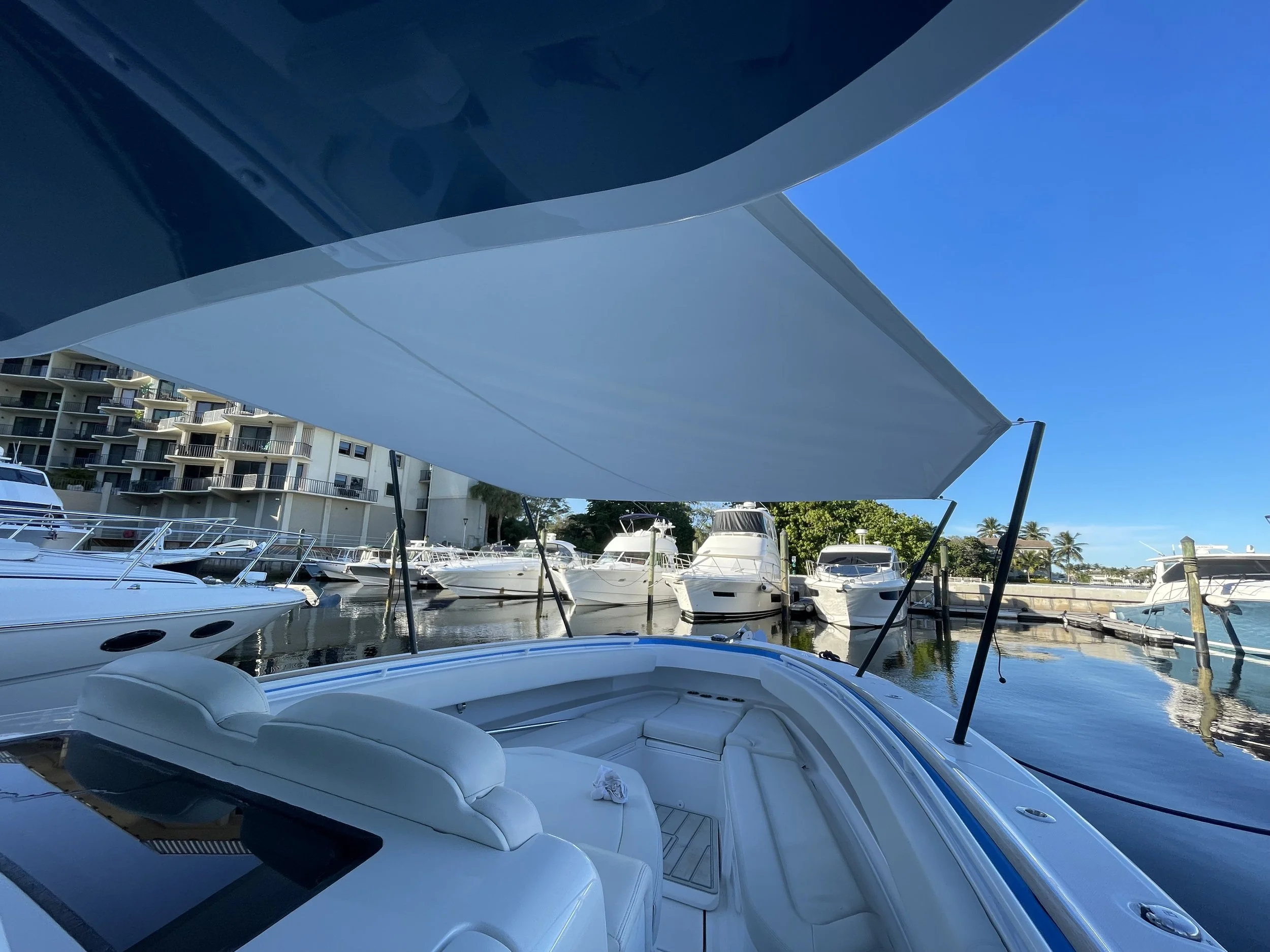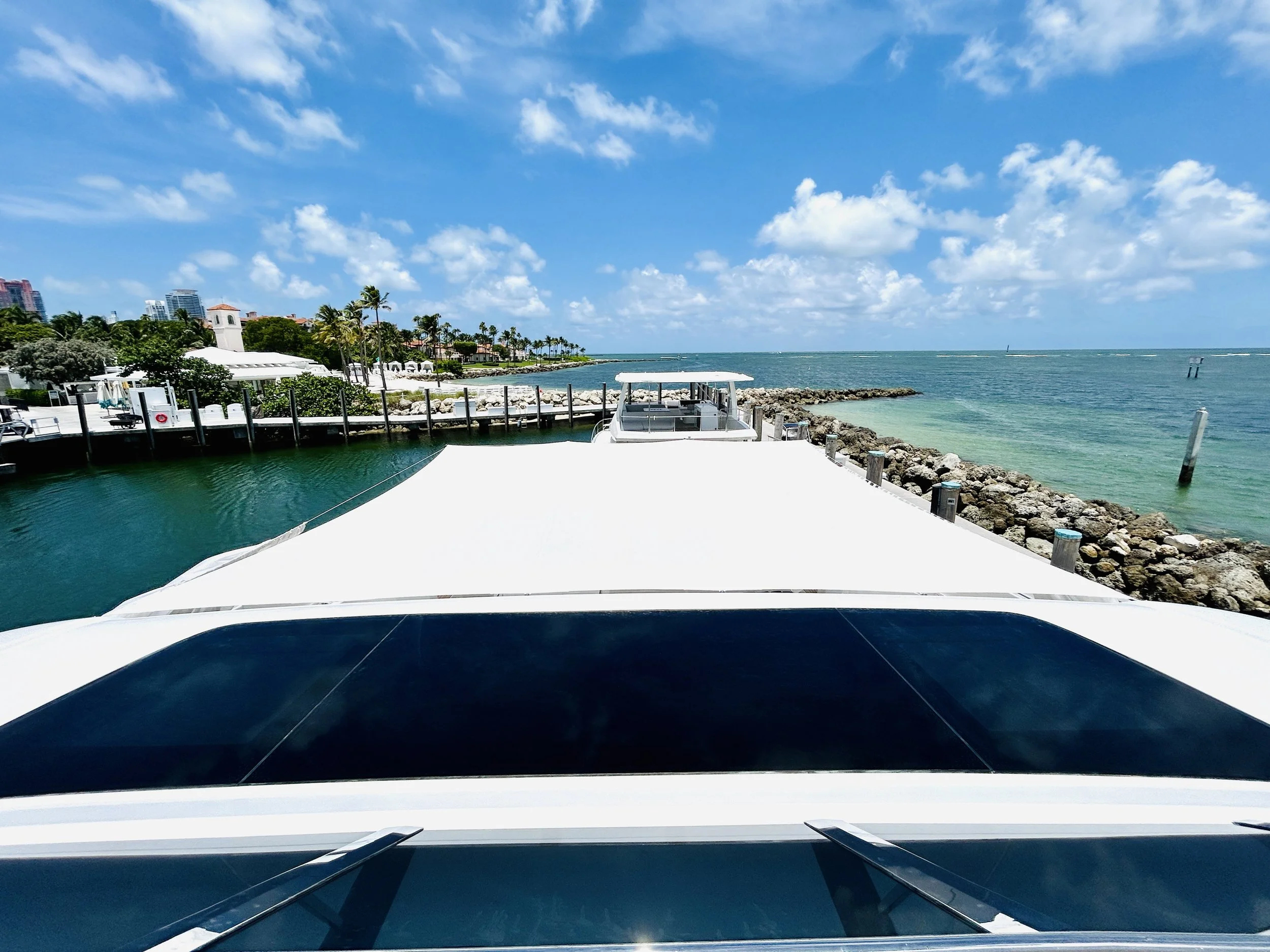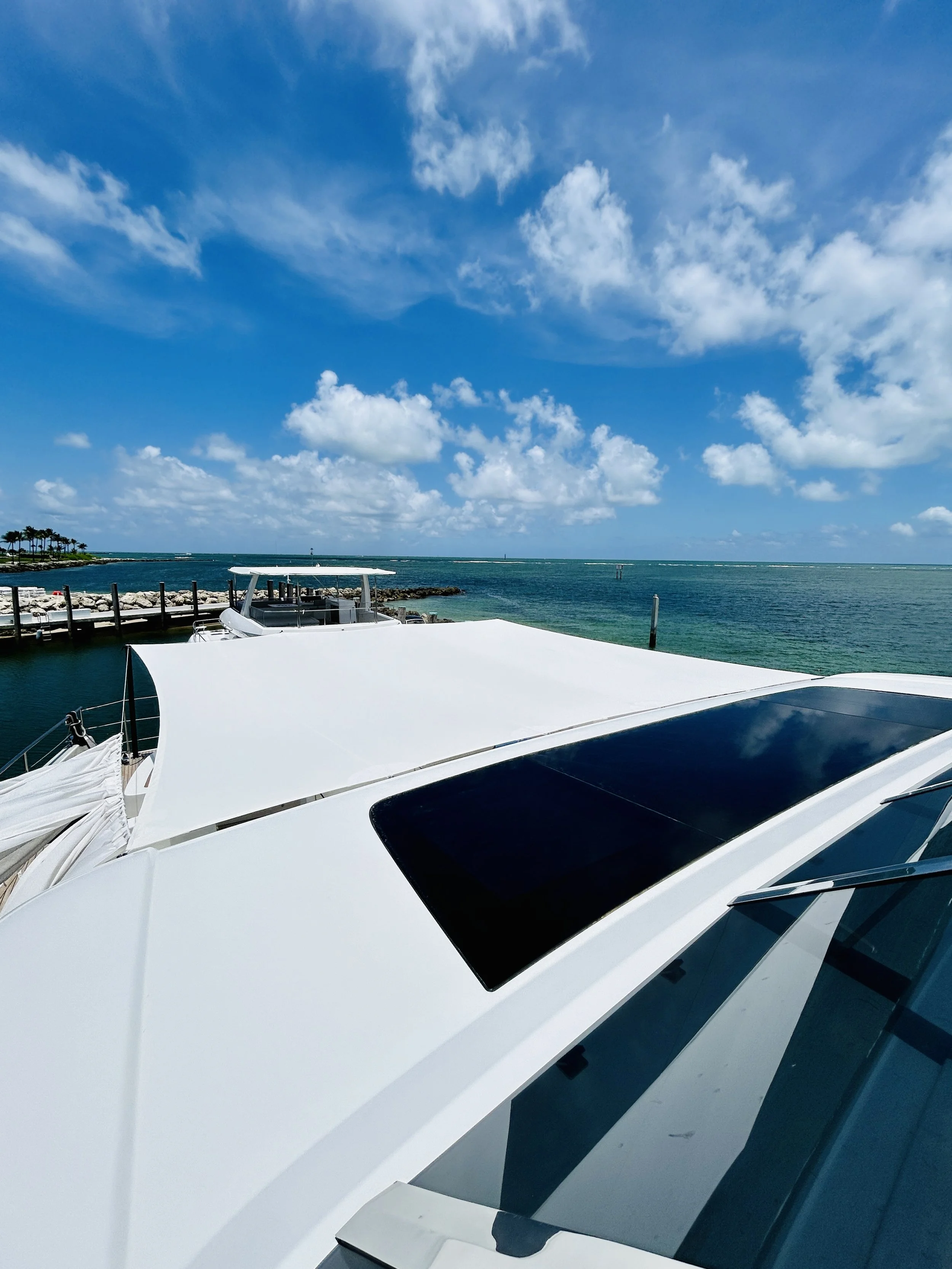
Shade Solutions Choosing the Right Bimini Top Cover for Your Boat

Why Bimini Top Covers Matter for Your Vessel

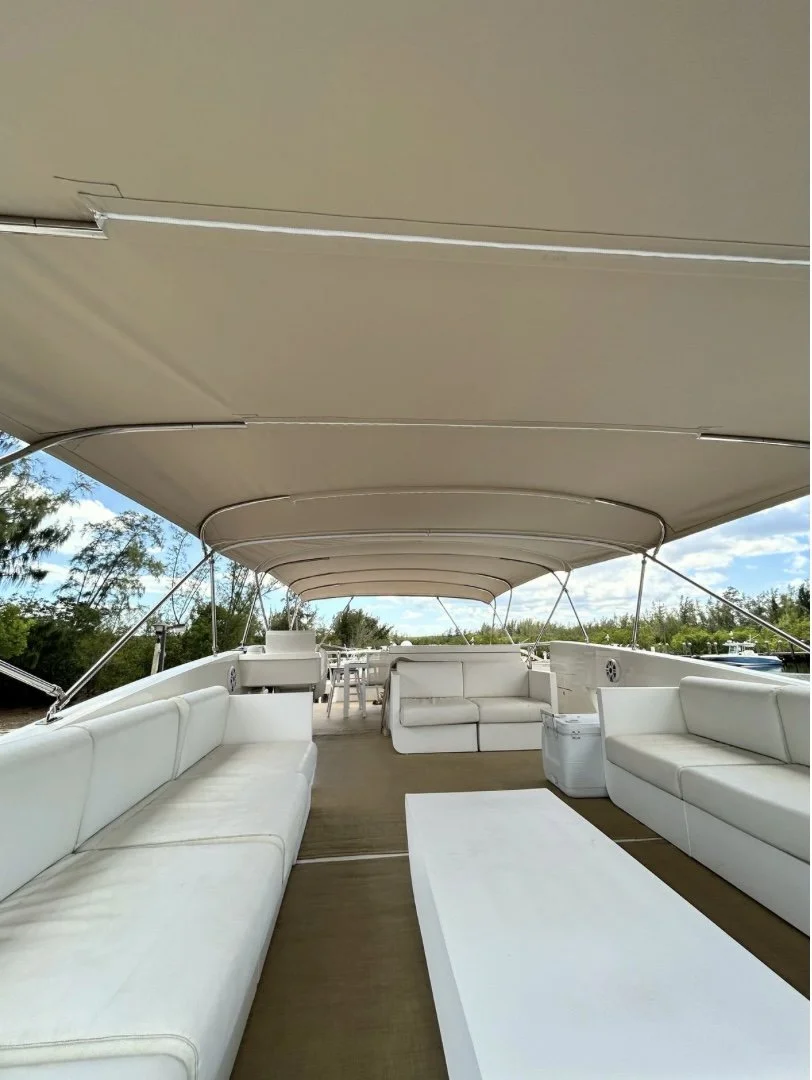
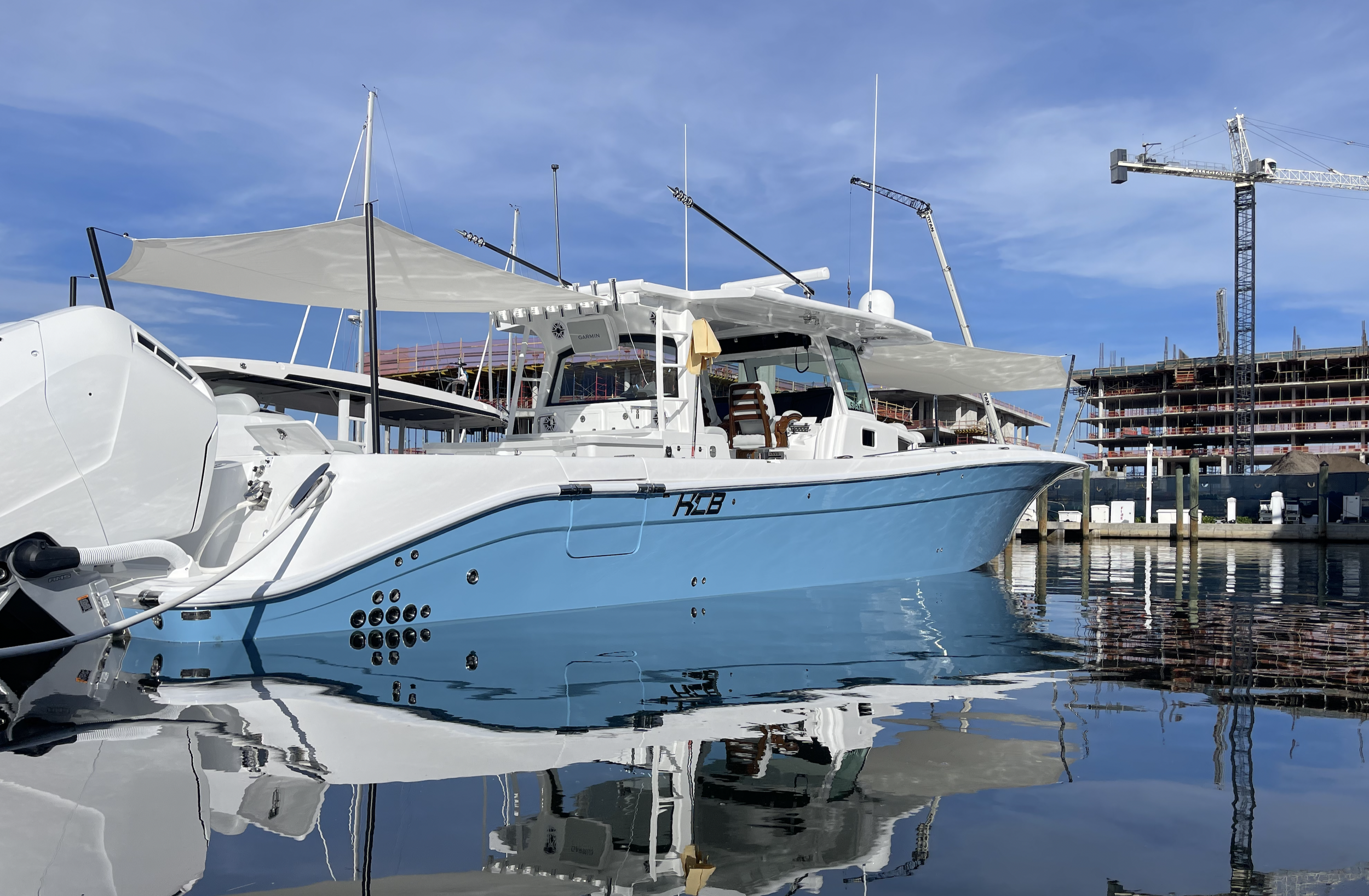
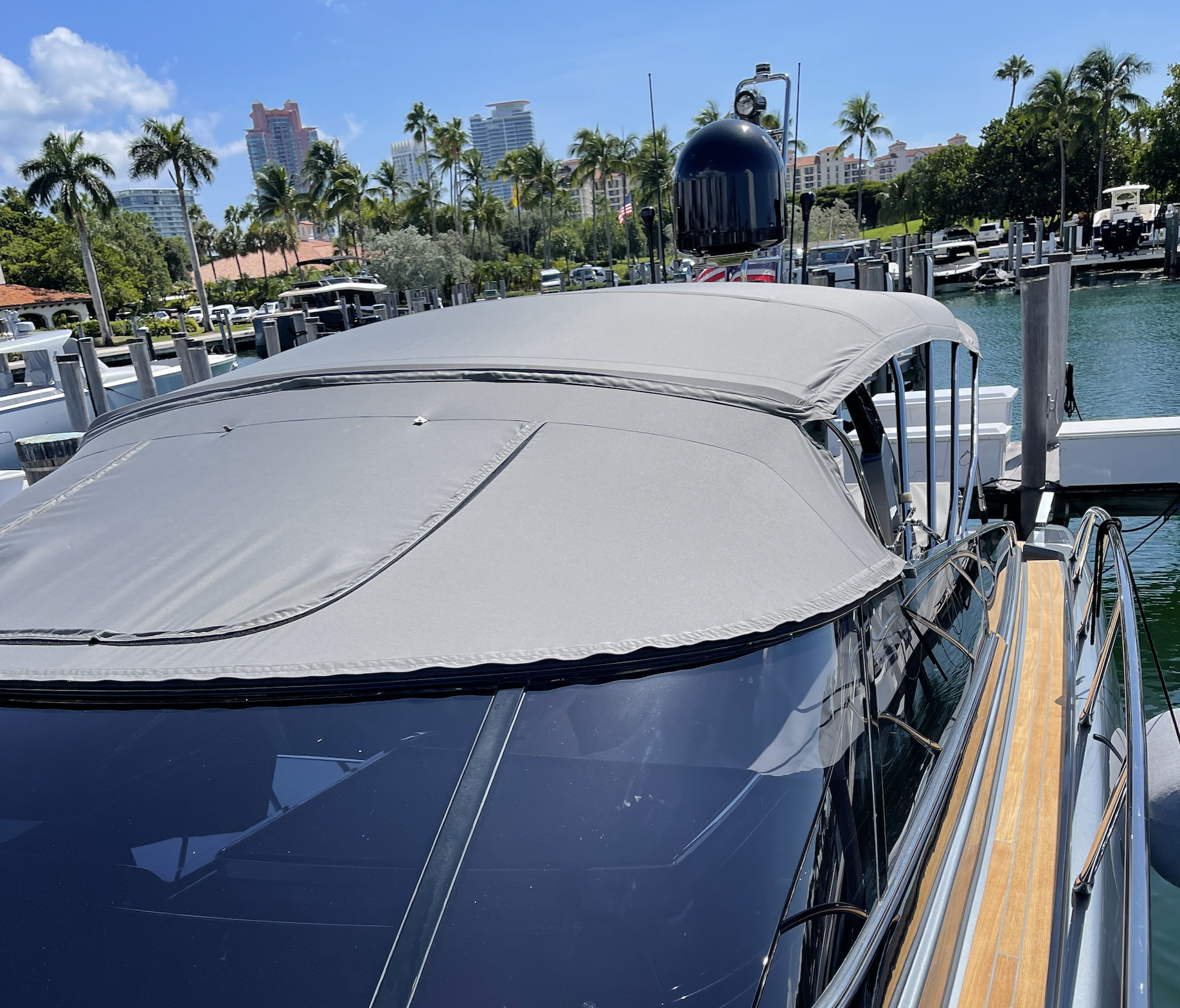
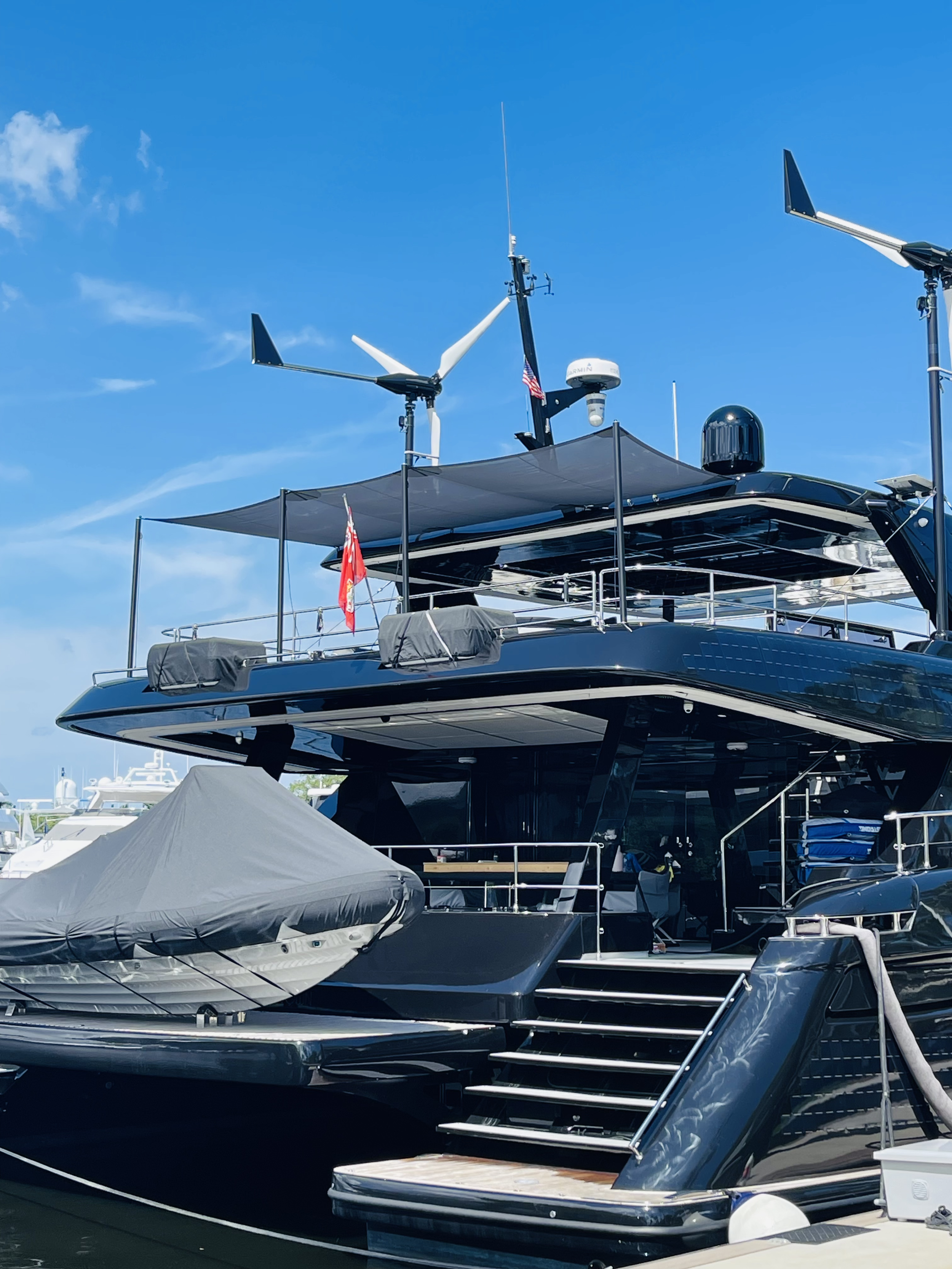
luxury yacht with bimini top - bimini top covers

Bimini top covers provide essential shade and protection for boat occupants and equipment, combining UV protection, weather shielding, and comfort improvement in a single marine accessory. These fabric-and-frame structures attach to your boat's deck or gunwales, creating a shaded area that blocks up to 98% of harmful UV rays while keeping passengers cool and equipment protected from sun damage, rain, and saltwater exposure.

What You Need to Know About Bimini Top Covers:

  • Primary Function: Create overhead shade using marine-grade fabric stretched over a collapsible frame
  • Key Benefits: UV protection, temperature reduction (up to 15°F cooler), glare reduction for safer navigation, protection for upholstery and electronics
  • Material Choices: Marine-grade polyester (6.5 oz), solution-dyed acrylics like Sunbrella (9.25 oz), or waterproof fabrics
  • Configuration Options: 2-bow, 3-bow, or 4-bow frames in round or square tube, sized for boats from 11' Whalers to 160' yachts
  • Expected Lifespan: 5-10+ years with proper care, backed by warranties ranging from 6 to 10 years
  • Maintenance: Easy cleaning with mild soap and water, folds down for storage or trailering

For luxury yacht owners, the difference between a standard bimini and a custom solution is significant. Mass-produced covers often gap, sag, or fail to complement your vessel's aesthetic. Premium biminis use stainless steel framework (1-inch to 2.5-inch) and top-tier fabrics like genuine Sunbrella, which has protected boats for nearly 60 years through solution-dyed construction that saturates color to the fiber core.

Whether you're protecting passengers during a day of fishing, maintaining your yacht's resale value, or simply enhancing comfort on the water, understanding your options ensures you invest in shade that performs as beautifully as it looks.

How to Select the Right Bimini Top for Your Boat

Choosing the perfect bimini top cover for your vessel in South Florida isn't just about picking a color; it's about ensuring a precise fit, optimal protection, and seamless integration with your boat's design and intended use. From the material to the frame configuration, every detail matters. We understand that for our clients with luxury yachts and superyachts in Miami, Fort Lauderdale, and West Palm Beach, a custom, precision-cut solution is paramount.

person measuring a boat for a bimini top - bimini top covers

Understanding Bimini Bow Types

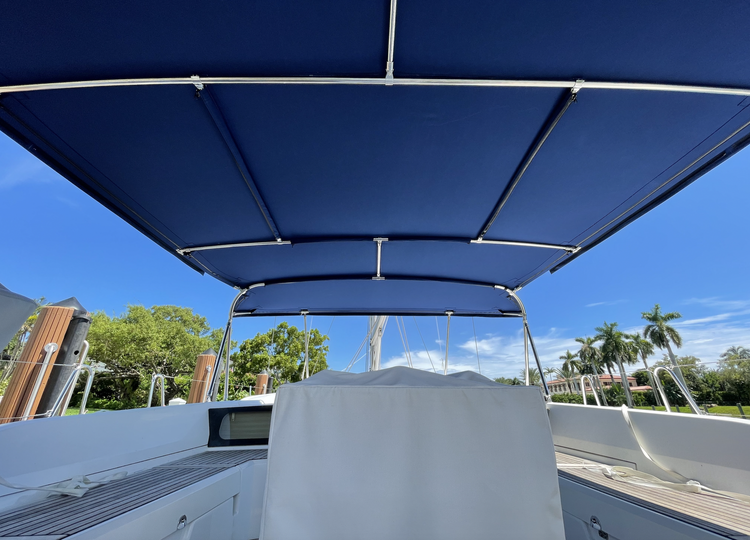
The "bows" of a bimini top refer to the number of arched support poles that hold the fabric canopy. This number directly impacts the top's stability, coverage area, and how it folds.

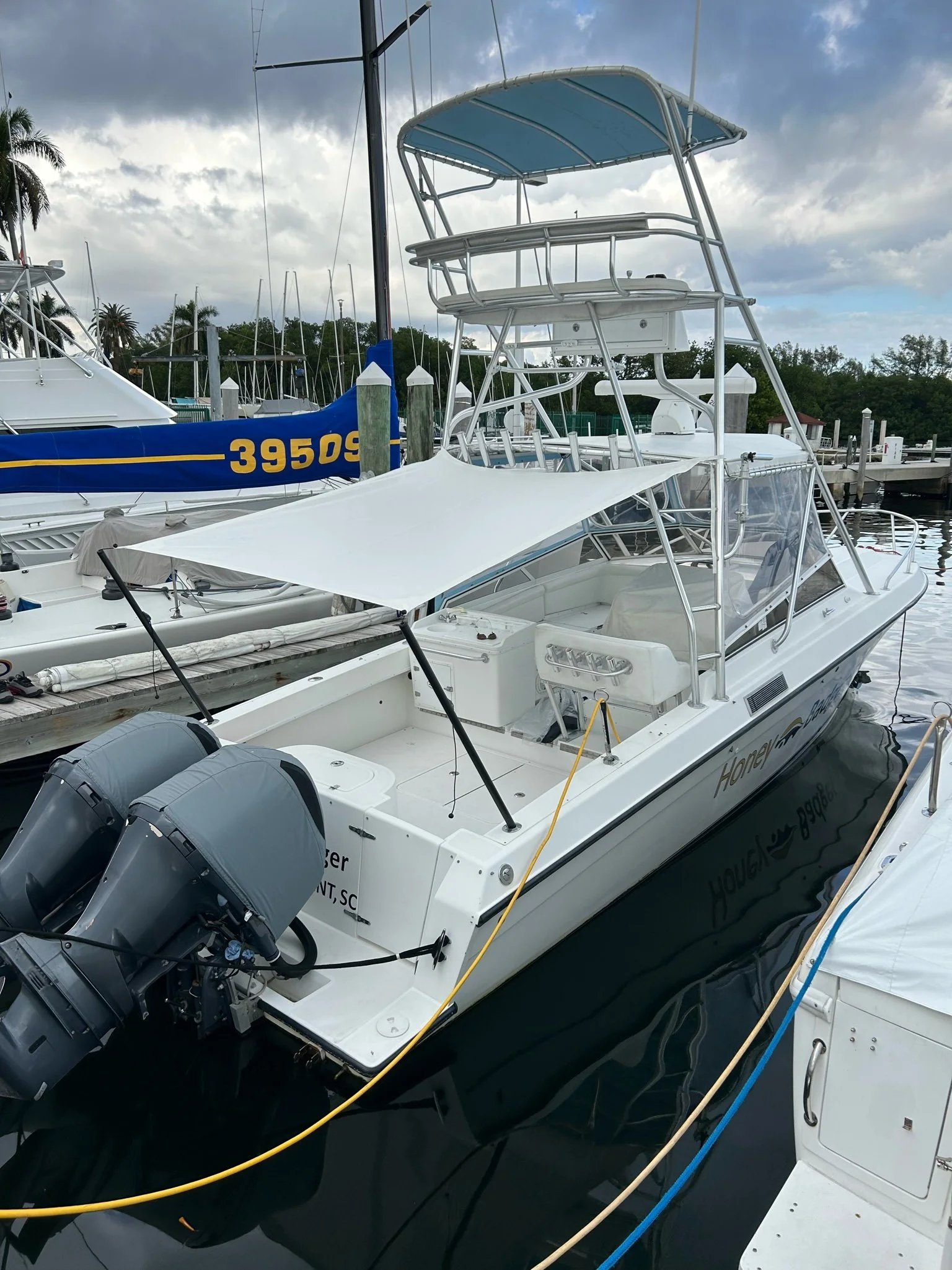
  • 2-Bow Tops: These are generally suitable for smaller boats, often those with a narrower beam or shorter length, like small fishing boats or inflatables. They offer a compact footprint and are typically easier to deploy and store. However, their coverage is more limited, and they might not be as stable in high winds or at higher speeds compared to multi-bow options.
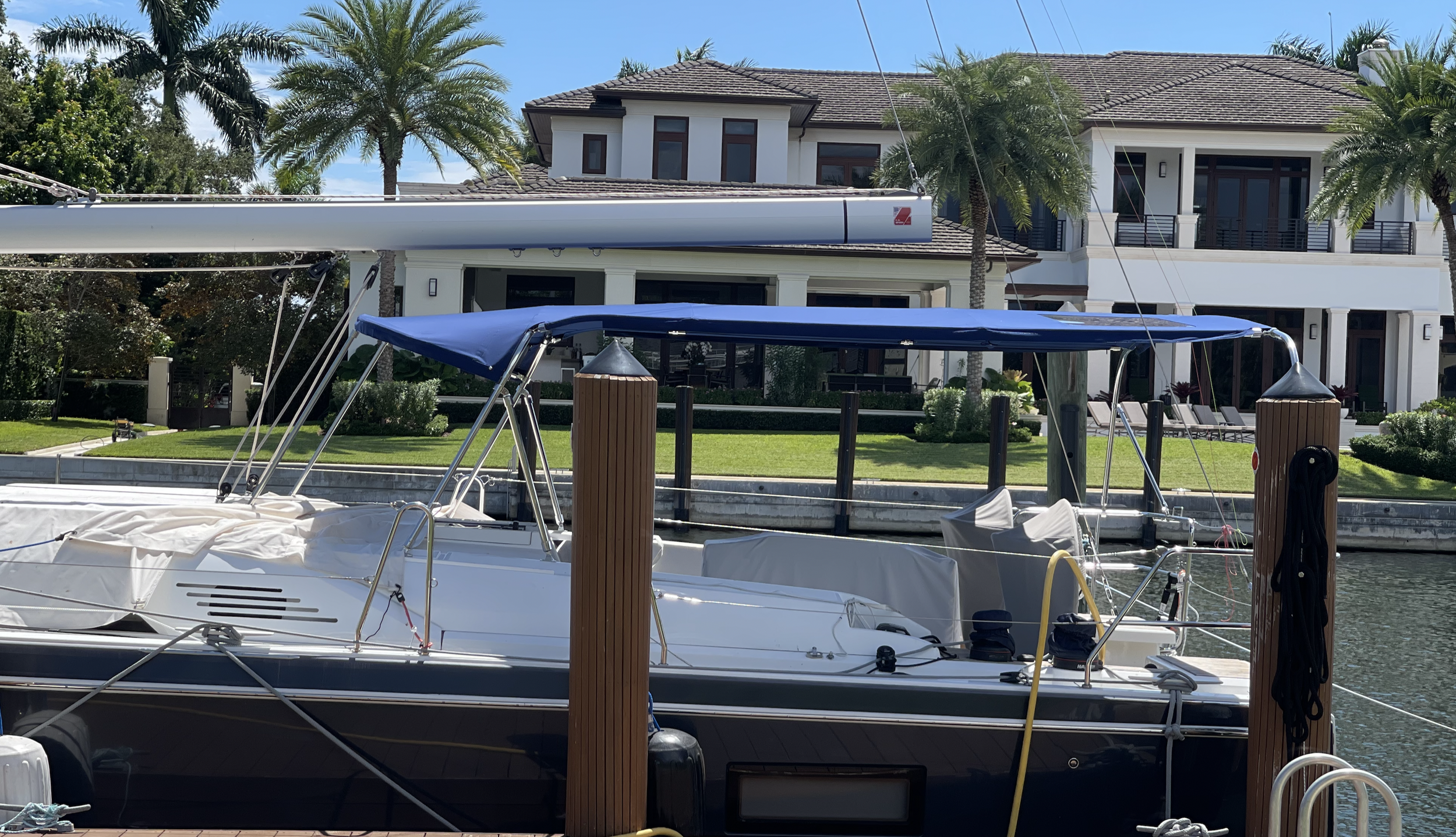
  • 3-Bow Tops: The most common type, 3-bow biminis strike a balance between coverage and manageability. They are ideal for a wide range of recreational boats, providing ample shade for two to four people. This configuration offers better stability than a 2-bow and is still relatively easy to fold down and store. Many of our clients find this a versatile option for their various boating activities across Broward County.
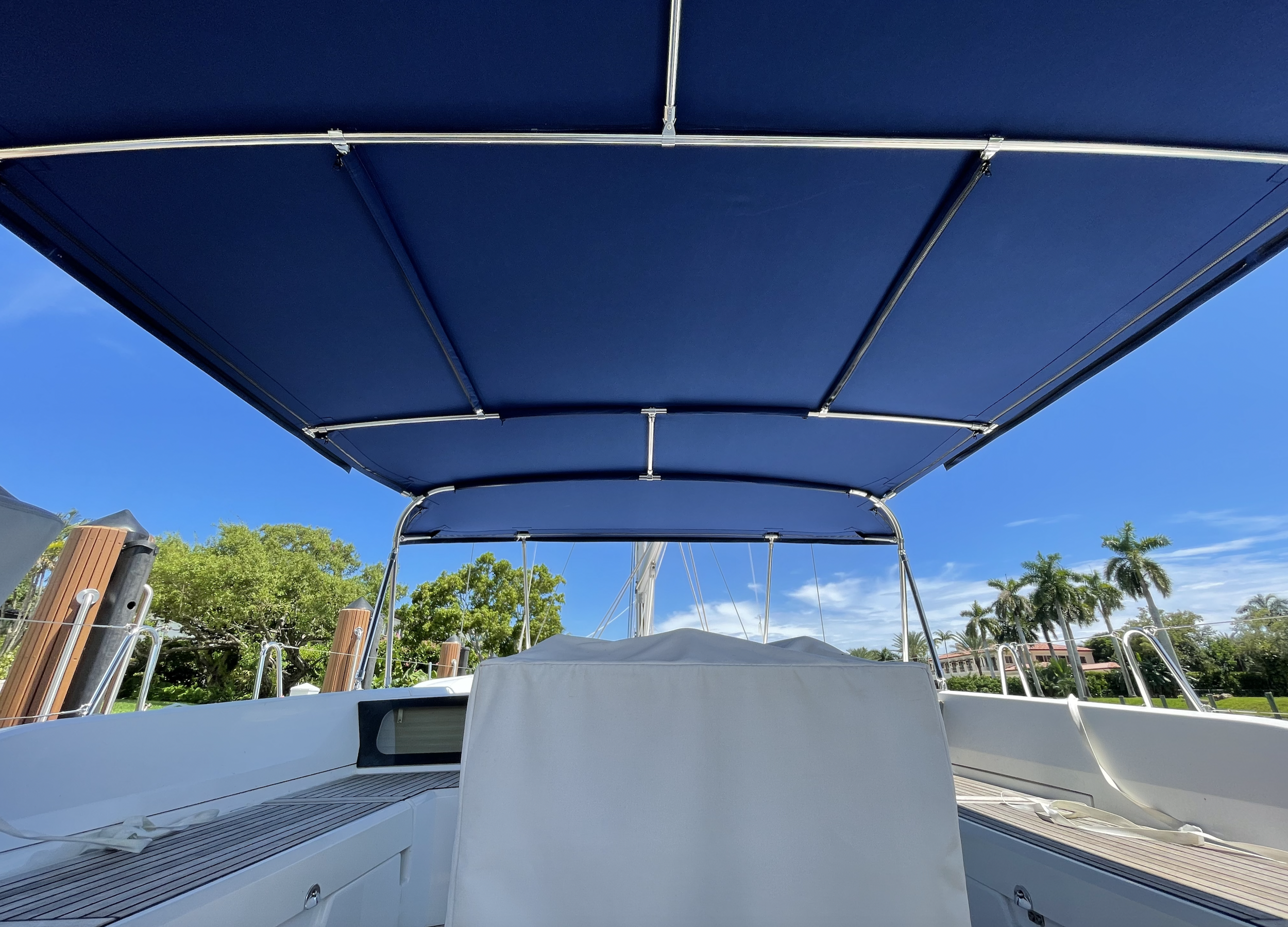
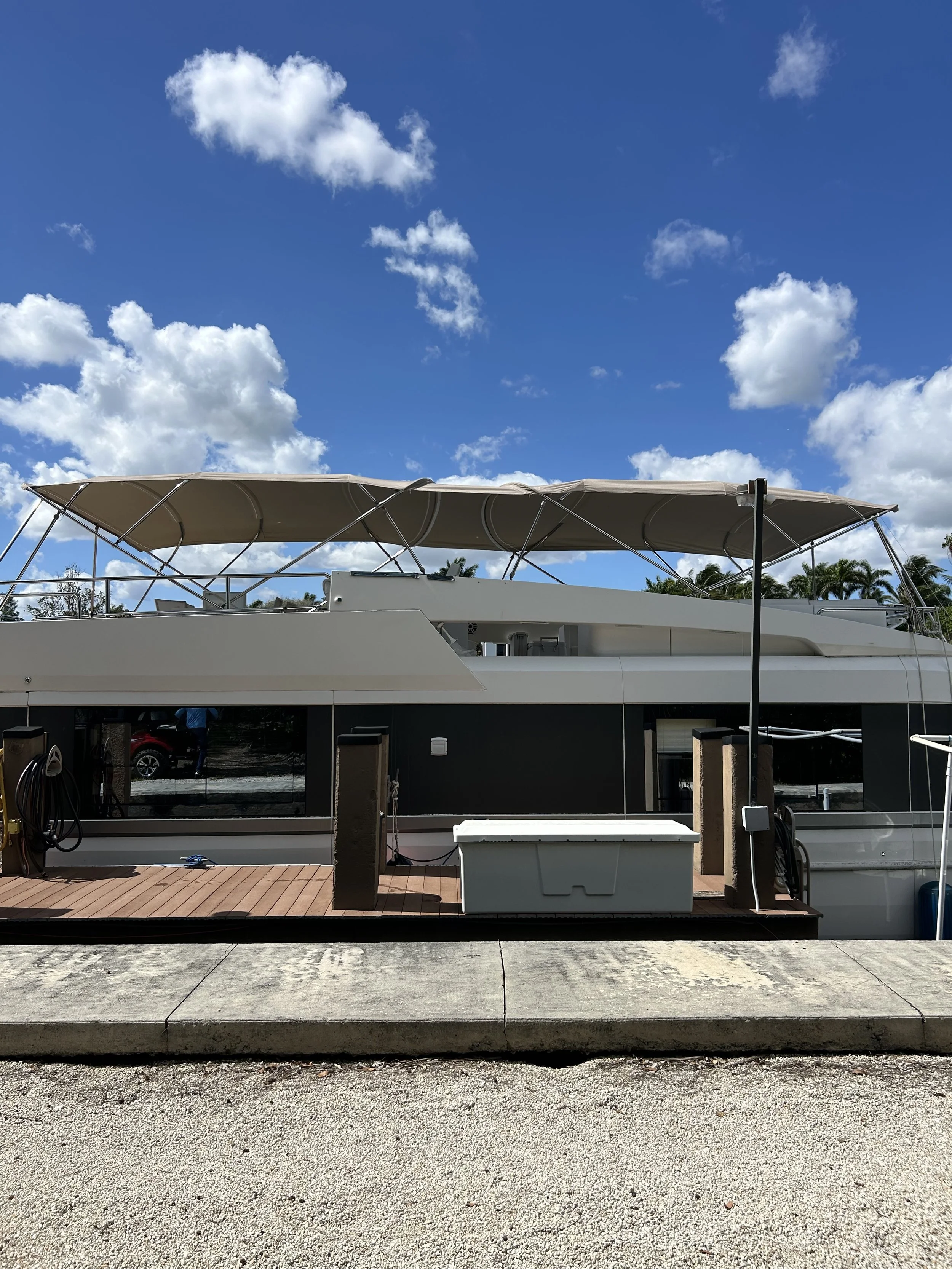
  • 4-Bow Tops: Offering the largest coverage area and improved stability, 4-bow biminis are perfect for larger vessels, pontoon boats, or situations where maximum shade is desired. They provide a more robust structure, making them better suited for longer periods of use and potentially rougher conditions. The availability of 2-bow, 3-bow, and 4-bow round tube configurations showcases the versatility in the market. For pontoon boats, 4-bow square tube configurations are also common, offering a specific aesthetic and fit.
  • Square Tube Tops: While most biminis use round tubing for their frames, some pontoon boats and specific designs might use square tubing. This offers a different aesthetic and can sometimes provide a slightly more rigid structure for certain applications.

Measuring Your Boat for a Perfect Fit

Precision is key when selecting a bimini top cover, especially for our discerning clients. A properly fitted bimini ensures maximum shade, stability, and aesthetic appeal. An ill-fitting top can sag, flap in the wind, or fail to provide adequate protection. This is why we emphasize 3D-measured, precision-cut solutions for luxury yachts.

  1. Determining Width (Mounting Point to Mounting Point): This is arguably the most critical measurement. You'll need to decide where on your boat's gunwales or deck you want to mount the bimini. Measure the distance between these two points. This measurement determines the width of the bimini frame you need. Consider any obstructions, such as railings, rod holders, or cleats, that might interfere with the mounting hardware or the bimini's operation.
  2. Determining Length (Coverage Area): The length of the bimini refers to how much coverage it provides from front to back. To determine this, decide how much of your boat you want shaded. For example, if you want to cover the helm and part of the cockpit, measure that specific area. A longer bimini will likely require more bows for stability.
  3. Determining Height: This measurement impacts headroom and visibility. Sit or stand in the area you wish to shade and measure from the mounting point upwards to where you want the top of the canopy to be. Ensure there's enough clearance for comfortable movement, but not so high that it catches excessive wind or looks disproportionate. Also, consider any existing radar arches, towers, or other structures it needs to clear when folded or deployed.

Importance of Precision Measurement: For luxury yachts, guesswork simply isn't an option. Our 3D-measured, precision-cut solutions ensure that your bimini top is tailor-made to your vessel's unique contours, providing a flawless fit that improves both form and function. This meticulous approach guarantees that the bimini top complements your yacht's lines, provides optimal shade, and operates smoothly, reflecting the high standards expected in the South Florida marine environment.

Understanding Materials and Construction of Bimini Top Covers

The choice of material and the quality of construction are paramount to the longevity and performance of your bimini top cover, especially under the intense South Florida sun and saltwater exposure. We believe in using only elite marine-grade materials to ensure top-tier craftsmanship for our clients in Miami, Fort Lauderdale, and West Palm Beach.

different marine fabric swatches - bimini top covers

Common Fabric Choices and Their Properties

The fabric is the heart of your bimini top, responsible for sun protection, water resistance, and overall durability.

  • Marine-Grade Polyester: This is a popular choice due to its excellent balance of durability, water resistance, and affordability. For example, some high-quality tops are made with top-of-the-line 6.5 oz. marine-grade polyester material. This material is engineered specifically for marine vehicles, meaning it's breathable, waterproof, and resistant to shrinking, stretching, warping, mold, mildew, and musty odors. Unlike general outdoor materials or cotton blends, marine polyester excels in the sun and does not retain water.
  • Solution-Dyed Acrylics (e.g., Sunbrella): Often considered the gold standard for marine canvas, solution-dyed acrylics like Sunbrella are renowned for their exceptional UV protection, fade resistance, and mold and mildew resistance. Sunbrella marine canvas fabrics have been a trusted choice for almost 60 years. The key is their solution-dyed process, where color is added to the fibers during extrusion, ensuring the color runs through the entire fiber, not just on the surface. This means color intensity will not diminish due to sun, wind, or rain. For instance, premium biminis often use 100% genuine Sunbrella fabric, which is typically a 60" wide marine-grade, water-repellent, heavy-duty breathable, UV and mildew-resistant, and 9.25 oz. solution-dyed acrylic. Sunbrella fabrics are also breathable, which helps prevent heat buildup and creates a more comfortable environment underneath. You can learn about high-performance marine fabrics to understand more about their superior qualities.
  • Vinyl-Coated Fabrics: While highly waterproof and durable, vinyl-coated fabrics typically lack the breathability of acrylics or polyester. They can be very effective for specific applications but might lead to more heat retention underneath the bimini. They are also generally less resistant to fading over long periods of sun exposure compared to solution-dyed options.

Key Fabric Properties:

  • Fade Resistance: Crucial in sunny South Florida, solution-dyed fabrics like Sunbrella excel here.
  • Mold and Mildew Resistance: Essential in humid marine environments. High-quality marine polyesters and acrylics are inherently resistant or treated to resist these issues.
  • Breathability: Allows air to circulate, reducing heat buildup and preventing moisture trapping, which can lead to mold.
  • Water Resistance vs. Waterproof: Water-resistant fabrics repel water to some extent, while waterproof fabrics prevent water penetration entirely. Many high-quality marine fabrics are at least highly water repellent, with some offering full waterproof capabilities. A supreme bimini top cover, crafted from advanced technical fabric, will be breathable, durable, waterproof, and resistant to water and salt.

Key Features to Look for in High-Quality Bimini Top Covers

When investing in a bimini top cover for your luxury vessel, several features differentiate a good product from an exceptional one:

  • UV Protection Rating: The primary purpose of a bimini is sun protection. Look for fabrics with high UV protection ratings, blocking a significant percentage of harmful UV rays. Sunbrella fabrics are even recommended by The Skin Cancer Foundation for use in shading products.
  • Water Resistance vs. Waterproof: While water resistance is good, true waterproof capabilities offer superior protection during unexpected rain showers, a common occurrence in our region. Ensure the fabric is not only water repellent but also designed to keep you and your interior dry.
  • Durability: This encompasses several factors:
    • Fabric Weight: Often measured in ounces per square yard (e.g., 6.5 oz polyester, 9.25 oz Sunbrella). Heavier fabrics generally offer more durability and tear resistance.
    • Stitching Quality: Double-stitched seams with rot-proof threads are essential. Reinforcements should be sewn, not glued, at all major wear points to prevent premature failure.
    • Frame Materials: Heavy-duty, lightweight aluminum framing is common, but for ultimate durability and resistance to saltwater corrosion, especially on larger yachts, 1-inch to 2.5-inch stainless steel framework is preferred.
  • Breathability: A breathable fabric is critical for comfort, allowing air to circulate and preventing the "greenhouse effect" underneath the canopy. This helps keep the shaded area cooler.
  • Warranty Considerations: A strong warranty is a testament to the manufacturer's confidence in their product. We've seen warranties ranging from 6 years for standard products to 10 years for premium options using fabrics like Sunbrella. A full warranty that covers rips, tears, waterproofness, and breathability provides significant peace of mind. Always confirm the specific terms of the warranty before purchasing.

Comparison of Marine-Grade Fabrics

Feature Marine-Grade Polyester Solution-Dyed Acrylic (e.g., Sunbrella) Vinyl-Coated Fabric
Durability High Very High Very High
UV/Fade Resistance Good Excellent Moderate
Water Resistance Water-resistant to waterproof Highly water-repellent Waterproof
Breathability Good Excellent Low
Mold/Mildew Resistance High Excellent Good
Cost Moderate High Moderate to High

Installation, Care, and Extending the Life of Your Bimini Top

A high-quality bimini top cover is an investment, and like any valuable boat accessory, its effectiveness and longevity depend heavily on proper installation and diligent maintenance. For our bespoke solutions in South Florida, we ensure meticulous installation, but ongoing care rests with the owner.

Proper Installation and Maintenance

Even the finest materials and craftsmanship can be compromised by incorrect installation or neglect.

Step-by-step installation overview:

While custom installations on luxury yachts involve specialized techniques, for standard bimini tops, the process generally involves:

  1. Frame Assembly: Carefully assemble the frame according to manufacturer instructions. Ensure all joints are secure.
  2. Mounting Hardware: Determine the ideal mounting points on your boat, considering clearance and desired coverage. Secure the deck hinges or mounts firmly to the boat's structure.
  3. Attaching the Frame: Connect the bimini frame to the mounted hardware.
  4. Fitting the Canvas: Drape the canvas over the frame and secure it using snaps, zippers, or straps, ensuring a taut, wrinkle-free fit.
  5. Securing Straps: Use the included adjustable straps (typically front and rear) to pull the bimini taut and stabilize it. These straps prevent flapping and excessive movement, especially important when underway. Ensure they are evenly tensioned.

Maintenance Tips:

  • Regular Cleaning: The salty air and humidity of South Florida mean frequent cleaning is a must. Most marine fabrics can be easily cleaned with mild soap (like dish soap) and warm water. For tougher messes, solution-dyed acrylics like Sunbrella are safe to clean with a diluted bleach solution. Always rinse thoroughly to remove all soap residue.
  • Stain Removal: Address spills and stains promptly. Different stains may require specific cleaning agents, but always test on an inconspicuous area first.
  • Using a Storage Boot: When your bimini top is folded down, protect the canvas from UV exposure, dirt, and bird droppings with a storage boot. A quality storage boot, for instance, is often made from 100% solution-dyed polyester and protects the top when in the storage position. Many quality biminis come with a free storage boot.
  • Hardware Quality: Regularly inspect all hardware (screws, hinges, straps, poles) for corrosion or wear. Replace any damaged components promptly to maintain the structural integrity of the bimini. For custom applications, we often use stainless steel fittings to withstand the harsh marine environment.

Factors Affecting Longevity:

  • Sun Exposure: Constant, intense UV exposure, like what we experience in South Florida, is the biggest enemy of bimini fabrics. High-quality, UV-resistant materials like Sunbrella are crucial.
  • Saltwater Environments: Salt can accelerate corrosion of metal frames and hardware, and if not rinsed, can also degrade fabric over time.
  • Wind: High winds can stress seams, frames, and mounting points. Proper installation and securing are vital.
  • Maintenance Regime: A consistent cleaning and storage routine can significantly extend the lifespan of your bimini.

Common Problems with Bimini Top Covers and How to Fix Them

Even with the best care, issues can arise. Knowing how to address them can save you time and money.

  • Rips and Tears: Small tears can often be repaired with marine-grade repair patches or by a professional canvas repair shop. For larger rips, especially along seams, a replacement canvas might be necessary. To avoid, ensure the top is always properly secured, especially in windy conditions, and use a storage boot when not in use.
  • Fading Color: This is most common with lower-quality, pigment-printed fabrics. Solution-dyed fabrics like Sunbrella are designed to resist fading for years. If fading occurs, it's generally irreversible, and the only solution is replacement.
  • Frame Damage (Bending or Breaking): This usually results from high winds, impact, or improper folding/storage. Minor bends in aluminum frames might be carefully straightened, but significant damage usually requires frame section replacement or a new frame. Stainless steel frames are far more robust. To prevent, always fold down your bimini in strong winds or when trailering (unless specifically designed to be left up).
  • Leaking Seams: Over time, stitching can degrade, leading to leaks. Sometimes, a seam sealer can temporarily resolve this. If the fabric itself is compromised, or the leaks are extensive, a new canvas is the best solution. High-quality biminis use rot-proof threads and double-stitched seams to prevent this.

Avoiding Common Issues: The best way to avoid these problems is to invest in a high-quality bimini top cover from the outset, ensure professional installation, and adhere to a strict maintenance schedule. Choosing fabrics like Sunbrella or marine-grade polyester, known for their durability and resistance to UV and mildew, will pay dividends in the long run.

Frequently Asked Questions about Bimini Tops

We often get asked various questions about bimini top covers from our clients across Miami, Fort Lauderdale, and West Palm Beach. Here are some of the most common ones.

What is the typical lifespan of a bimini top?

The typical lifespan of a bimini top cover can range significantly, but with proper care and quality materials, you can expect it to last anywhere from 5 to 10+ years. Several factors influence this longevity:

  • Material Impact: Solution-dyed acrylics like Sunbrella generally offer the longest lifespan due to their superior UV and fade resistance. Marine-grade polyesters are also very durable, often lasting 5-7 years or more. Cheaper vinyl or cotton blend fabrics will degrade much faster.
  • Maintenance Influence: Regular cleaning, prompt stain removal, and consistent use of a storage boot when the bimini is not deployed or stored will dramatically extend its life. Neglect can cut a bimini's life in half.
  • Climate Effects: The intense sun and humidity of South Florida are particularly harsh on marine fabrics. A bimini exposed to constant, unfiltered sun and saltwater spray without proper care will deteriorate faster than one used in milder climates or stored indoors.
  • Usage Frequency: A bimini that is frequently deployed and stowed, or left up during high-speed cruising, will experience more wear and tear than one used occasionally.

Quality manufacturers often back their products with warranties reflecting expected lifespans; for instance, some offer 6-year warranties, while premium options using high-end fabrics like Sunbrella often come with a 10-year guarantee.

Can I leave my bimini top up while trailering my boat?

This is a critical question for boat owners who frequently trailer their vessels. The answer depends on several factors:

  • Trailerable Bimini Tops: Some bimini tops are specifically designed to be trailerable, meaning they are built to withstand the wind forces encountered during road travel. These typically have more robust frames and secure mounting systems.
  • Speed Limitations: Even with a trailerable bimini, there are usually speed limitations. High speeds can create immense pressure, potentially damaging the frame, canvas, or even the boat's mounting points. Always consult the manufacturer's recommendations.
  • Proper Securing: If you do trailer with your bimini up, ensure it is fully deployed and all straps are tightened securely to prevent flapping. However, it's generally recommended to fold down and secure your bimini in its storage boot before trailering to minimize wear and tear and avoid potential damage. Some bimini tops, for example, are designed to be trailerable and can even remain on the boat with a boat cover.
  • Manufacturer Recommendations: Always defer to the bimini top and boat manufacturer's guidelines. When in doubt, it's safest to fold it down.

For custom-built biminis on luxury yachts, we often advise folding them down or using specialized covers for trailering to protect your investment.

What is the difference between a 3-bow and a 4-bow bimini top?

The primary difference between a 3-bow and a 4-bow bimini top lies in their coverage area, stability, and suitability for different boat sizes.

  • Coverage Area:

    • 3-bow bimini tops typically offer a more compact shade footprint, covering a smaller section of the boat. They are generally shorter in length (front to back).
    • 4-bow bimini tops provide a significantly larger coverage area, extending further along the boat's length. This makes them ideal for shading a larger portion of the deck, such as the helm and a substantial part of the cockpit, or an entire seating area on a pontoon boat.
  • Boat Size Suitability:

    • 3-bow for smaller boats: These are well-suited for smaller recreational boats, runabouts, or center consoles where space is at a premium, and extensive coverage isn't the primary goal. They offer a good balance of shade and ease of use.
    • 4-bow for larger boats: Larger vessels, pontoon boats, or those requiring maximum shade benefit greatly from a 4-bow configuration. The extra bow provides more structure to support the larger canvas.
  • Stability Differences:

    • The additional bow in a 4-bow bimini generally provides improved stability and rigidity. This makes it more robust in windy conditions or at higher speeds, as the forces are distributed over more support points.
    • A 3-bow, while stable enough for most general use, might experience more flex or movement in rougher conditions or at higher speeds compared to its 4-bow counterpart.

Both 3-bow and 4-bow configurations are widely available, allowing boaters to choose based on their specific needs for coverage and stability. When we design custom biminis for our clients, we consider these factors carefully, along with the overall aesthetic and intended use of the yacht, to ensure the optimal solution.

Conclusion: Investing in Comfort and Protection

Investing in a high-quality bimini top cover is more than just buying an accessory; it's about enhancing your entire boating experience in the beautiful, yet often intense, South Florida environment. From protecting your skin from harmful UV rays to safeguarding your boat's valuable interior and electronics, the benefits are clear and compelling.

We've explored how crucial it is to select the right size and bow configuration for your vessel, with options ranging from compact 2-bow designs to expansive 4-bow systems perfect for larger yachts. The choice of materials, from durable marine-grade polyester to the industry-leading, fade-resistant Sunbrella fabrics, dictates not only the performance but also the longevity of your investment. Remember to prioritize features like high UV protection, true waterproof capabilities, strong warranties, and robust construction with quality stitching and hardware.

Proper installation and diligent maintenance are the unsung heroes of a long-lasting bimini. Regular cleaning, using a storage boot, and promptly addressing minor issues can significantly extend its life, allowing you to enjoy countless hours of shaded comfort on the water.

For ultimate precision and luxury on yachts across Miami, Fort Lauderdale, and West Palm Beach, custom 3D-measured solutions from specialists like us at American Marine ensure a perfect, high-performance result. We pride ourselves on using elite marine-grade materials and delivering top-tier craftsmanship that stands up to the South Florida elements.

Don't let the sun dictate your time on the water. Explore your options for custom Bimini Shades and find how a well-chosen bimini top can transform your boating experience, ensuring comfort, protection, and peace of mind for years to come.

Previous
Previous

How Premium Custom Marine Canvas Engineering Is Transforming Superyacht Weather Protection

Next
Next

Upgrade Your Shade: Finding the Perfect 4 Bow Bimini Replacement