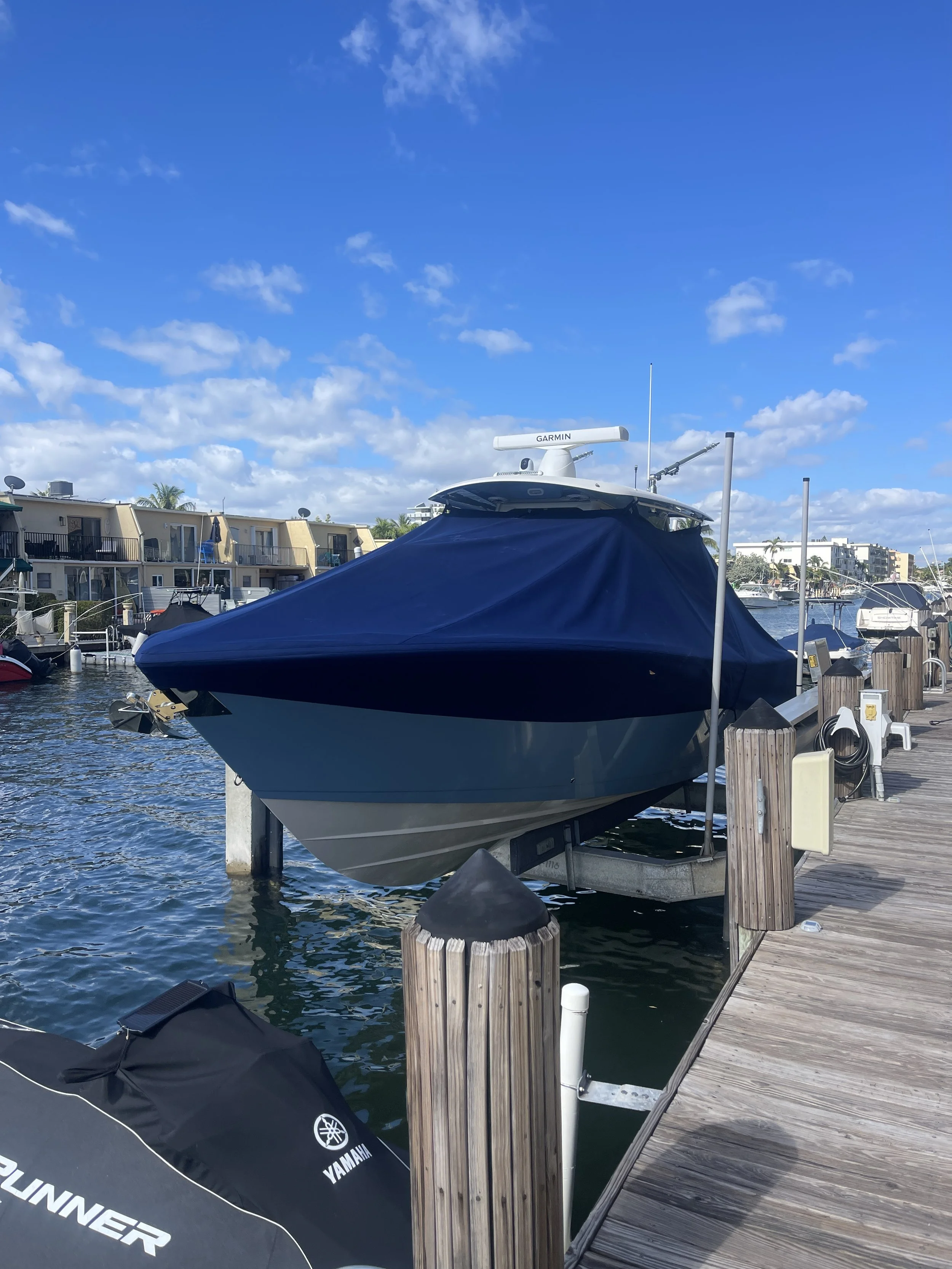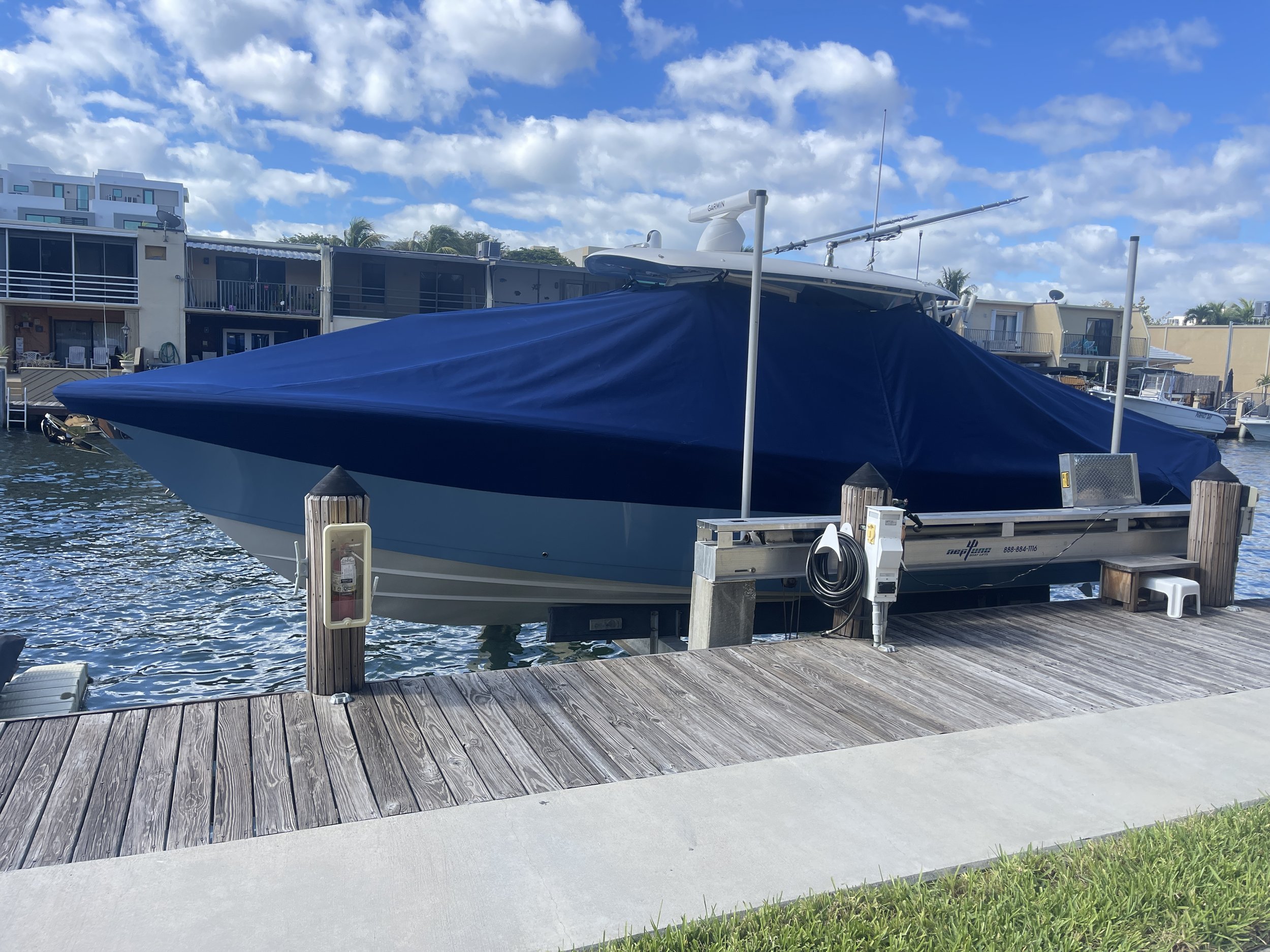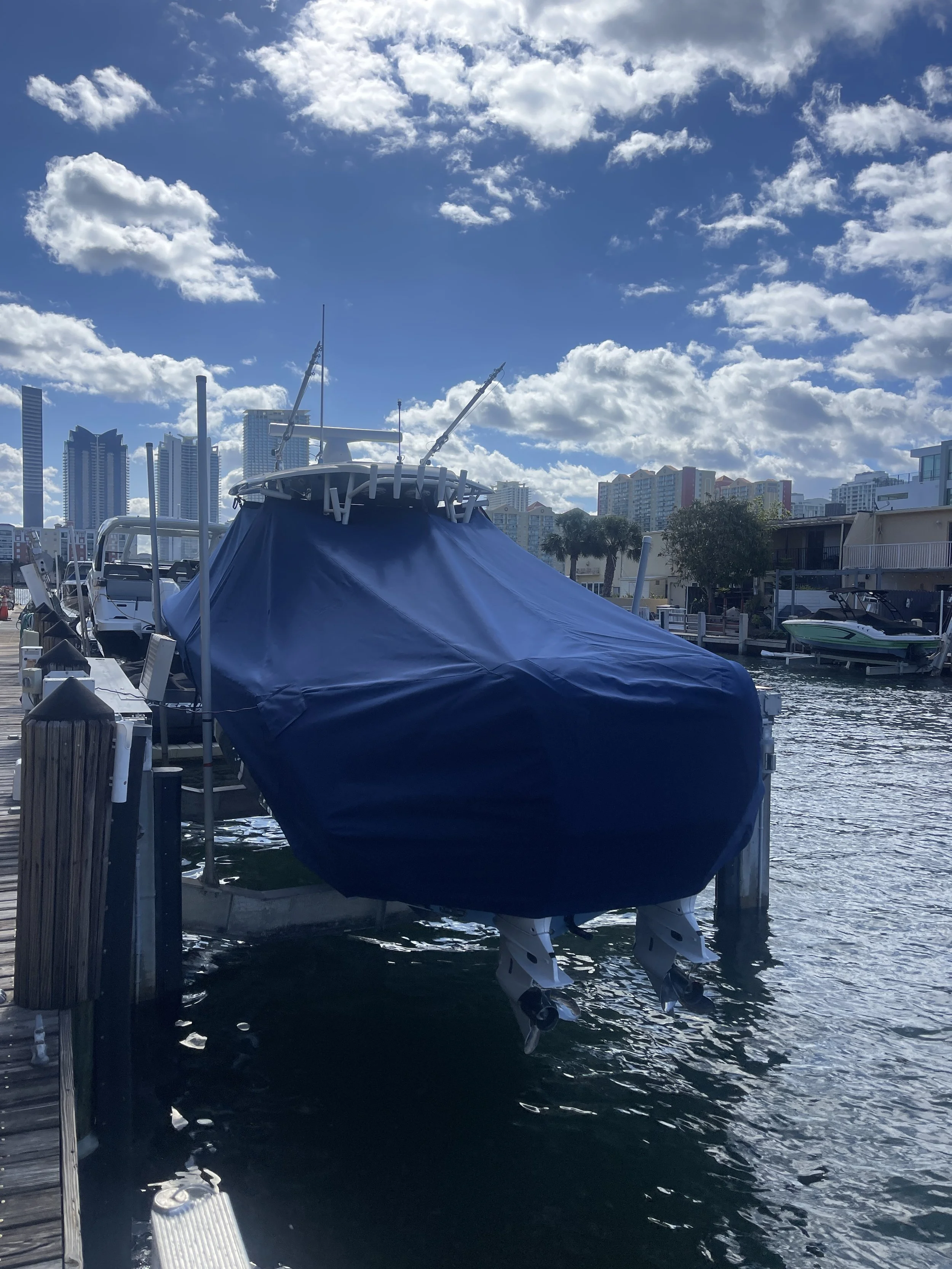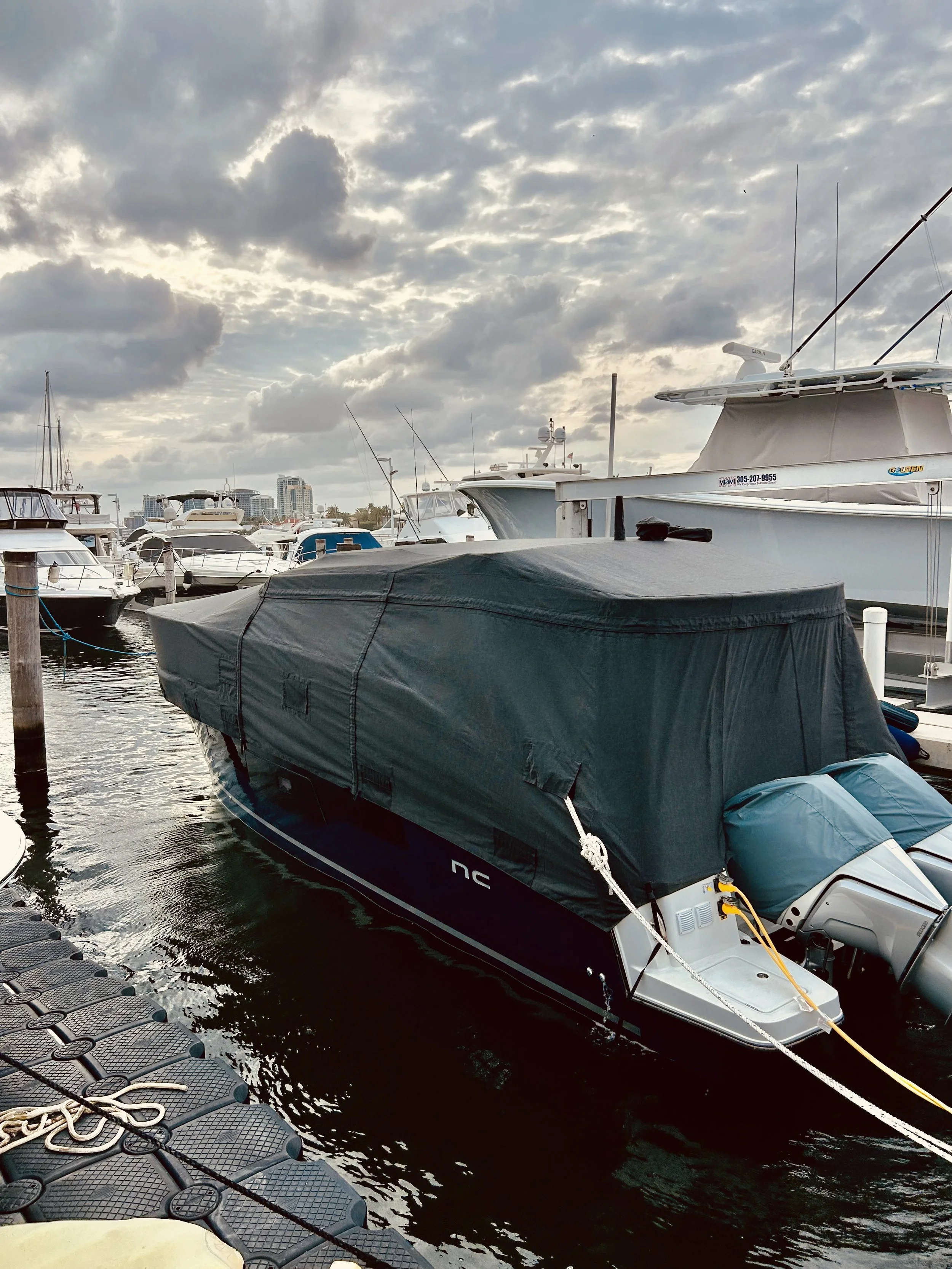
Individual Boat Seat Covers Guide: Protecting Seats in 2025

Picture this: you step onto your boat in 2025, and your seats look flawless—no cracks, no fading, and not a hint of mildew. It’s the dream, right? Yet, if you’ve ever owned a boat, you know those seats face a constant battle with sun, salt, and unpredictable weather.

That’s where individual boat seat covers come in. These simple yet powerful covers are the smartest way to keep your seats comfortable, stylish, and protected against daily wear. With the right choice, you can avoid expensive repairs, extend the life of your seats, and keep your boat looking its best year-round.

In this guide, you’ll learn why seat covers matter, what’s new for 2025, how to pick the perfect fit, and tips for installing and caring for your investment. Ready to safeguard your boat seats with confidence? Let’s get started.

Why Individual Boat Seat Covers Matter in 2025

Boat owners know every detail on board counts, but few investments pay off like protecting your seats. The reality is, marine upholstery costs are climbing fast. In 2024, the average price to replace a set of basic boat seats jumped by 18%, and premium materials went even higher. With the marine upholstery fabrics market projected to keep growing in response to demand for durability and style, the need for reliable protection is more urgent than ever. Marine Upholstery Fabrics Market Size

Now, think about what your seats face every season. The relentless sun, salt-laden air, sudden rain, and the ever-present threat of mildew. Each of these elements can wreck marine seating, often in less than a year if left exposed.

Here’s a quick look at the most common threats and how individual boat seat covers help:

Threat Damage Caused How Covers Help
UV Rays Fading, cracking Block sunlight, preserve color and flexibility
Saltwater Corrosion, staining Provide barrier, reduce salt buildup
Rain/Humidity Mildew, mold, rot Keep moisture out, allow airflow
Debris/Dirt Abrasion, staining Shield surface, easy cleaning

Unlike full boat covers, individual boat seat covers offer flexibility and precise protection exactly where you need it. Full covers are great for storage, but they’re not practical for everyday use or quick trips. With individual boat seat covers, you can protect seats that see the most use—captain’s chairs, benches, sunpads—without the hassle of covering the whole vessel.

Let’s talk about the issues that really hit your wallet. Fading, cracking, mold, and stains not only make your boat look tired, they also drive up maintenance costs. Seat replacement is rarely cheap, and even minor repairs can add up. By using individual boat seat covers, you attack these problems right at the source, stopping damage before it starts.

Resale value is another big consideration. Well-maintained seats can add thousands to your bottom line when it’s time to upgrade or sell. Prospective buyers notice details, and spotless seating signals that the entire vessel has been cared for. It’s a small step that delivers outsized returns.

Environmental factors in 2025 are also shifting the game. The UV index is rising, and weather patterns are more unpredictable than ever. That means marine fabrics are under more stress, and unprotected seats are at higher risk of rapid deterioration.

Consider the story of a family who switched to individual boat seat covers after a costly upholstery replacement in 2023. The next season, their seats stayed spotless—no cracks, no stains, no mildew. Routine cleaning was easier, and the covers paid for themselves by year two, simply by avoiding another round of repairs.

In short, individual boat seat covers aren’t just a convenience. They’re a critical line of defense against rising costs, unpredictable weather, and the everyday threats of the marine environment. For anyone serious about comfort, style, and long-term value, the right covers are a must in 2025.

Why Individual Boat Seat Covers Matter in 2025

Types of Individual Boat Seat Covers: Materials, Fits, and Innovations

Choosing the right individual boat seat covers for your vessel in 2025 means understanding a landscape that’s changed a lot in recent years. Materials, fit options, and smart features have evolved to meet new challenges. Whether you’re a weekend angler or a yacht enthusiast, knowing what’s out there ensures your investment lasts longer, looks better, and stands up to whatever the water throws at it.

Types of Individual Boat Seat Covers: Materials, Fits, and Innovations

Overview of Popular Materials

When it comes to individual boat seat covers, the choice of material is where protection really begins. Marine-grade vinyl has long been the go-to for its water resistance and easy cleaning. Polyester offers strength and lightweight flexibility, while canvas stands out for breathability and ruggedness.

Here’s a quick comparison:

Material Pros Cons
Marine Vinyl Waterproof, UV-resistant, easy to clean Can get hot, less breathable
Polyester Lightweight, flexible, affordable Lower abrasion resistance
Canvas Breathable, durable, classic look Heavier, needs more care

For 2025, innovations are reshaping these classics. Eco-friendly fabrics, advanced UV-resistant coatings, and antimicrobial treatments are becoming standard. Saltwater durability is a top concern, so manufacturers now test materials for fade and corrosion resistance in harsher environments.

If you want a deep dive into how these materials stack up, check out this Marine canvas material guide. It’s packed with details on what makes a cover last through tough seasons.

According to leading marine fabric manufacturers, the newest blends outperform older options in both longevity and appearance. So, when you’re comparing individual boat seat covers, remember that the right material is your first line of defense.

Fit and Design Options

The fit of your individual boat seat covers can make or break their effectiveness. Universal covers are convenient and often budget-friendly, but they can leave gaps or bunching that lets in moisture and dirt. Custom-fit covers, on the other hand, hug each seat perfectly, providing full protection and a tailored look.

Key design elements to look for include elastic hems, drawstrings, and reinforced seams. These features help keep covers snug, even in rough weather. In 2025, modular covers are catching on, letting owners swap out or combine pieces for different seating arrangements. Color customization is on the rise, too, so you can match your boat’s style or opt for high-visibility shades.

Integrated ventilation is another trend. Mesh panels or built-in vents allow air to flow, reducing the risk of mildew. Before-and-after comparisons show just how much better seats look when protected by a well-fitted cover, versus a loose one that lets in salt spray or sun.

When evaluating individual boat seat covers, prioritize fit as highly as material. A great cover that doesn’t fit right simply can’t do its job.

Smart Features and Tech Upgrades

Tech is making waves in the world of individual boat seat covers. Waterproof zippers prevent water from seeping in at vulnerable points. Breathable mesh panels control humidity and temperature, keeping seats dry and comfortable. Quick-release buckles and easy-grab straps mean you can secure or remove covers in seconds—even solo.

Looking ahead, some covers now feature built-in sensors that monitor moisture or UV exposure. This tech alerts you to potential problems before they become expensive repairs. For those who store covers often, compact designs and storage bags make handling a breeze.

User satisfaction rates are highest for covers with these advanced features. Owners report less maintenance, better seat longevity, and more peace of mind. As you shop for individual boat seat covers, look for these smart upgrades—they’re not just bells and whistles, but practical tools for protecting your investment.

How to Choose the Right Boat Seat Covers for Your Vessel

Selecting the best individual boat seat covers is about more than just picking a color or material. It’s a process that protects your investment, matches your boating lifestyle, and saves you money for years to come.

Below, we’ll break down how to assess your needs, compare top brands, and make sense of the dollars and cents. The goal: total confidence when you shop for individual boat seat covers.

How to Choose the Right Boat Seat Covers for Your Vessel

Assessing Your Boat’s Needs

Before buying individual boat seat covers, take a good look at your vessel’s seating layout. Different seat types need different solutions. Here’s a simple checklist to get you started:

  • Identify every seat: captain’s chairs, benches, sunpads, lounges.
  • Measure each seat carefully. Write down the width, depth, and backrest height for each one.
  • Note any unique shapes or armrests that might need custom covers.
  • Think about your climate. Are you boating in intense sun, high humidity, or salty air?
  • Consider where you store your boat. Covered slip or open dock? Garage or outdoor lot?

A snug fit is crucial for individual boat seat covers. Too loose, and water or debris can sneak in. Too tight, and seams might split over time. Measure twice, order once—mistakes here can lead to headaches later.

If you’re unsure, make a quick inventory sheet. List all seats, their measurements, and any special features. This not only helps you shop smarter but also avoids wasted time and returns.

Choosing individual boat seat covers that truly match your vessel’s needs will keep your seats protected from day one.

Comparing Brands and Quality

Not all individual boat seat covers are created equal. Some brands cut corners to save costs, while others invest in craftsmanship and durability. So, what sets the best apart from the rest?

Key indicators of quality:

Feature What to Look For Why It Matters
Stitching Double or reinforced seams Prevents early fraying
Hardware Marine-grade zippers, buckles Resists corrosion in salt air
Material UV-resistant, waterproof fabrics Stops fading and water damage
Fit Custom or adjustable designs Keeps covers secure, looks tidy

Review warranty terms. Good brands back their individual boat seat covers with solid support. Look for at least a one-year warranty, and check customer support ratings. Can you get help if your cover fails?

Consumer surveys from 2024 show that top-rated brands consistently deliver on fit, resilience, and after-sales support. Don’t ignore craftsmanship details like reinforced corners and premium hardware. These small touches add years to your covers’ lifespan.

When comparing brands, read honest reviews and check photos. A picture says more than a spec sheet ever could. High-quality individual boat seat covers will not only look better but also hold up against the toughest marine conditions.

Budgeting and Value Considerations

Let’s talk numbers. Individual boat seat covers come in a wide price range, from budget-friendly options to premium, custom-fit solutions. But here’s the reality: the cheapest choice up front often costs more in the long run.

Average price ranges for 2025:

  • Standard universal covers: $30–$70 per seat
  • Mid-tier, semi-custom: $70–$120 per seat
  • Premium custom-fit: $120–$250+ per seat

So, how do you decide? Think about the long-term savings. Premium individual boat seat covers protect against UV, mildew, and tears, reducing costly repairs and replacements. Over five years, the upgrade can pay for itself.

Here’s a quick case study:

  • Outfitting a 25-foot center console with universal covers might cost $300, but after two seasons, faded and cracked seats could run $2,000 or more in repairs.
  • A luxury cruiser with custom-fit covers may require a $1,200 investment, yet seats stay pristine, boosting resale value by thousands.

If you want to see why investing in custom-fit covers often leads to bigger savings, check out The hidden costs of generic covers.

In short, weigh the upfront cost against the real value—protection, durability, and peace of mind. Sometimes, spending a little more now means spending a lot less later. Choose individual boat seat covers that fit your budget, but never sacrifice on essentials.

Installation and Maintenance: Step-by-Step Guide

Installing and maintaining individual boat seat covers the right way is the secret to keeping your boat’s interior looking (and smelling) fresh for years. It’s not just about tossing a cover on and calling it a day. The details matter, from prep to storage. Here’s a hands-on, step-by-step approach for every boater who wants to do it right.

Installation and Maintenance: Step-by-Step Guide

Step 1: Preparing Your Seats

Before you even think about installing individual boat seat covers, make sure your seats are spotless and dry. Salt, sand, and moisture are the enemies here. Start by brushing off loose debris. Use a marine upholstery cleaner to tackle stains, then wipe everything down with a microfiber towel.

Don’t forget to let the seats air dry completely. Even a little leftover moisture can lead to mildew under your covers. Some boaters prefer a quick vacuum for crumbs and pet hair, too. The cleaner your seats, the better the protection your individual boat seat covers will provide.

  • Remove all loose items from seats.
  • Use gentle, marine-safe cleaning solutions.
  • Allow ample drying time before covering.

A little effort now pays off with less cleaning and fewer repairs down the line.

Step 2: Fitting and Securing Covers

Once your seats are prepped, it’s time to fit the individual boat seat covers. Always align the cover so it matches the seat’s contours. Universal covers work, but if you want a tailored look, custom-fit options are worth the investment. Check for elastic hems, drawstrings, or adjustable straps for a snug, wrinkle-free finish.

For one-person installs, start at the top and work downward, smoothing as you go. If your cover has fasteners, secure them tightly to prevent shifting. Two-person installs make things easier on larger or more complex seats.

  • Align seams with seat edges.
  • Adjust straps or drawcords for a tight fit.
  • Double-check fasteners, especially before trailering.

Curious about the best way to ensure a perfect fit? The Expert guide to custom boat covers breaks down fitment tips and tricks for every seat style.

Step 3: Regular Maintenance and Cleaning

Regular care keeps individual boat seat covers working their best. Most covers need only a gentle hand wash with mild soap and water. Avoid harsh chemicals like bleach or strong solvents—they can damage waterproof coatings and shorten the cover’s life.

How often should you clean? If your boat lives outdoors, check covers every few weeks for salt or grime buildup. For boats in storage, a monthly check is usually enough. Rinse thoroughly and air dry before putting them back on.

  • Hand wash only, using soft sponges.
  • Never use abrasive brushes or bleach.
  • Rinse well and dry fully before reinstallation.

Want to know more about cleaning marine vinyl and why it matters? This Waterproof marine vinyl fabric explained post dives into the details of proper care.

Step 4: Off-Season Storage Tips

When boating season ends, proper storage of individual boat seat covers is crucial. Fold each cover loosely to avoid deep creases. Use breathable storage bags to keep moisture out—avoid plastic bags, which can trap humidity and cause mildew.

Label each bag with the seat type for easy access next season. Store covers in a dry, cool place if possible. If you’re storing in a humid climate, toss in a desiccant pack to absorb excess moisture.

  • Fold covers gently, do not compress tightly.
  • Choose storage bags that allow airflow.
  • Label each cover for quick identification.

Taking a few extra minutes with storage now means your individual boat seat covers will be ready to protect at a moment’s notice next year.

Step 5: Inspecting and Repairing Covers

Regular inspections help you catch small issues before they become big problems. Every few months, check your individual boat seat covers for signs of wear, like thinning fabric, faded spots, or loose stitching. Pay special attention to corners and seams—these areas see the most stress.

If you spot a small tear or hole, patch kits and re-waterproofing sprays can extend cover life. For bigger damage, it’s often more cost-effective to replace the cover instead of risking seat damage.

  • Look for fading, cracks, or worn areas.
  • Use marine-grade patch kits for minor repairs.
  • Replace covers when repairs won’t hold or protection is compromised.

A little vigilance keeps your individual boat seat covers—and your seats—looking sharp, season after season.

Expert Recommendations and 2025 Trends in Boat Seat Protection

Boat owners in 2025 face a rapidly changing marine environment. Industry experts see a clear trend: protecting your investment with individual boat seat covers is more critical than ever. The cost of marine upholstery is up, and seats are exposed to more extreme weather, unpredictable UV levels, and higher risks of mildew. Experienced upholsterers emphasize: proactive seat protection is no longer a luxury, it is a necessity.

Evolving Threats to Boat Seats

Marine professionals are seeing more cases of seat damage due to rising UV indices, unexpected rainstorms, and salt exposure. These threats accelerate fading, cracking, and mold growth, especially in seats left uncovered. According to the IUMI Stats Report 2025, global insurance claims for marine asset damage have increased, underlining the financial impact of neglecting seat protection.

Custom-Fit and Tech-Enhanced Covers

There has been a significant shift toward custom-fit individual boat seat covers. Owners of luxury and performance boats are opting for covers tailored to each seat for a sleek look and maximum defense. Tech upgrades are on the rise—think moisture sensors, UV monitoring, and ventilation panels. These features not only extend seat life but also make daily use more convenient.

Demand for Antimicrobial and Eco-Friendly Fabrics

Sustainability is no longer just a buzzword. Demand for antimicrobial and eco-friendly marine fabrics is growing fast. Manufacturers are introducing covers with recycled fibers, plant-based coatings, and built-in defenses against bacteria and mold. This trend boosts both the longevity of individual boat seat covers and the eco-conscious reputation of boat owners.

Climate Change and Material Choices

Unpredictable weather and harsher sun mean material selection is more important than ever. Marine upholstery experts recommend choosing fabrics proven to withstand salt, sun, and moisture. For a detailed look at which materials outperform others in 2025, see the comparison at Comparing Marine Fabrics in 2025. Owners in tropical or coastal regions are especially advised to invest in premium, UV-resistant options.

Top-Rated Covers in 2025

What sets the best individual boat seat covers apart this year? Look for these features:

  • Custom-fit patterns for each seat type
  • Double-stitched, reinforced seams
  • Advanced waterproofing and breathability
  • Integrated antimicrobial protection
  • Smart tech (like built-in sensors or quick-release buckles)

Consumer surveys consistently rate covers with these attributes highest for satisfaction and long-term value.

Future-Proofing Your Investment

Experts recommend thinking ahead when choosing individual boat seat covers. Prioritize covers that offer modularity and easy upgrades, so you can adapt to new tech or changing climates. Check for comprehensive warranties and brands with responsive support. The right cover today should still serve you well in five years—saving you from costly replacements down the line.

Advanced 3D Modeling and Custom Design

Elite marine protection is moving toward precision. Leading manufacturers now use 3D modeling to create custom covers that fit perfectly, even on complex or high-end yacht seating. This approach not only ensures a flawless look but also maximizes protection by eliminating gaps and loose areas. For owners seeking the highest standard, advanced design and artisan craftsmanship are quickly becoming the gold standard in seat care.

You’ve seen how the right individual boat seat covers can make all the difference in protecting your investment and keeping your yacht looking its best in 2025. With so many options and innovations, it’s important to choose covers that truly fit your vessel’s unique needs. At American Marine, we combine advanced 3D modeling, elite marine grade materials, and genuine craftsmanship to deliver a first class solution tailored just for you. If you’re ready to elevate your boat’s protection and style with a custom approach, Request a Private Consultation and let’s discuss your vision for your yacht’s seating.

Previous
Previous

7 Essential Marine Canvas Near Me Tips for 2025

Next
Next

The Essential Guide to Custom Marine Covers (2025)