Ultimate Guide to Boat Seat Covers: Protection Tips 2026
Picture this: you step onto your boat in 2026, morning sun glinting off the water, and your seats look as flawless as the day you bought them. The colors are still sharp, every surface feels new, and there’s not a single crack or faded patch in sight.
But let’s be honest, keeping seats this perfect isn’t easy. Sun, salt, rain, and daily use all attack your boat’s interior, causing fading, cracking, and sometimes repairs that cost more than you’d expect.
That’s where boat seat covers come in. They’re your first line of defense, shielding your investment from harsh conditions and keeping your marine upholstery looking sharp for years.
In this ultimate guide, you’ll discover the different types of covers, essential features, the latest material innovations, how to choose and care for them, plus expert-backed strategies for lasting protection. Ready to keep your boat seats looking brand new? Let’s dive in.
Why Boat Seat Covers Matter in 2026
The Harsh Marine Environment: What Your Seats Face
Step onto your boat after a long week and look closely at your seats. The marine world is unforgiving. Sunlight beats down, unleashing UV rays that fade and weaken fabric. Saltwater clings to every surface, eating away at stitching and seams. Humidity creeps in, inviting mildew and mold to take hold, even on freshwater lakes.
Temperature swings can cause vinyl to crack, while rainwater puddles create perfect spots for damage. Without quality boat seat covers, it is a losing battle. Premium polyester covers, for example, consistently score 4 to 5 out of 5 for both UV and waterproof protection. That is not just a number—it is real defense against the elements.
Ignore these threats, and you will likely face expensive reupholstering. For many boaters, a single season exposed can mean faded, cracked seats and a hefty repair bill. Even those on calm lakes are not immune, as mold and mildew thrive wherever moisture lingers. Investing in boat seat covers is the smart move.

The True Value of Protection
Think of boat seat covers as insurance for your investment. They do not just block sun or rain—they preserve comfort, beauty, and value. According to industry sources, using covers can extend seat life by three to five years, sometimes even more with diligent care.
The savings stack up. Reupholstering a full set of seats can cost thousands, not to mention the hassle and downtime. Proper covers shield your seats during storage, transport, and surprise storms. Many real-world reviews highlight how covers stay put, even on gusty days or long road trips.
If you are considering cutting corners, weigh the risks. Generic covers often slip or pool water, leading to hidden costs down the line. For a deeper look at how investing in quality covers saves money, check out The Hidden Costs of Generic Covers. In the end, reliable boat seat covers pay for themselves.
Trends & Innovations for 2026
Boat seat covers are not standing still. For 2026, expect a surge in custom-fit and smart covers. These new options offer precise fits, advanced materials, and even more personalization choices. The push for all-weather, year-round protection is stronger than ever, with fabrics designed to withstand both summer heat and winter storms.
Sustainability is also on the rise. Eco-friendly marine fabrics—think recycled polyester and bio-based coatings—are becoming more common, making it easier for boaters to protect both their seats and the planet. On top of that, digital printing means you can add logos or custom colors, making your boat stand out.
Ultimately, choosing the right boat seat covers is about staying ahead of the curve. As technology and design evolve, so do the options for protection, style, and sustainability.
Types of Boat Seat Covers: Finding the Right Fit
Choosing the right boat seat covers can make all the difference in how well your seats hold up over time. With so many options in 2026, it helps to break things down by type, material, style, and even color. Let’s walk through what matters most when finding the perfect fit for your vessel.

Universal vs. Custom-Fit Covers
When it comes to boat seat covers, the first choice is usually between universal and custom-fit. Universal covers are the grab-and-go option. They’re affordable, widely available, and quick to install. The catch? They might not fit snugly, which can lead to water pooling or slipping during a windy day.
Custom-fit covers are designed to match your seat’s exact measurements. The result is a tailored look and enhanced protection. For instance, some brands offer just enough leeway for easy use but avoid excess fabric to ensure a glove-like fit. This minimizes movement and keeps your seats protected in tough conditions.
If you want a deeper dive into the pros and cons, the Boat Seat Covers Guide offers a thorough breakdown that’s worth checking out.
Material Choices: Polyester, Vinyl, and More
Materials can make or break your boat seat covers. Premium polyester is a favorite for its strong UV and water resistance, making it suitable for both moderate and harsh marine environments. Vinyl remains a classic—easy to wipe clean, but it can get hot and stiff if left in the sun.
Industrial-grade fabrics are built for heavy-duty use, resisting severe weather and daily wear. When comparing materials, look for ratings in waterproofing, UV resistance, and mildew protection. Many top-rated covers now score 4 or 5 out of 5 in these categories, giving you peace of mind whether you’re out for a day or storing the boat all season.
Here’s a quick comparison:
| Material | UV Resistance | Waterproof | Mildew Resistance | Ease of Cleaning |
|---|---|---|---|---|
| Premium Polyester | 5/5 | 5/5 | 4/5 | Moderate |
| Vinyl | 4/5 | 4/5 | 5/5 | Easy |
| Industrial Grade | 5/5 | 5/5 | 5/5 | Moderate |
Seat Style Considerations
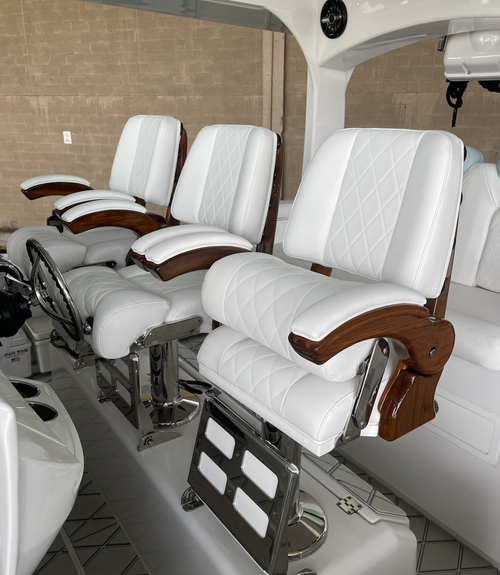
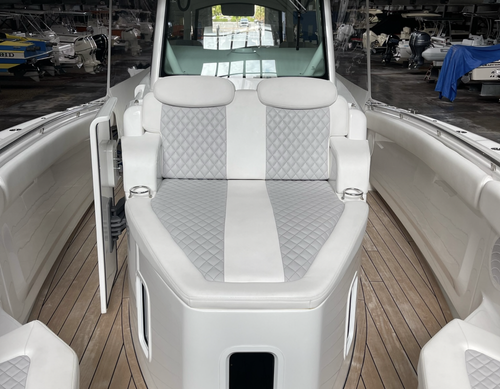
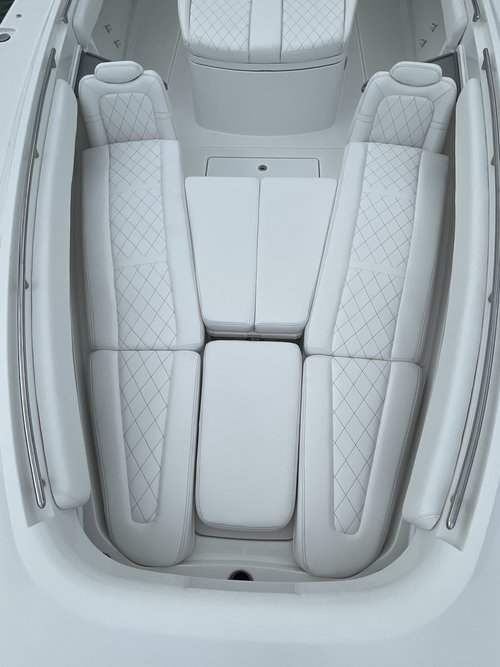
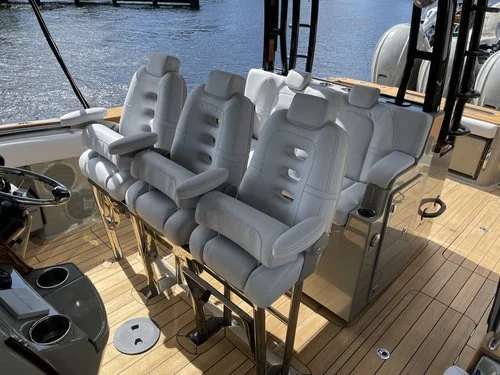
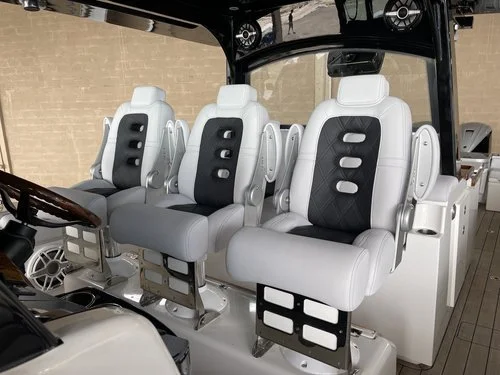
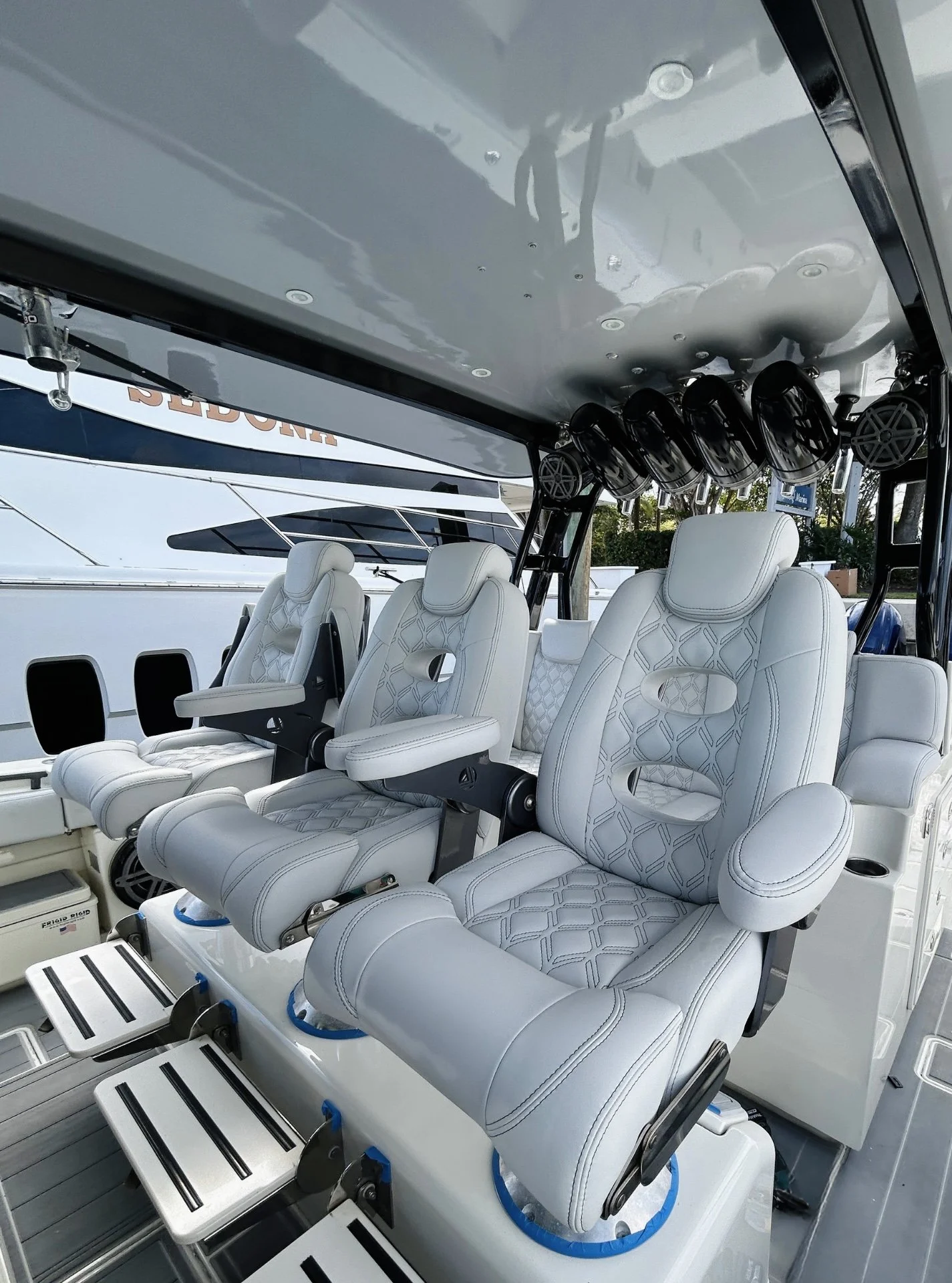
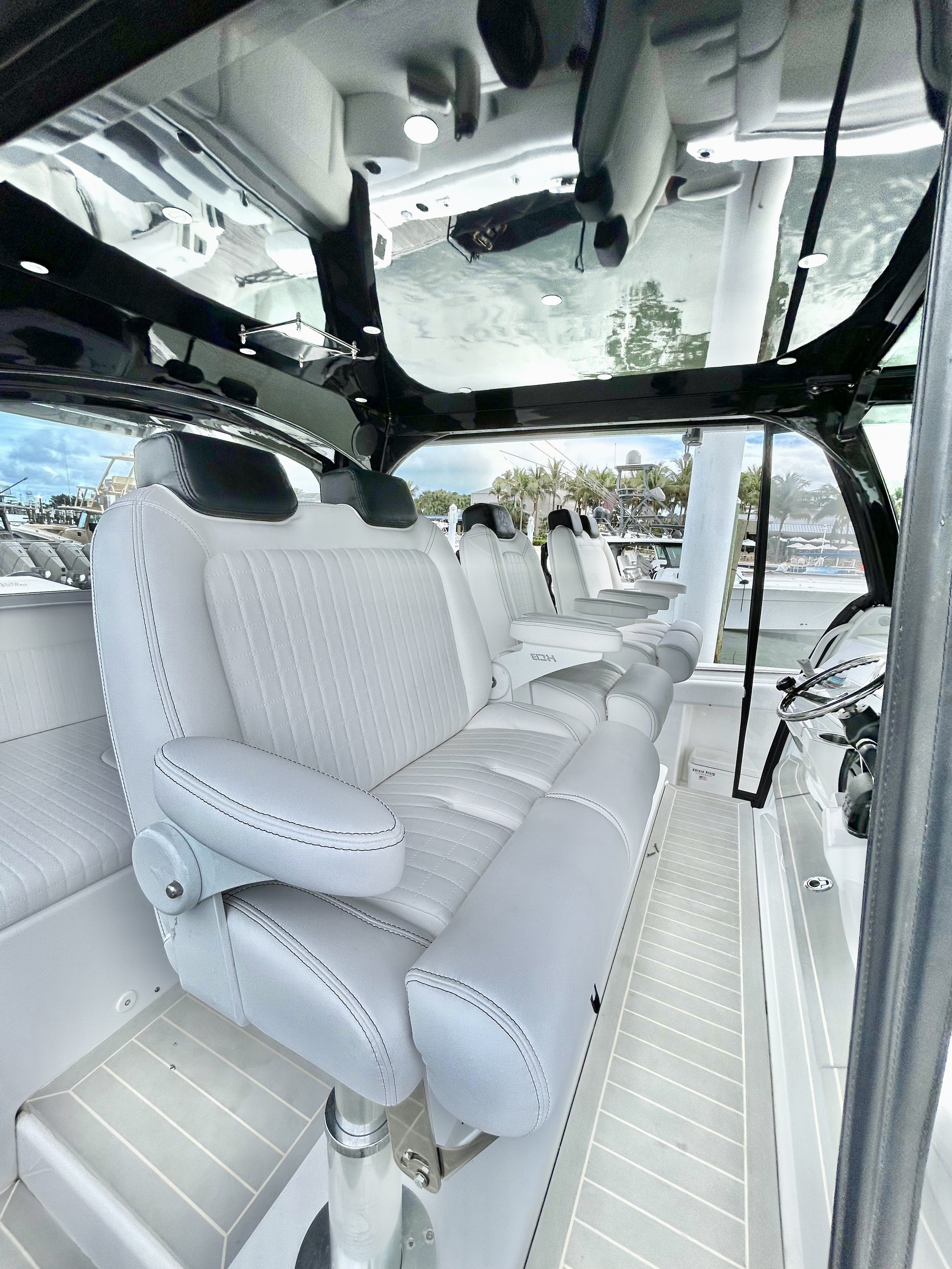
Not all boat seats are created equal, and neither are the covers. Captain’s chairs, benches, lounge seats, folding fishing seats, and pontoon seating each require a different approach. The key is to match the cover style to your seat design for the best fit and protection.
For example, folding fishing seats benefit from flexible, lightweight covers that can be removed quickly. Lounge seats might need extra length, while captain’s chairs often require precise tailoring for armrests and contours. Taking a seat-by-seat inventory helps ensure your boat seat covers deliver full coverage and stay put, even when conditions shift.
Securing Systems: Tie-Downs, Elastic, Grommets
How you secure your boat seat covers matters just as much as the material. The most popular options include drawstrings, elastic bottoms, zippers, and grommets. Drawstring tie-downs are the top pick for many boaters, with about 77% choosing them for easy on-off and reliable hold.
Elastic bottoms offer a quick, snug fit but may stretch over time. Zippers provide fast access, especially for larger seats, while grommets let you customize tie-down points for extra wind resistance. Grommet spacing can be tailored every 6, 12, or 24 inches, depending on your local weather and how often you travel with your boat.
Color and Personalization Options
Boat seat covers are no longer just functional—they’re a chance to show off your style. The color palette has expanded to include black, blue, gray, brown, red, white, beige, navy, sky blue, and charcoal. This variety lets you match your boat’s look or add a personal touch.
Personalization is also trending. Many covers now offer digital printing for custom logos or text, making it easy to identify your gear or add a unique flair. Whether you want your family name, boat name, or even a favorite phrase, these options turn boat seat covers into a reflection of you and your boating lifestyle.
Key Features to Look for in 2026’s Best Boat Seat Covers
Choosing the right boat seat covers in 2026 is about more than just looks. You want protection that truly lasts, fits like a glove, and saves you from headaches down the line. Let’s break down exactly what to look for, so you make a smart investment that keeps your seats looking sharp and feeling comfortable—season after season.

Material Durability & Weather Resistance
The core of any great boat seat covers is the fabric. High-denier polyester and PVC-coated options are leading the way, offering robust UV and mildew resistance. Look for materials rated 4 or 5 out of 5 for waterproofing and fade protection.
Warranties can stretch up to 10 years, showing real confidence from manufacturers. If you’re weighing options, check out this Waterproof Marine Vinyl Fabric guide for a deep dive into material strengths and real-world use.
Here’s a quick comparison:
| Material | UV Resistance | Waterproof | Mildew Proof |
|---|---|---|---|
| Polyester | Excellent | Excellent | Good |
| Marine Vinyl | Excellent | Excellent | Excellent |
| PVC-Coated | Excellent | Excellent | Excellent |
Choosing top-tier boat seat covers means you’re investing in years of reliable protection.
Fit & Coverage
A tailored fit is essential for boat seat covers. Custom-fit options are made to your seat’s exact dimensions, giving you a smooth, secure look and zero slack for water to pool. Universal covers are easier to find but often leave gaps, which can invite trouble.
Manufacturers now add just enough leeway in width and depth, but keep the height snug for a glove-like fit. Poorly fitted covers lead to sagging and can blow off in strong winds. Always measure your seats carefully and double-check fit recommendations before you buy. Remember, the right fit equals maximum defense.
Ease of Use: Installation and Removal
Boat seat covers should be hassle-free. Quick installation and removal make a huge difference, especially if you’re boating often. Features like elastic bottoms, drawstring tie-downs, and zippers save time and frustration.
Lightweight covers are easy to handle, but don’t sacrifice durability for convenience. Look for covers that balance sturdy construction with user-friendly design. The easier your covers are to use, the more likely you’ll keep your seats protected every single trip.
Maintenance & Cleaning
Keeping your boat seat covers in top shape is simple with the right features. Stain-resistant finishes repel spills, while machine-washable or easy-wipe surfaces make routine cleaning a breeze. Use mild soap and water for best results, and avoid harsh chemicals that can break down protective coatings.
Regular cleaning prevents mold and mildew, especially in humid climates. Some covers come with easy-to-follow care guides, helping you extend their life and keep them looking fresh.
Accessory Compatibility
Modern boat seat covers often work with handy accessories, like air bags that prevent water pooling. These small additions make a big difference, especially after heavy rain or storage. Integration with other marine gear, such as console covers or storage chests, is a plus. Look for covers that offer compatibility and accessory options for a fully protected setup.
Warranty & Support
A strong warranty is a sign of quality. Premium boat seat covers usually come with warranties ranging from 7 to 10 years. This gives you peace of mind that your investment is protected.
Customer reviews often highlight the importance of responsive after-sales support. If an issue pops up, you want a brand that stands behind its products. Before buying, check warranty details, read real user feedback, and make sure support is easy to reach.
Choosing the best boat seat covers in 2026 means looking beyond the basics. Focus on durability, precise fit, ease of use, simple care, accessory options, and strong support. When you get these features right, you’ll enjoy vibrant, comfortable seats for years—and save money on repairs.
How to Choose the Perfect Boat Seat Covers: Step-by-Step Guide
Choosing the right boat seat covers can feel overwhelming, but breaking it down into clear steps makes the process simple and stress-free. Whether you're new to boating or a seasoned captain, this guide will help you protect your investment and keep your seats looking sharp for years.

Step 1: Assess Your Boat’s Needs
Start by taking a good look at your boat. Which seats need protection? Are they constantly exposed to direct sun, heavy rain, or salty spray? Think about where your boat is stored and how often you use it.
Consider how each seat is used. For example, fishing seats might see more wear, while lounge seats could be more vulnerable to spills. The more you understand your boat’s unique needs, the easier it is to find boat seat covers that truly fit your lifestyle.
If you boat in a region with extreme weather, prioritize covers designed for those conditions. Don’t forget to consider how your boating habits—like transporting your boat or storing it outdoors—will influence your cover choice.
Step 2: Take Accurate Measurements
Getting the right fit starts with careful measuring. Use a flexible tape measure and record the height, width, and depth of every seat, measuring edge to edge. Avoid adding extra inches, since most manufacturers already account for leeway.
Make a checklist of all seat types: captain’s chairs, benches, folding seats, and so on. Double-check your numbers for accuracy. For detailed guidance, consult resources like the Custom-Made Boat Covers Guide, which breaks down the measuring process step by step.
A precise fit prevents sagging, water pooling, and wind loss. Take your time—this step sets the foundation for boat seat covers that perform as promised.
Step 3: Select the Right Material
Material choice is a game changer. The right fabric shields your seats from UV rays, water, and mildew. Consider the climate you boat in most often. For moderate conditions, polyester blends like Cover Max or Cover Rite work well; in harsher weather, industrial-grade options like Cover Tuff offer next-level protection.
Here’s a quick comparison:
| Material | UV Resistance | Waterproofing | Best For |
|---|---|---|---|
| Polyester | High | High | Most climates |
| Vinyl | Moderate | Very High | Easy cleaning |
| Industrial Poly | Max | Max | Extreme weather |
Boat seat covers made from top-tier materials can extend the lifespan of your seats by several years. Don’t overlook mildew resistance if you boat in humid areas.
Step 4: Decide on Color and Personalization
Your boat is a reflection of your style. Boat seat covers come in a rainbow of colors—black, blue, gray, brown, red, white, navy, and more. Choose a shade that matches your boat or stands out for easy spotting.
Personalization is on the rise. Add your boat’s name, a logo, or custom text for a unique touch. This makes identification easy and can deter theft. Some brands use digital printing for long-lasting, vibrant designs.
Think about how your chosen color might fade over time. Lighter colors may show less sun damage, while darker hues can look sharp but heat up fast.
Step 5: Choose Securing and Grommet Options
Securing your boat seat covers is just as important as the fit. Options include drawstrings, elastic bottoms, zippers, and grommets. Each has its pros and cons.
- Drawstrings: Easy to tighten and adjust, chosen by 77% of buyers.
- Elastic bottoms: Quick to slip on and off, great for frequent use.
- Zippers: Secure fit, but can be tricky if not aligned perfectly.
- Grommets: Add wind resistance, available at intervals like every 6, 12, or 24 inches.
Pick the system that matches your local wind and weather conditions. A snug, secure fit keeps covers in place and protects your seats, even during transport.
Step 6: Evaluate Accessories
Accessories can make a huge difference. Air bags or foam supports help prevent water from pooling on your boat seat covers after rain. Look for compatible storage bags or chests to keep covers dry and mildew-free when not in use.
If you store your boat outdoors or trailer it often, consider investing in straps or extra tie-downs. These little extras help your covers last longer and perform better.
Step 7: Compare Brands and Warranties
Not all boat seat covers are created equal. Read customer reviews and ratings to gauge real-world performance. Look for brands that offer warranties of 7–10 years, which signals confidence in their product.
Check what the warranty actually covers—some brands protect against fading and mildew, while others only cover manufacturing defects. A strong warranty and good customer support can save you time and money down the road.
Step 8: Place Your Order and Test Fit
Once you’ve narrowed it down, order from a reputable supplier with clear return and exchange policies. When your boat seat covers arrive, test the fit right away. Covers should be snug without being too tight, and all securing features should function as intended.
If adjustments are needed, don’t hesitate to reach out to customer service. A proper test fit ensures your seats are fully protected from day one. Remember, a little extra effort now leads to years of hassle-free boating.
Maintenance & Protection Tips for Maximum Longevity
Taking care of your boat seat covers is the simplest way to protect your investment and keep every outing comfortable. A little regular attention goes a long way—plus, it’s a lot less expensive than replacing worn-out seats. Here’s how to keep your covers looking and performing like new, year after year.
Routine Cleaning and Inspection
Regular cleaning is the first line of defense for boat seat covers. Dust, pollen, and salt can break down fabrics if left unchecked. Use a soft brush or cloth with mild soap and water—avoid harsh chemicals, as these can strip protective coatings.
Check for signs of mold or mildew, especially in seams and corners. Early detection and gentle scrubbing will prevent stains from setting in. Inspect the stitching and fasteners every few weeks. If you spot a loose thread, fix it promptly to avoid bigger problems.
This simple routine not only preserves the look of your boat seat covers but also helps extend their lifespan.
Proper Installation and Removal
Always install boat seat covers snugly, making sure all securing systems are engaged. Drawstrings, elastic hems, or grommets should fit tight to block wind and water. If the cover feels loose, adjust for a better grip.
When removing covers, fold them carefully to avoid creasing or stretching. Never yank or force them off, as this can weaken seams and fabric. Take a minute to shake off dirt or debris before storage.
Developing a gentle touch when handling boat seat covers ensures they remain durable and effective over time.
Storage Best Practices
Storing boat seat covers correctly is essential for their longevity. Always dry them thoroughly before stashing away—trapped moisture is a recipe for mildew. Use a ventilated storage bag or chest to allow air circulation and prevent odors.
Keep covers out of direct sunlight when not in use, since UV rays can degrade even the toughest marine fabrics. If you’re storing for more than a few days, loosely fold the covers instead of cramming them into tight spaces.
Industry trends show a growing demand for eco-friendly materials and improved storage solutions, as highlighted in the Growth of the Boat Covers Market.
Off-Season and Long-Term Storage
When boating season ends, give your boat seat covers a deep clean. Let them dry completely before storing for winter. Use air bags or foam supports to maintain shape and prevent water pooling during storage.
Store covers in a cool, dry place—never in damp basements or musty garages. Periodically check for signs of mildew or pests. A little extra care during the off-season pays off with covers that are ready to go when spring returns.
Long-term storage is your chance to break bad habits and set your covers up for another year of reliable protection.
Repair and Replacement
Inspect your boat seat covers regularly for small tears, worn spots, or loose stitching. Minor damage can usually be repaired with marine-grade thread or a patch kit. Addressing issues early prevents costly replacements down the line.
If a fastener or securing system fails, fix it promptly. Replacement parts are available from most suppliers. Well-maintained boat seat covers stand up to wind, rain, and sun much longer than neglected ones.
Stay proactive with repairs—your seats (and your wallet) will thank you.
When to Replace Your Covers
Even the best boat seat covers have a lifespan. Watch for fading, loss of waterproofing, or a sagging fit. If covers start letting in water or no longer protect against UV, it’s time for an upgrade.
Most premium covers last five to seven years with proper care. Don’t risk damaged seats because of an old, ineffective cover. Investing in a new set when needed is the surest way to keep your boat looking sharp and your seats protected.
Regular replacement ensures your investment is always shielded from the elements.
The Future of Boat Seat Covers: Innovations and Trends
The next generation of boat seat covers is shaping up to be smarter, greener, and more tailored than ever. Let’s take a closer look at what’s on the horizon for 2026 and beyond.
Smart Materials and Technology
Boat seat covers are getting a serious tech upgrade. Manufacturers are rolling out self-cleaning fabrics that help repel dirt and water, keeping seats looking fresh with minimal effort. Solar-reflective materials are becoming mainstream, protecting against heat buildup and UV damage even on long, sunny days.
Antimicrobial coatings are also gaining traction. These help prevent mold and odor, especially in humid climates. Some covers now feature embedded sensors that track moisture or UV exposure, alerting owners to potential risks before they become problems. This blend of innovation and practicality is redefining what boat seat covers can do.
Sustainability and Eco-Friendly Options
Eco-conscious boaters have driven a major shift toward sustainability in boat seat covers. More brands are using recycled polyester and bio-based coatings, reducing reliance on virgin plastics and cutting down on waste. Biodegradable materials are in the pipeline, promising covers that protect both your seats and the environment.
Green manufacturing is also gaining momentum. Companies are investing in cleaner production methods, minimizing water and energy use. According to Environmental Sustainability's Impact on Boat Seats Market, the move to recycled and bio-based materials is reshaping the market and setting new standards for boat seat covers.
Increased Customization and Personalization
Personalization is the name of the game for boat seat covers in 2026. Digital printing technology allows boat owners to add logos, graphics, or even full-color photos to their covers. This trend is not just about style, but also about easy identification and branding.
Manufacturers are offering more options for unique seat shapes and specialty vessels. Whether you have a classic fishing boat or a custom pontoon, you can now find boat seat covers that fit perfectly and reflect your personal taste. This level of customization is quickly becoming an expectation rather than a luxury.
Enhanced Protection Features
Protection features continue to evolve. Today’s boat seat covers offer all-weather performance, standing up to summer heat and winter storms alike. Air bag and support innovations help prevent water pooling and keep covers looking sharp. The focus is on reliable, year-round defense so your seats stay protected no matter what.
Consumer Expectations for 2026
Consumers expect more from boat seat covers than ever before. Longer warranties, a precision fit, and easy maintenance are now standard demands. Online customization platforms are booming, making it easier to design and order covers from anywhere. Plus, with global shipping on the rise, premium protection is accessible to boaters worldwide.
Frequently Asked Questions About Boat Seat Covers
Looking for straight answers about boat seat covers? You’re not alone. Boaters in 2026 want protection, style, and value. Here are the most common questions—answered simply and clearly.
What’s the best material for boat seat covers?
Choosing the right material for boat seat covers depends on your climate and how you use your boat. Premium polyester is popular for UV and water resistance. Vinyl is classic and easy to clean, but can heat up or stiffen in direct sun. If sustainability matters, consider options using recycled marine fabrics or bio-based coatings. You can learn more about these eco-friendly choices in Sustainability Initiatives in Custom Boat Covers.
| Material | UV/Water Resistance | Cleaning Ease | Sustainability |
|---|---|---|---|
| Polyester | High | Moderate | Good |
| Vinyl | Moderate | Easy | Fair |
| Advanced | Very High | Varies | Best |
How do I measure my boat seats for a custom cover?
To get a snug fit, measure the height, width, and depth from edge to edge. Don’t add extra inches—most suppliers account for leeway. Use a flexible tape measure and double-check each dimension. Many brands offer guides, so follow their instructions for the best results.
How often should I clean my seat covers?
Regular cleaning keeps boat seat covers looking sharp and extends their life. For most boaters, a quick wipe-down after every outing and a deeper clean monthly works well. Use mild soap and water, and avoid harsh chemicals that can break down protective coatings.
Can I use the same covers year-round?
Many modern boat seat covers are designed for all-weather use, offering protection from sun, rain, and even snow. Check if your covers have high ratings for waterproofing and UV resistance. If you boat in extreme climates, consider covers made for year-round performance.
How do I prevent water pooling on my seat covers?
Water pooling can stretch fabric and lead to mildew. Prevent it by choosing covers with tight, custom fits and adding air bags or support poles underneath. Always check that covers are pulled taut and secured before leaving your boat.
Are personalized covers worth it?
Personalized boat seat covers offer style, easy identification, and sometimes deter theft. Adding your boat name or logo with digital printing is a growing trend. Plus, custom covers let you match colors and designs for a cohesive look.
What warranty should I look for?
Look for warranties of at least 7–10 years on premium boat seat covers. A solid warranty should cover fabric defects, fading, and waterproofing loss. Always check what’s included, as some warranties require proper cleaning and care.
How do I store covers when not in use?
Dry your boat seat covers thoroughly before storing. Fold them loosely to avoid creases and place them in a breathable storage bag or chest. Store covers out of direct sunlight and away from moisture to prevent mildew and fading.
Do I need to remove covers before trailering my boat?
For safety, it’s best to remove boat seat covers before trailering unless they’re rated for transport. Loose covers can catch wind and tear or fly off. If you must trailer with covers on, ensure they’re tightly secured and designed for that use.
After exploring how the right boat seat covers make all the difference for your yacht’s longevity and style, you can see how essential it is to choose premium protection tailored to your needs. At American Marine, we combine advanced materials, custom design, and expert craftsmanship to ensure your vessel’s seating remains pristine—no matter what 2026 brings. If you’re ready to elevate your yacht with a first class solution and want guidance choosing the perfect fit, let’s connect.
Schedule Your Free Consultation
and discover how we can help you protect your investment with confidence.