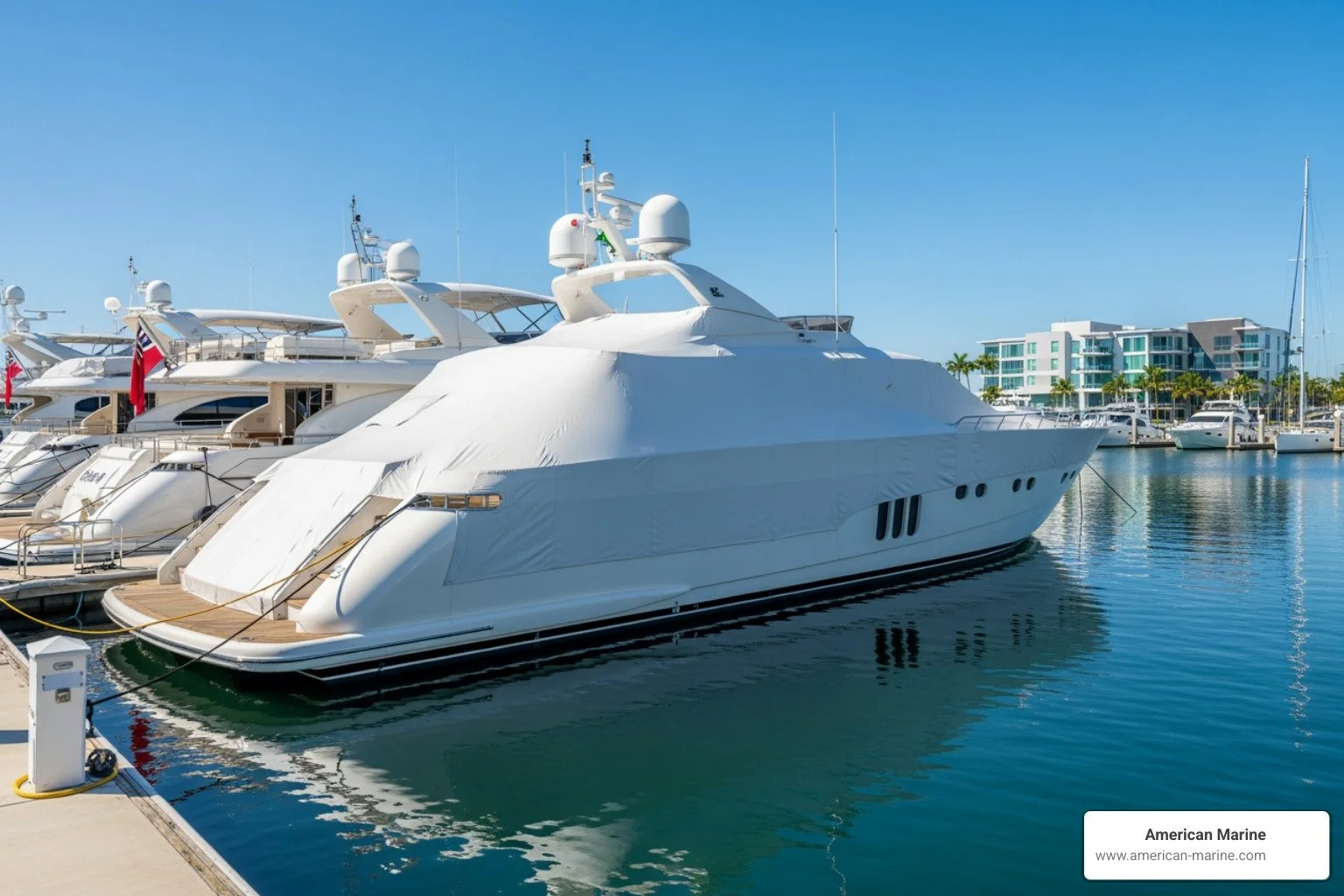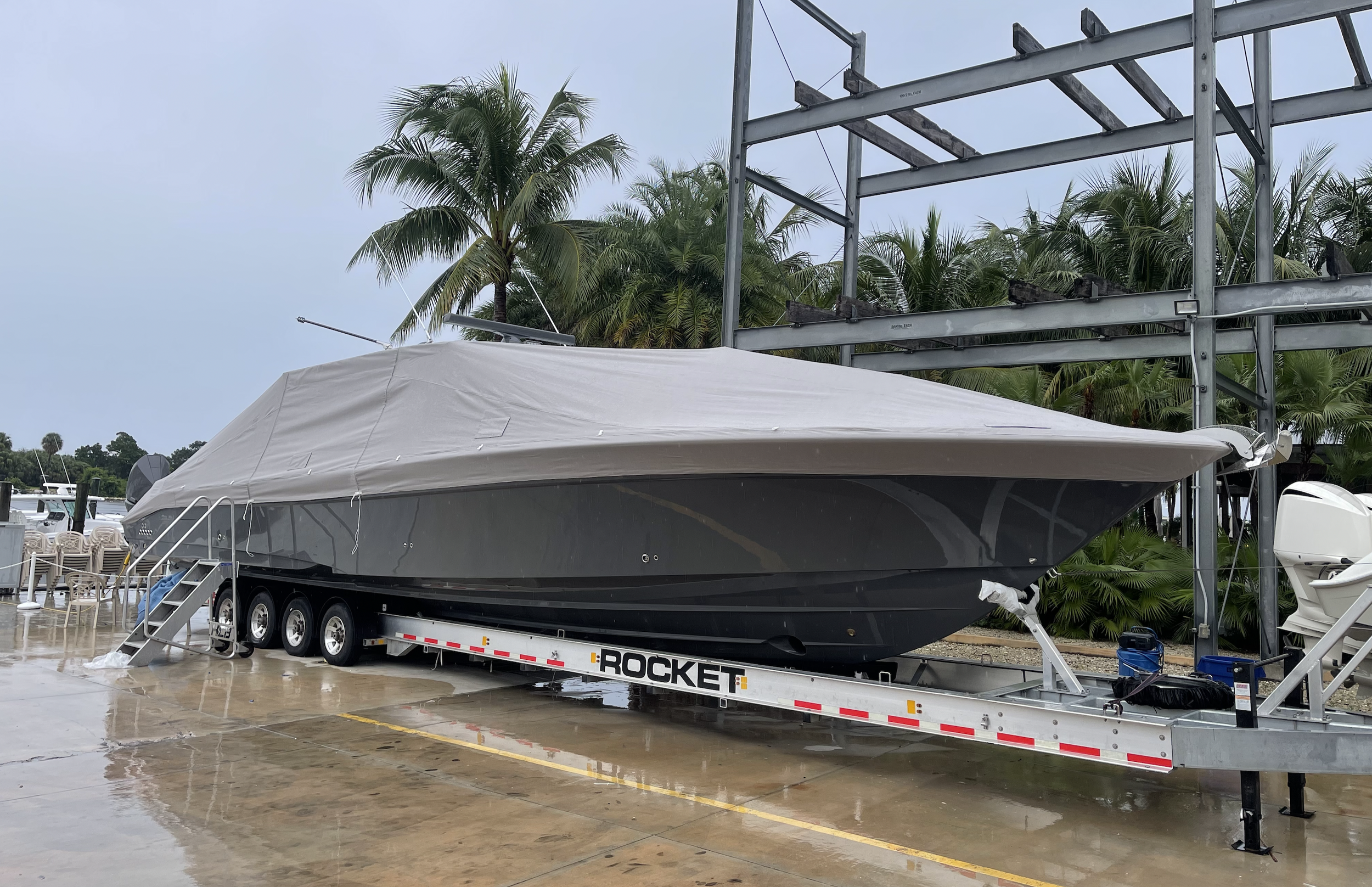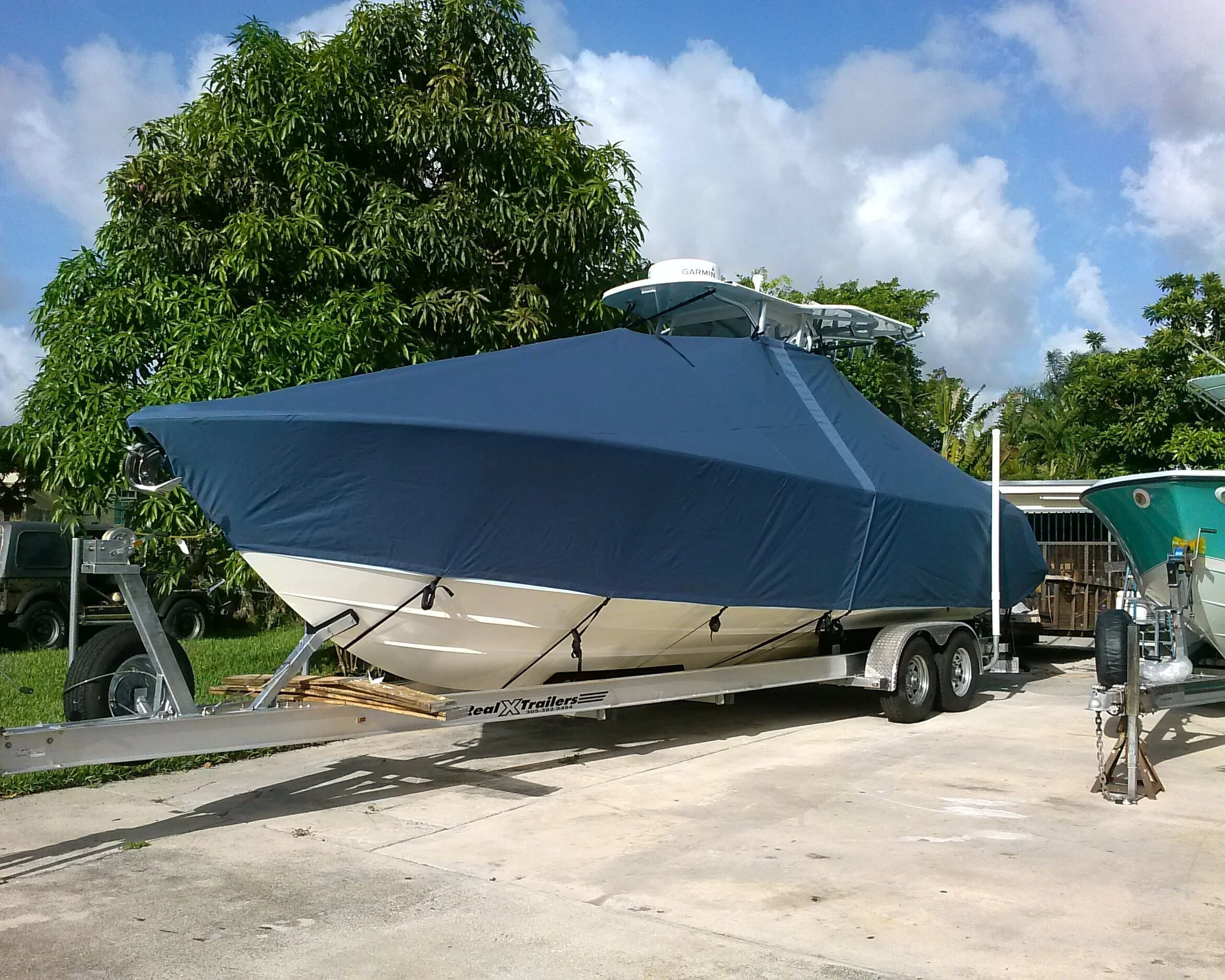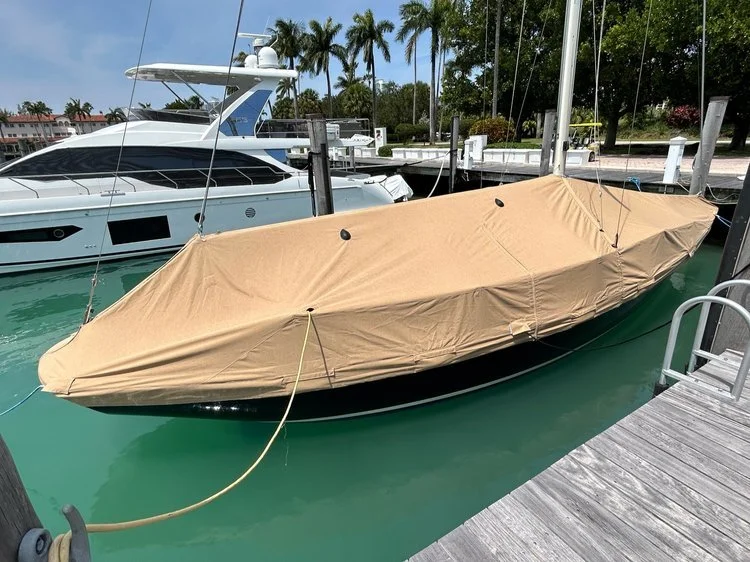
Beyond the Bimini: Innovative Boat Shade Ideas for Every Boater
Why Most Yacht Shade Solutions Fall Short — And What to Do Instead

Boat shade ideas range from simple clip-on umbrellas to precision-engineered retractable systems — and the right solution depends entirely on your vessel's size, layout, and operational demands.
Quick overview of yacht shade solutions by application:
| Shade Type | Best For | Speed Rating | UV Protection |
|---|---|---|---|
| Custom bimini tops | All vessel sizes | High-speed capable | UPF 50+ |
| Integrated hardtop extensions | Center consoles, motor yachts | High-speed capable | UPF 50+ |
| Automated retractable shades | Superyachts, luxury yachts | Engineered per spec | UPF 50+ |
| Pole-supported removable shades | Aft decks, cockpits | Stationary/low speed | 100% UV-blocking (Stamoid) |
| Inflatable canopy shades | Recreational boats | Up to 45 mph | Blocks 98% UVA/UVB |
| Marine umbrellas | Anchored/docked use | Stationary only | Varies |
Spending extended time on the water without proper overhead protection isn't just uncomfortable — it's a genuine health risk. UV exposure accelerates skin damage, and on large yachts, solar heat gain also degrades upholstery, canvas, and interior finishes over time.
For vessels 40 feet and above, the challenge isn't simply finding shade. It's engineering a system that performs aerodynamically at speed, fits the deck geometry precisely, and holds up in the harsh marine environment of salt, UV, and wind.
Off-the-shelf solutions rarely meet that standard.
I'm Jeremy Bottau, owner of American Marine — a precision marine canvas and fabrication firm serving luxury yacht and superyacht owners across South Florida, where boat shade ideas must account for intense subtropical sun, high operating speeds, and demanding aesthetic standards. In the sections ahead, we'll walk through the full range of engineered shade options appropriate for serious vessels.

Engineering Advanced Yacht Shade Systems for Large Vessels
On vessels exceeding 60 feet, shading is no longer an accessory; it is a structural component. Standard boat shade ideas often fail to account for the immense leverage and wind loads generated on an expansive aft deck or flybridge. Professional marine operations require systems that integrate seamlessly with the yacht’s existing architecture while providing reliable thermal regulation.

Advanced Marine Shade Solutions for the professional sector typically involve high-modulus carbon fiber poles and 316-grade stainless steel hardware. These materials offer the necessary tensile strength to maintain a taut canopy without the weight penalties of traditional steel frames. For motor yachts with existing hardtops, integrated extensions provide a permanent, low-profile silhouette that maintains the vessel's aesthetic lines while nearly doubling the usable shaded area of the cockpit.
Automated retractable systems represent the pinnacle of operational comfort. These units utilize electric actuators to deploy or retract heavy-duty marine canvas at the push of a button. For captains and refit managers, the priority is a system that functions reliably in high-humidity environments without constant mechanical adjustment.
Fixed vs. Removable Yacht Shade Systems
The choice between fixed and removable systems often comes down to the vessel's primary use case and storage capacity.
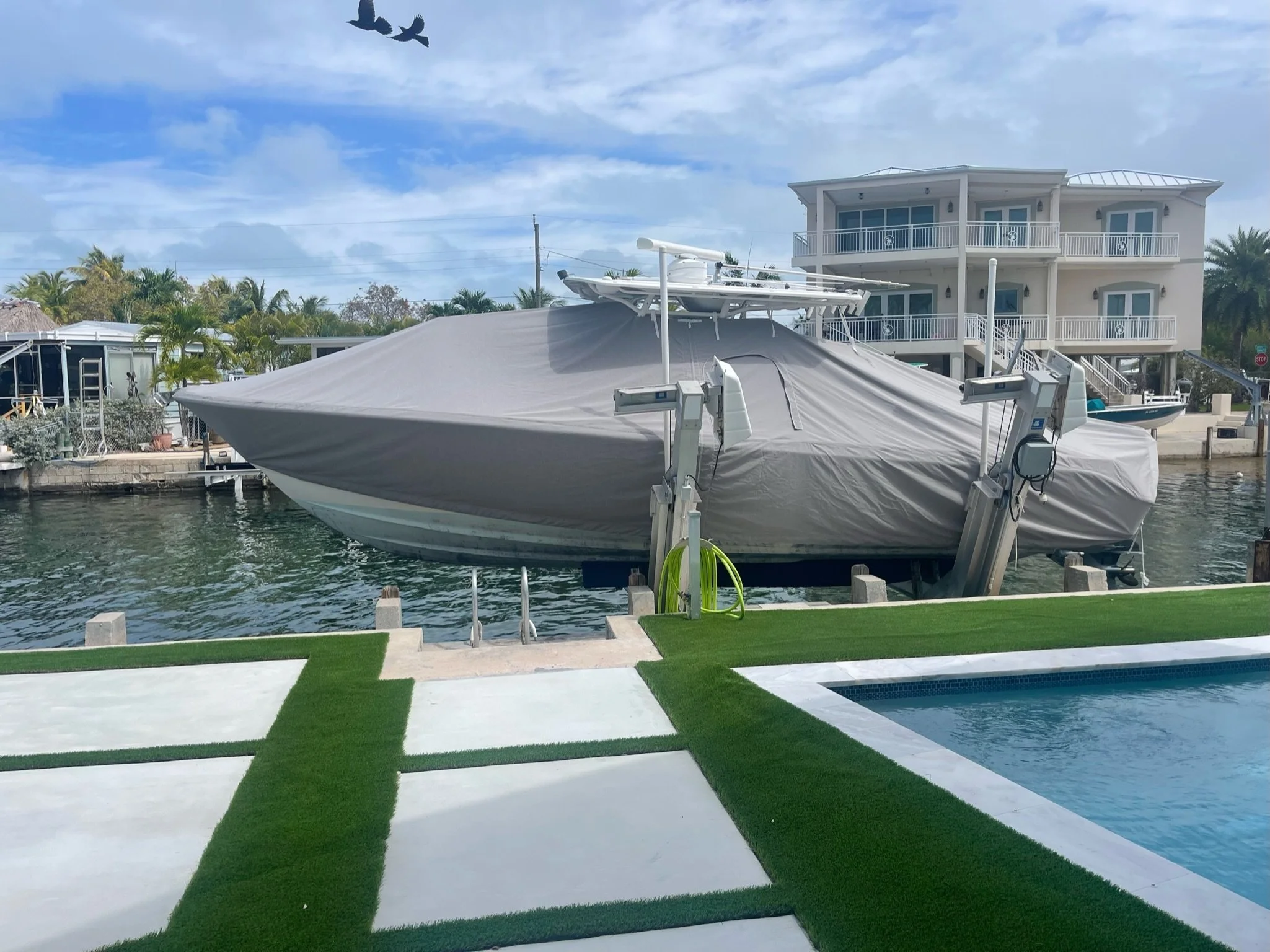
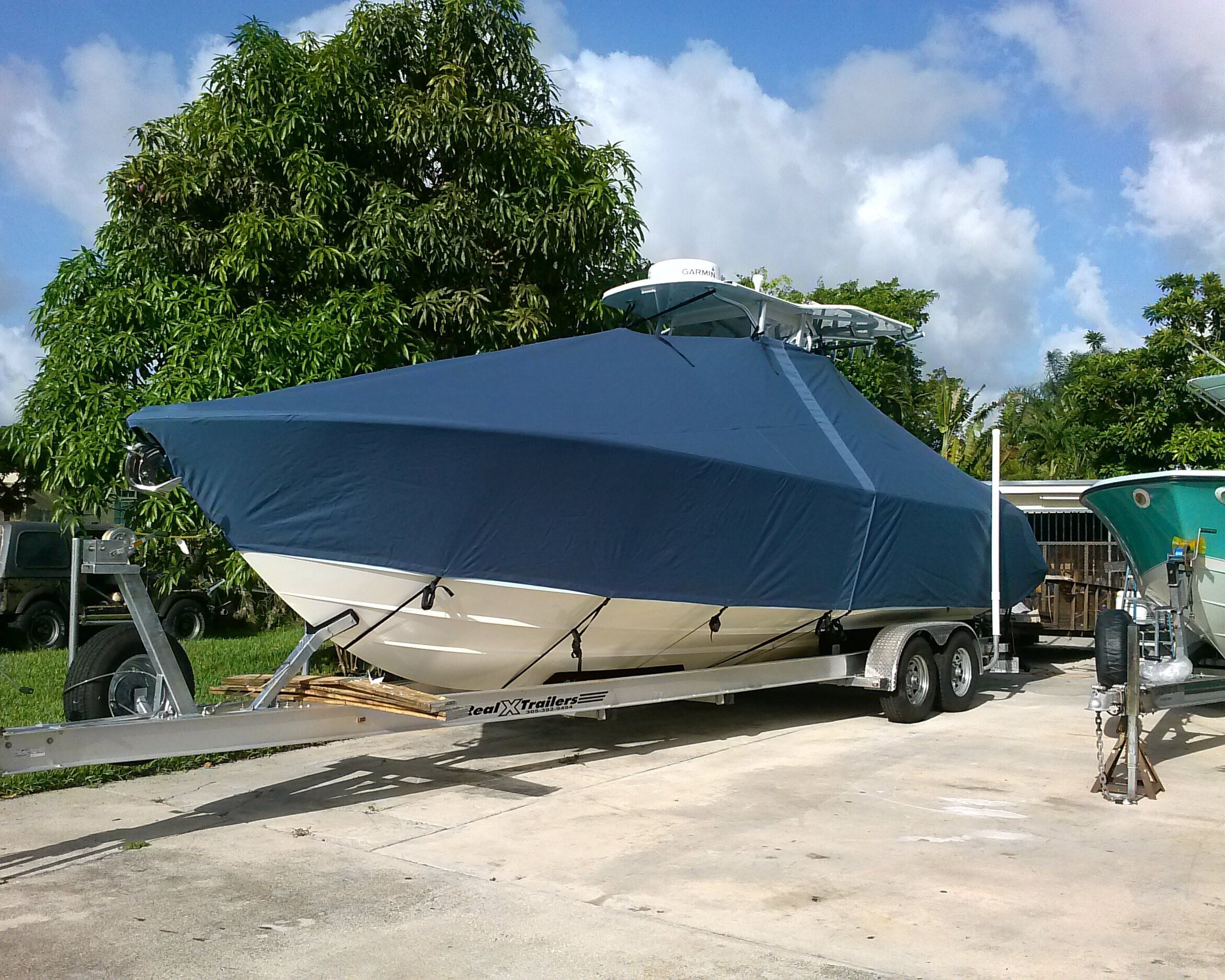
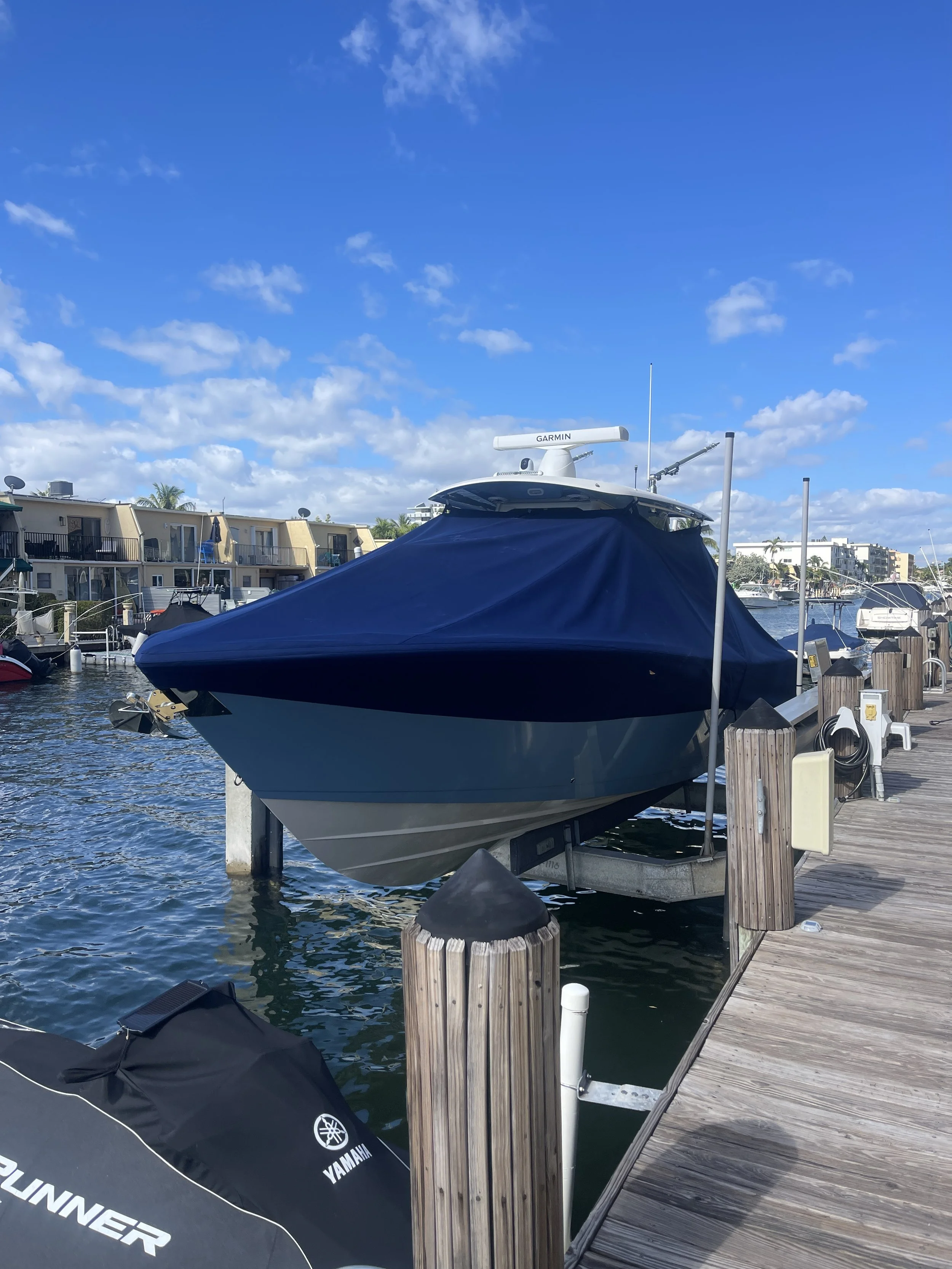
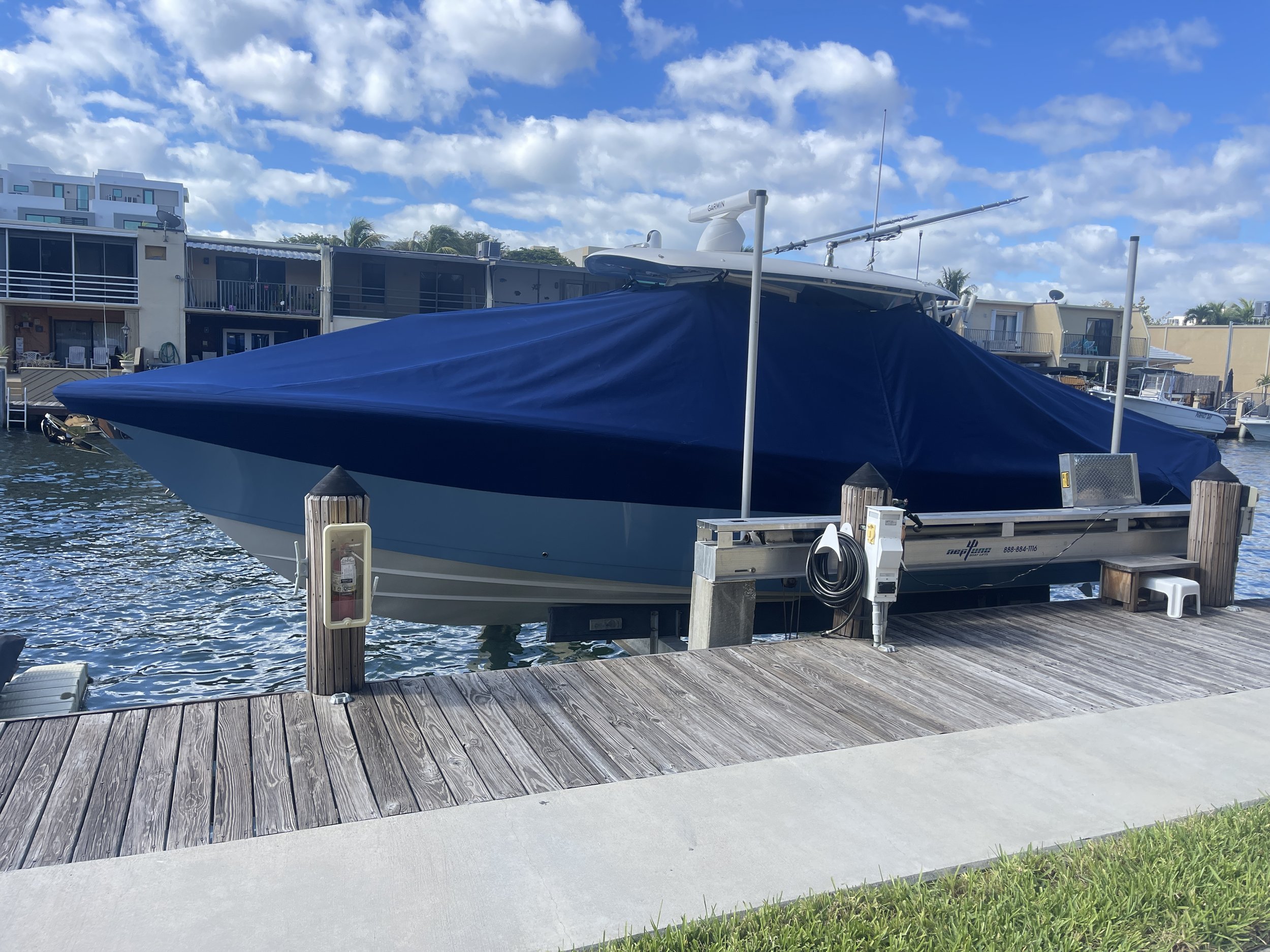
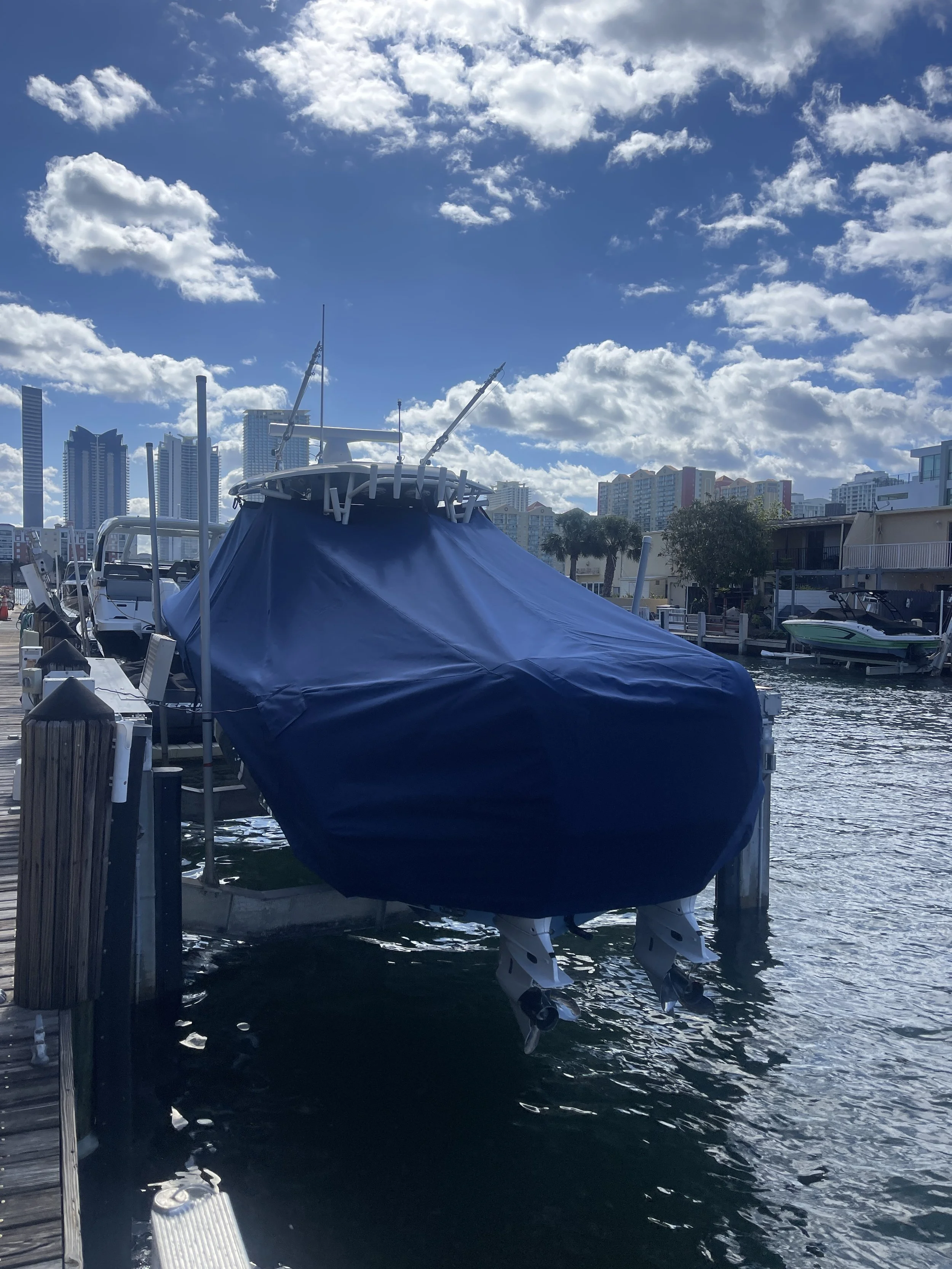
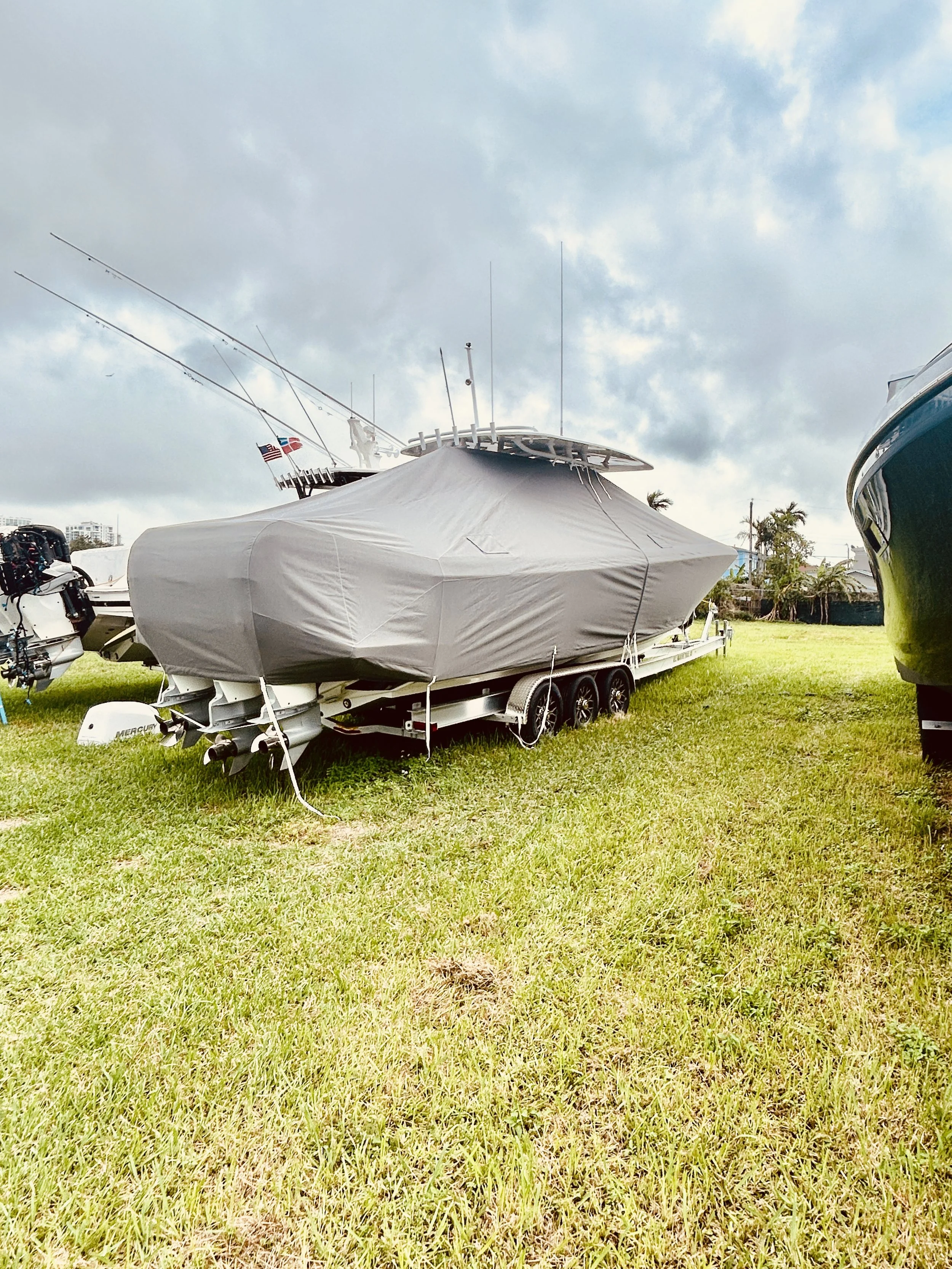
- Fixed Systems: Custom-built T-tops and integrated hardtop shades offer a permanent structure. These are ideal for center consoles and professional fishing vessels where UV protection must be constant. These structures are engineered to handle maximum vessel speeds and provide a stable mounting point for lighting and electronics.
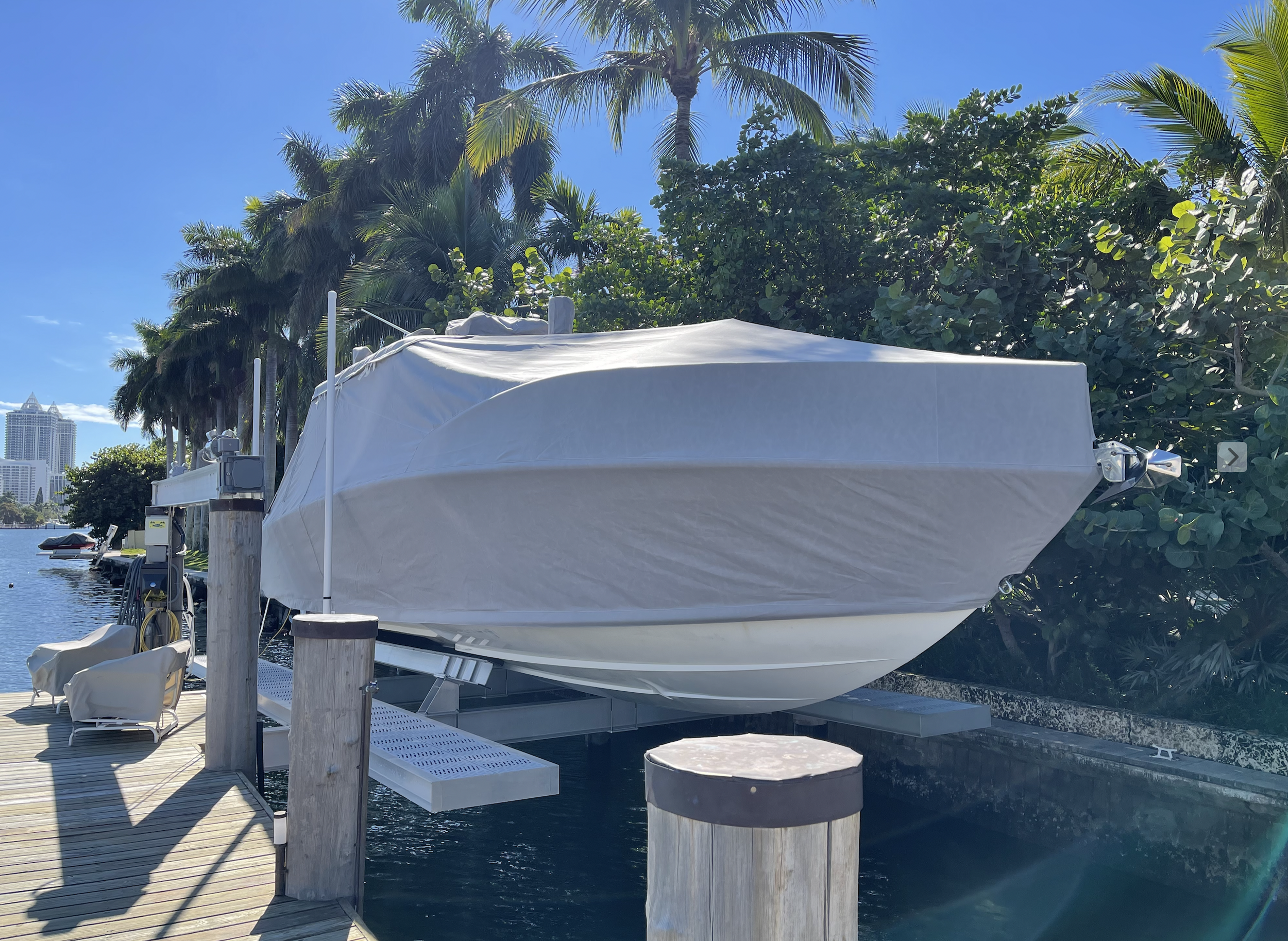
- Removable Systems: For many luxury yachts, Custom Bimini Shades or pole-supported awnings are preferred to maintain the yacht's profile during transit or when full sun is desired.
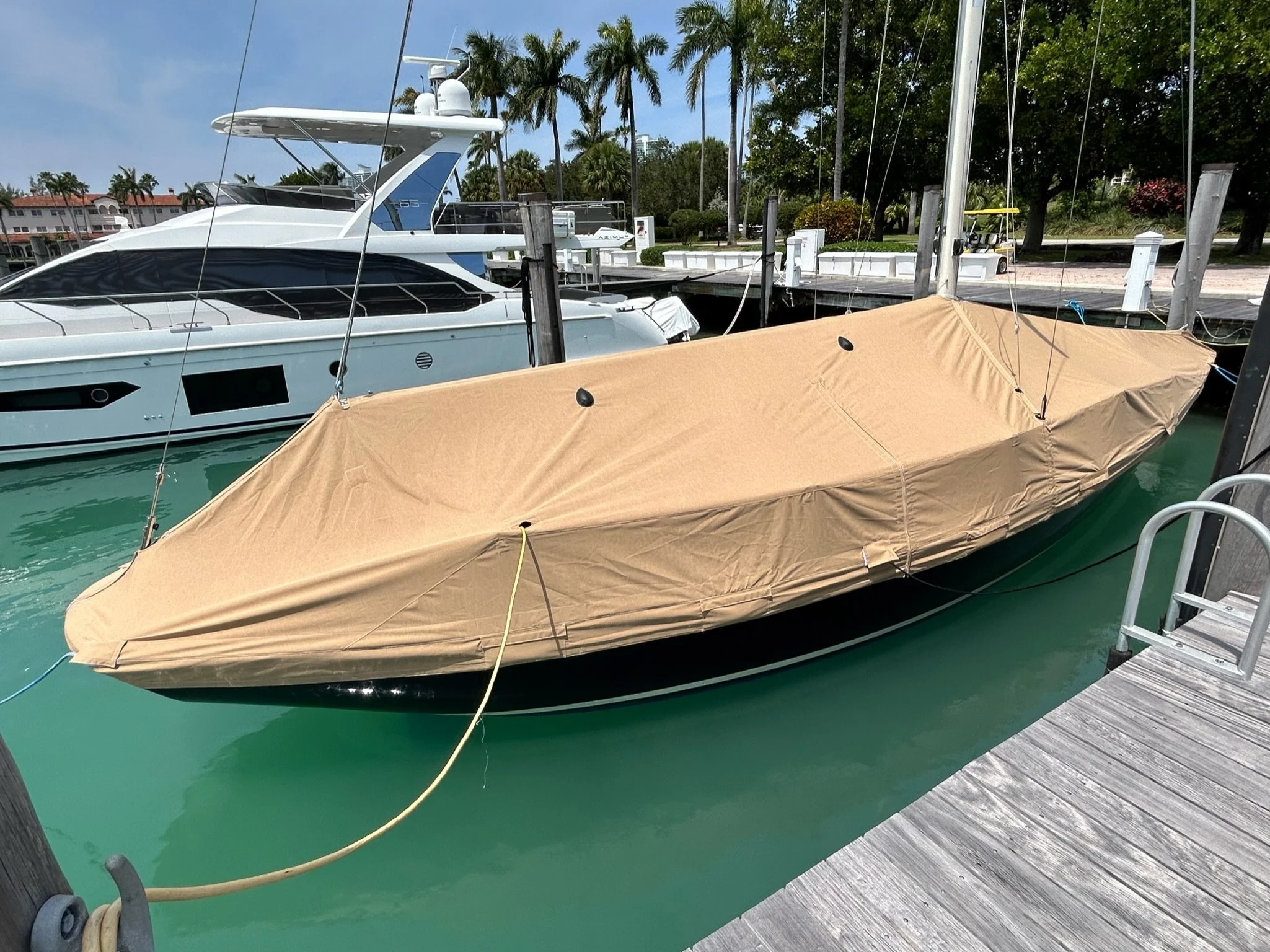
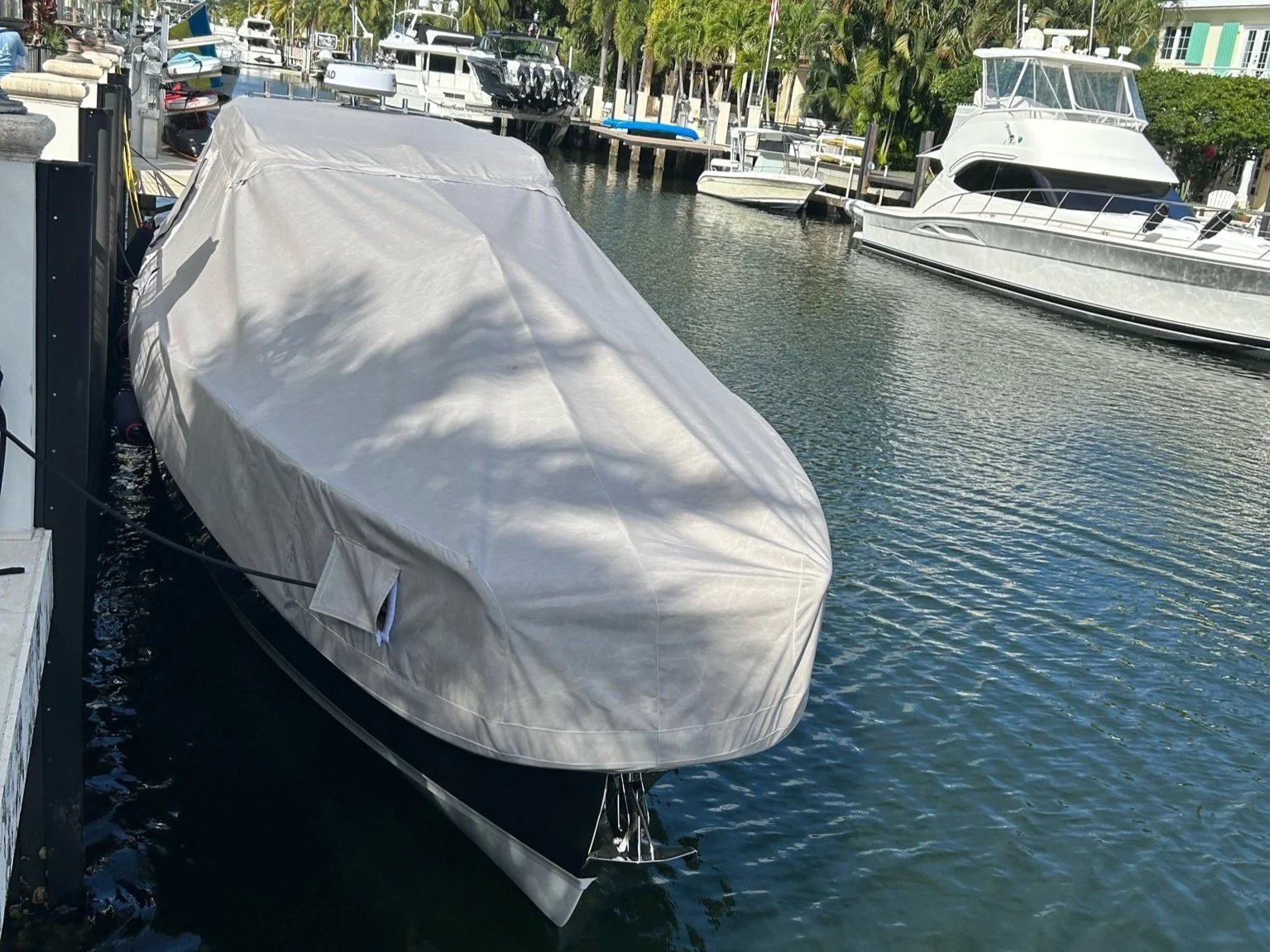
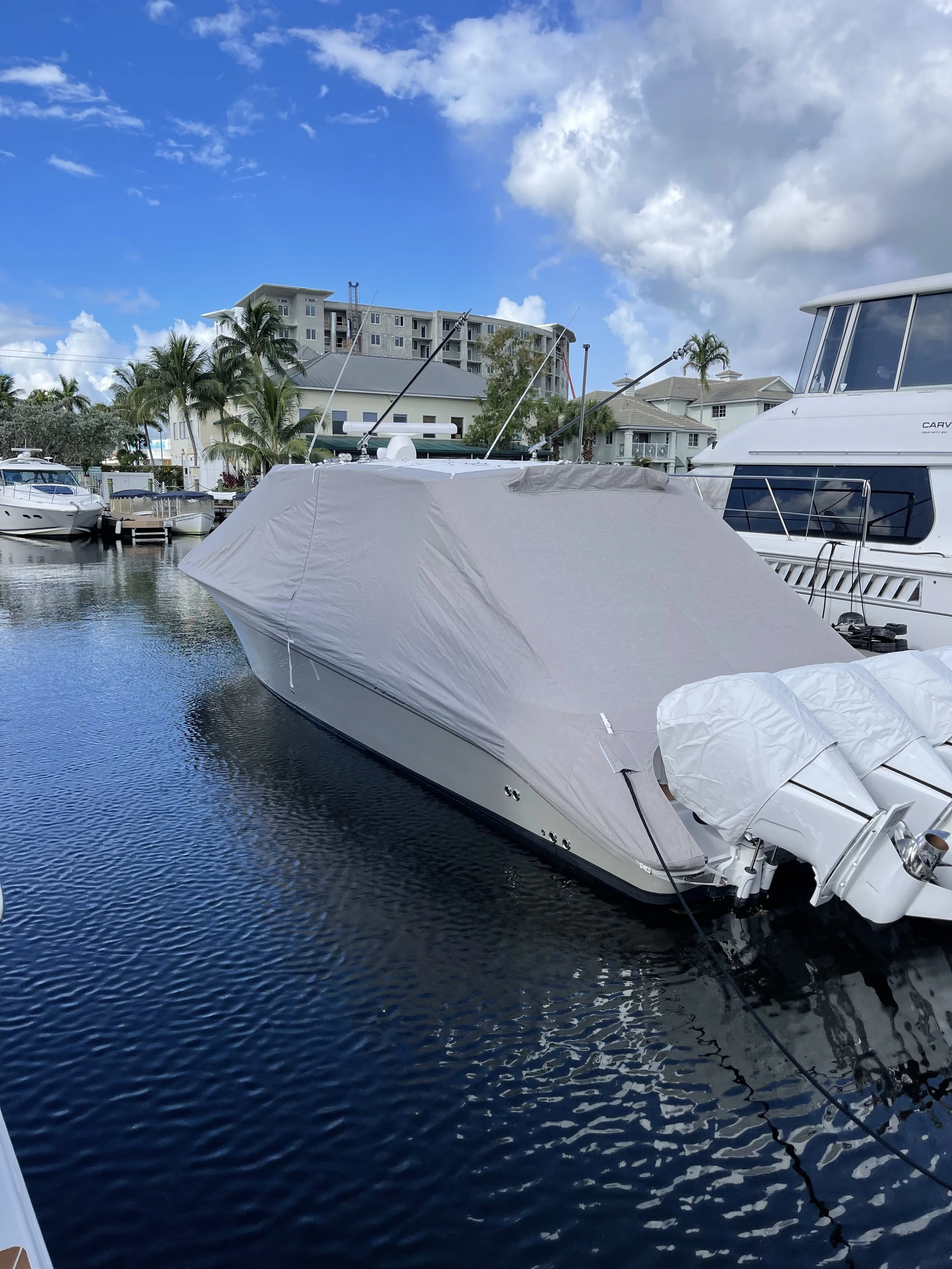
When evaluating removable boat shade ideas, deck clearance and structural integrity are paramount. A common mistake is using lightweight poles that flex excessively under moderate wind, leading to canvas "flutter" that can damage the fabric or the mounting points. Professional-grade removable shades utilize reinforced Custom Canvas Covers designed with specific "pockets" for poles to ensure the tension is distributed evenly across the textile.
High-Speed vs. Stationary Yacht Shade Performance
Aerodynamic stability is the primary differentiator between professional fabrication and DIY solutions. A shade that performs well at anchor can become a liability at 25 knots.
| Operational Status | Recommended Shade System | Engineering Requirement |
|---|---|---|
| Stationary / Anchored | Marine Umbrellas, Inflatable Canopies | Ease of deployment, maximum coverage |
| Low Speed (<12 knots) | Pole-supported Awnings, Fly Shades | Tensioning straps, secure rod holder mounts |
| High Speed (25+ knots) | Fixed Biminis, Hardtop Extensions | Aerodynamic lift reduction, 316 SS framing |
For high-speed transit, shades must be engineered for wind load. Products like the Taco ShadeFin are rated for up to 30 mph, while high-end custom biminis are built to withstand full throttle. Safety protocols dictate that any non-fixed shade should be stowed if wind speeds or vessel velocity exceed the manufacturer's rated limit to prevent hardware failure or "sailing" effects.
Material Selection for Professional Marine Environments
The longevity of any boat shade ideas depends entirely on the textiles and metals used. In South Florida's salt-spray environment, anything less than 316-grade stainless steel will succumb to pitting and corrosion within a single season.
For the canopy itself, Stamoid fabric is a frequent choice for professional projects. Unlike traditional acrylics, Stamoid is a vinyl-coated polyester that is 100% UV-blocking and exceptionally easy to clean. It provides a sleek, modern look that complements the gelcoat of luxury yachts. Our Custom Boat Bimini Ultimate Guide details how these materials are selected for their tensile strength and resistance to the "pink staining" caused by bacteria common in tropical waters.
Durability and Maintenance of Marine Textiles
Proper maintenance extends the life of a yacht shade by years. Professional crews should follow a strict protocol:
- Rinse Daily: Salt crystals act as magnifiers for UV rays and abrasives for the fabric fibers.
- Stow Dry: Never stow a removable shade while damp. This is the primary cause of mold and mildew.
- Hydrophobic Coatings: Periodically treating canvas with professional-grade water repellents maintains the fabric's ability to shed water rather than absorb it.
In cases of wear, Bimini Canvas Repair should be handled by a professional shop that uses UV-stabilized PTFE thread. Standard nylon threads will rot and snap under the intense Florida sun, leading to catastrophic seam failure while underway. For vessels stationed in Fort Lauderdale, the combination of heat and humidity makes mold-resistant coatings a necessity rather than an option.
Custom Shading Solutions for Specific Vessel Layouts
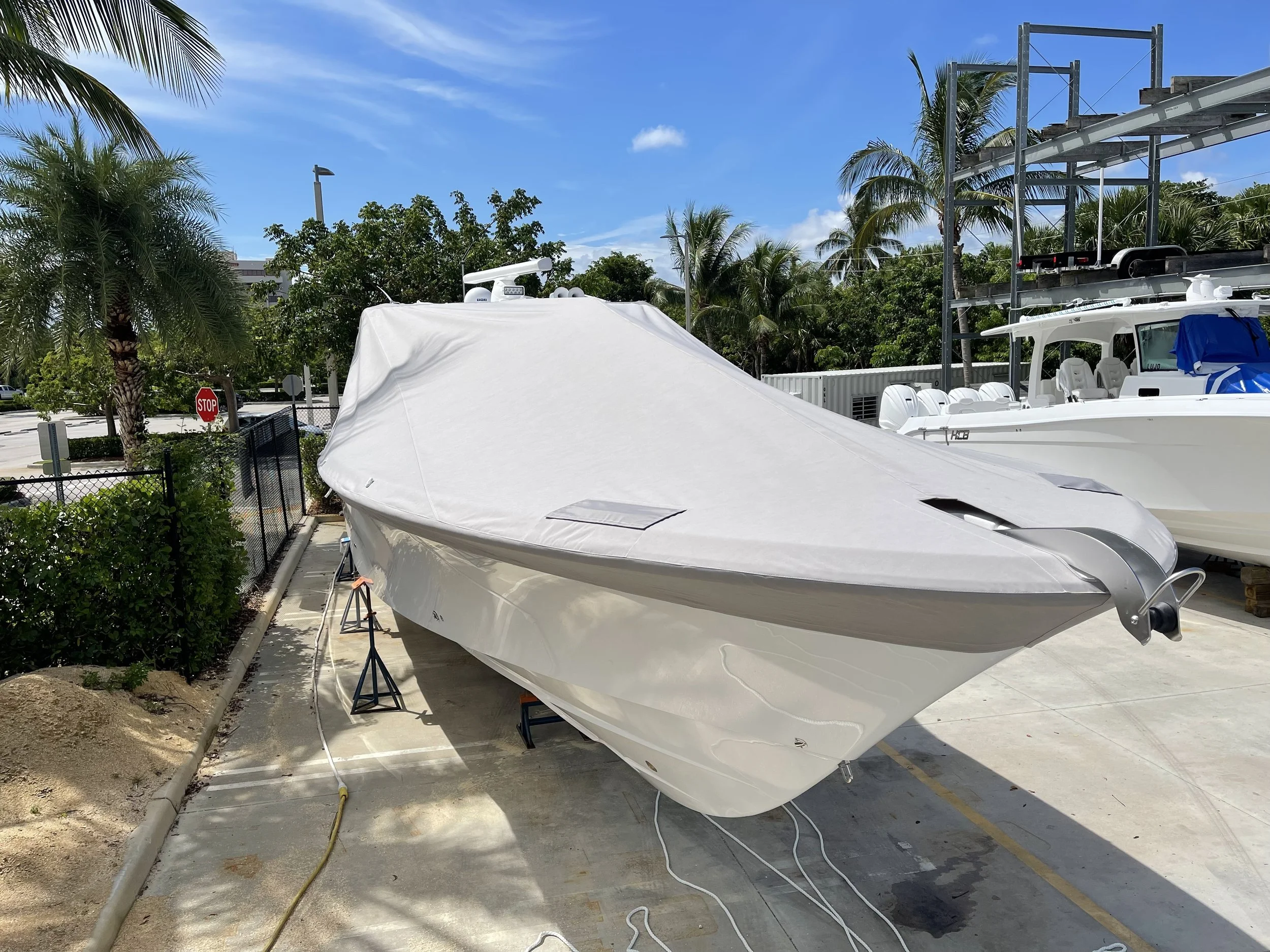
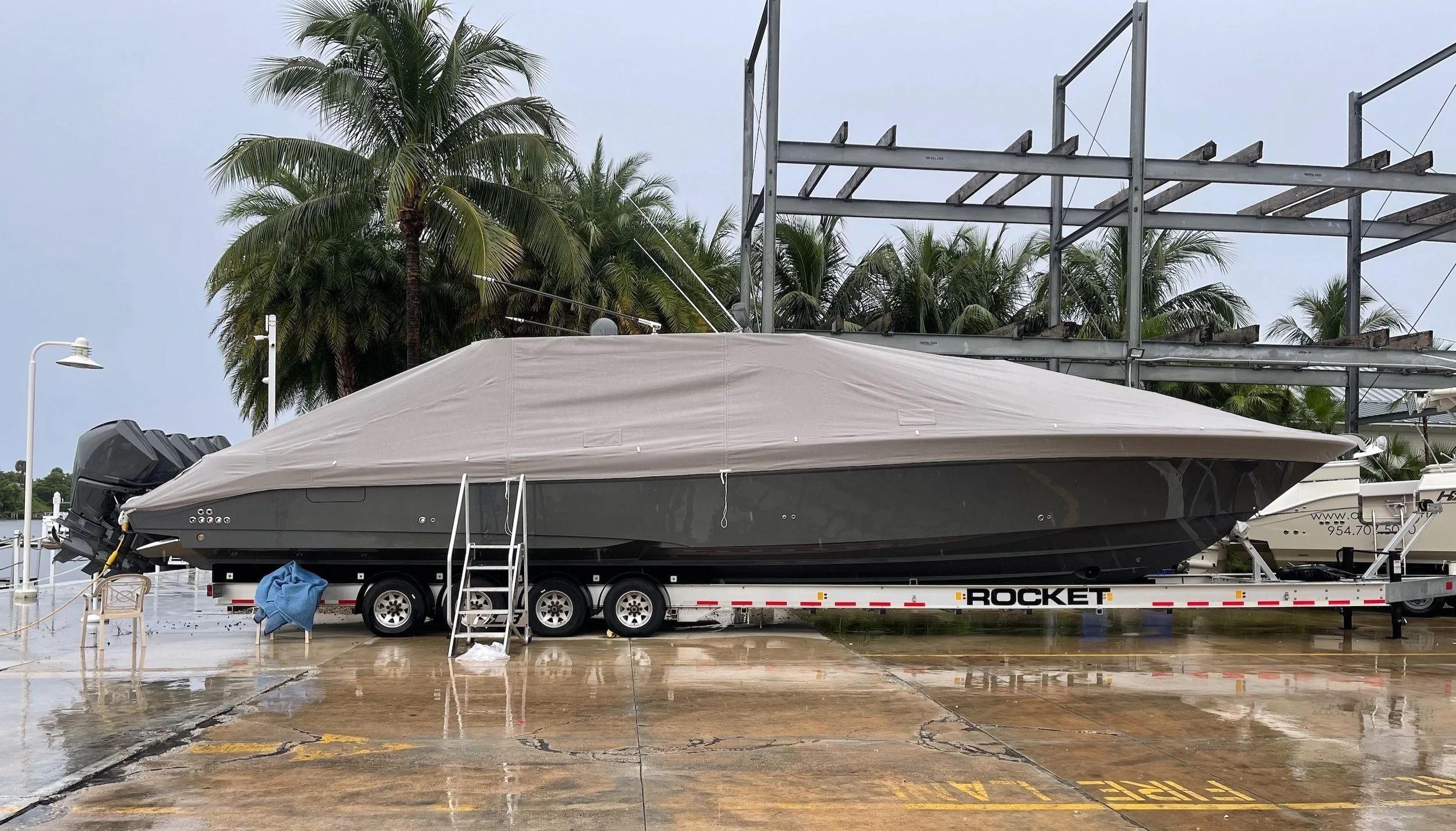
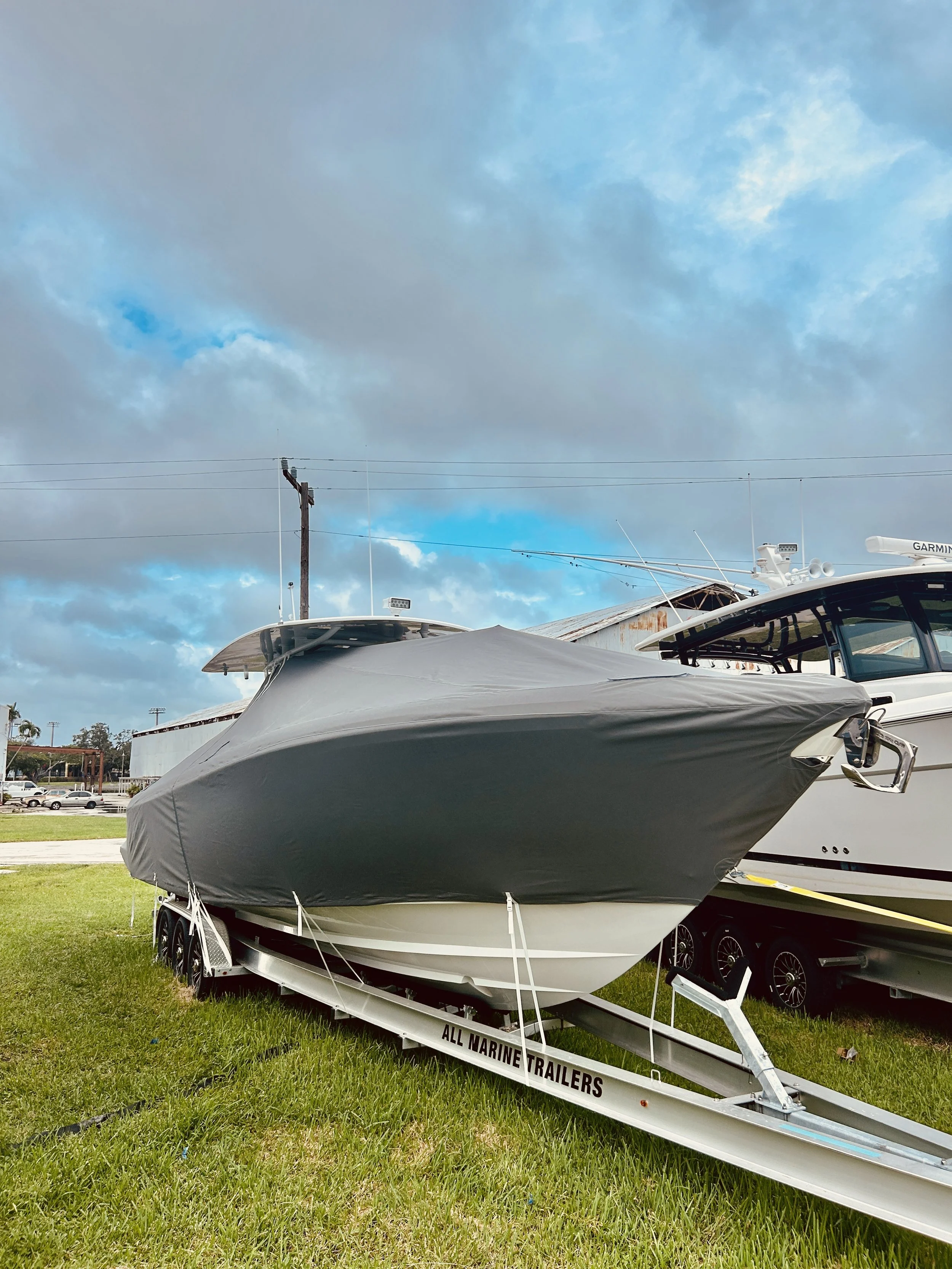
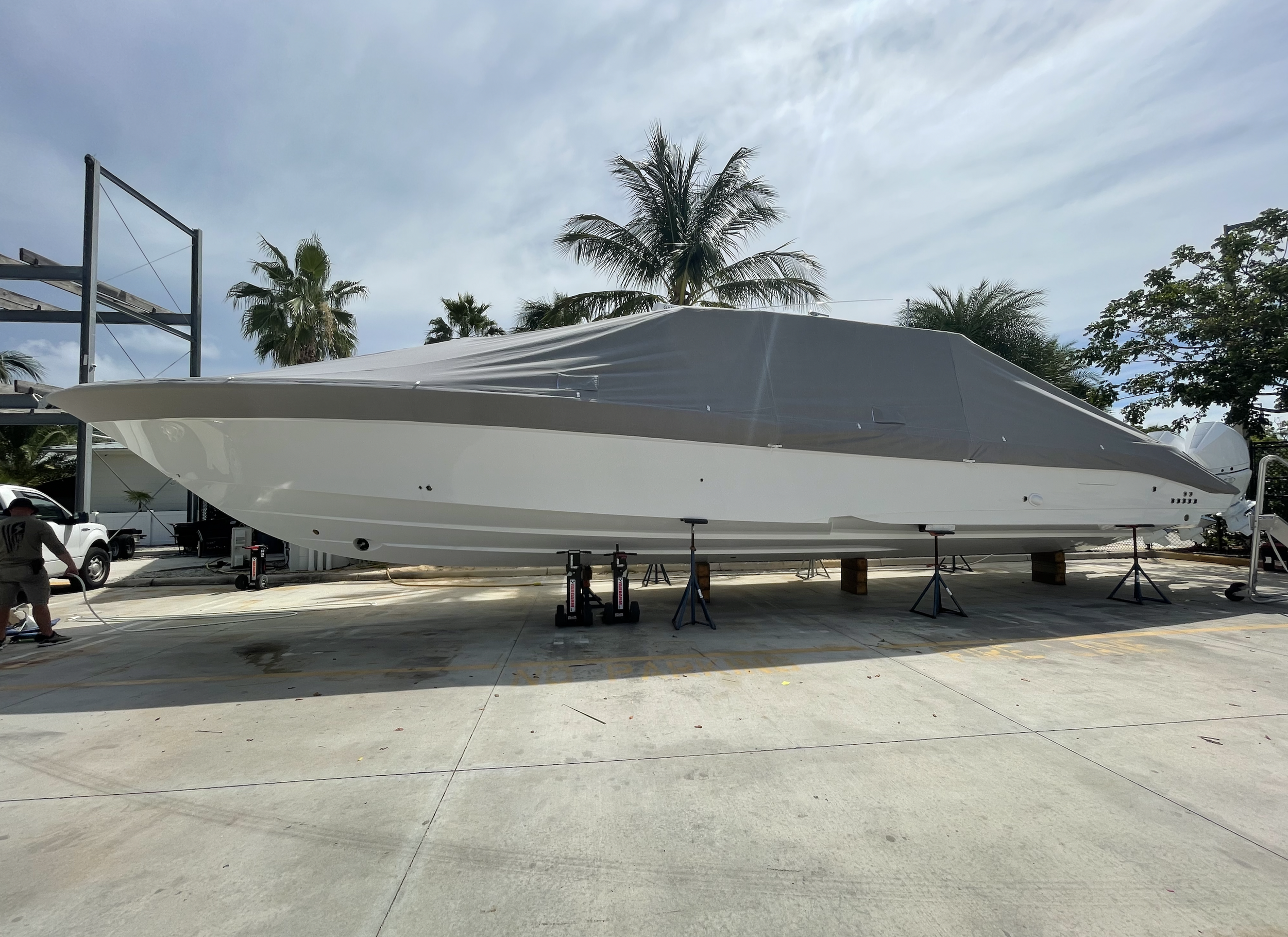
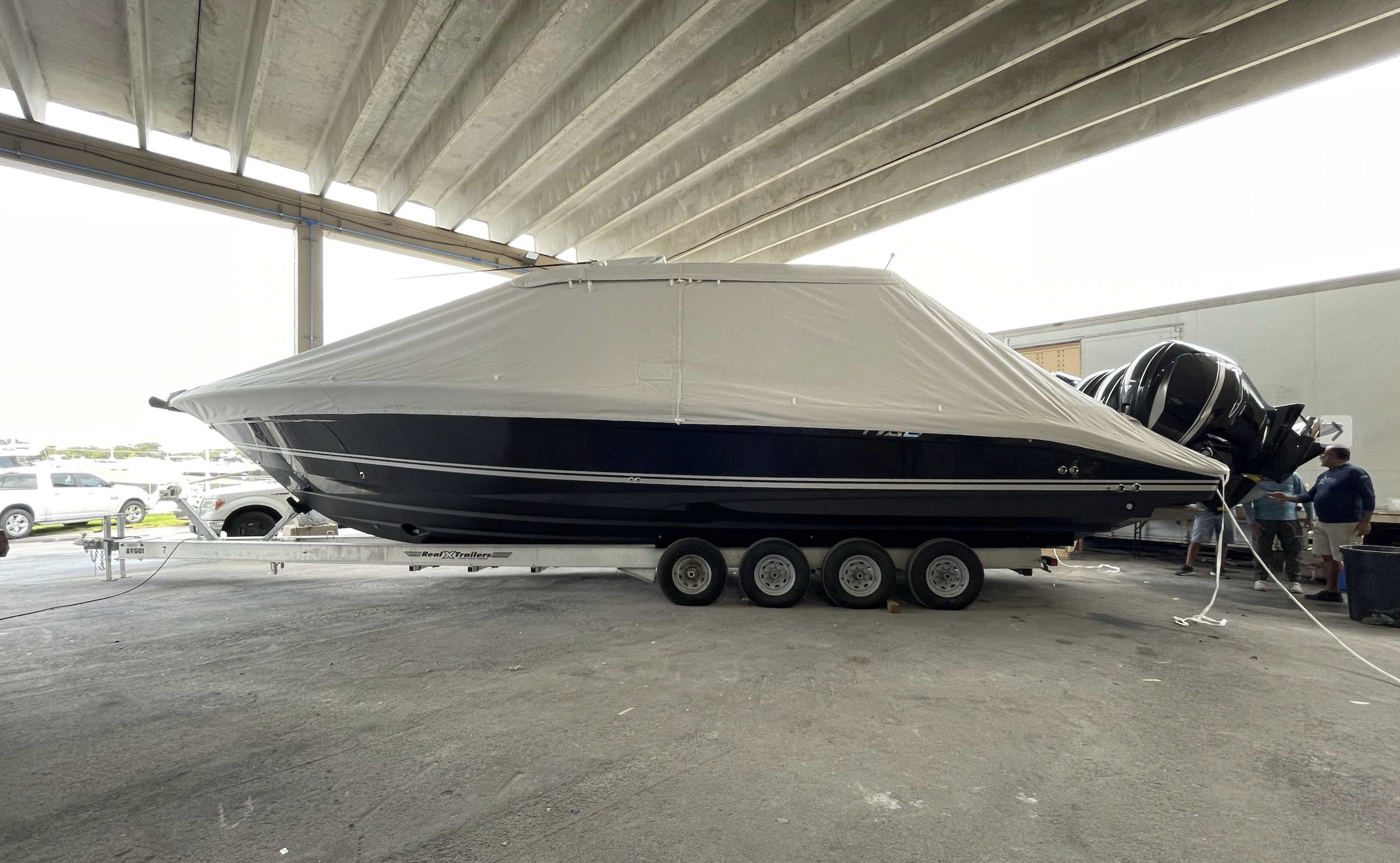
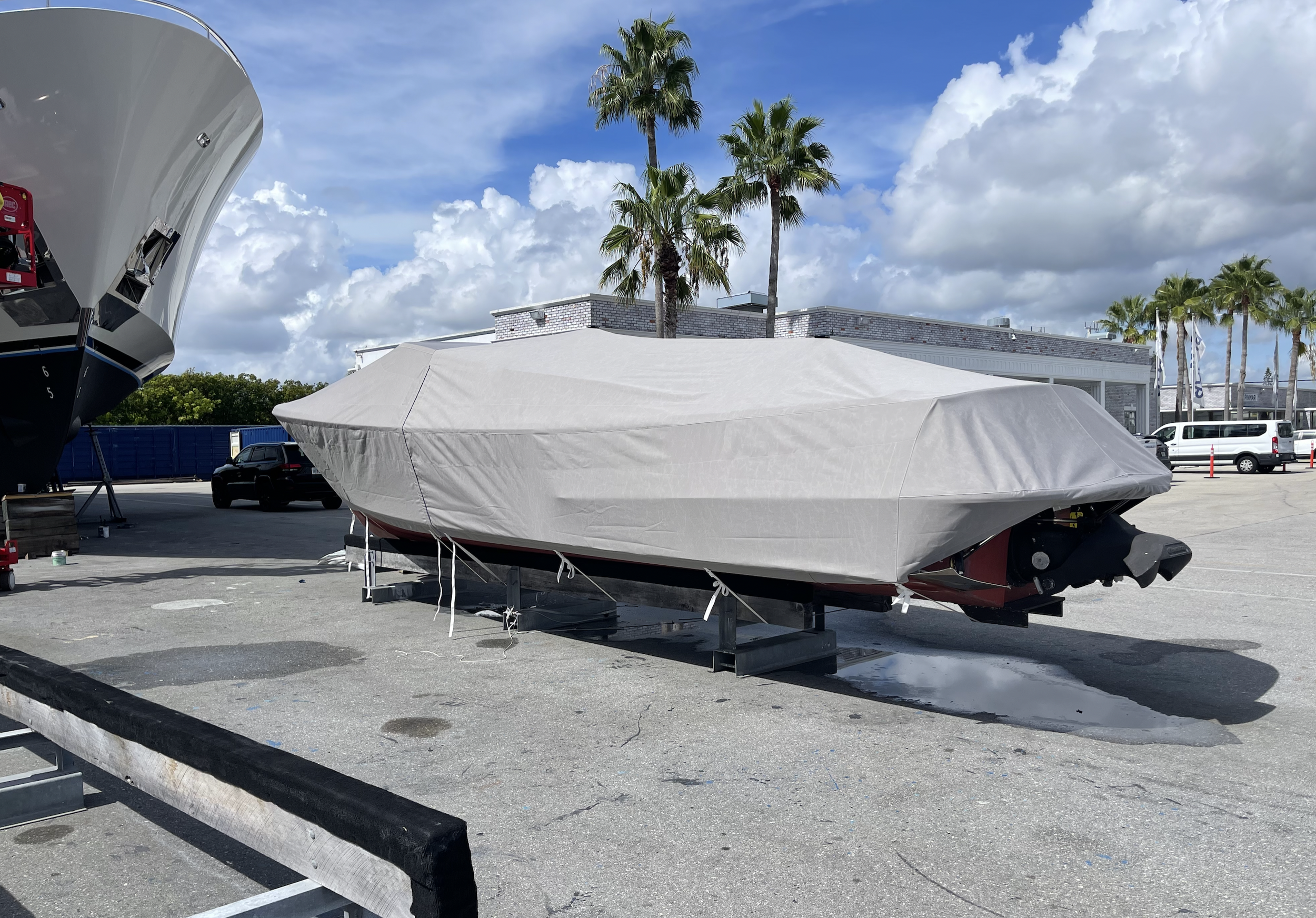
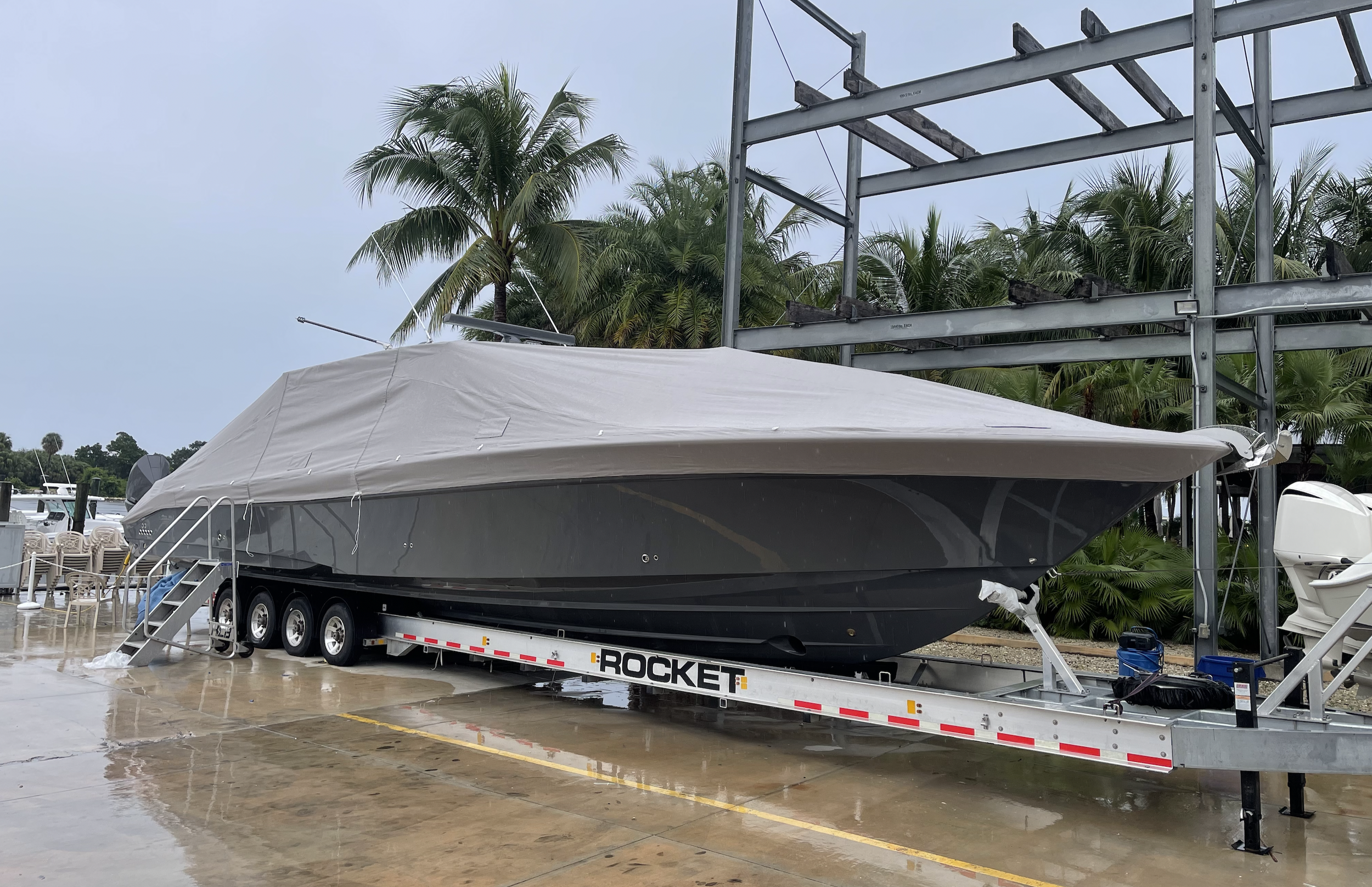
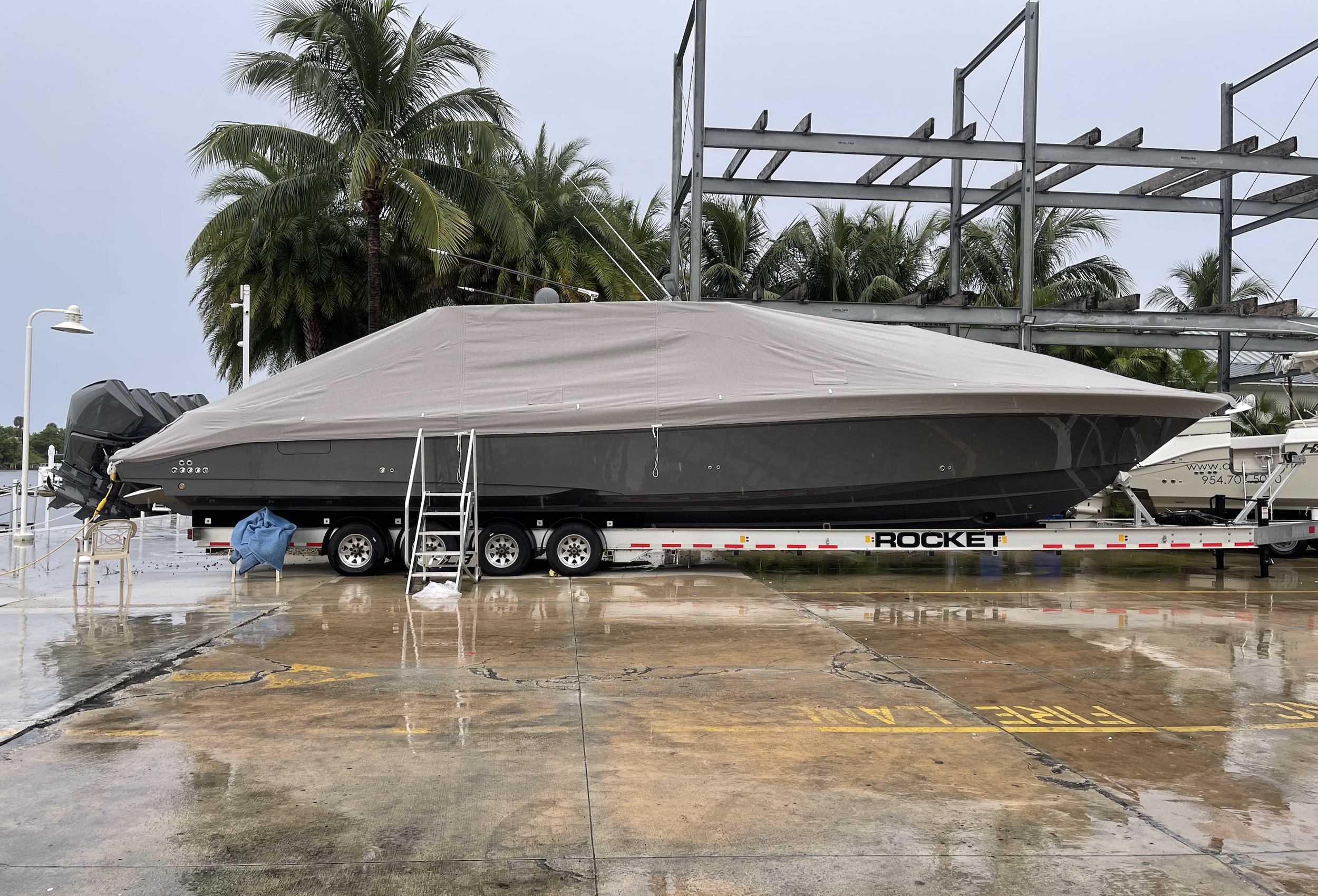
Every yacht has a unique footprint, and "one-size-fits-all" shades often leave gaps where the sun can still penetrate the cockpit or flybridge. Precision is achieved through 3D scanning and CNC cutting, ensuring that Custom Yacht Shade Extensions follow the exact contour of the gunwale or hardtop.
Specialized Configurations for Professional Use
- Flybridge Protection: Often involves a combination of fixed hardtops and retractable aft-extensions to cover the entire lounging area.
- Aft-Deck Coverage: Large-scale awnings supported by removable carbon fiber poles that can be deployed in minutes by the crew.
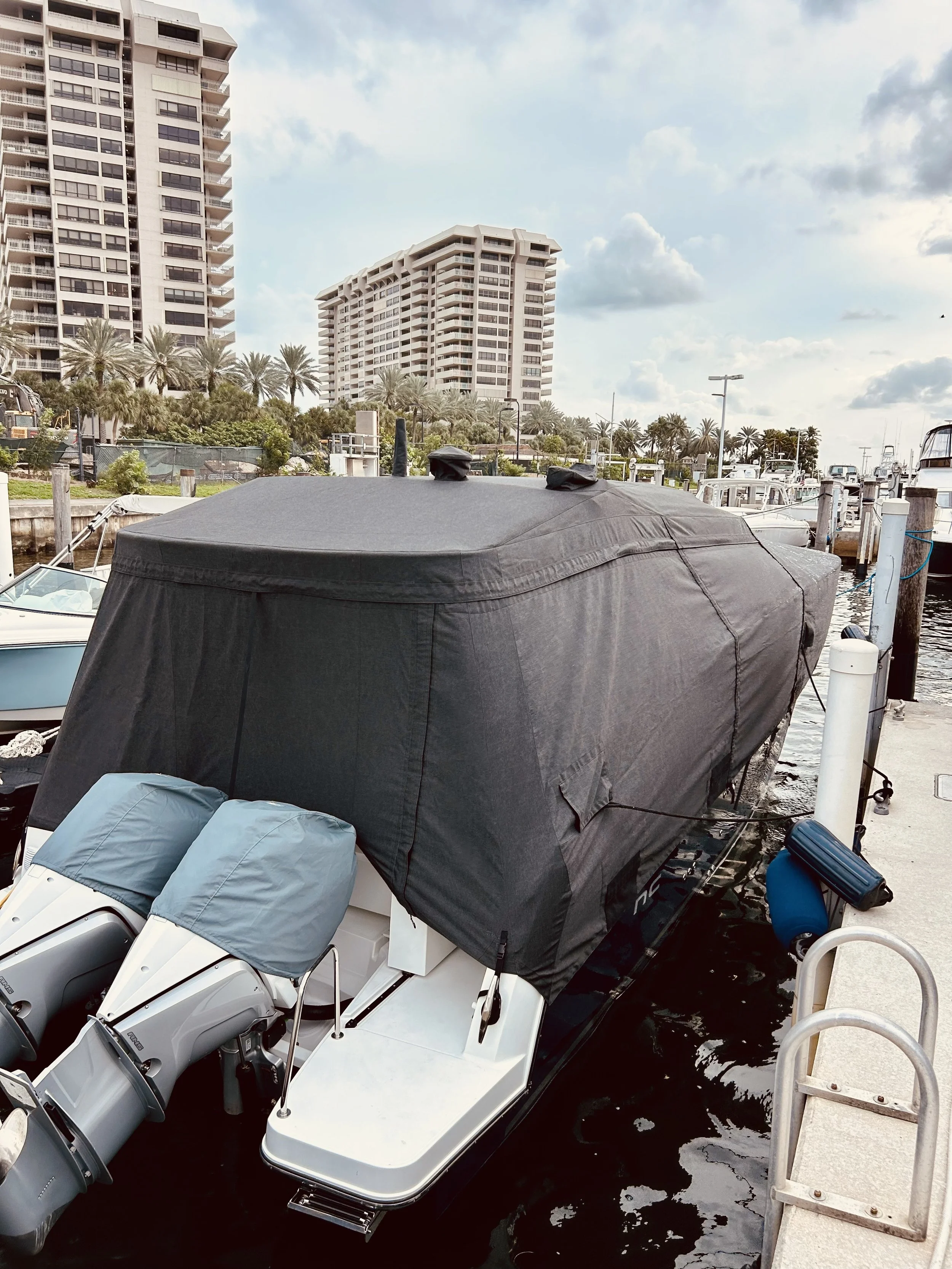
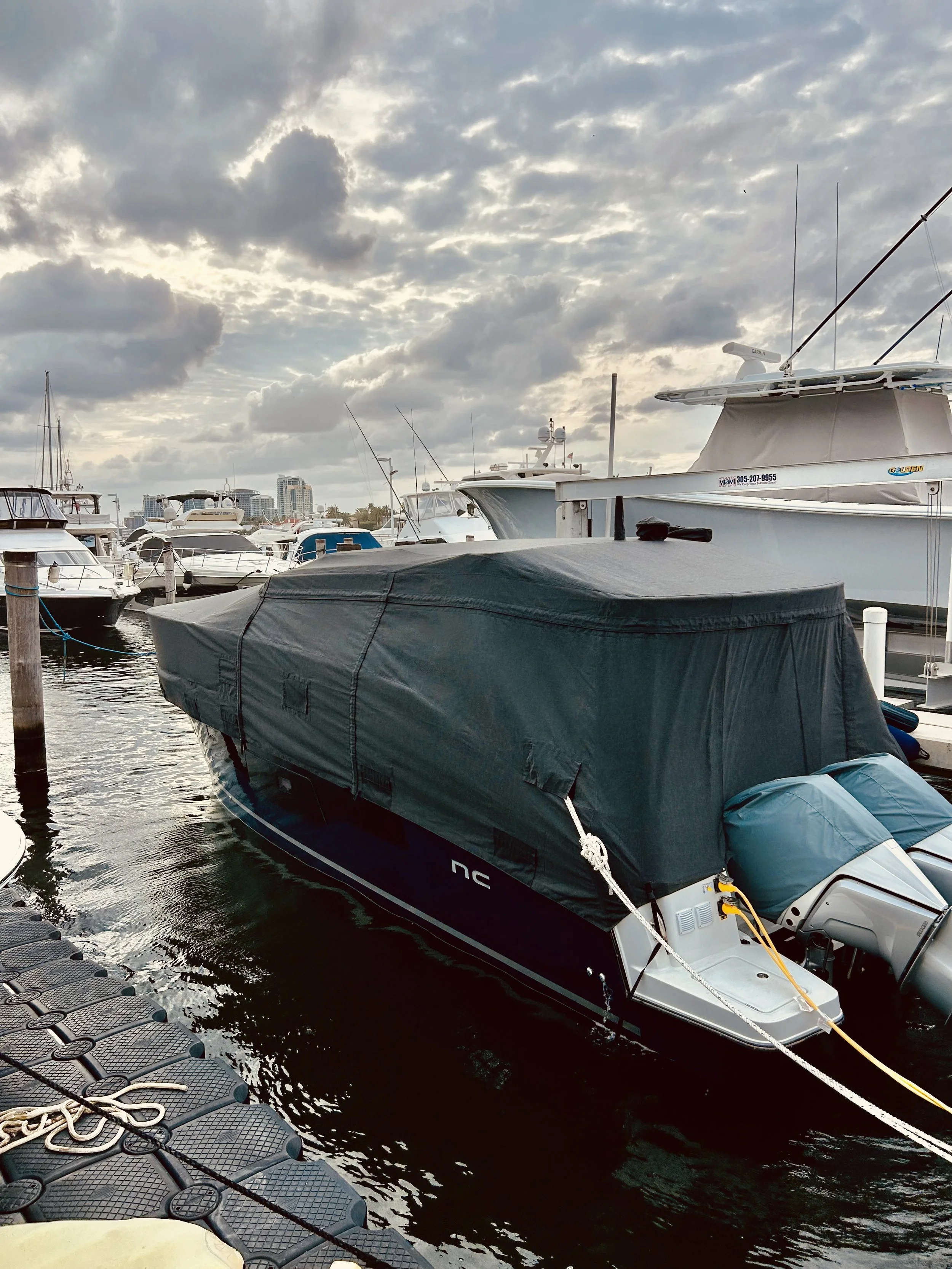
- Full Enclosure Systems: For those seeking climate control, a Yacht Bimini Top with Full Enclosure utilizes clear vinyl (Isinglass) panels to create a weather-tight space that can be air-conditioned.
- Crew & Operations: Custom shades for the bow or tender garage ensure that the crew can perform duties safely without heat exhaustion during long stints at anchor.
Installation and Operational Best Practices
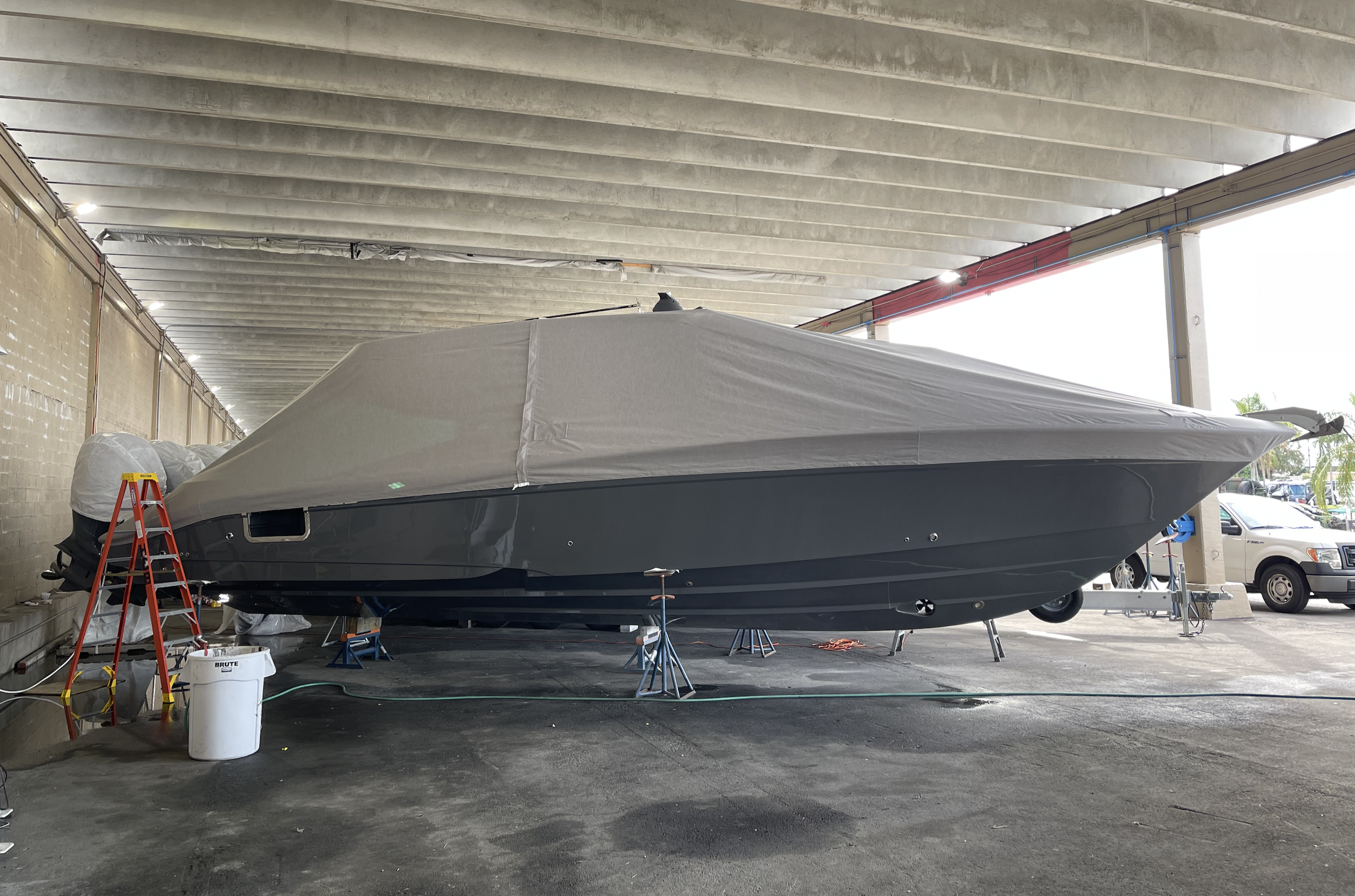
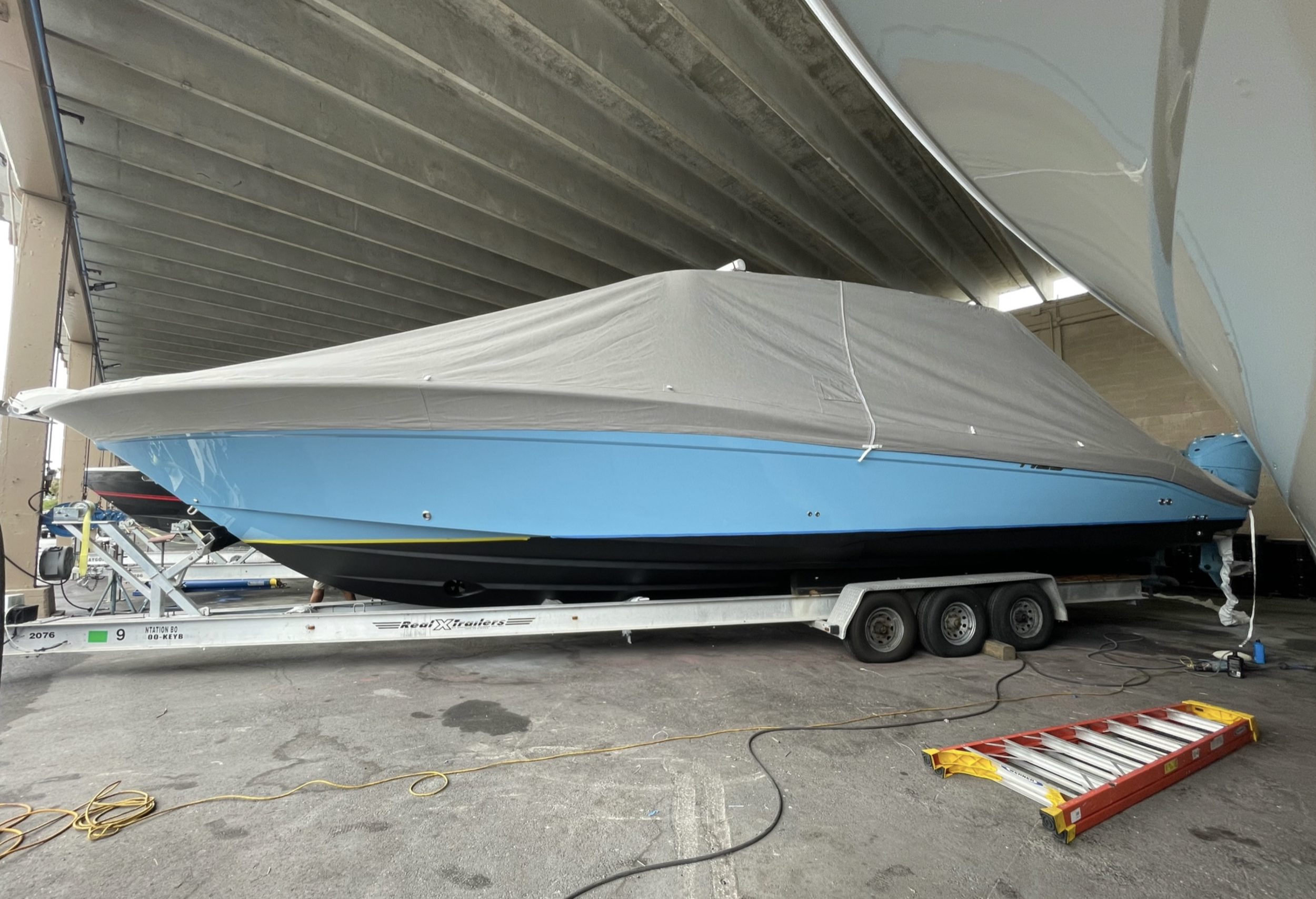
The transition from a concept to a functional shade involves rigorous measurement. At American Marine, we utilize 3D ProLiner technology to capture the vessel's geometry. This eliminates the "trial and error" of traditional templating.
When Installing a Sunshade, the mounting hardware must be through-bolted with backing plates whenever possible. For pole-supported shades, using "Mate Series" rod holders—which double as cup holders and are built for heavy loads—ensures the poles remain vertical even when the canvas is under high tension.
Manual vs. electric deployment is a significant decision point for refit managers. While electric systems offer the ultimate luxury, manual telescoping frames are often preferred for their simplicity and lack of wiring requirements, especially on shades under 6 feet in length.
Frequently Asked Questions about Yacht Shades
What wind speeds can custom-engineered yacht shades handle while underway?
Most high-quality custom biminis and fixed T-top extensions are engineered to handle the vessel's cruising speed, often up to 30-45 mph. However, removable pole-supported shades (like those using carbon fiber or stainless poles in rod holders) are typically rated for 10-20 mph. Always consult the specific engineering specs for your system before running at wide-open throttle.
Which marine fabrics offer the highest UPF protection and durability for superyachts?
Stamoid and Sunbrella are the industry standards. Stamoid is preferred for its 100% UV-blocking capabilities and smooth finish, which resists dirt and salt better than woven fabrics. Sunbrella offers a classic look and excellent breathability. Both provide UPF 50+ protection, which is essential for long-term skin health on the water.
How do precision-engineered yacht shades improve vessel resale value?
A custom-integrated shade system is viewed as a structural upgrade rather than an aftermarket add-on. Buyers recognize the value of 3D-measured, CNC-cut canvas and 316 stainless steel hardware. These systems protect the yacht’s upholstery from sun damage, preserving the "like-new" look of the interior and exterior seating, which directly impacts the vessel's market valuation.
Conclusion
Finding the right boat shade ideas for a luxury vessel requires a move away from generic retail products and toward professional marine fabrication. Whether you are managing a fleet or overseeing a private refit in South Florida, the priority must be precision, durability, and operational safety.
At American Marine, we specialize in the 3D measurement and precision fabrication of custom shading systems that stand up to the rigors of professional yachting. From the initial scan to the final installation of your Bimini Shades, our process ensures a fit that is as functional as it is aesthetically perfect.
Request a Fabrication Consultation to discuss how we can enhance your vessel's operational comfort and protection.