Don't Get Soaked: How to Find Custom Boat Canvas Services in Your Area

Why Precision Marine Canvas Is Critical for Protecting Your Yacht Investment

canvas covers for boats - canvas covers for boats near me

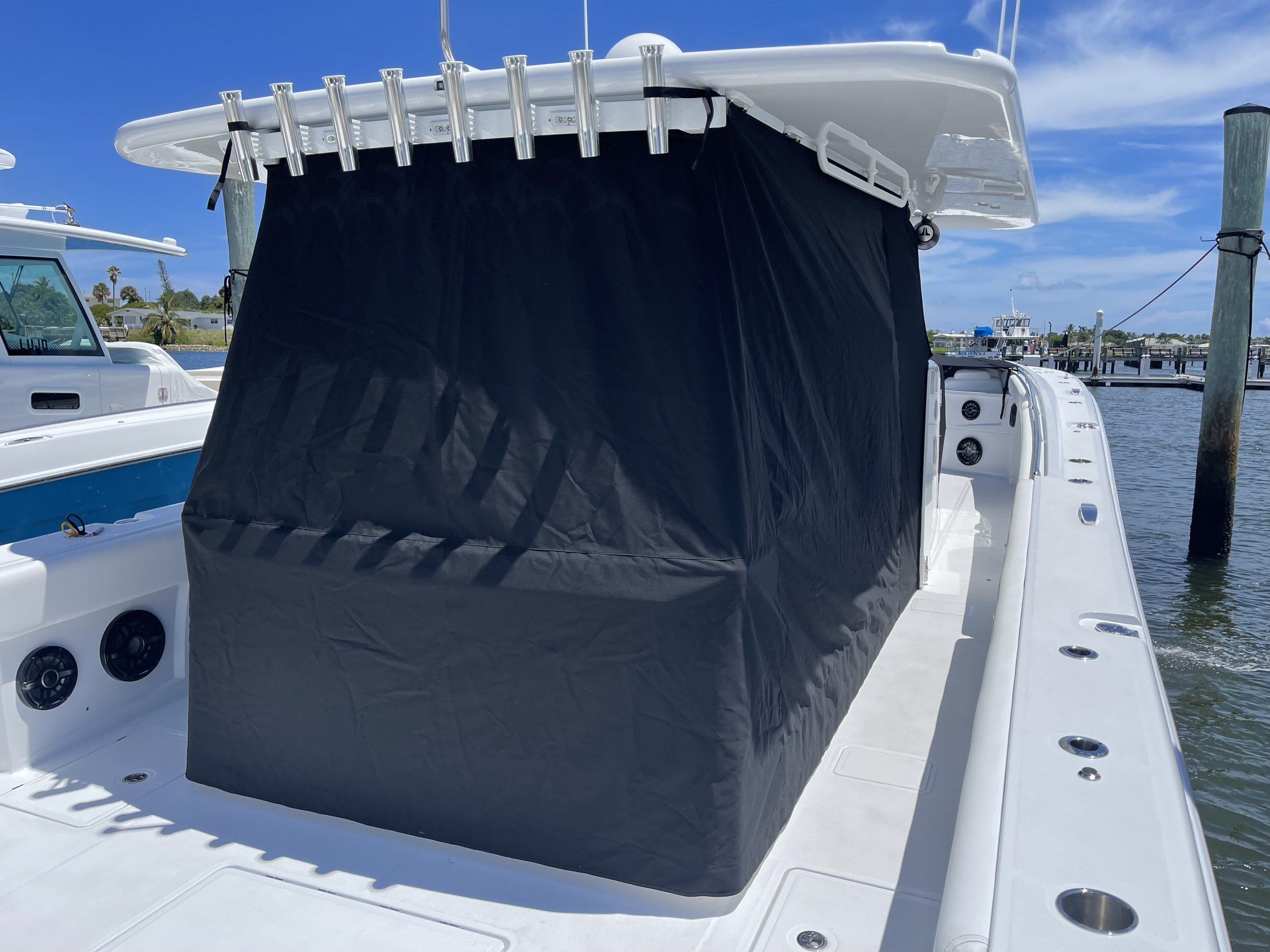
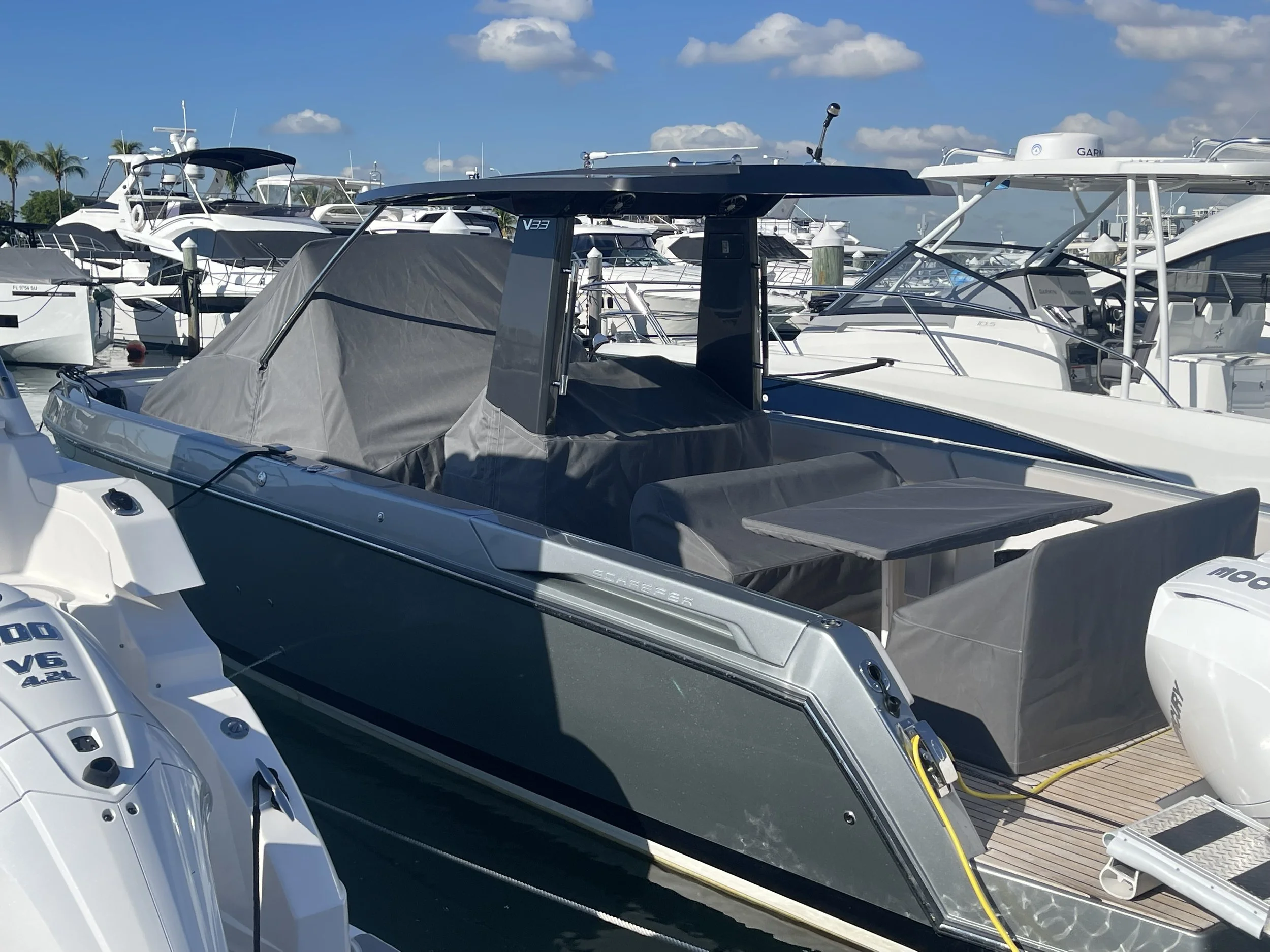
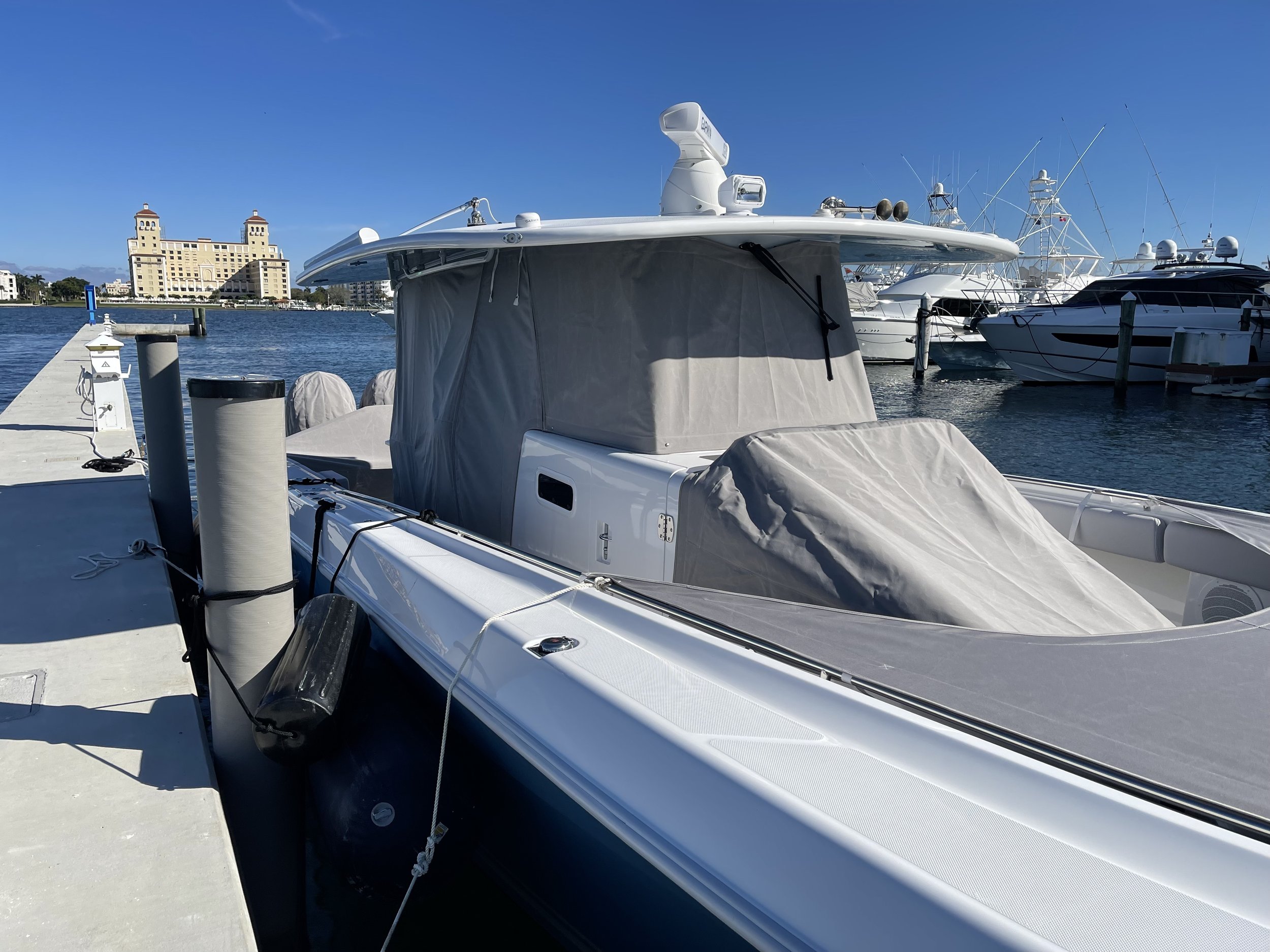
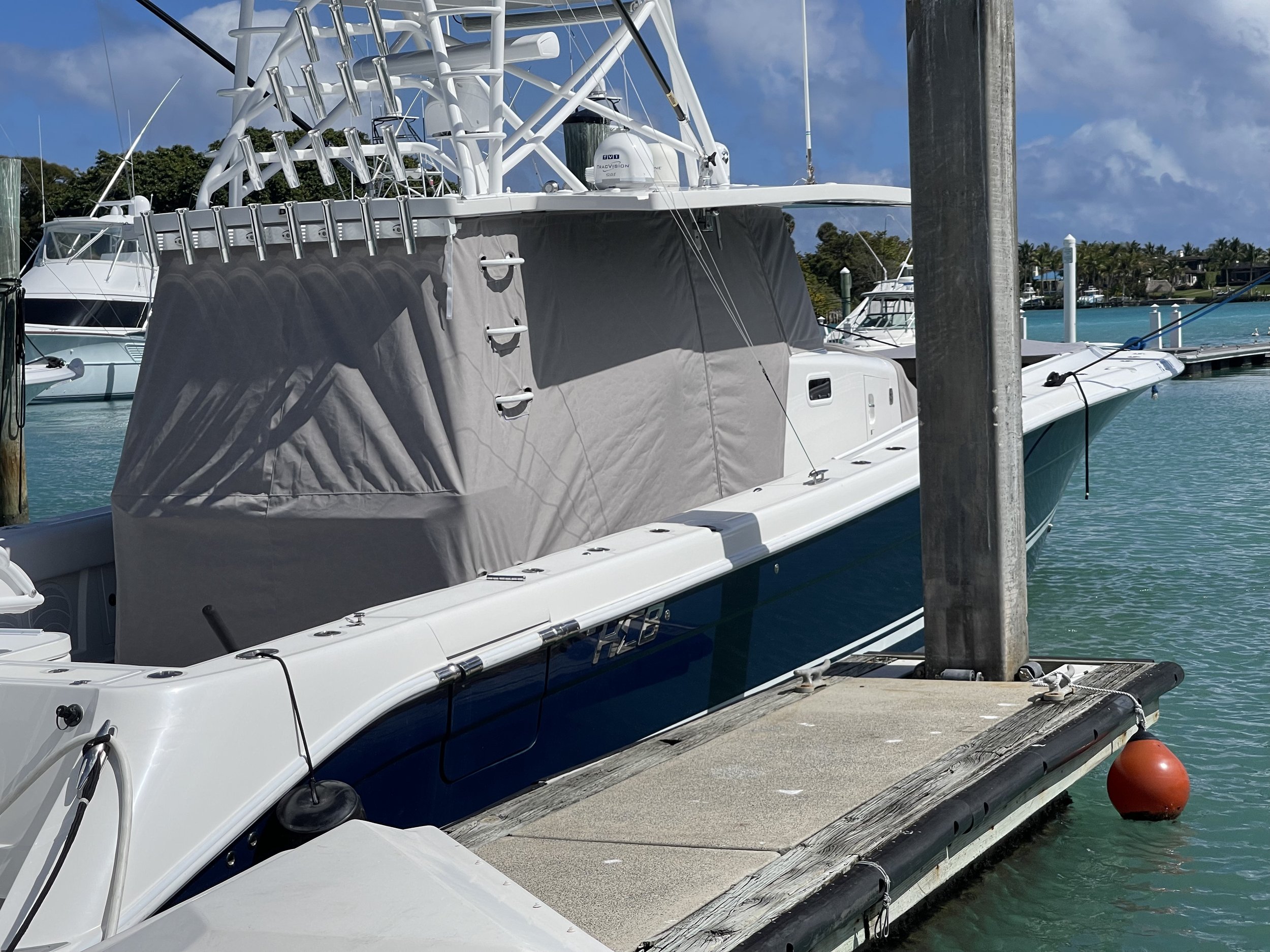
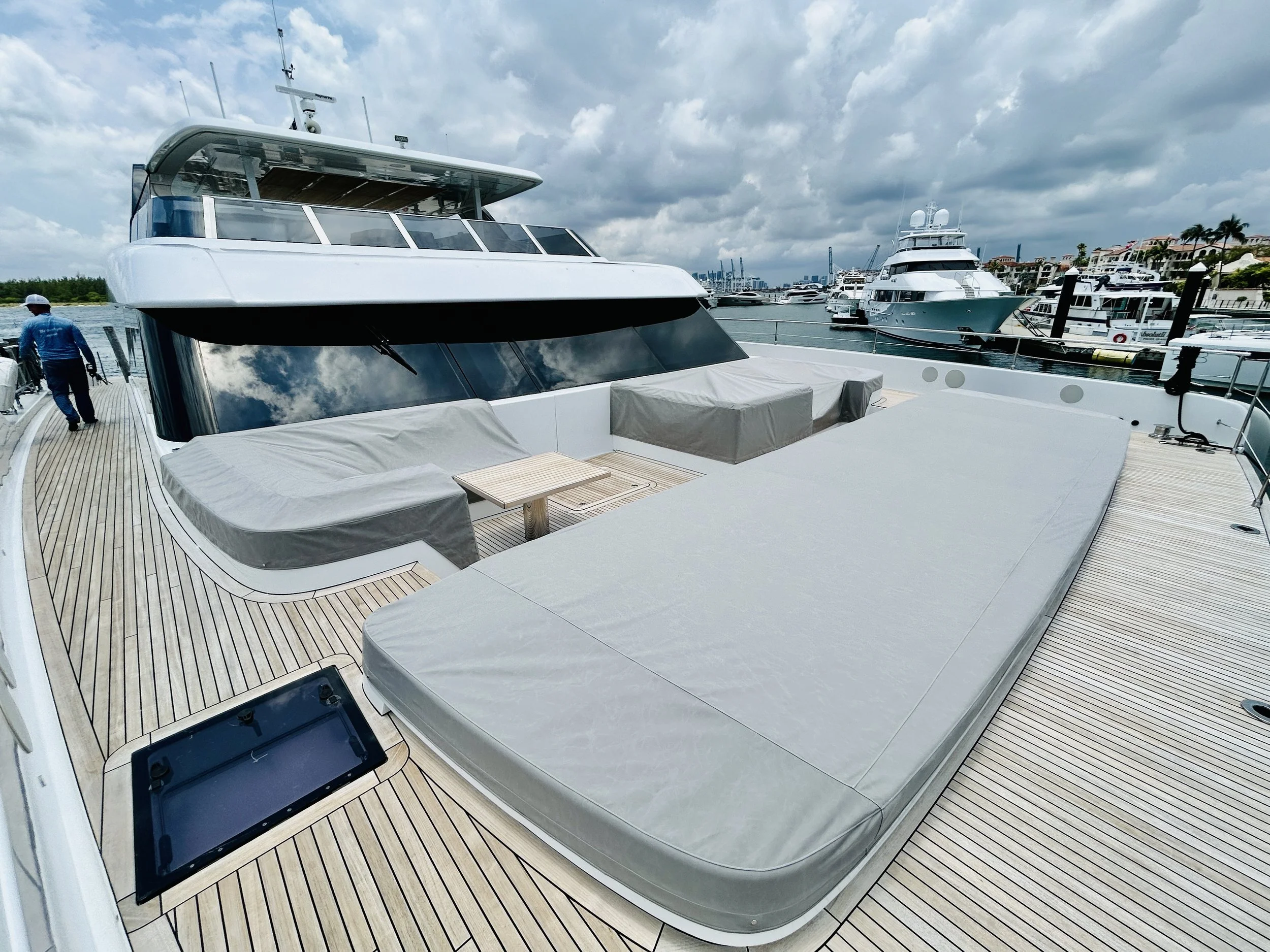
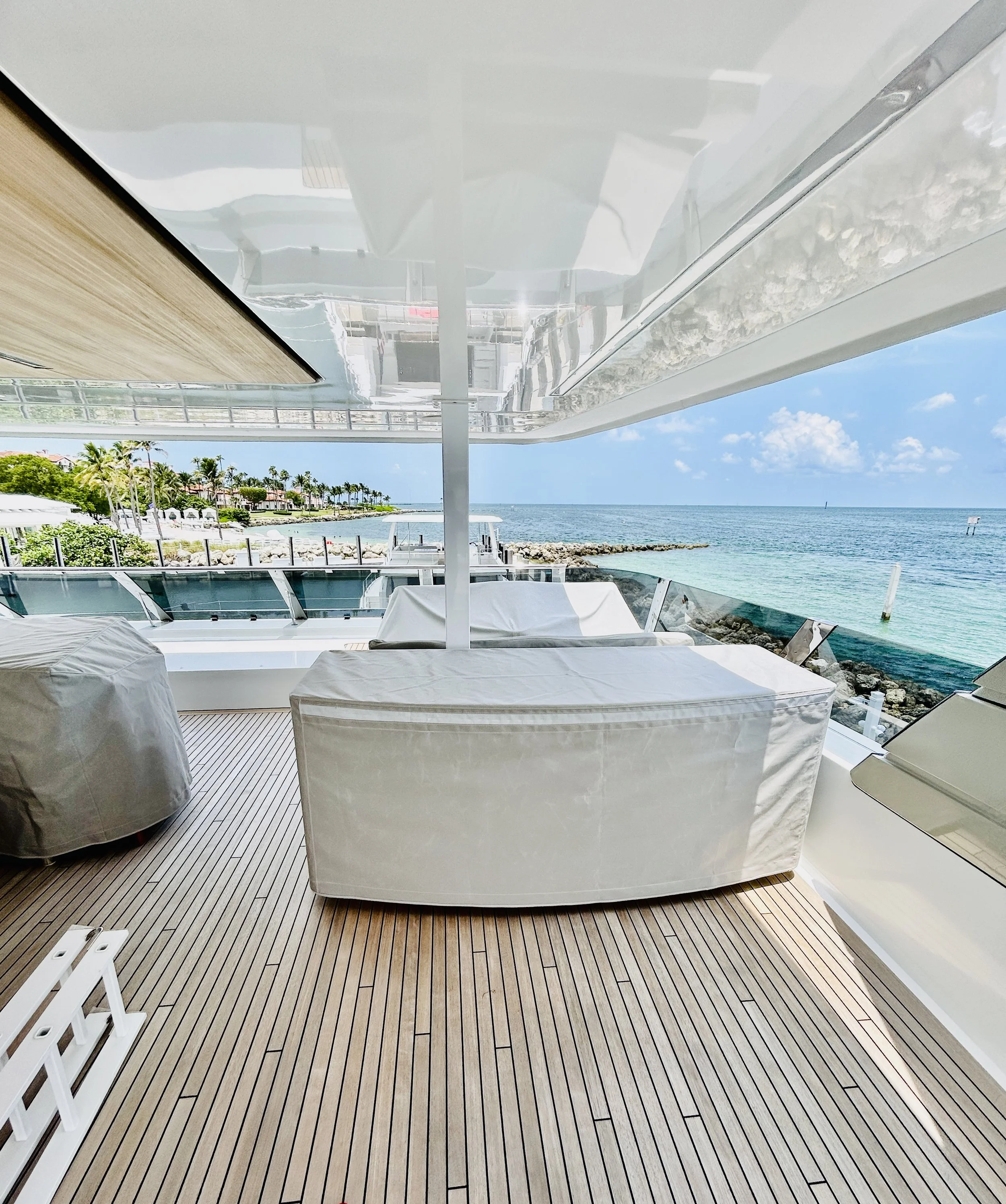
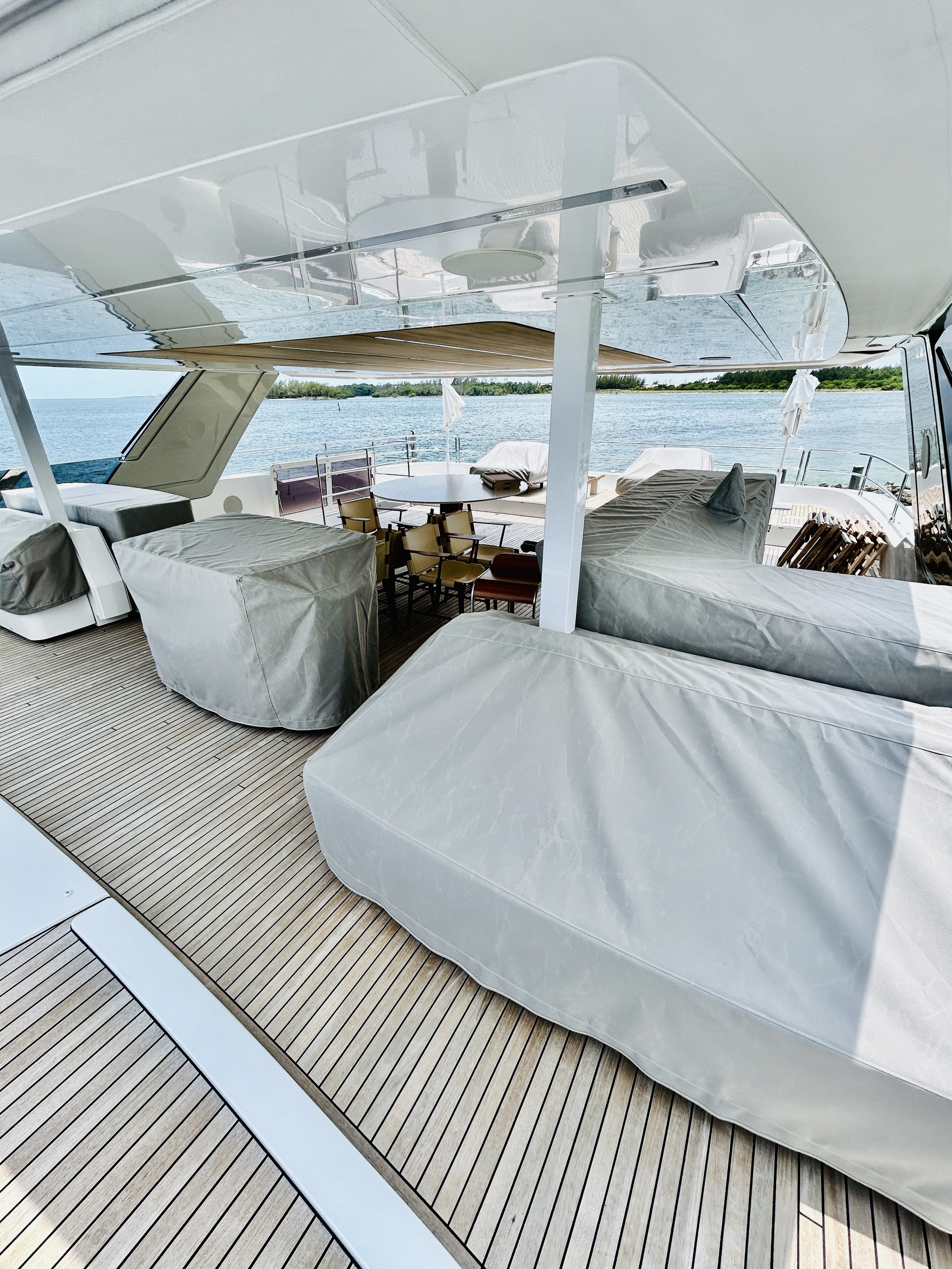
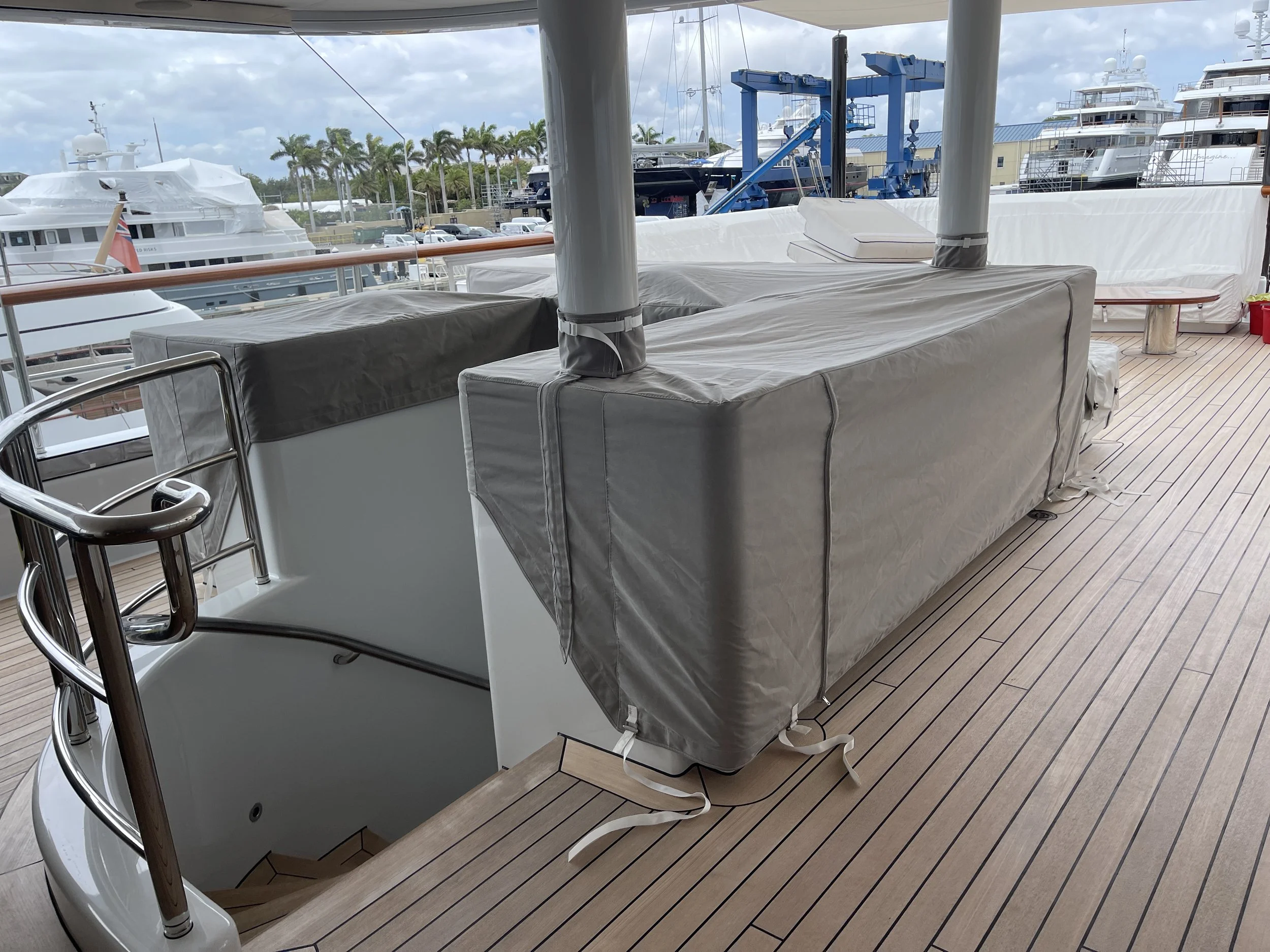
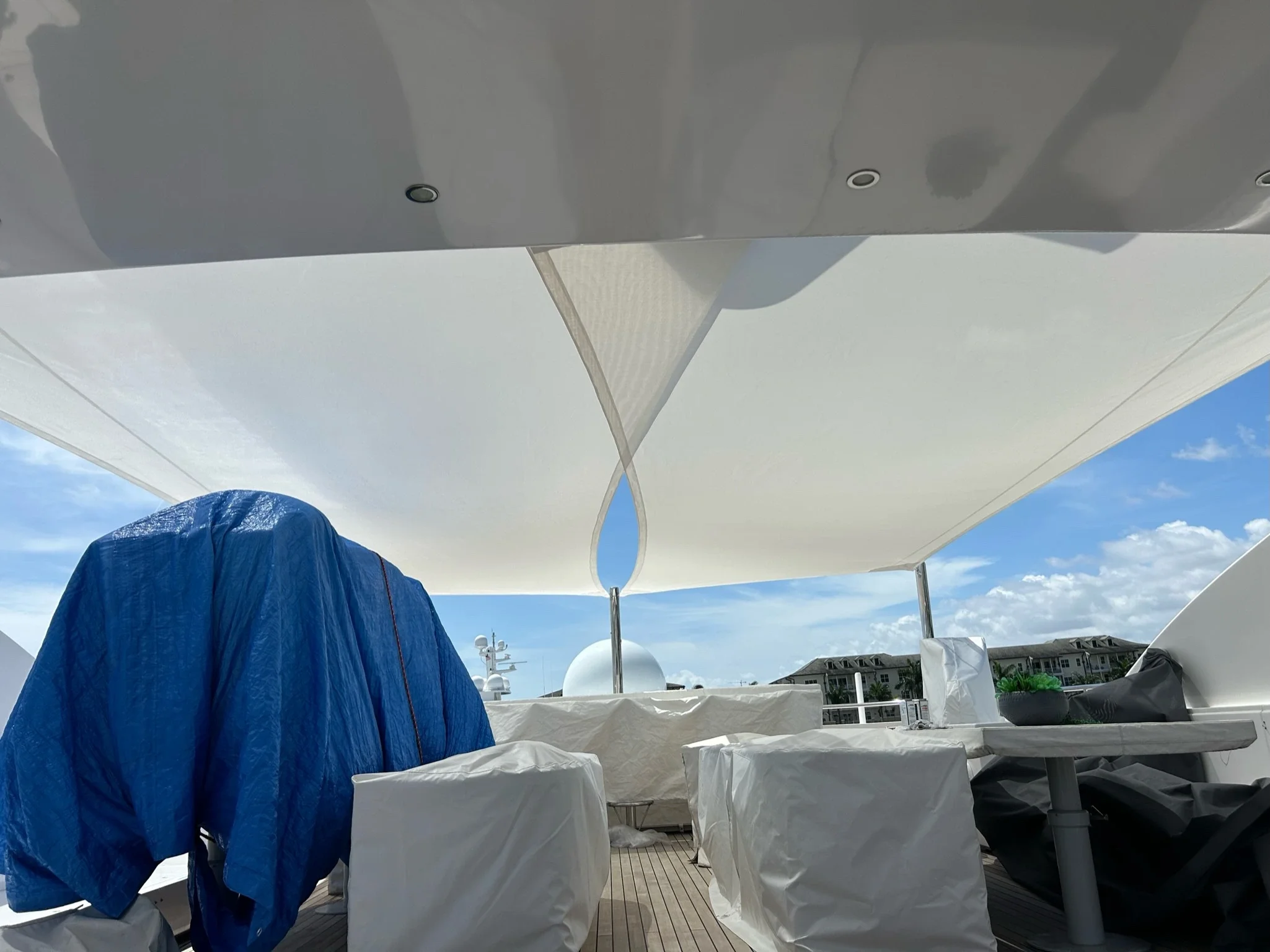
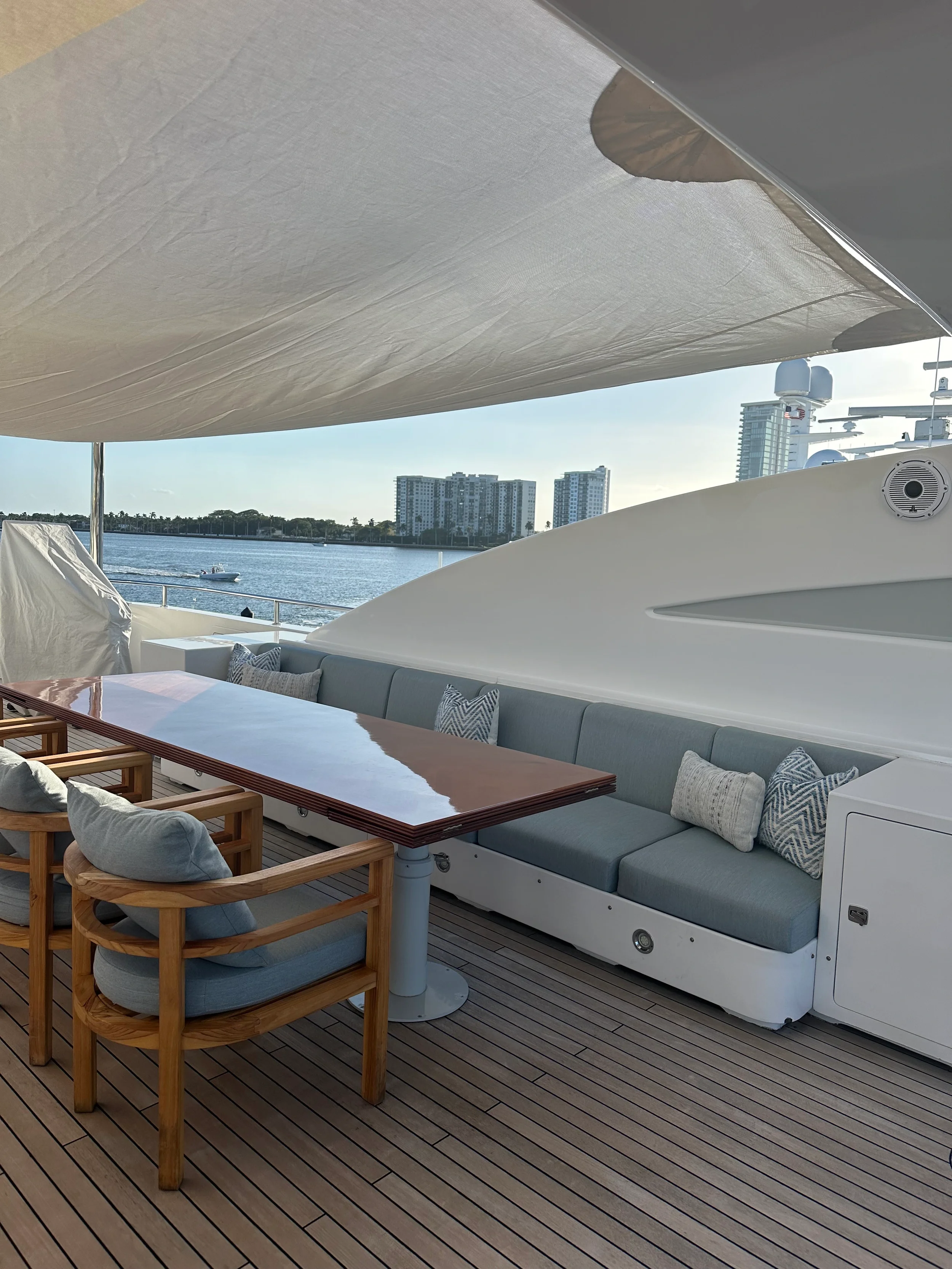
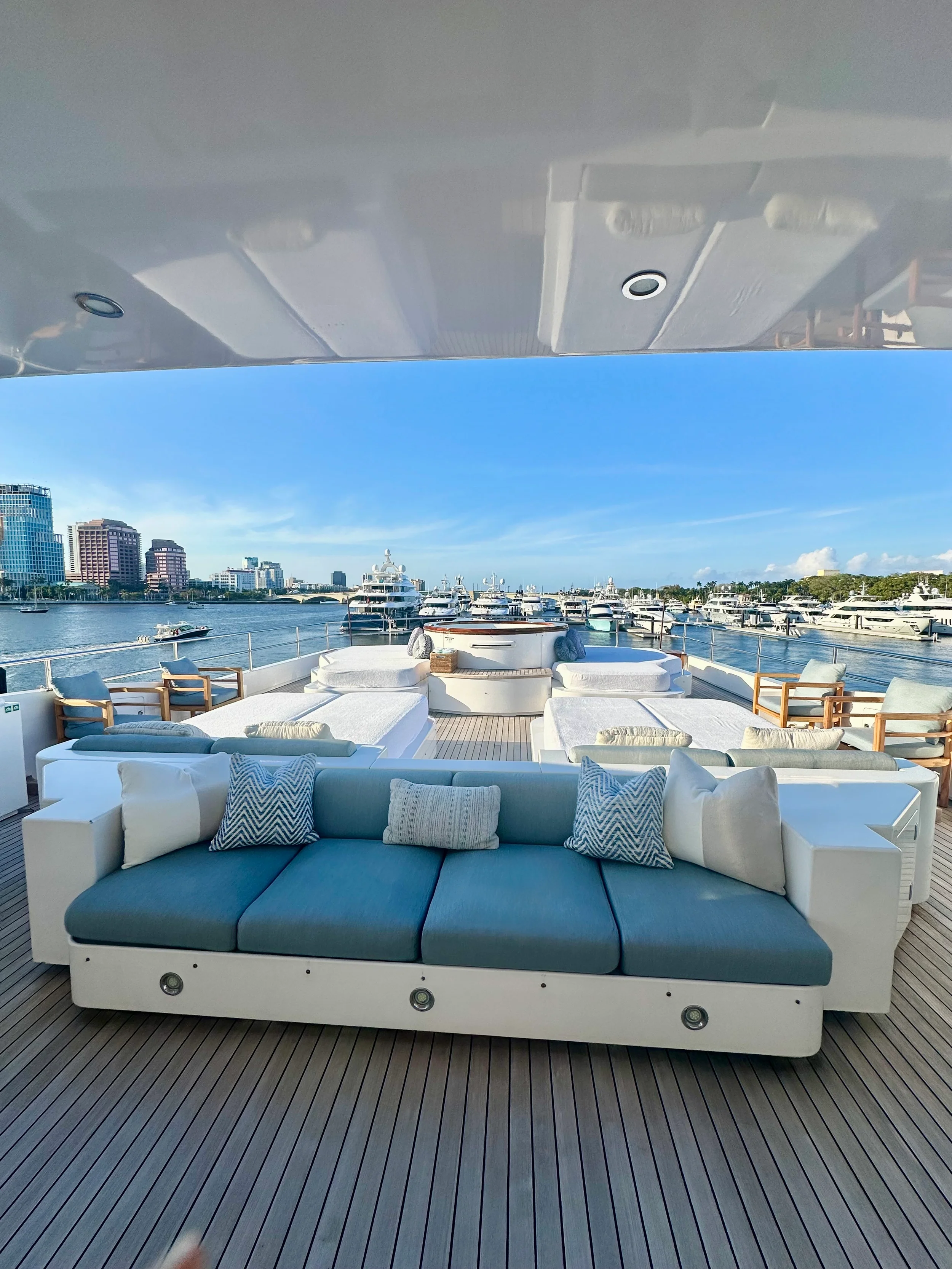
Canvas covers for boats near me is a common search when yacht owners, builders, and refit managers need professional fabrication services. For large yachts and superyachts, the priority is not simply finding a local shop, but identifying a fabrication partner that can deliver precision-fit, repeatable results at scale.

Unlike small-boat canvas shops that focus on universal covers and trailer-boat applications, yacht-level projects demand a technical, process-driven approach. Not all marine canvas providers are equipped to handle vessels 40–60 ft and above, especially in South Florida where covers must withstand intense UV, salt, and humidity over many seasons.

Quick Answer: How to Find Quality Canvas Covers for Boats Near You (That Are Suited to Large Yachts)

  1. Verify they specialize in large yachts (40'+)  Look for superyachts, shipyard work, and fleet projects in their portfolio
  2. Ask about 3D digital measurement  Proliner or comparable tools, not just manual patterning
  3. Confirm they use marine-grade materials  Solution-dyed acrylics like Sunbrella, PTFE thread, 316 stainless hardware
  4. Review their portfolio by vessel type  Focus on yachts, not small center consoles or pontoons
  5. Check their fabrication process  CNC cutting, in-house production, documented workflows, and consistent QA

The Real Cost of Choosing the Wrong Canvas Provider

For large yachts, a poorly fitted cover does more than look out of place. It introduces water pooling that leads to mold and surface staining and creates wind-flap abrasion on gelcoat and varnish. Inferior materials degrade quickly in South Florida conditions, forcing premature replacement and unplanned yard time.

Generic "one-size-fits-all" covers are designed for small recreational boats. They cannot accommodate the complex geometry, towers, antennas, and hardware of a yacht. On a professionally managed vessel, that translates into additional maintenance, operational disruption, and avoidable cosmetic damage.

What Builders and Captains Should Expect

Professional marine canvas fabrication for yachts is a technical process. It requires:

  • Digital measurement tools for accurate, repeatable data
  • CNC cutting for consistent patterning across projects
  • Marine-grade textiles rated for UV and saltwater exposure
  • Reinforced seam construction with PTFE thread

The final product should fit like a second skintight enough to shed water and resist wind, but designed with proper venting to prevent mold. For builders managing multiple hulls and for captains responsible for long-term asset condition, consistency in fit and scheduling is as important as the initial appearance.

This is not about decorative canvas. It is about preserving the finish, equipment, and long-term value of a high-dollar asset while reducing rework and unplanned refit.

I'm Jeremy Bottau, owner of American Marine, a marine canvas and upholstery fabricator serving South Florida's yacht and superyacht industry. For over a decade, I've worked with builders, captains, and refit managers who need precision-fabricated canvas covers for boats near me that perform at the level their vessels and operating schedules demand. This guide outlines the technical considerations, material choices, and vetting process required to select a fabrication partner capable of supporting professional yacht operations.
Infographic showing the key differences between generic and precision yacht canvas: Fit (universal vs 3D-measured custom), Material (lightweight polyester vs solution-dyed acrylic), Longevity (1-2 years vs 5-10+ years), UV Protection (minimal vs marine-grade with high UV stability), and Attachment (elastic straps vs reinforced grommets with stainless hardware) - canvas covers for boats near me infographic

Understanding the Spectrum of Marine Canvas Solutions

A vessel’s operational needs dictate the type of canvas required. Understanding the functional differences between cover types is the first step in specifying the right solution for mooring, transit, or daily use. Each serves a distinct purpose in protecting the yacht’s finish, equipment, and interior from UV degradation, water intrusion, and environmental debris.

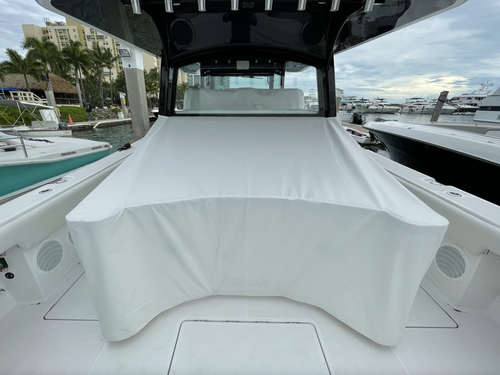
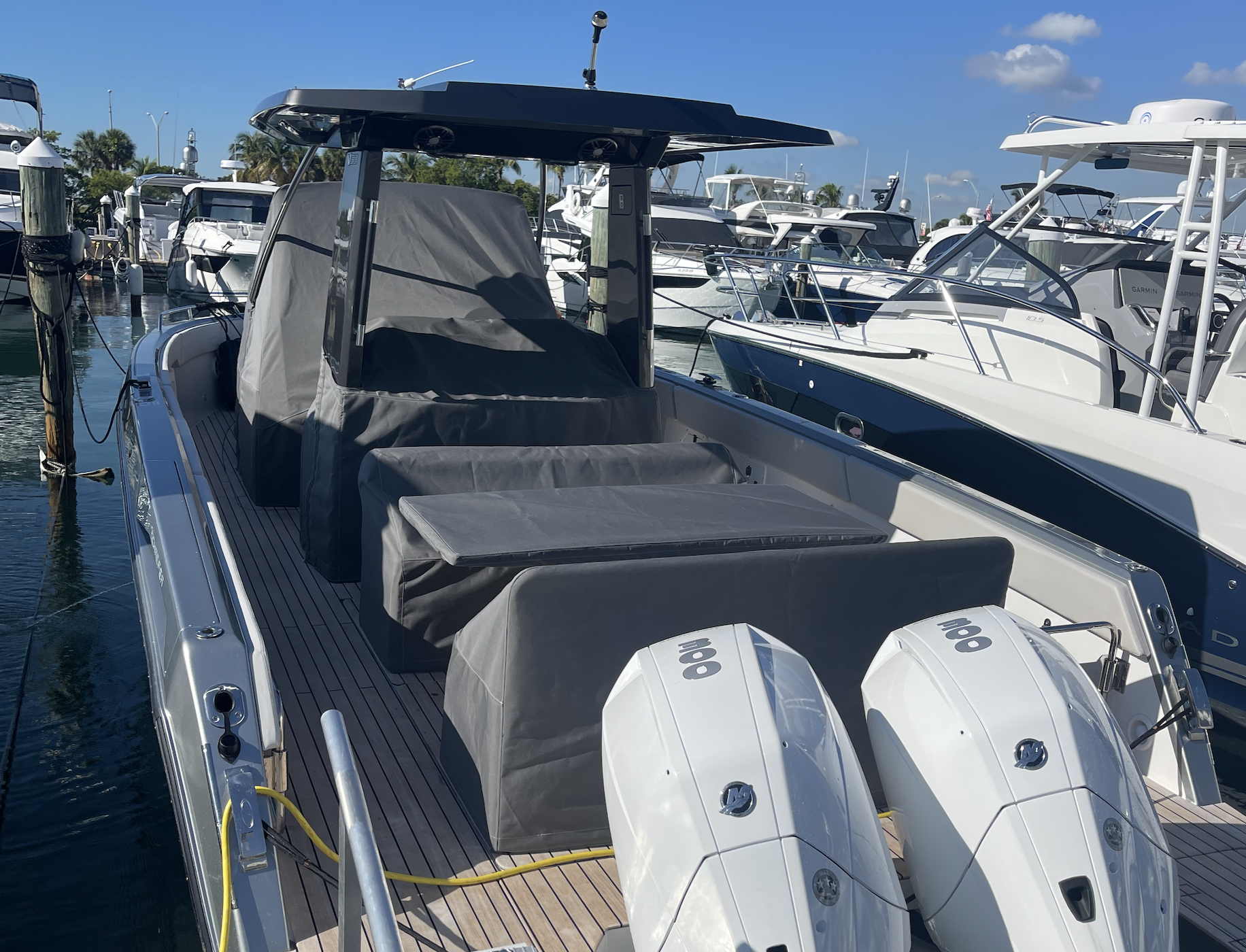
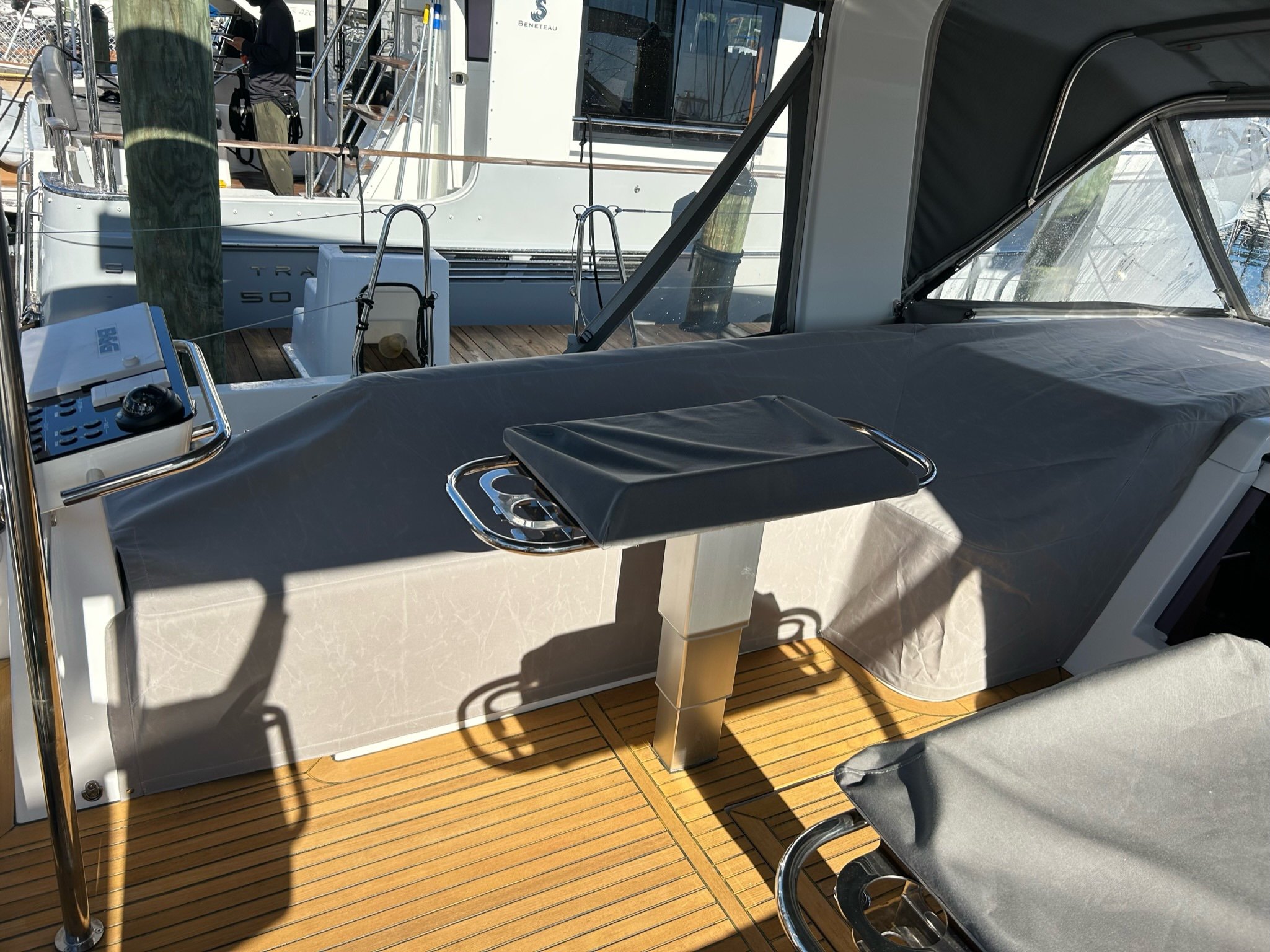
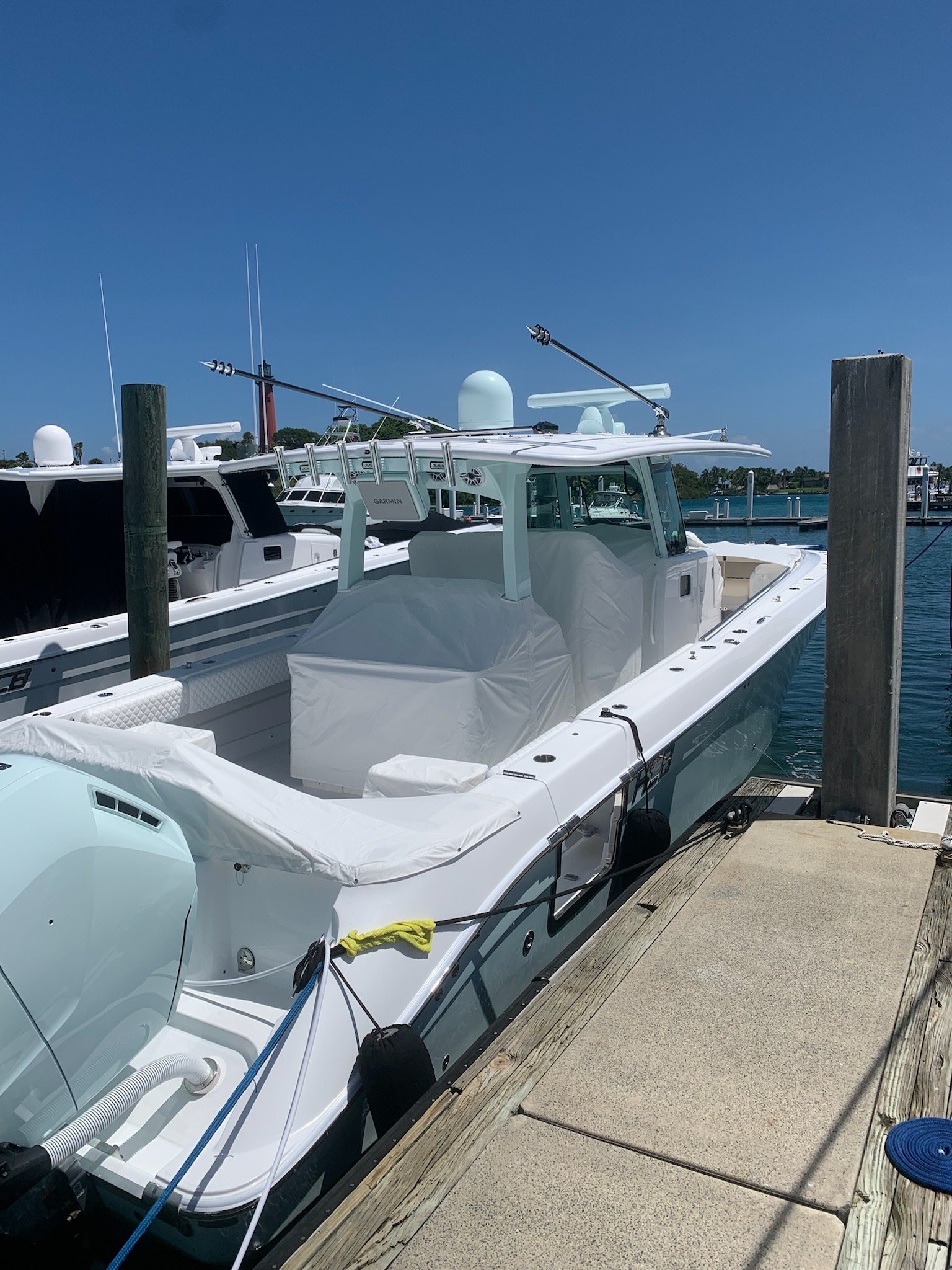
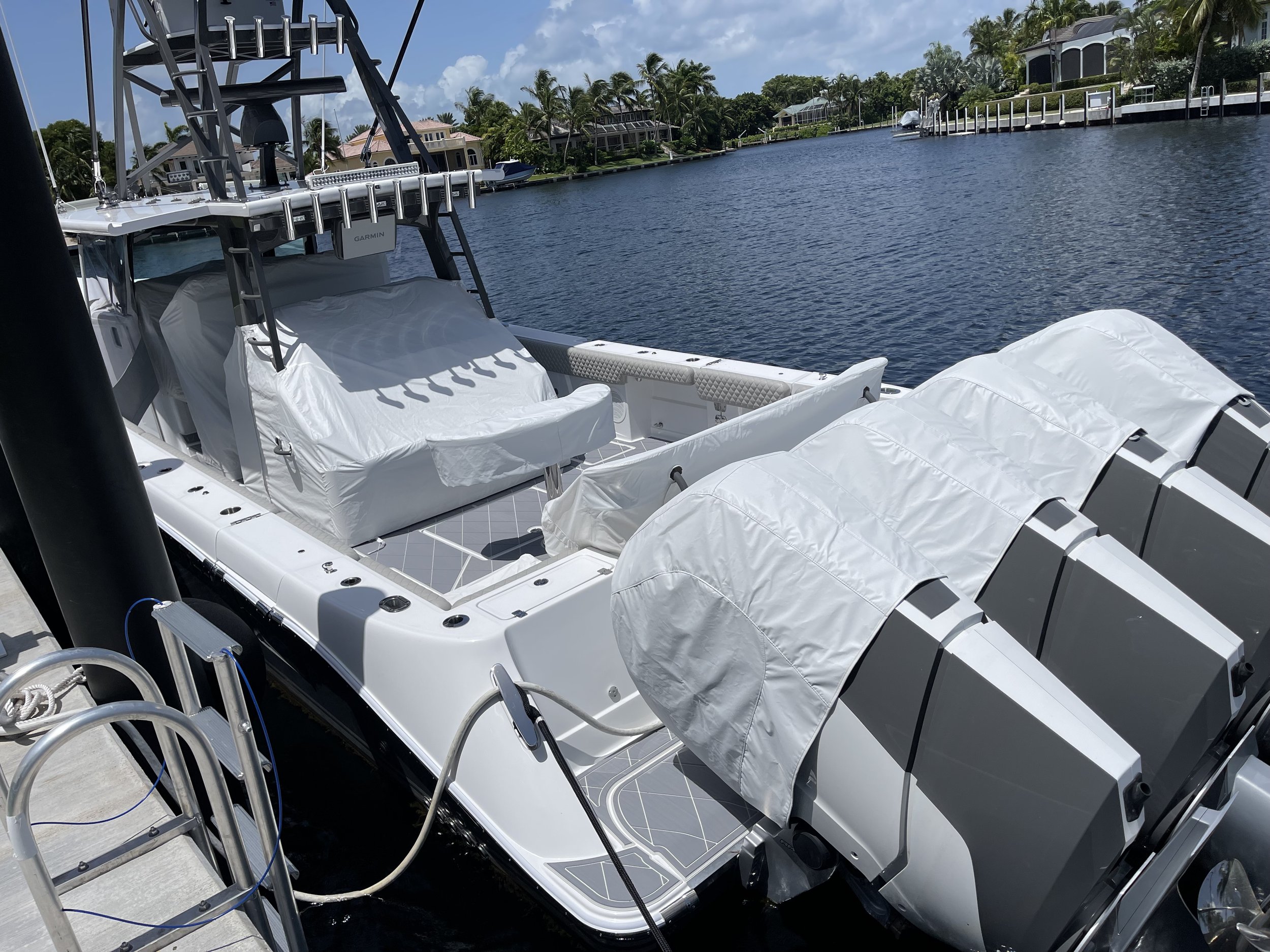
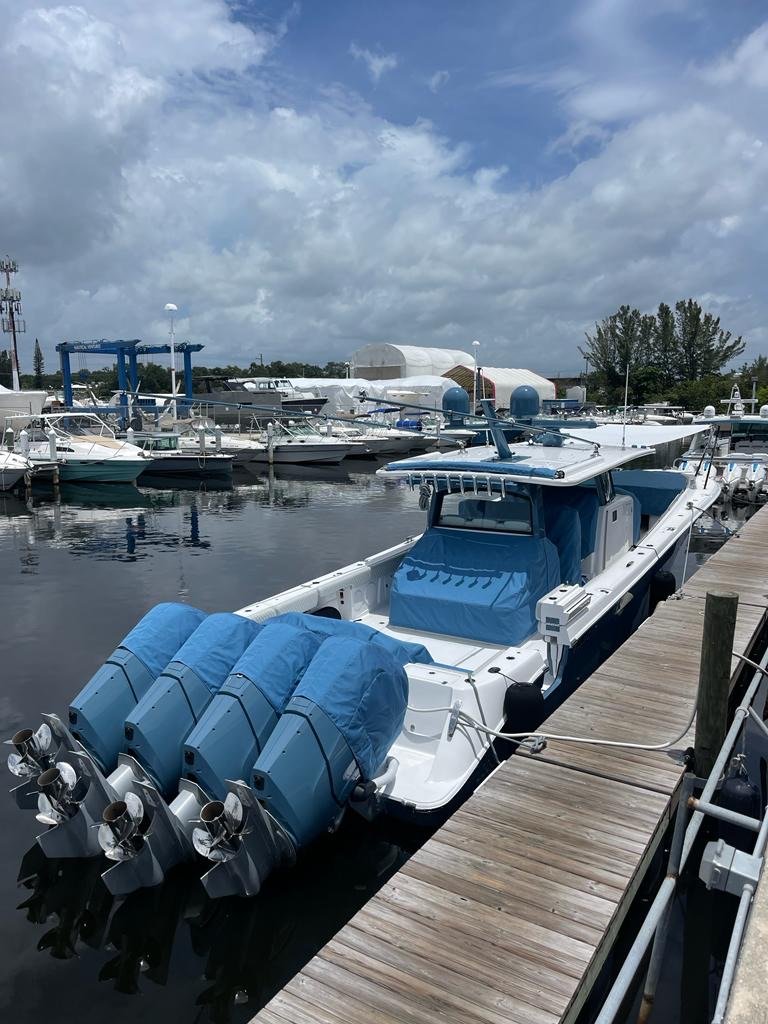
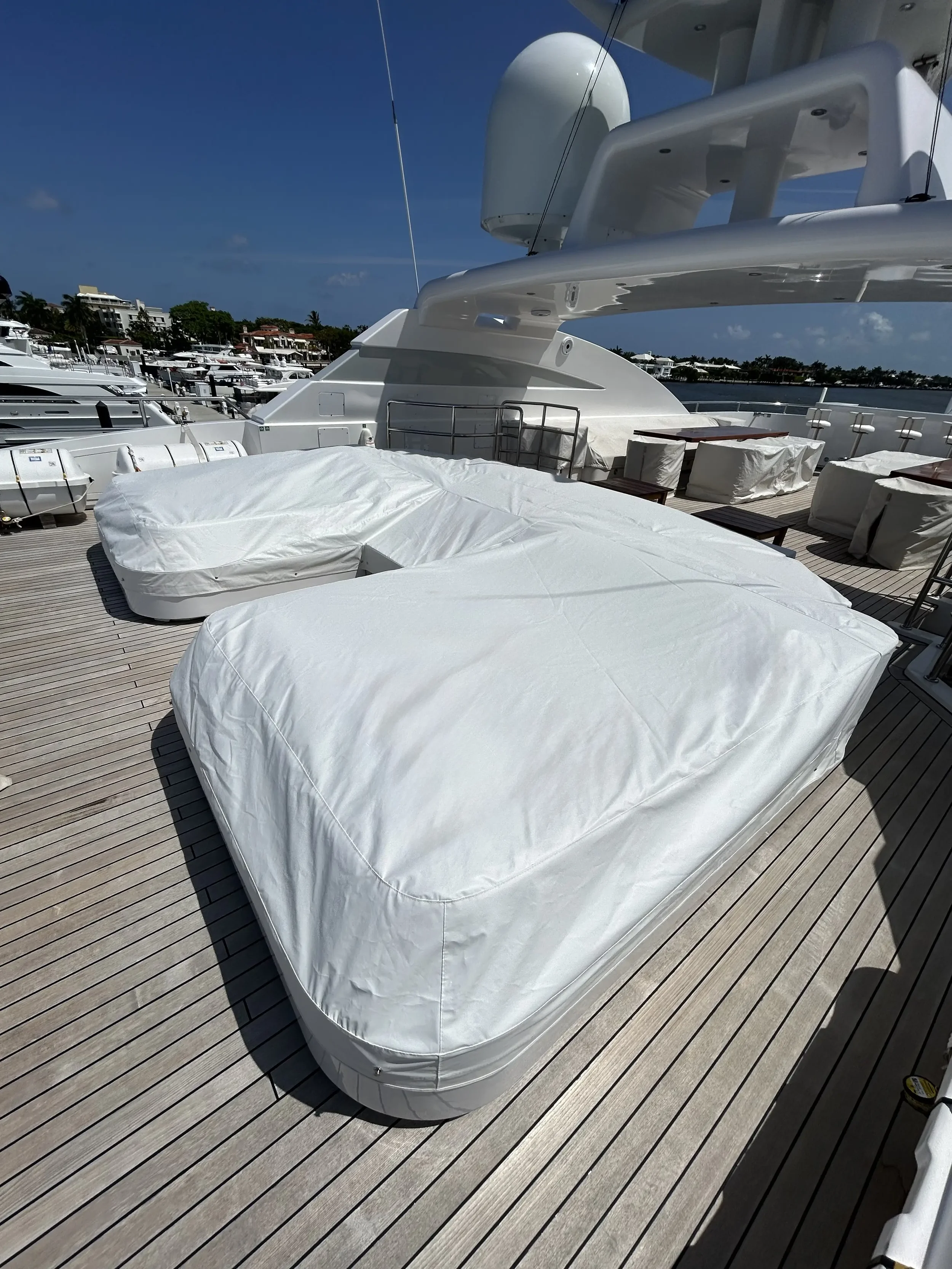
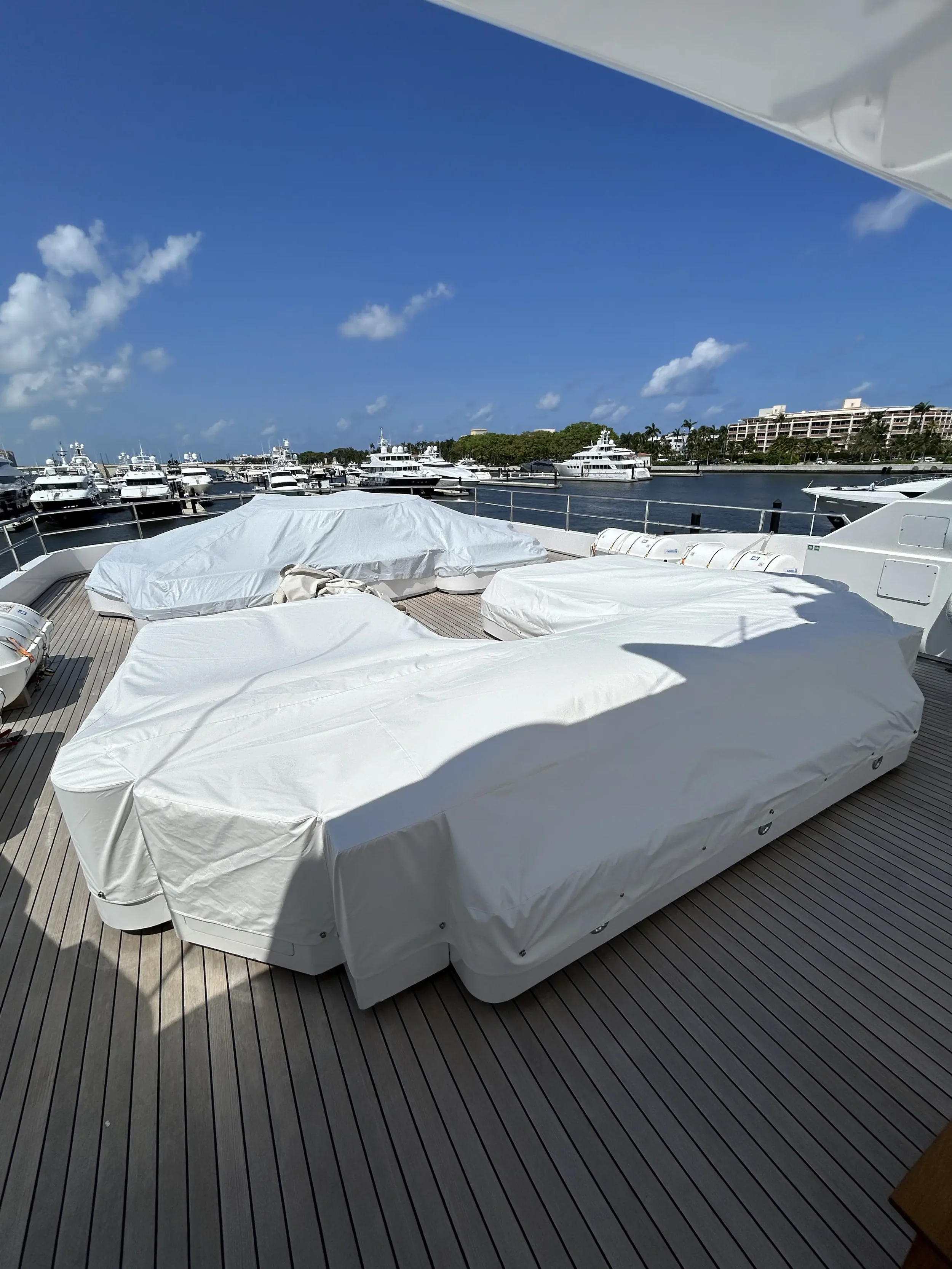
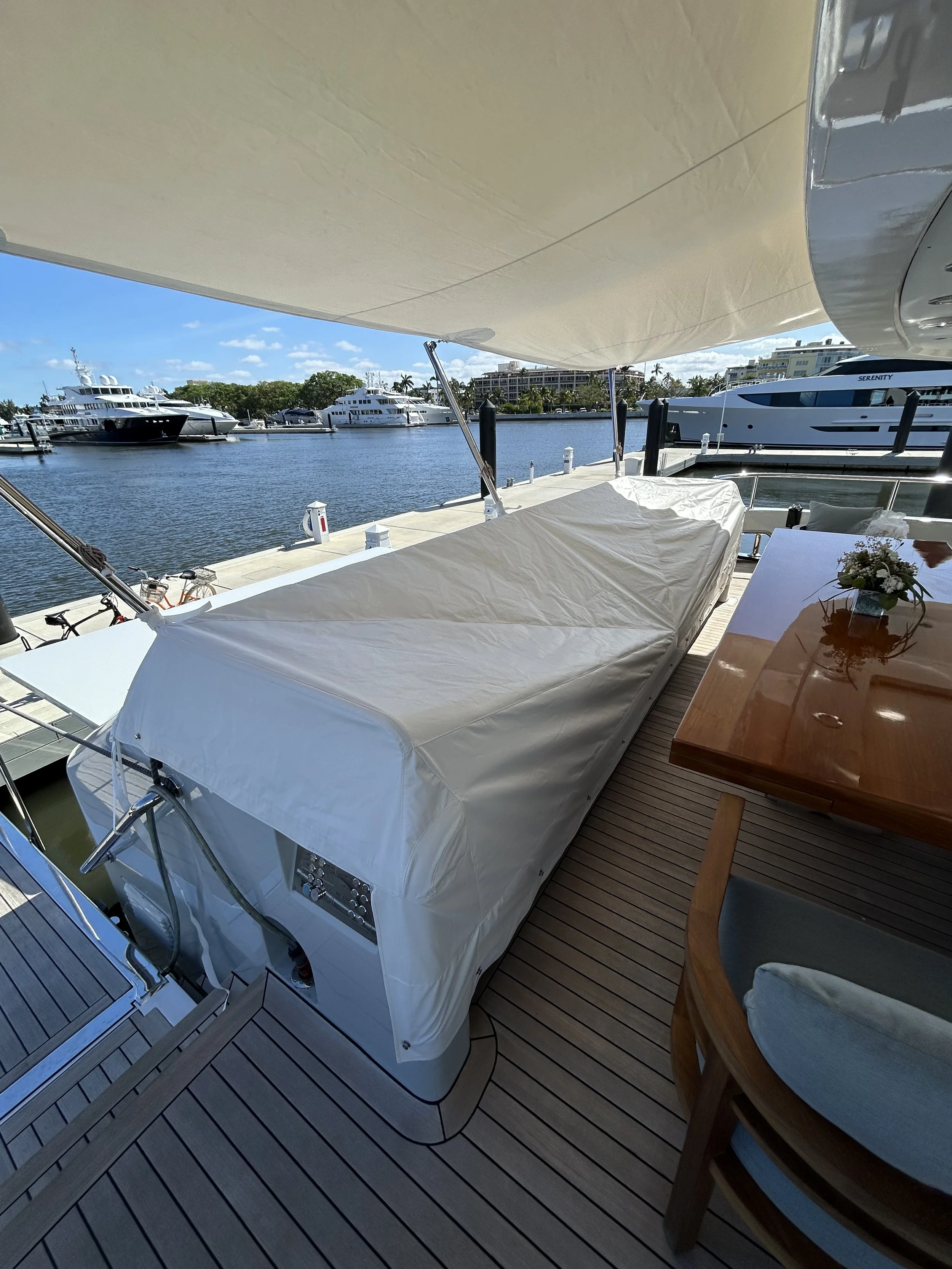
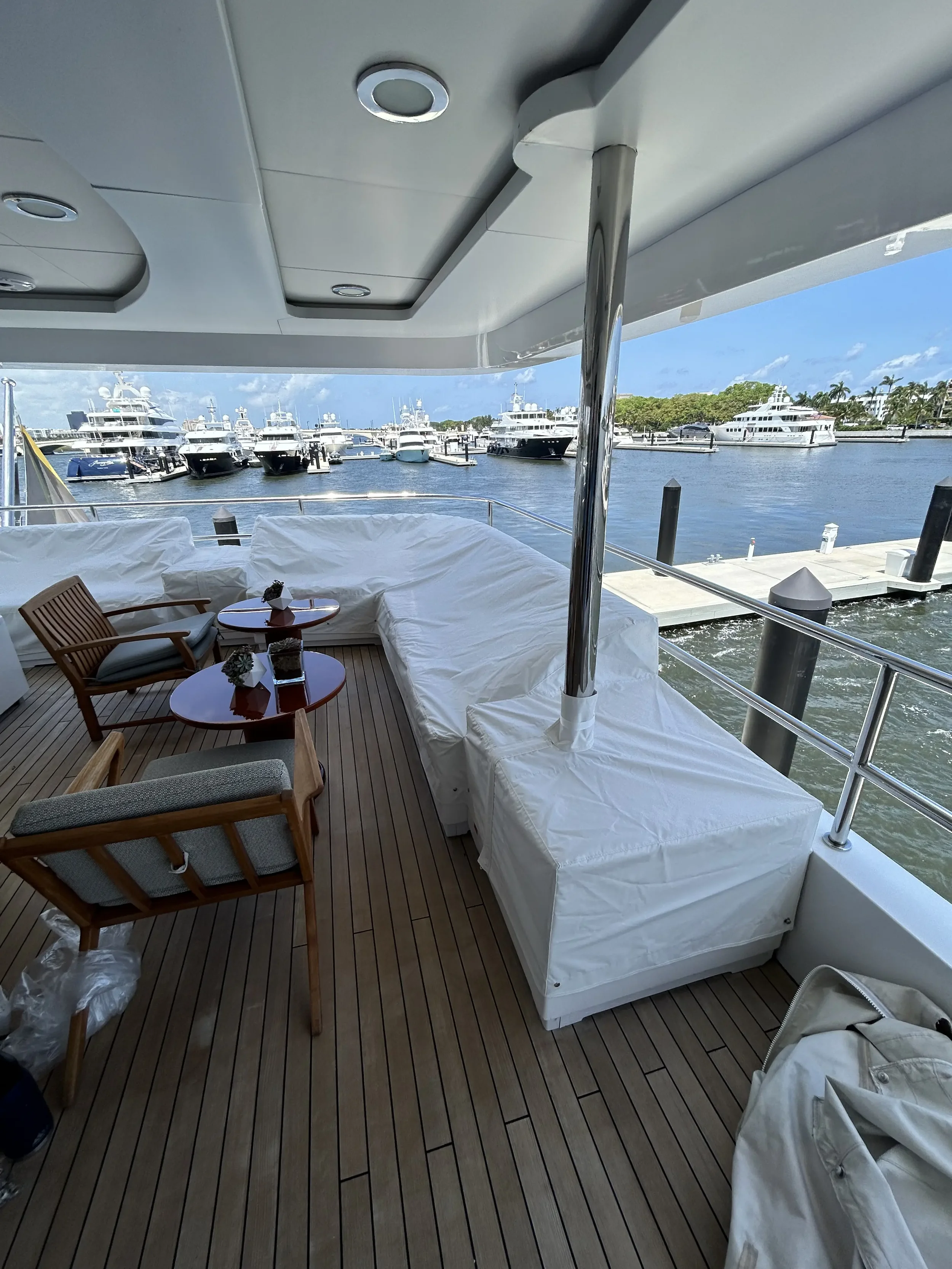
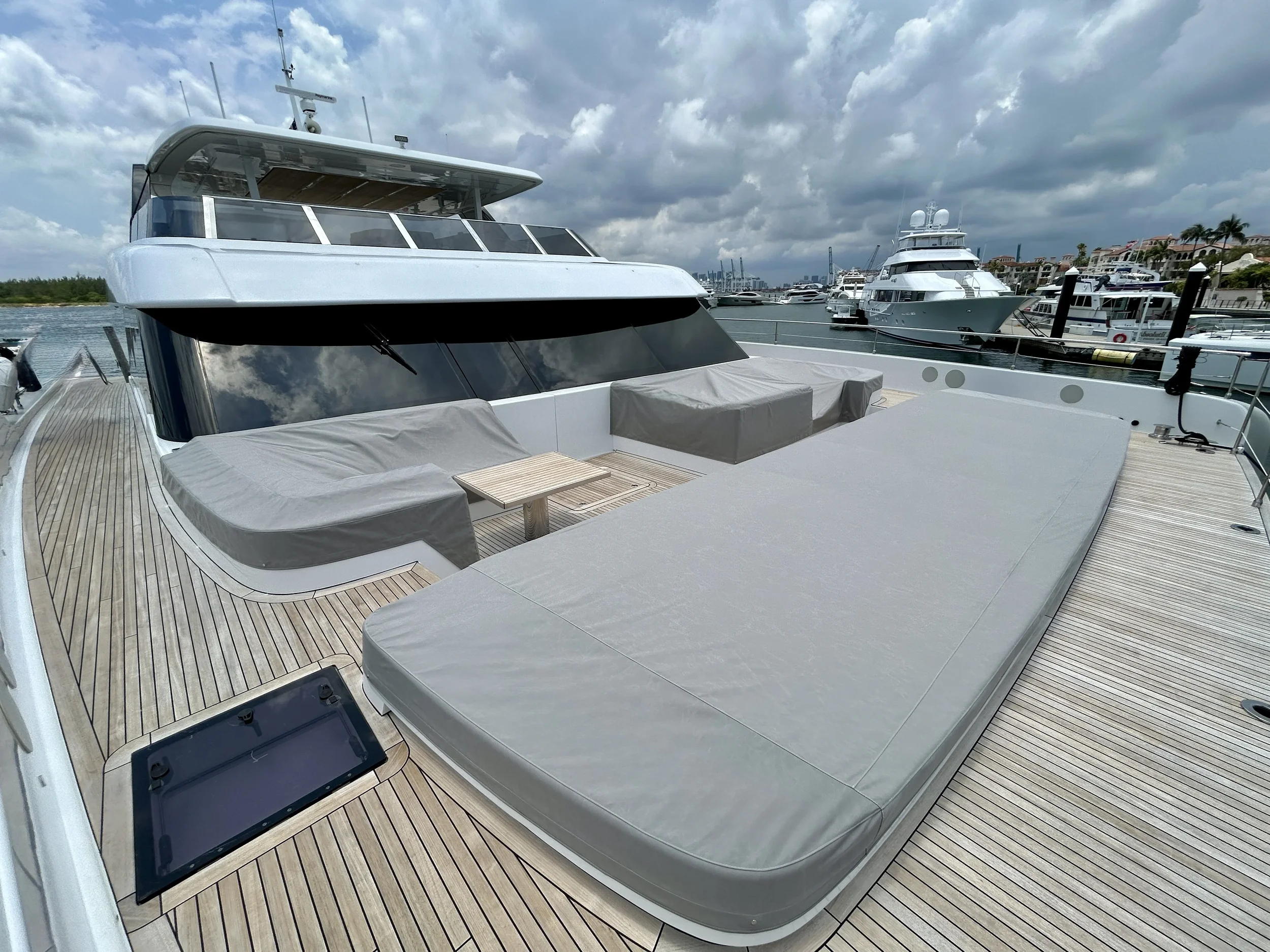
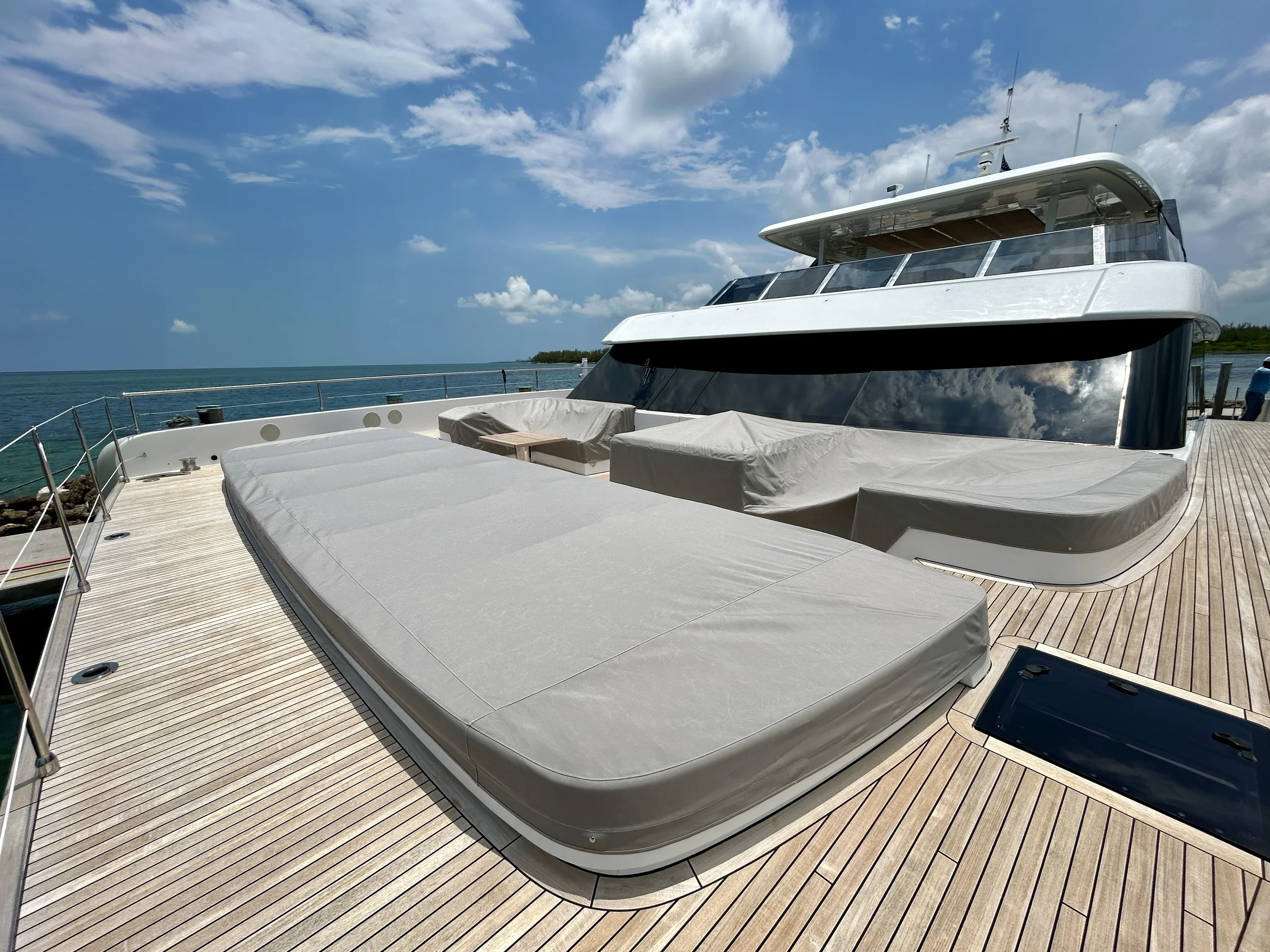
Yacht with both a full mooring cover and a separate cockpit cover - canvas covers for boats near me

We offer a comprehensive range of solutions, including:

  • Mooring covers
  • Travel covers
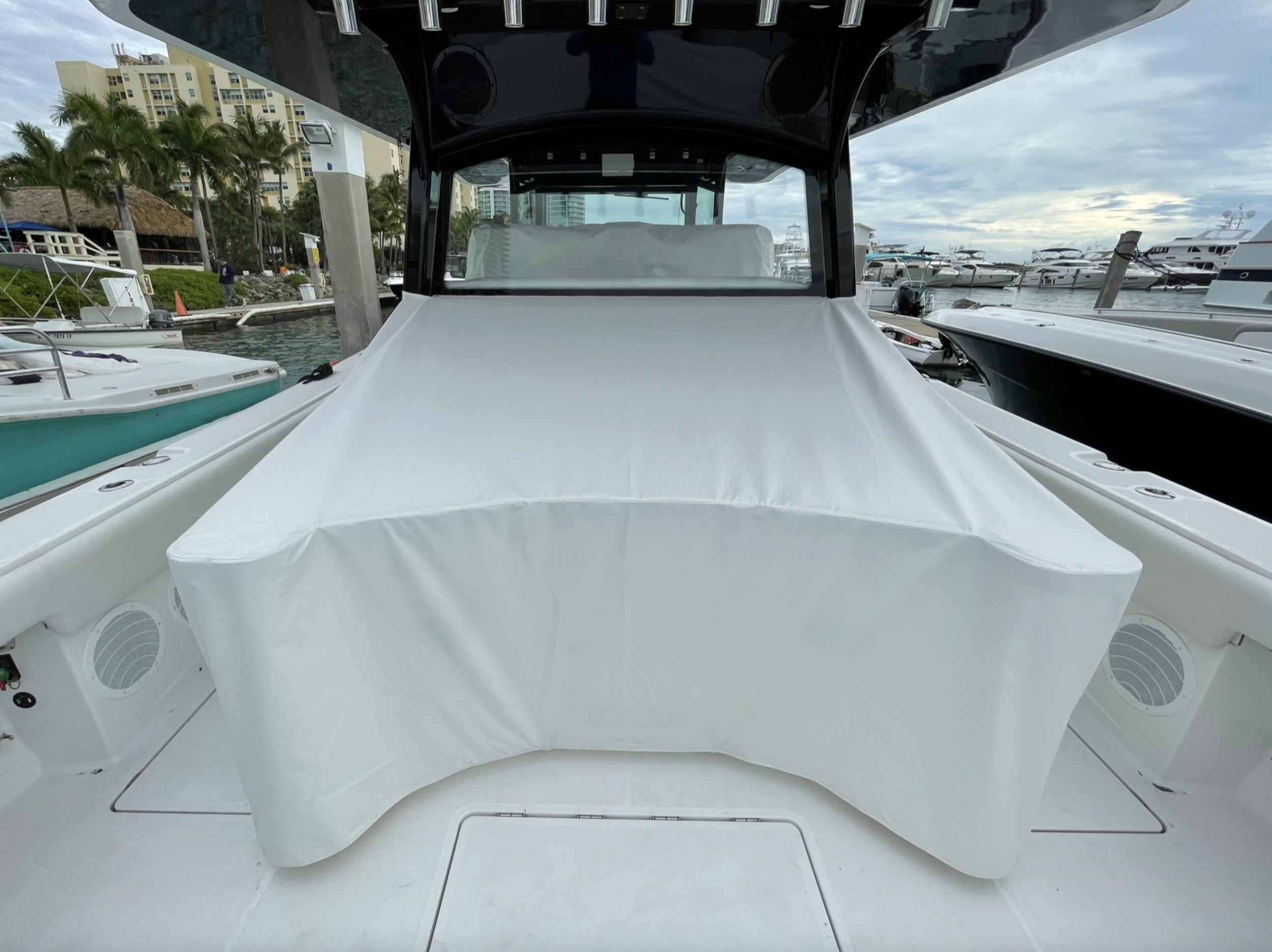
  • Cockpit covers
  • Enclosures
  • Bimini tops
  • Dodgers
  • Covers

Mooring vs. Travel vs. Cockpit Covers: A Functional Comparison

The distinction between cover types lies in their design, material strength, and attachment methods. This technical differentiation is critical for ensuring optimal protection for a yacht.

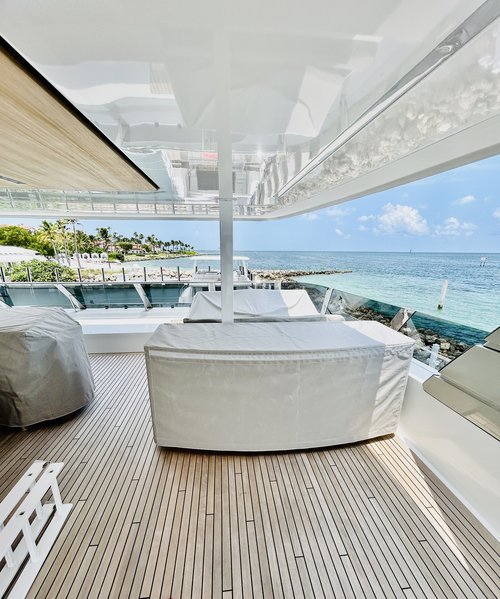
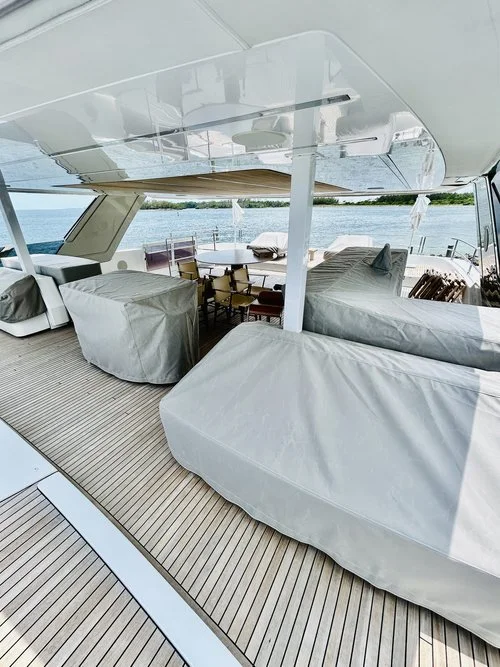
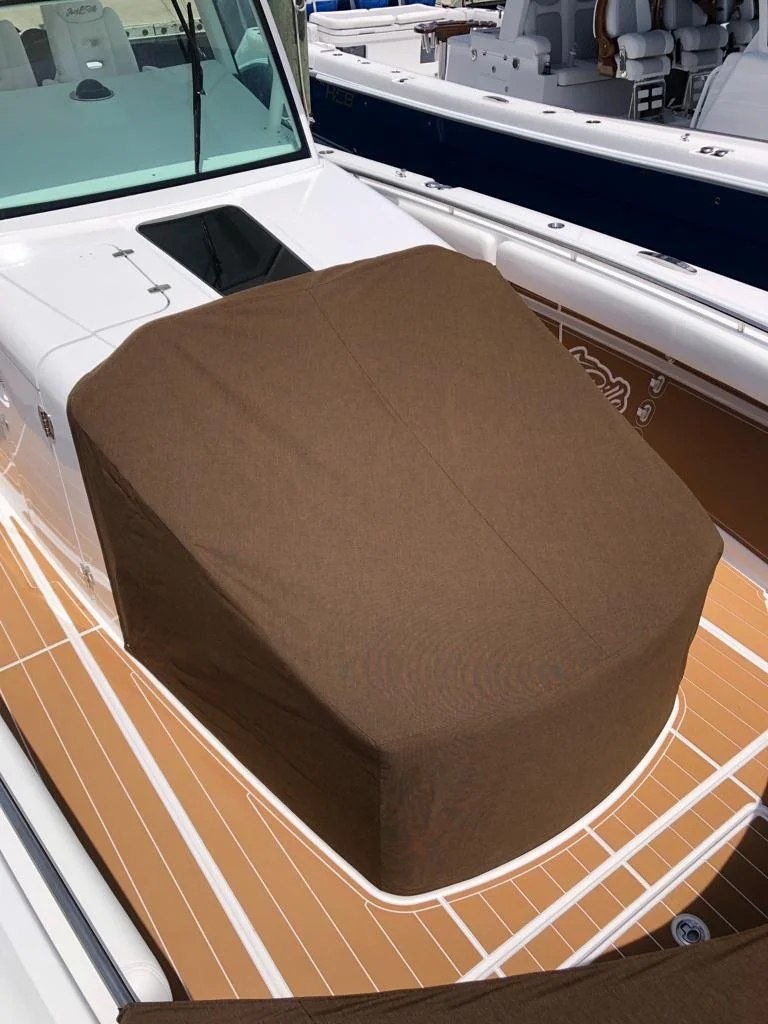
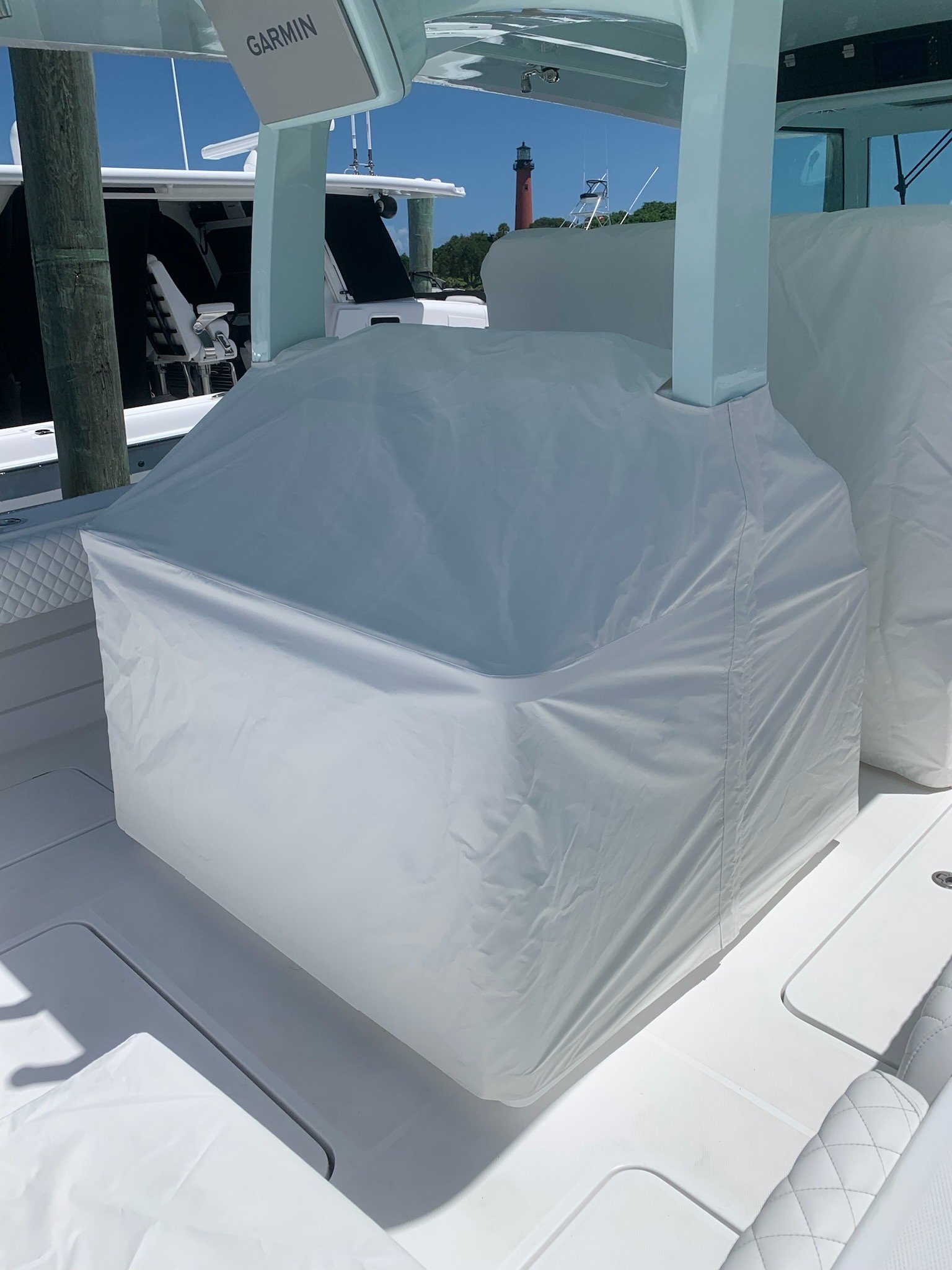
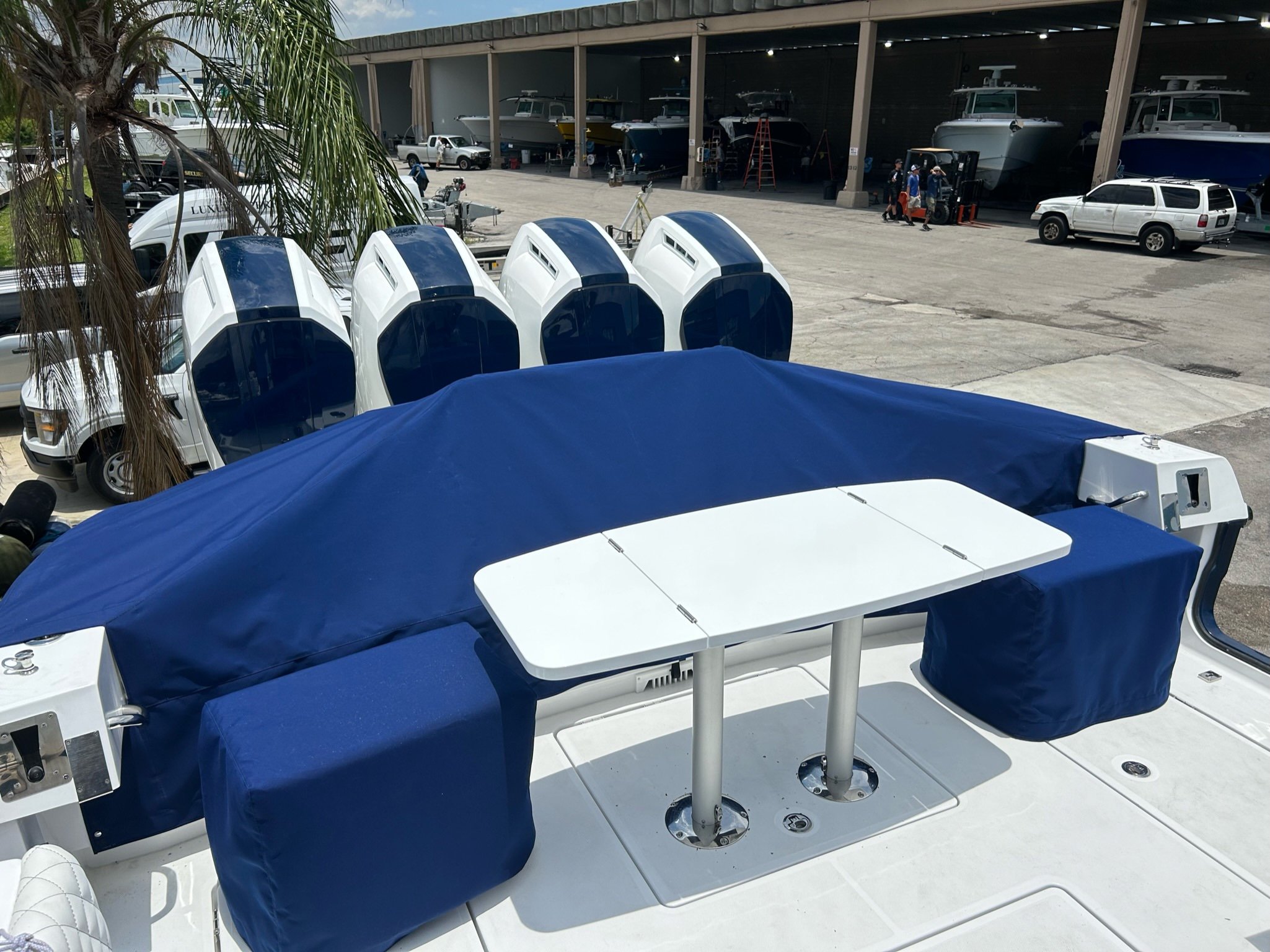
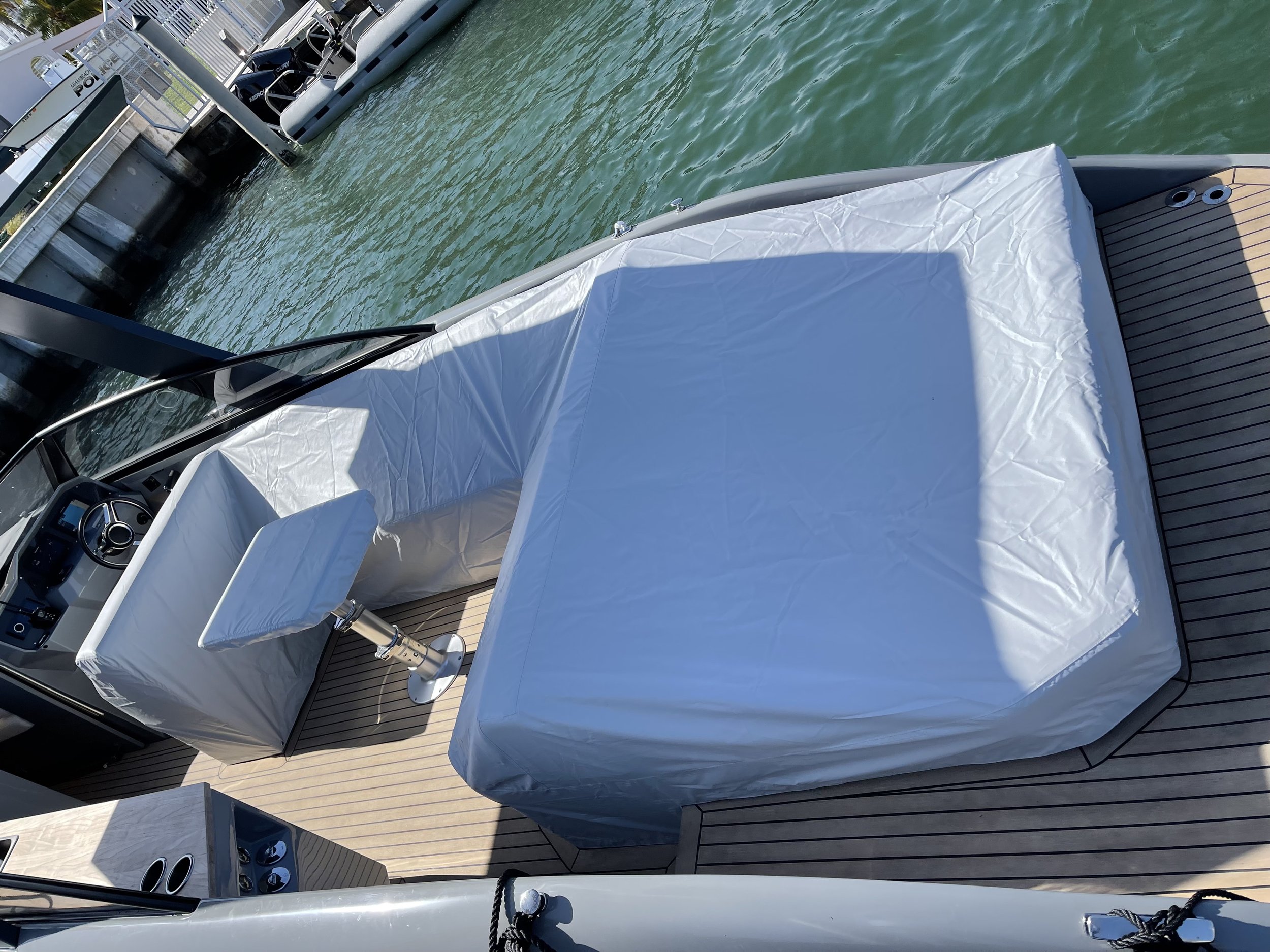
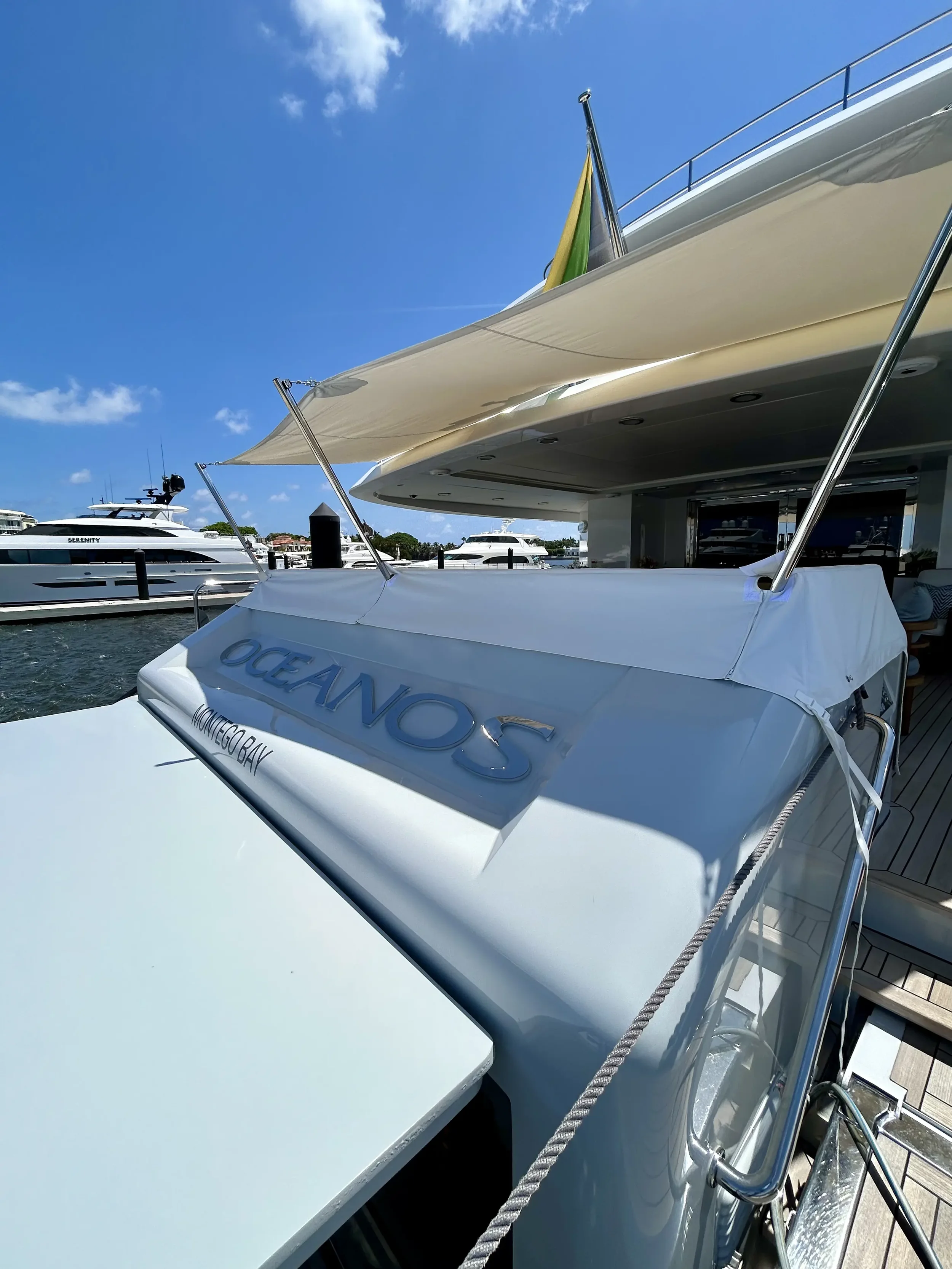
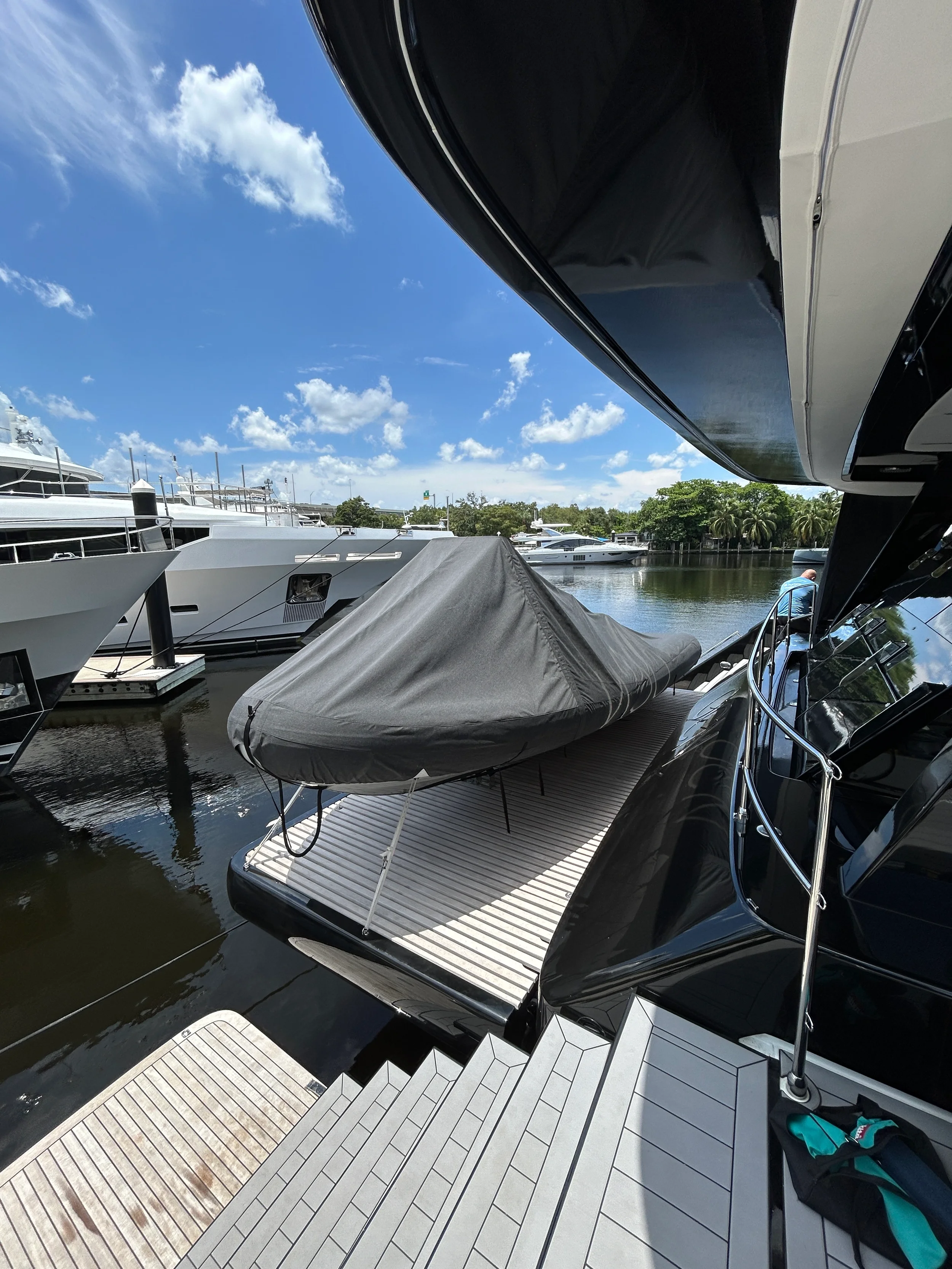
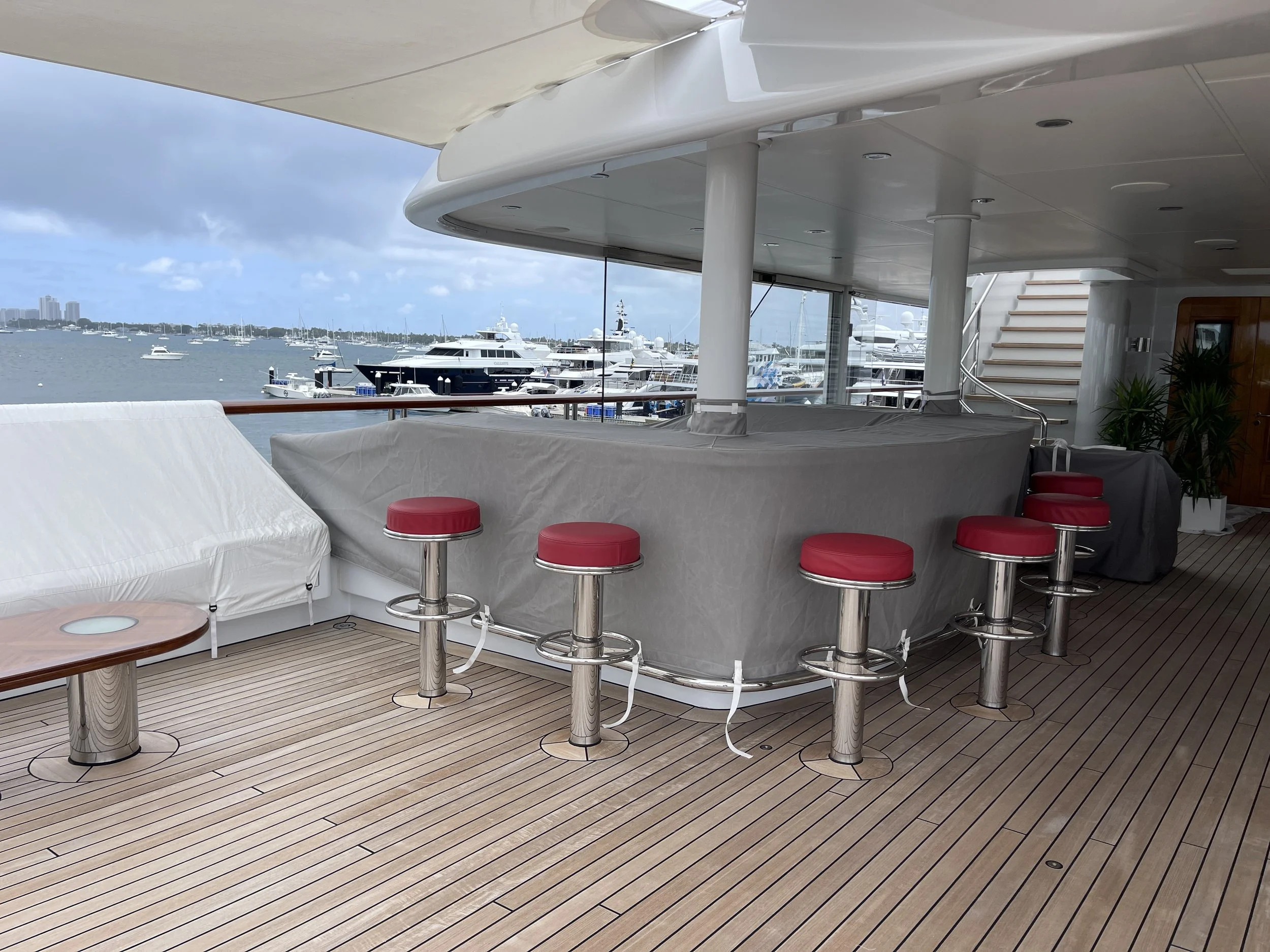
  • Mooring covers are engineered for stationary protection, whether the yacht is docked or at anchor. Their primary function emphasizes robust water runoff and superior UV blocking to prevent sun damage and water ingress during prolonged periods of inactivity. They typically use sewn-in straps that run under the boat, providing a secure and taut fit that sheds water effectively. This robust attachment method is superior to simple elastic, which can lose tension over time.

  • Travel covers demand superior reinforcement and a carefully engineered, aerodynamic fit to withstand the significant forces encountered during highway speeds or rough seas. They must be designed to minimize wind lift and chafe, often incorporating extra straps and reinforced points to ensure the cover remains secure and does not damage the yacht's surfaces during transit. When a cover is intended for towing, this must be communicated during the specification process, as it requires specific design considerations and additional reinforcement.

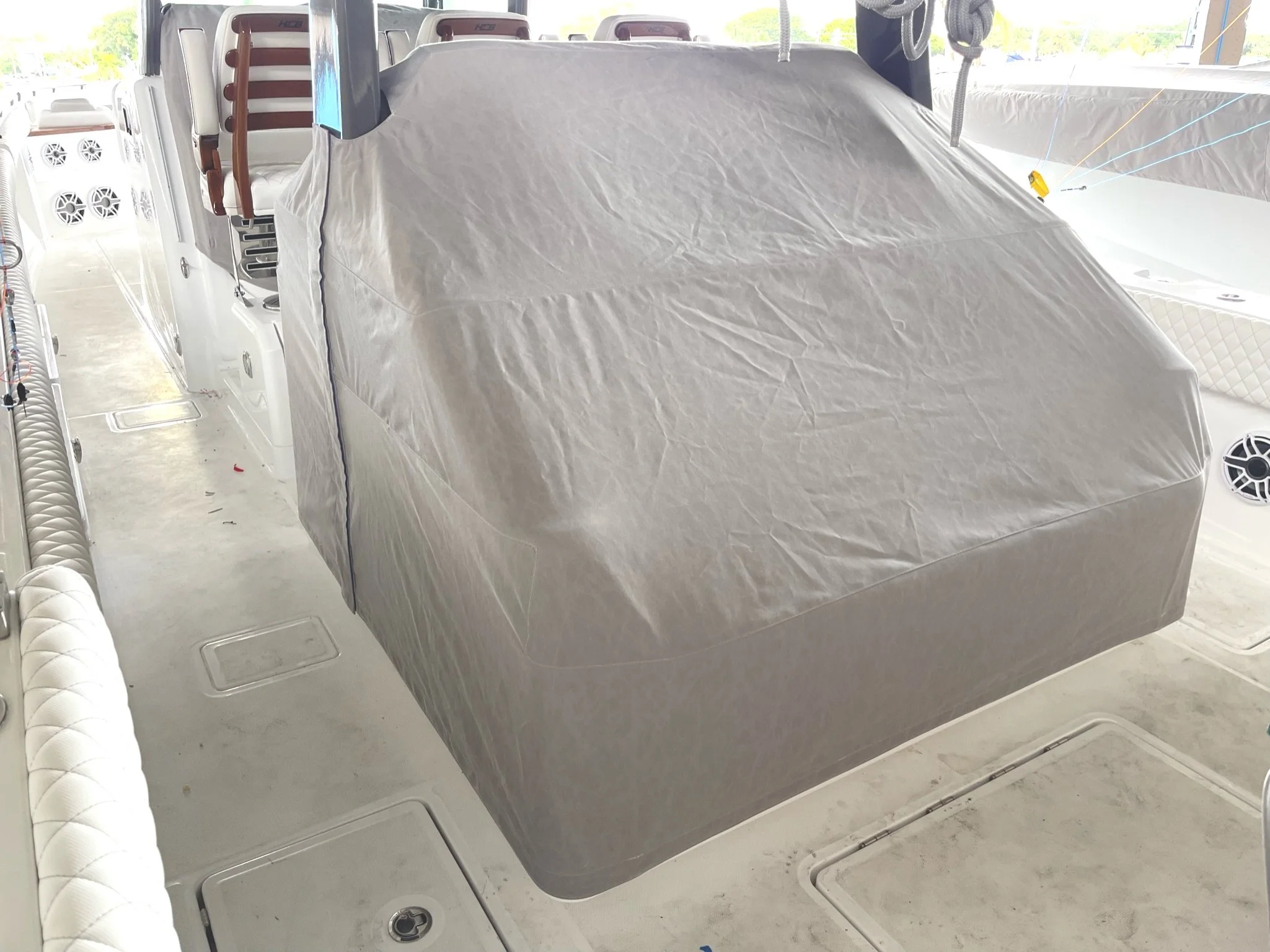
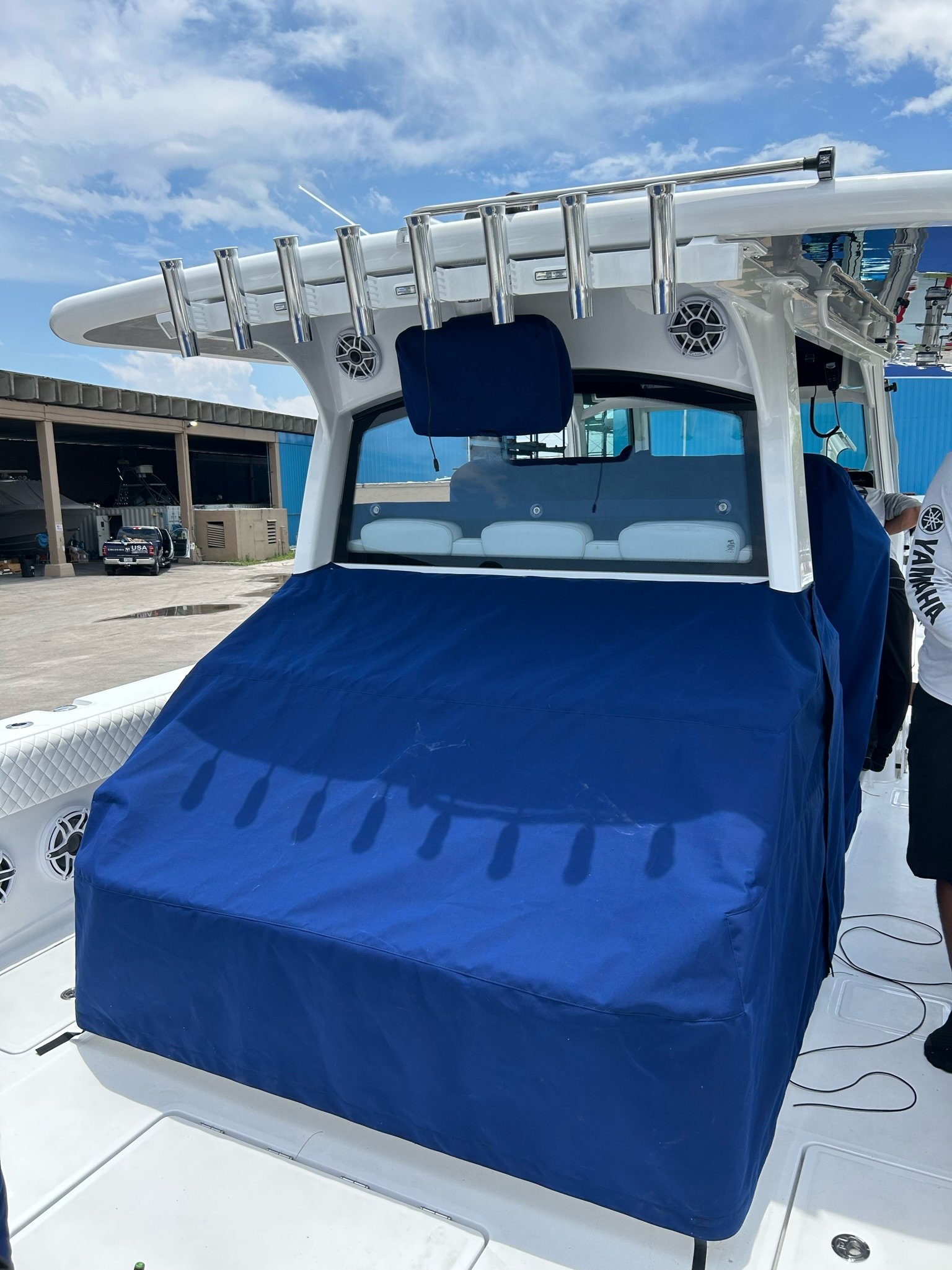
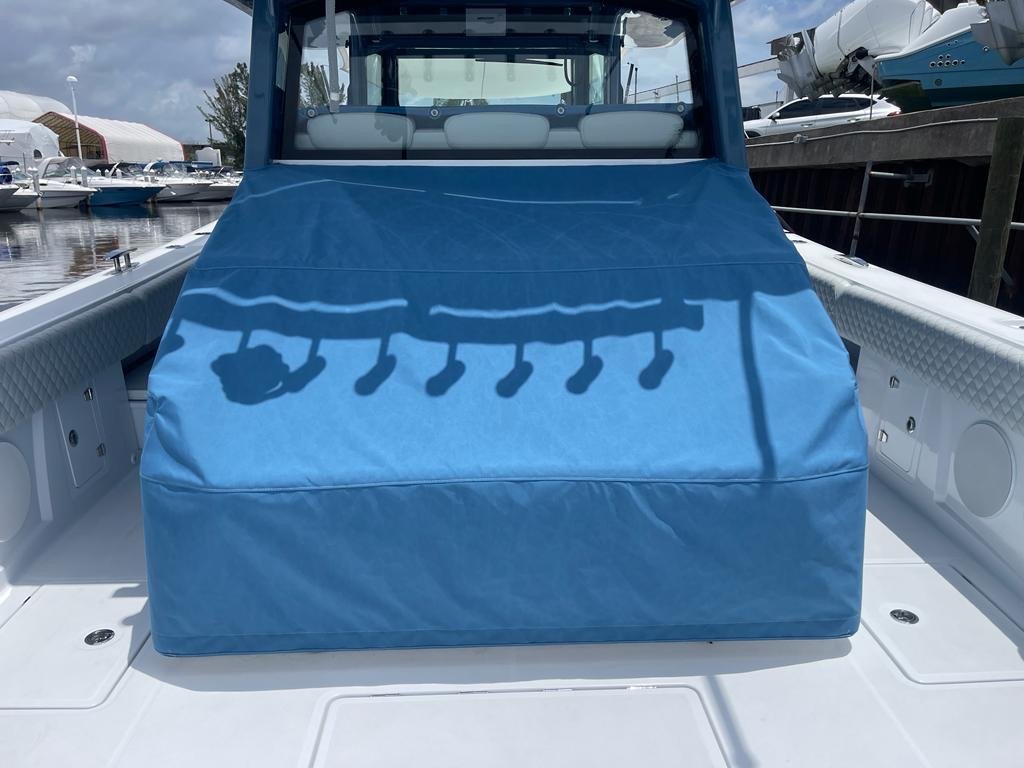
  • Cockpit covers serve a different, more immediate purpose. They offer rapid protection for specific areas, primarily the cockpit, using attachment methods like marine-grade snaps for quick deployment and removal. While they provide effective short-term protection from light weather and debris, they are not designed for the comprehensive, long-term protection offered by mooring or travel covers.

Our Custom Marine Covers are designed with these specific functional requirements in mind, ensuring that each cover performs precisely as intended for its operational context.

Specialized Canvas for Large Yacht Operations

Beyond basic covers, large yachts necessitate a suite of integrated canvas products, each fulfilling a specialized role in protection and functionality.

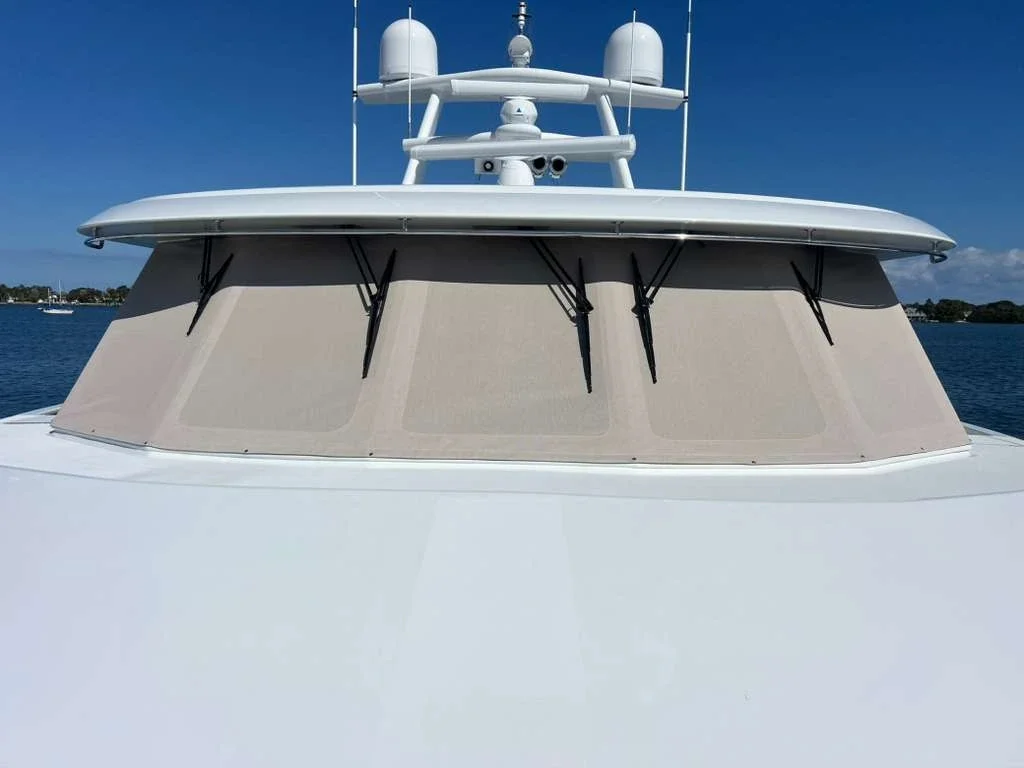
  • Full enclosures are transformative, converting open-air spaces into all-weather environments. For vessels operating in South Florida's unpredictable climate, these provide critical protection from wind, rain, and intense sun, enhancing onboard comfort and extending the usability of exterior spaces. We use high-quality clear polycarbonate for optimal visibility and durability in these applications.
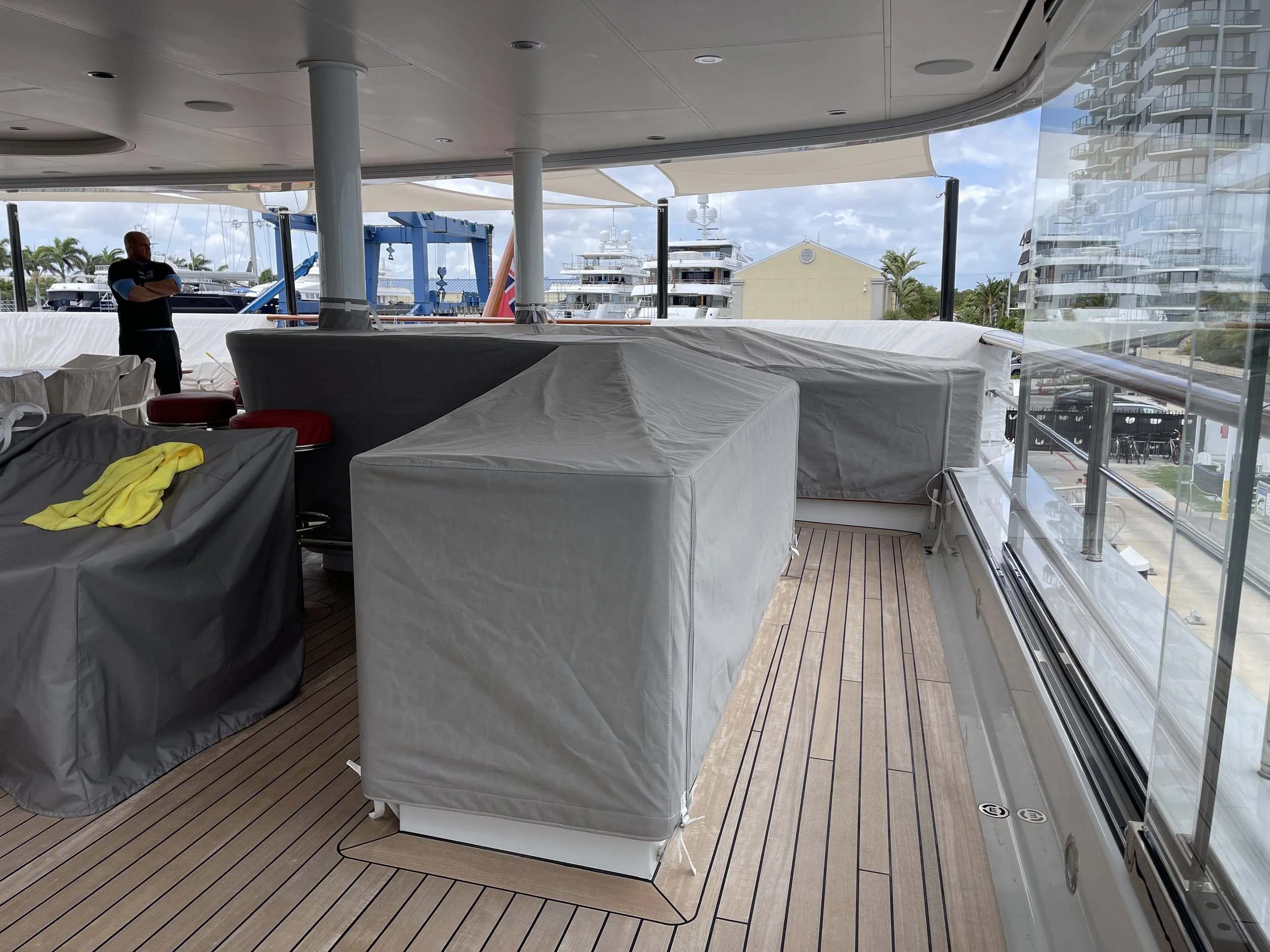
  • Custom bimini tops for large yachts must be carefully engineered to handle significant wind loads and provide substantial shade. Unlike generic options, our biminis are designed with robust frames—often solid stainless steel—and can incorporate features like spreader bars to improve access and stability. Our Custom Boat Bimini Ultimate Guide elaborates on the precision required for these installations.
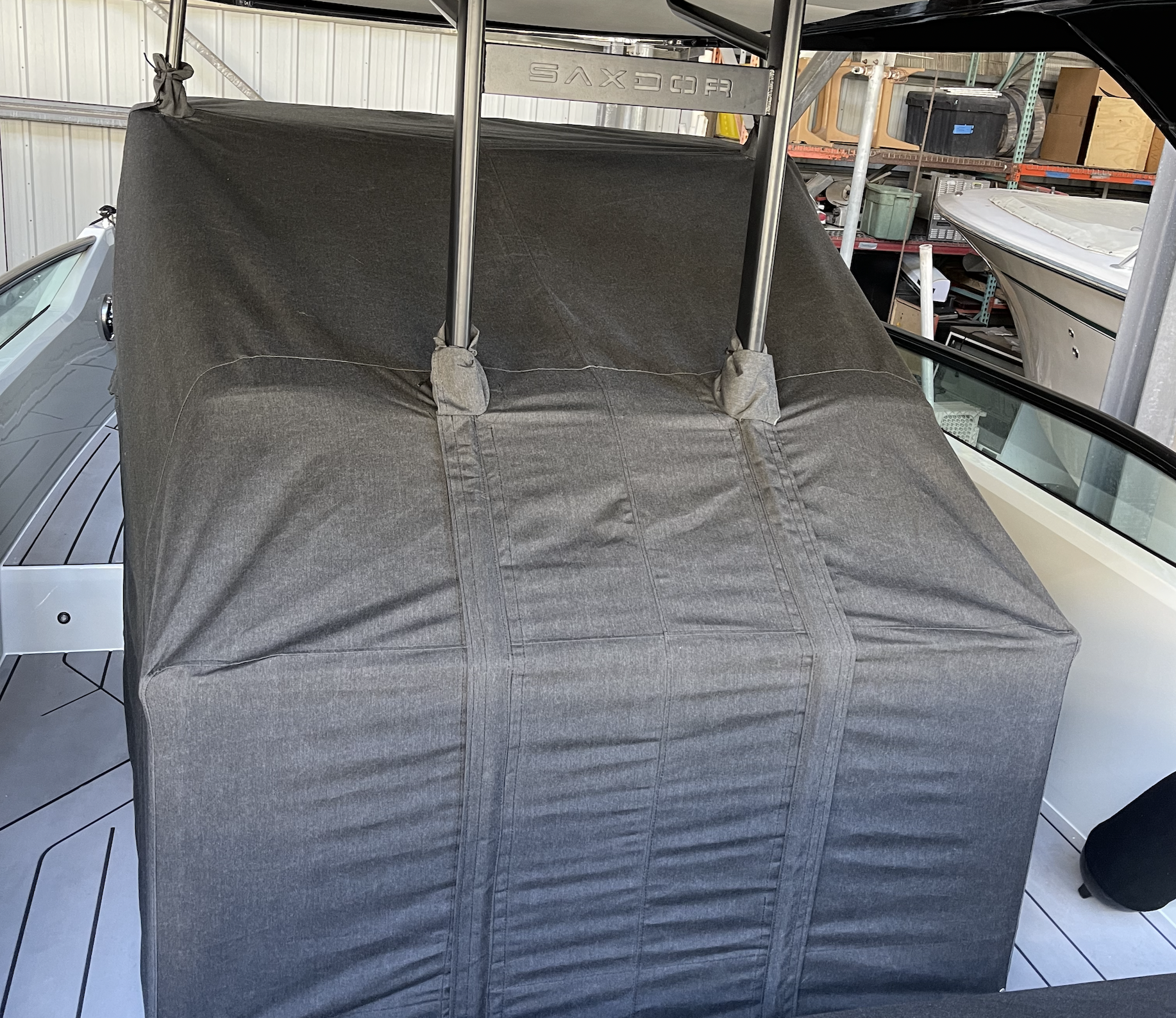
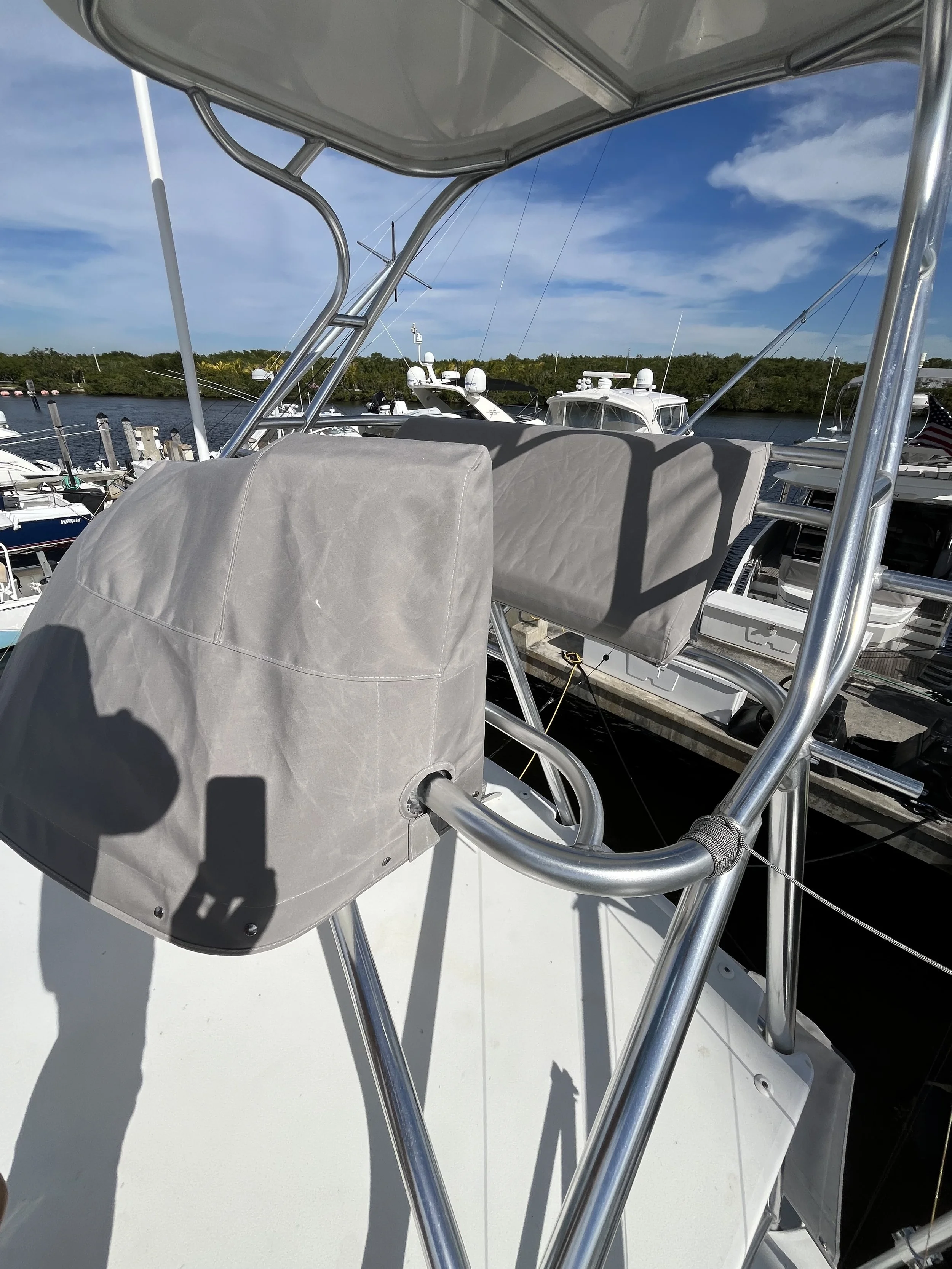
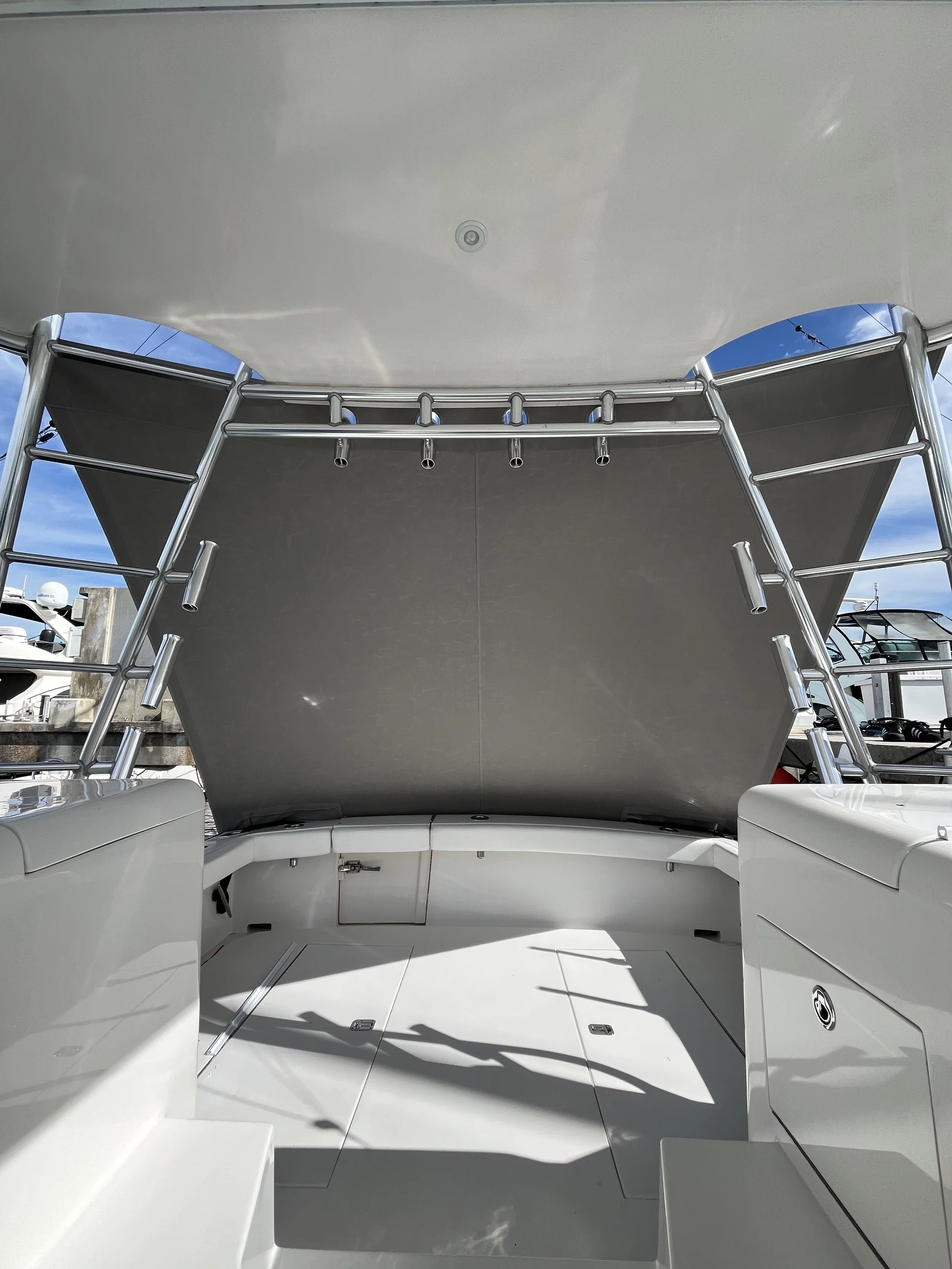
  • T-top covers offer specialized protection for the helm area, integrating seamlessly with the yacht's structure.

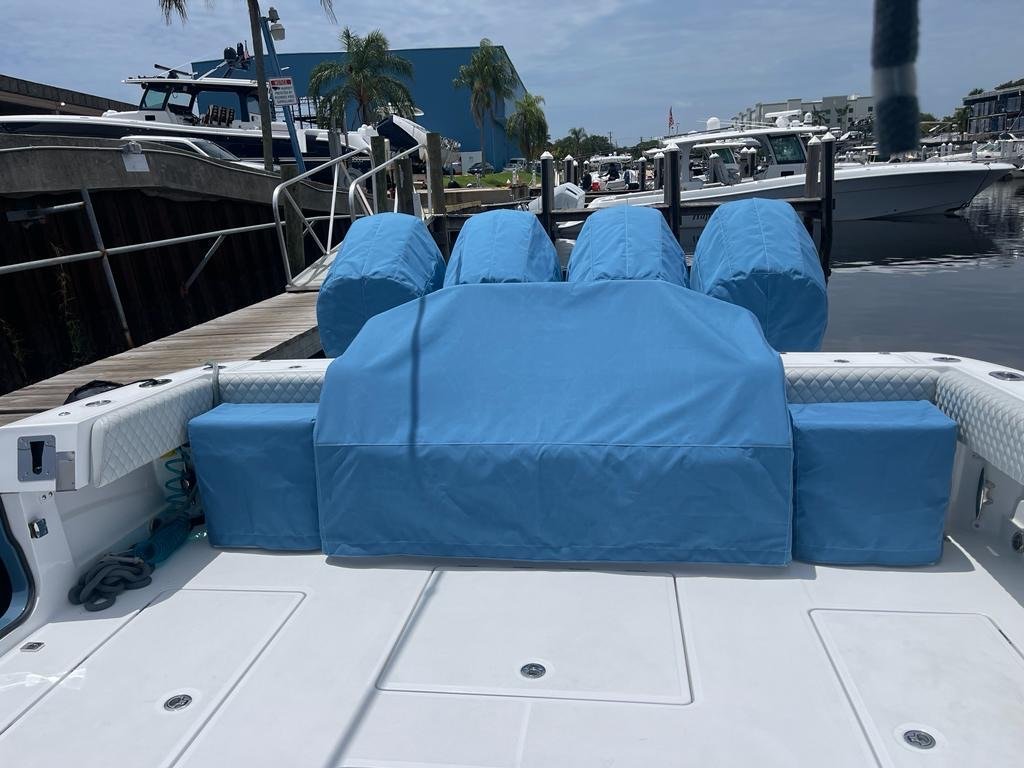
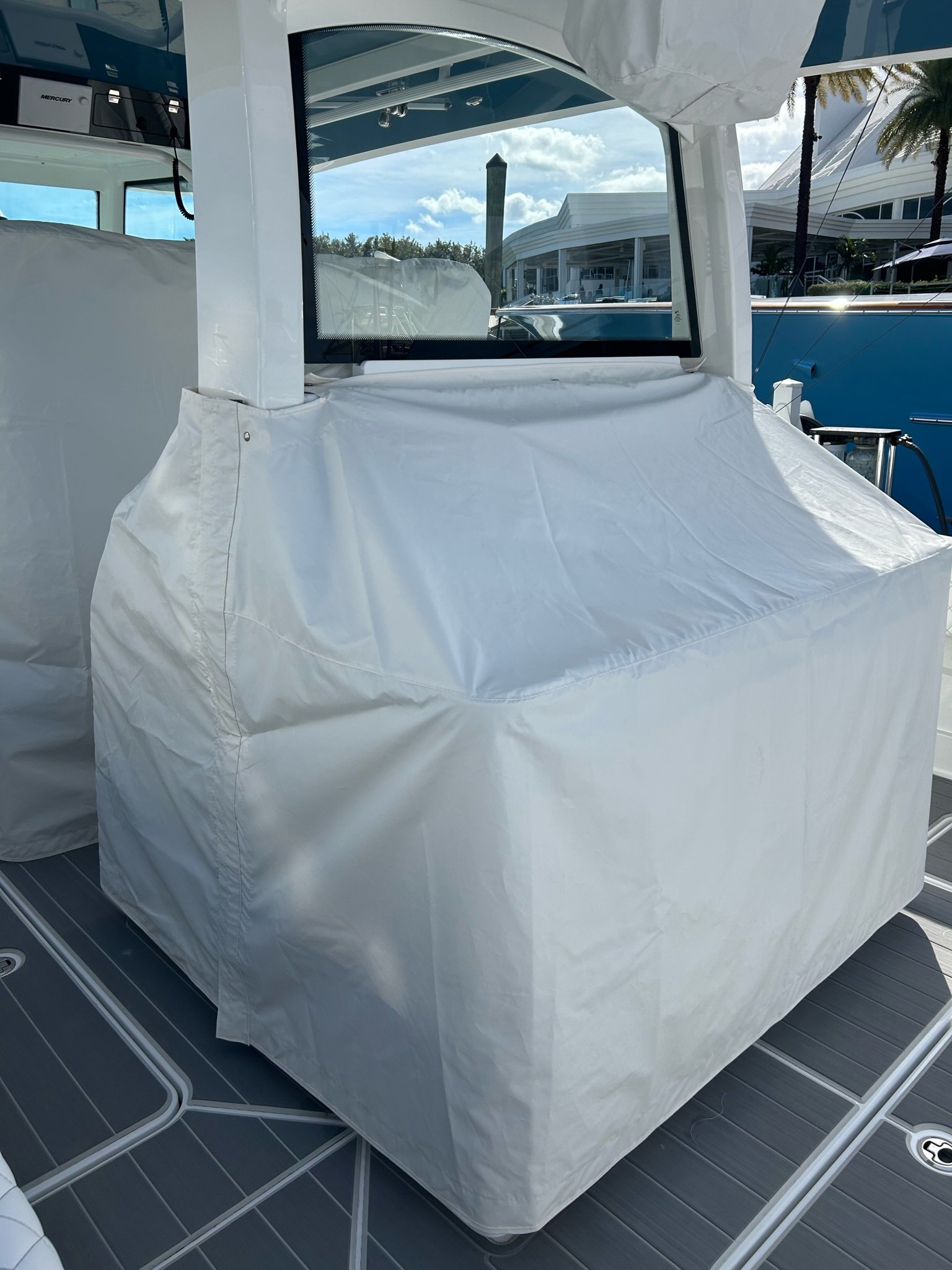
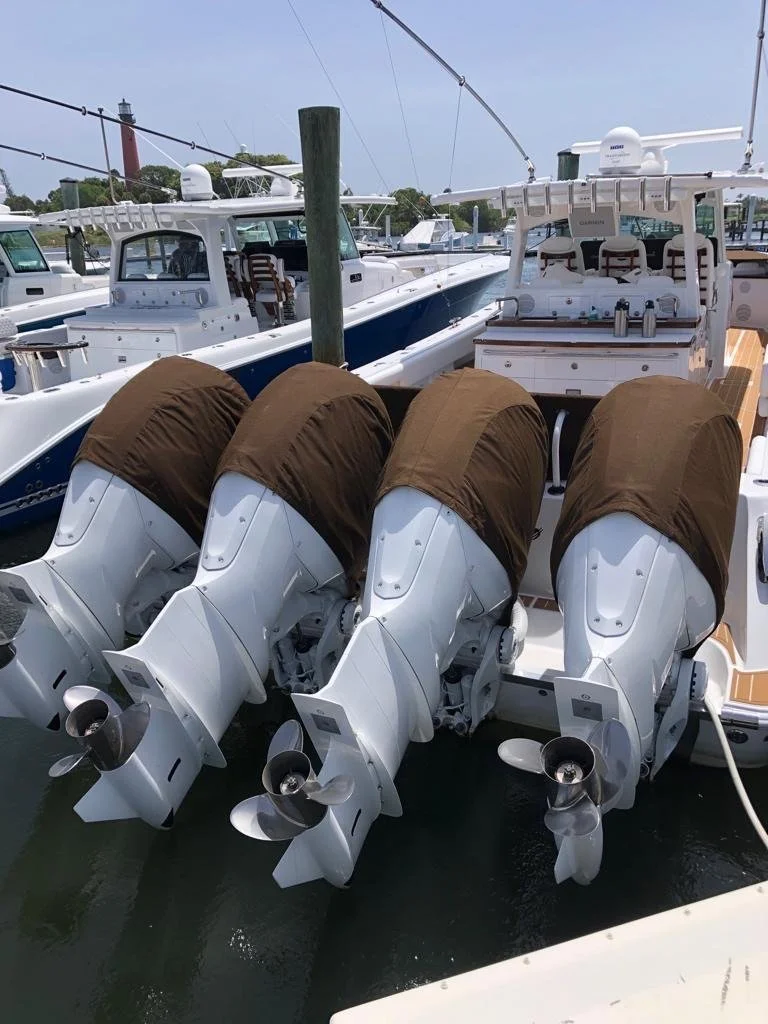
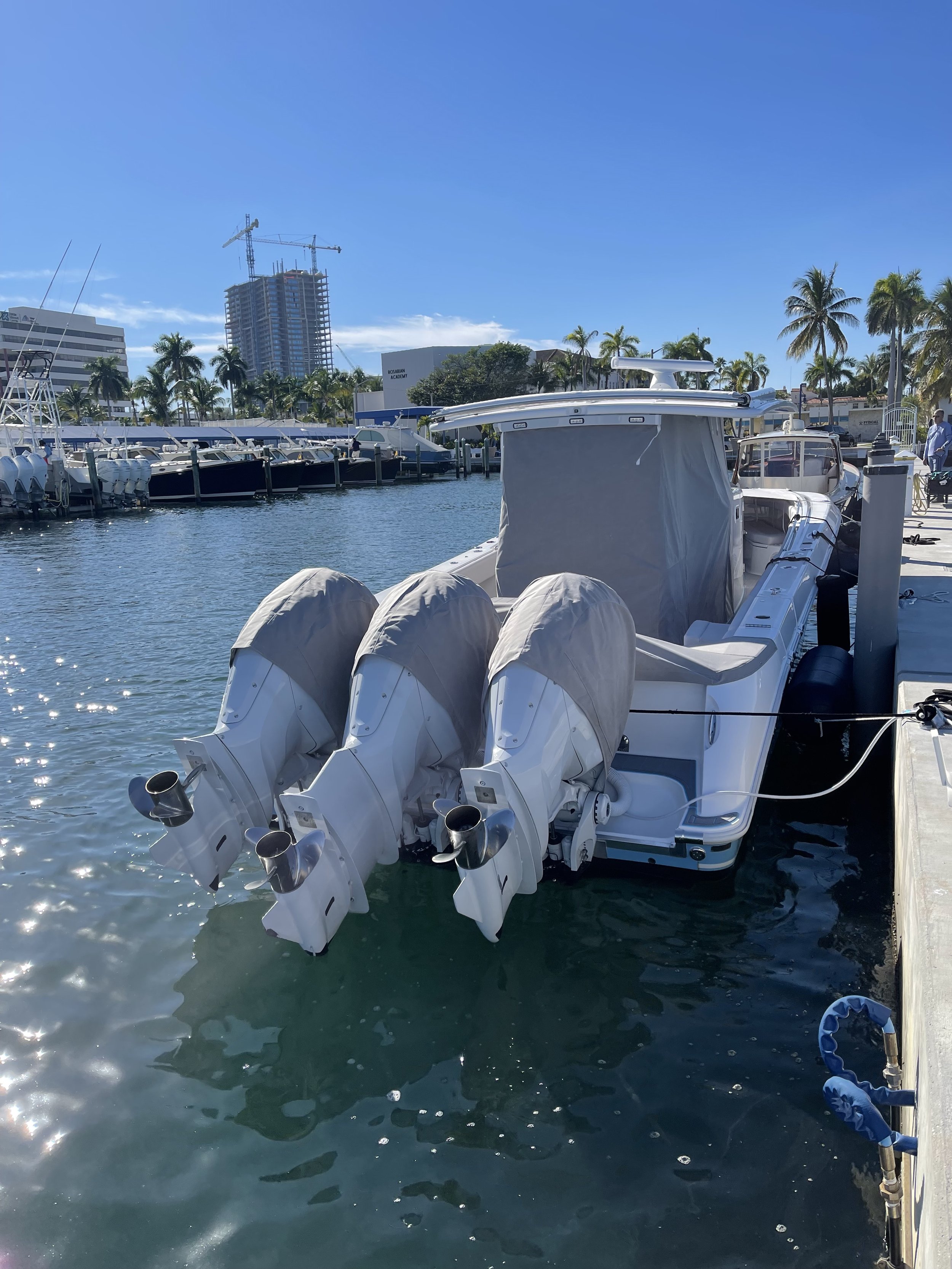
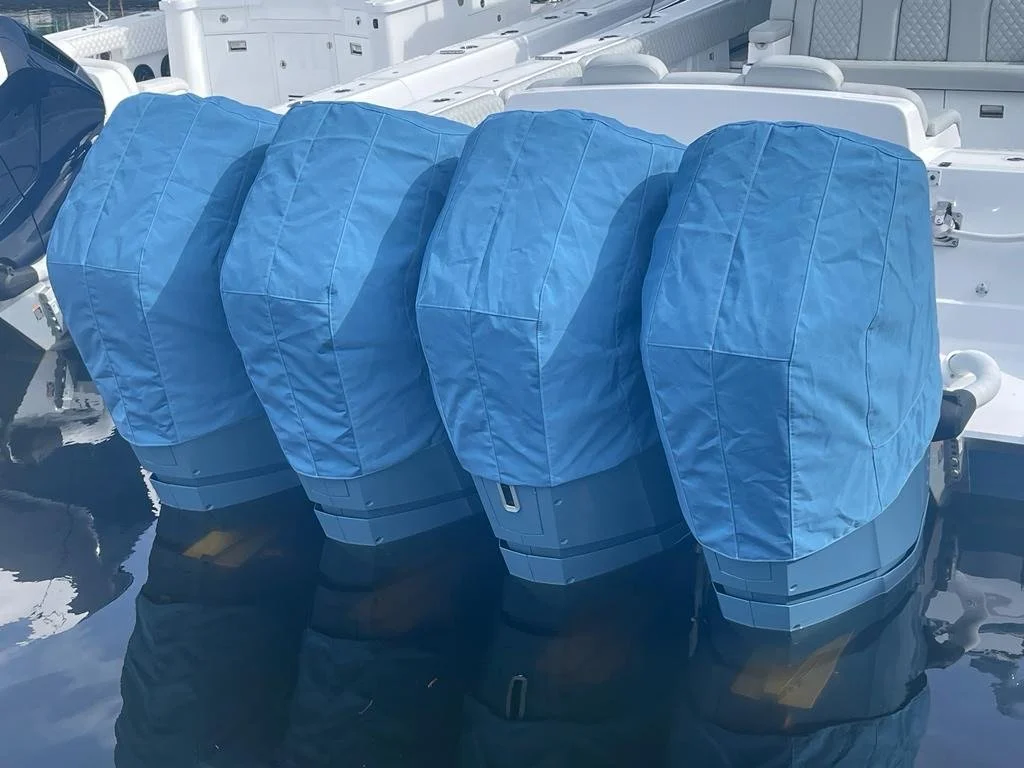
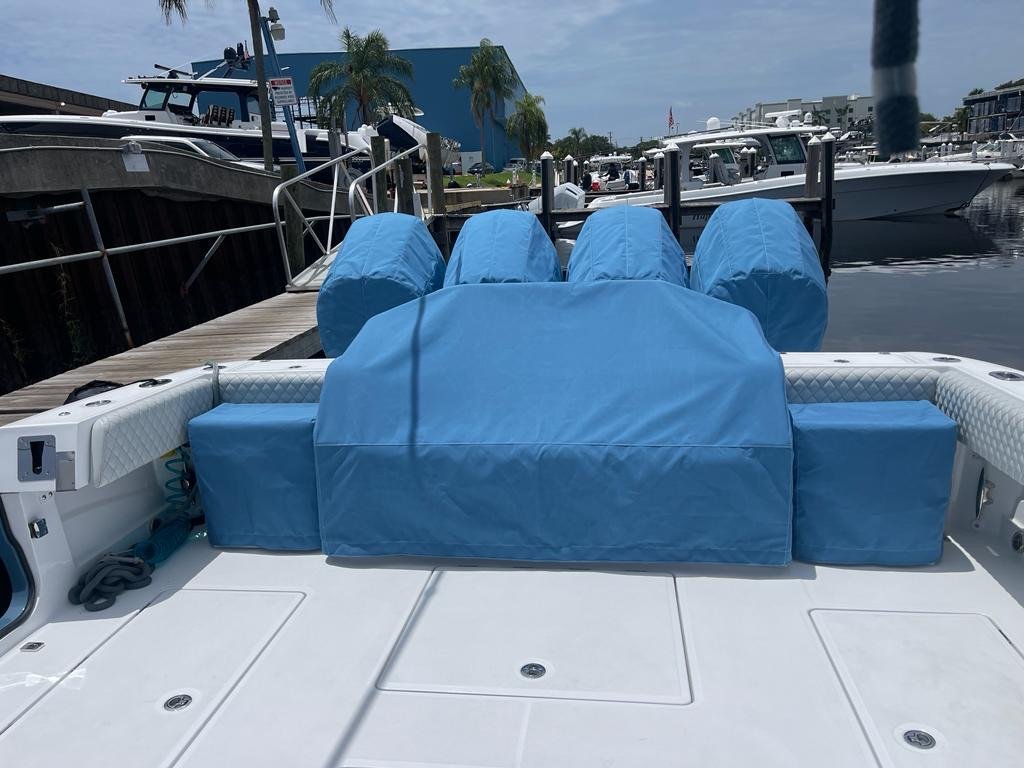
  • Boat Motor Covers and console covers play a crucial role in preserving sensitive equipment from UV degradation, saltwater corrosion, and environmental contaminants. These smaller, yet vital, covers contribute significantly to the longevity and operational reliability of critical yacht components.

Our expertise in Luxury Custom Canvas Yacht Broward County ensures that all specialized canvas components are integrated with the yacht's design and operational demands.

Material Science: Selecting the Right Fabric for Marine Environments

The selection of fabric is a paramount decision that directly influences the longevity, performance, and aesthetic integrity of marine canvas. Marine-grade textiles are specifically engineered to perform in demanding saltwater environments, but their properties vary significantly. Key performance indicators we evaluate include UV resistance, breathability, colorfastness, and abrasion resistance. Solution-dyed acrylics are considered a benchmark for their inherent durability and fade resistance.

Material Type UV Resistance Breathability Abrasion Resistance Waterproofing Primary Use Case
Solution-Dyed Acrylic Excellent High Good Good (treated) Covers, Biminis, Enclosures (breathability crucial)
Coated Polyester Good Low Excellent Excellent Travel Covers, Heavy-Duty Fixed Tops (waterproof)
Vinyl (e.g., Stamoid) Excellent Very Low Excellent Excellent Jet Ski/Tender Covers, Fixed Tops (maximum water)
PTFE Thread Excellent N/A Excellent N/A Stitching (prevents seam failure)

The Technical Merits of Leading Marine Canvas Materials

Different materials are specified for different applications based on their unique performance characteristics.

  • Solution-dyed acrylics, such as Sunbrella marine canvas, offer exceptional breathability and UV stability. The pigment is incorporated into the fiber itself during manufacturing, resulting in superior colorfastness and resistance to fading, even under intense South Florida sun. This makes them ideal for mooring covers, biminis, and enclosures where air circulation is important to prevent mold and mildew. Our Sunbrella Boat Covers leverage these benefits for long-lasting protection.

  • Coated polyesters, like WeatherMAX or Aqualon, provide superior water resistance and high tensile strength. They are often specified for heavy-duty applications such as travel covers, where maximum water repellency and tear resistance are critical, and breathability is a secondary concern.

  • Vinyl materials, such as Stamoid, offer maximum waterproofing and are often used for tender covers, jet ski covers, or other applications where absolute water exclusion is paramount.

When selecting materials, we consider fabric weight, colorfastness, abrasion resistance, and water repellency in relation to the cover's intended use. The use of high-quality materials, combined with precision fabrication, ensures that our Canvas Matters Why High End Yachts Deserve Custom Fit Marine Covers for the most demanding marine environments. Furthermore, using UV-resistant PTFE thread for stitching is non-negotiable, as it prevents seam failure, a common point of weakness in lesser-quality covers.

The Case for Precision: Custom-Fit vs. Universal Boat Covers

For vessels where precision and finish are paramount, a "one-size-fits-all" approach is simply inadequate. Universal covers, while appearing to be a cost-effective solution, often result in a poor fit that can cause more harm than good through water pooling, wind flapping (chafe), and inconsistent protection. A custom-fabricated cover is not merely a purchase; it is a strategic investment in the long-term preservation of the yacht.

Side-by-side comparison of a poorly fitting, baggy universal cover on one boat and a taut, perfectly custom custom cover on an identical yacht - canvas covers for boats near me

Why "One-Size-Fits-All" Fails on a Yacht

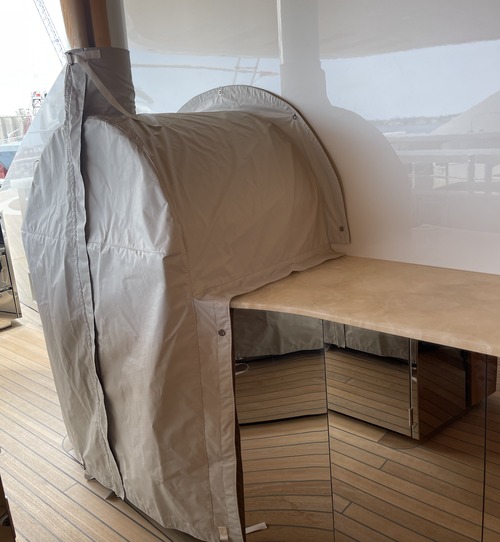
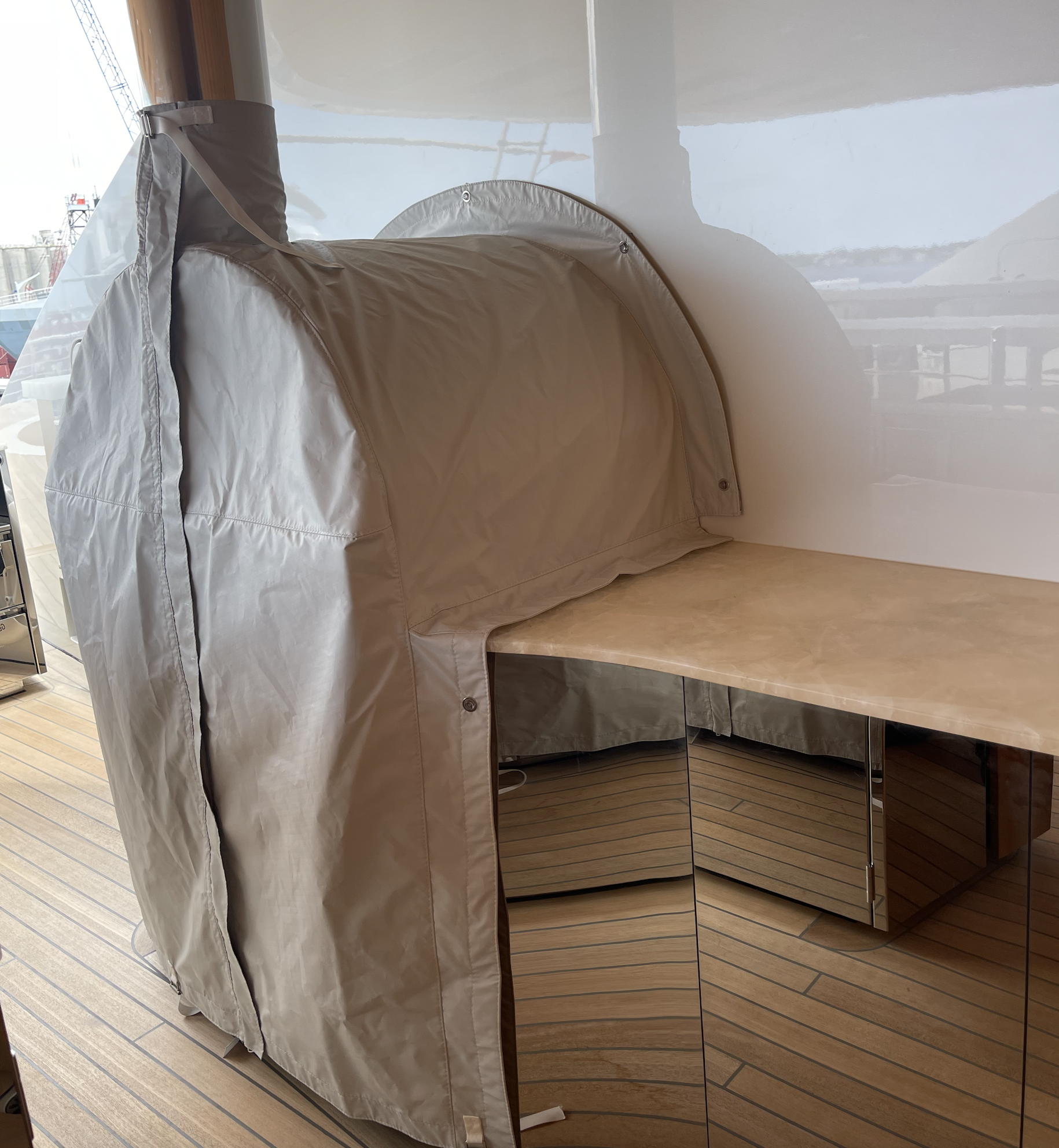
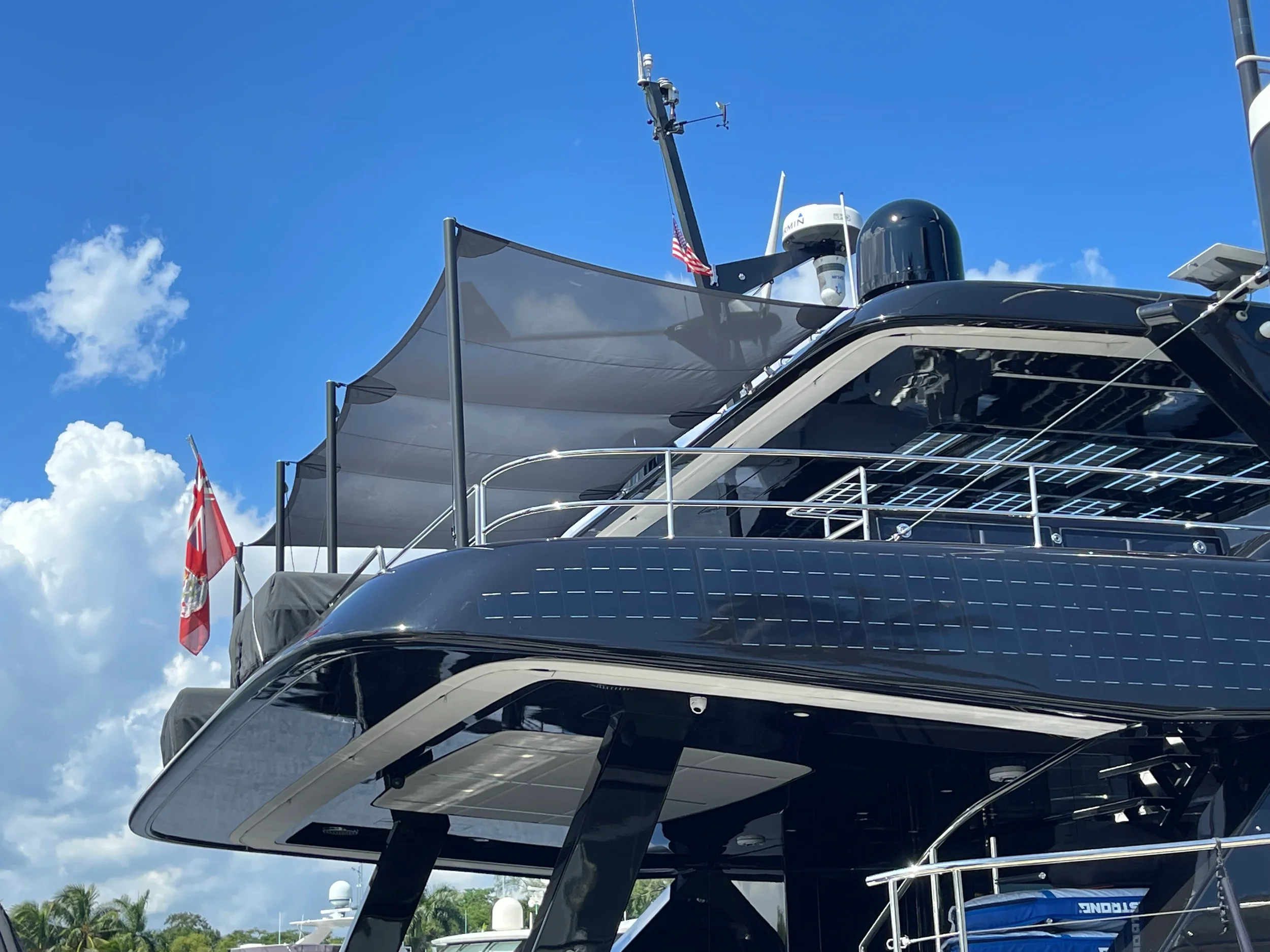
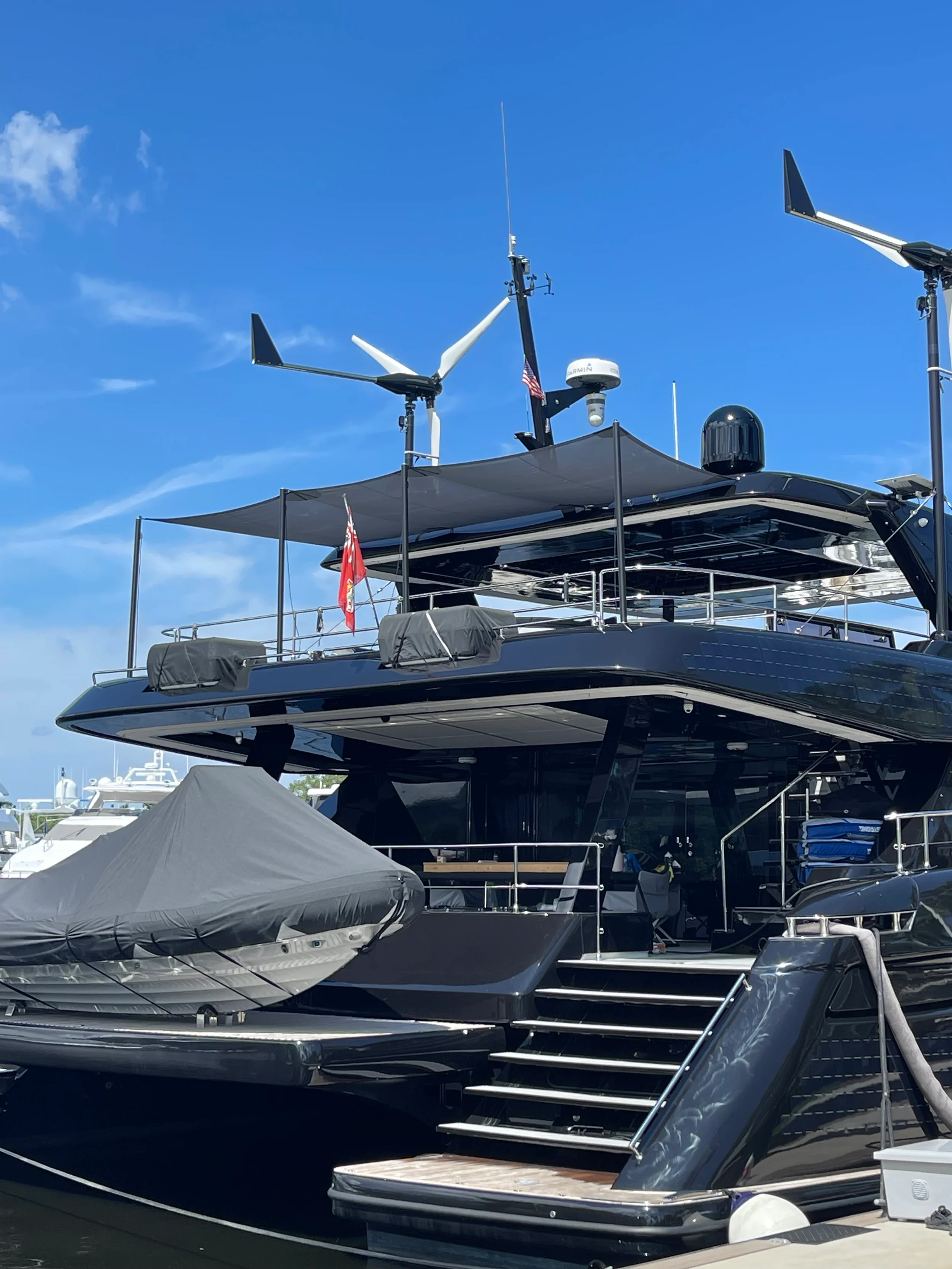
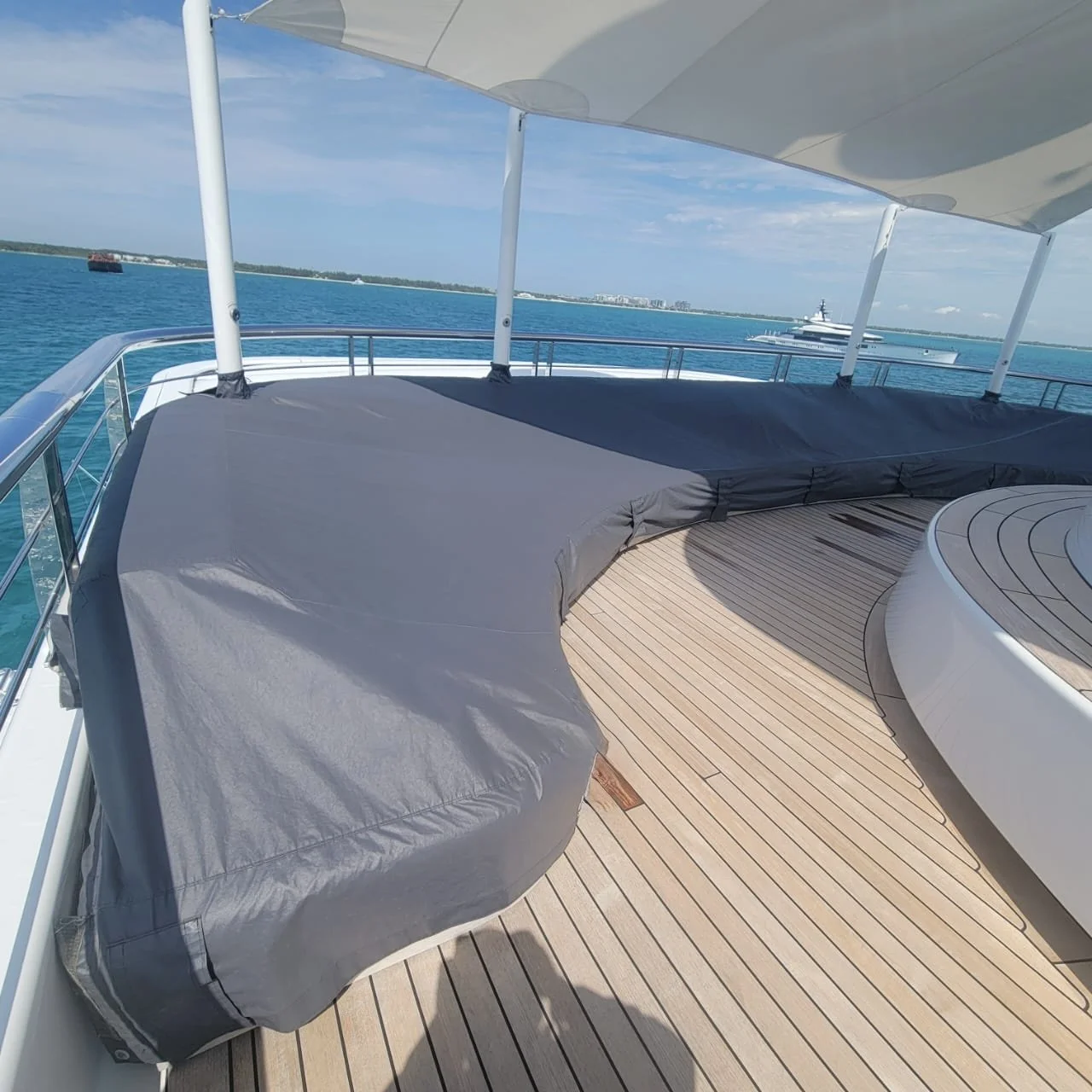
The unique architecture of every yacht, including complex deck layouts, towers, antennas, radar arches, and other bespoke hardware, renders a generic fit impossible. A universal cover, by its very nature, cannot accommodate these specific dimensions and obstructions. The result is an ill-fitting canvas that allows wind and water to penetrate, defeating its primary purpose and potentially causing significant damage to the surfaces it is meant to protect.
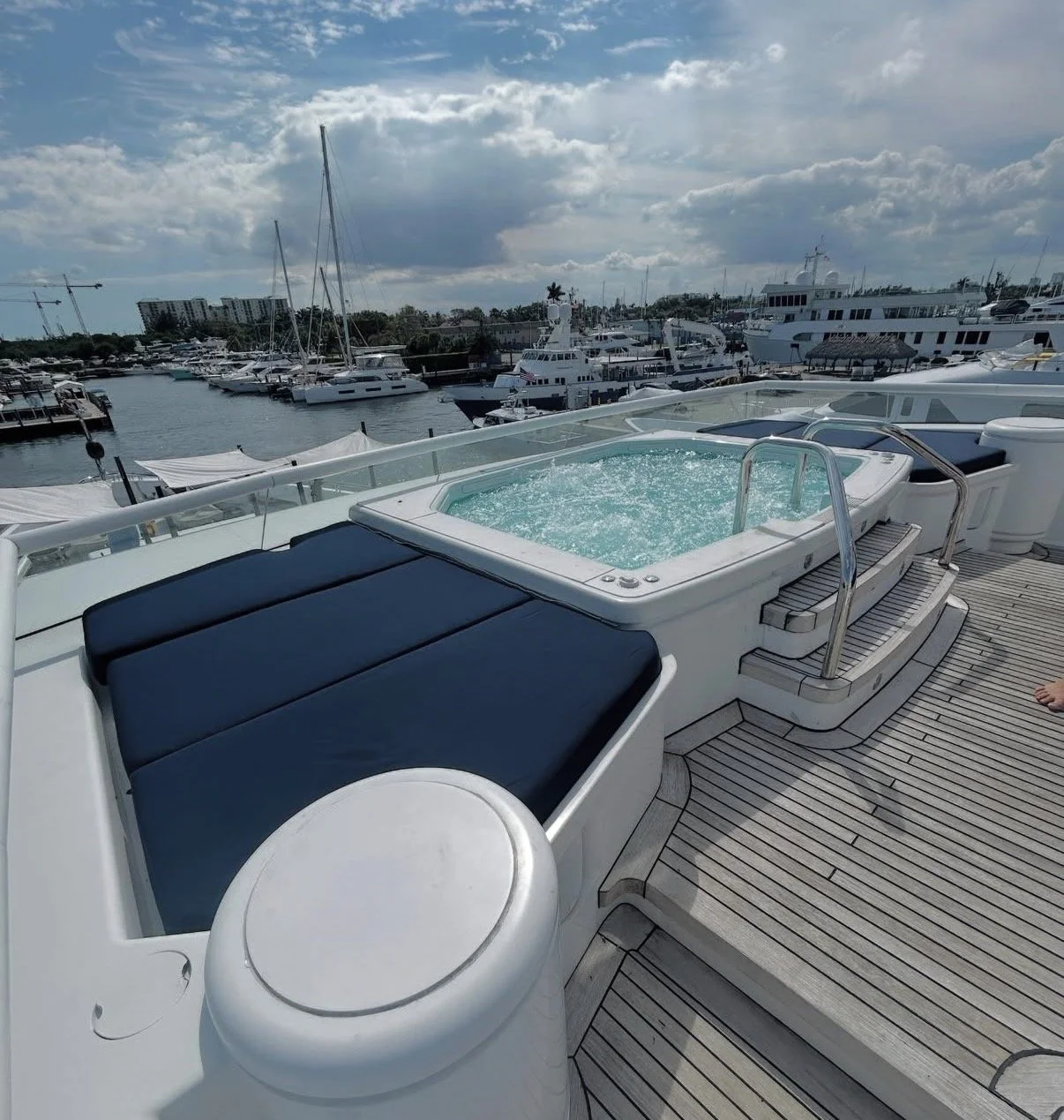
A poorly fitting cover creates pockets where water can pool, leading to mildew, staining, and accelerated fabric degradation. It also flaps excessively in the wind, causing constant abrasion against the yacht's gelcoat, varnish, and upholstery. This chafe damage can be extensive and costly to repair, negating any perceived initial savings from a cheaper, generic option. Our Custom Fit Boat Cover approach eliminates these risks by creating a cover that perfectly contours to every curve and component of the vessel.

Analyzing the Cost of Custom Canvas Boat Covers

While the initial outlay for a custom cover is undeniably higher than a universal one, the total cost of ownership is often significantly lower over the lifespan of the yacht. Several factors influence the price of a custom cover:

  • Material Cost: Premium marine-grade fabrics, like solution-dyed acrylics, are more expensive than generic polyesters but offer vastly superior UV resistance, durability, and colorfastness.
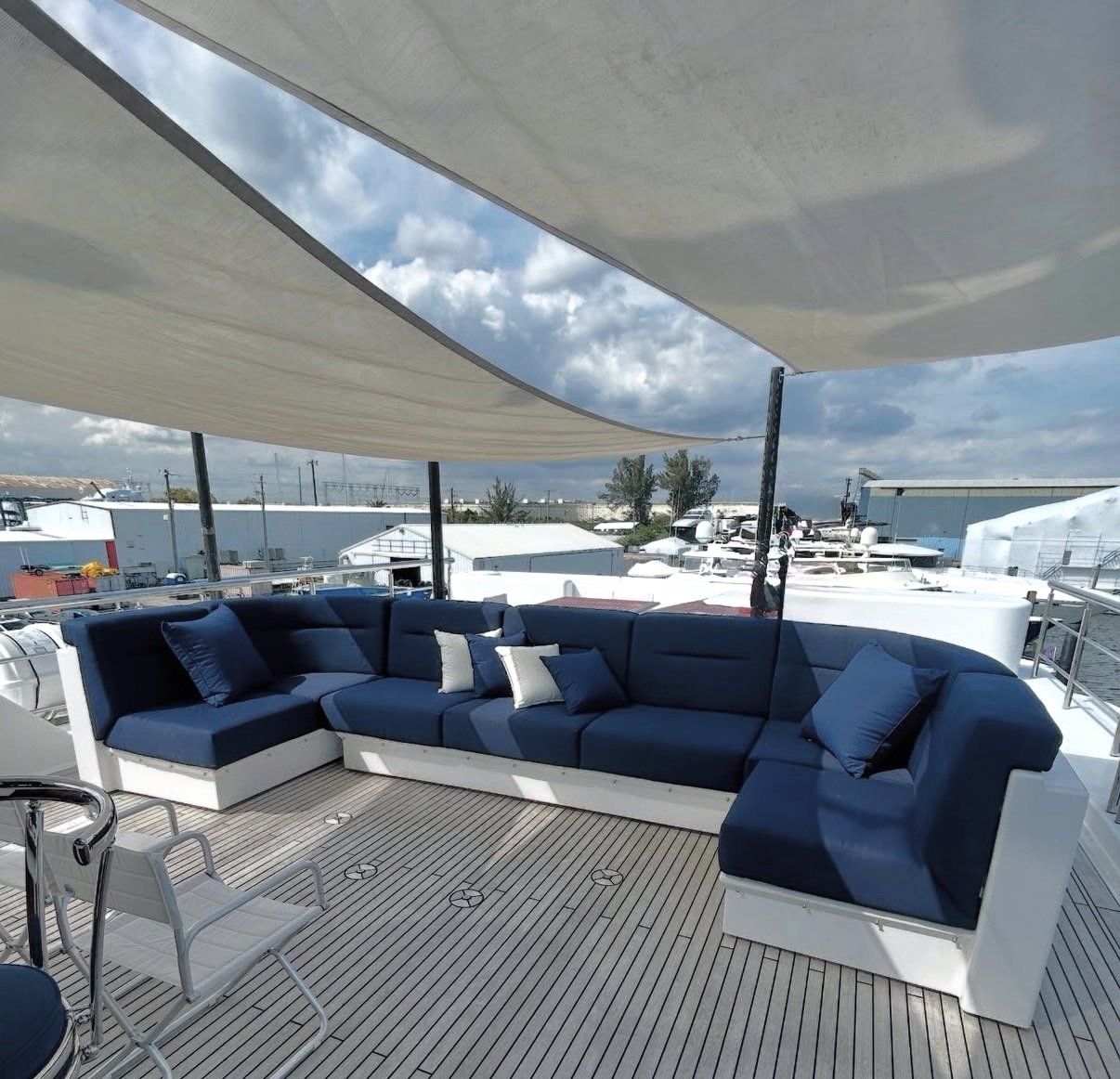
  • Design Complexity: Covers for yachts with intricate layouts, multiple towers, or specialized equipment require more complex patterning and fabrication time.
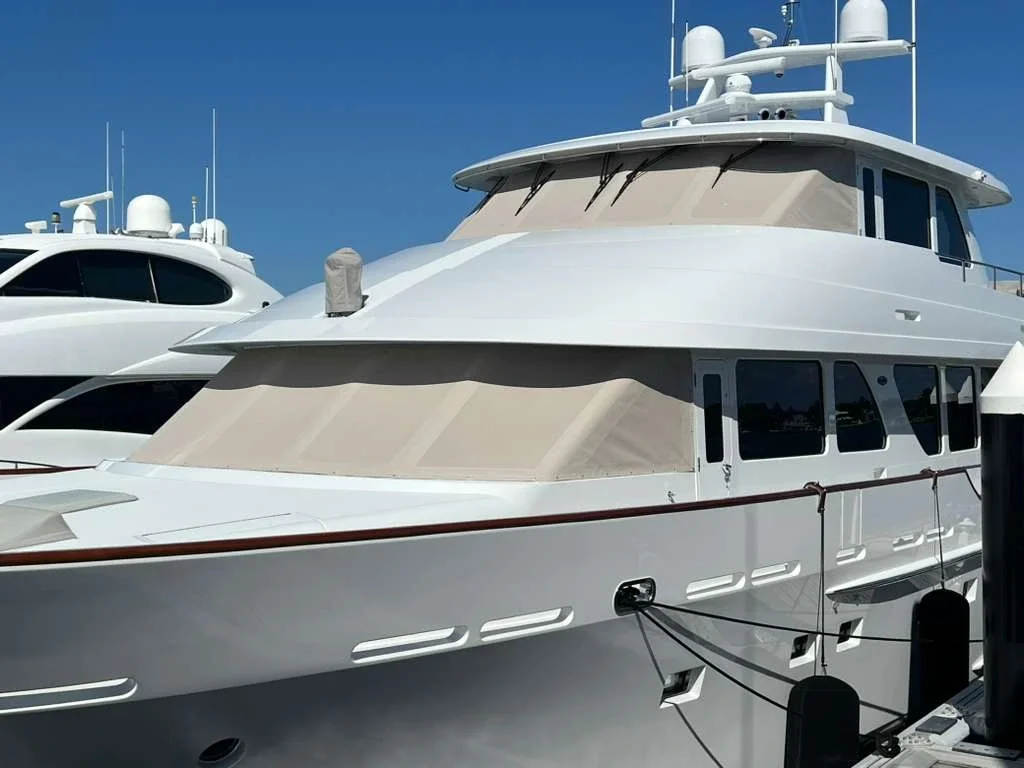
  • Fabrication Method: The use of advanced techniques like 3D digital measurement and CNC cutting, while an investment for the fabricator, ensures a perfect fit and reduces labor-intensive adjustments.

Our experience shows that a durable, well-made custom cover eliminates the need for frequent replacements, which can quickly accumulate. Furthermore, it prevents costly repairs to the yacht's upholstery, gelcoat, and sensitive electronics, which are direct consequences of inadequate protection. This perspective is detailed in our article, The Hidden Costs of Generic Covers Why Custom Fit Saves Money Long Term.

Locating Reputable Canvas Covers for Boats Near Me: A Vetting Process

Finding a qualified marine canvas fabricator for yacht-level projects involves more than a basic local search. The focus should be on a provider's technical capabilities, documented process, and proven experience with vessels of similar scale and complexity. For builders, captains, and refit managers, the objective is to identify a fabrication partner, not a one-off vendor.

We advise clients to examine a fabricator's portfolio, looking specifically for examples of work on large yachts and superyachts. Inquire about their fabrication technology, particularly their use of 3D digital measurement and CNC cutting, which are hallmarks of precision work and repeatability. Understanding their material sourcing and quality control processes is also critical.

A provider's industry reputation can be verified through shipyards, management companies, and repeat builder relationships. This is especially important for projects where timelines, fit, and consistency across multiple vessels matter.

Key Questions for a Potential Canvas Fabricator

When engaging with a potential canvas fabricator, a professional's process will be transparent and verifiable. Consider asking:

  • Measurement Process: Do you use 3D digital measurement (e.g., Proliner) or traditional manual patterning? For large yachts, digital measurement is crucial for accuracy and repeatability.
  • Thread Type: What type of thread do you use for stitching? PTFE (Polytetrafluoroethylene) thread is the industry standard for longevity, offering superior UV and chemical resistance compared to conventional polyester threads.
  • Hardware Grade: What grade of stainless steel do you use for all hardware (snaps, grommets, frames)? Only marine-grade 316 stainless steel should be specified for saltwater environments.
  • Seam Construction: How are seams constructed? Look for double-stitched, felled, or heat-sealed seams that prevent water intrusion and improve durability.
  • Warranty: What warranty do you offer on materials and workmanship?
  • Production Timeline: What is your typical production timeline for a project of this scope, and how do you manage scheduling around haul-outs or refit windows?

These questions help identify a fabricator whose standards align with the demands of professional yacht ownership and multi-vessel management.

Finding a Canvas Specialist in South Florida

For yacht owners, builders, and managers in South Florida, the search for "canvas covers for boats near me" carries specific regional imperatives. The intense sun, high humidity, and pervasive salt-laden air demand the highest standard of materials and fabrication. A local shop focused on small boats, without experience in yacht-scale projects, will often struggle with fit, scheduling, and durability.

Focus on specialists located within key yachting hubs such as Broward County and Palm Beach County. Fabricators embedded in these markets are typically accustomed to working with the superyacht industry and understand the logistical requirements of local shipyards and marinas, including access, staging, and coordination with other trades.

Providers who regularly support refit projects, new builds, and ongoing management programs are better positioned to deliver consistent results over time, not just a single cover.

The Fabrication Process: From Digital Measurement to Final Installation

At American Marine, quality is not an accident; it is the direct result of a highly controlled and technologically advanced process. Leading fabricators have moved beyond rudimentary manual patterning to sophisticated 3D digital measuring, which accurately captures a vessel’s exact three-dimensional geometry. This precise data then drives CNC (Computer Numerical Control) cutting equipment, ensuring perfectly repeatable parts and a flawless fit and finish every time. This approach is central to our Premium Custom Marine Canvas Engineering.

Our process integrates:

  • 3D Digital Measuring: Capturing precise dimensions of the yacht.
  • CNC Cutting: Ensuring accuracy and repeatability in fabric patterns.
  • PTFE Stitching: Utilizing UV-resistant thread for maximum longevity.
  • Stainless Steel Hardware: Specifying marine-grade 316 stainless for all attachments.
  • Reinforcement Points: Strategically placed at areas of high stress or chafe.
  • Vents: Engineered for optimal airflow to prevent mold and mildew.

The Importance of Professional Measurement

While it may seem straightforward, accurately measuring a complex 3D object like a yacht is a highly technical skill that requires specialized tools and expertise. Professional measurement using digital tools, such as a Proliner, eliminates human error, precisely accounts for all on-deck obstructions (like cleats, stanchions, or antenna bases), and ensures the final product fits perfectly without the need for time-consuming and often imprecise on-site adjustments.

Attempting DIY measurement for a large yacht introduces significant risks, including inaccurate dimensions, overlooked obstructions, and ultimately, a poorly fitting cover that compromises protection. Our professional approach guarantees the optimal fit essential for effective Boat Cover Installation.

What to look for when searching for canvas covers for boats near me

When inspecting the work of a marine canvas fabricator, especially for high-value yachts, the quality is evident in the meticulous details. We encourage clients to:

  • Stitch Quality: Examine the stitching for consistency, straight lines, and uniform tension. Irregular or loose stitching indicates poor craftsmanship and potential failure points.
  • Seam Integrity: Inspect seams for strength and water resistance. They should be double-stitched or heat-sealed, providing a robust barrier against water intrusion.
  • Reinforcement Points: Look for strategic reinforcement at chafe points, such as where the cover might rub against hardware or sharp edges. Vinyl reinforcement is often used here to improve longevity.
  • Hardware Material: Verify that all snaps, grommets, and other attachment hardware are made from marine-grade 316 stainless steel, which resists corrosion in saltwater environments.
  • Fit and Tension: The final fit should be taut and smooth, like a second skin. There should be no areas for water to pool or for wind to catch and flap, which can cause both damage to the cover and the yacht's surfaces.

These elements are crucial indicators of a high-quality product, as detailed in our Expert Guide to Custom Boat Covers.

Long-Term Care: Maximizing the Lifespan of Your Marine Canvas

Proper maintenance is not merely a suggestion; it is an essential practice for maximizing the service life and preserving the aesthetic appeal of your marine canvas investment. Regular cleaning, appropriate storage, and periodic re-treatment of water-repellent coatings will ensure the fabric continues to perform optimally and look its best for many years in the demanding South Florida environment.

Our recommended cleaning procedures for marine canvas:

  1. Brush Off Loose Dirt: Use a soft-bristle brush to gently remove any loose dirt, dust, or debris from the canvas surface.
  2. Prepare Cleaning Solution: Mix a mild soap (e.g., dish soap or a specialized marine canvas cleaner) with lukewarm water. Avoid harsh detergents or abrasive cleaners.
  3. Apply and Scrub: Apply the solution to the canvas using a soft brush or sponge. Gently scrub the entire surface, paying extra attention to stained areas. Do not machine wash canvas boat covers; a hose and soft brush are recommended.
  4. Rinse Thoroughly: Rinse the canvas completely with clear water, ensuring all soap residue is removed. Residual soap can attract dirt and promote mildew growth.
  5. Air Dry Completely: Allow the canvas to air dry thoroughly before folding or storing. Folding a damp cover can lead to mildew and unpleasant odors.
  6. Stain Removal: For stubborn stains, specialized marine canvas stain removers may be used, following the manufacturer's instructions carefully.
  7. Re-waterproofing: Over time, the water-repellent finish on canvas can diminish. Periodically re-treat the canvas with a marine-grade water-repellent spray, especially after thorough cleaning.
  8. Storage Best Practices: When not in use, store clean, dry canvas covers in a well-ventilated area, away from direct sunlight and extreme temperatures.

Maintaining your marine canvas is an extension of maintaining your yacht's overall condition, complementing services such as Boat Upholstery Fort Lauderdale to ensure every aspect of your vessel remains pristine.

Conclusion: Partnering with a Professional for Lasting Yacht Protection

Selecting a canvas fabricator is a critical decision for any yacht captain, builder, or manager responsible for protecting high-value assets. The priority should be a partner whose process, technology, and experience align with the operational standards of the vessel and the expectations of the shipyard or management company.

For large yacht projects in South Florida requiring digital precision and production at scale, partners like American Marine use 3D-measured, CNC-fabricated processes to ensure a precise, repeatable fit. This approach reduces rework, limits downtime, and supports predictable refit and maintenance planning.

By prioritizing quality materials, controlled fabrication workflows, and proven experience with large yachts, you ensure the protection and preservation of the vessel for years to come.

Schedule a project review for your custom boat covers

Previous
Previous

Designing Your Dream Deck: A Guide to Custom Marine Canvas Solutions

Next
Next

Navigating the Waters: Your Guide to Custom Boat Cover Options and Costs