Canvas Boat Covers Guide: Protecting Your Vessel in 2026
Picture this: you ease your boat up to the dock in 2026, sunlight glinting off its finish, every detail protected beneath one of the newest canvas boat covers. The salt, sun, and sudden storms haven’t left a mark. That sense of relief? Priceless.
Let’s face it—exposure to harsh marine conditions can eat away at your boat’s comfort and value faster than you’d think. That’s why canvas boat covers have become more than a smart choice; they’re the new standard for anyone serious about protecting their investment.
In this guide, you’ll get a clear look at how canvas boat covers safeguard your vessel, what’s changed in materials and design, and how to pick and care for the right cover. We’ll walk through the latest technologies, cover types, expert selection tips, installation steps, and the common pitfalls to avoid.
Ready to keep your boat looking and feeling its best? Let’s dive in.
Why Canvas Boat Covers Matter in 2026
Imagine cleaning salt residue off your boat’s upholstery—again—or seeing the dash electronics fade after just one season. The stakes are higher than ever for boat owners, and the right protection can make all the difference. In 2026, canvas boat covers are not just a smart accessory, they’re a vital line of defense for your investment.
The Rising Cost of Boat Ownership and Maintenance
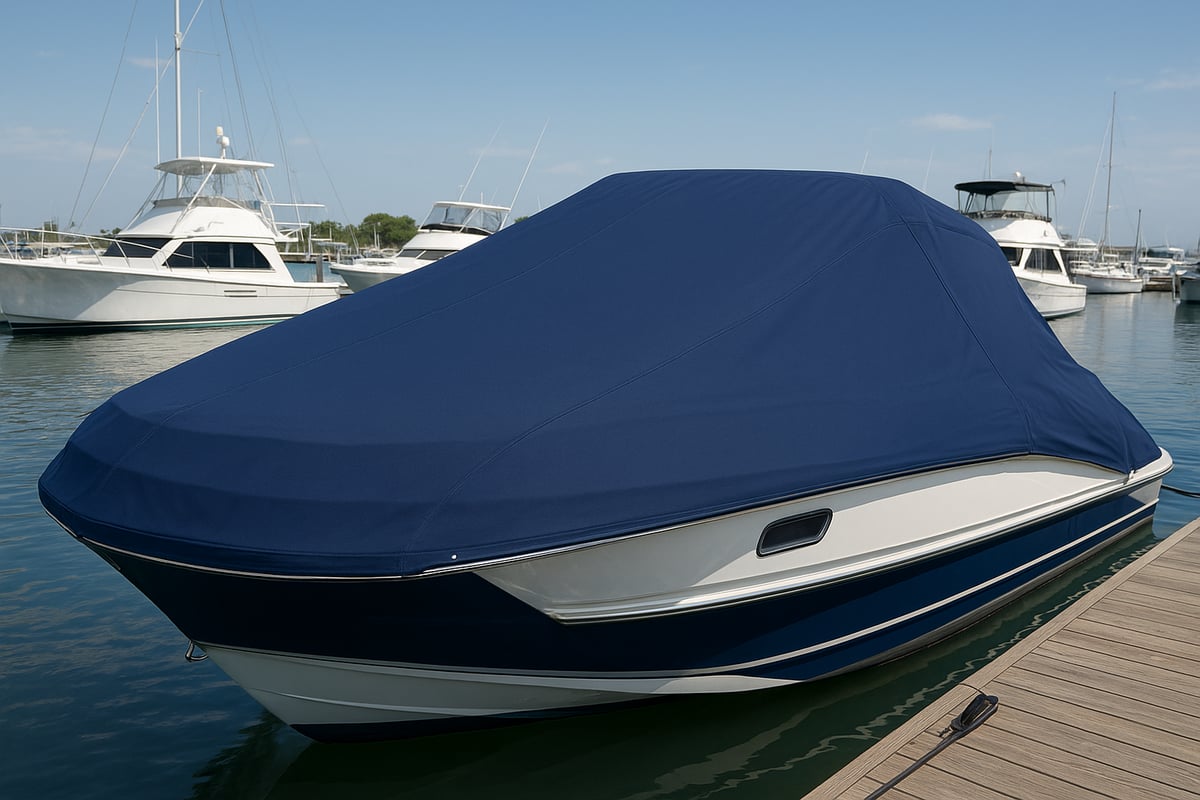
Boat ownership isn’t getting cheaper. Routine maintenance, repairs, and upgrades can quickly drain your budget. The harsh marine environment—sun, salt, moisture—accelerates wear on everything from upholstery to electronics. Industry data shows that boats stored without canvas boat covers can lose value up to 30 percent faster than covered vessels.
Modern boats often feature more delicate materials, making protection even more critical. Owners report that using canvas boat covers reduces cleaning time and helps avoid costly repairs within just a couple of seasons. With unpredictable weather and a rising UV index in 2026, these covers are now considered essential for preserving both value and comfort.
Key Benefits of Canvas Covers Over Alternatives
Why choose canvas boat covers over vinyl or plastic options? First, canvas offers superior breathability, which prevents mold and mildew. Custom-fit covers eliminate the chafing and water pooling that generic covers can cause. New fabrics like Sunbrella and Top Notch provide enhanced UV resistance and last up to 15 years.
Aesthetically, custom canvas boat covers come in a range of colors and patterns, elevating your boat’s look. Well-maintained, covered boats command higher resale prices. For a deeper look at why custom-fit outperforms universal, check out The Hidden Costs of Generic Covers. Today, canvas is the industry standard for everyone from weekend anglers to luxury yacht owners.
The 2026 Marine Environment: New Threats and Challenges
The marine environment in 2026 brings new challenges. Extreme weather events are more frequent, and UV degradation is on the rise, according to marine fabric suppliers. Pollution and airborne particulates are also increasing, adding another layer of risk to exposed surfaces.
Many marinas now require covered storage to minimize environmental impact. Insurance claims for uncovered boats have jumped by 15 percent from 2025 to 2026. Canvas boat covers have evolved with technology, featuring advanced coatings, nanotech, and anti-fungal properties. In places like South Florida, mandatory cover policies are becoming the norm, reflecting a shift toward proactive protection.
When and Where to Use a Canvas Boat Cover
When should you use canvas boat covers? The answer is: almost always. During off-season storage, they prevent sun and moisture damage. While trailering, they shield your boat from debris and wind. Docked or moored, they keep interiors clean and dry.
Owners in high-sun or high-humidity regions find regular cover use essential for preventing mildew. Even short-term exposure—just a few days—can fade or stain surfaces. Custom covers consistently outperform universal options in real-world use. In 2026, more owners are using canvas boat covers year-round, not just in winter, making them a daily part of responsible boat care.
Types of Canvas Boat Covers and Their Features
Choosing the right canvas boat covers in 2026 is both an art and a science. The market has exploded with options that fit every boat shape, storage style, and owner's priorities. Let’s break down what’s new, what matters, and how to make the best pick for your vessel.
Custom-Fit vs. Universal Boat Covers
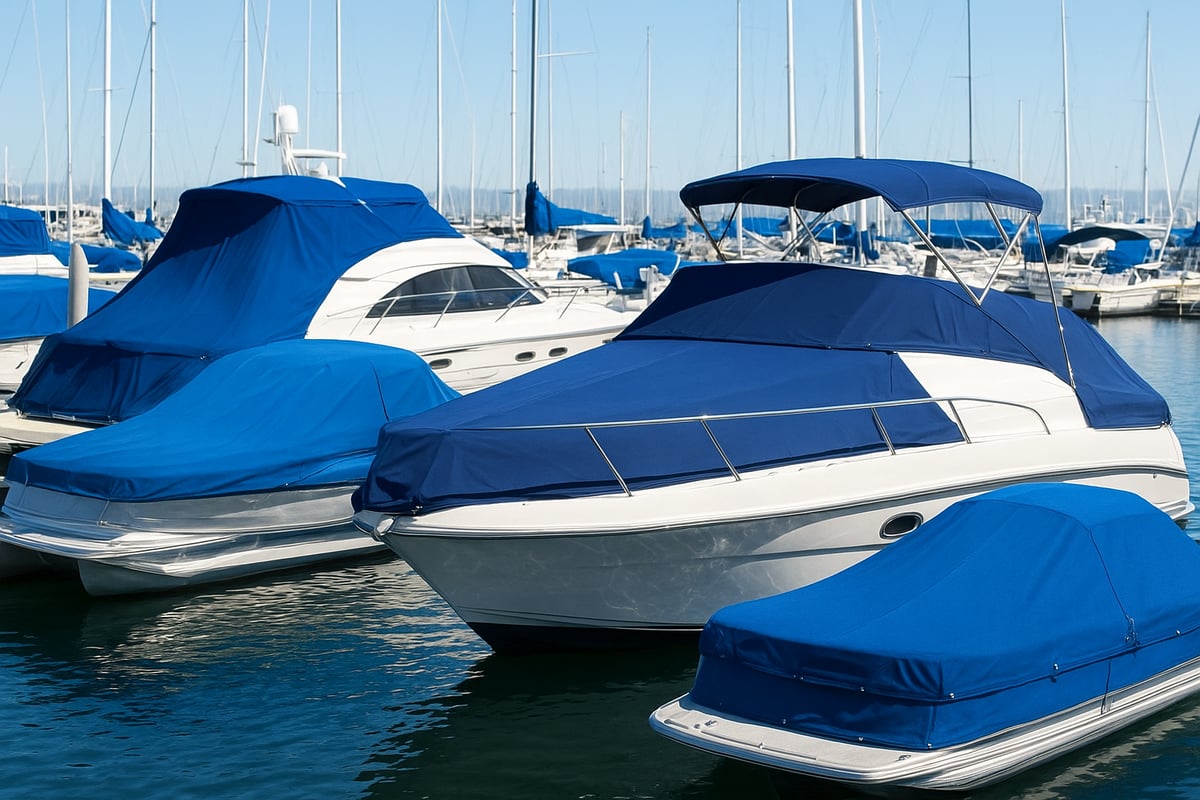
When it comes to canvas boat covers, fit is everything. Custom-fit covers are made for your specific boat model, so they hug every curve and contour. This level of precision means better protection against UV rays, rain, and wind, plus less risk of water pooling or chafing. Universal covers, on the other hand, are designed to fit a range of boats. While they cost less, they often shift around, wear out faster, and sometimes void warranties if damage occurs.
Modern custom covers now use 3D modeling for exact measurements, making the process more accessible and accurate than ever. Want to see the full process and benefits? Check out this Custom-Made Boat Covers Guide for an in-depth look. While custom options come with a higher upfront price, most owners find the investment pays off through longer lifespan and fewer headaches.
Table: Custom-Fit vs. Universal Canvas Boat Covers
| Feature | Custom-Fit | Universal |
|---|---|---|
| Fit | Snug, model-specific | Loose, generic |
| Protection | Maximum, no gaps | Prone to shifting |
| Lifespan | 10–15 years | 3–5 years |
| Cost | Higher | Lower |
| Warranty Impact | Maintains warranty | May void warranty |
Popular Canvas Cover Styles for 2026
The variety of canvas boat covers available now is impressive. Mooring covers are the go-to for full protection during storage or in rough conditions. Snap-on covers are perfect for quick access—ideal if you’re in and out of the water often. Ratchet strap covers offer the fastest installation and a super secure fit, especially handy for trailering.
Tie-down covers remain a staple for pontoons and fishing boats—simple but reliable. Bimini tops provide overhead shade while underway but don’t shield against rain or debris. Enclosures add privacy and weather resistance, custom-made for each vessel. For unique pontoon shapes, larger reinforced covers are a must. Plus, 2026 has seen the rise of hybrid covers with modular panels, letting owners adapt protection based on the day’s weather.
No matter the choice, each style of canvas boat covers is now designed with flexibility and user experience in mind.
Canvas Materials: What’s New and What Lasts
Advancements in fabric technology have transformed canvas boat covers. Sunbrella Marine, Top Notch, Stamoid, and Hydrofend stand out for their durability and performance. New UV- and mildew-resistant coatings help covers last longer, even in harsh climates. Nanotechnology has made self-cleaning fabrics a reality, so dirt and salt rinse away with minimal effort.
Weight and weave matter too. For example, 11.5-ounce Top Notch fabric offers over 15 years of protection, and new colorfast dyes prevent fading under intense sun. Heat-welded seams and advanced waterproof coatings keep leaks at bay, while modern canvas remains breathable to stop condensation and mold.
Premium canvas boat covers now outperform vinyl in every key metric—lifespan, protection, and looks. Owners can expect both function and style, without compromise.
Hardware, Fasteners, and Support Systems
The right hardware is just as important as the fabric itself. Stainless steel snaps, marine-grade zippers, and ratchet straps provide long-lasting durability, especially in saltwater environments. Support poles and venting systems prevent water pooling and let moisture escape, crucial for mildew prevention.
Corners and stress points are reinforced for high-wind resilience, and heat-welded seams mean no thread rot. Custom hardware options are available to match your boat’s look and resist corrosion. Recent innovations include magnetic and quick-release fasteners for easier handling. Always inspect hardware yearly to catch signs of wear or corrosion before they become a problem.
Pole and venting systems have been shown to reduce mildew by up to 40 percent, making them a smart upgrade for any serious boater.
Matching Cover Type to Boat Usage and Climate
Matching canvas boat covers to your lifestyle and climate is key. If you trailer your boat often, ratchet strap or snap-on covers make installation quick and secure. For boats docked in harsh climates, mooring covers with reinforced seams and UV protection are essential.
Pontoon owners benefit from custom covers with extra support, while fishing boats do well with lightweight snap-on styles for daily access. Luxury yachts require full enclosures and custom-fitted covers for every exposed area. In high-humidity regions, breathable canvas and extra venting help prevent mildew, while UV-blocking fabrics are a must in sunny locales.
A one-size-fits-all approach rarely works. The best canvas boat covers are always tailored to your boat’s unique needs and the environment you use it in.
How to Choose the Best Canvas Boat Cover for Your Vessel
Choosing the right canvas boat covers in 2026 is more than a quick online purchase. It’s a step-by-step process that considers your boat’s unique needs, the latest fabrics, fit, budget, and where you buy. The options are broader, smarter, and more tailored than ever. Let’s break it down so you can make a confident decision for your investment.
Assessing Your Boat’s Unique Needs
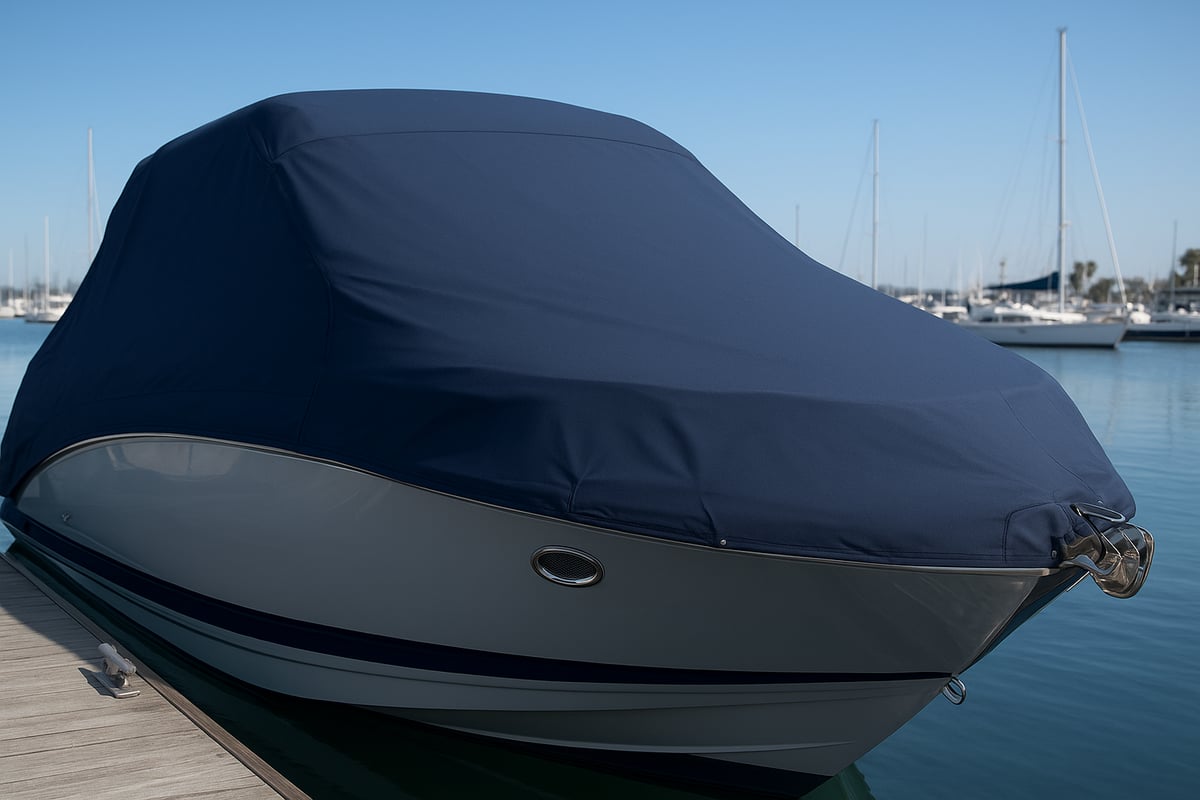
Start by sizing up your vessel. Every boat has its quirks, so measure length, beam, and note any towers, rails, or electronics that might affect fit. Think about where you keep your boat most of the time—dock, trailer, or marina. Exposure to sun, salt, or debris? That matters for canvas boat covers.
Don’t forget to check what’s worked (or failed) with past covers. If you use your boat every weekend, quick access could be key. Features like integrated vents or access panels might make life easier. For boats with tall towers or special accessories, custom cutouts can be essential.
A tailored approach to canvas boat covers helps you avoid costly mistakes and ensures your protection lasts.
Comparing Canvas Brands and Fabric Technologies
Not all canvas boat covers are created equal. In 2026, fabric technology is a real game-changer. Brands like Sunbrella, Top Notch, Stamoid, and Hydrofend lead the pack. Each offers unique benefits in colorfastness, waterproofing, and mildew resistance.
Here’s a quick comparison:
| Brand | Best For | Warranty |
|---|---|---|
| Sunbrella | Color retention, durability | 5–10 years |
| Top Notch | Heavy-duty, long lifespan | 10–15 years |
| Stamoid | Waterproof, mildew proof | 5–8 years |
| Hydrofend | Advanced waterproofing | 5 years |
Curious about the differences? Check out this deep dive on Sunbrella vs. Stamoid Marine Fabrics for details that could help you choose the perfect canvas boat covers.
Investing in trusted brands means better value, fewer headaches, and longer-lasting protection.
Evaluating Fit, Design, and Customization Options
The best canvas boat covers are designed for your specific make and model. Nowadays, 3D modeling allows for a near-perfect fit—even for boats with complex shapes. You can match color, trim, and pattern to your boat’s style, and request extras like reinforced stress points or extra vents.
A good fit isn’t just about looks. Poorly fitted covers often cause chafing, leaks, or even wind damage. Custom covers are often judged by their fit and finish, and in 2026, boat owners expect both style and performance.
If you’re investing in canvas boat covers, always request a digital preview or sample before committing. It’s a step that pays off in pride of ownership and peace of mind.
Budgeting: Cost vs. Value Over Time
Price tags for canvas boat covers can range widely. Custom options might run $500 to $2,500 or more, while universal covers are cheaper upfront, usually $150 to $600. But here’s the thing: quality covers last two to three times longer, require less cleaning, and help you avoid expensive repairs.
Some insurance policies even offer discounts if your boat is protected by a premium cover. Many owners report that their canvas boat covers pay for themselves in just a couple of years by preventing upholstery or electronics damage.
Don’t fall for false economy. Cheap covers often void warranties or cause more harm than good. Think of canvas boat covers as an investment in your boat’s future.
Where to Buy: Local Shops vs. Online Retailers
When it comes to canvas boat covers, where you buy matters. Local marine canvas shops offer custom fitting, expert advice, and the chance to see and feel material samples. Online retailers have a wider selection, but there’s a risk of poor fit and less support.
Some shops, like Canvasworks, require your boat on-site to guarantee a perfect fit. Be aware that custom covers might take weeks to produce, so plan ahead. In 2026, many owners use a hybrid approach—order online, then fit locally.
Always check reviews, warranties, and return policies before purchasing canvas boat covers. For high-value boats, in-person fitting is often worth the extra effort.
Step-by-Step: Installing and Caring for Your Canvas Boat Cover
Taking the right approach to installing and caring for canvas boat covers can make all the difference. A few smart moves up front, and your investment pays dividends for years. Let’s break it down step by step, so you get the most out of every season.
Preparation: Unboxing and Inspection
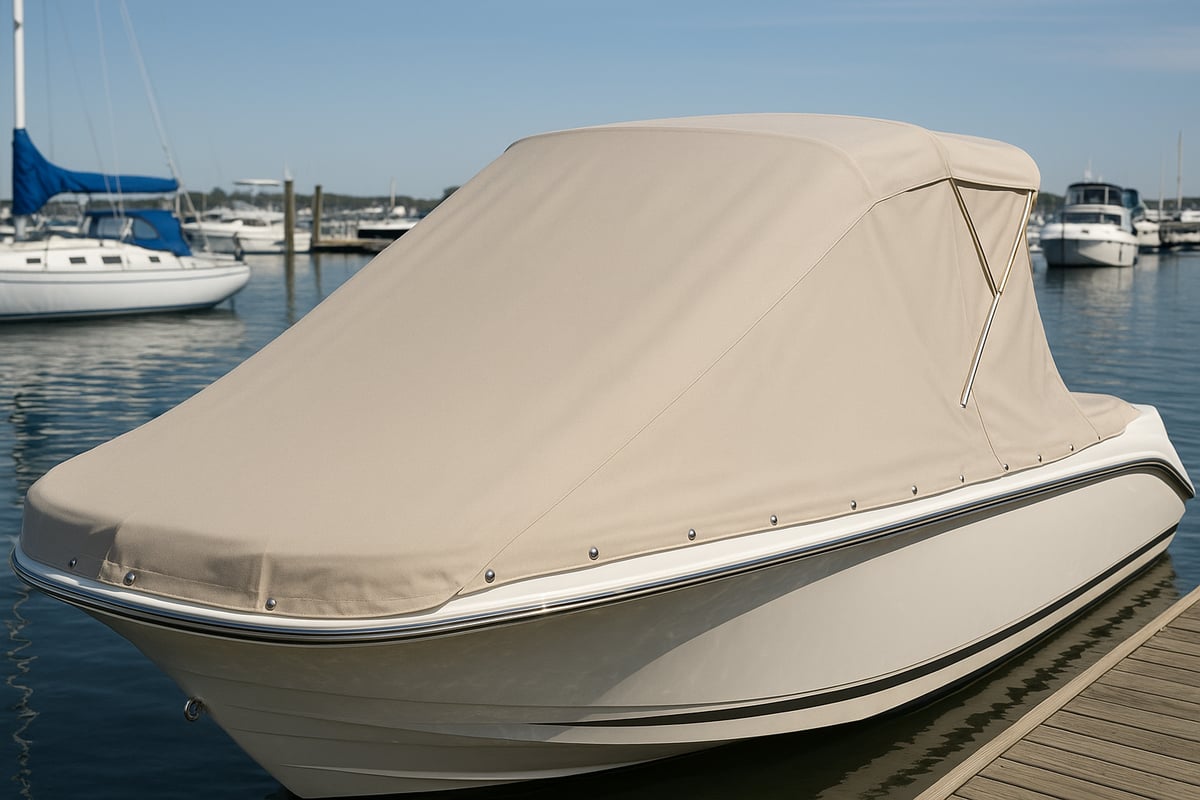
Before anything else, inspect your new canvas boat covers carefully. Lay the cover flat on a clean, dry surface, away from sharp tools or debris. Confirm you received the correct size, color, and all necessary hardware. Take a minute to review the manufacturer’s instructions—some brands have unique steps or QR codes linking to install guides.
Check for any defects, loose threads, or missing parts. Register your warranty if required, and snap a few photos of the cover before and after install for your records. Early inspection of canvas boat covers helps you spot issues before they become headaches, especially if a storm is on the horizon.
Step 1: Fitting the Cover to Your Boat
Start at the bow and work your way aft, aligning seams and cutouts for a precise fit. Make sure all snaps, straps, or ratchets line up with their corresponding hardware. Use support poles to prevent sagging and water pooling—this is crucial for canvas boat covers, especially on larger vessels.
Double-check fit around towers, rails, or electronics. The cover should be snug, but not overstretched. If your boat is on the larger side, having a helper makes the job much easier. A well-fitted cover means long-term protection and less worry during rough weather.
Step 2: Securing Hardware and Fasteners
Secure each snap, ratchet, or tie-down as directed by the manufacturer. Straps should be tight enough to keep the cover in place, but not so tight that they stress the fabric. In areas prone to wind, add extra support poles or straps for peace of mind. Stainless steel snaps are a smart choice for canvas boat covers in saltwater environments, as they resist corrosion.
Inspect all hardware for any signs of rust or wear—replace if needed. New for 2026, magnetic and quick-release fasteners are making installation and removal even easier. The most common cause of cover failure is loose hardware, so always double-check corners and stress points.
Step 3: Venting and Moisture Management
Proper airflow is key to preventing mildew and extending the life of canvas boat covers. Position vents or mesh panels to maximize circulation. In humid climates, add desiccant packs or mildew inhibitors inside the boat. After heavy rain, check for condensation and adjust vents if necessary.
Never cover a wet boat—always dry it thoroughly first. Some pole and venting systems can reduce mildew by up to 40 percent. Smart covers with built-in humidity sensors are becoming more common, too. Good airflow not only protects your cover but also keeps your boat’s interior in top shape.
Step 4: Cleaning, Storage, and Seasonal Maintenance
Routine cleaning is essential for canvas boat covers. Use mild soap and water—avoid harsh chemicals that can break down coatings. Always let the cover dry completely before storing it, ideally in a breathable storage bag and a cool, dry space.
Inspect for wear, fading, or seam damage at the end of each season. Schedule a professional inspection for high-value covers if possible. Some covers now feature self-cleaning coatings, making upkeep even easier. For more expert advice, check out these Canvas Care Tips for Yacht Owners.
Proper care not only doubles the lifespan of your canvas boat covers, but also protects your boat’s value and comfort.
Common Canvas Boat Cover Mistakes and How to Avoid Them
Mistakes with canvas boat covers are surprisingly common, even among experienced boat owners. The good news? Most of these missteps are easy to dodge once you know what to watch for. Protect your investment and avoid frustration by steering clear of these four pitfalls.
Choosing the Wrong Size or Fit
One of the leading mistakes with canvas boat covers is picking the wrong size or a generic fit. Universal covers often look convenient, but they rarely hug your boat’s unique shape. Missed towers, rails, or electronics? That’s a recipe for chafing, wind shifts, and early fabric failure.
Owners frequently report that poorly fitting covers shift in strong gusts, scraping against paint and hardware. Worse, manufacturers may void your warranty if a non-custom cover causes damage. Always measure your vessel carefully or, even better, opt for a custom fit. As boat designs get more complex, especially in 2026, a tailored cover is no longer a luxury—it’s essential. After two ruined covers, many owners finally go custom and never look back.
Neglecting Regular Cleaning and Maintenance
Another classic error: letting dirt, salt, or debris build up on your canvas boat covers. This neglect can weaken fibers, fade colors, and compromise waterproof coatings. Skipping seasonal cleanings means small issues, like a loose seam or mildew spot, can spiral into costly repairs.
Harsh cleaners like bleach are tempting, but they often do more harm than good. Instead, rinse your cover after saltwater outings—even if it looks clean. Gentle soap, water, and a soft brush are all you need. Canvasworks recommends a light cleaning every two to three months. Some newer covers even use QR codes to help you track care and warranty info. For the latest on fabric care and innovations, check out Marine Canvas Material Innovations in 2025.
Improper Installation and Storage
Improper installation is another pitfall for canvas boat covers. Skipping support poles or leaving fasteners undone can lead to sagging, water pooling, and torn seams. Some owners ignore the manufacturer’s instructions, thinking a quick setup is good enough. Unfortunately, this often voids warranties and shortens the cover’s lifespan.
Storing covers while damp or tightly folded is an open invitation for mildew and odors. Always dry your cover thoroughly before storing and use a breathable bag if possible. Many cover failures are traced back to rushed installations or careless storage routines. Even a few days uncovered can expose your boat to sun damage. A little extra effort up front means years of reliable protection.
Overlooking Climate and Usage Factors
Finally, not matching your canvas boat covers to your region or boat usage is a big mistake. Florida owners, for example, report rapid mildew growth without vented, mildew-resistant covers. High UV areas demand advanced coatings and reinforced seams. Using the wrong type of cover for your climate or storage method will leave your boat vulnerable.
Think about where and how you store your boat—dock, trailer, or marina—and pick a cover designed for those conditions. The industry is seeing a rise in climate-adaptive, modular covers that offer top protection in changing weather. For a look at where the market is heading and top performance enhancements, visit Marine Textile Trends for 2025 and Beyond. One-size-fits-all rarely delivers the real-world protection your boat deserves.
Innovations and Trends in Canvas Boat Covers for 2026
The world of canvas boat covers is changing fast in 2026. New technologies, materials, and design trends are reshaping what protection looks like for boat owners. Let’s break down what’s truly new this year and where the industry’s heading.
Advanced Materials and Smart Fabrics
Materials are getting a serious upgrade. In 2026, canvas boat covers feature nanotechnology coatings that resist stains and shed water like nothing before. Some even have embedded UV sensors, alerting you when sunlight gets intense and adjustments are needed.
Leading brands are rolling out smart fabrics that shift color to highlight UV exposure or wear, making maintenance super simple. This innovation is not just theory—the 2025 MFA Excellence Awards Winners showcase projects where these advanced features have been recognized for both performance and design.
Owners report these new canvas boat covers last longer and require less work. The bottom line: smart materials make protection smarter, not harder.
Eco-Friendly and Sustainable Canvas Options
Sustainability is now front and center for canvas boat covers. Manufacturers are using recycled polyester and bio-based coatings without sacrificing performance. In fact, major brands like Sunbrella have introduced marine canvas lines made entirely from recycled content.
Eco-friendly covers are holding up just as well as traditional options. Many now carry certifications like OEKO-TEX or Greenguard, giving owners confidence in their environmental impact. Plus, greener production methods are reducing the industry’s carbon footprint.
Boat owners are increasingly asking for sustainable choices. Today’s canvas boat covers are as much about environmental responsibility as they are about durability.
Design and Customization Trends
Personalization is everywhere, and canvas boat covers are no different. In 2026, you’ll see bold new colors, custom graphics, and unique patterns on docks across the country. Owners want covers that match their boat’s style, from classic navy to neon accents.
Manufacturers are offering modular designs, integrated windows, and quick-access panels. For instance, Canvasworks now provides over 1,500 color and material combinations, making it easy to find a cover that fits both your vessel and your vision.
What’s exciting is that these design upgrades don’t compromise function. Custom canvas boat covers now deliver both standout looks and top-tier protection.
The Future of Canvas Boat Cover Care and Maintenance
Maintenance is getting a tech boost. Canvas boat covers now come with QR codes that link directly to digital care guides and warranty info. Some brands have launched mobile apps to send reminders for cleaning or alert you to weather risks.
On top of that, subscription-based professional cleaning and repair services are expanding, making it easier than ever to keep your cover in peak condition. New covers even feature replaceable panels, so small repairs don’t mean buying a whole new one.
With these changes, caring for canvas boat covers is more automated and user-friendly. Owners can spend less time worrying about upkeep and more time enjoying the water.
As you’ve seen throughout this guide, investing in a high quality canvas boat cover isn’t just about protecting your vessel for one season—it’s about preserving its beauty, value, and performance for years to come. If you’re ready to explore the difference that custom craftsmanship and advanced marine materials can make, I encourage you to take the next step. Let’s ensure your yacht or superyacht is guarded against 2026’s harshest marine conditions with a solution tailored precisely to your needs.
Get Your Free Quote
and discover how American Marine can help you safeguard your investment with a first class, custom made cover.