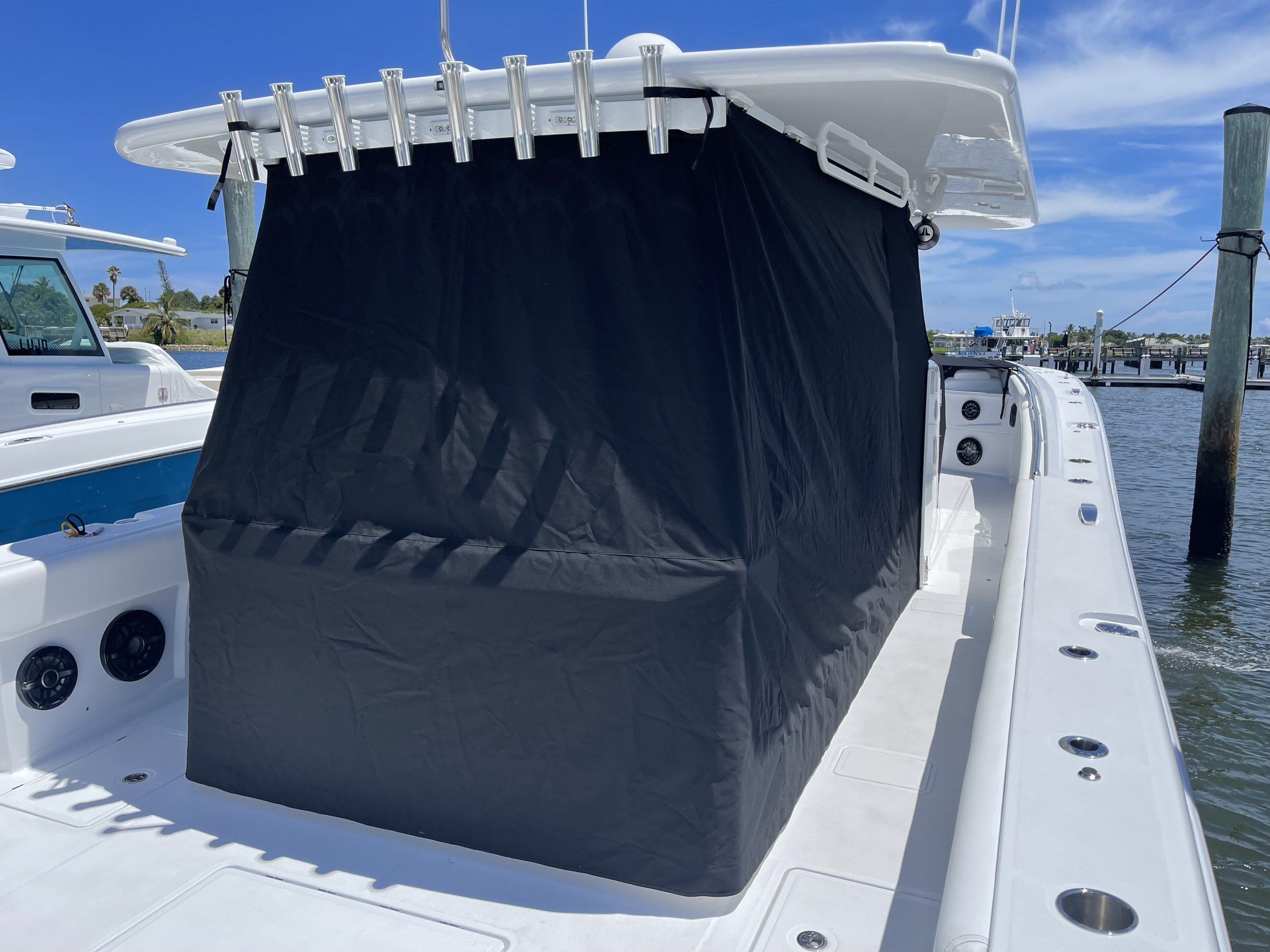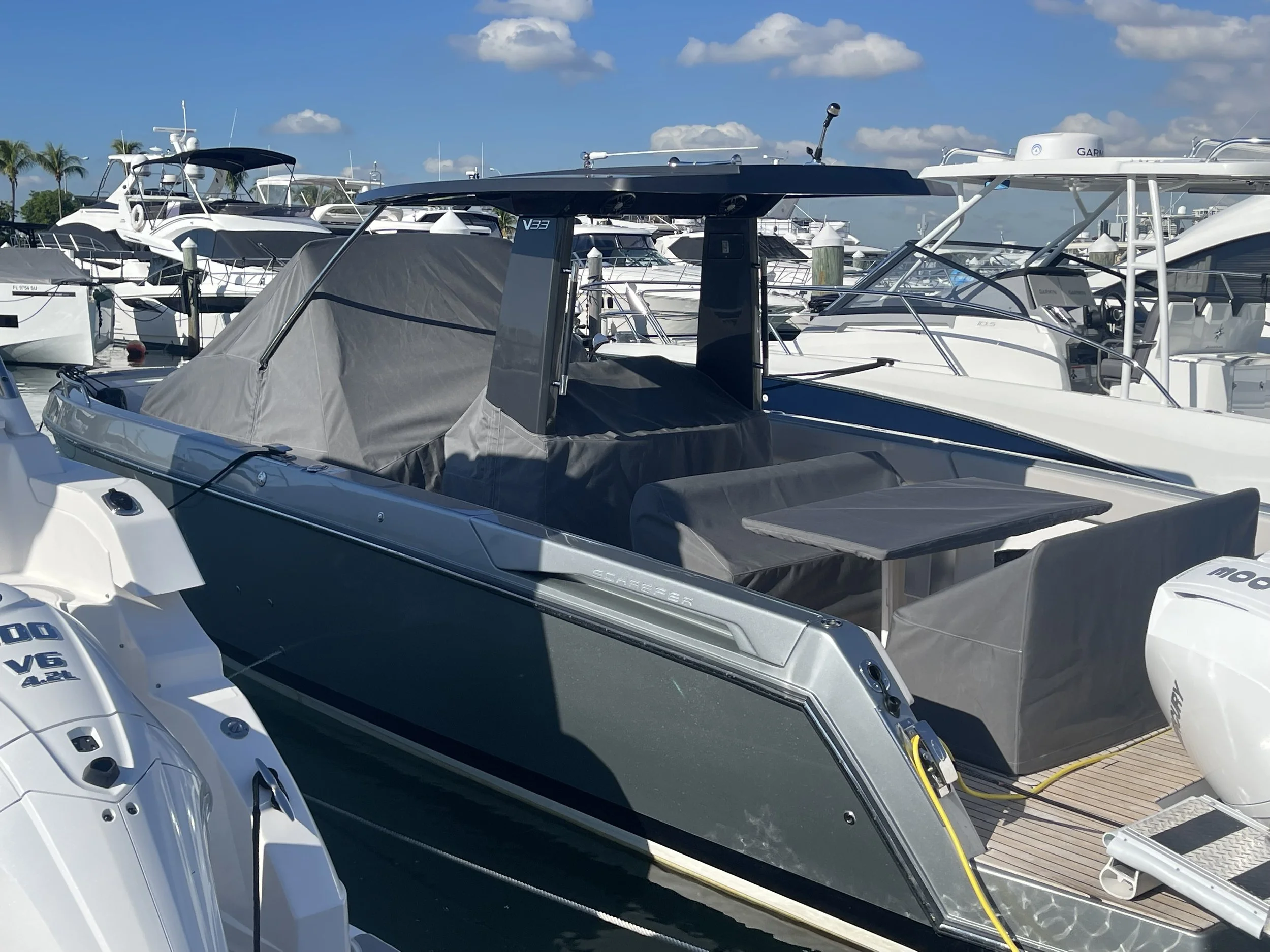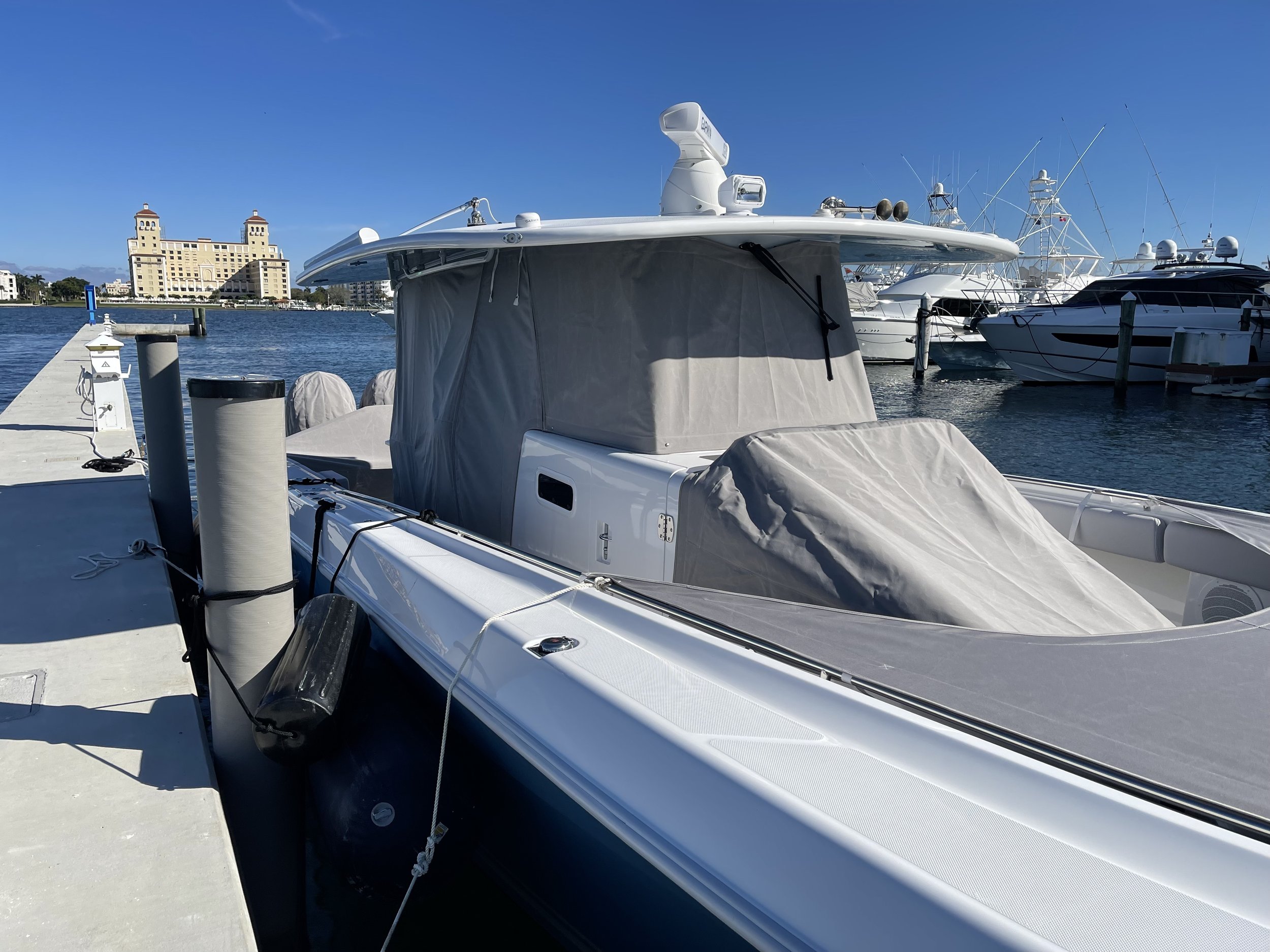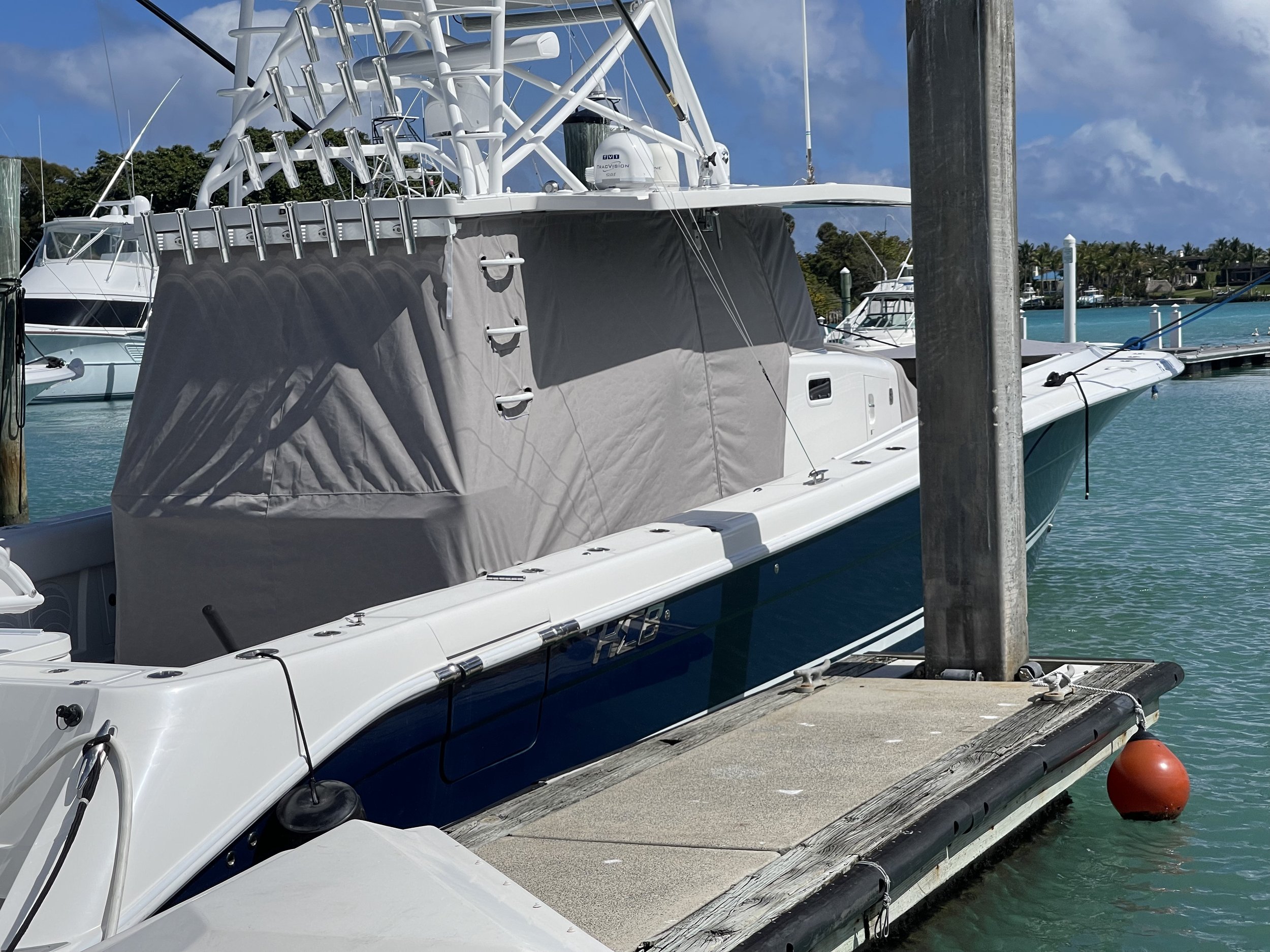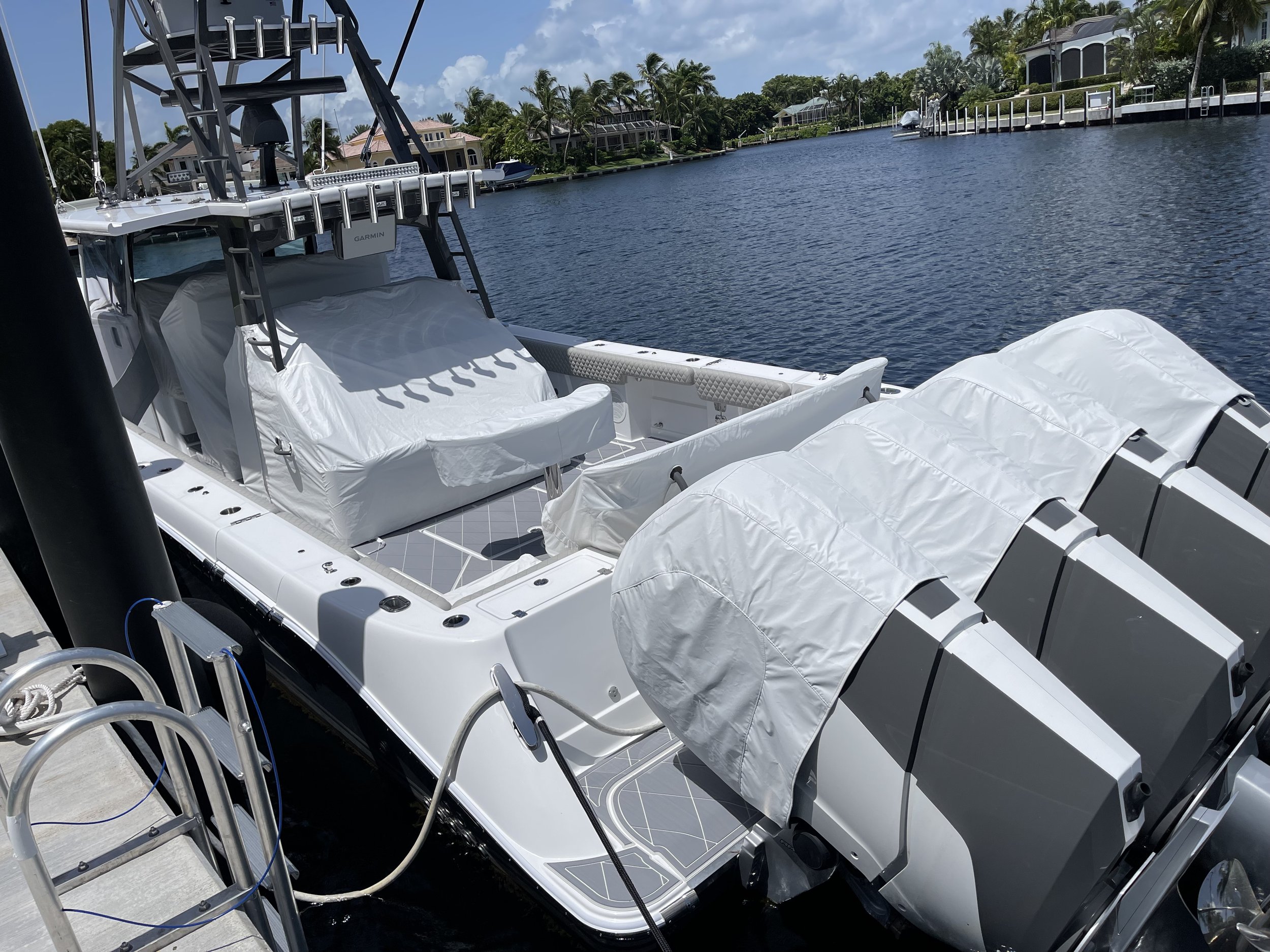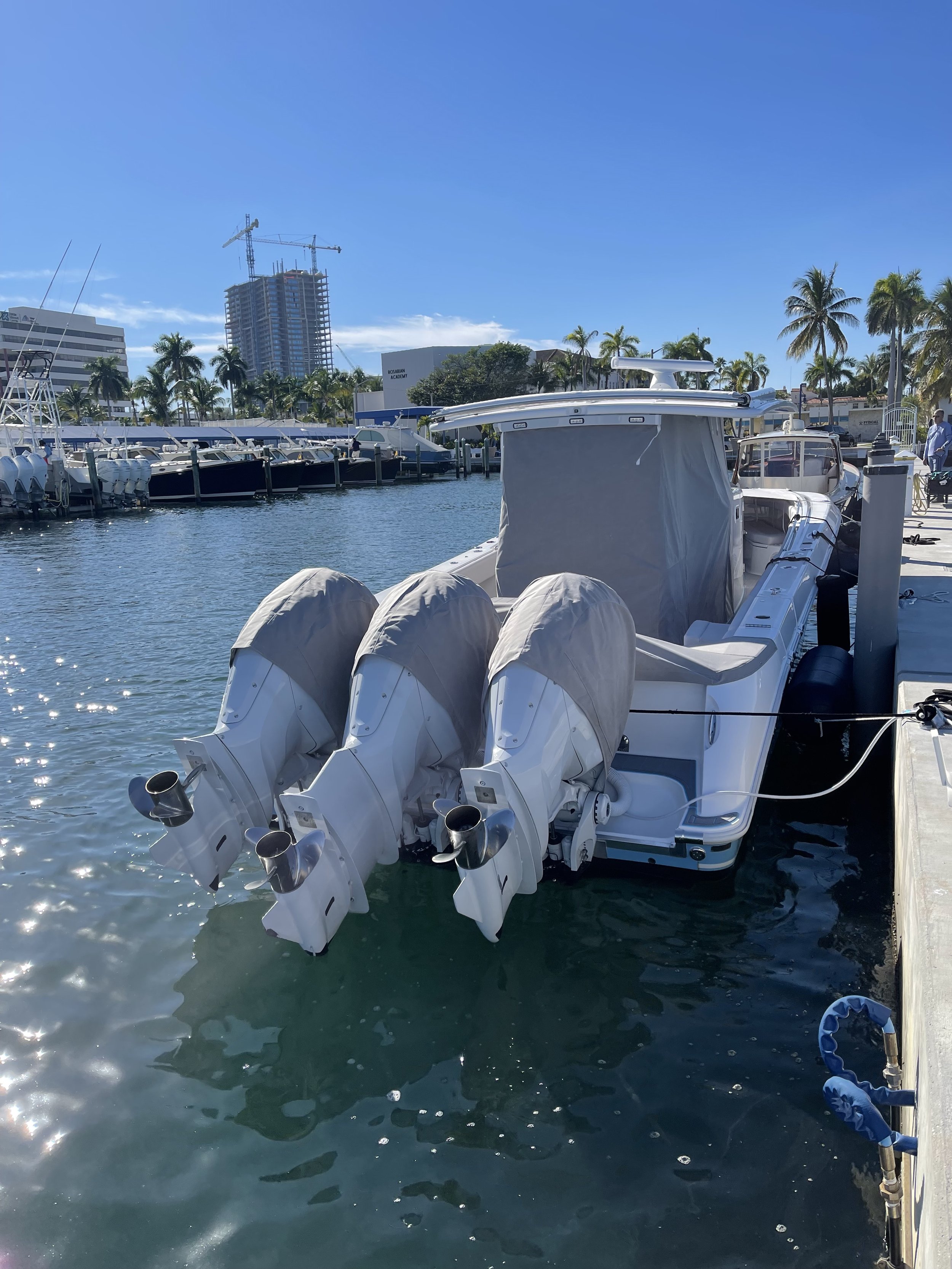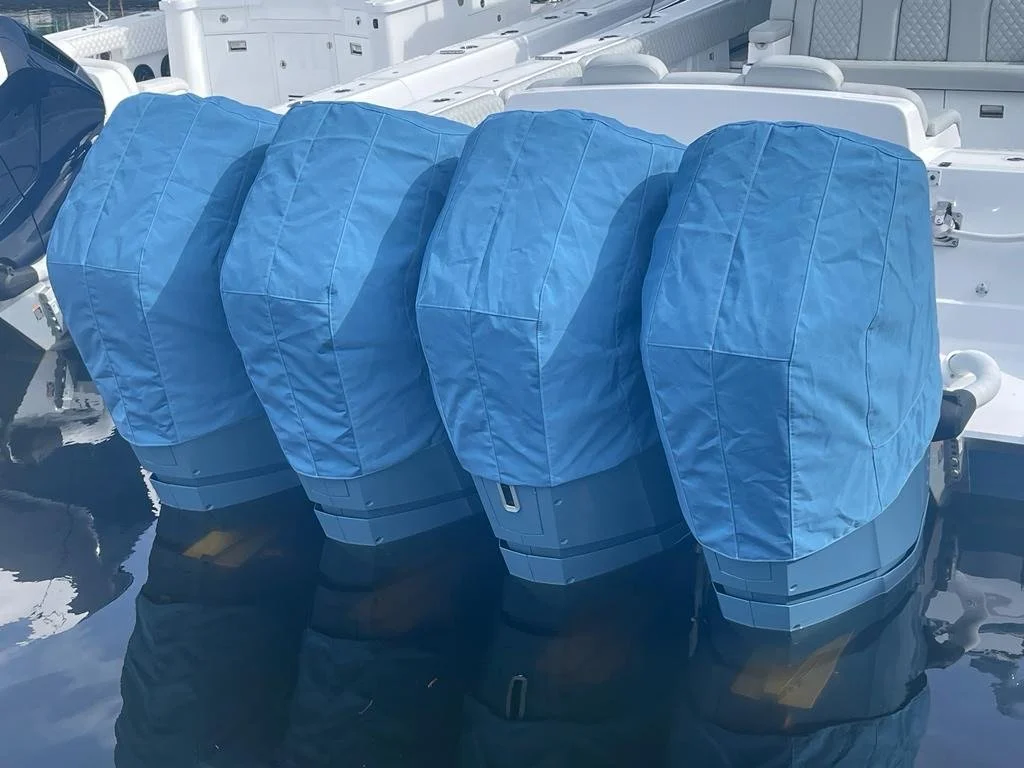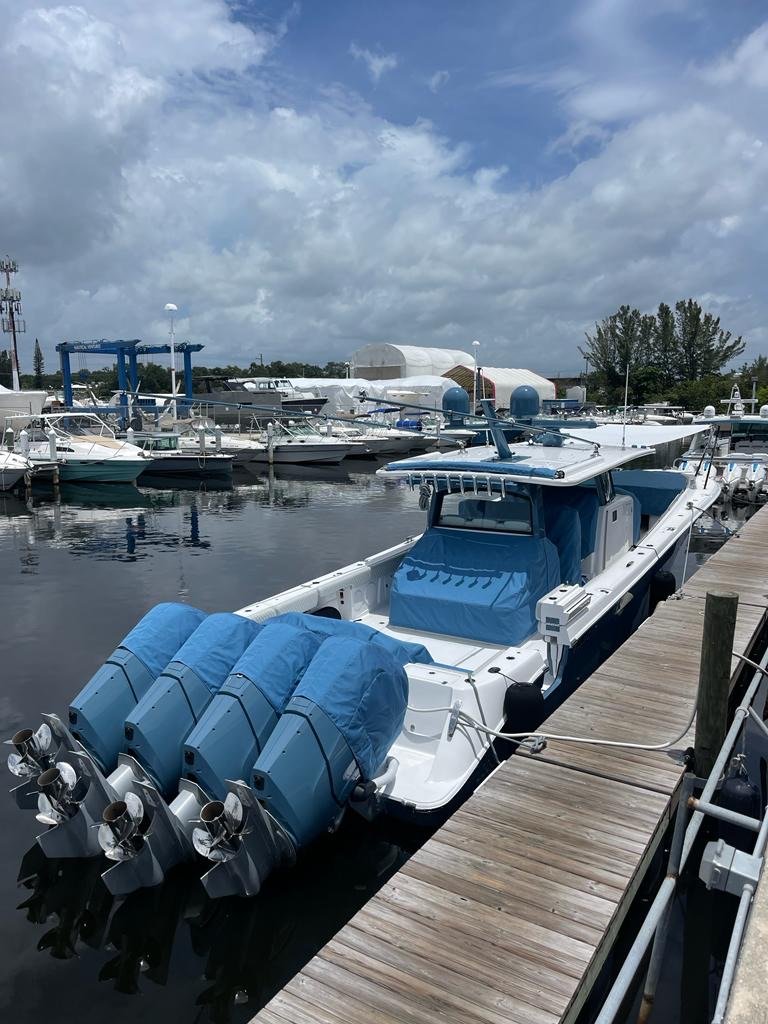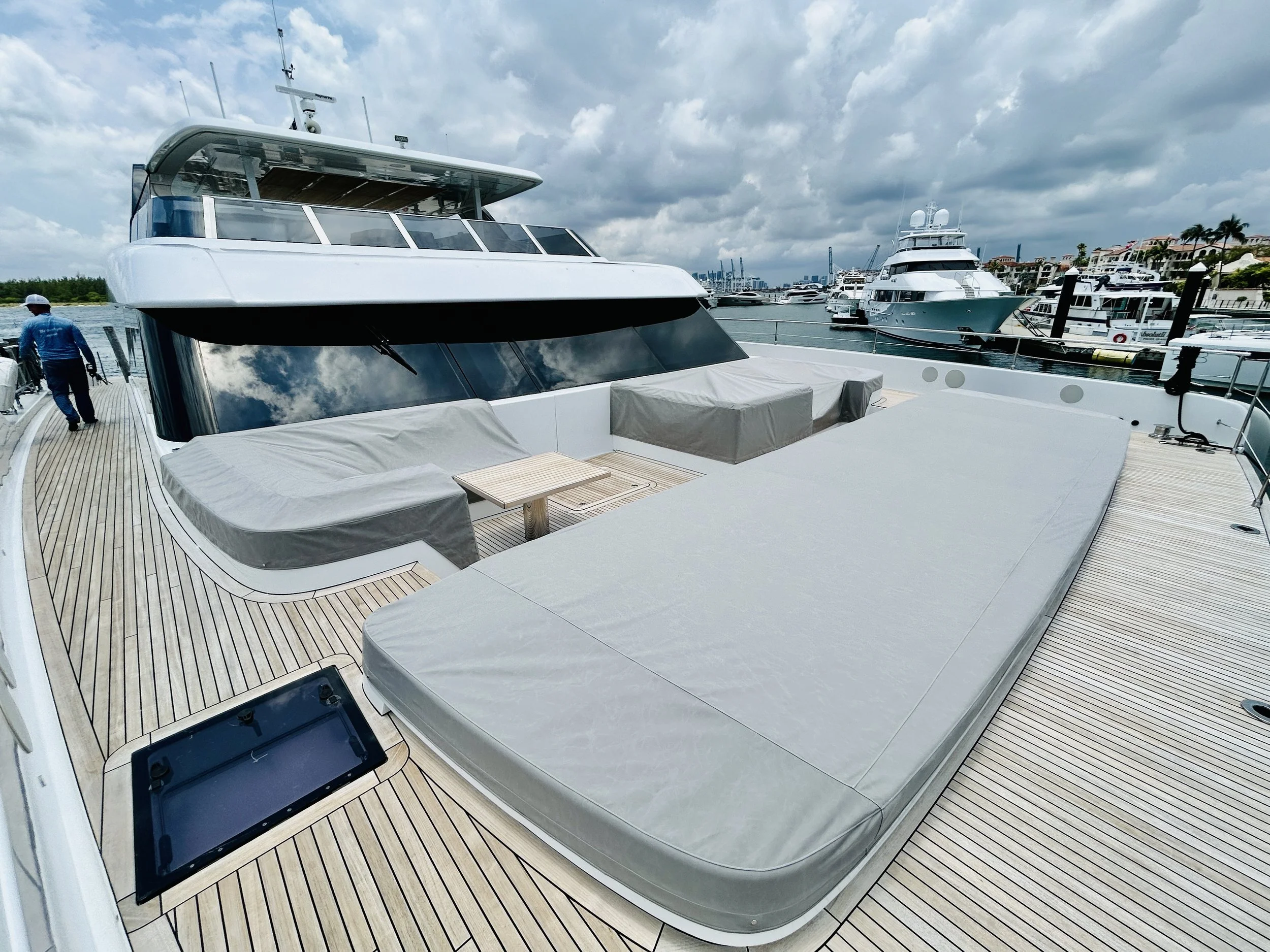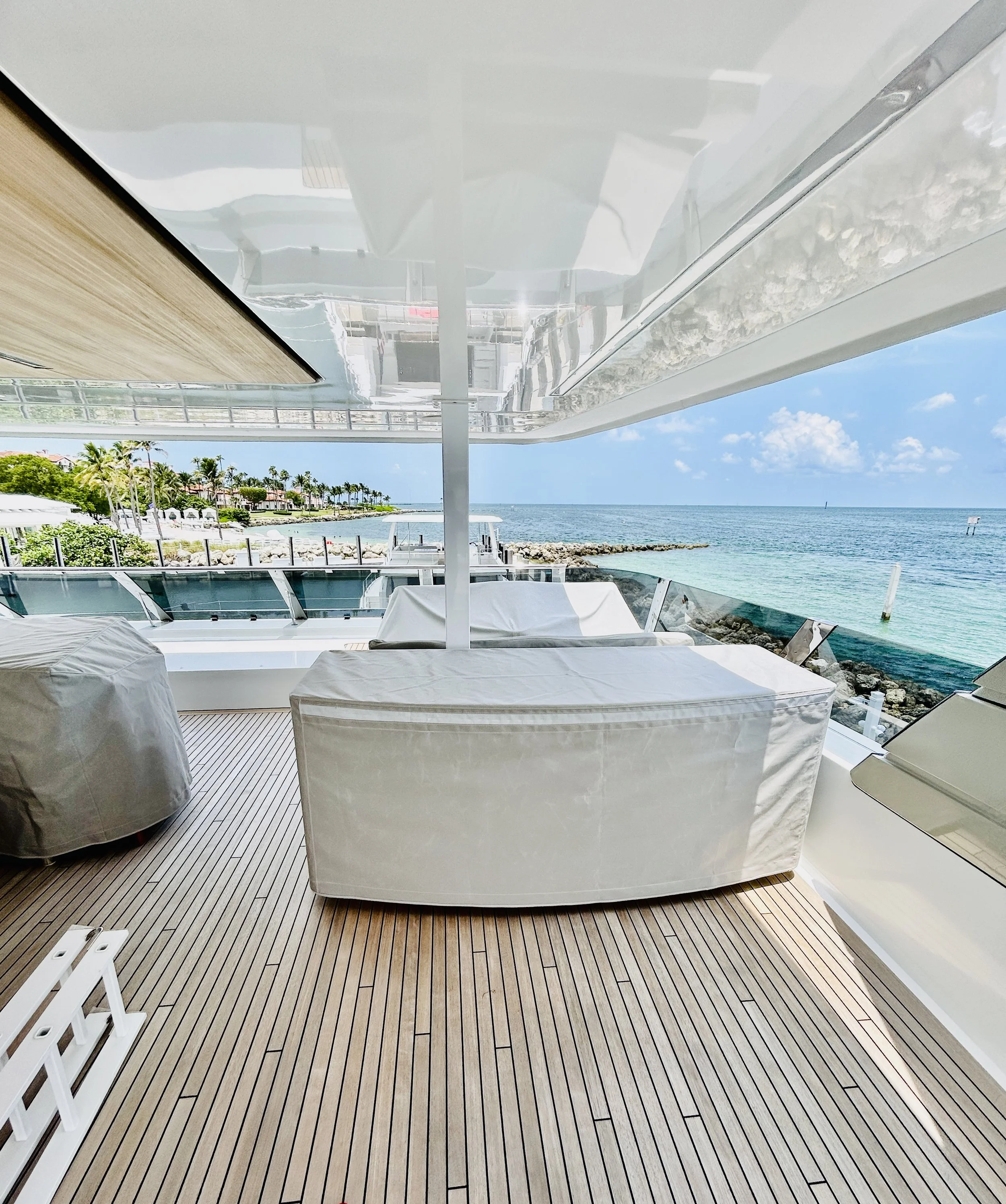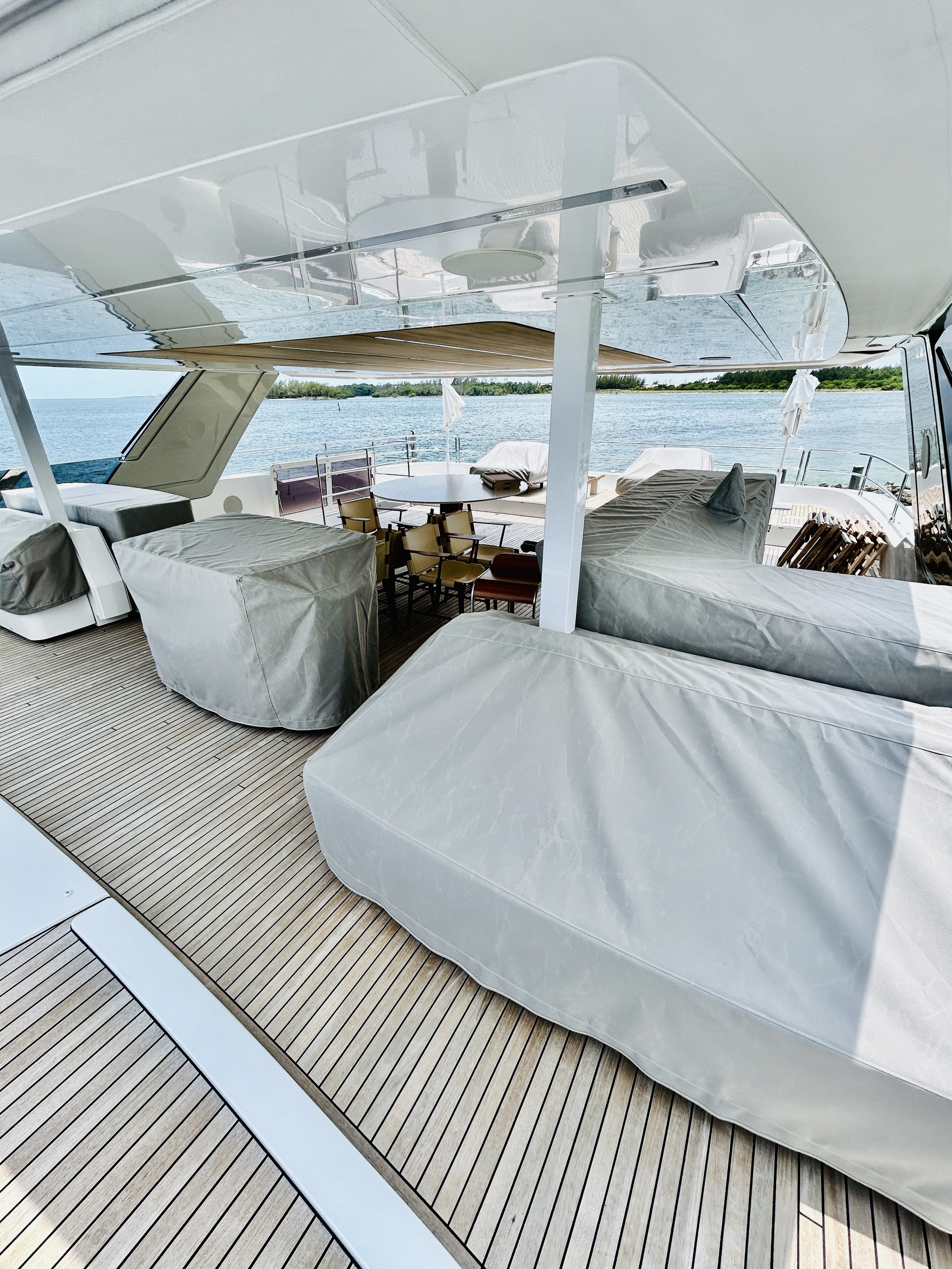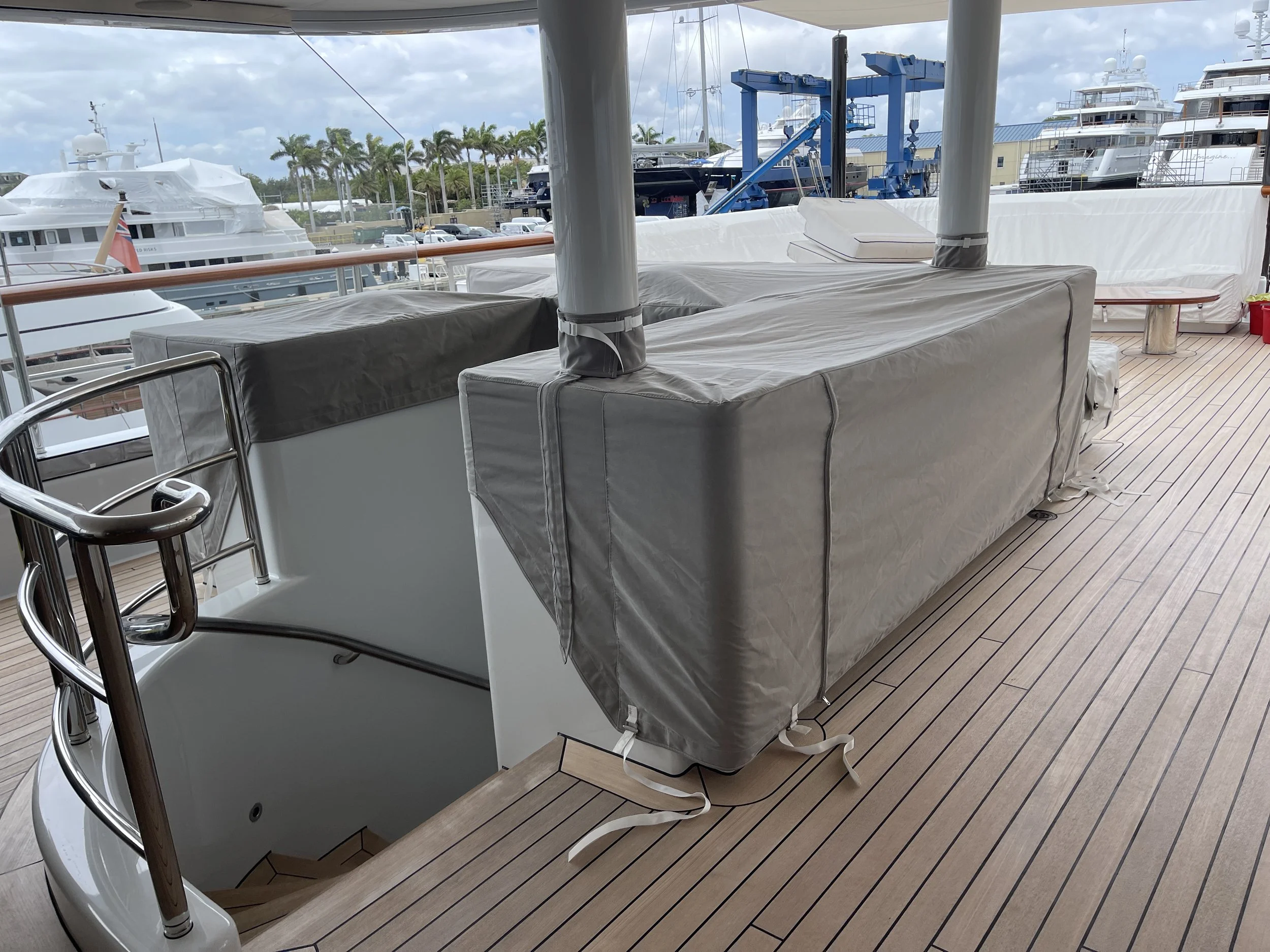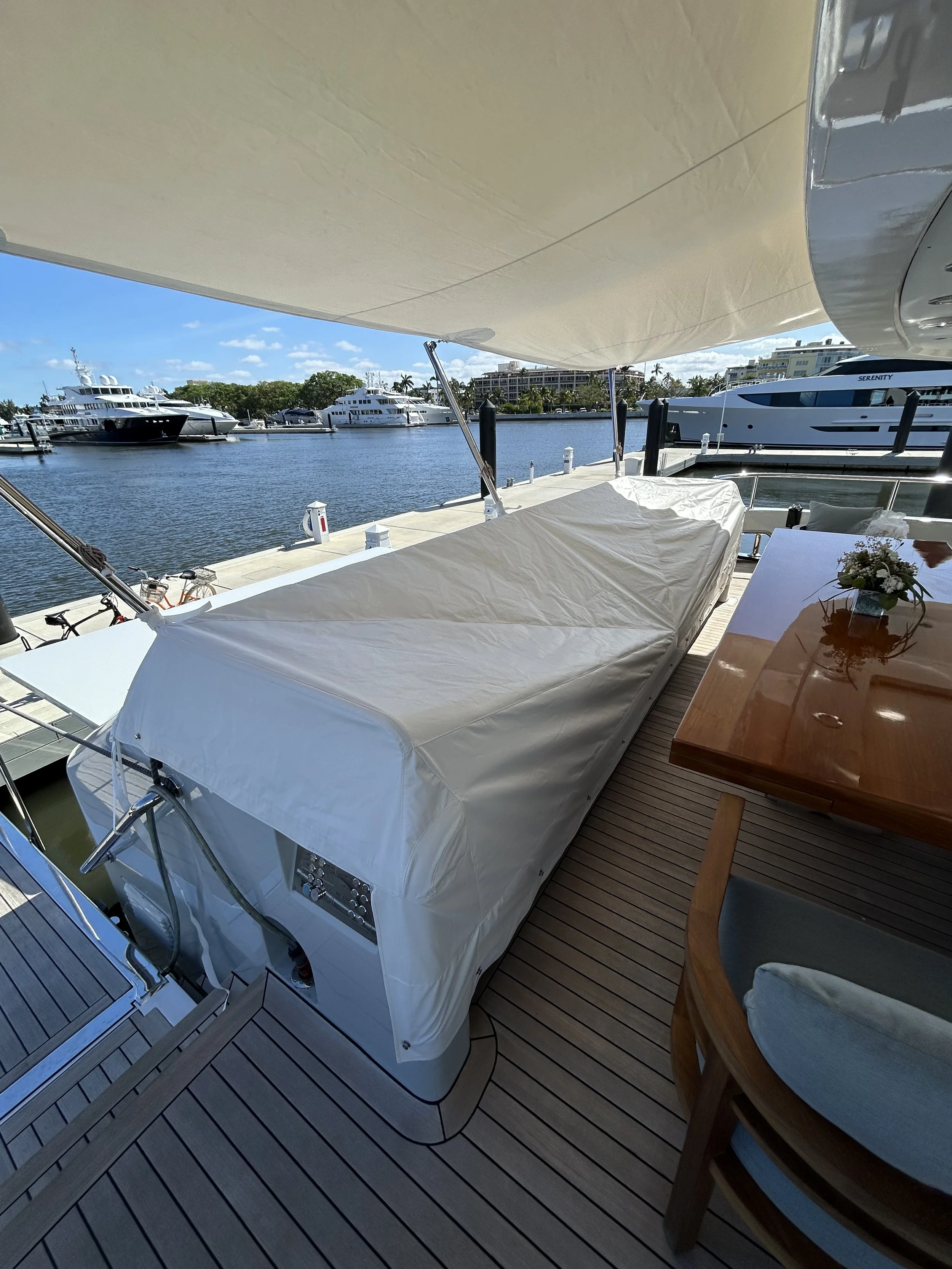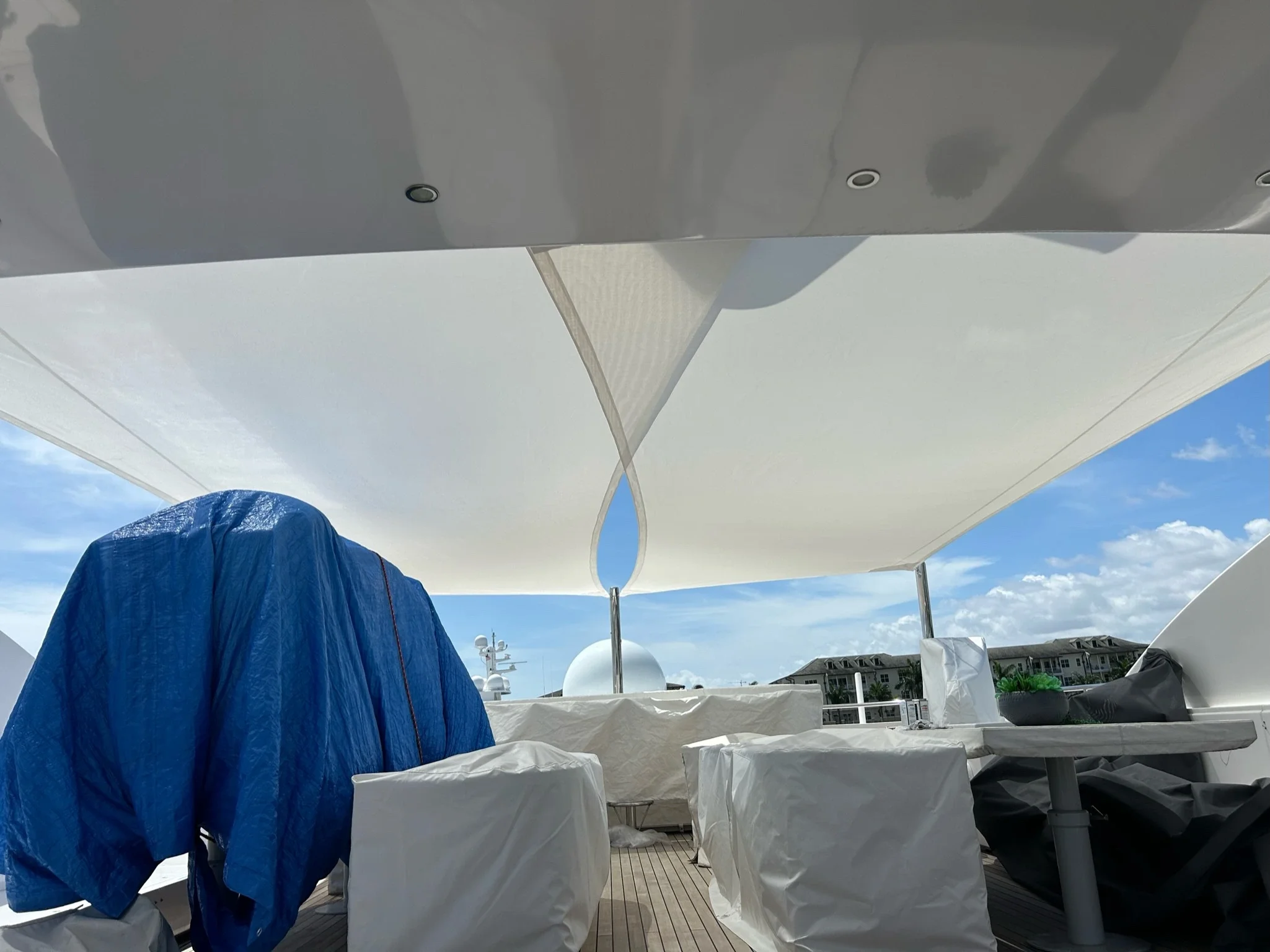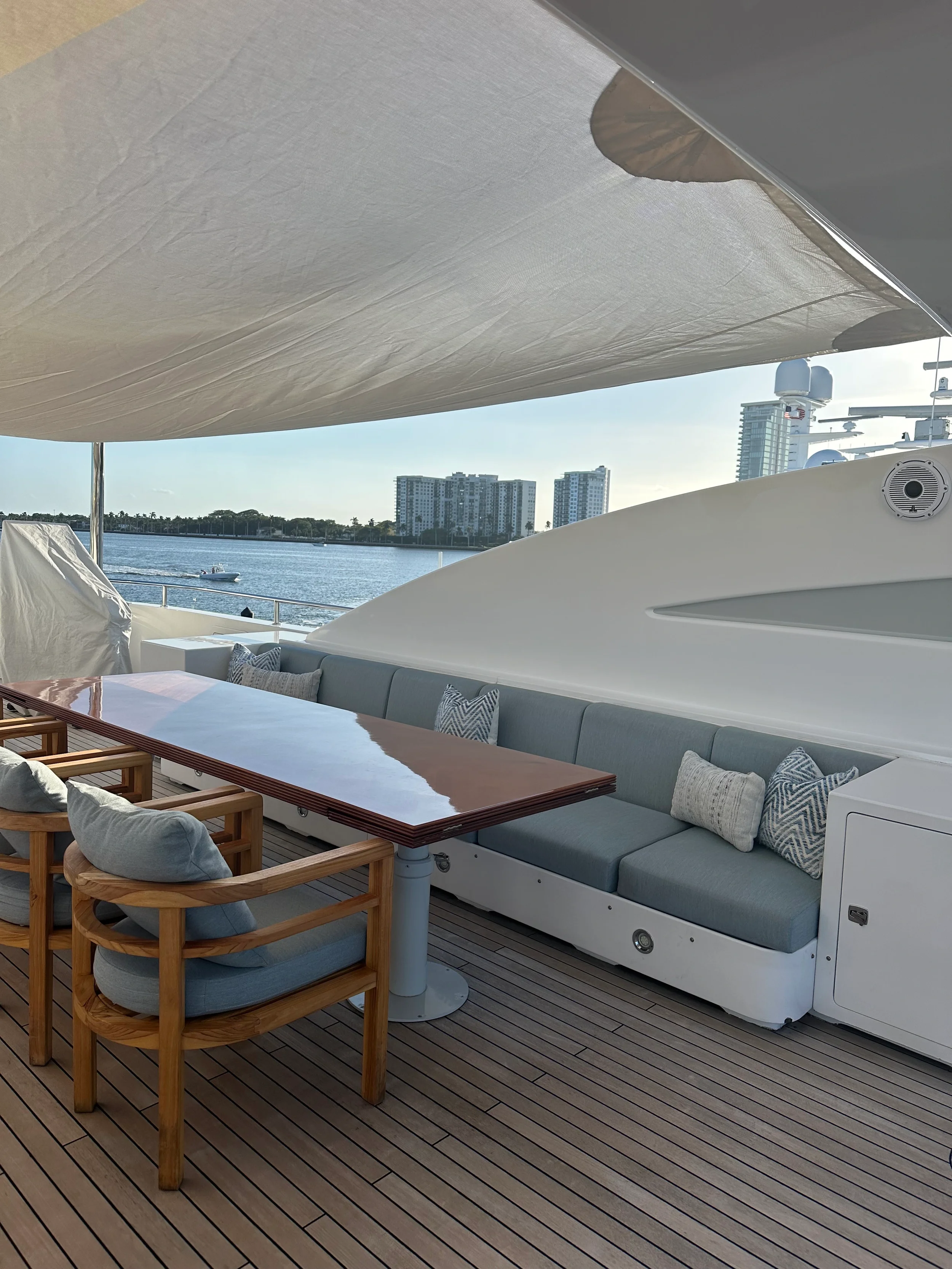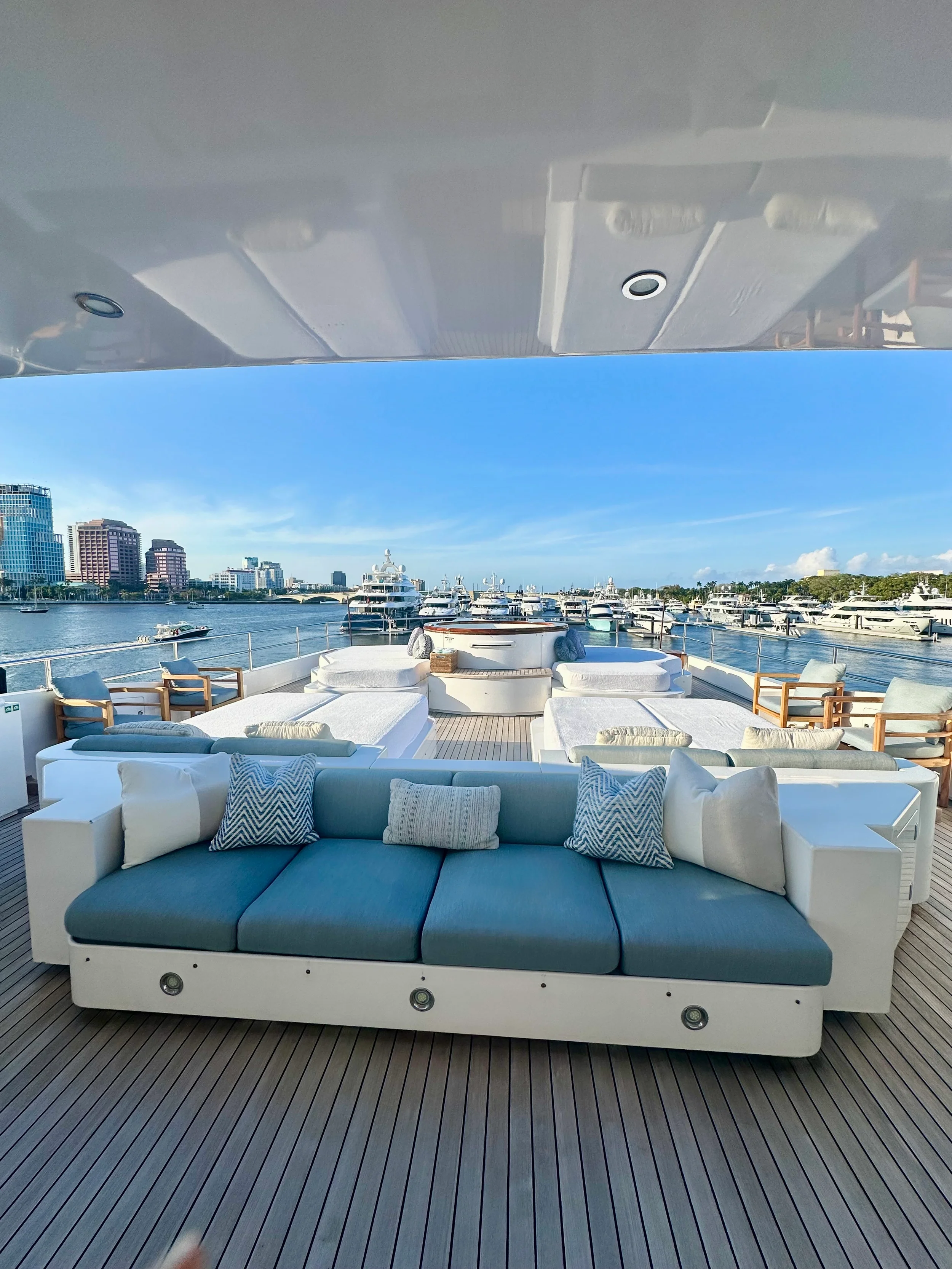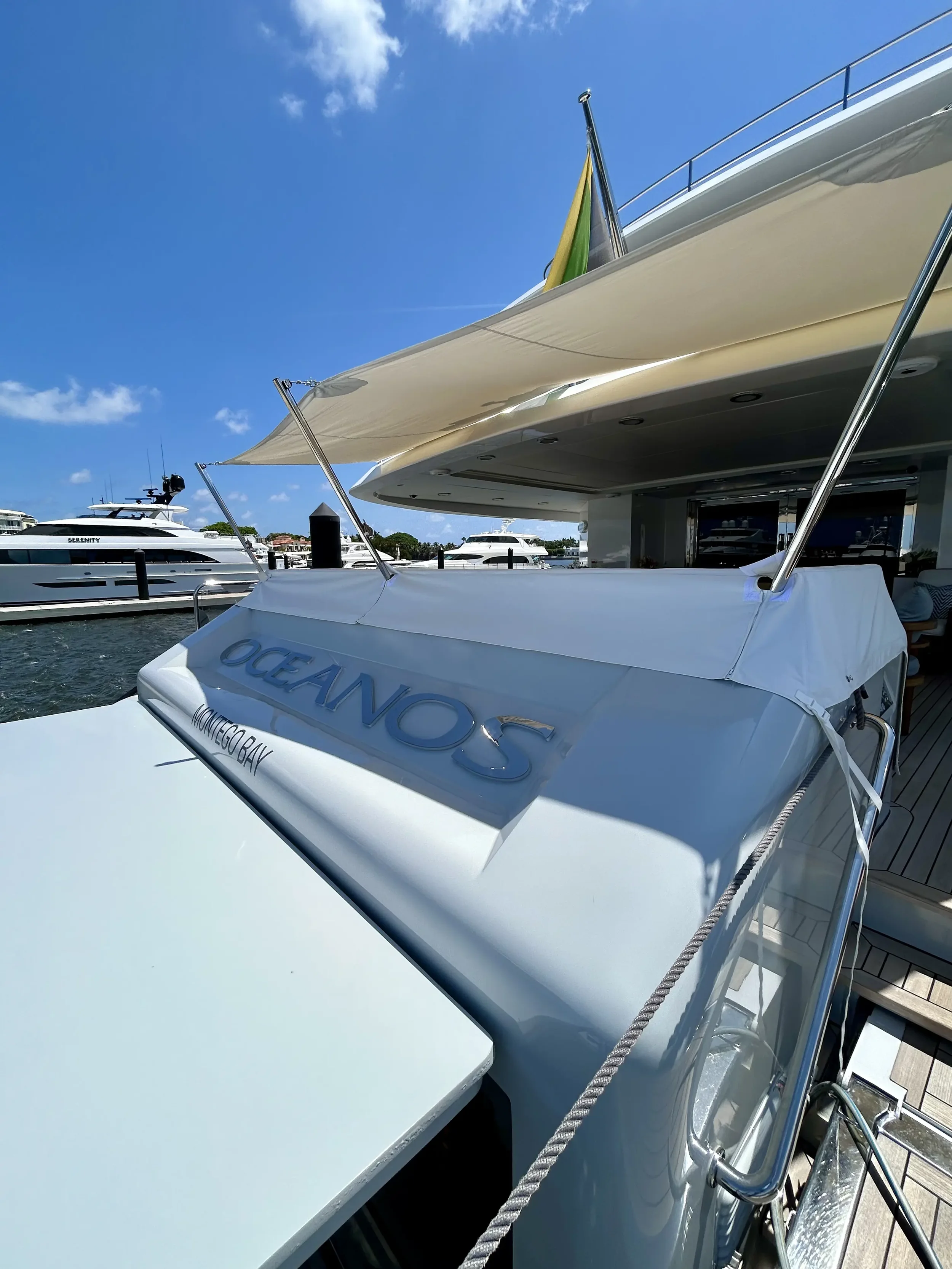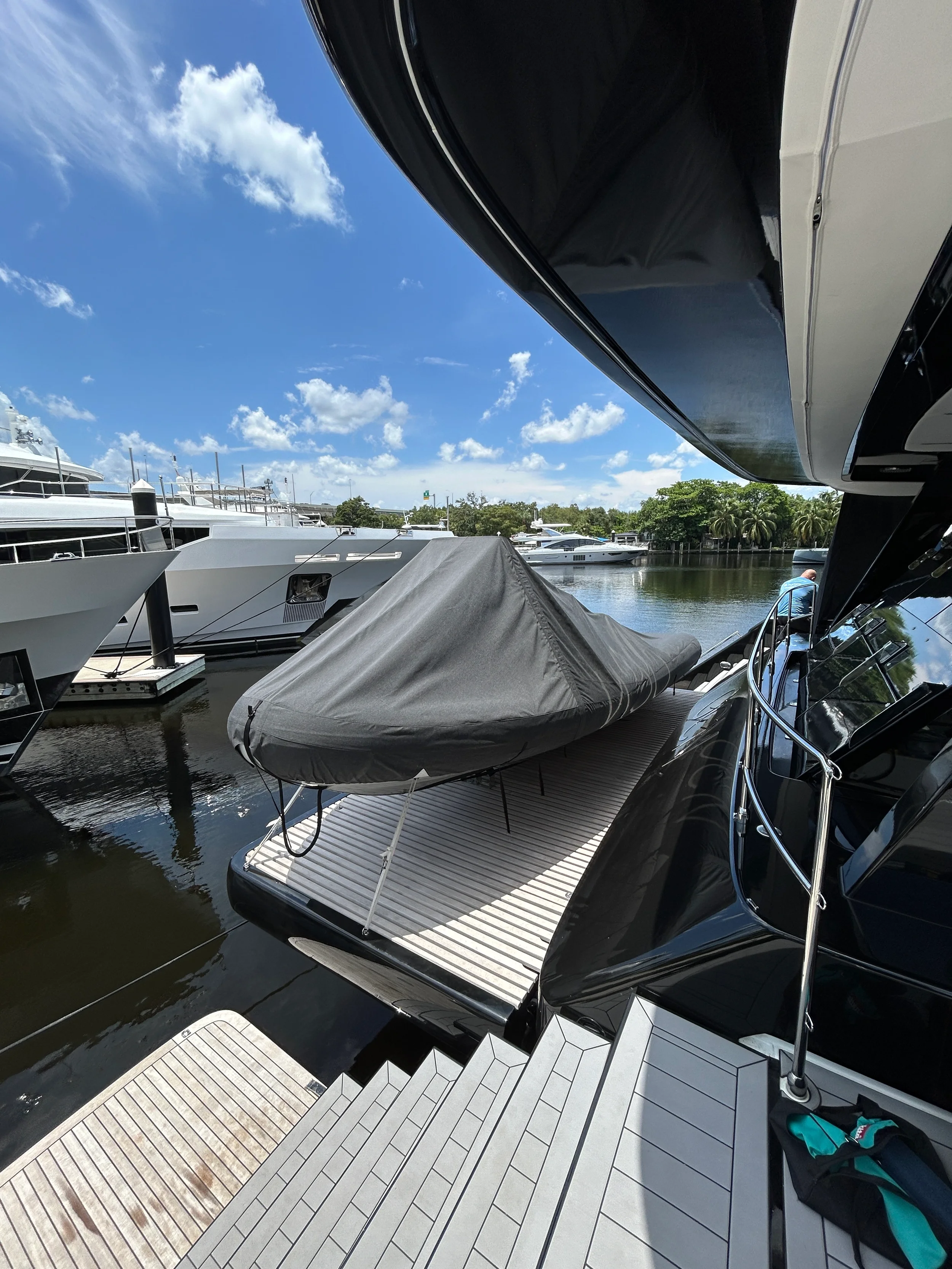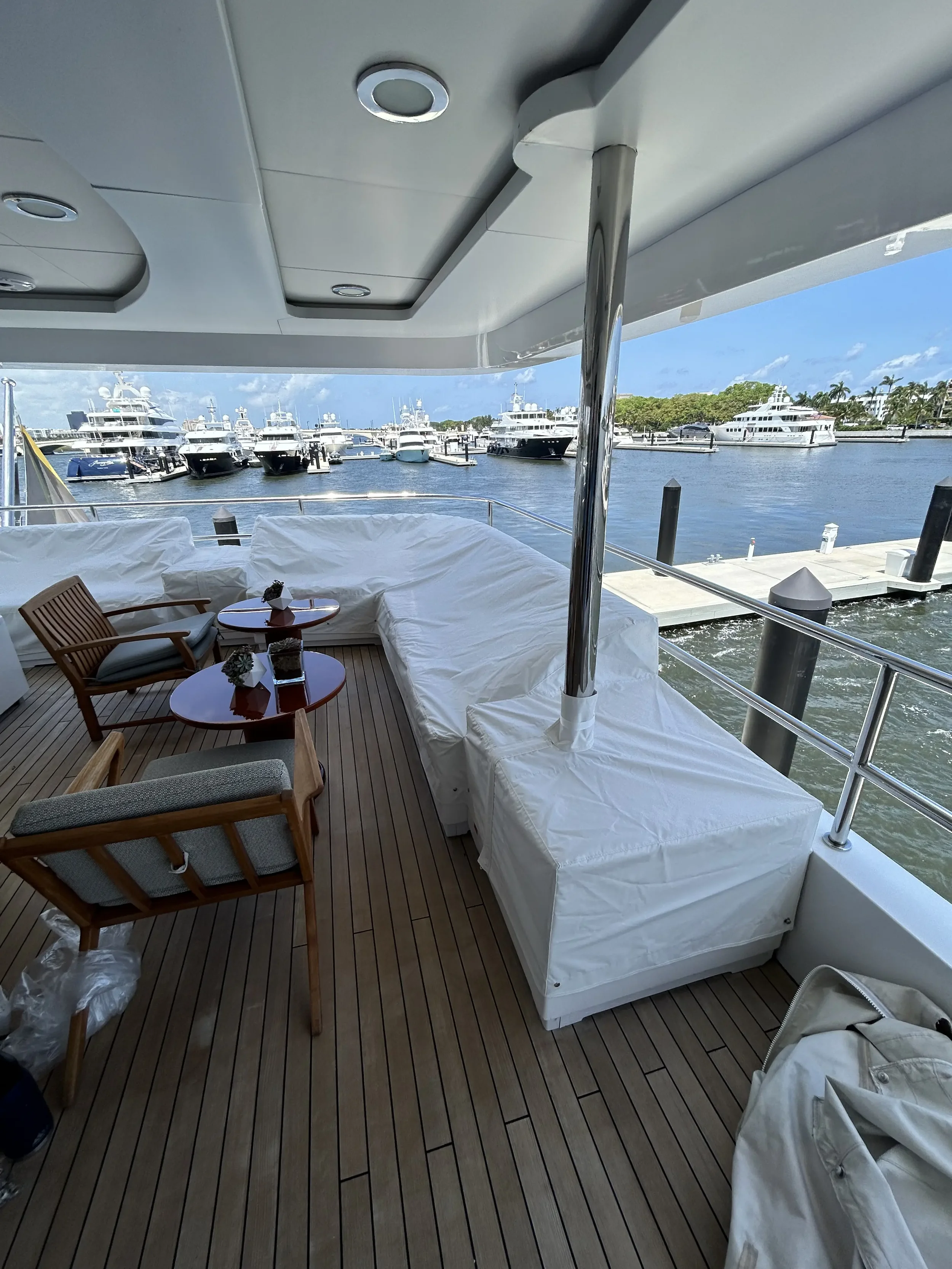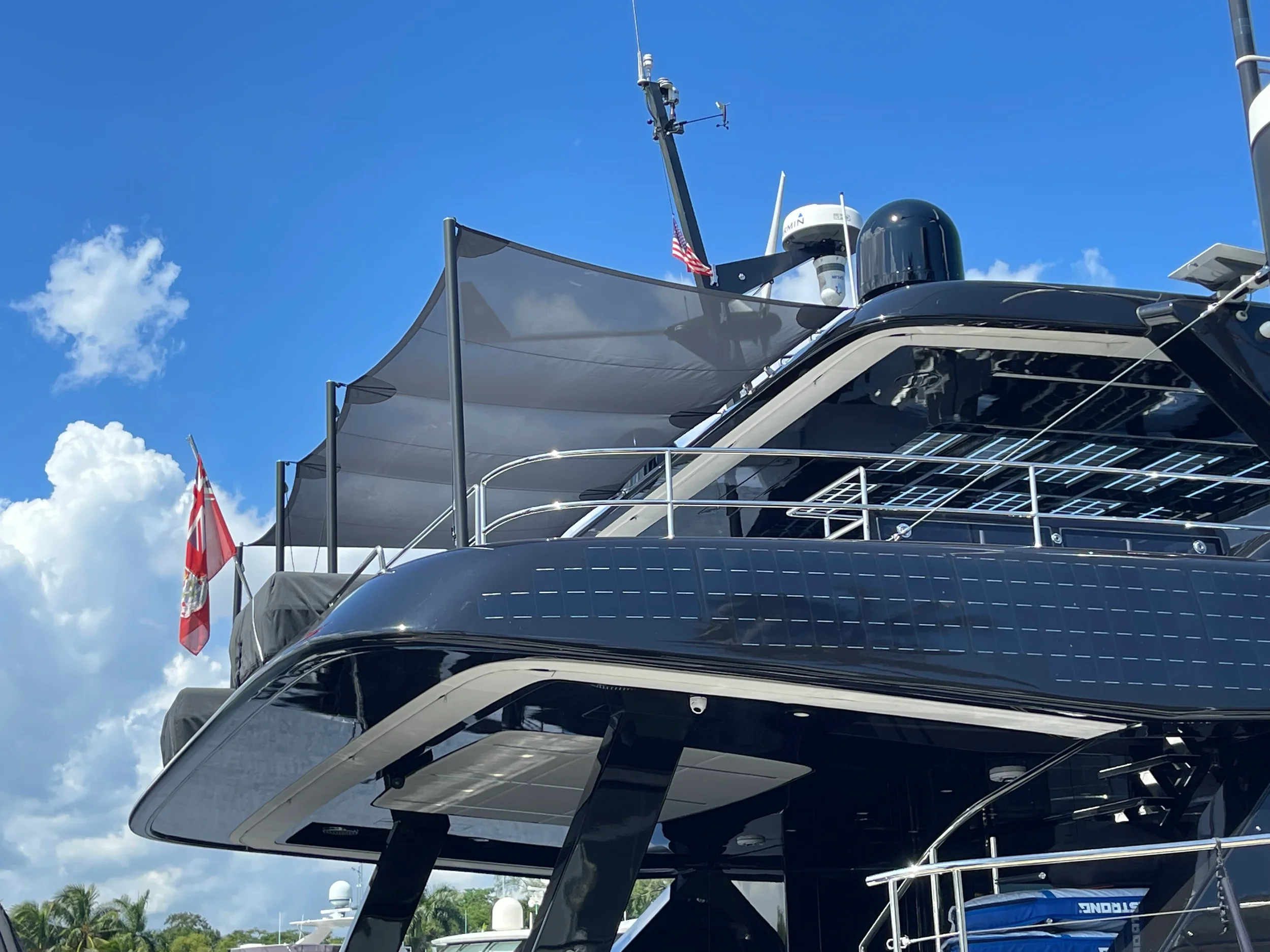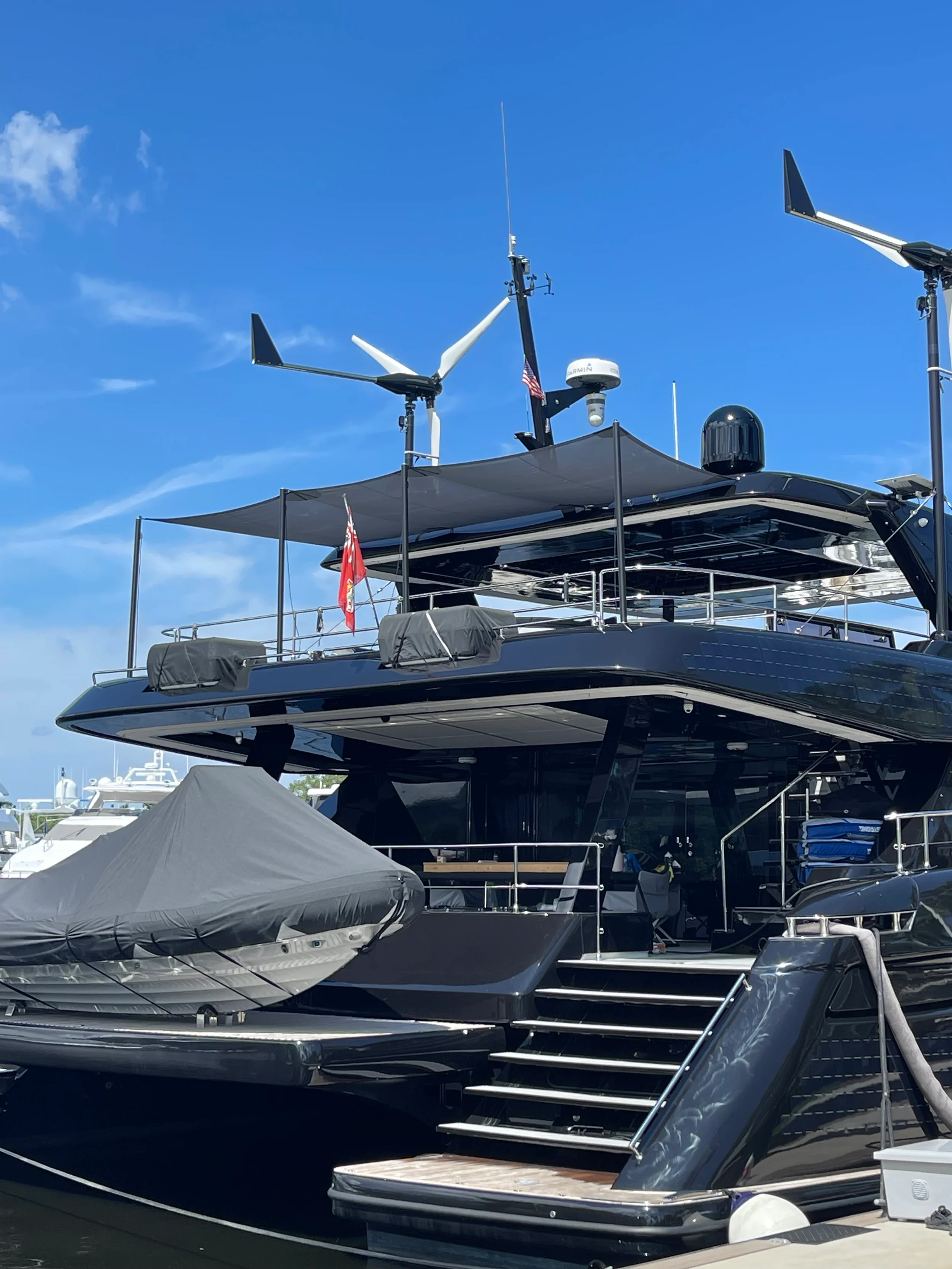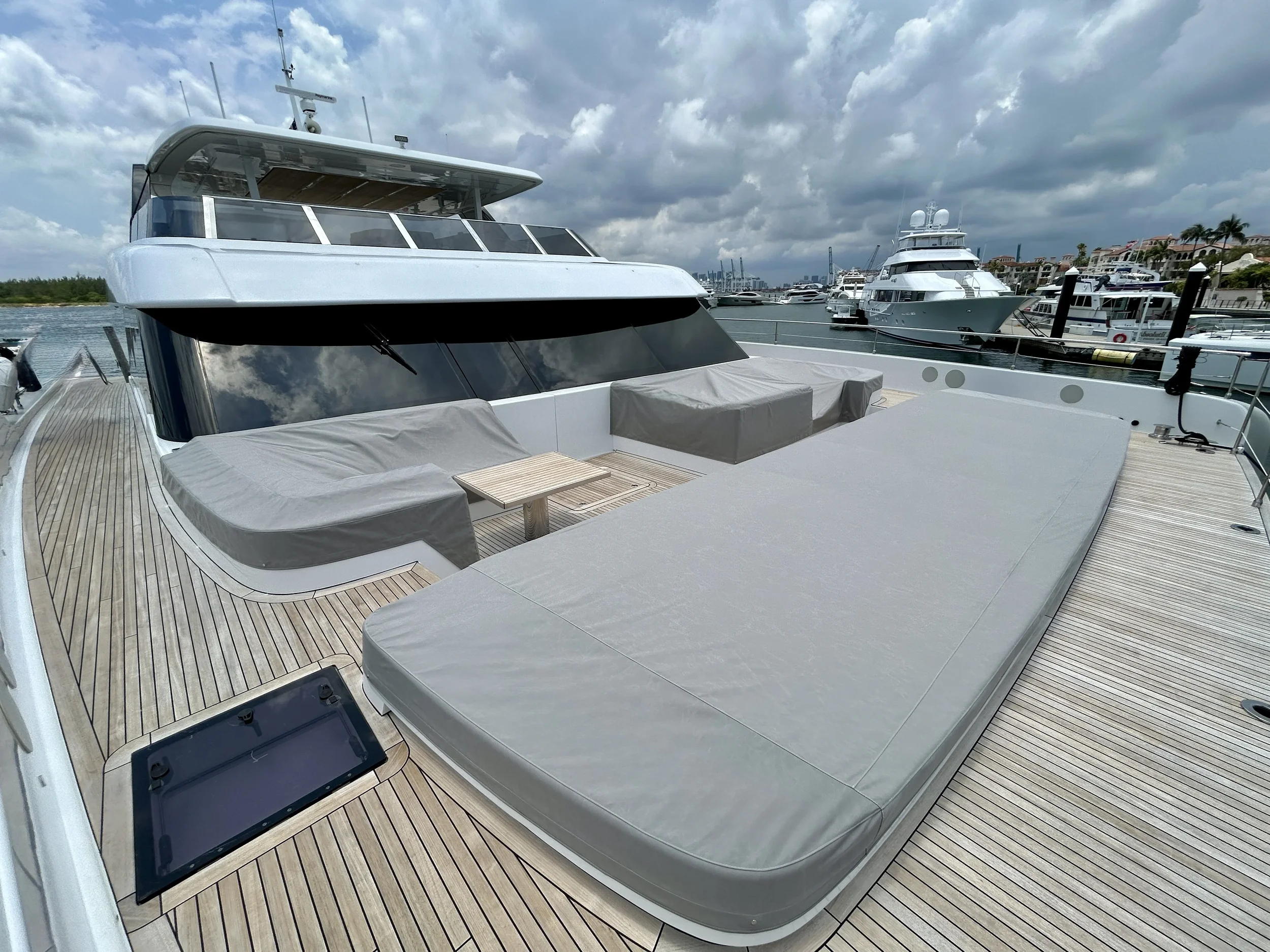
The Ultimate Guide to Custom Boat Cover Selection 2025

Imagine gliding into the marina and seeing your boat protected under a custom boat cover that fits perfectly, no unsightly sagging or mildew in sight. In 2025, picking the right custom boat cover is more important than ever, keeping your investment safe, your boat looking sharp, and your maintenance routine simple. This guide cuts through the noise, breaking down everything you need to know about choosing a custom boat cover, covering materials, fit, the latest tech, and expert tips so you can make the smartest decision for your vessel.

Why Custom Boat Covers Matter in 2025

Imagine your boat exposed to relentless sun, sudden storms, salty air, and airborne grime. In 2025, these threats have only intensified. According to NOAA, UV indices are on the rise, and weather patterns have grown more unpredictable. If you dock in coastal regions, salt and humidity become a daily battle. Pollution is everywhere, and it speeds up wear. Boats left unprotected see up to 20 percent faster depreciation, according to BoatUS. Mold, mildew, and fading are not just annoyances—they are expensive, recurring headaches. Marinas from Florida to California are full of stories about interiors ruined by one bad season without a custom boat cover.

Why Custom Boat Covers Matter in 2025

The Evolving Threats to Your Boat

Every year, the risks grow. Stronger UV rays cause rapid fading and brittle vinyl. Fiercer storms mean more water intrusion. Salt and humidity amplify corrosion and mold. Pollution settles into every seam. Without a custom boat cover, your vessel is on the front line. Real examples from marinas show that boats with generic covers suffer mildew outbreaks and interior fading, even after just one harsh summer. The smart move? Invest in a custom boat cover that shields against the full spectrum of 2025’s environmental threats.

Benefits of a Custom Fit

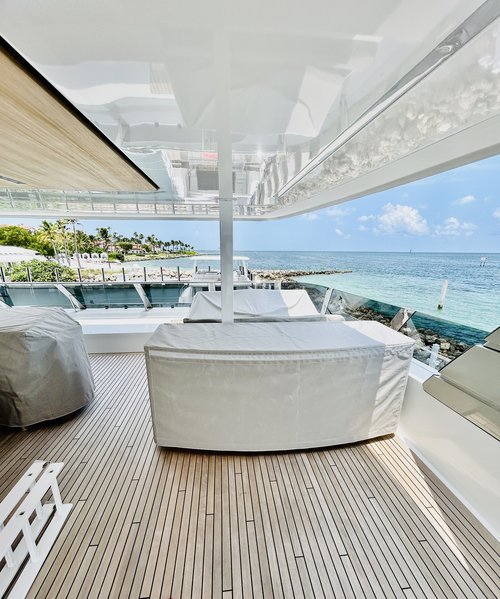
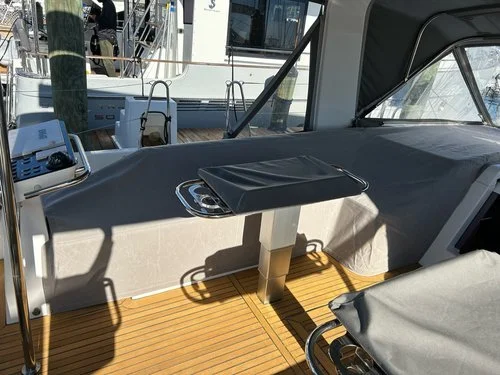
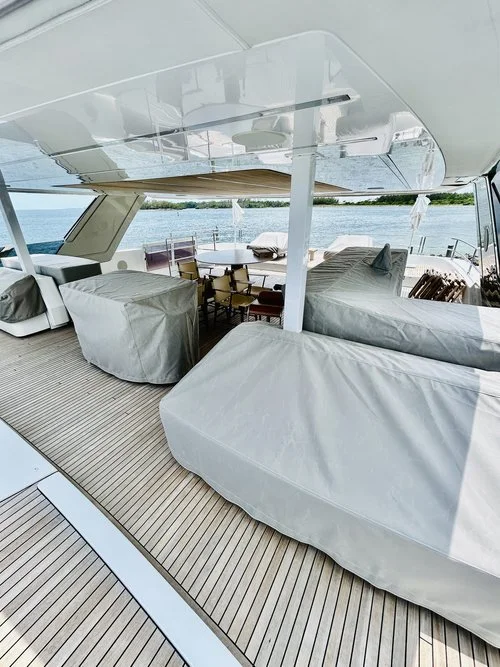
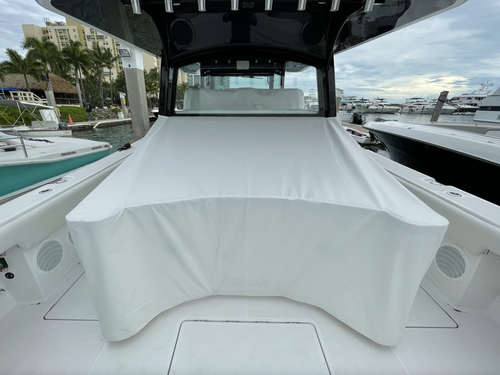
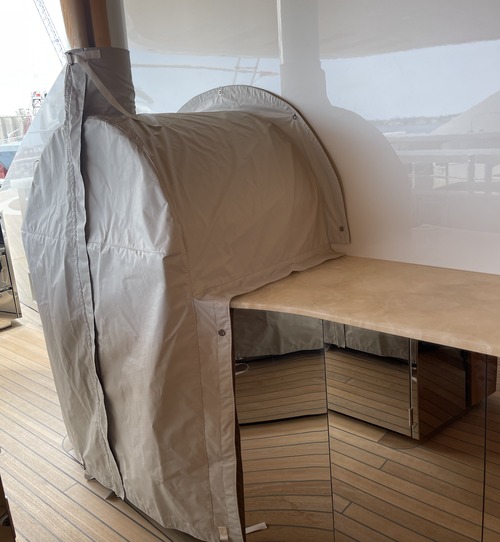
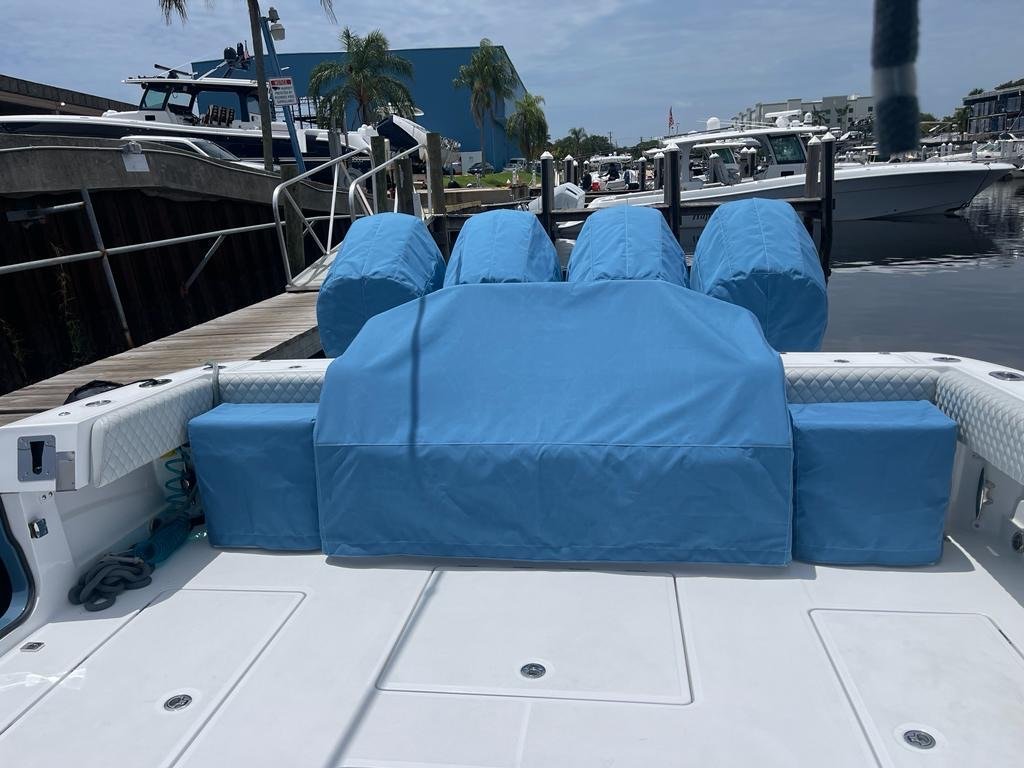
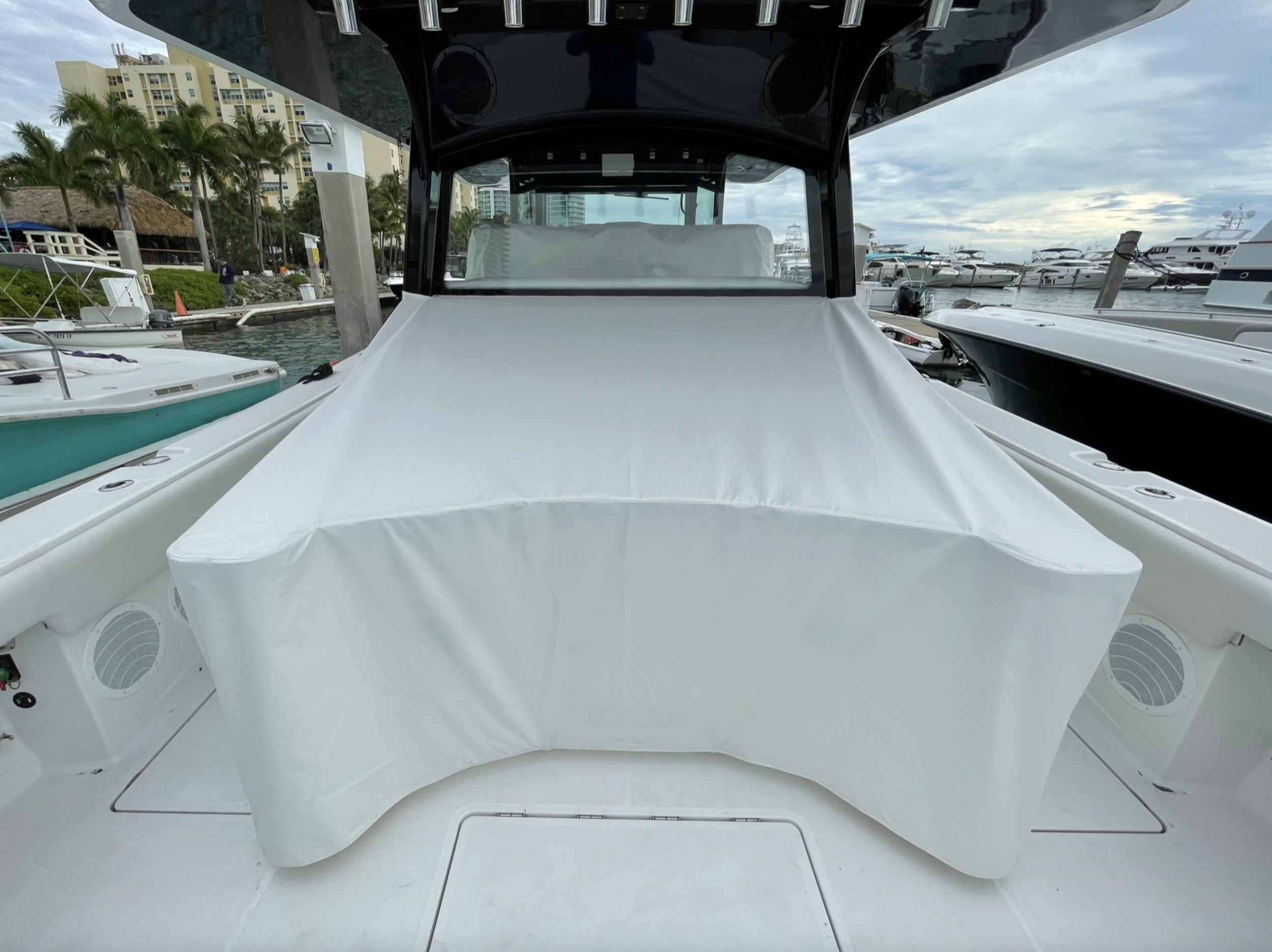
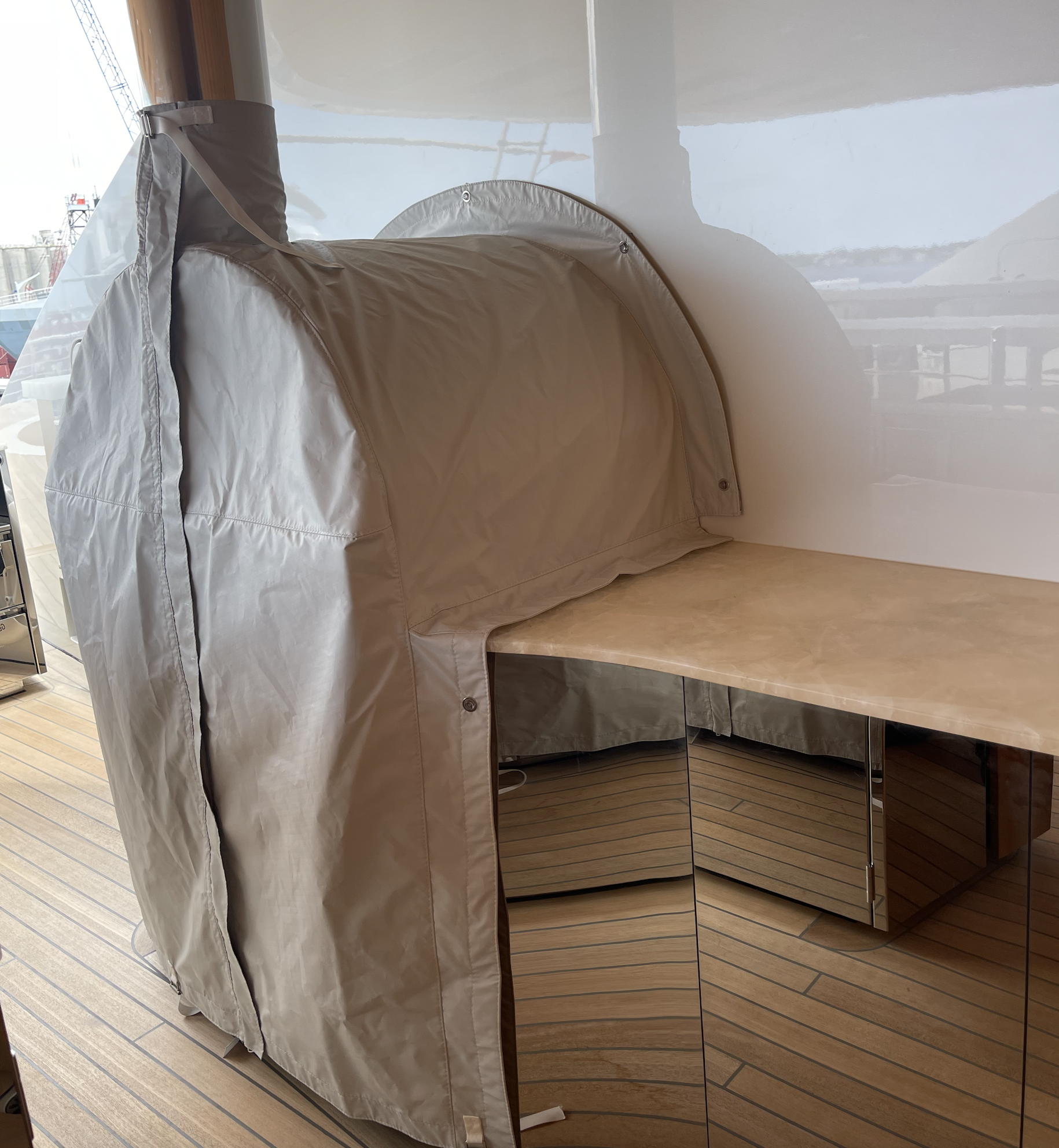
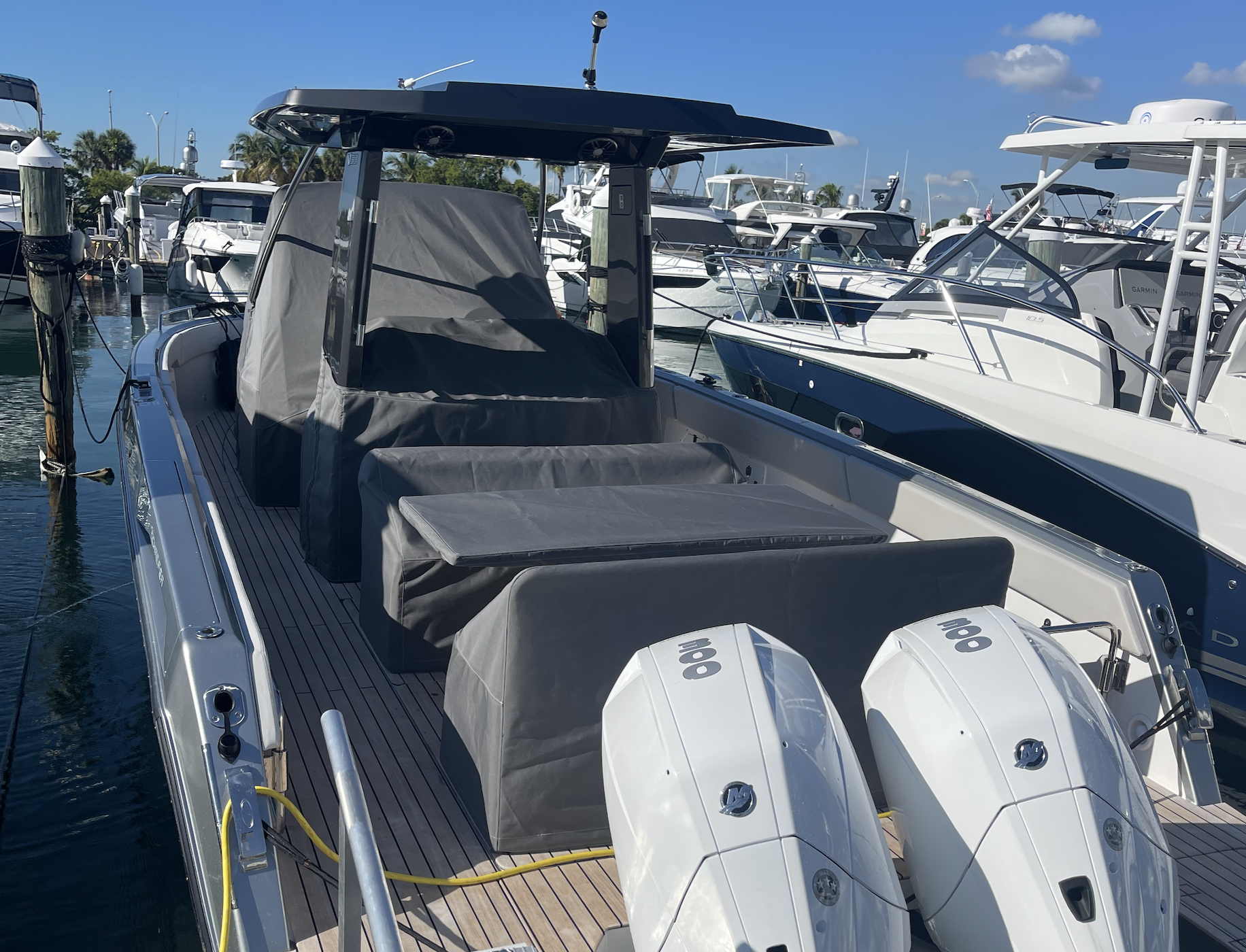
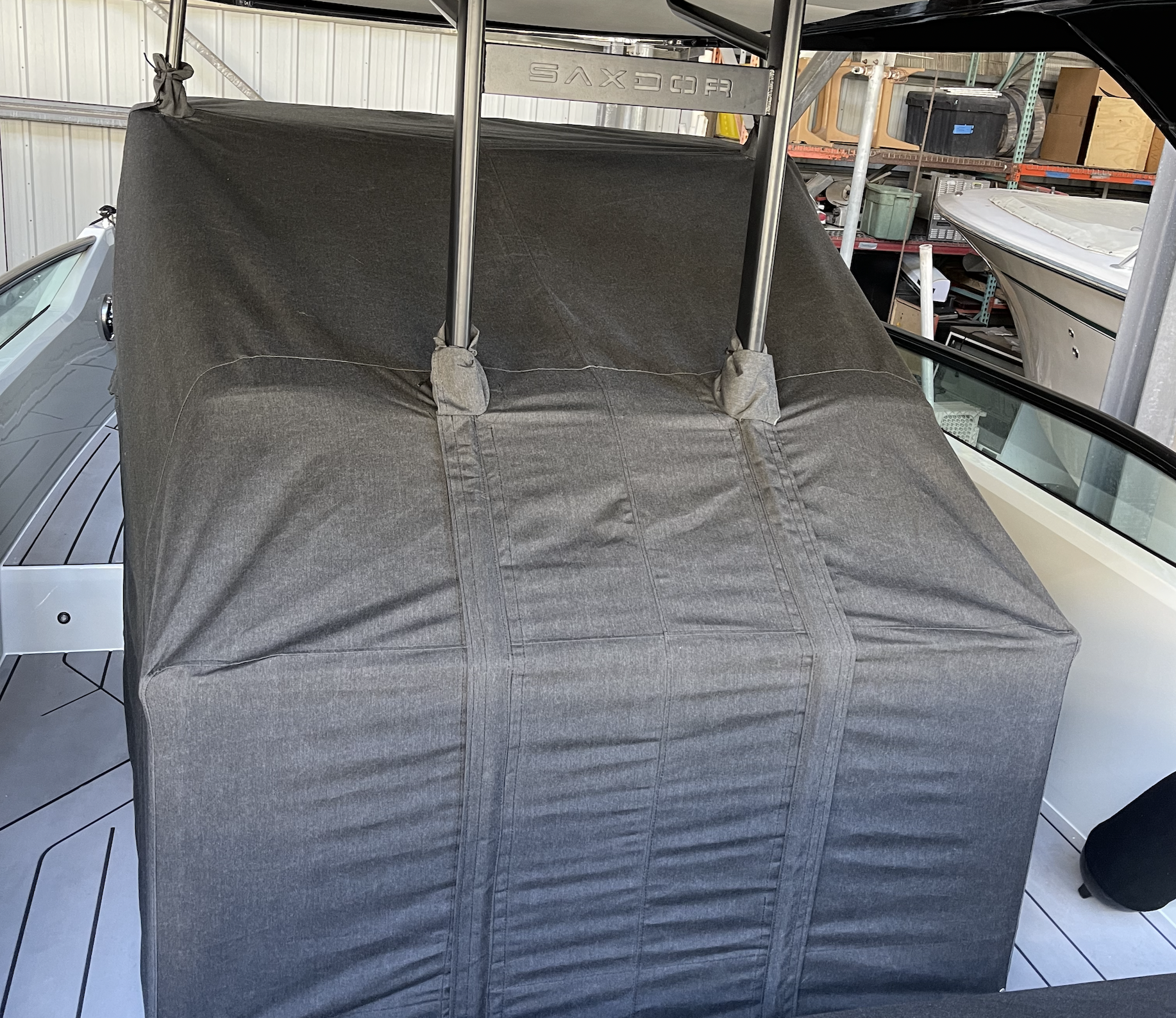
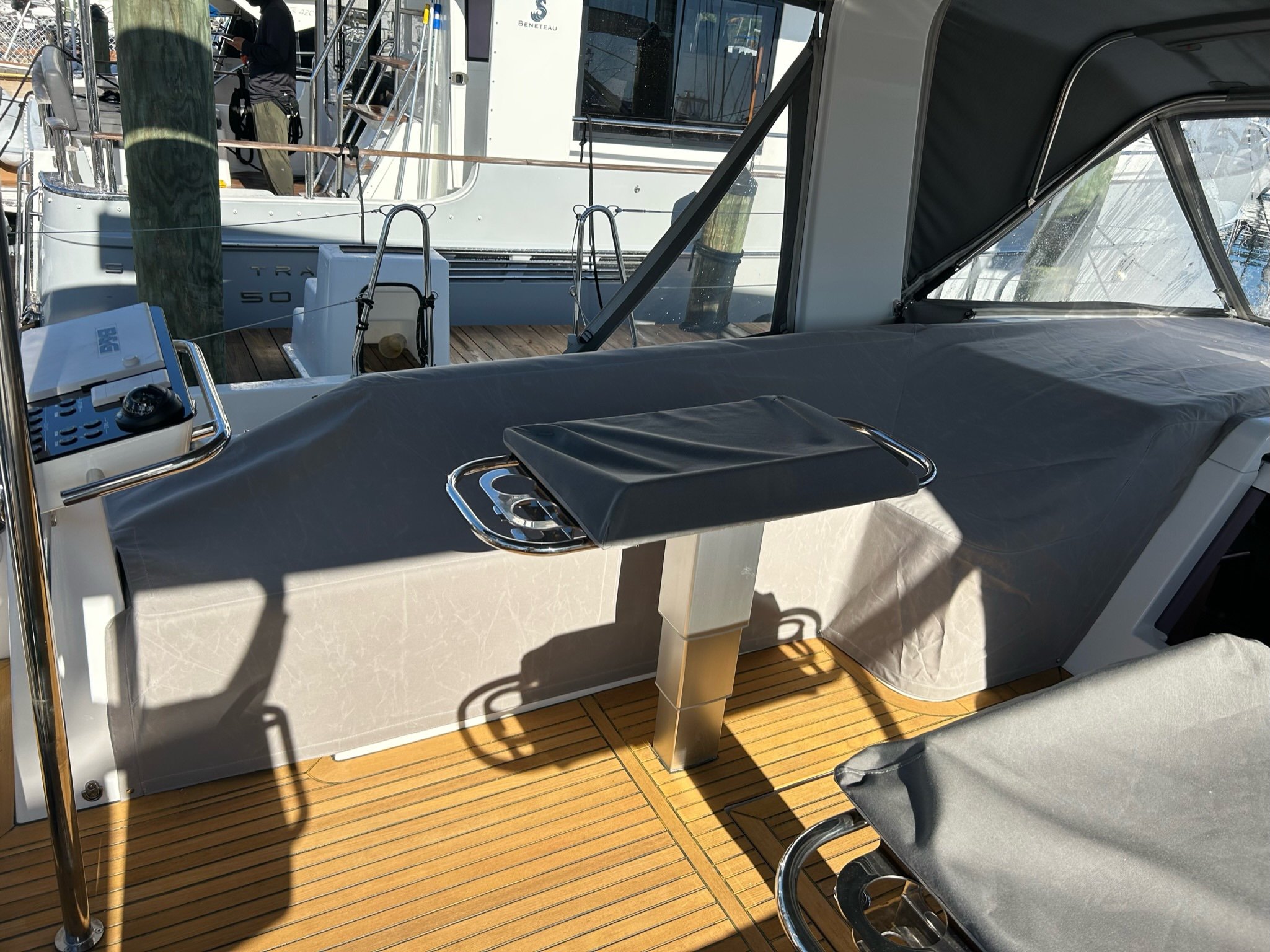
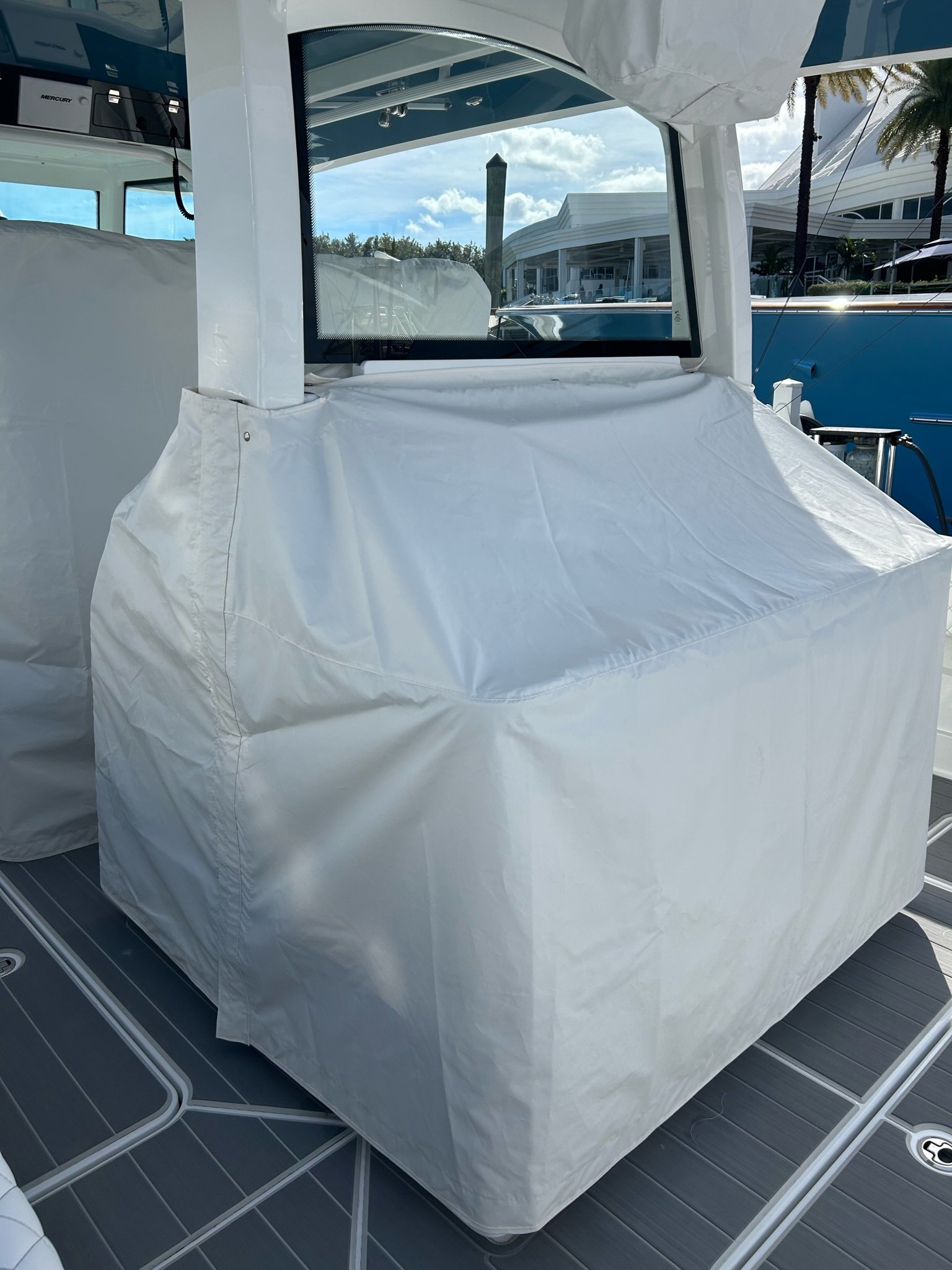
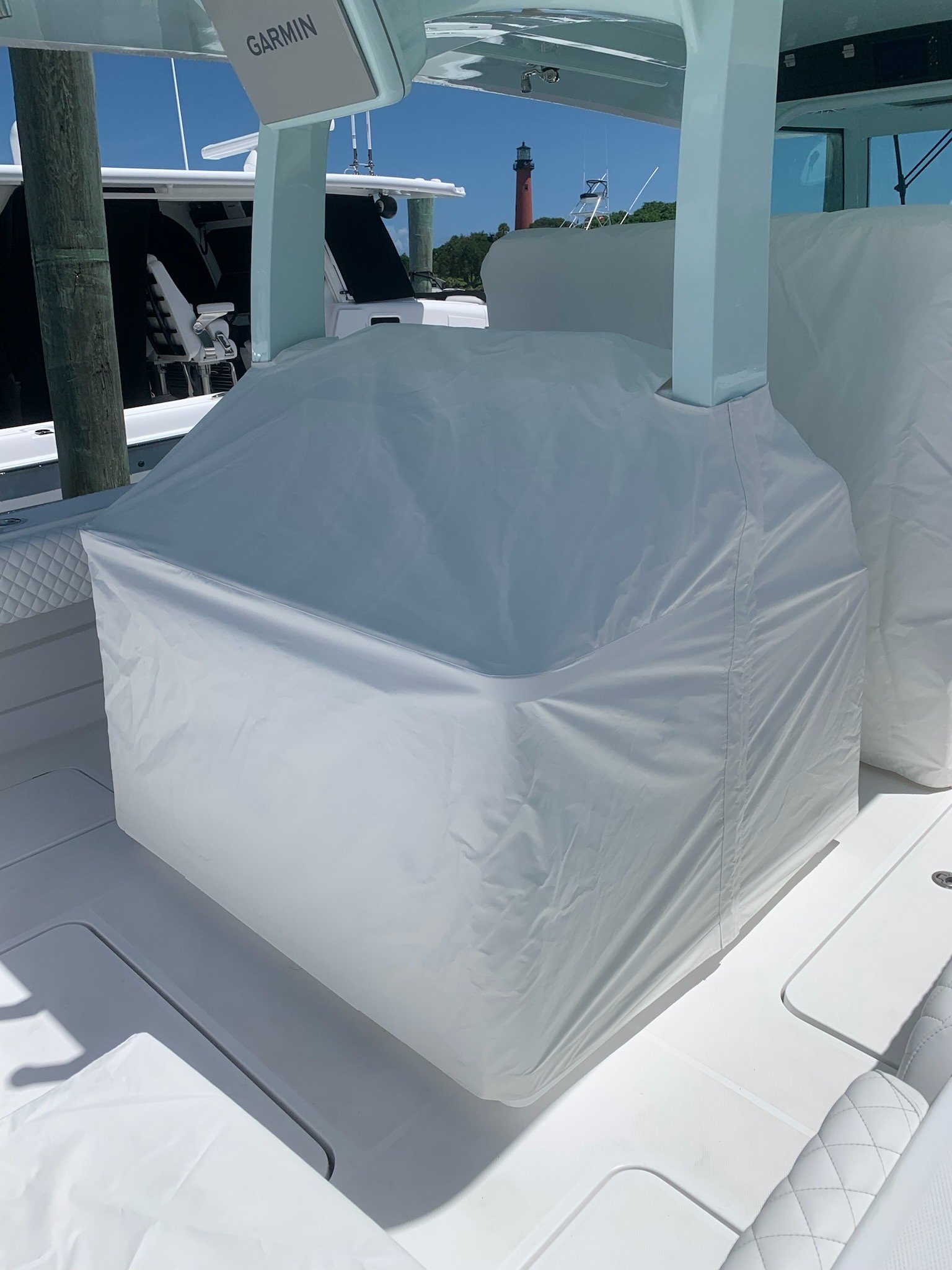
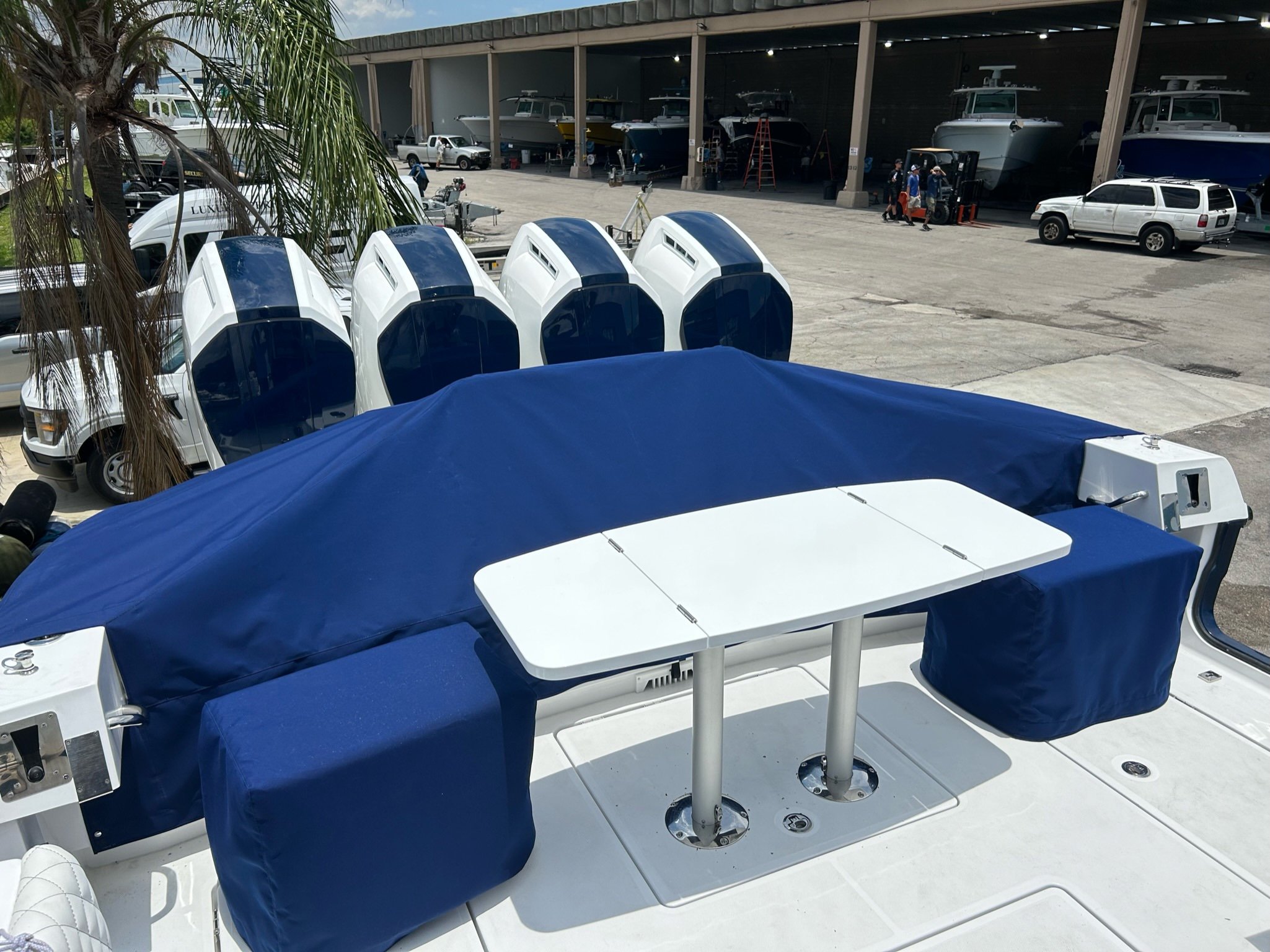
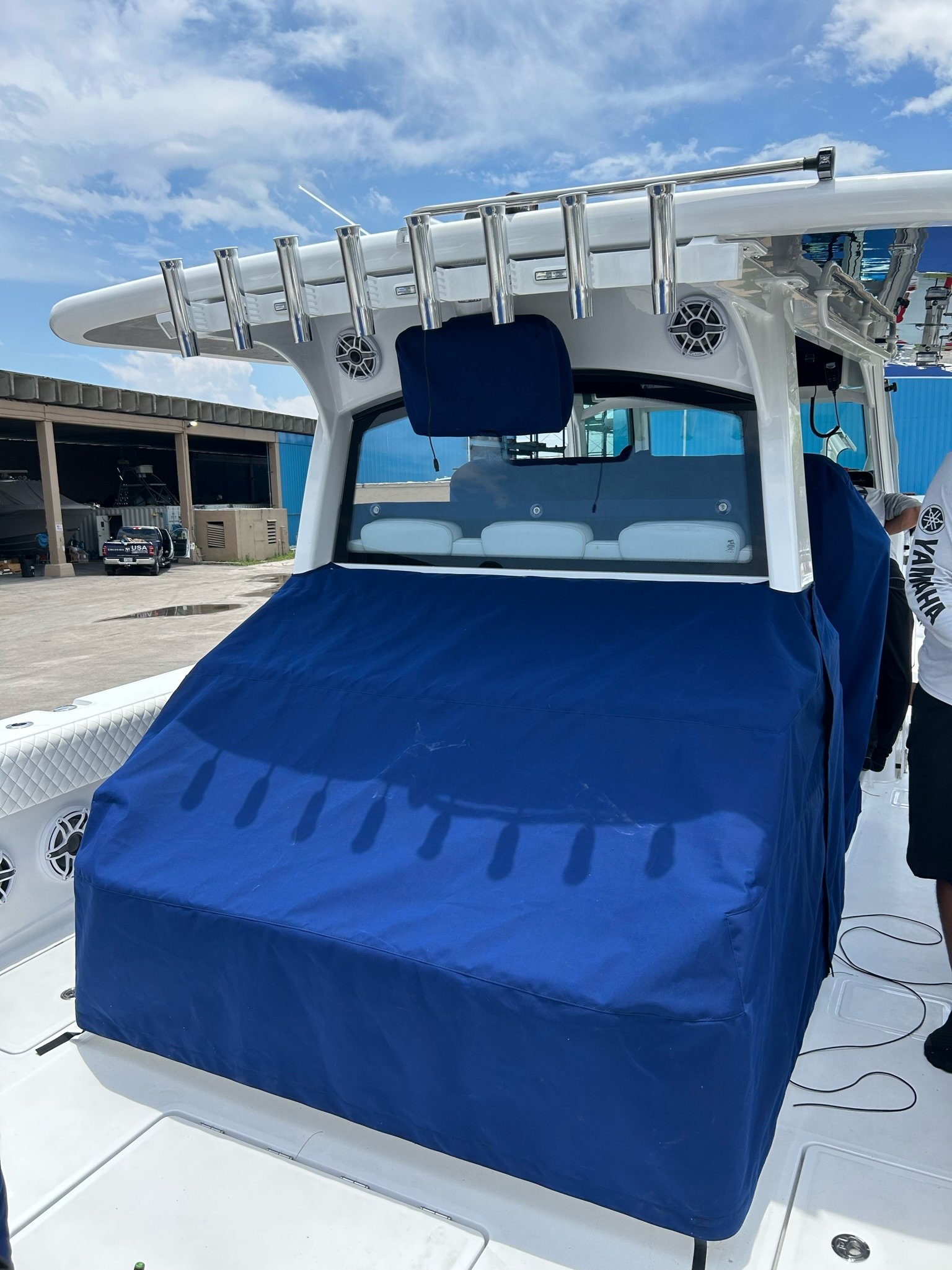
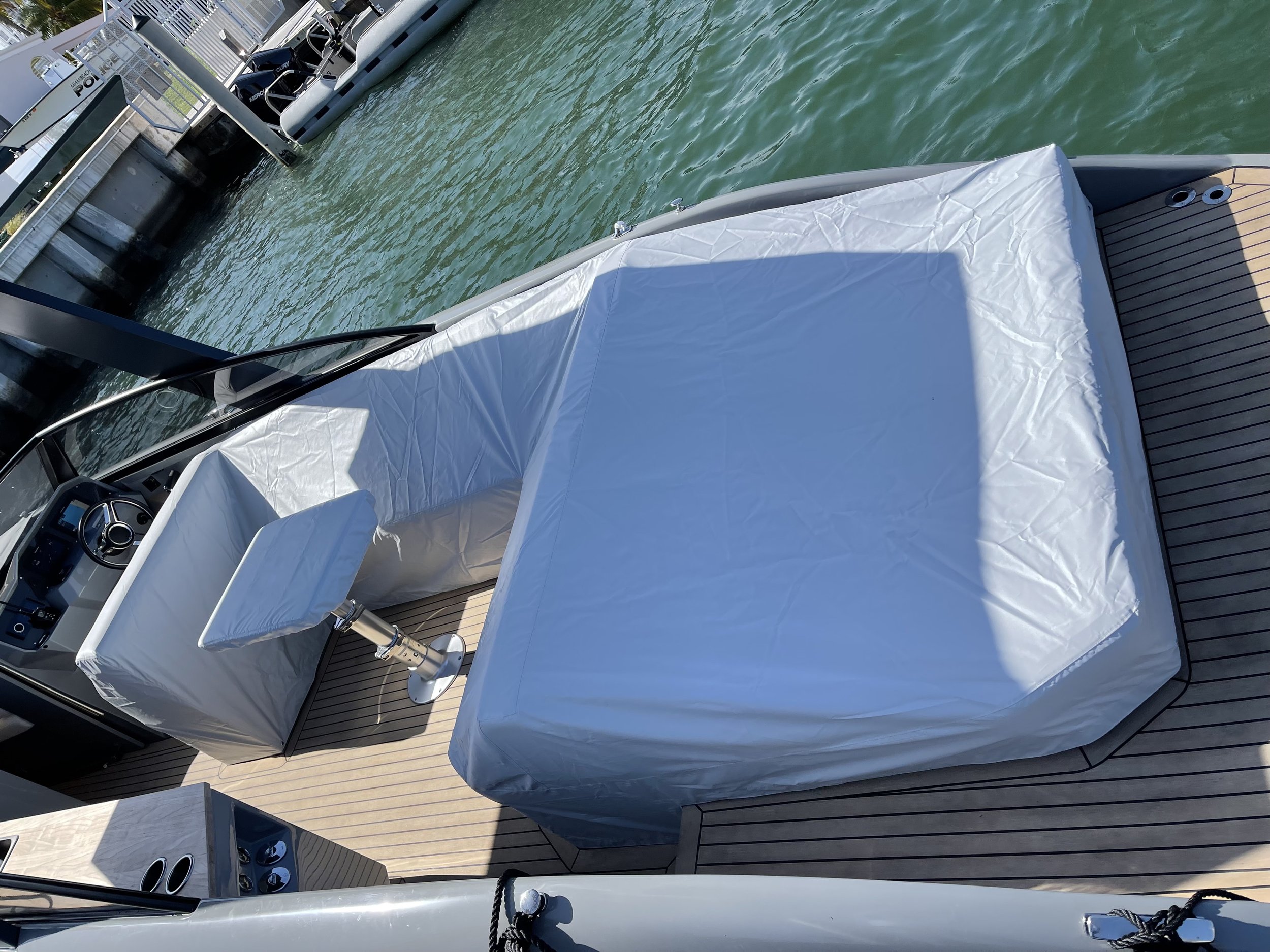
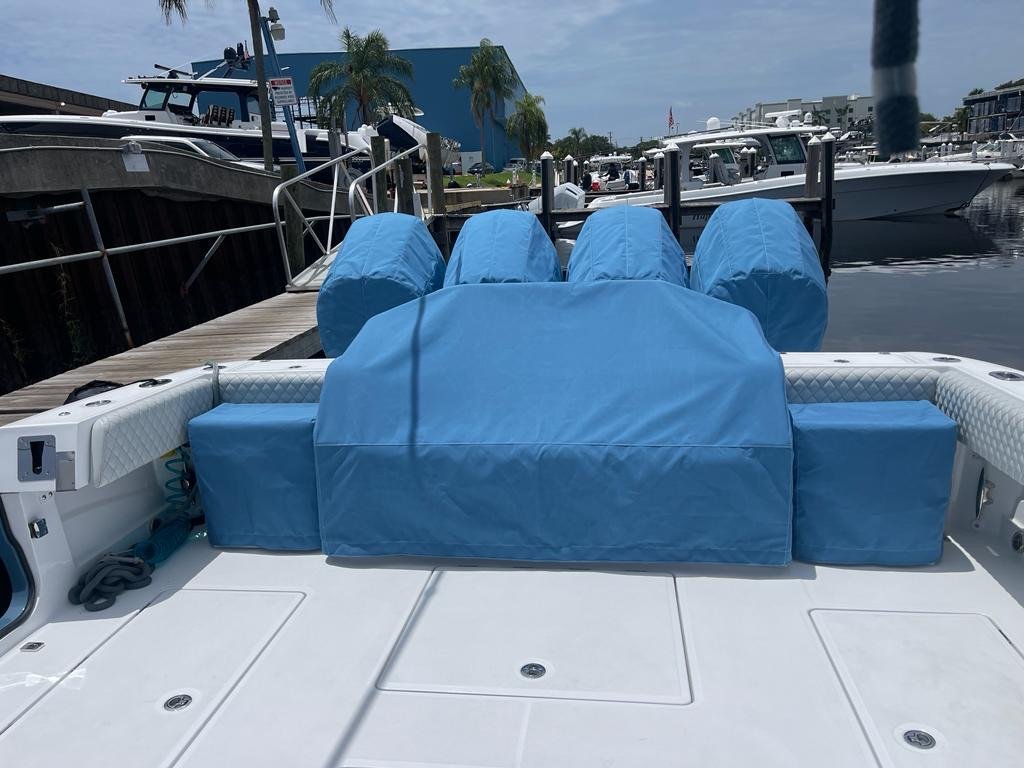
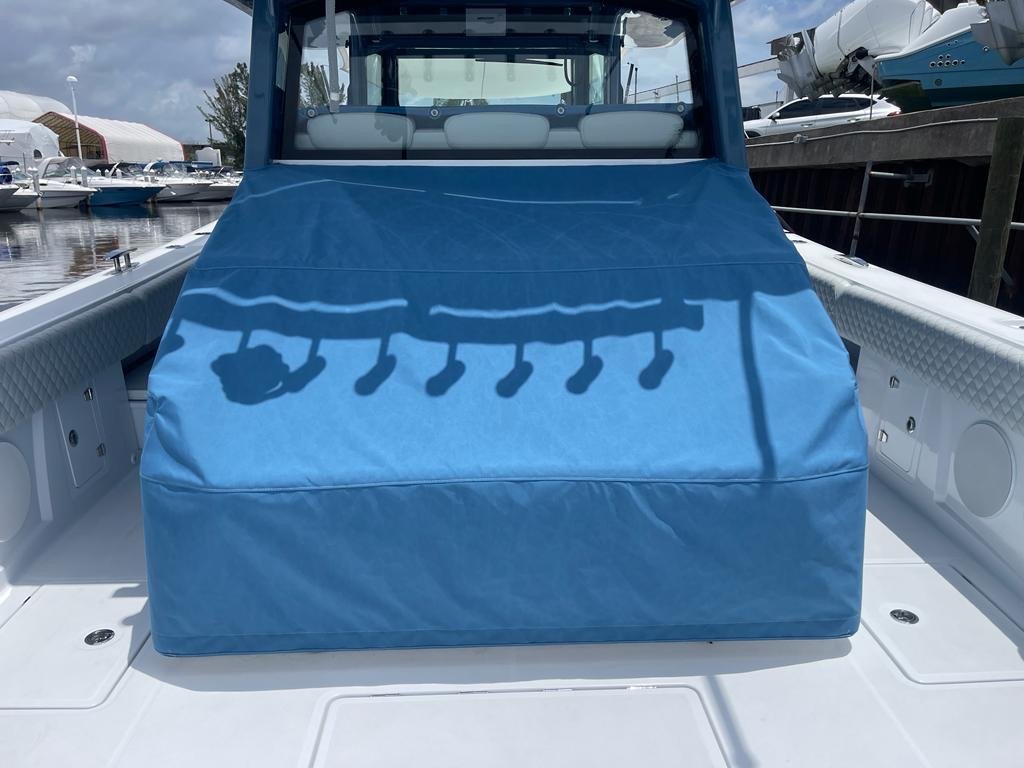
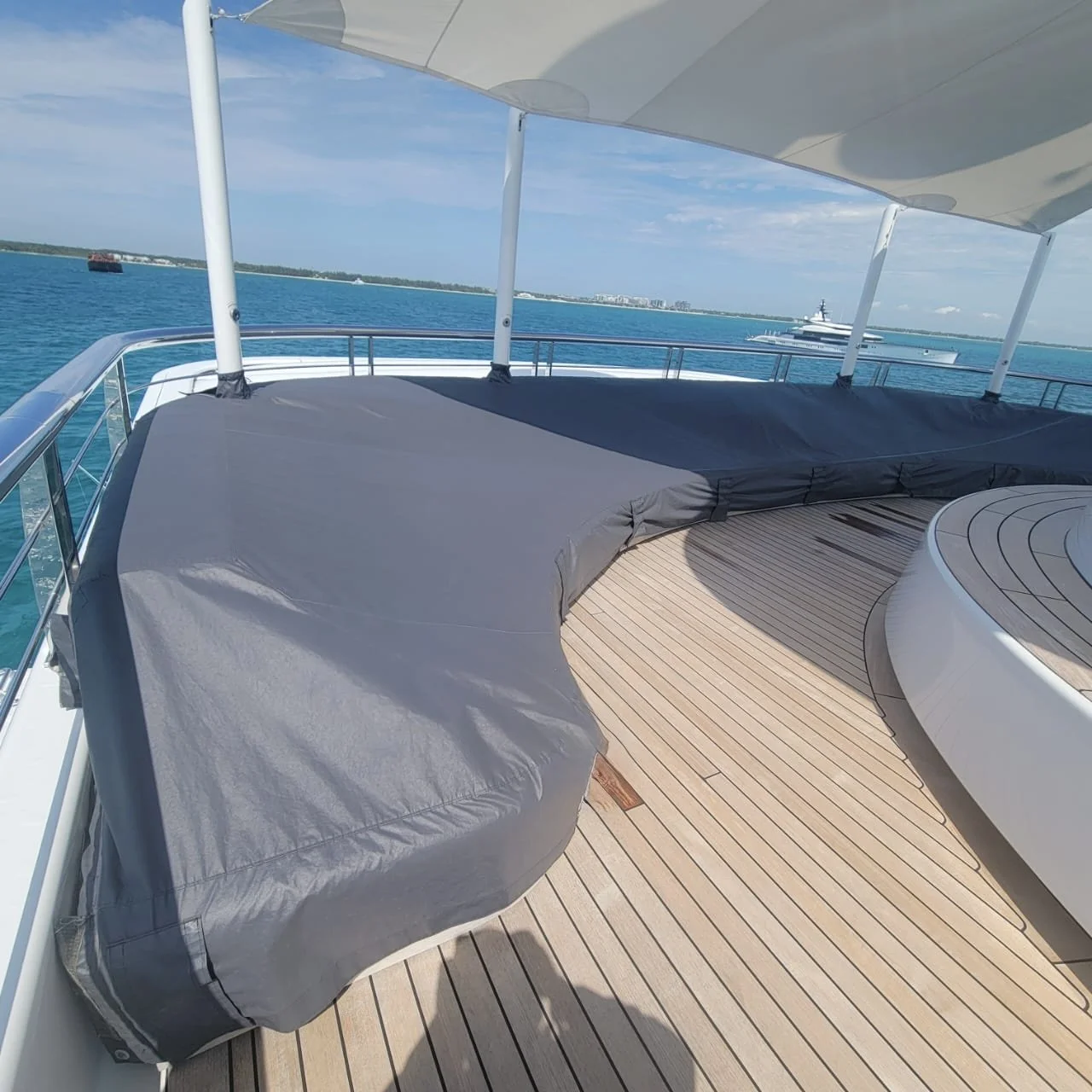
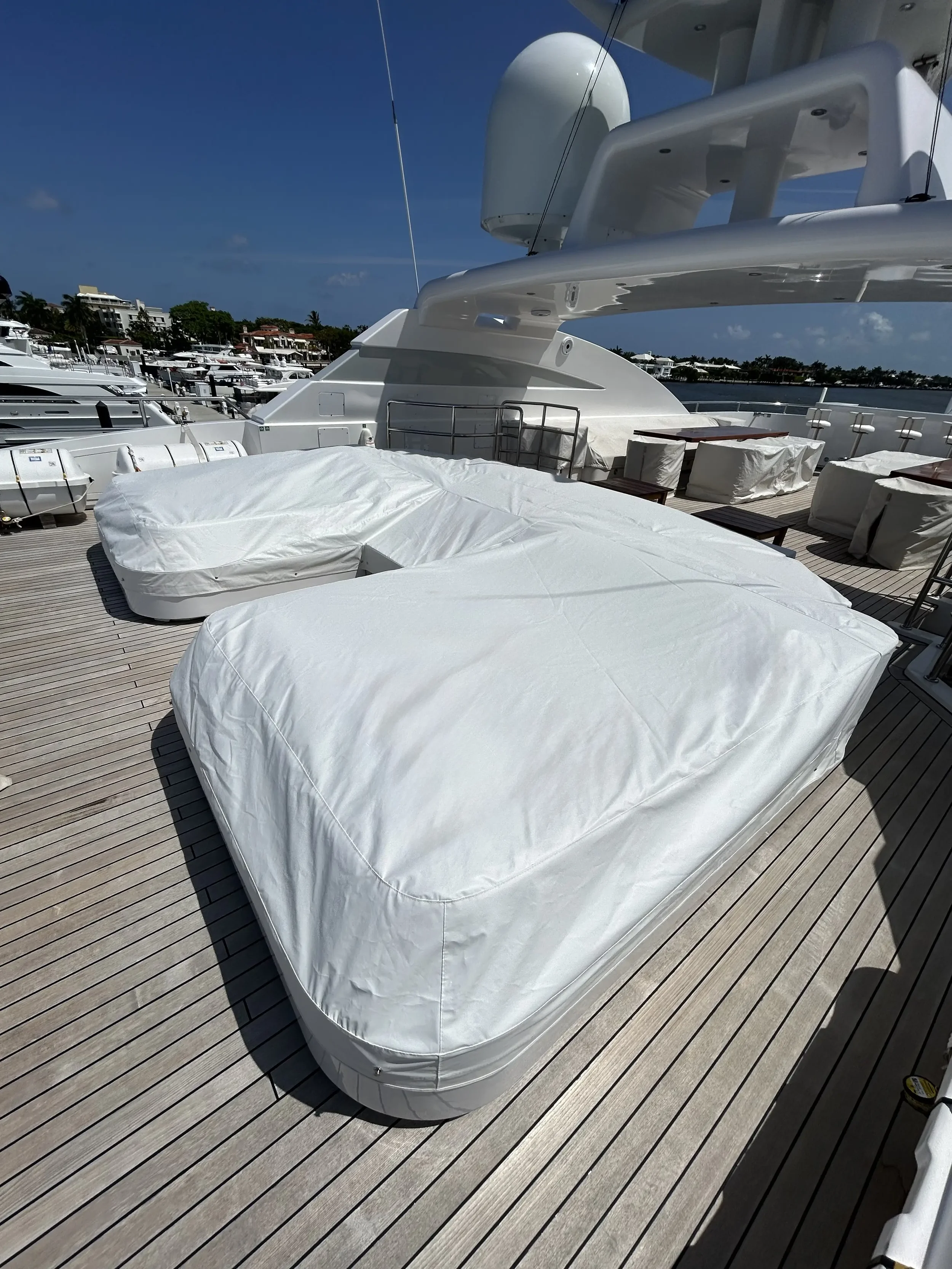
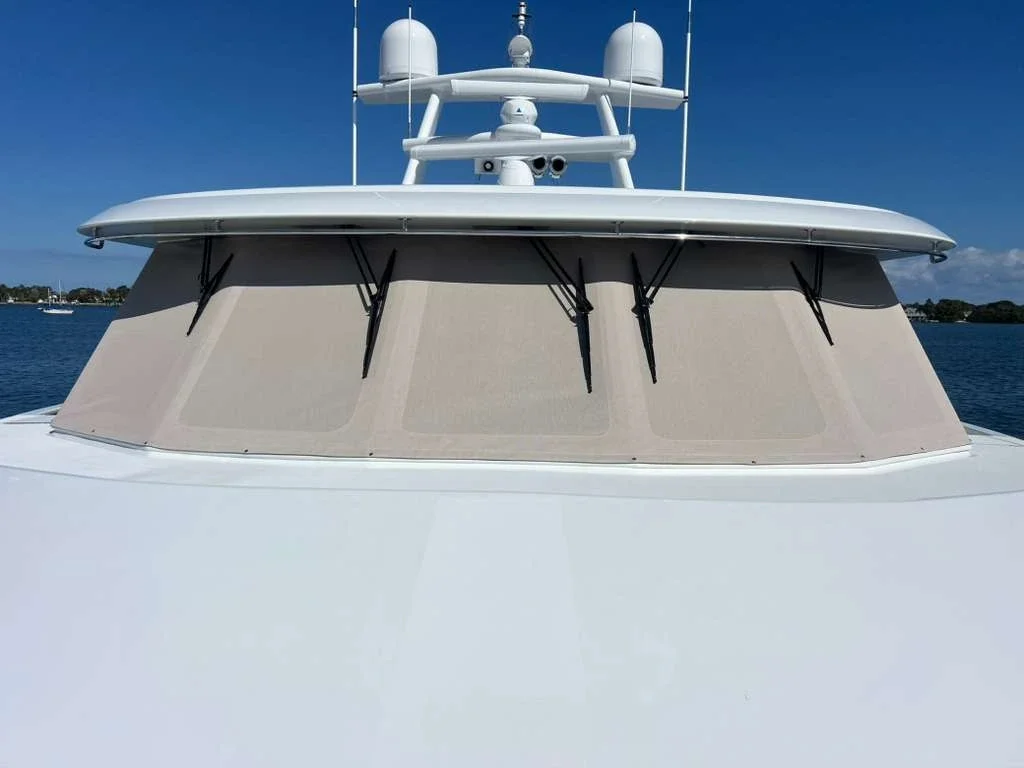
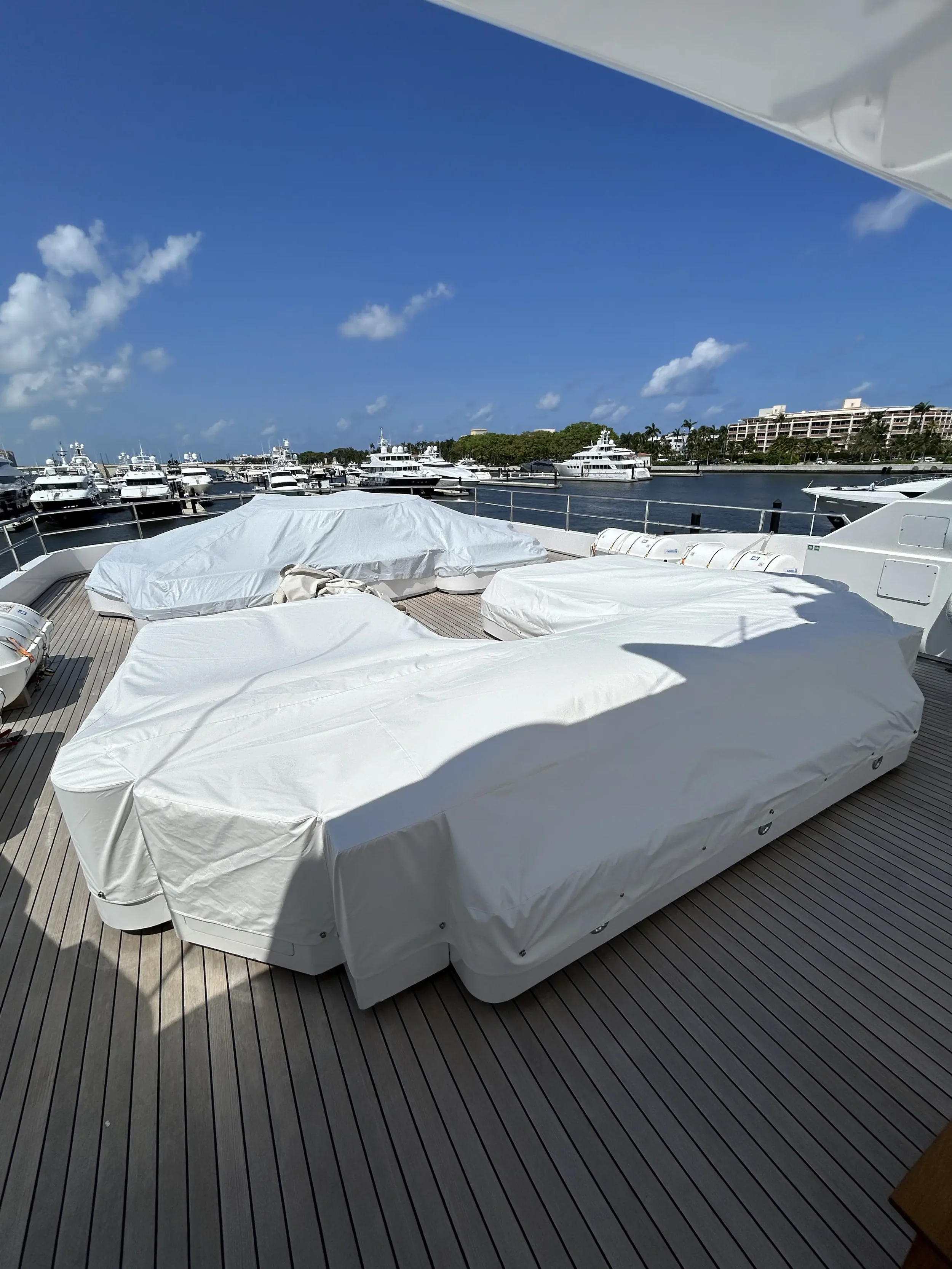
Let’s be honest: off-the-shelf covers rarely fit well. They sag, leave gaps, and often lead to water pooling or abrasion marks on your gelcoat. A custom boat cover, on the other hand, is tailored to your exact model. It hugs every contour, blocks out debris, and reduces maintenance time by up to 30 percent. Plus, the aesthetic difference is clear—clean lines, perfect color matches, no awkward bunching. A custom boat cover is both armor and artwork for your investment.

The 2025 Difference: New Trends & Technologies

The game is changing fast. In 2025, custom boat cover options include smart fabrics with UV sensors that alert you when the sun’s intensity spikes. Self-cleaning coatings are now mainstream, and 3D modeling ensures a flawless fit with zero gaps. Eco-friendly materials, like recycled marine fabrics and PVC-free options, are not just buzzwords—they are industry standards. Choosing a custom boat cover means you’re getting the latest in protection, sustainability, and ease of use.

Cost vs. Value: The Long-Term Savings

It’s tempting to go cheap, but here’s the thing: custom boat covers last two to three times longer than standard ones. That means fewer replacements, less money spent on repairs, and lower detailing bills. Some insurance providers even offer incentives for boats protected by high-quality covers. For a deeper dive into the financial benefits and hidden pitfalls of generic options, check out The Hidden Costs of Generic Covers. In short, a custom boat cover isn’t just an expense—it’s a smart investment.

Real Owner Stories

The numbers are convincing, but real-world stories seal the deal. Take the Miami yacht owner who saved $4,000 over five years with a custom boat cover—no joke, just fewer repairs and less fading. Or consider the survey where 78 percent of boaters reported fewer interior fixes after making the switch. These aren’t isolated cases. Across marinas, owners who choose a custom boat cover consistently see better protection and bigger savings.

Key Factors to Consider When Choosing a Custom Boat Cover

Choosing the right custom boat cover in 2025 is all about details. The market has evolved, and so have the demands of boaters. Whether you’re guarding against the relentless sun or preparing for heavy storms, your decision comes down to five critical factors. Let’s break them down so you can make a confident, informed choice.

Key Factors to Consider When Choosing a Custom Boat Cover

Material Selection: What’s New in 2025

The foundation of any custom boat cover is its material. In 2025, marine-grade fabrics have taken a leap forward. You’ll see names like Sunbrella®, Stamoid®, and WeatherMax dominating the conversation. Each one brings something unique: high UV resistance, water repellency, and breathability.

But it’s not just about the fabric. Pay attention to the thread. PTFE thread outperforms polyester, lasting longer and resisting sun damage. Hardware matters too—look for stainless steel, corrosion-proof zippers, and heavy-duty fasteners.

Curious about the latest fabric tech? Smart textiles now feature self-cleaning coatings and even UV sensors. If you want to dive deeper into these innovations, check out the Advancements in Marine Fabrics 2025 for a thorough comparison.

A custom boat cover built with these advanced materials will not only last longer but also look better. All this means less fading, fewer mildew issues, and a cover that stands up to the harshest marine environments. When you invest in a custom boat cover, you’re choosing materials engineered for the long haul.

Fit and Design: Getting It Right

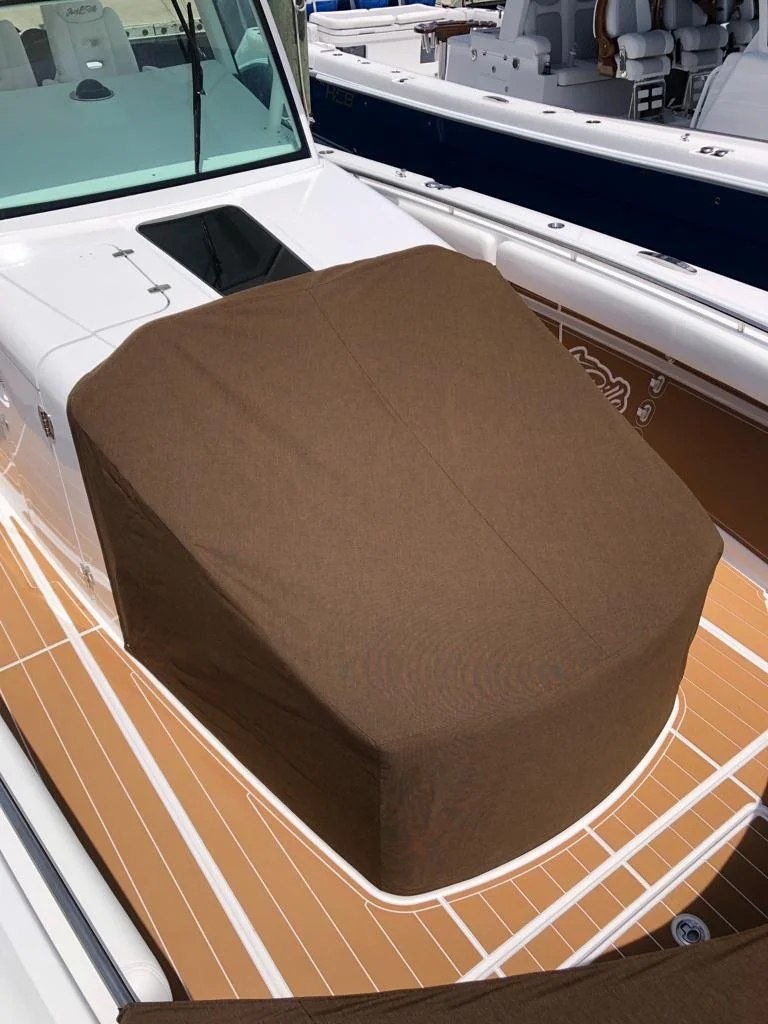
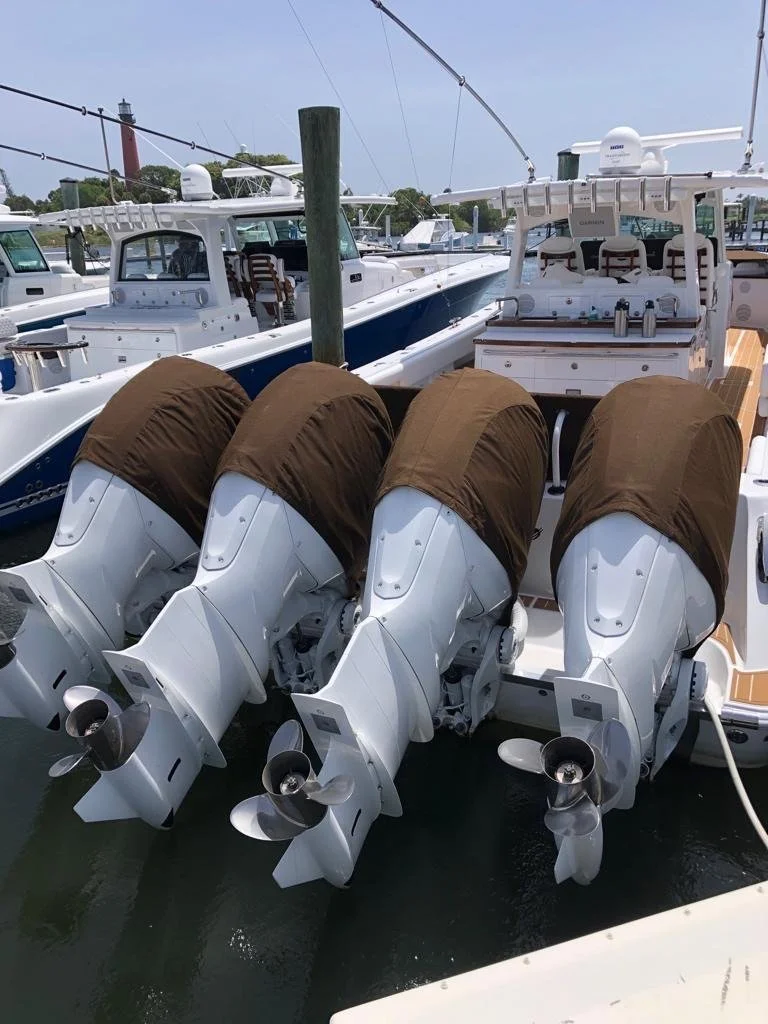
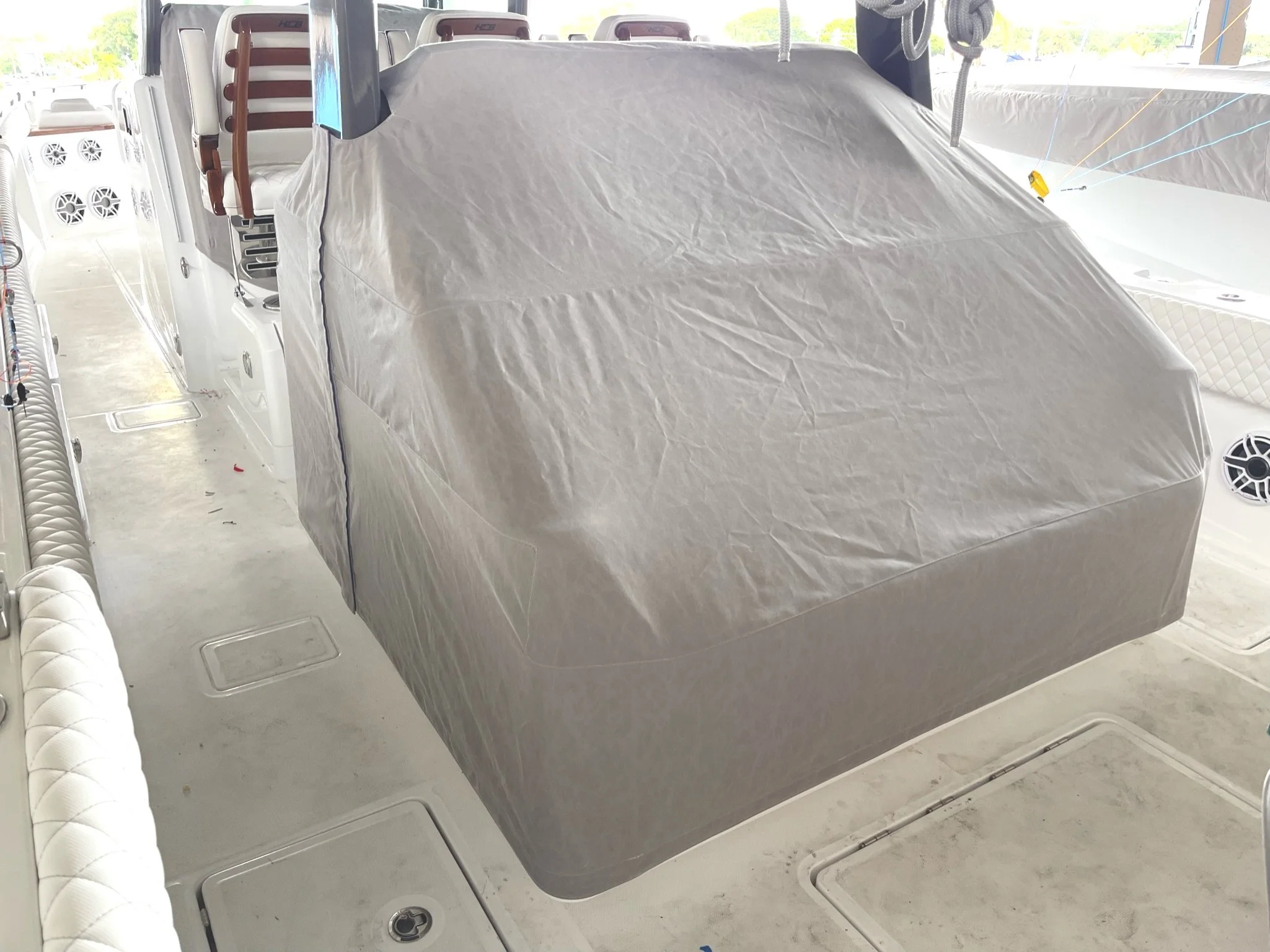
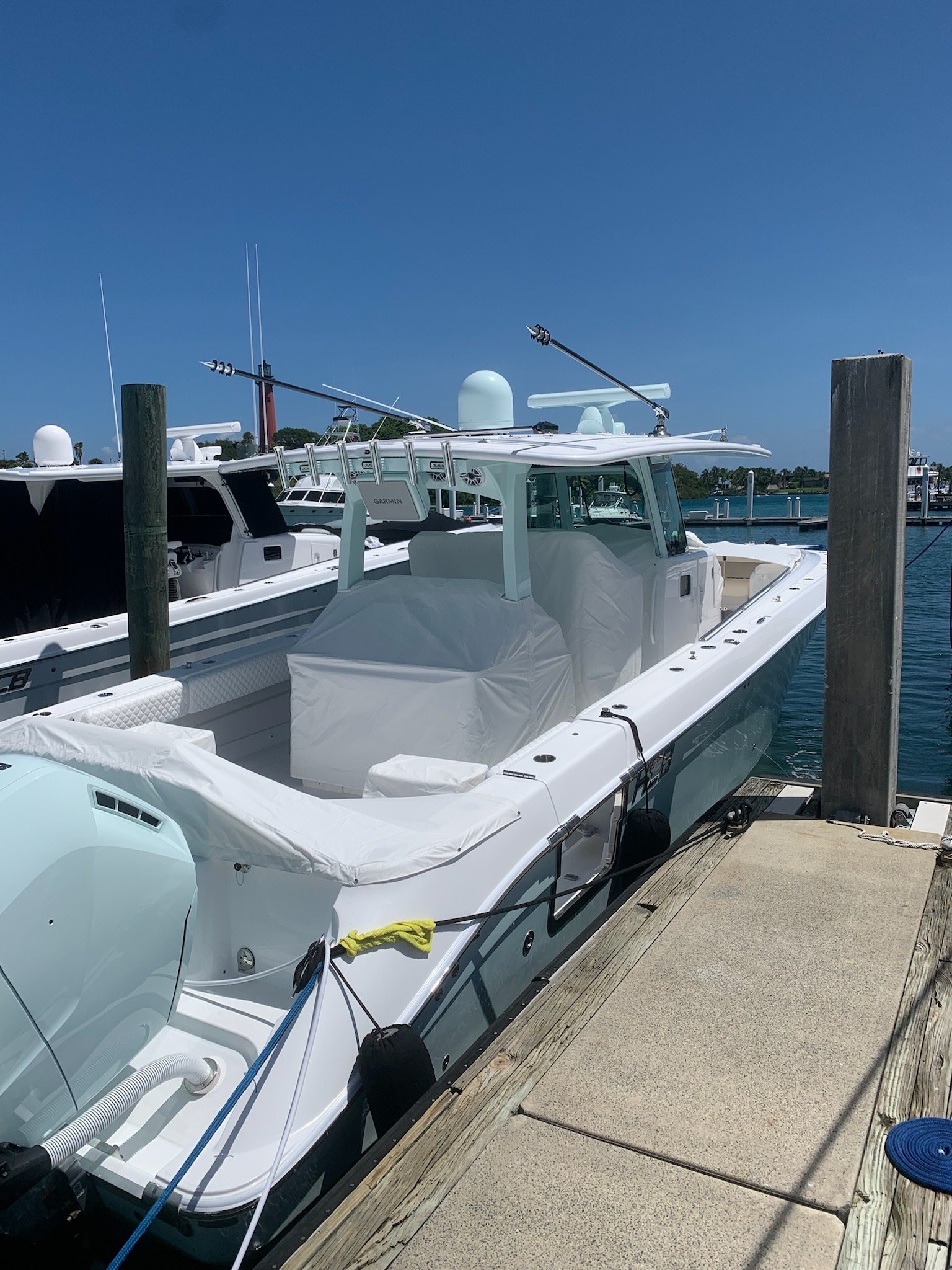
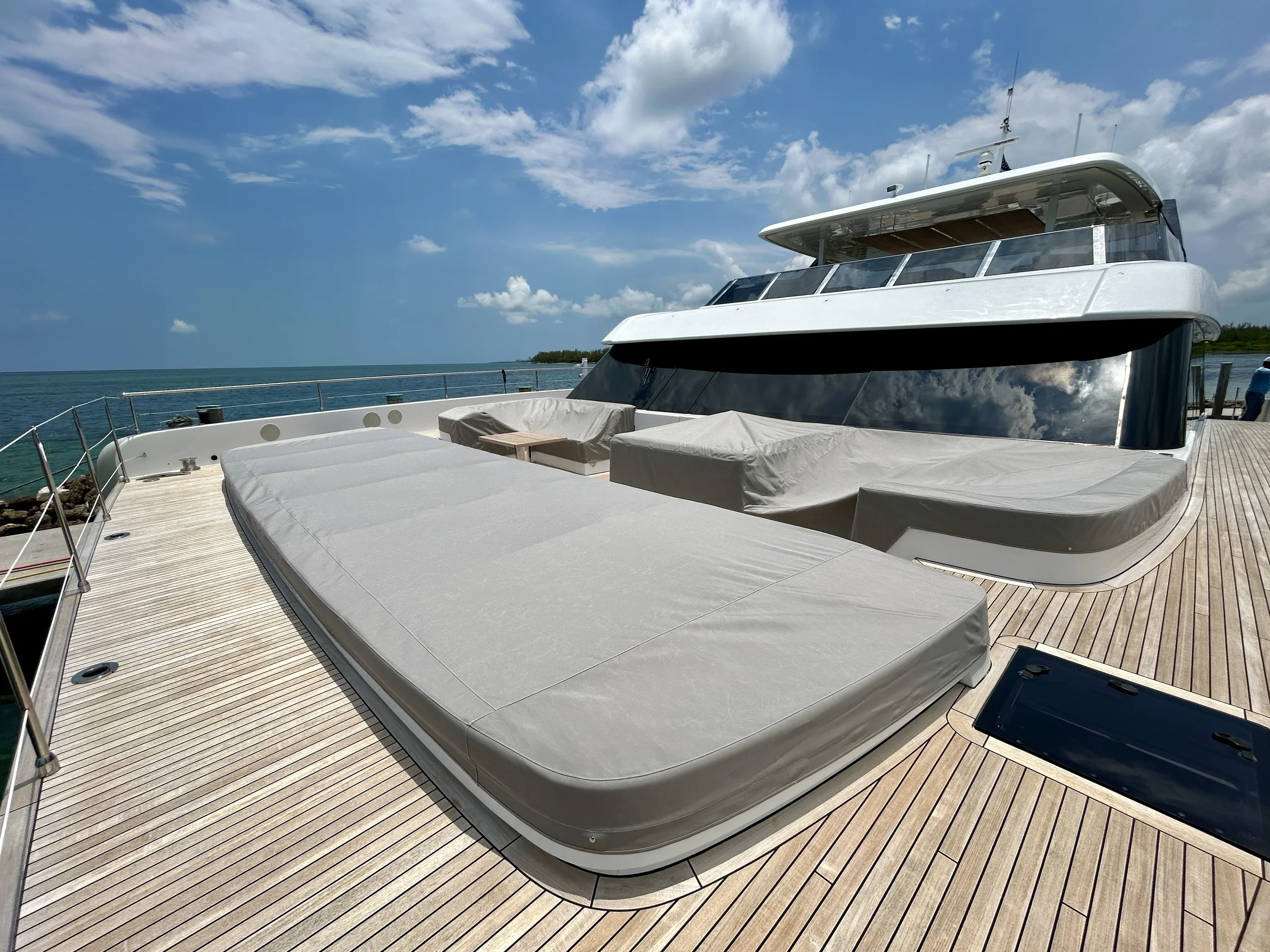
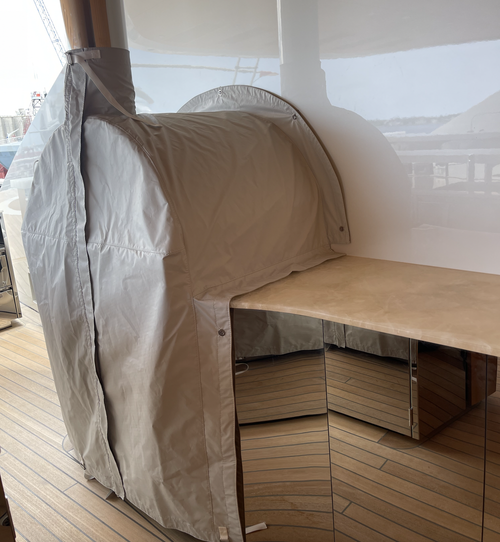
Fit is where a custom boat cover really shines. Off-the-shelf options often sag, pool water, or rub against delicate finishes. With a custom boat cover, you get a tailored fit that hugs every curve and rail of your vessel.

Modern 3D scanning and digital patterning have changed the game. These tools create a digital replica of your boat, ensuring the cover fits precisely—no awkward gaps, no stress points. Customization goes further with options like reinforced wear points, color-matching, and even embroidered logos.

Measuring is critical. Don’t eyeball it—use a tape, laser, or, better yet, let a professional handle it with digital tools. Mistakes here can lead to costly adjustments down the road. A perfect fit means your custom boat cover protects, impresses, and saves you money on maintenance.

Ease of Use and Maintenance

A custom boat cover should be as practical as it is protective. Quick-release systems, sturdy handles, and compact storage bags make it easy to put on and take off. Look for features like foldability, lightweight panels, and labeled sections for hassle-free handling.

Maintenance is another big plus. The latest marine fabrics are engineered to resist stains, mold, and mildew, making cleaning a breeze. A simple rinse or gentle wash is often all it takes to keep your custom boat cover looking sharp.

Some covers even have antimicrobial treatments built into the fabric. That means less scrubbing, fewer harsh chemicals, and more time enjoying your boat. The right custom boat cover makes upkeep feel effortless, not like a chore.

Budget and Warranty Considerations

Let’s talk numbers. The upfront cost of a custom boat cover can be higher than generic options, but the value is in its longevity and performance. Premium covers last two to three times longer, translating to real savings over time.

Warranties are your safety net. Most reputable manufacturers offer three to seven years of coverage. But read the fine print—some warranties only cover fabric, while others include stitching, hardware, and even colorfastness. A strong warranty backs up your investment and gives you peace of mind.

Ultimately, balancing cost and coverage is key. A custom boat cover is a smart investment, not just an expense. It protects your boat, preserves its value, and lowers your long-term maintenance costs.

Environmental Impact

Sustainability matters more than ever in 2025. Many custom boat cover makers now use recycled marine textiles and PVC-free fabrics. These materials offer the same durability and protection, but with a lighter environmental footprint.

Eco-conscious boaters can also look for end-of-life recycling programs. Some manufacturers will take back old covers, ensuring materials are reused or properly disposed of. Choosing a custom boat cover made from sustainable sources isn’t just good for your boat—it’s good for the planet.

As the industry continues to innovate, expect even more eco-friendly options on the horizon. A custom boat cover that’s built to last and easy on the environment is a win-win.

Step-by-Step Guide: Selecting the Perfect Custom Boat Cover

Selecting the right custom boat cover is more than just a purchase—it’s a process that protects your investment for years. Let’s walk through each step to make sure you’re getting the perfect fit, the best materials, and the most value for your specific vessel. Here’s how to approach it with confidence and clarity.

Step-by-Step Guide: Selecting the Perfect Custom Boat Cover

Step 1: Assess Your Boat’s Needs

Before you even think about fabrics or features, start by taking a close look at your boat’s unique profile. What type of vessel do you own? Is it a center console, cruiser, pontoon, or a luxury yacht? This matters, since each boat shape demands a specific custom boat cover design. Next, consider your boating lifestyle. Do you dock year-round, trailer frequently, or store your boat on a lift? Regional climate also plays a huge role—boats in Florida face relentless sun and humidity, while those in New England need covers that can handle frost and rain.

Make a quick checklist:

  • Boat type, size, and any unique features (towers, rails)
  • Typical storage method and location
  • Local climate threats: UV, salt, wind, moisture

By nailing down these details, you’ll ensure your custom boat cover addresses the real-world challenges your boat faces, not just generic ones.

Step 2: Research Materials & Features

Once you’ve mapped out your needs, dive into the world of marine fabrics and features. Not all materials are created equal. Industry leaders like Sunbrella, Stamoid, and WeatherMax each bring something unique—Sunbrella is known for UV resistance and breathability, while Stamoid excels at waterproofing. Consider hardware, too: stainless steel snaps, corrosion-proof zippers, and reinforced stitching can make or break a custom boat cover’s longevity.

Think about add-ons:

  • Integrated vents for airflow
  • Extra padding for high-wear areas
  • Custom graphics or logos for style

Don’t just rely on marketing claims—compare spec sheets and talk to real boaters. The right combination of materials and features transforms a basic cover into a reliable, easy-to-use custom boat cover.

Step 3: Take Precise Measurements

This step is the backbone of a successful custom boat cover. Accurate measurements ensure a snug fit that prevents water pooling and wind damage. Start with the basics: centerline length, beam width, and overall height. Pay attention to any antennas, rails, or towers that could affect the pattern.

Consider your measuring tools:

  • Flexible tape measure for curves and details
  • Laser measure for longer spans
  • 3D scanning for complex hull shapes

Document everything clearly. Even a small mistake here can lead to a sloppy fit, which defeats the purpose of investing in a custom boat cover. If you’re unsure, many manufacturers provide guides or even offer professional measuring services.

Step 4: Choose a Trusted Manufacturer or Fabricator

With your specs ready, it’s time to find a company you can trust. Look for manufacturers with a solid portfolio, positive reviews, and industry certifications. Ask about the sourcing of their materials—premium marine fabrics and hardware matter. Don’t forget to inquire about warranty coverage and after-sale support, since these can vary widely.
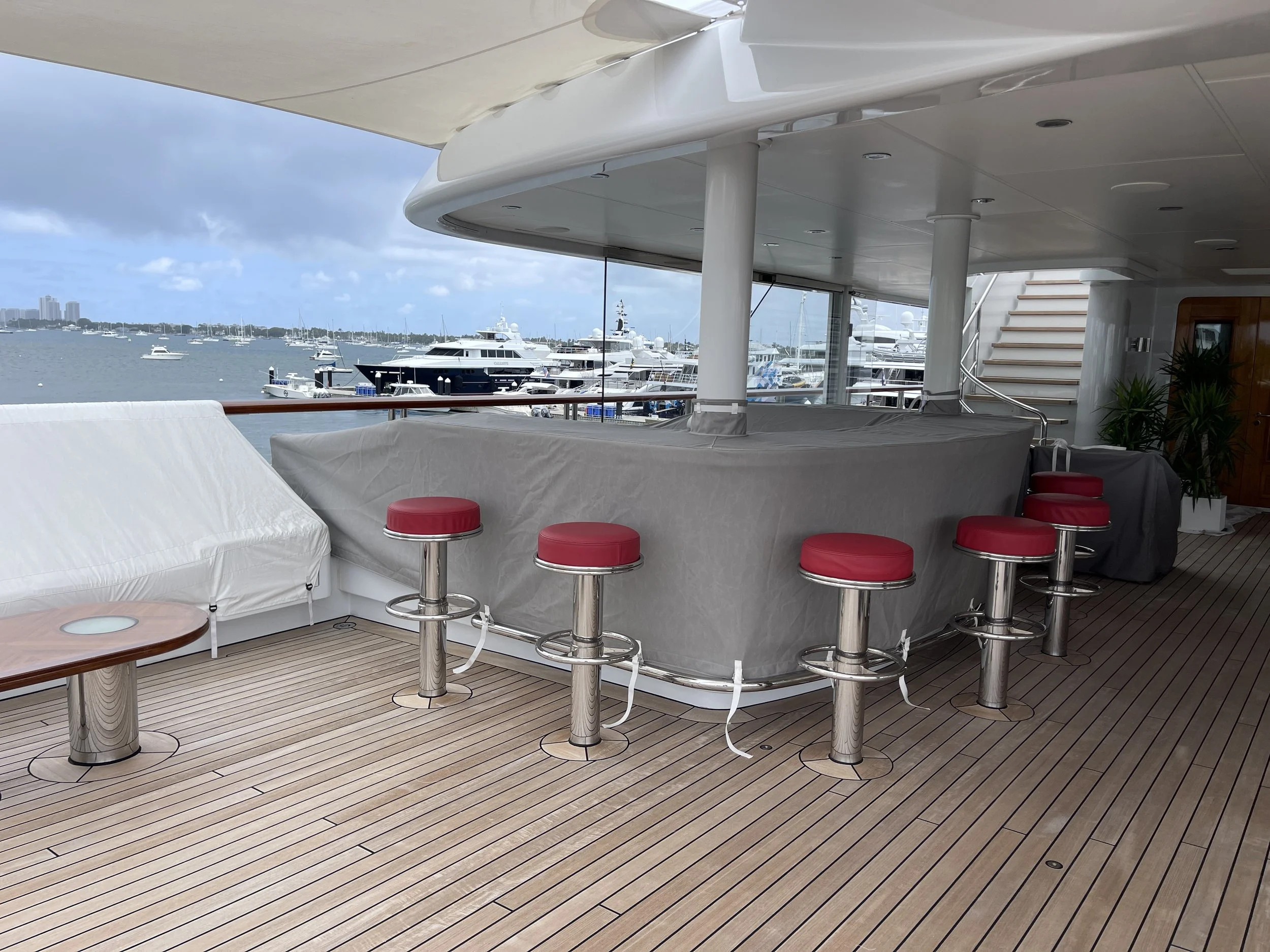
You’ll want to compare local shops with reputable online providers. Local fabricators might offer more personalized service, while established online brands often have advanced tools and broader material options. Always check references and ask to see examples of finished custom boat cover projects similar to yours.
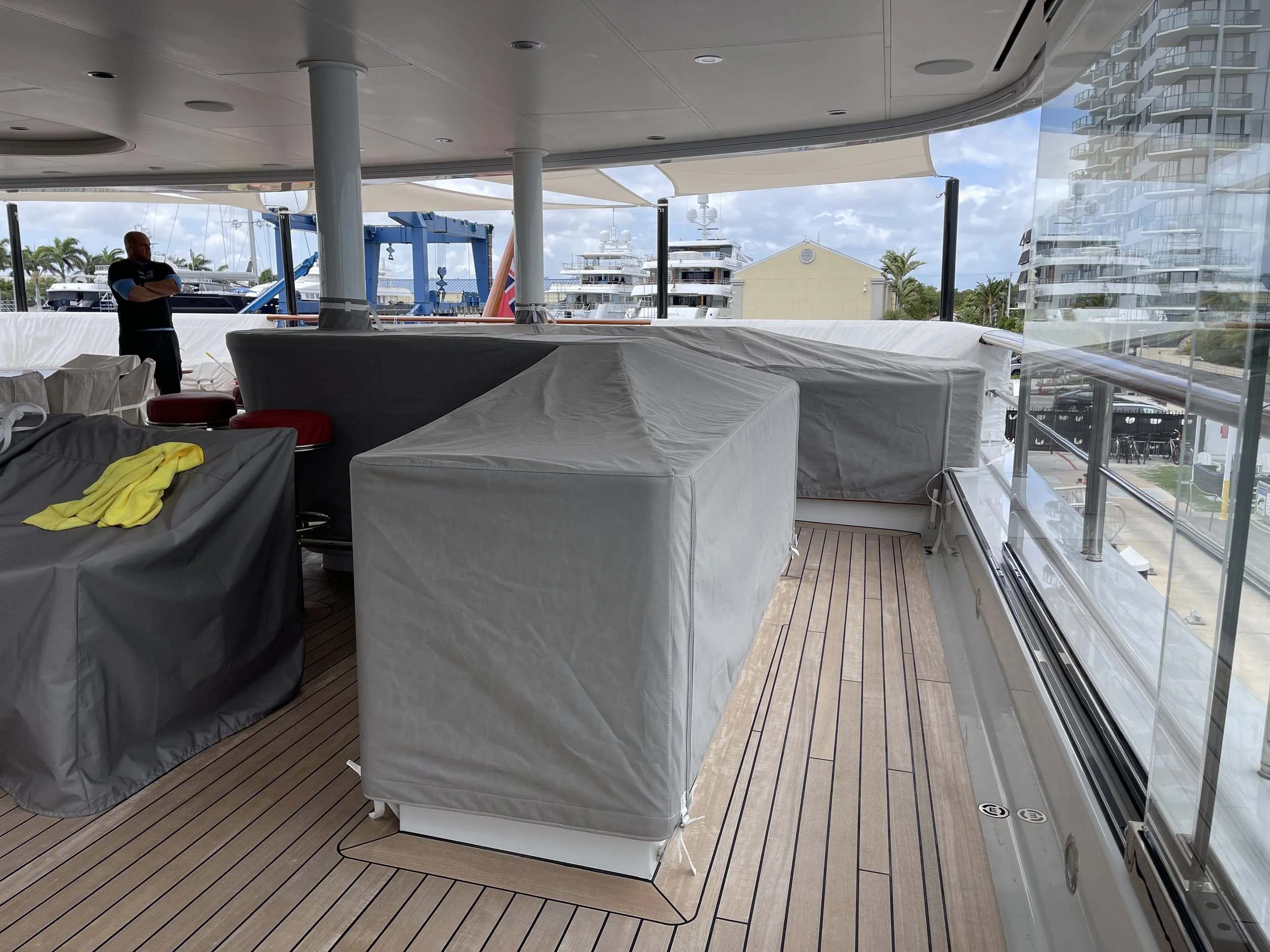
Step 5: Place Your Order & Review the Design

Now comes the exciting part—finalizing your order and seeing your vision come to life. Most leading fabricators will provide 3D renderings or digital mock-ups for your custom boat cover before production begins. Take the time to review these visuals closely, double-checking every detail from fabric color to hardware placement.
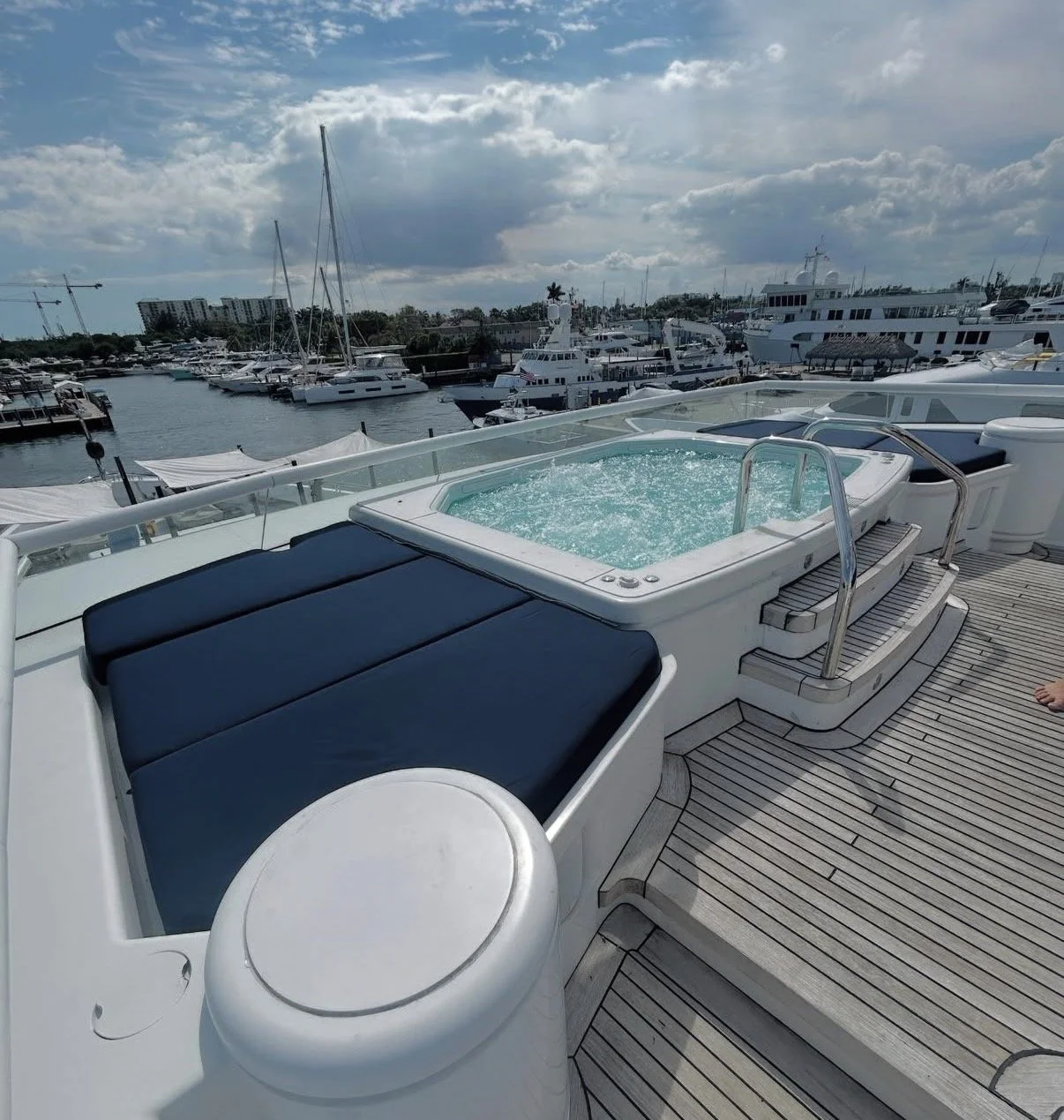
Request physical fabric samples if possible. Confirm the production timeline and clarify the installation process, whether it’s DIY or handled by professionals. For a step-by-step breakdown of ordering online, you can follow this helpful resource: Order Custom Fit Boat Covers Online.
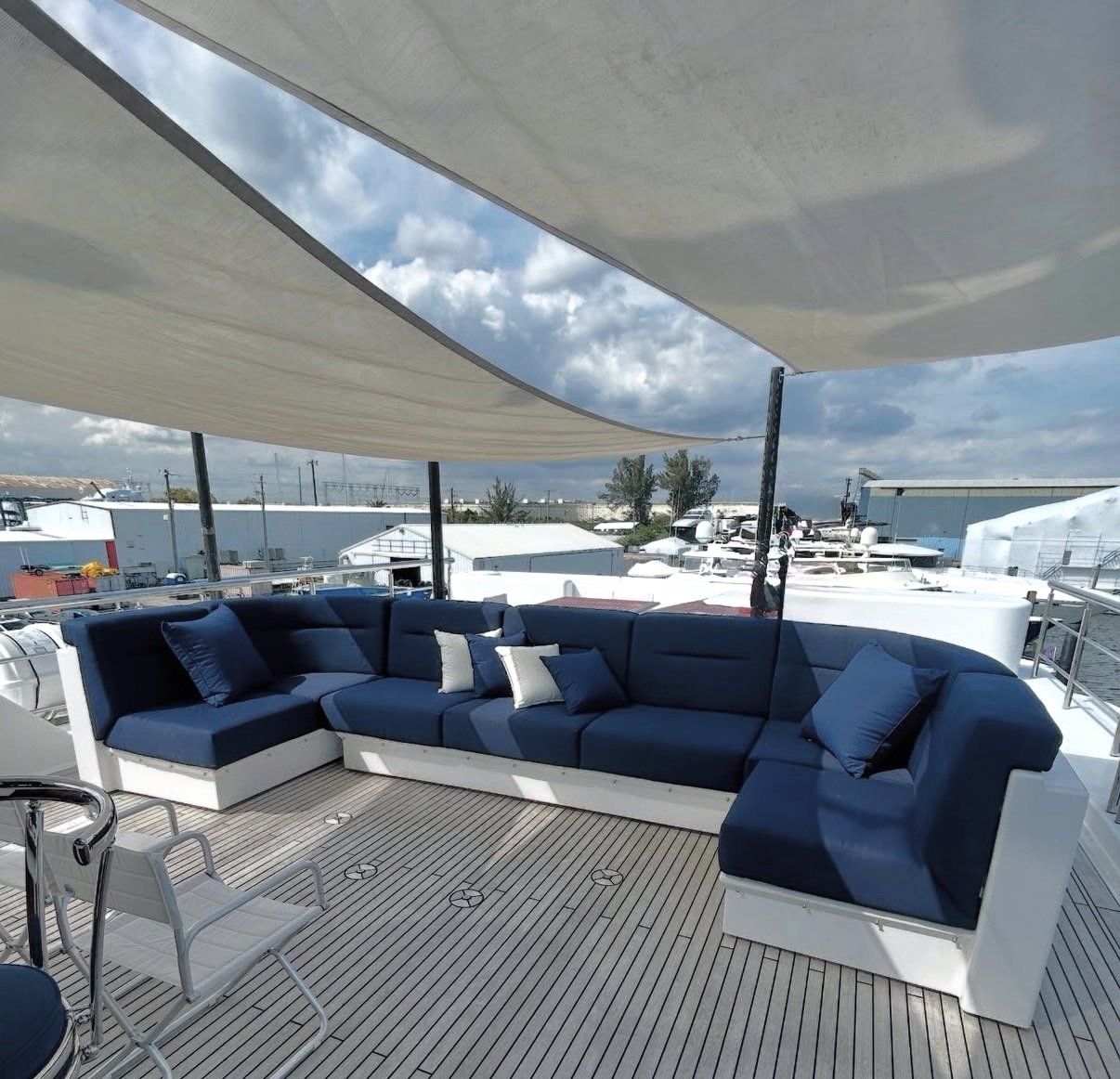
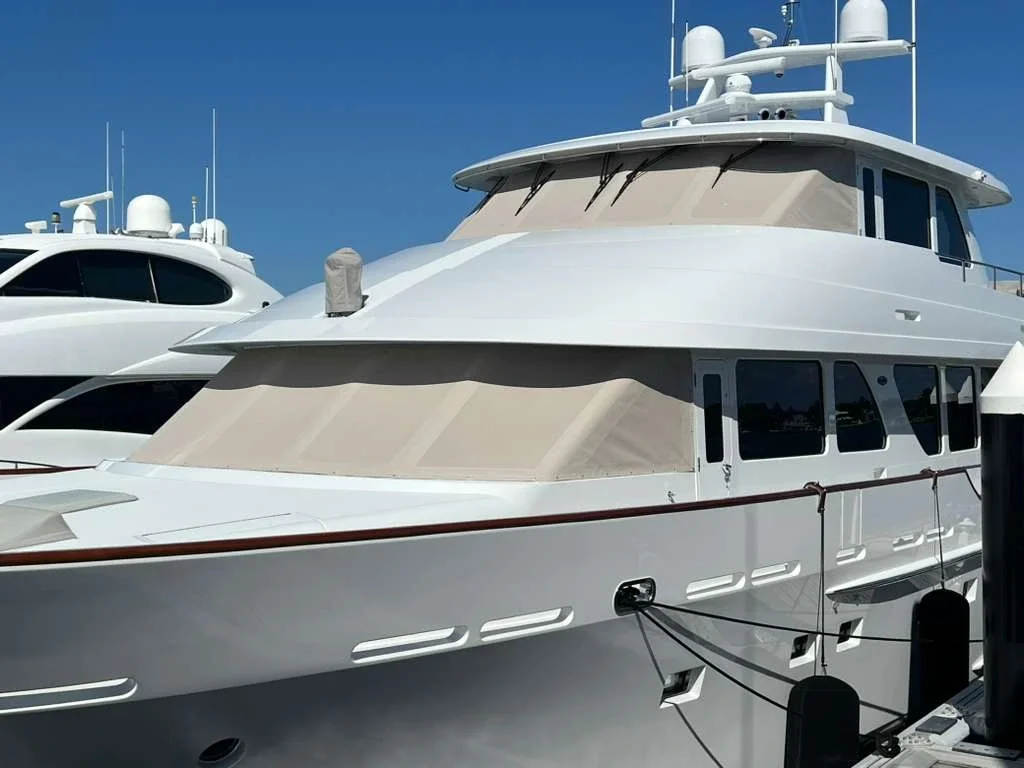
A thorough review at this stage helps avoid surprises and ensures your custom boat cover delivers on every front.

Step 6: Care, Maintenance, and Storage Tips

Once your cover is installed, a little maintenance goes a long way. Clean your custom boat cover regularly with mild soap and water—avoid harsh chemicals that can degrade the fabric. For off-season storage, make sure the cover is completely dry and store it in a breathable bag to prevent mold and mildew.

Inspect the cover periodically for signs of wear or damage, especially after severe weather. Small repairs should be handled promptly to extend the life of your investment. If you notice major fading, tears, or loss of waterproofing, it might be time to consider a replacement custom boat cover.

Taking these steps will keep your boat protected and your custom boat cover performing at its best for years to come.

Innovations & Trends in Custom Boat Covers for 2025

Boat owners in 2025 are seeing a revolution in how their vessels are protected. The custom boat cover is no longer just a simple shield from the elements—it’s a piece of advanced technology, a statement of environmental responsibility, and a canvas for personal style. Let’s break down the top innovations shaping the market this year.

Innovations & Trends in Custom Boat Covers for 2025

Smart Fabrics and Technology Integration

The biggest leap for the custom boat cover in 2025 is smart fabric technology. Manufacturers are now weaving in UV sensors that change color to warn you when protection levels drop. Some covers even feature self-cleaning coatings, making maintenance a breeze and keeping mildew at bay.

RFID tags are becoming standard, letting you track warranty details and maintenance history with a quick scan. Imagine your cover telling you when it needs a wash or if it’s time for a replacement—maintenance has never been this proactive. These breakthroughs are making the custom boat cover more intelligent and user-friendly than ever.

Sustainable and Eco-Friendly Options

Sustainability isn’t just a buzzword—it’s a top priority in the custom boat cover world. Eco-conscious owners can now choose from recycled marine textiles and PVC-free fabrics, reducing their environmental footprint without sacrificing durability. Many top brands have launched take-back programs, recycling old covers into new ones.

The market is responding fast. Demand for sustainable marine fabrics has jumped by 25 percent year-over-year. For anyone looking to protect both their boat and the planet, these eco-friendly custom boat cover options are a win-win.

Design and Customization Trends

Customization is front and center in 2025. Digital printing allows boaters to add crisp graphics, logos, or even photos directly onto their custom boat cover. Color-matching technology ensures your cover blends seamlessly with your hull and interior, keeping your vessel looking sharp.

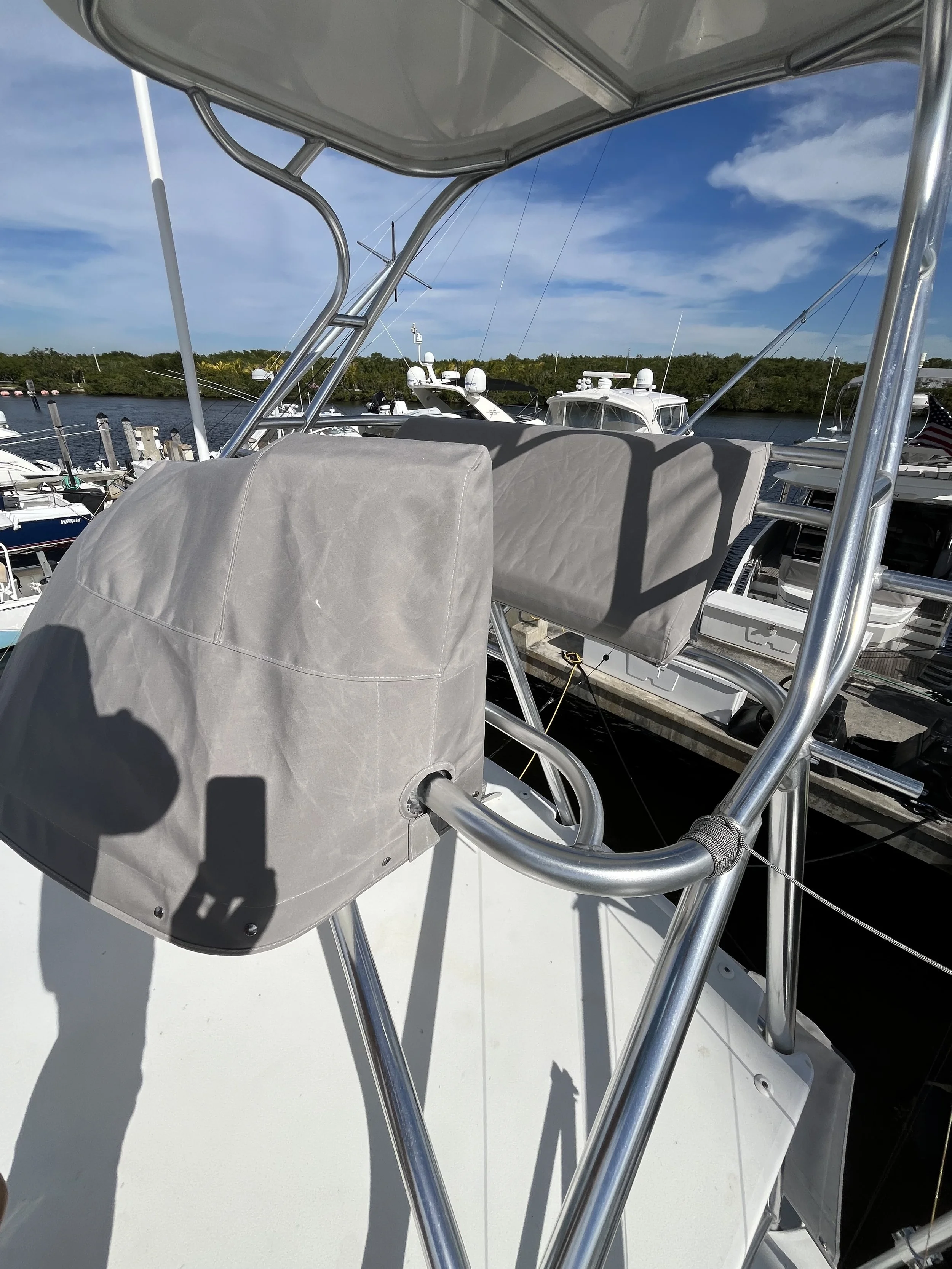
On top of that, modular designs are gaining traction. Multi-part covers can adapt to complex boats with towers or unique layouts. Owners get both style and function, tailored to their exact needs.

Enhanced Fit and Durability

Precision is key. 3D scanning and digital patterning now deliver a custom boat cover with an exact fit, minimizing gaps and points of wear. Double-reinforced seams and hidden stitching boost strength, while hardware upgrades like magnetic closures and corrosion-proof fittings keep everything secure.

A quick comparison:

Feature 2020 Standard 2025 Innovation
Fit Manual 3D Digital Scan
Seams Single Double-Reinforced
Closures Zipper/Snap Magnetic/Corrosion-Proof

The result? A custom boat cover that lasts longer and looks better, season after season.

Industry Data and Forecasts

The custom boat cover market is booming, with annual growth projected at 8 percent through 2027. Owners are clear on what they want: better fit, durable fabrics, smart features, and eco-friendly materials. Surveys show waterproofing and custom design top the list of must-haves.

For a deeper look at buyer preferences and where the market is heading, check out this detailed Boat Cover Market Trends 2025 report. The custom boat cover is evolving fast—now’s the time to get ahead of the curve.

Common Mistakes to Avoid When Buying a Custom Boat Cover

Choosing a custom boat cover is more than just picking a color and hoping for the best. The stakes are high—one wrong move, and your investment could suffer. Here’s where boat owners often slip up, plus how to sidestep the most common pitfalls.

Underestimating the Importance of Fit

A custom boat cover that “almost fits” just isn’t good enough. Gaps, loose corners, or too-tight spots invite rain, wind, and UV rays right in. Water pools, mildew forms, and abrasion marks become inevitable. After a storm, the damage from a poor fit can be costly, both in repairs and resale value. This is why experts always urge boaters to invest in a truly tailored solution. Want to dig deeper? Read about the distinct advantages in Canvas vs. Off-the-Shelf Covers.

Skimping on Materials

Not all fabrics are created equal. Opting for a bargain custom boat cover made from low-end materials usually leads to rapid color fading, leaks, and tears. You’ll end up replacing it sooner than you think. Quality marine fabrics like Sunbrella or WeatherMax offer superior UV resistance and durability. If you’re comparing options, this Boat Cover Fabric Comparison breaks down which materials actually hold up on the water.

Ignoring Climate and Use Factors

A custom boat cover must be matched to your environment and how you use your boat. If you cruise in humid climates or leave your vessel docked year-round, you need maximum mildew resistance and ventilation. Dry, sunny locations call for high UV protection. Overlooking these factors can mean mold, fabric breakdown, or constant cleaning headaches. Always choose a cover designed for your specific region and lifestyle.

Overlooking Warranty and Support

Many boaters don’t read the fine print until it’s too late. Not every warranty covers UV damage, stitching, or hardware failures. If your custom boat cover fails, having responsive customer support makes a world of difference. Look for clear warranty terms, documented coverage, and a support team that stands behind their product.

Failing to Maintain and Store Properly

Even the best custom boat cover will wear out if neglected. Skipping regular cleaning, storing it damp, or folding it carelessly shortens its lifespan. Some mistakes, like using harsh cleaners, can even void your warranty. Develop a simple routine—rinse with fresh water, let it dry fully, and store it in a breathable bag during the off-season.

Not Vetting the Manufacturer

Choosing a provider without checking their track record is risky. No portfolio? Vague warranty terms? Few references? Those are red flags. A reputable manufacturer will have a gallery of past projects, clear specs, and a solid reputation in the boating community. Take time to research—your custom boat cover is only as good as the hands that make it.

After exploring what sets a truly custom boat cover apart—from next generation marine fabrics to flawless 3D-modeled fits—you’re now equipped to make a choice that protects your investment for years to come. At American Marine, we combine elite materials, artisan craftsmanship, and tailored service for yacht owners who demand the best. If you’re ready to elevate your vessel’s protection and style with a cover designed precisely for your needs, let’s talk about your vision. Request a Private Consultation and discover how our expertise can deliver a perfect fit for your yacht.

Previous
Previous

The Essential Guide to Custom Made Boat Covers 2025

Next
Next

Marine Canvas Material Versus Alternatives: Which Wins in 2025?