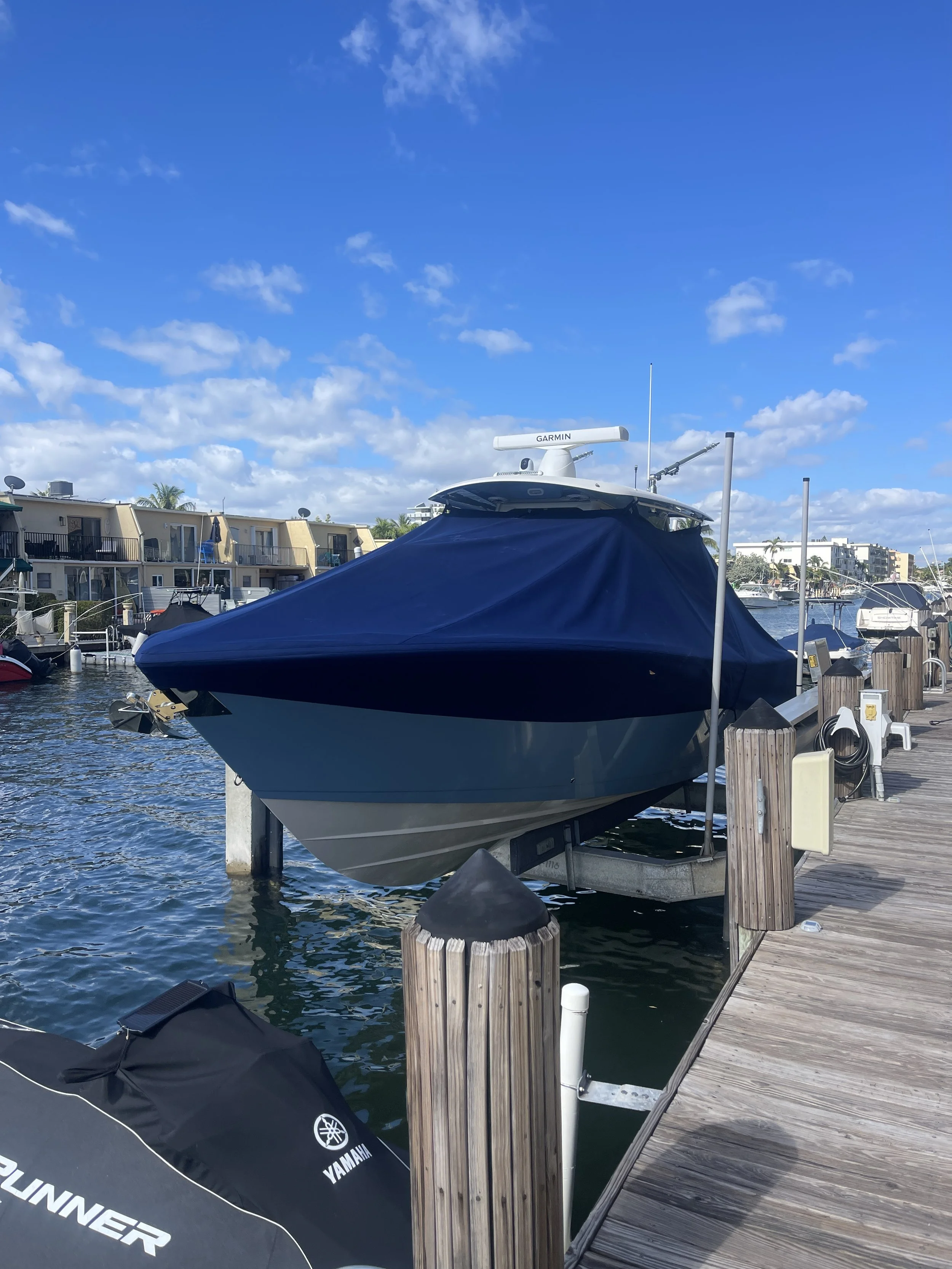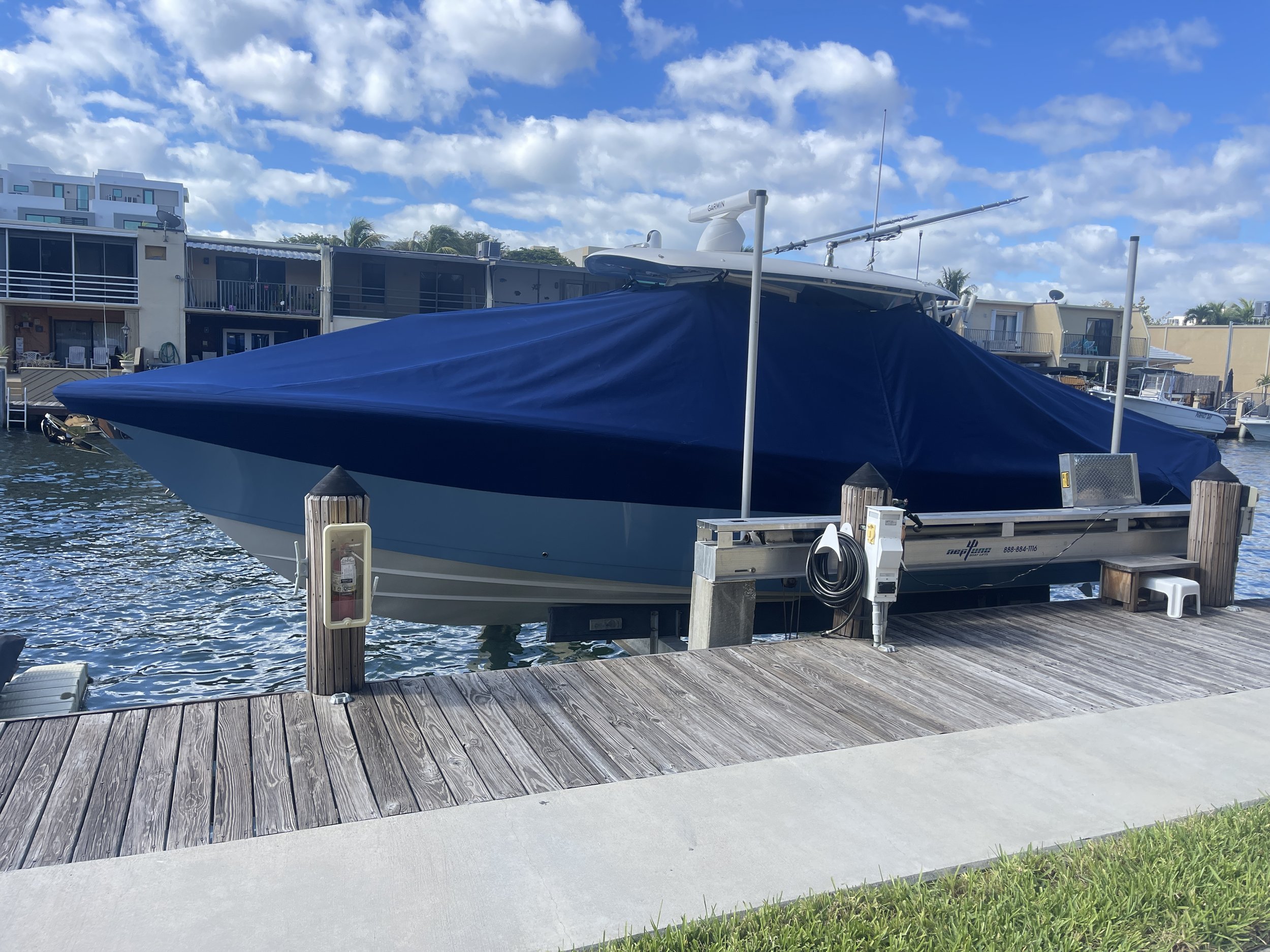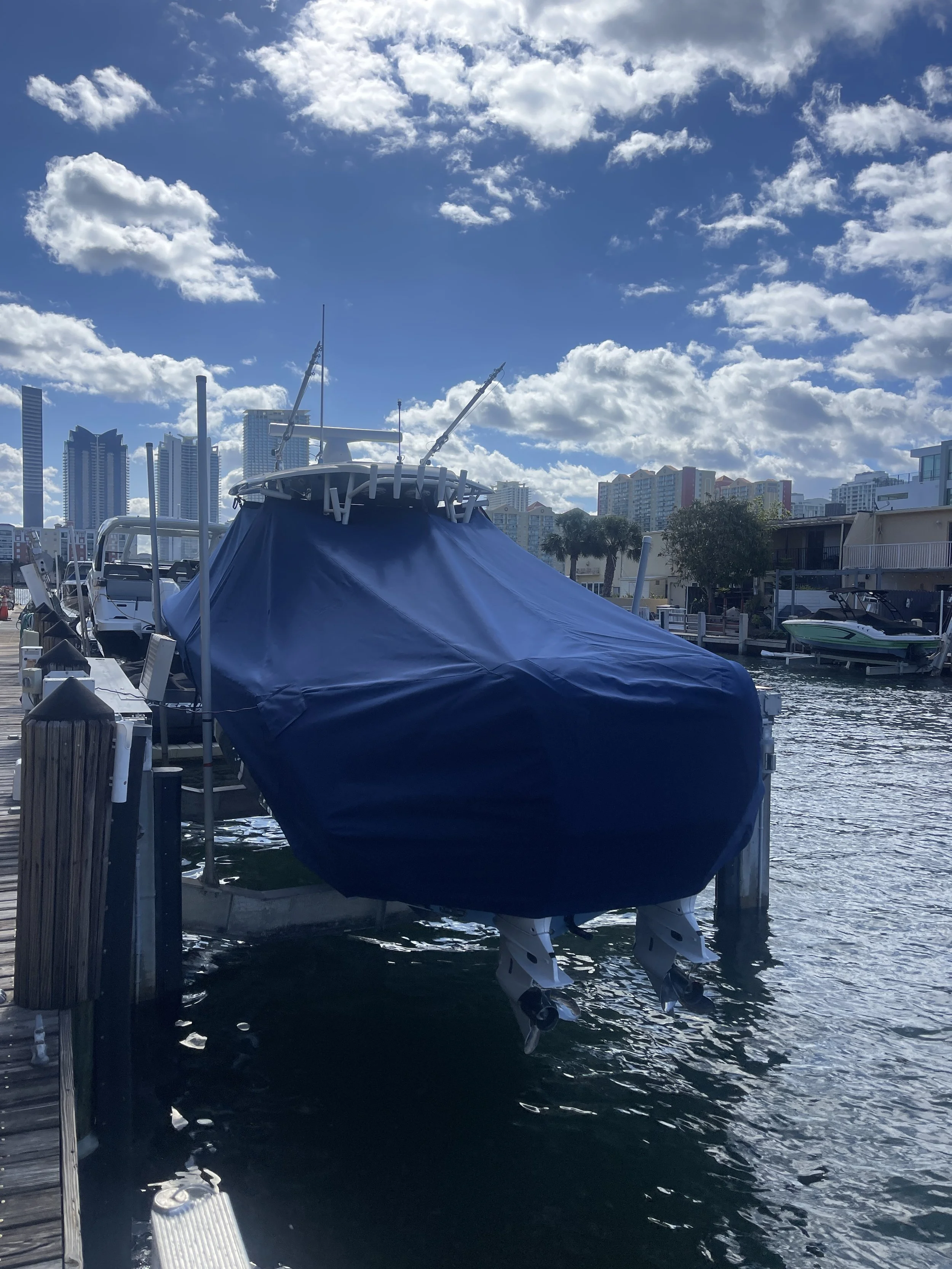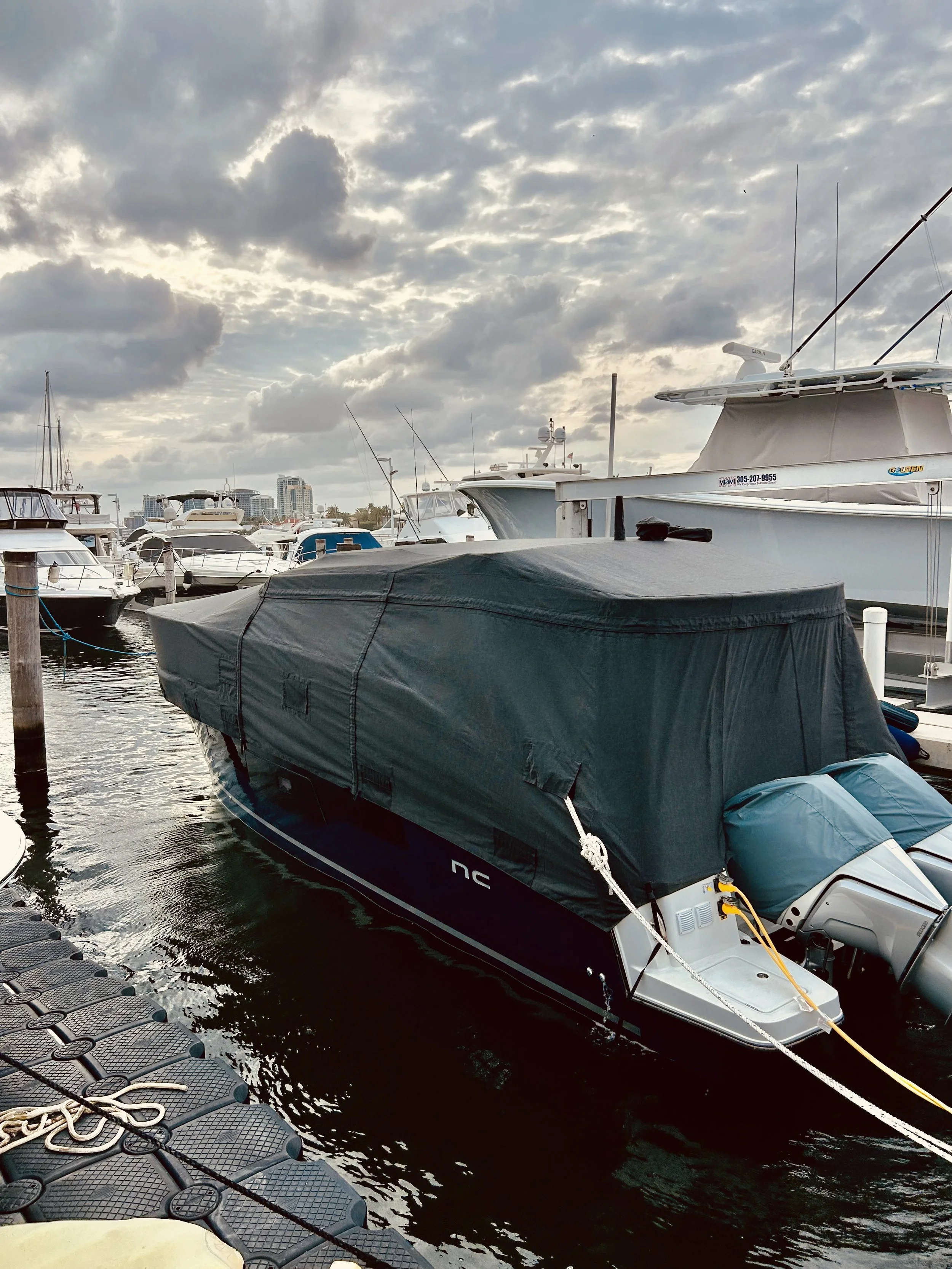
Don't Get Tangled: Easy Boat Cover Installation Tips

Why Proper Boat Cover Installation Matters for Your Investment

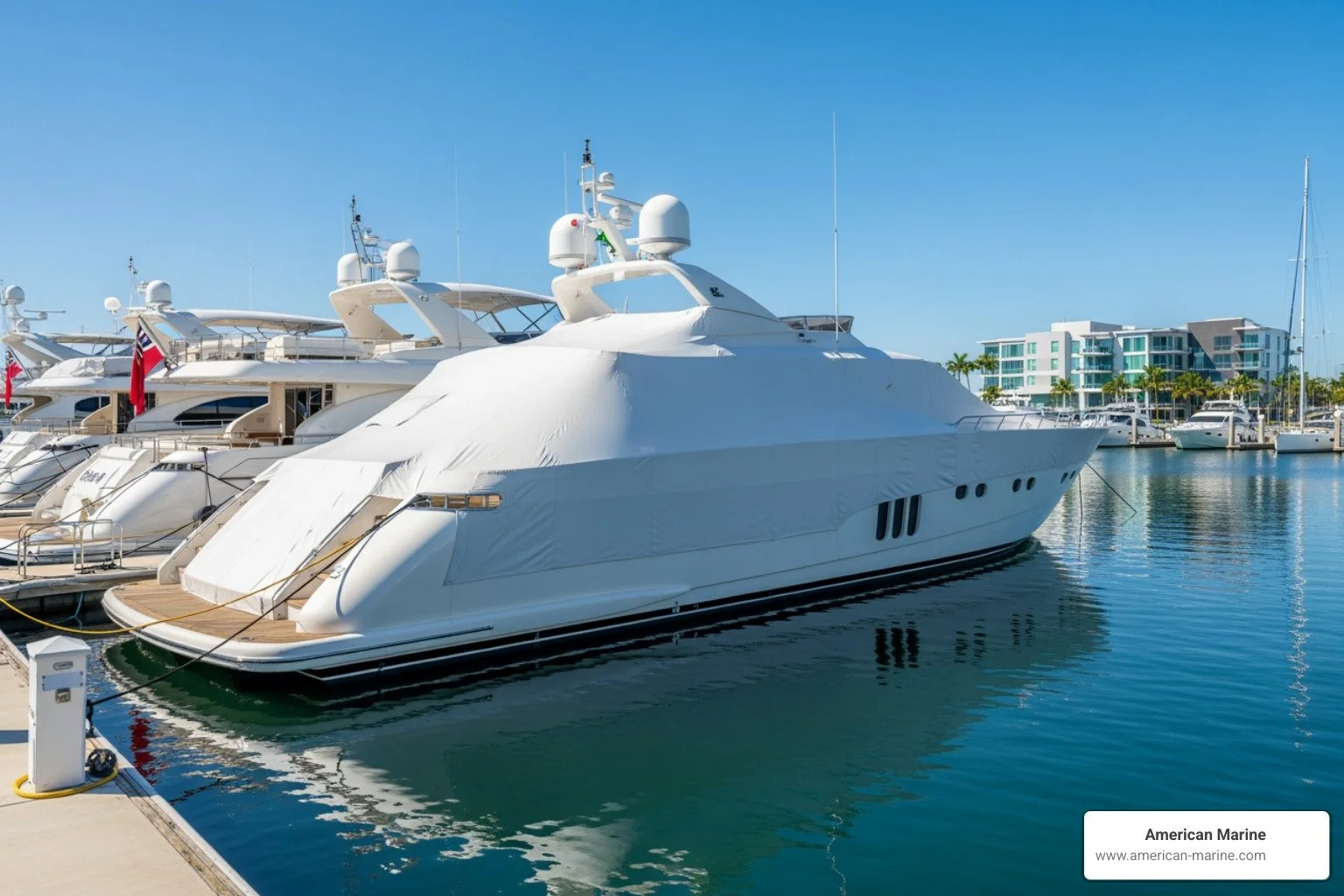
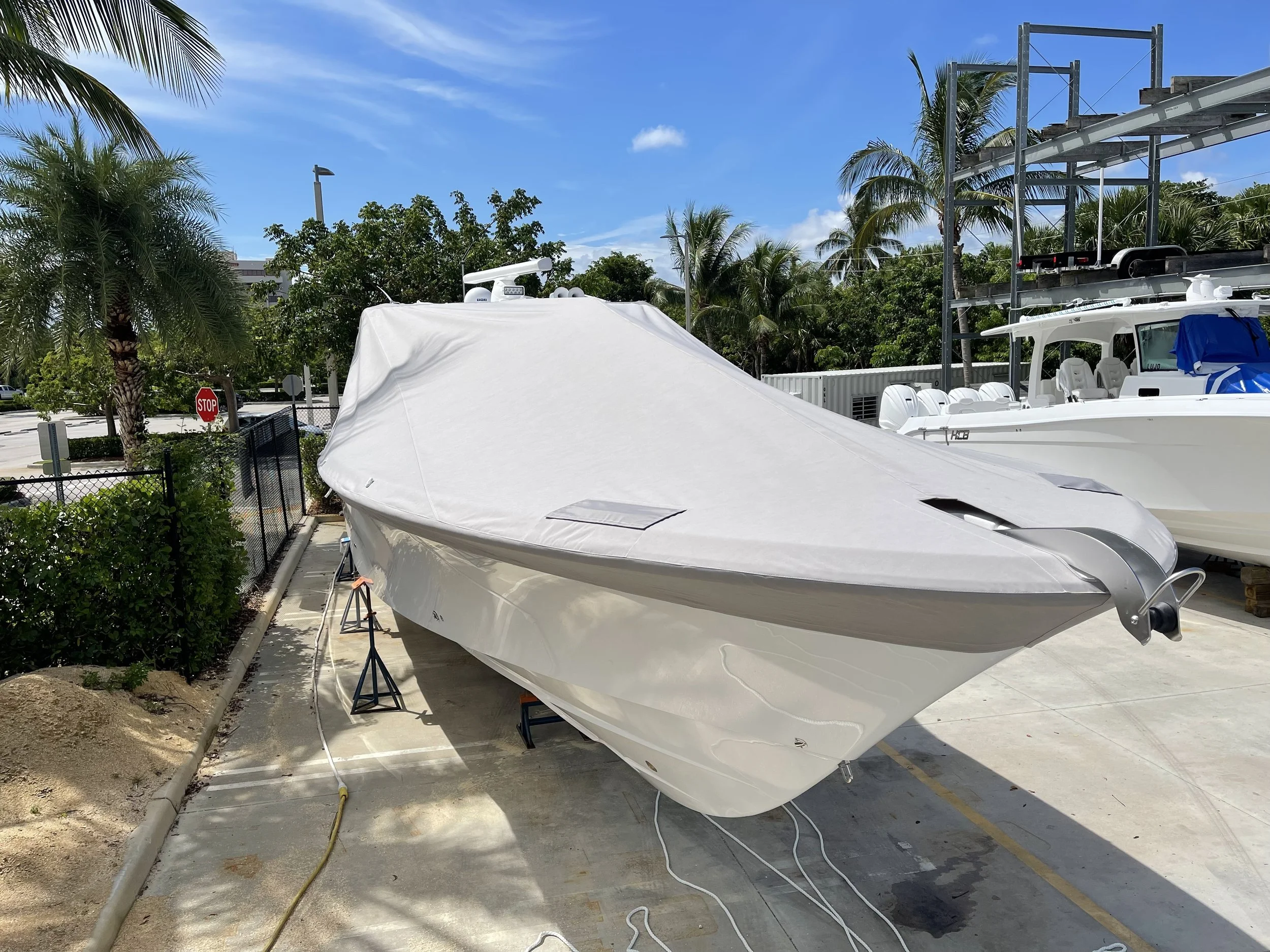
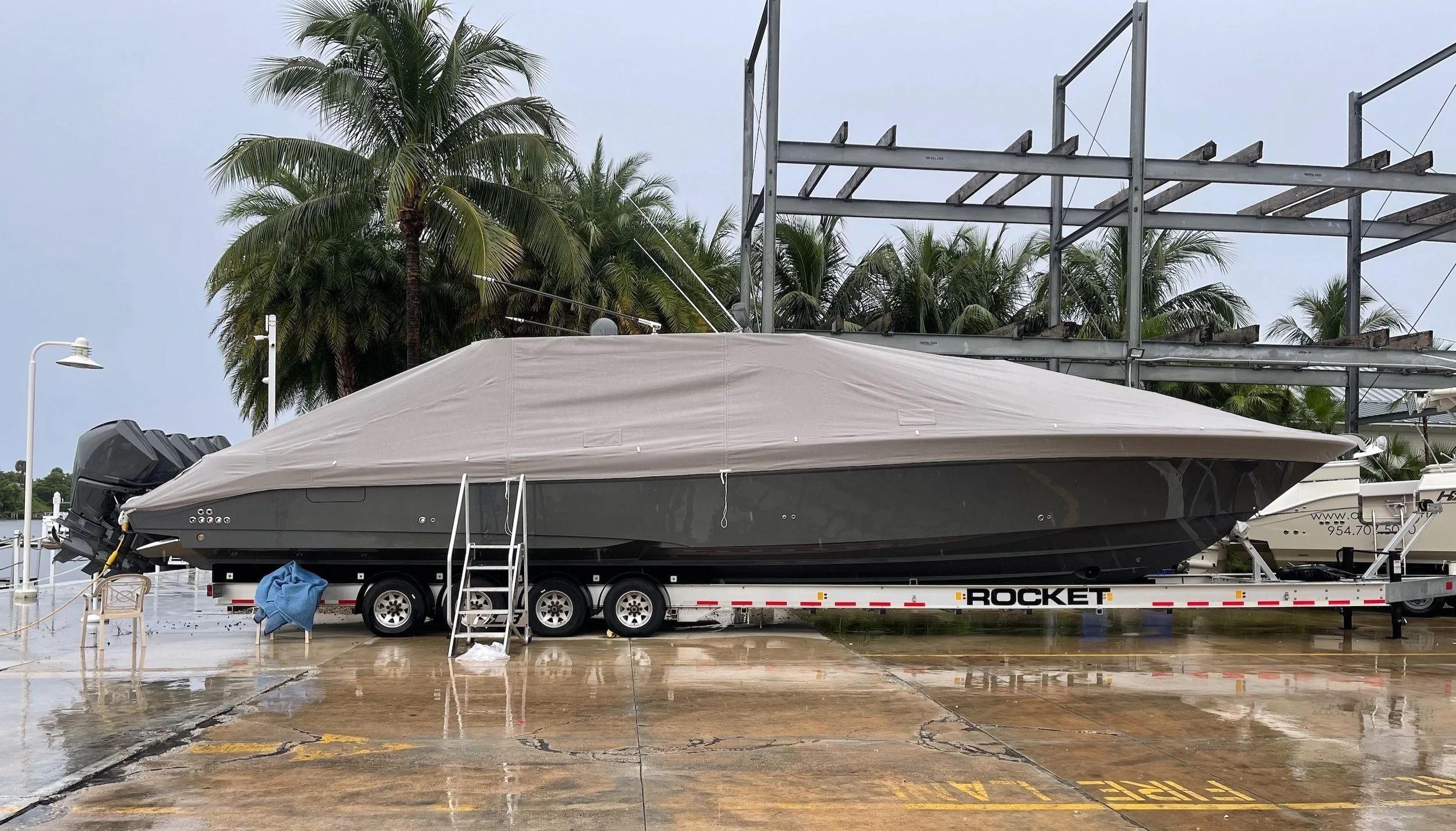
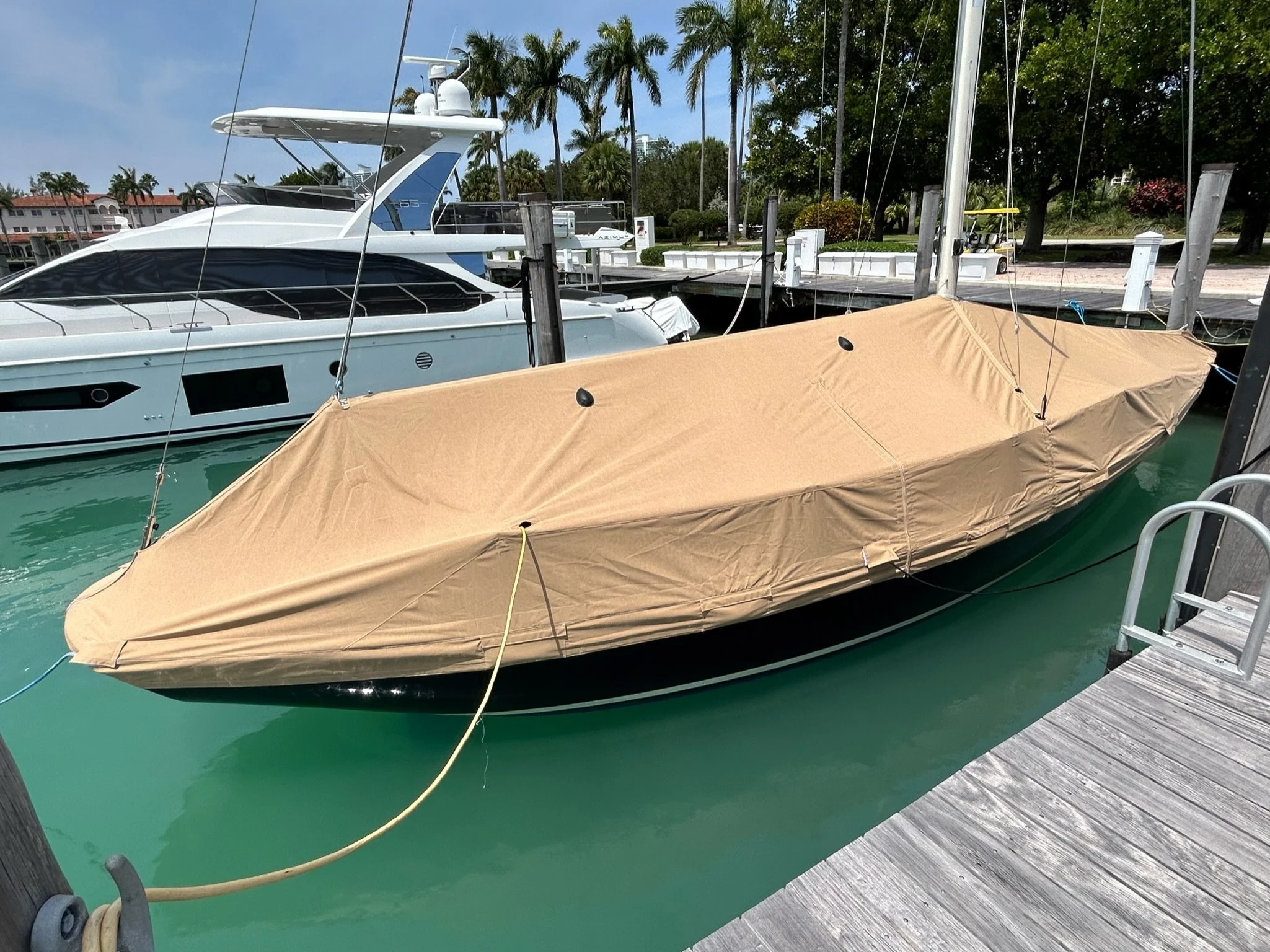
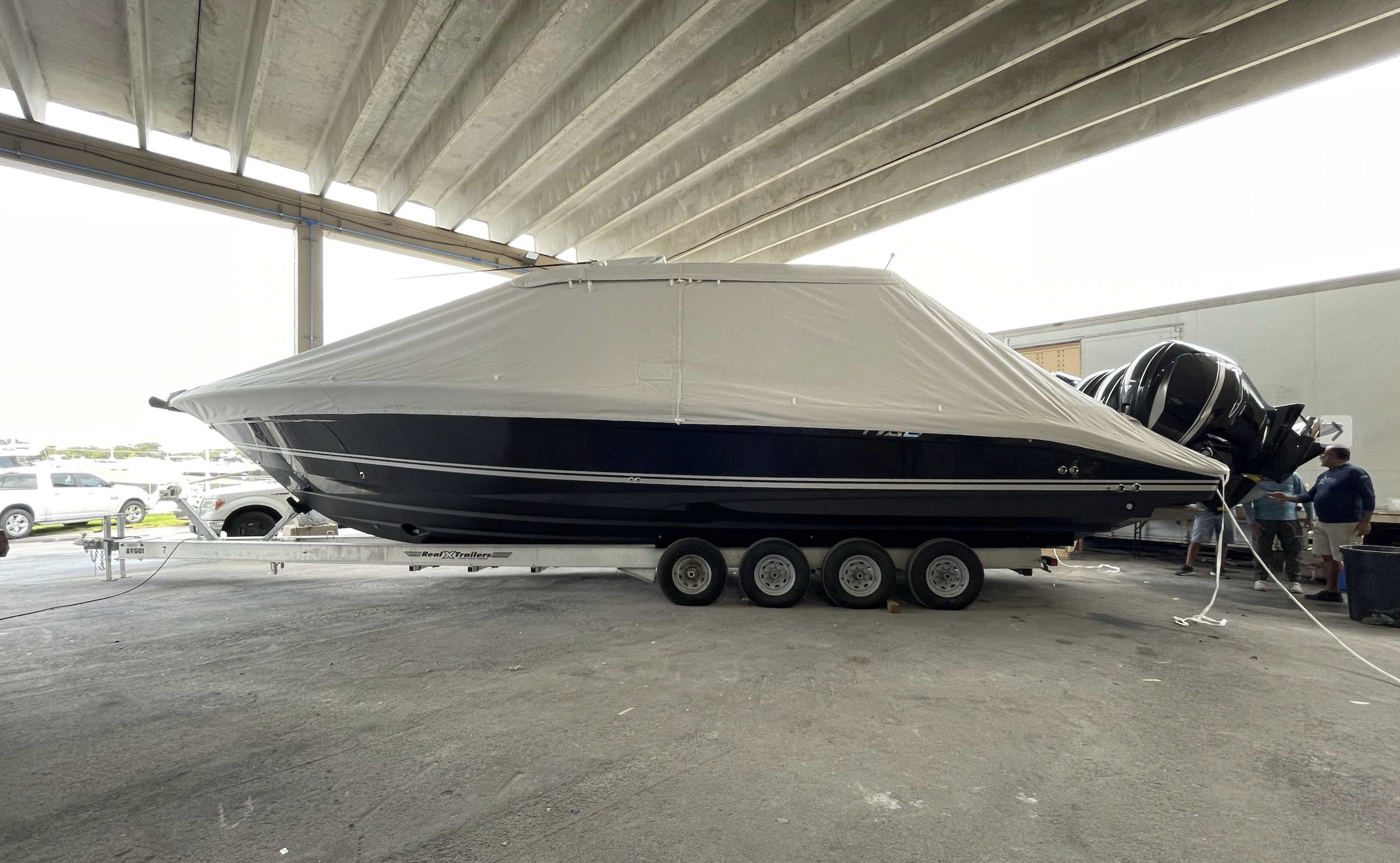
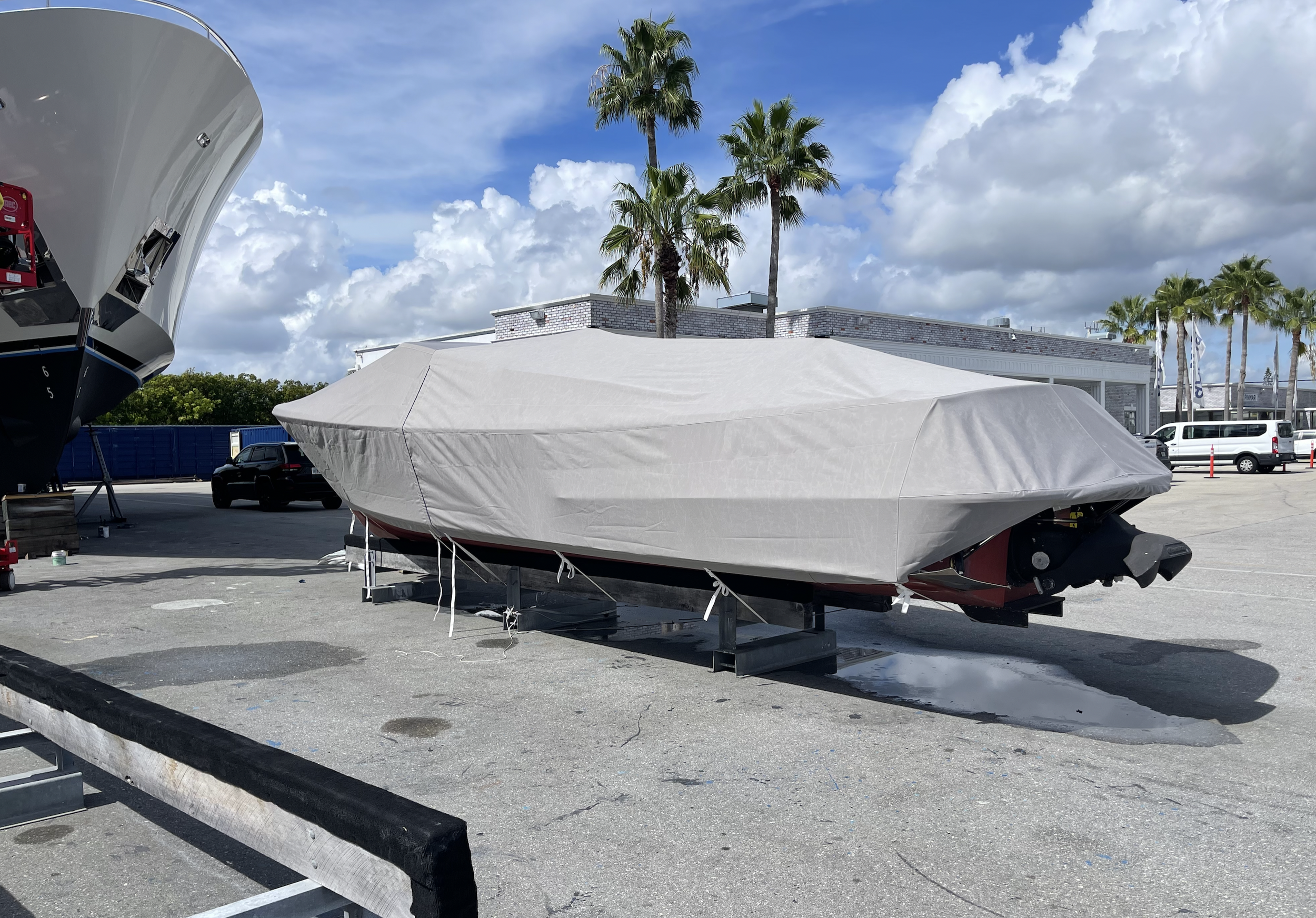
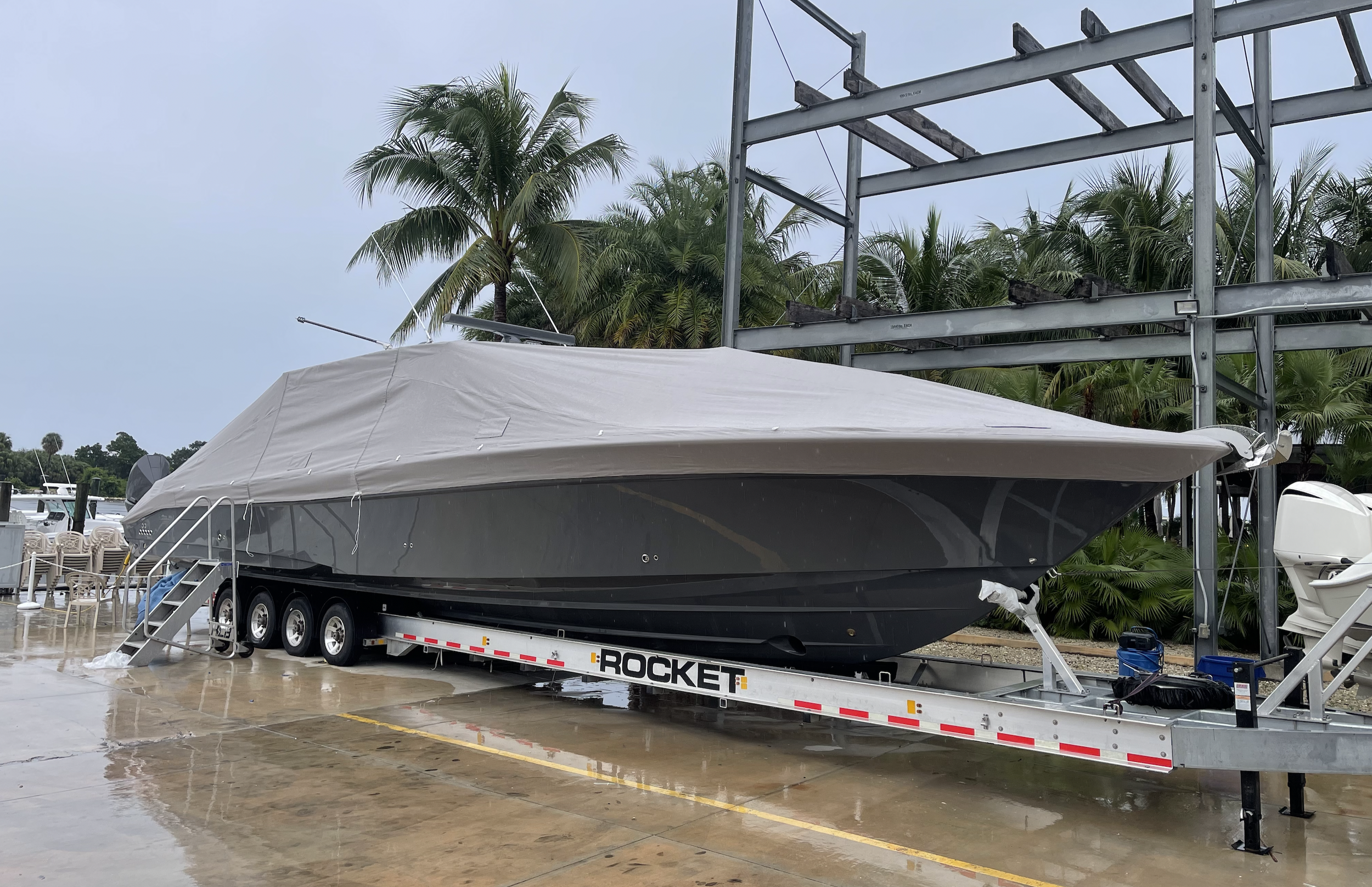
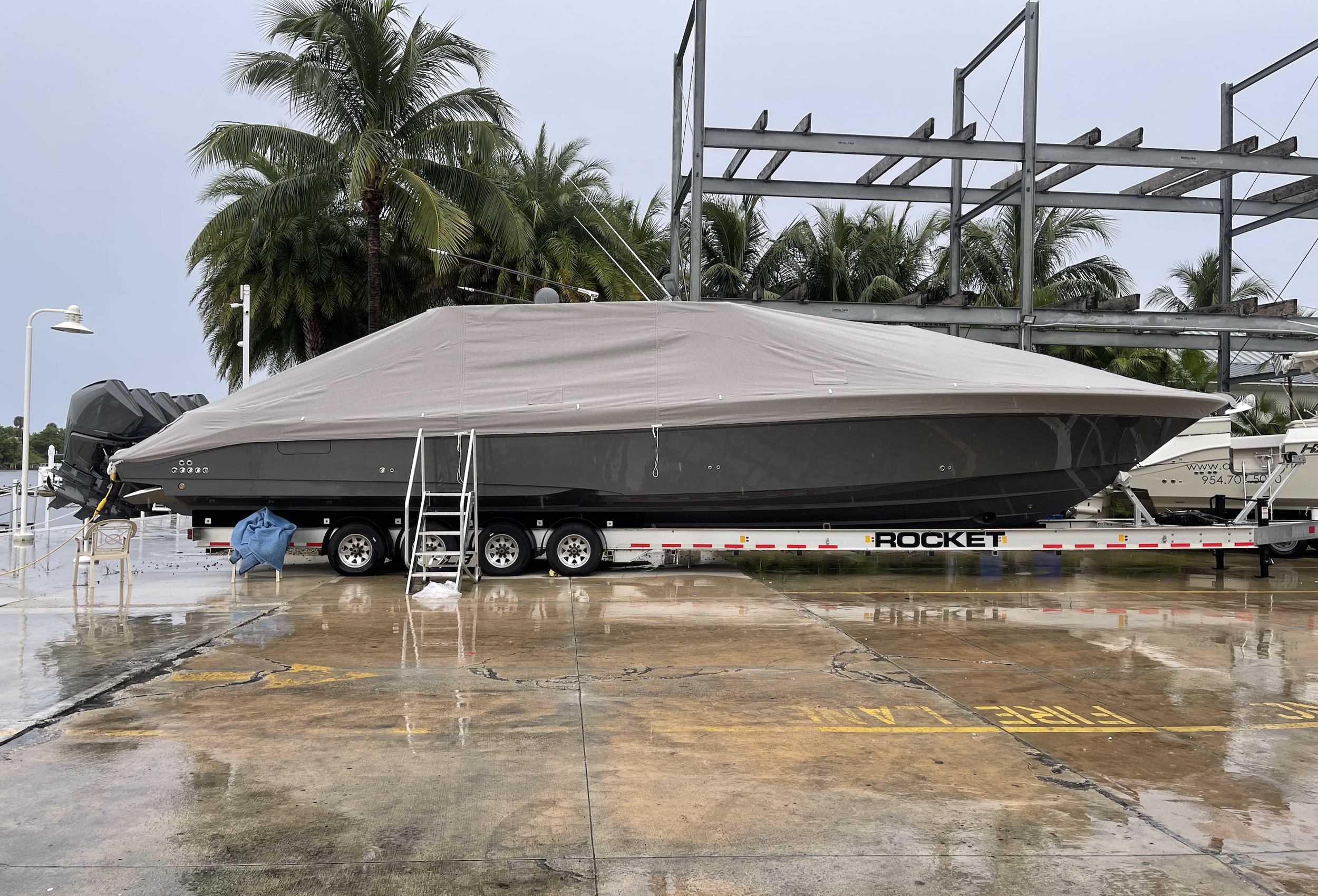
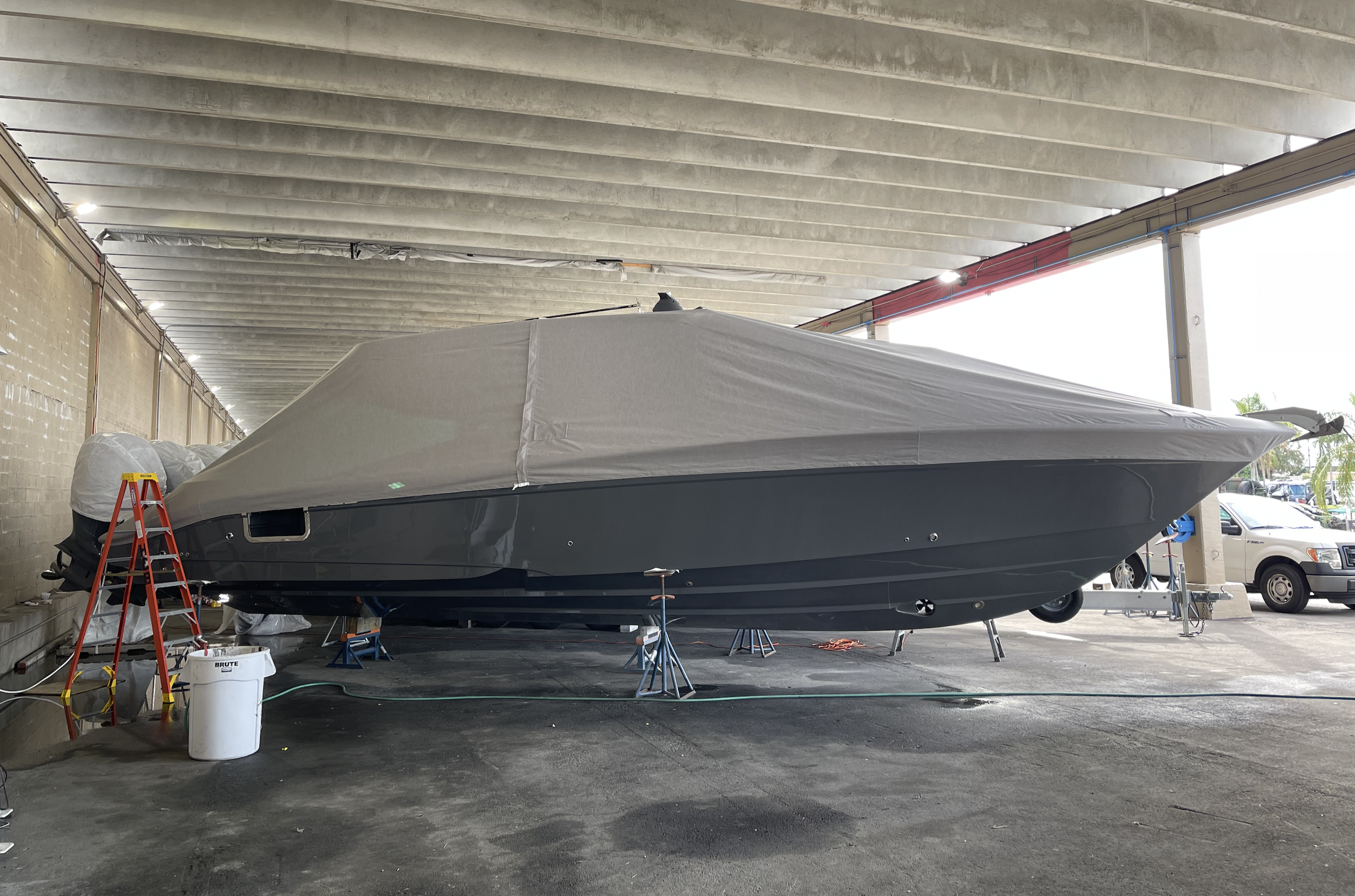
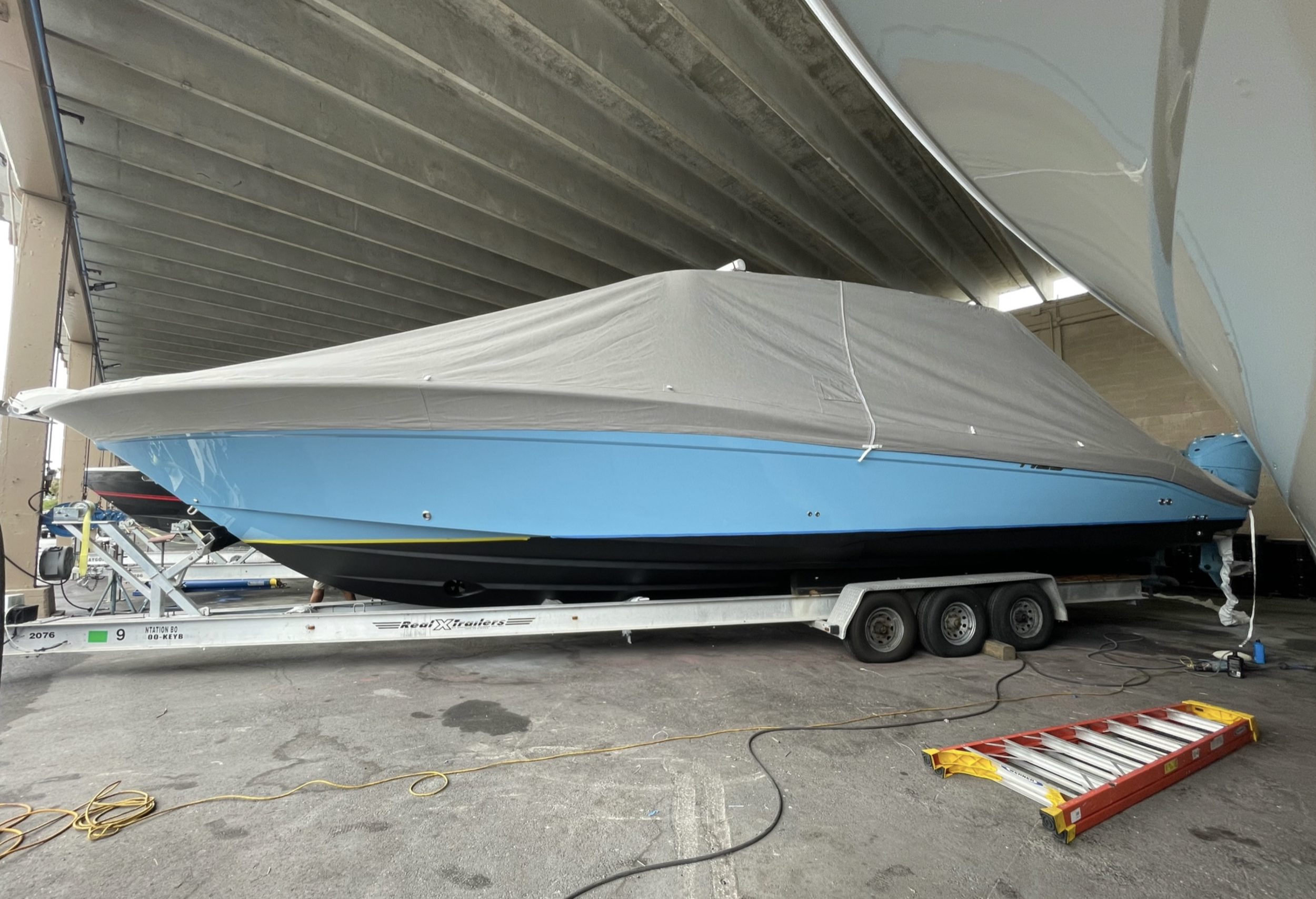
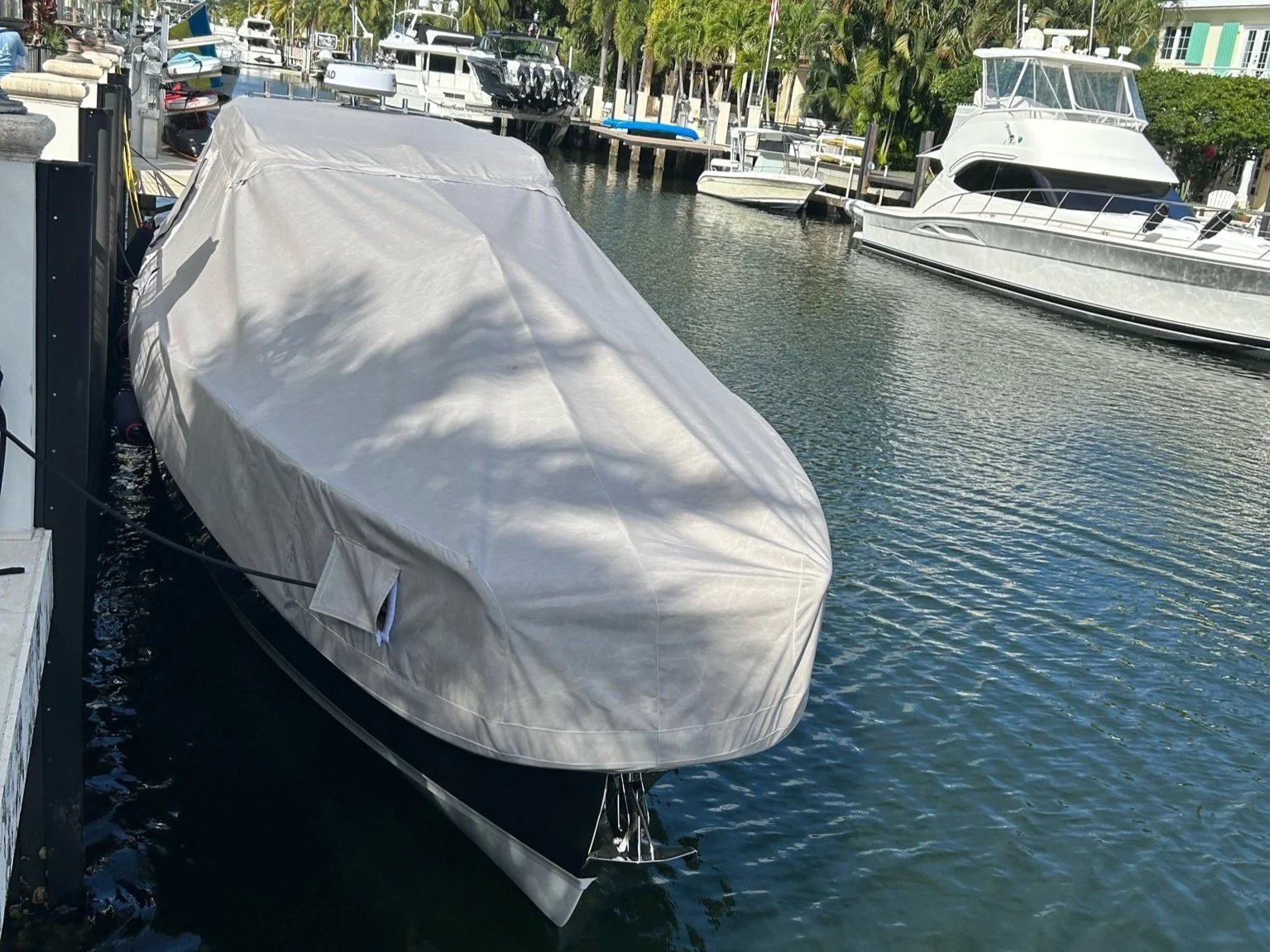
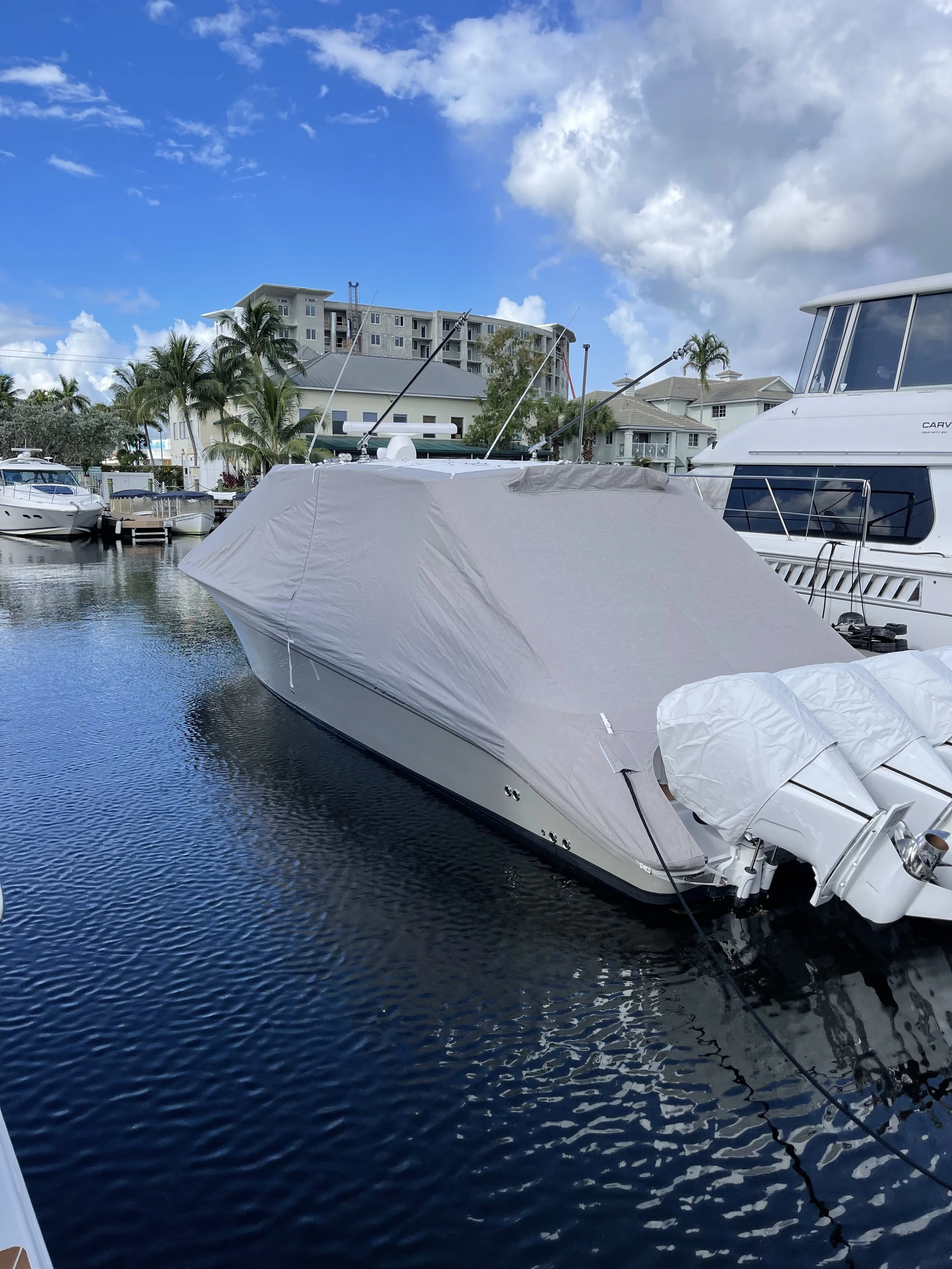
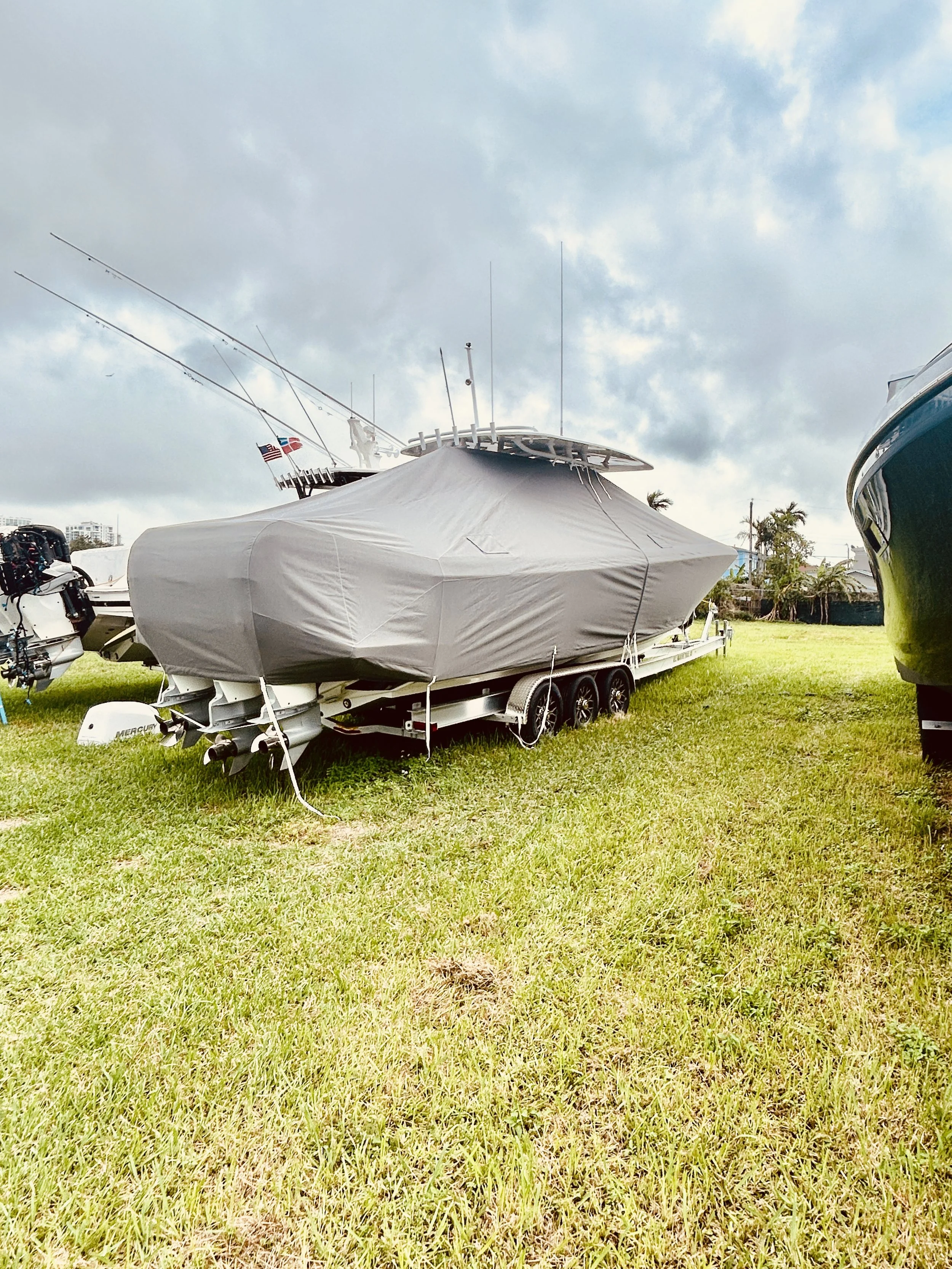
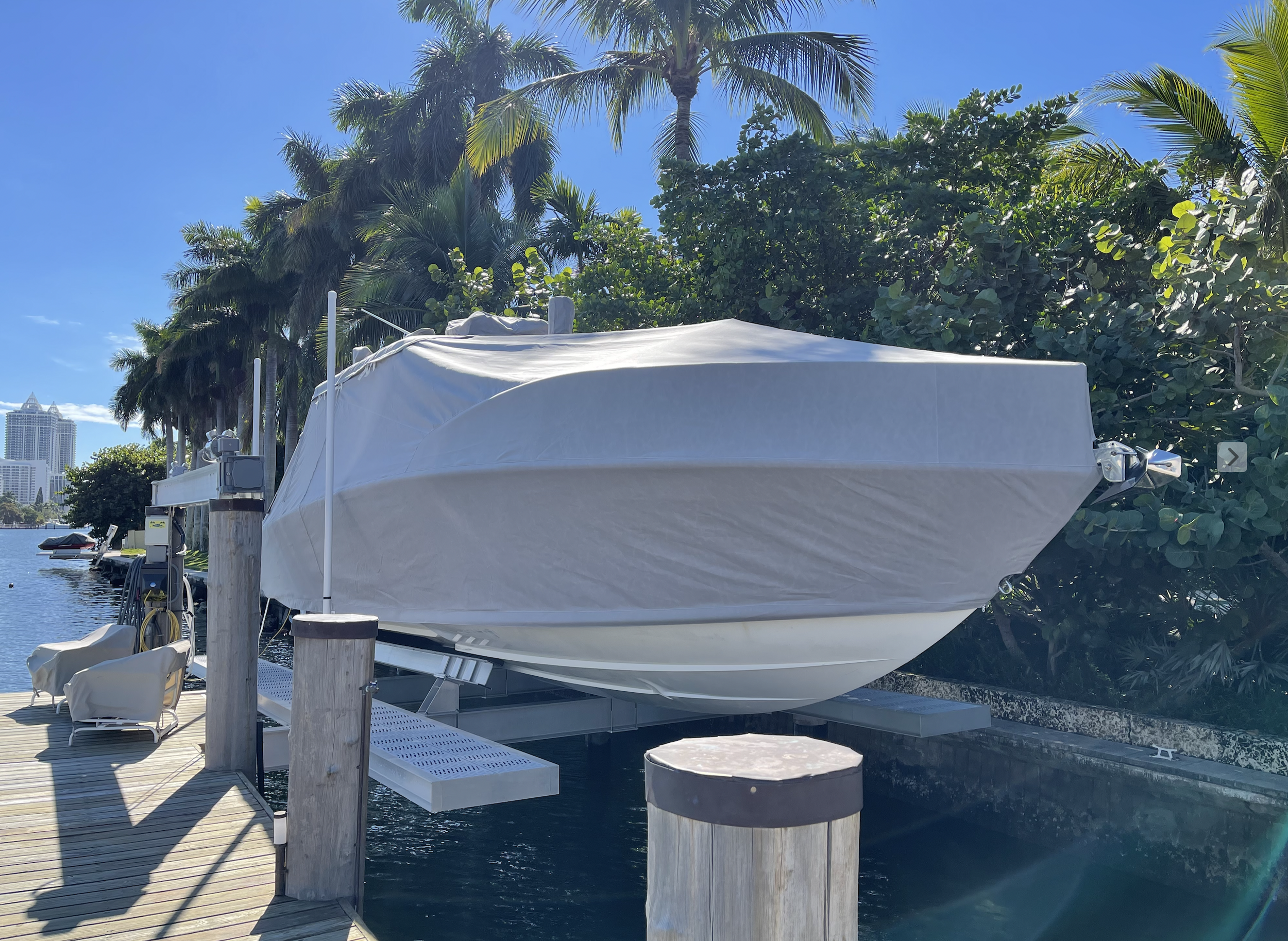
luxury yacht with custom boat cover - boat cover installation

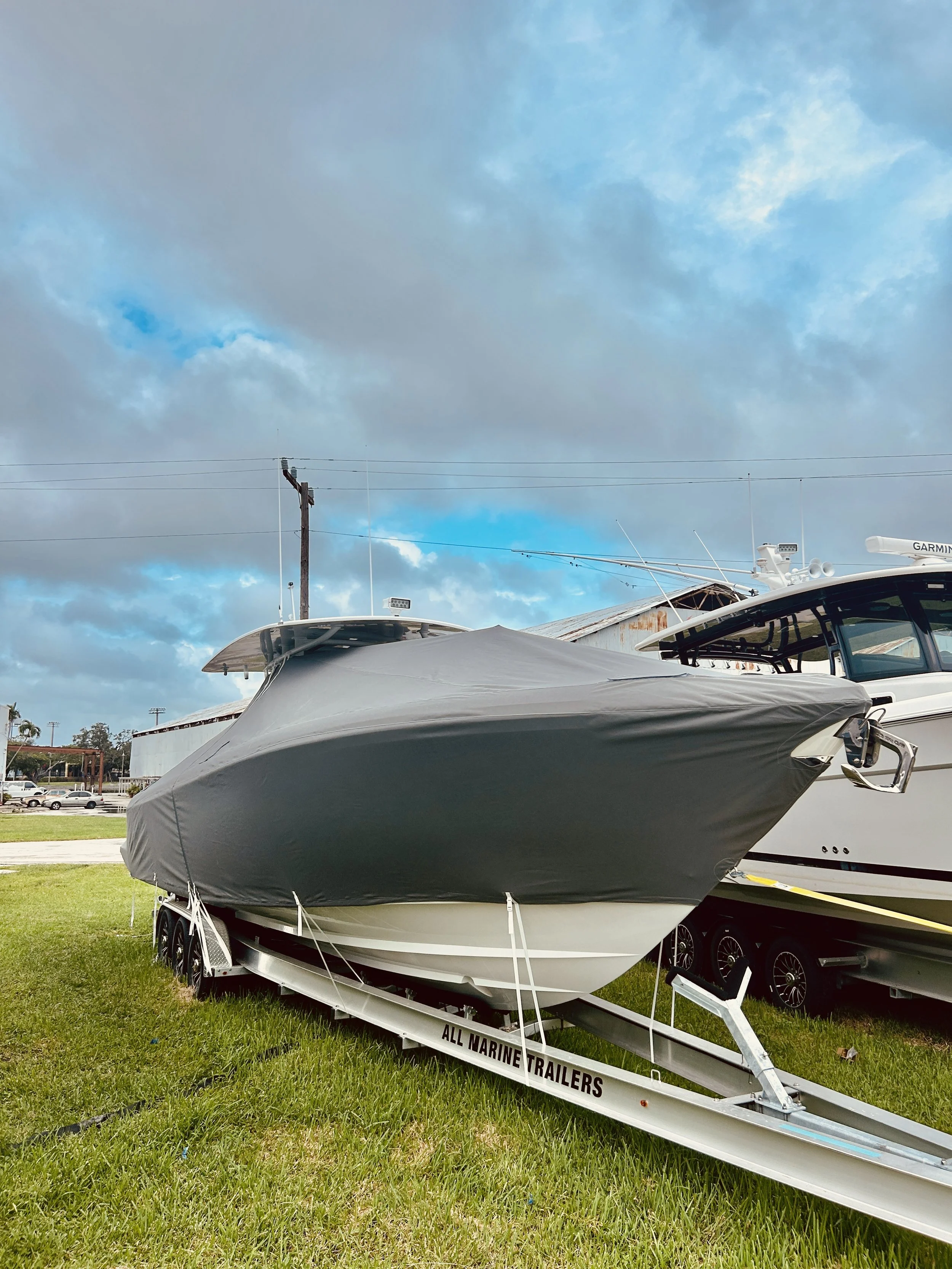
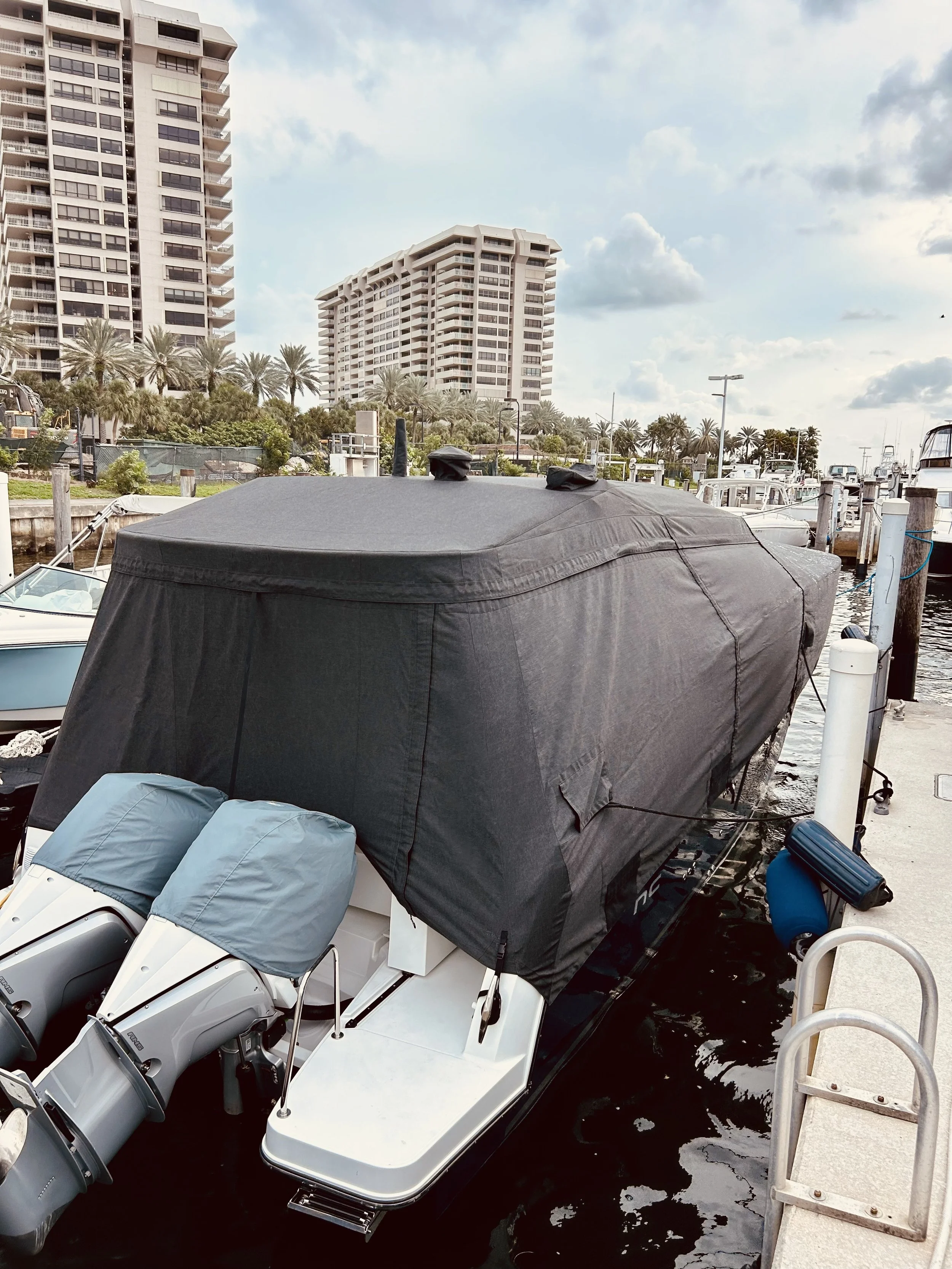
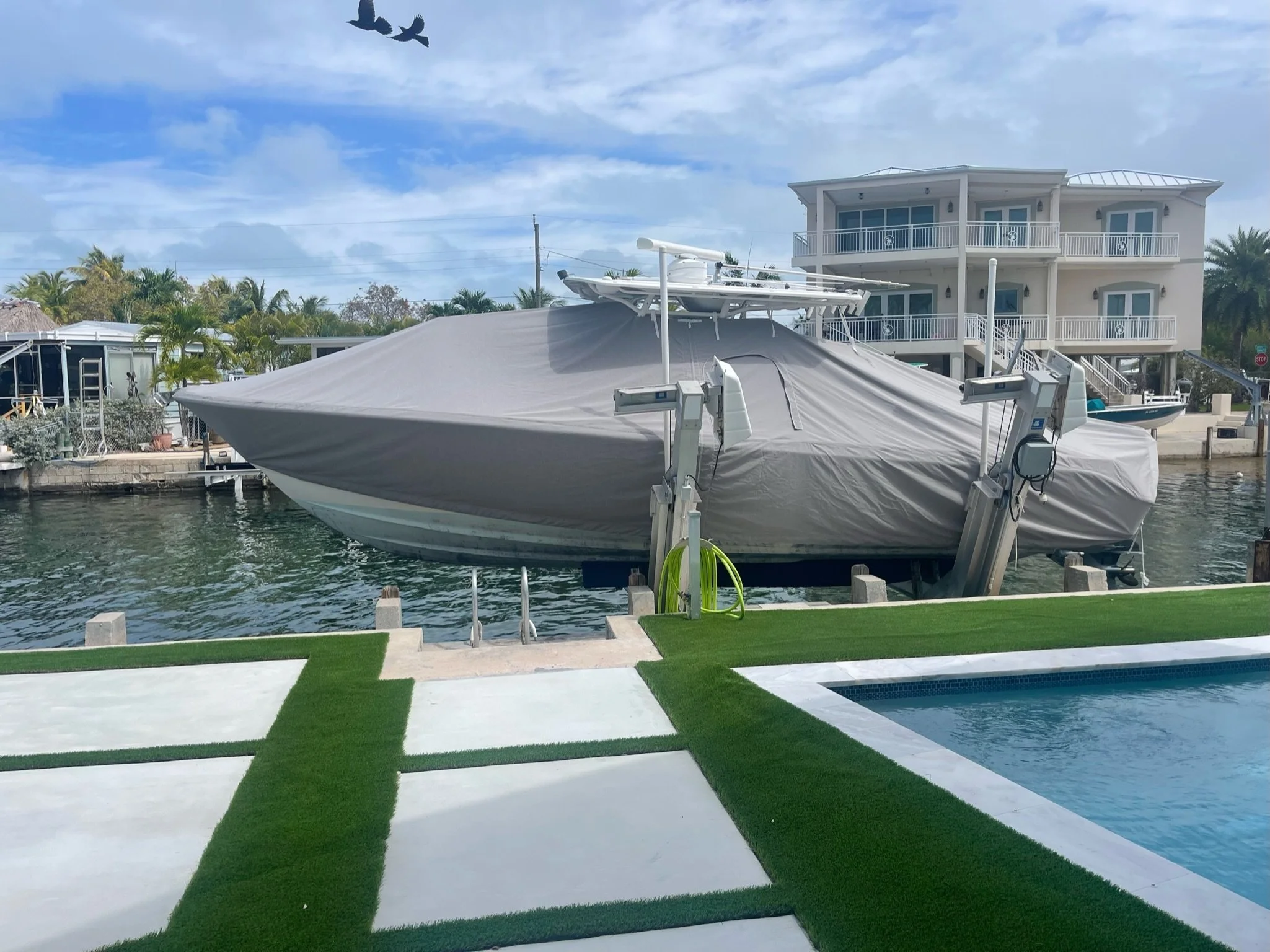
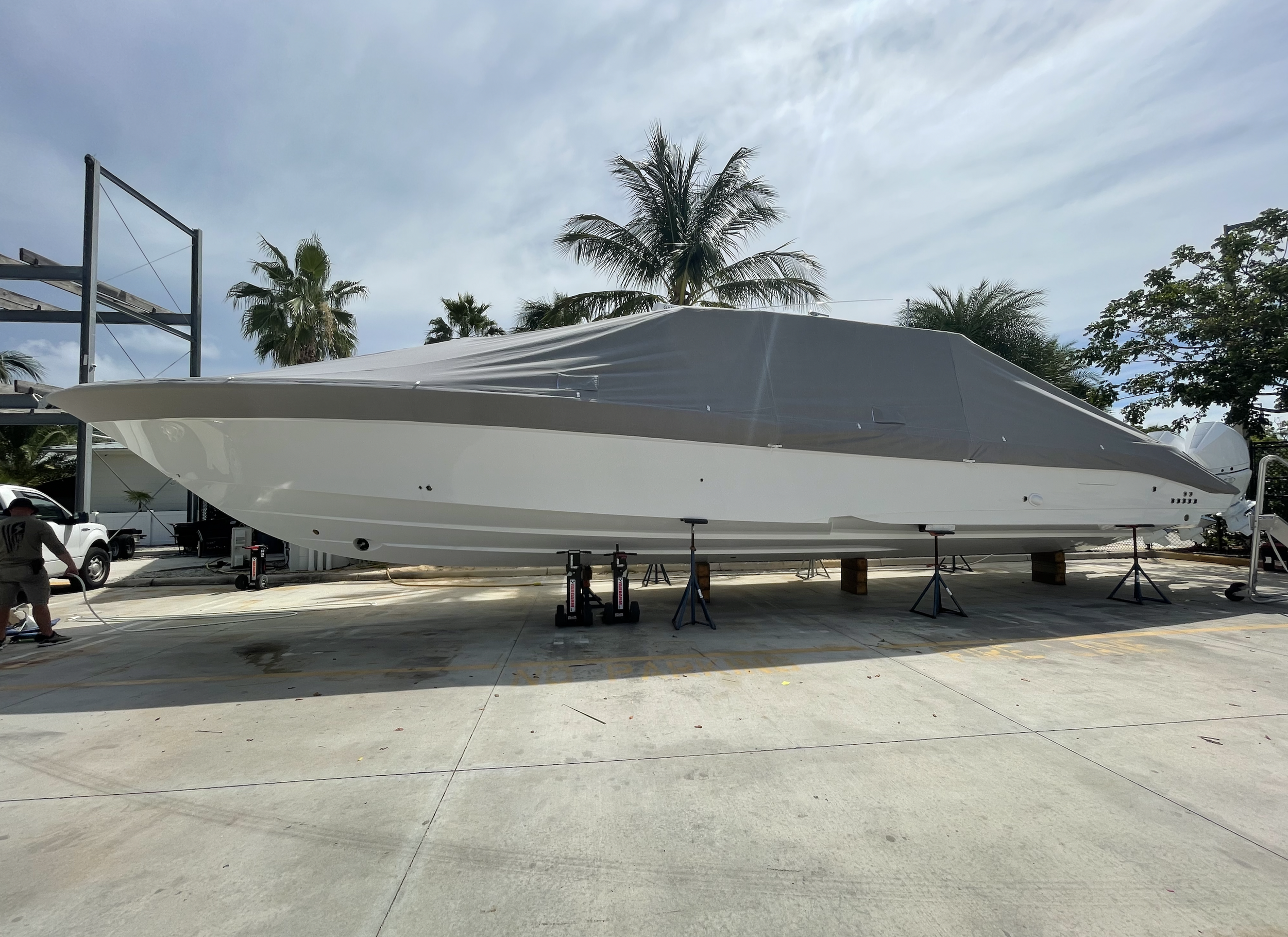
Boat cover installation is one of the most effective ways to protect your vessel from the elements. A properly installed cover shields your boat from UV damage, rain, dirt, and debris—but only if it's secured correctly.

Quick Steps for Boat Cover Installation:

  1. Prepare your boat - Clean surfaces, pad sharp points, secure loose accessories
  2. Orient the cover correctly - Locate the front/bow marker and center the cover
  3. Position and drape - Pull the cover below the rub rail evenly on all sides
  4. Secure with straps - Attach all tie-down straps, starting from the center and working outward
  5. Tighten and adjust - Ensure a snug, taut fit to prevent wind flap and water pooling
  6. Check for trailering - Use all included straps if transporting; partial securing voids warranties

The difference between a cover that protects and one that fails often comes down to installation. A loose cover allows wind flap that can tear fabric, an improperly centered cover creates stress points, and sharp edges left unpadded can puncture even high-quality marine canvas.

Custom covers require even more attention. Many factory-replacement covers arrive without pre-installed snaps, allowing you to position fasteners precisely for your specific boat, accounting for minor variations between identical models.

I'm Jeremy Bottau, owner of American Marine. With years of experience providing custom marine canvas for luxury yachts in South Florida, I've learned that proper installation is just as important as the quality of the cover itself. Let's walk through everything you need to know to install your boat cover correctly.

infographic showing boat cover installation steps: 1) prepare boat and gather tools, 2) identify front of cover and center it, 3) drape cover below rub rail, 4) attach and tighten all straps from center outward, 5) verify taut fit and secure all fasteners - boat cover installation infographic

Preparation is Key: Tools and Pre-Installation Steps

A little preparation goes a long way toward preventing damage to your boat and cover, ensuring a secure fit, and extending the lifespan of your investment.

tools laid out - boat cover installation

Preparing Your Boat for a Secure Fit

First, ensure all boat surfaces are clean, as dirt and grime can abrade the cover's underside. Next, lower antennas, remove fishing rods, and secure any loose items that might create sharp edges.

Padding sharp points is the most critical pre-installation step. The corners of a windshield, cleats, or a T-top frame can easily puncture your cover, especially with wind movement. Use old towels or foam pads to cover these areas. Even the toughest marine fabrics like Sunbrella need protection from constant friction. You can learn more about how we protect your investment in our Expert Guide to Custom Boat Covers.

A special note for new boats: wait at least four weeks before installing a cover. Compounds in new boats can release gases that react with cover dyes, potentially staining your boat's surfaces.

Essential Tools and Materials

Having the right tools makes the boat cover installation process much smoother. Gather these items before you start:

  • Soft brush and lukewarm water
  • Measuring tape
  • Grease pencil or china marker (for marking snap locations)
  • Marine-grade tie-down straps
  • Support poles or vents (to prevent water pooling)
  • A reliable snap installation tool (for snap-on covers)
  • Lighter or heat source (for singeing cut strap ends)

The Ultimate Guide to Boat Cover Installation

With your boat prepped, it's time for the boat cover installation. While there are nuances for different cover types, these fundamental steps ensure a secure fit for most vessels.

person draping cover over boat bow - boat cover installation

Step-by-Step Universal Installation

This method works well for full covers, mooring covers, and storage covers.

  1. Identify Front and Stern: Most covers have a tag indicating "FRONT" or "BOW." Locate this first for proper orientation.
  2. Drape and Center the Cover: Starting at the bow, drape the cover over your boat, pulling it toward the stern. Ensure it’s centered with an equal amount of overhang on both sides.
  3. Secure Below the Rub Rail: Pull the cover down around the entire perimeter, positioning the hem just below the rub rail for a snug fit that prevents wind from getting underneath.
  4. Strap and Buckle Systems: Secure the cover using its strap system. For tie-down loops and separate straps, thread the buckle-end of the strap through the loop, tie it off with an overhand knot, route the other end around your trailer frame, and tighten through the quick-release buckle.
  5. Achieving a Taut Fit: This is paramount. Cinch all straps tight, working from the center outwards or alternating sides. The goal is a snug, taut fit that eliminates loose fabric. A tight cover prevents water pooling and reduces wind flap, the primary cause of premature wear and tear.

A well-executed How to Install a Boat Cover process gives you peace of mind.

Specifics for Snap-On Boat Cover Installation

Snap-on covers offer a sleek, custom fit. If your replacement canvas arrived without snaps, it's to ensure a perfect fit for your specific vessel, as even same-model boats can have slight variations. This is a hallmark of the Custom Fitted Boat Covers we champion at American Marine.

  1. Position the Canvas: Lay the new cover over the area, using any Velcro closures to hold it temporarily.
  2. Marking the Center Point: Find the center point along the windshield or cockpit and mark it with a grease pencil. Align the cover's center seam with this mark.
  3. Installing Center Snaps First: Using a press and snap tool, install the first snap at the center point. Then, install the corresponding snap on the opposite side to maintain tension.
  4. Working Outwards: To get a wrinkle-free fit, work outwards from the center, installing snaps one at a time. Apply slight sideways tension to the fabric before marking and installing each new snap.
  5. Secure Rear and Corner Snaps: Move to the rear center snap, then stretch the fabric tightly to install the corner snaps.
  6. Fill in the Gaps: Finally, fill in the remaining snaps along the sides, working from the center outward.
  7. Final Check: The cover should be taut, smooth, and free of wrinkles.

Installing Specialty Covers: T-Tops and Mooring Covers

Specialty covers like T-top and mooring covers have unique requirements.

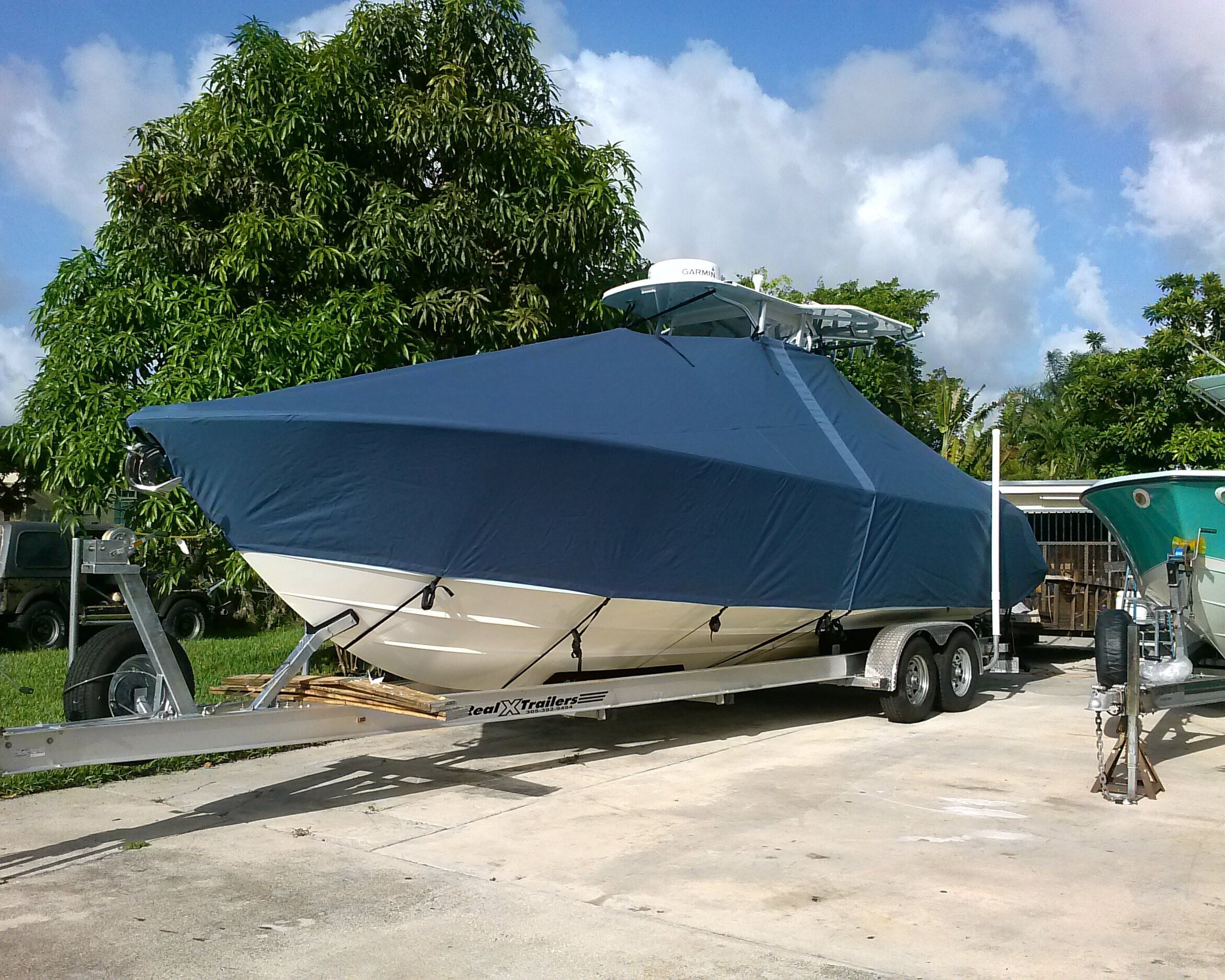
T-Top Cover Installation: Custom T-top covers are designed for efficiency, often featuring webbing straps, clips, and zippers for a one-person, five-minute installation.

  1. Initial Strap Attachment: From inside the boat, attach the designated "start" strap to the front center bar of the T-top frame. Attach adjacent straps to the right and left.
  2. Covering the Bow and Stern: Drape the front section over the bow. Pull the large rear section around the stern, covering the motor(s) (which should be in the down position).
  3. Zipper Systems: Join the zipper halves and zip about one-third of the way.
  4. Attaching to the T-Top Frame: Connect all remaining webbing straps from the cover to the horizontal bars under your T-top, keeping the material taut.
  5. Final Zipping and Draw Rope: Step out of the boat and finish zipping. Tighten the draw rope at the bottom of the zipper and secure it with a clove hitch knot.
  6. Fit Verification: Check that the cover is secure over the bow, rub rails, and motor(s). Adjust straps as needed.

These covers are for storage on trailers, lifts, or dry stacks and are generally not for in-water use or travel. Trailering with a T-top cover can void its warranty. For more detailed tips, you can View More Installation Tips on our blog.

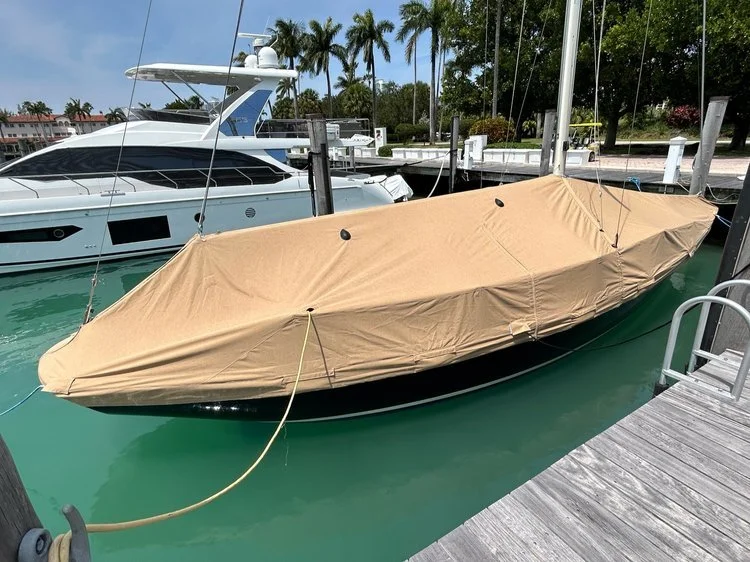
Mooring Cover Specifics: Used for docked boats, these often use snap-on installation. Support poles are crucial to prevent water from pooling and causing mildew. Fabric choice, like Sunbrella or Stamoid, is critical for longevity in the harsh South Florida marine environment.

Securing, Maintaining, and Troubleshooting Your Cover

Once your boat cover is installed, proper securing and consistent maintenance are vital for maximizing its lifespan and protective capabilities.

Trailerable vs. Storage Covers: Critical Differences

Understanding this distinction is paramount. Using the wrong cover for trailering can lead to disaster.

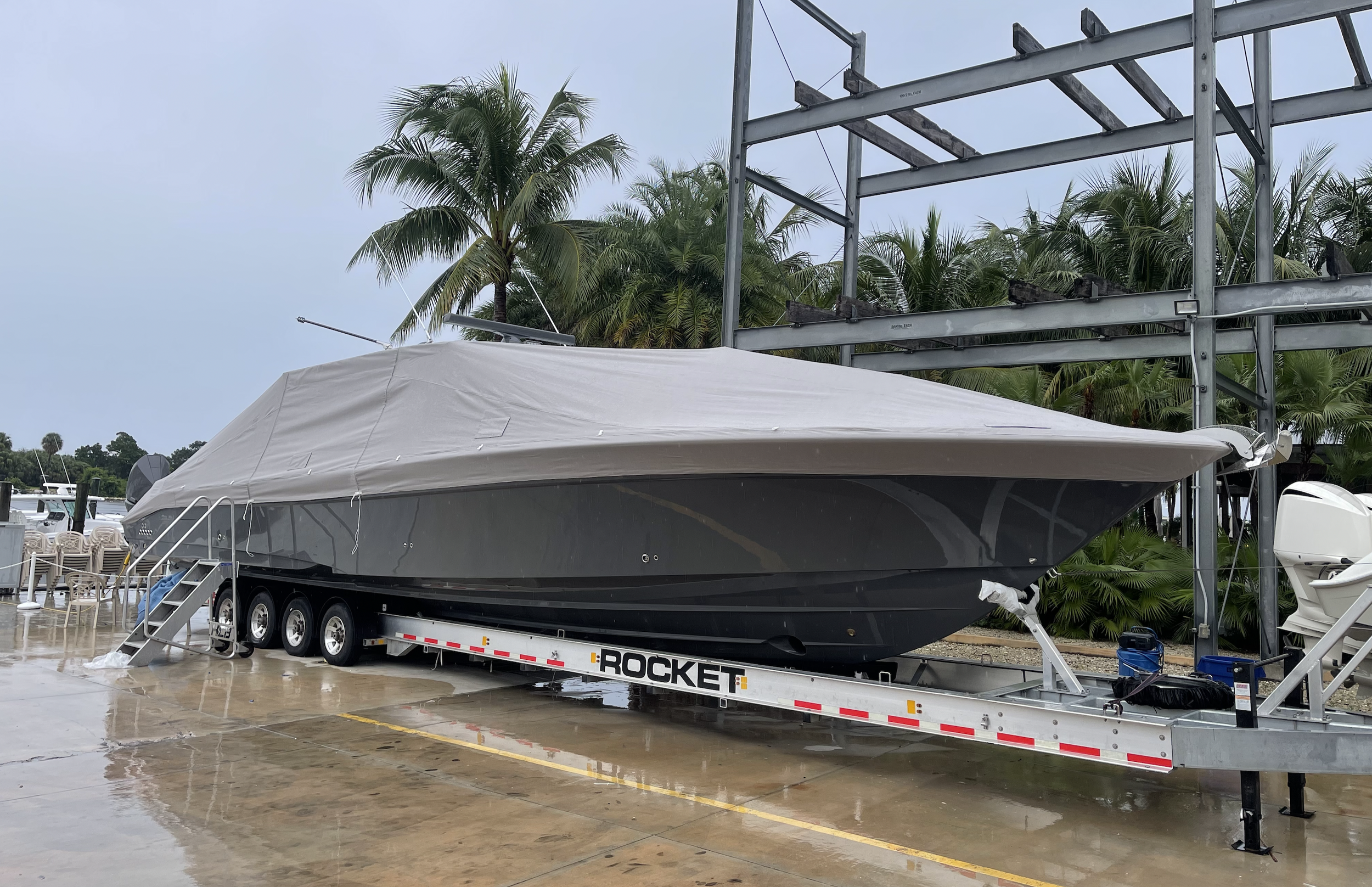
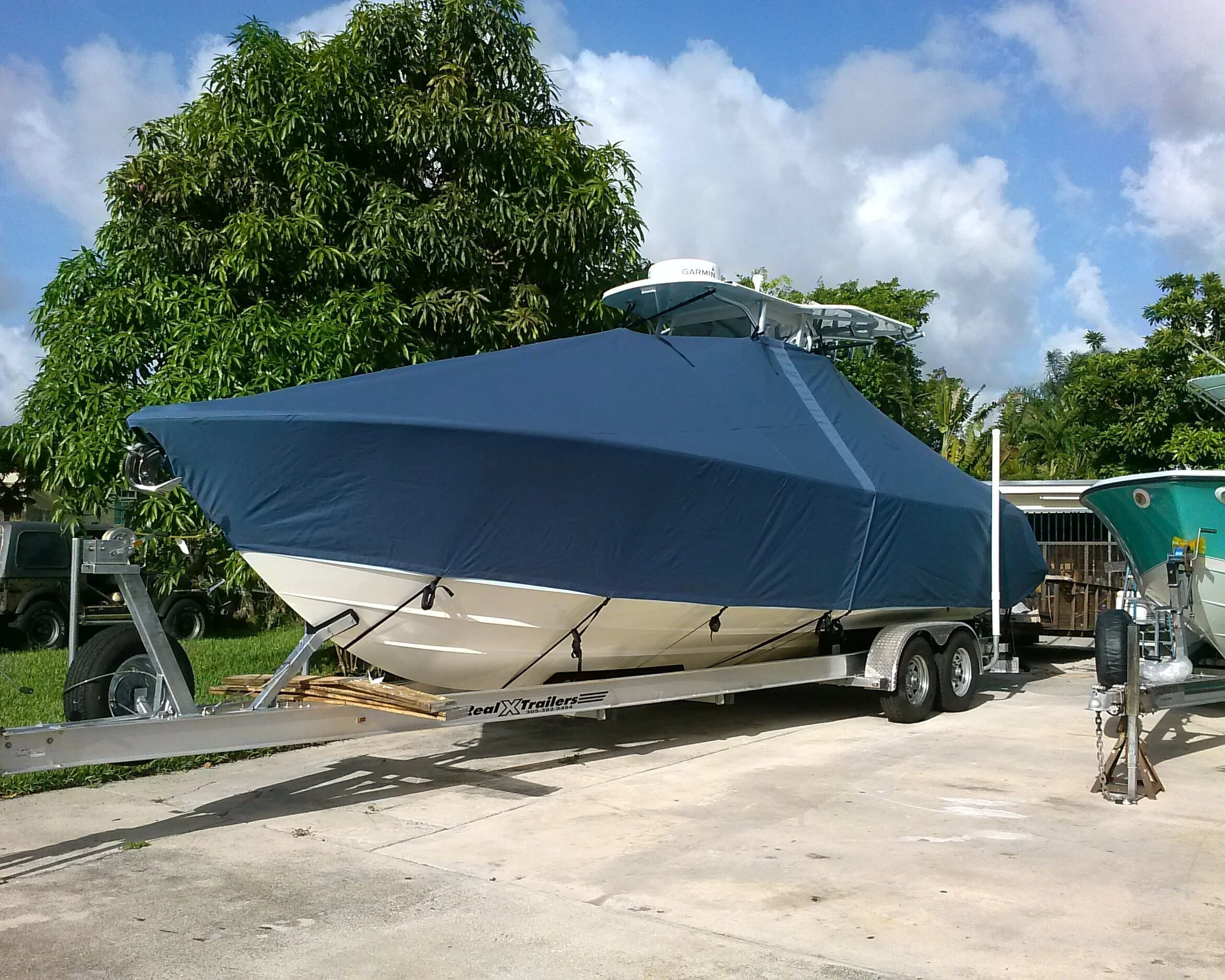
Trailerable covers are engineered for highway travel with reinforced tie-down systems. When trailering, you MUST use all included straps to prevent "wind flap"—the vibration that abrades fabric. Failure to do so will invalidate your warranty and risk damaging the cover and your boat. We recommend checking strap tightness after the first mile of driving. Our custom canvas solutions are designed with these stresses in mind, providing From Sun Damage to Storms: Why Precision Canvas is Your Yacht's Best Defense.

Storage covers are for stationary use (on a lift, in a dry stack, or docked). Their tie-down systems are less robust and not built for the extreme wind pressure of trailering. Using a storage cover for transport will almost certainly result in damage.

Best Practices for Cleaning and Long-Term Care

Regular cleaning and maintenance will ensure your cover protects your boat for years.

  • Cleaning: Use a soft brush and rinse with lukewarm water.
  • Avoid harsh chemicals: Do not use soap, detergents, or bleach unless specified by the manufacturer, as they can strip protective coatings.
  • No machines: Never put your cover in a washing machine or dryer. Always air dry.
  • Store dry: Ensure the cover is completely dry before storing to prevent mildew.
  • Material matters: The fabric type influences care. For specific instructions on popular materials, you can consult the manufacturer's guidelines, such as this guide for cleaning Sunbrella fabrics. Understanding these differences is key, as we discuss in our comparison of Sunbrella vs. Stamoid: Which Marine Fabric Reigns Supreme for Superyacht Covers?.

Common Mistakes and When to Call a Professional

Awareness of common boat cover installation pitfalls can help you avoid them:

  • Incorrect Orientation: Forcing a cover to fit backward creates stress points.
  • Forgetting to Pad Sharp Edges: This is a major cause of tears.
  • Uneven Tension: Leads to flapping, water pooling, and premature wear.
  • Not Using All Straps for Trailering: A critical safety and warranty issue.
  • Covering a New Boat Too Soon: Can cause irreversible dye transfer.
  • Ignoring Support Poles: Allows water to pool, stretching fabric and causing mildew.

DIY vs. Professional Installation: While many standard covers are DIY-friendly, professional installation is advisable for complex custom covers, especially for luxury yachts. If you lack the time, tools, or prefer the peace of mind of expert service, don't hesitate to reach out. Our team at American Marine specializes in the meticulous fitting of custom marine canvas. An investment in professional installation can prevent costly future repairs, highlighting The Hidden Costs of Generic Covers: Why Custom-Fit Saves Money Long-Term.

Frequently Asked Questions about Boat Covers

We hear a lot of questions from boat owners in South Florida about their covers. Here are some of the most common ones.

Why did my replacement cover come without snaps?

This is a deliberate design choice to ensure a perfect, custom fit. Even boats of the same model can have minor construction variations. Providing the canvas without snaps allows you or a professional to install them for precise alignment with your unique vessel, ensuring a taut fit that offers superior protection.

Can I use a storage cover for trailering?

No, unless the cover is explicitly labeled as "trailerable." Storage covers are not built to withstand the immense wind forces of highway travel. Attempting to use one for trailering will likely cause severe wind flap, tearing the fabric, and may cause the cover to fly off, creating a road hazard. It will also void most warranties.

How long should I wait to cover a brand new boat?

We strongly recommend waiting at least four weeks after taking ownership of a new boat before installing a cover. New boats release gases ("off-gassing") from their gel coat and other materials. Trapping these gases under a cover can cause dye transfer, where colors from the cover permanently stain your boat's surfaces. Allowing the boat to "breathe" for a month significantly reduces this risk.

The Ultimate Protection for Your Prized Vessel

At American Marine, we know your yacht is a significant investment. That's why we emphasize meticulous boat cover installation. A proper installation is a precise process that ensures longevity, maximum protection, and maintains the aesthetic appeal of your asset.

From padding sharp points to the art of snapping a custom cover for a taut fit, every detail matters. Understanding cover types and proper maintenance will dramatically extend the life of your cover and keep your boat looking its best in the demanding South Florida climate.

A perfectly fitted cover is the first line of defense against UV rays, rain, and salt air, preserving your yacht's value. This isn't just about covering your boat; it's about safeguarding its future. As experts in bespoke marine canvas, we firmly believe in More Than a Cover: The Role of Custom Canvas in Yacht Preservation.

For the ultimate in protection and a cover that's truly a statement piece, explore our custom boat covers designed and crafted in South Florida. We bring precision engineering to every project, ensuring your vessel receives the unparalleled protection it deserves.

Previous
Previous

Don't Get Your Stern Sore: Finding the Perfect Sailboat Cockpit Cushions

Next
Next

Fix It Up: A Complete Guide to Boat Upholstery Repair