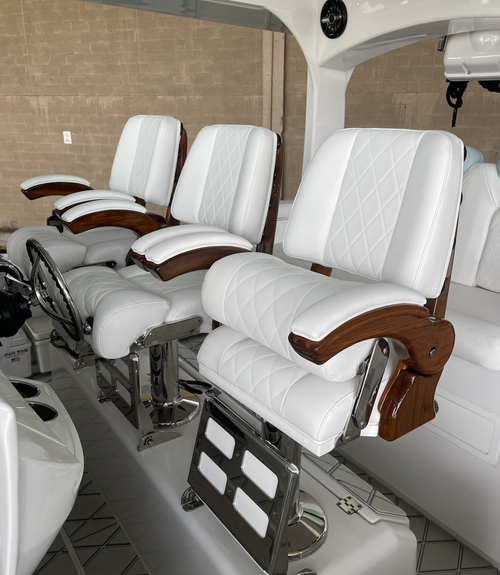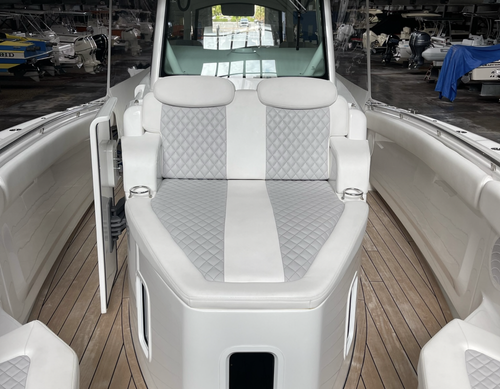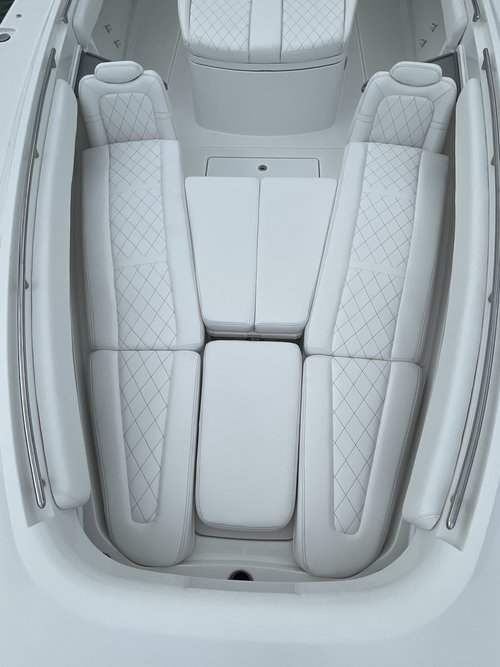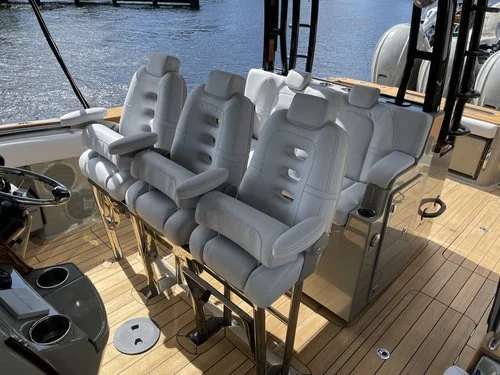
Fix It Up: A Complete Guide to Boat Upholstery Repair
Why Boat Upholstery Repair Matters for Your Vessel

Boat upholstery repair is essential for maintaining your vessel's value, comfort, and aesthetic appeal. Promptly addressing cracked vinyl, faded cushions, or split seams prevents costly replacements and preserves your boat's premium appearance.
Quick Answer: Key Steps for Boat Upholstery Repair
- Assess the damage - Check for cracks, fading, mildew, torn seams, or sagging cushions
- Choose your approach - Minor repairs (under $200) can be DIY; extensive damage requires professional service
- Gather materials - Use marine-grade vinyl, specialized repair kits, and proper tools
- Clean and prep - Remove dirt, old adhesives, and assess structural integrity
- Repair or replace - Patch small tears, reupholster panels, or replace damaged sections
- Protect your investment - Apply UV protectant and use covers when not in use
Professional repair costs typically range from $300-$800+ per seat, while DIY repairs run $50-$200 for minor fixes. The marine environment—with its UV rays, saltwater, and humidity—accelerates upholstery wear. Small tears can allow water intrusion, causing foam deterioration and mold growth that turns a simple fix into an expensive replacement.
Marine-grade vinyl is engineered with UV inhibitors and mildew-resistant backing to withstand the harsh marine environment, extending its life to 5-10 years with proper care. Many common issues like small cracks, minor tears, and seam separation are repairable at a fraction of the replacement cost.
I'm Jeremy Bottau, owner of American Marine in South Florida. We specialize in luxury yacht upholstery using 3D-measured, precision-cut solutions and elite marine-grade materials. In this guide, I'll share proven techniques for both DIY repairs and professional services.

Assessing the Damage: When Does Your Upholstery Need Attention?
Before starting any boat upholstery repair, it's crucial to know what to look for. Ignoring early signs of wear can lead to more extensive and costly damage down the line.

Common Signs Your Upholstery Needs Repair
Regularly inspecting your boat's interior, especially in the harsh South Florida climate, can save you headaches and expense. Here are the most common indicators:
- Cracks and Splits: Often the first visible signs on vinyl. Small cracks expand, allowing moisture into the foam, which leads to mold and rot.
- Fading and Discoloration: Sun exposure causes colors to fade, detracting from your boat's aesthetic and signaling material degradation.
- Mold and Mildew Growth: South Florida's humid environment is a breeding ground for mold, which can stain and permanently damage fabric and vinyl.
- Popped or Frayed Stitching: When seams fray or pop, the upholstery's integrity is compromised, leading to larger tears.
- Sagging Cushions: If seats lose their comfort and support, the foam padding has likely deteriorated.
- Water Damage: Water intrusion can cause foam to break down, emit odors, and compromise the seat's structural base.
Addressing these issues promptly is key. For more insights, check out our Guide to Boat Upholstery Renovation.
The Impact of the Marine Environment
The marine environment demands materials that can withstand harsh conditions. In South Florida, our boats face a relentless barrage of elements:
- UV Radiation Damage: Intense sun breaks down the chemical bonds in vinyl and fabrics, leading to fading, cracking, and brittleness.
- Saltwater Corrosion: Saltwater spray degrades materials, corrodes hardware, and leaves abrasive salt crystals on surfaces.
- Humidity and Mildew: High humidity creates the perfect environment for mold and mildew to thrive, causing stains and odors.
- Physical Stress from Use: Constant use and the boat's natural movement contribute to wear and tear, causing tears and broken seams.
What is the Lifespan of Marine Upholstery?
The typical lifespan of marine upholstery ranges from 5 to 10 years, but this depends on several factors, especially in our sunny South Florida climate.
Factors Affecting Longevity:
- Material Quality: High-quality, marine-grade materials are paramount for resisting UV rays, mildew, and abrasion.
- Exposure Levels: Boats stored outdoors will experience faster wear than those kept in covered storage.
- Usage Frequency: A boat used daily will show wear much quicker than one used only on weekends.
- Maintenance Habits: Regular cleaning and protection can dramatically extend the life of your upholstery.
Extending Upholstery Life: Be proactive. Regular maintenance, using protective covers, and promptly addressing small issues are crucial steps to prolong the life of your marine upholstery. Explore more in our article, The Art of Marine Upholstery: Where Form Meets Function on the Water.
Choosing Your Materials and Tools
A boat upholstery repair project requires the right materials and tools. In marine environments, the quality of your components dictates the longevity of the final product.

Understanding Marine Upholstery Materials
Marine upholstery requires specialized materials that can withstand water, sun, and salt. We always prioritize materials built for the marine world.
- Marine-Grade Vinyl: The top choice for boat upholstery. It's durable, waterproof, and designed to resist UV rays, mildew, and abrasion. Learn more in our guide to Waterproof Marine Vinyl Fabric.
- Fabric Options: Marine-grade fabrics like Sunbrella can be used for cushions and covers. They offer a softer feel and are engineered for UV and water resistance.
- Leather: Offers a luxurious touch in enclosed cabins but requires extensive waterproofing and maintenance. We recommend it only for specific, protected applications.
- Upholstery Foam: The right foam is crucial for comfort and longevity. Options include open-cell, Dryfast (for drainage), and closed-cell foams to provide support and resist moisture.
- Thread Types: Polyester, nylon, and monofilament threads are chosen for their strength, UV resistance, and ability to withstand moisture.
Choosing the right material is paramount, as cheap materials won't last in the South Florida sun. This is where specialized materials make a difference.
The Difference Between Marine-Grade and Regular Vinyl
Using regular vinyl on a boat is a recipe for disappointment. Here's why marine-grade is superior:
- UV Inhibitors: Marine-grade vinyl is infused with UV inhibitors to slow fading and degradation from sun exposure.
- Mildew Resistance: Its backing is treated to resist mildew growth, a critical feature in humid marine environments.
- Abrasion Resistance: It's engineered with superior abrasion resistance to prevent tears and scuffs.
- Backing Material: Marine vinyl has a strong, flexible backing that withstands stretching without tearing.
Essential Tools for Boat Upholstery Repair
For minor DIY repairs, having the right tools is half the battle:
- Vinyl Repair Kit: Contains liquid vinyl, colorants, and graining paper for small tears and punctures.
- Heat Gun: Useful for stretching vinyl around curves and smoothing wrinkles. Use with care.
- Staple Gun (with Stainless Steel Staples): Essential for securing new vinyl. Always use stainless steel staples to prevent rust.
- Hog Ring Pliers and Hog Rings: Used to attach fabric and foam to seat frames for a professional finish.
- Sharp Scissors or Utility Knife: For precise cutting of vinyl, fabric, and foam.
- Sewing Machine (Optional): A heavy-duty machine is needed for extensive repairs involving seams. This is often where DIYers seek professional help.
- Adhesives: Marine-grade contact cement or spray adhesive is needed to bond foam or secure vinyl edges.
- Cleaning Supplies: Marine vinyl cleaners, mildew removers, and soft cloths are crucial for prep and finishing.
The Ultimate Guide to Boat Upholstery Repair
Now that we've identified the damage and gathered our tools, let's get into the practical steps of boat upholstery repair. We'll cover DIY fixes for minor issues and discuss when to call in the professionals.
Step-by-Step Process for Repairing Minor Vinyl Seat Damage
For small tears or faded areas, a DIY approach can save time and money. Here's how to tackle minor vinyl seat damage:
- Step 1: Cleaning the Area: Before any repair, use a marine vinyl cleaner to remove all dirt, grime, and mildew. The goal is a clean, dry surface for optimal adhesion.
- Step 2: Patching Small Tears: For small rips, a vinyl repair kit is your best friend. Trim frayed edges, slide the reinforcing fabric underneath, apply the liquid vinyl, and use the graining paper with heat to match the texture.
- Step 3: Reupholstering a Cushion Panel: For a heavily damaged panel, you can replace just that section. Use the old panel as a template to cut new marine-grade vinyl, then attach it to the foam and frame with stainless steel staples, pulling it taut. This is a more advanced DIY task, similar to what's involved when we Reupholster Pontoon Boat Seats.
- Step 4: Restoring Color and Finish: For faded but intact vinyl, use a vinyl restoration product. After cleaning, apply a prep solution, then the restoration product to revive the color and add a protective layer.
For more detailed instructions, refer to our guide on How to Repair Your Vinyl Boat Seats Upholstery.
When to Call a Professional for Boat Upholstery Repair
While DIY is great for minor fixes, professional boat upholstery repair is essential for certain situations:
- Extensive Damage: Large tears, multiple cracks, or significant water damage to the foam and frame require expert attention.
- Structural Foam Replacement: Sagging or disintegrated foam demands professional replacement to ensure proper comfort and shape.
- Complex Stitching: Intricate designs, piping, or complex curves are best left to professionals with specialized equipment.
- Lack of Time or Skill: If you lack the time, patience, or skills for a repair, a professional service is a wise investment.
- Flawless Finish: For luxury yachts, a professional, seamless finish is non-negotiable and often can't be matched by DIY repairs.
If you're in South Florida and need an assessment, searching for "Marine Upholstery Repair Near Me" is a great start.
Benefits of Professional Upholstery Services
Choosing a professional service offers distinct advantages, especially for luxury yacht owners:
- Time-Saving: Professionals handle the entire process efficiently, letting you enjoy your boat.
- Superior Craftsmanship: Decades of experience deliver precision-cut solutions and a better-than-new finish.
- Access to High-Quality Materials: We source elite marine-grade materials that are often unavailable to the public.
- Color Matching Expertise: Professionals use advanced techniques to seamlessly blend repairs with existing upholstery.
- Warranty on Work: Reputable shops stand behind their work with guarantees, protecting your investment.
- Customization and Design: Professionals can execute intricate designs and Custom Yacht Upholstery to lift your vessel's interior.
Cost vs. Value: Budgeting for Your Upholstery Project
When considering boat upholstery repair, it's important to view the cost as an investment in your boat's longevity and enjoyment.
| Repair Type | DIY Cost Per Seat (Estimated) | Professional Cost Per Seat (Estimated) |
|---|---|---|
| Minor Repair (Patch/Tear) | $50 - $200 (kit + supplies) | $100 - $300 (labor + material) |
| Extensive Repair | $100 - $300 (kit + tools) | $300 - $600 (labor + material) |
| Reupholstering (Full) | $100 - $300 (materials only) | $300 - $800+ (labor + premium material) |
| Replacement (New Seat) | N/A | $150 - $600+ (standard) |
| Custom/Luxury | N/A | $1,000+ |
Breaking Down the Costs: Repair or Reupholster?
The cost of boat upholstery repair varies based on the damage and your approach.
- Minor Repair Costs: For small tears or cracks, DIY repairs with kits and supplies typically cost $50-$200 per seat. Professional minor repairs might start around $100-$300 per seat.
- Reupholstering Costs: If a seat needs new foam and vinyl, a DIY project can cost $100 to $300 per seat for materials. Professional services typically charge between $300-$800+ per seat, and over $1,000 for custom or luxury yacht seating.
- Factors Influencing Price: Key factors include material choice, extent of damage, labor costs, and design complexity.
DIY vs. Professional: A Cost Comparison
Deciding between DIY and professional repair involves balancing cost, time, and quality.
- DIY Costs: DIY kits range from $30-$150 per seat. Factoring in tools like a staple gun or heat gun can add another $50-$200 to your budget.
- Labor Value (Your Time): While DIY saves on labor costs, it demands your time. For many luxury yacht owners, their time is more valuable than the savings from a DIY project.
- Professional Quote Breakdown: A professional quote of $300-$800+ per seat reflects expertise, specialized equipment, and quality assurance, ensuring a flawless finish and lasting durability.
Will Insurance or a Warranty Cover Repairs?
Whether boat upholstery repair is covered by insurance or a warranty depends on the situation.
- Reviewing Your Policy: Check your boat insurance policy. Damage from a covered incident like an accident or vandalism may be covered, but normal wear and tear usually is not. Contact your provider in Fort Lauderdale or Miami to clarify.
- Manufacturer Warranties: New boats or recently installed upholstery may have a manufacturer's warranty. Check the details for your specific materials.
- Repair Service Warranties: Reputable shops like American Marine stand behind their work with guarantees, providing an added layer of protection for your investment.
Proactive Care: Maintenance and Prevention
Prevention is always better than cure, especially for boat upholstery repair. Regular maintenance can significantly extend the life of your boat's interior and save you money.
Regular Maintenance to Extend Upholstery Life
Consistent care is the cornerstone of upholstery longevity, especially in the demanding South Florida climate.
- Routine Wipe-Downs: After every use, wipe down all vinyl surfaces with a soft cloth and fresh water to remove salt, dirt, and oils.
- Recommended Cleaning Products: For deeper cleaning, use pH-neutral cleaners designed for marine upholstery. Avoid harsh chemicals like bleach, which can strip protective coatings and damage stitching.
- Applying UV Protectant Sprays: Regularly applying a high-quality UV protectant spray helps shield your vinyl from sun damage, preventing fading and cracking.
Tips for Preventing Fading, Cracking, and Mildew
Beyond routine cleaning, these preventative measures are crucial for battling the elements:
- Using Protective Covers: This is the most effective way to protect your upholstery. Always use a high-quality, weatherproof boat cover when your boat is not in use. For guidance, see our Boat Seat Covers Guide and Boat Seat Covers Protection Tips.
- Ensuring Proper Ventilation: Good airflow is vital to prevent mildew. If your boat is covered, ensure there's adequate ventilation to stop moisture buildup.
- Wiping Seats Dry: Never leave boat seats wet after a wash or rain. Trapped moisture is an open invitation for mold and mildew.
- Storage Preparation: Before any extended storage, ensure all upholstery is thoroughly cleaned and completely dry. Consider removing cushions and storing them in a dry, climate-controlled area.
Frequently Asked Questions about Boat Upholstery Repair
We often receive questions about boat upholstery repair from our clients in South Florida. Here are some of the most common ones.
What are the latest innovations in marine upholstery?
The marine upholstery world is constantly evolving with innovations in durability and design:
- Sustainable Materials: There's a growing trend towards eco-friendly options, including vinyls made from recycled content or plant-based polymers.
- Advanced UV-Resistant Fabrics: New fabrics and vinyls offer higher levels of UV protection, ensuring colors stay vibrant longer.
- Silicone-Based Vinyl Alternatives: These materials offer exceptional softness, durability, and resistance to staining and mildew.
- Digital Printing for Custom Designs: This technology allows for intricate custom patterns and logos directly on marine-grade materials.
- New Repair Techniques: Adhesives and repair compounds are continually improving, offering stronger bonds and less noticeable repairs.
What are the best cleaning products for marine vinyl?
Choosing the right cleaning products is key to maintaining marine vinyl without causing damage:
- pH-Neutral Cleaners: These are safest for regular cleaning, removing dirt without being too harsh.
- Specialized Marine Vinyl Cleaners: These are excellent choices, often containing UV inhibitors and mildew preventatives.
- Mildew Removers: For stubborn mildew, use a dedicated marine-grade mildew remover, following instructions carefully.
- What to Avoid: Never use household bleach, ammonia-based cleaners, or abrasive brushes, as they can degrade vinyl and stitching.
- UV Protectants: After cleaning, apply a UV protectant to repel dirt and shield against sun damage.
How do professionals achieve a perfect color match?
Achieving a perfect color match is a key reason to opt for professional services, especially for luxury vessels:
- Manufacturer Color Codes: Shops often have access to manufacturer color codes and swatch books for a direct match.
- Spectrophotometer Technology: These devices analyze the precise color composition of existing material for a perfect match.
- Custom Color Mixing: Skilled technicians can custom-mix dyes to blend repairs seamlessly.
- Sourcing Original Material: When possible, sourcing the exact original material ensures an identical match in color and texture.
Conclusion
We hope this extensive guide has equipped you with a comprehensive understanding of boat upholstery repair. From identifying the early signs of damage to choosing the right materials and deciding between DIY and professional solutions, we've covered the essentials.
Proactive care and regular maintenance are your best defense against the harsh marine environment. Addressing minor issues promptly can save you significant time and money in the long run. While DIY fixes are great for small tears and basic upkeep, for extensive damage, complex stitching, or when a flawless finish is paramount, professional boat upholstery repair is an investment that truly pays off.
For luxury yachts and superyachts in Miami, Fort Lauderdale, West Palm Beach, and throughout South Florida, requiring precision and top-tier craftsmanship, we at American Marine are your trusted partners. Our 3D-measured, precision-cut solutions and elite marine-grade materials ensure your vessel's upholstery is not just repaired, but restored to an exceptional standard.
To learn more about our services and how we can help keep your marine interior looking its best, visit our Marine Upholstery page.