Expert Guide to Marine Upholstery Fabric for 2026
Luxury boating in 2026 isn’t just about sleek lines and advanced electronics—it’s about every detail, right down to the marine upholstery fabric you choose. With vessels exposed to relentless sun, salt, and ever-shifting design trends, picking the wrong material can mean faded colors, cracked seats, and a style that just doesn’t hold up.
This guide is here to help, whether you’re restoring a superyacht or simply refreshing your family boat. Inside, you’ll find the latest on fabric types, the performance factors that matter most in 2026, top brands and cutting-edge innovations, a step-by-step selection process, care and maintenance strategies, plus expert recommendations grounded in real-world results.
Ready to make an informed choice that blends comfort, durability, and standout design? Let’s dive in.
Understanding Marine Upholstery Fabric: The Essentials
Choosing the right marine upholstery fabric isn’t just about looks—it's about protecting your investment, ensuring comfort, and meeting the unique demands of life on the water. The essentials matter, whether you’re outfitting a sleek superyacht or a cozy family cruiser.
What Makes Marine Upholstery Fabric Unique?
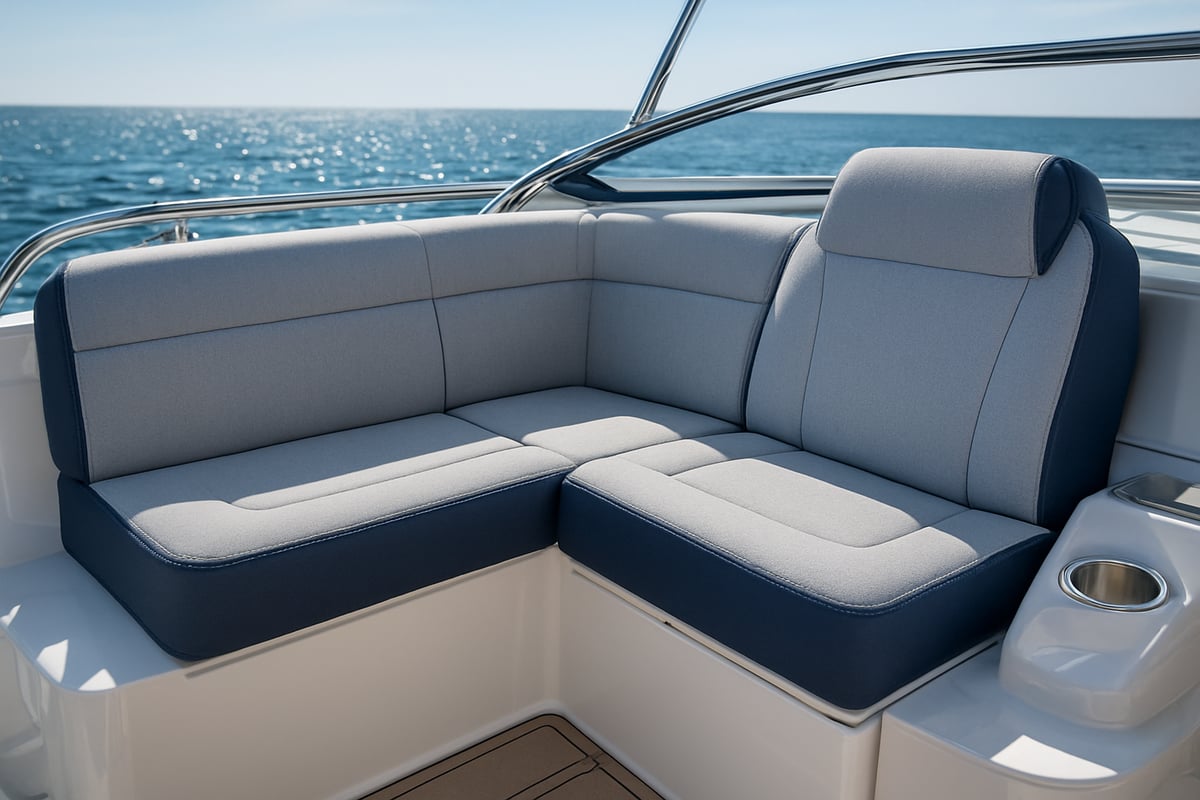
Marine upholstery fabric stands apart from standard materials in so many ways. It’s engineered for constant exposure to sun, salt, humidity, and abrasion. UV resistance keeps colors from fading, while water repellency and mold/mildew resistance are non-negotiable for safety and longevity.
Think about it: the marine environment is relentless. Fabrics have to hold up against repeated soaking, drying, and rough handling, all while staying beautiful. Colorfastness is key, especially for lighter shades. Durability is measured against strict benchmarks—industry standards like those outlined in the CFFA Marine Upholstery Performance Standards help ensure only the best fabrics make the cut.
Common marine upholstery fabric options include marine-grade vinyl, solution-dyed acrylics, and advanced synthetics. These outperform basic indoor/outdoor alternatives, offering protection that lasts season after season.
Key Types of Marine Upholstery Fabrics in 2026
In 2026, the marine upholstery fabric landscape includes several standout categories. Vinyl remains a favorite for its water resistance and easy cleaning. Acrylics, like those found in Sunbrella Horizon®, excel in UV stability and softness. Polyester blends and new engineered synthetics are making waves, especially with foam backing for plush comfort.
Engineered leathers are becoming more lifelike, blending luxury with resilience. Foam-backed fabrics are sought after for lounges and sunpads on larger vessels. Eco-friendly and recycled marine upholstery fabric options are on the rise, meeting growing environmental demands.
Top brands like Sunbrella Horizon®, Nassimi Seaquest, and Nautolex Capitano™ offer a spectrum of choices. Each brings unique performance features for specific marine needs.
Core Applications: Where Marine Fabrics Matter Most
Marine upholstery fabric is used everywhere on a boat, but certain areas demand more. Seating, sunpads, lounges, helm chairs, and bolsters are prime spots, each exposed to sun and spray. Cabin interiors also benefit from marine-grade materials for consistent style and protection.
Specialty applications add even more variety. Roll-n-pleat panels, quilted marine upholstery, and foam-backed panels are popular on luxury yachts. Custom projects, especially on superyachts, often require unique marine upholstery fabric selections for specific climates.
According to Trivantage, over 300 fabric options are available, making it easier to match the right fabric to the right marine environment.
The Role of Design and Aesthetics
Design isn’t just about color—it’s about the entire atmosphere on board. The right marine upholstery fabric can elevate a vessel’s style and even boost resale value. In 2026, trends lean toward neutral palettes, bold accent colors, and tactile textures that invite touch.
Matching upholstery to yacht architecture is more important than ever. Custom, tailored looks are in demand for luxury markets, where every detail matters. There’s a huge range to choose from: Trivantage offers 53 whites, 42 greys, and 26 blues, ensuring the perfect fit for every vision.
The choice of marine upholstery fabric is as much about personal expression as it is about performance.
Performance Factors: What to Look for in 2026
Modern boats are more demanding than ever, and your choice of marine upholstery fabric can make or break both comfort and longevity on board. In 2026, performance isn't just a buzzword—it's the backbone of every smart fabric selection. Let’s break down the critical factors you need to weigh before making your investment.
Durability and Resistance: Weather, UV, and More
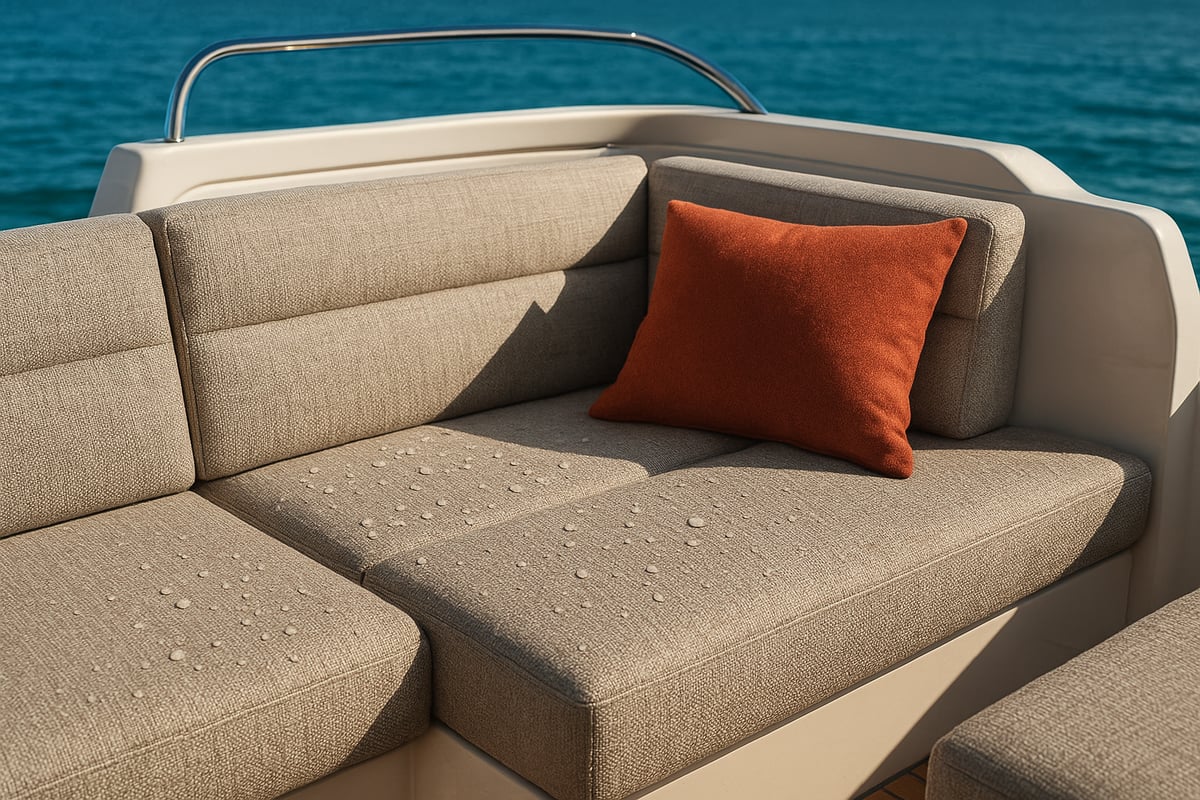
Durability is non-negotiable when it comes to choosing marine upholstery fabric. The relentless sun, salt, and moisture encountered on the water can quickly degrade ordinary textiles. That’s why marine upholstery fabric must excel in UV resistance, water repellency, and mold or mildew protection.
Most top brands engineer their fabrics to withstand 6 to 7 years of heavy use, thanks to advanced topcoats and proprietary treatments. For example, Sunbrella Horizon’s engineered leather and similar innovations offer superior abrasion resistance. On top of that, colorfastness keeps your vessel looking sharp season after season.
If you want a deeper dive into selection criteria—like hydrolysis testing, breathability, and durability—this Specification Tips for Marine Upholstery guide provides expert insights that are particularly relevant for 2026.
Comfort and Feel: Not Just Surface Deep
Marine upholstery fabric in 2026 isn’t stiff or clinical; it’s designed for comfort as much as endurance. Yacht owners now expect a “residential feel” from their seating, with softer surfaces and improved breathability.
Foam-backed and quilted panels are gaining popularity, especially for lounges and sunpads. These innovations balance plushness with easy maintenance, ensuring you don’t have to choose between luxury and practicality. Brands continue to push for fabrics that stay cool to the touch, even in direct sunlight.
When selecting marine upholstery fabric, always test samples for tactile comfort and breathability. It’s the little details—like a gentle hand or a bit of give—that make hours at sea feel just right.
Cleanability and Maintenance Advances
Cleaning is no longer a dreaded chore, thanks to new advances in marine upholstery fabric technology. Modern coatings make it simple to wipe away spills, sunscreen, or even stubborn stains. Antimicrobial and stain-resistant finishes are now standard, helping protect against mold and odor.
Look for fabrics with proprietary topcoats, such as polycarbonate finishes, which add an extra layer of defense. Many brands also provide detailed cleaning guides and recommend specific products to keep your upholstery looking fresh.
For busy yacht owners, easy maintenance means more time enjoying the water and less time scrubbing. Always review product care instructions to ensure you’re maximizing the life of your marine upholstery fabric.
Sustainability and Eco-Friendly Trends
Eco-friendly marine upholstery fabric options are surging in popularity for 2026. Yacht owners and builders alike are demanding sustainable solutions that don’t compromise on performance. Brands are stepping up with recycled fibers, reduced chemical use, and certifications that verify eco credentials.
Product lines made from recycled plastics and renewable sources are now widely available. These fabrics are engineered to be just as durable and stylish as their traditional counterparts. Plus, choosing sustainable marine upholstery fabric can boost resale value and demonstrate environmental responsibility.
In short, you no longer have to choose between green and great—sustainability is now part of the performance equation.
Safety and Compliance Considerations
Safety remains a cornerstone of marine upholstery fabric selection, especially for commercial or charter vessels. Fire-retardant options, non-toxic finishes, and compliance with international marine safety standards are all crucial factors.
Always verify that your chosen fabric meets the latest certifications, including fire resistance and skin safety. Slip resistance is another important feature for flooring and sunpad applications, helping to prevent accidents on board.
Stay informed about new regulations for 2026, as they may impact which marine upholstery fabric options are available or approved for your vessel. Prioritizing certified, compliant fabrics protects both your investment and everyone on board.
Top Marine Upholstery Fabric Brands & Innovations for 2026
Choosing the right marine upholstery fabric in 2026 means understanding the leaders and the latest breakthroughs. Each brand brings something unique, whether it's unbeatable durability, cutting-edge eco features, or luxury fit and finish. Here’s a close look at the top players and the trends shaping the future of marine upholstery fabric.
Sunbrella Horizon®: Leading the Pack
Sunbrella Horizon® stands out in the marine upholstery fabric world for its advanced synthetic leather technology. This line is engineered to resist microbial pinking, a notorious issue for boaters. Its proprietary topcoat offers best-in-class protection against UV rays, salt, and staining, which is crucial in harsh marine environments.
The color palette is impressive, with a wide array of customizable hues to match any vessel’s design. Yacht builders and owners alike praise Sunbrella Horizon® for combining style with longevity. Many report the fabric maintains its vibrant look and supple feel even after years of sun and salt exposure. For those seeking premium marine upholstery fabric, it’s often the first stop.
Brand Features Table
| Brand | Key Feature | Best For |
|---|---|---|
| Sunbrella Horizon® | Synthetic leather, anti-pinking | Luxury yachts, custom projects |
Causeway®: Value Meets Performance
Causeway® has carved out a reputation as the go-to marine upholstery fabric for those who want performance without the premium price tag. Its polycarbonate-based topcoat provides impressive stain resistance and easy cleaning, a real advantage for busy boat owners.
The fabric’s durability and colorfastness rival many top-tier brands. Causeway® is exclusively available through select distributors and is increasingly popular in mid-range vessels. Its versatility shines in foam-backed and roll-n-pleat applications, making it a favorite for both new builds and refits.
Owners appreciate the balance Causeway® strikes between cost and performance. For anyone looking to upgrade marine upholstery fabric without overspending, this brand checks all the boxes.
Nassimi Seaquest: Industry Standard
Nassimi Seaquest is a staple in the marine upholstery fabric market thanks to its robust poly rayon and PVC construction. The embossed finish delivers both durability and a refined look, making it suitable for commercial and private marine projects alike.
You’ll find Seaquest in everything from fishing boats to luxury cruisers. It’s prized for being easy to clean and for withstanding tough marine conditions. The color and texture selection is vast, meeting a range of design needs. Many marine professionals rely on Nassimi Seaquest for consistent performance and reliability, especially in high-traffic settings where marine upholstery fabric takes a beating.
Nautolex Capitano™: Entry-Level Excellence
Nautolex Capitano™ offers a compelling choice for those seeking quality marine upholstery fabric at an accessible price. Its polyester and vinyl blend construction ensures resilience against the elements, while the broad color palette allows for creative freedom.
Capitano™ is commonly found in both new builds and refits, offering versatility for various vessel types. It excels in seating, bolsters, and interior accents where durability and value are key. Many boatyards select Capitano™ for its proven track record and ease of installation, making it a reliable entry point into the world of marine upholstery fabric.
Emerging Trends: Eco-Friendly and Smart Fabrics
The marine upholstery fabric landscape is rapidly evolving, with eco-friendly and smart textiles taking center stage in 2026. Brands are launching lines made from recycled fibers and sustainable materials, responding to growing consumer demand for green solutions. Certifications and environmental initiatives are now standard for leading suppliers.
Smart fabrics featuring UV sensors and temperature regulation are another big leap forward. These innovations not only enhance comfort but also extend the life of marine upholstery fabric. For a closer look at how advanced materials are shaping the industry, you can explore Ultrafabrics Marine Upholstery Solutions, which highlights the latest in performance textiles.
Specialty Fabrics: Foam-Backed, Quilted, and More
Specialty marine upholstery fabric options are booming, especially for luxury and custom yachts. Foam-backed and quilted panels offer next-level comfort and a tailored aesthetic. Products like Roll-N-Pleat and Capriccio Quilted Panels are gaining traction for their visual appeal and plush feel.
Customization is more accessible than ever, with suppliers offering a growing range of specialty SKUs. These fabrics are favored for helm chairs, lounges, and sunpads, where comfort and design truly matter. As the market expands, specialty marine upholstery fabric is becoming a signature touch for owners who want their vessels to stand out.
American Marine: Elite Custom Solutions for Luxury Yachts
American Marine has earned a reputation as South Florida’s leader in luxury marine upholstery fabric and canvas. Their custom approach uses advanced 3D modeling and precision tailoring for a flawless fit, even on complex superyacht projects.
They partner with top brands like Sunbrella® and Stamoid® to deliver results that meet the highest standards. American Marine offers a complete package, from design and fabrication to installation and aftercare. Their commitment to craftsmanship and international reach makes them a trusted partner for discerning yacht owners seeking bespoke marine upholstery fabric solutions.
Step-by-Step Guide: How to Choose the Right Marine Upholstery Fabric
Selecting the ideal marine upholstery fabric in 2026 is more than just picking a color or texture. It’s a balance of technical performance, comfort, design, and compliance. The process can feel overwhelming, even for seasoned boat owners. This guide breaks down each decision point, so you can confidently create a space that’s both stunning and ready for the rigors of the sea.
Step 1: Assess Your Vessel’s Needs and Environment
Start by examining your vessel’s environment. Is it an open deck, constantly exposed to salt, sun, and rain, or a shaded, enclosed cabin? Each situation affects the ideal marine upholstery fabric. List all seating types—helm chairs, sunpads, lounges—and note their exposure levels.
Ask yourself:
- Is UV resistance crucial?
- Will moisture be a constant challenge?
- Are there young kids or pets aboard?
Factor in owner preferences for style and feel. Plus, consider any special requirements, like fire-retardant or eco-friendly properties. This groundwork ensures you’re not just buying fabric, but investing in longevity and comfort.
Step 2: Define Your Priorities—Performance, Comfort, or Style?
Next, clarify what matters most. Is durability your top concern, or do you crave plush comfort? Some prioritize easy maintenance, while others want the visual wow factor that quality marine upholstery fabric can deliver.
Make a quick list:
- Durability and resistance
- Aesthetics and color
- Maintenance needs
- Initial cost vs. long-term value
Luxury yachts often focus on design, while commercial or charter vessels lean toward ruggedness. Defining your priorities now will guide every decision that follows, keeping your project on track and within budget.
Step 3: Explore Fabric Options and Shortlist Top Brands
Dive into the world of marine upholstery fabric choices. Leading brands like Sunbrella, Causeway, Nassimi, and Nautolex each offer unique strengths. Compare properties such as UV stability, mildew resistance, and warranty coverage.
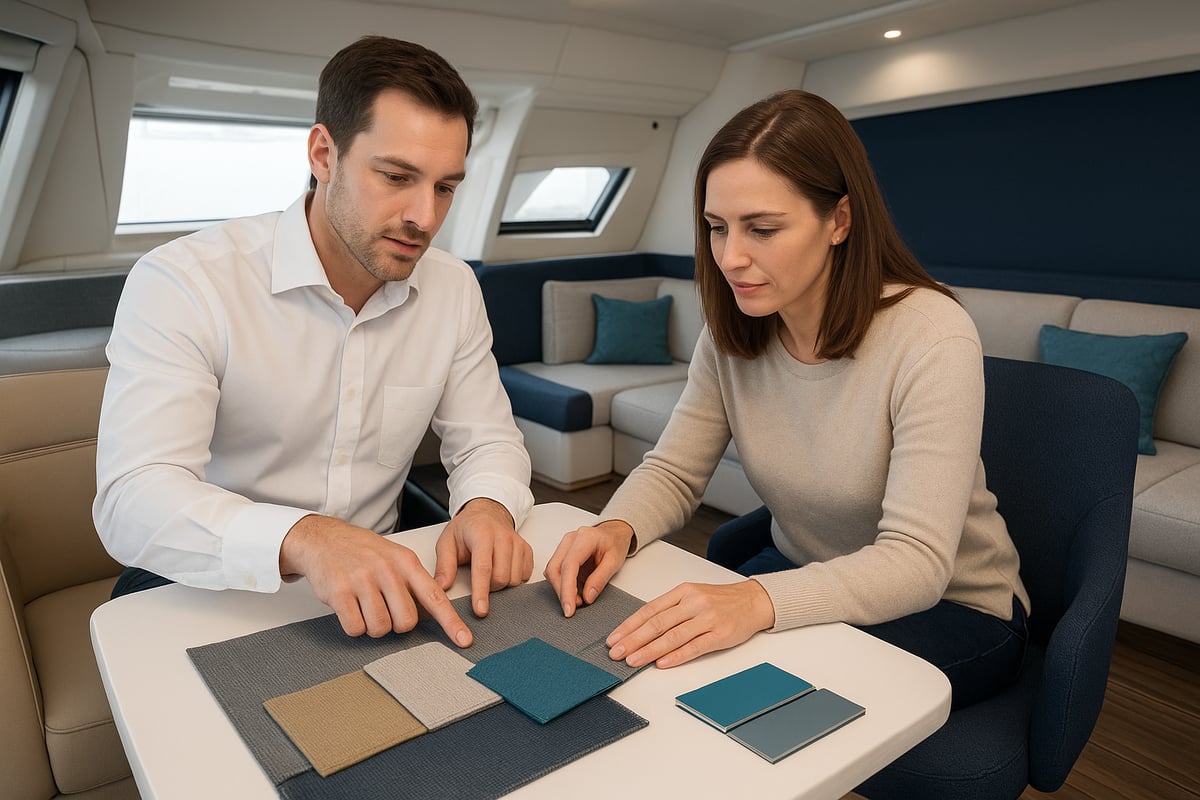
Request samples or swatches for hands-on evaluation. Check for 2026’s latest releases—think eco-friendly textiles or advanced engineered leathers. Review color and texture options, and don’t overlook specialty finishes like foam backing or quilted panels.
Table: Brand Comparison
| Brand | Key Feature | Notable Options |
|---|---|---|
| Sunbrella | UV resistant | Horizon, marine acrylic |
| Nassimi | Easy clean, PVC | Seaquest |
| Causeway | Polycarbonate topcoat | Roll-n-Pleat |
| Nautolex | Value, variety | Capitano |
Shortlist brands that align with your priorities and environment.
Step 4: Evaluate Samples in Real-World Conditions
With samples in hand, put each marine upholstery fabric through its paces. Hold swatches up to sunlight to assess colorfastness. Mist them with water and check for beading or absorption. Run your hand across the surface—does it feel inviting or too slick?
Ask for feedback from regular users, whether crew, family, or guests. Try to stain-test with sunscreen or drinks, then clean as recommended. Take notes on performance, texture, and any cleaning hurdles. This hands-on phase often separates the contenders from the pretenders.
Step 5: Consult with Marine Upholstery Experts
Now’s the time to talk with professionals. Marine upholsterers and designers know the ins and outs of fitting, patterning, and material performance. Discuss your vessel type, typical usage, and any unique needs.
Ask for case studies or project photos. On-site consultations can reveal details you might overlook—like seat ergonomics or high-wear zones. For tailored advice and insight into the latest trends, consider the expertise shared in Custom Yacht Upholstery Insights.
Expert input ensures your marine upholstery fabric choices are both stylish and seaworthy.
Step 6: Confirm Compliance and Warranty Details
Before placing an order, double-check that your chosen marine upholstery fabric meets all necessary standards. This includes fire-retardant ratings for commercial or charter vessels, eco-certifications, and slip resistance for safety-critical areas.
Review warranty terms carefully. Does the warranty cover UV fading, mildew, and staining? Are there requirements for cleaning or care? Gather any required documentation, especially if your insurer or charter company needs proof of compliance.
A thorough review now protects your investment for the long haul.
Step 7: Place Your Order and Plan for Installation
Final step—bring your vision to life. Work with your supplier or fabricator to confirm yardage and finalize colorways. Schedule installation when weather and vessel access are optimal.
Plan for lead times, especially if custom or imported marine upholstery fabric is involved. Prep your boat by removing old materials and cleaning thoroughly. Discuss ongoing maintenance routines to keep everything looking sharp.
A little planning now goes a long way toward lasting beauty and durability.
Care, Maintenance & Longevity: Protecting Your Investment
Caring for your marine upholstery fabric is not just about keeping things looking sharp. It's about safeguarding your investment, extending the lifespan of every seat and surface, and making sure each voyage is as comfortable as the first. Let’s break down the essentials for 2026, so you can enjoy more time on the water and less time worrying about upkeep.
Routine Cleaning Best Practices
Regular cleaning is the foundation of long-lasting marine upholstery fabric. Salt, sunscreen, and everyday spills are inevitable, but a simple routine makes all the difference.
- Wipe down surfaces weekly with a soft cloth and mild soap.
- Use clean water to rinse away residues and avoid soap buildup.
- For spot cleaning, dab stains gently instead of scrubbing.
Avoid bleach, harsh solvents, or stiff brushes, as these can degrade marine upholstery fabric over time. Most top brands, like Sunbrella and Causeway, offer detailed cleaning guides—always follow their recommendations.
Here’s a quick reference:
| Do | Don’t |
|---|---|
| Use mild, pH-neutral soap | Use bleach or ammonia |
| Rinse thoroughly | Leave fabric wet for long |
| Air dry in shade | Scrub aggressively |
Consistent care not only preserves appearance but also upholds warranty terms.
Preventing Mold, Mildew, and UV Damage
The marine environment is tough on fabrics. Moisture and heat can encourage mold and mildew, while relentless sun fades colors and weakens fibers.
To protect marine upholstery fabric:
- Ventilate cabins and cockpits regularly.
- Use fitted covers when not in use.
- Apply recommended fabric protectants yearly.
For mold prevention, clean and dry all surfaces before covering. UV-blocking sprays can add an extra layer of defense, especially for high-exposure areas. With these habits, many fabrics are engineered to last 6–7 years or longer with proper care.
Watch for early signs like discoloration, musty smells, or brittle texture. Early intervention can prevent costly replacements down the line.
Repair, Replacement, and Professional Services
Even the best marine upholstery fabric can face challenges: seam splits, fading, or that dreaded pinking. When minor issues crop up, prompt action is key.
DIY fixes work for small stains or loose threads, but for more complex repairs—think torn panels or persistent mildew—consult a professional. Skilled fabricators not only restore appearance but also extend the lifespan of your investment.
For expert guidance, this comprehensive Marine Upholstery Repair Tips resource covers the essentials, from patching small tears to knowing when it’s time for a full replacement. Budgeting for future replacements and scheduling regular checkups with specialists ensures your vessel always looks its best.
Seasonal and Long-Term Storage Tips
When boating season winds down, prepping your marine upholstery fabric for storage is vital. Proper steps now can prevent headaches when you return in spring.
- Clean all fabrics thoroughly and allow them to dry completely.
- Remove cushions or panels and store them in a dry, ventilated space.
- Use breathable covers to shield against dust and moisture.
- Place moisture absorbers nearby for added protection.
Avoid plastic wraps, as they can trap condensation. A handy checklist for storage:
- Clean and dry upholstery.
- Remove and store cushions indoors, if possible.
- Cover with breathable, UV-resistant covers.
- Check periodically for signs of dampness or pests.
A little prep goes a long way in preserving your fabric’s beauty and integrity.
Innovations in Fabric Protection for 2026
Advancements in 2026 have made it easier than ever to protect marine upholstery fabric. New sprays and coatings provide enhanced stain resistance, while antimicrobial treatments help stop pinking and mildew before they start.
Some brands offer self-cleaning surfaces—spills simply bead up and wipe away. Others have introduced anti-pinking technologies, cutting down on maintenance needs. Proprietary finishes from leaders like Sunbrella and Nassimi ensure that even luxury fabrics stand up to real-world use.
These innovations mean less time cleaning and more time enjoying your boat, all while preserving the look and feel of your investment.
Troubleshooting Common Problems
No matter how diligent your care, issues can arise. Stains, mildew spots, pinking, or abrasion are the most frequent culprits.
Quick fixes:
- For stains: blot with mild soap and water, avoid harsh scrubbing.
- For mildew: use a diluted vinegar solution, then rinse and dry.
- For pinking: consult brand-specific guides, as solutions vary.
If problems persist, refer to your warranty documentation or seek professional help. Most brands provide troubleshooting guides tailored to their fabrics, making it easier to diagnose and resolve issues.
Staying proactive with marine upholstery fabric maintenance ensures a vessel that looks sharp, feels comfortable, and holds its value year after year.
Expert Recommendations & Future Trends in Marine Upholstery Fabric
The marine upholstery fabric landscape is shifting fast as we move into 2026. Designers, yacht owners, and industry pros are all asking the same thing: what’s next? Let’s break down what the future holds and how you can make smart, stylish choices for your vessel.
2026 Design and Color Trends
In 2026, marine upholstery fabric design is all about understated luxury with a splash of personality. Soft neutrals like cream, taupe, and gray create a calm, upscale vibe. At the same time, bold marine blues and metallic accents are making statements on superyachts and family boats alike.
Designers are drawing inspiration from high-end residential interiors. That means you’ll see more layered textures, tactile weaves, and bespoke patterns. Want proof? Trivantage reports an explosion in color and pattern options—over 50 shades of white, dozens of grays, and a sea of blues.
Personalization is big. Clients request custom embroidery, contrast piping, and quilted finishes for that tailored look. These details not only elevate aesthetics but can also boost resale value.
If you want a deeper dive into how form and function blend on the water, check out The Art of Marine Upholstery.
Material Innovation and Smart Technology
Marine upholstery fabric technology is advancing at a rapid pace. In 2026, smart textiles are entering the scene. Some new fabrics feature embedded UV sensors or temperature-regulating properties, helping owners maintain comfort and protect their investment.
Sustainability is another top priority. Brands are rolling out lines made from recycled fibers and bio-based synthetics, proving eco-friendly options can match or exceed traditional performance. Proprietary coatings now deliver even better stain resistance, colorfastness, and antimicrobial protection, all without sacrificing feel.
Industry data from the Marine Upholstery Fabrics Market Size and Growth report shows rising demand for these advanced solutions, especially among charter and superyacht clients.
Choosing the Right Fabric for Your Vessel Type
Not all boats are created equal, so neither should your marine upholstery fabric be. Superyachts often prioritize luxury, requesting plush, tailored seating, and unique colorways to match custom interiors. Sport boats, on the other hand, demand rugged, quick-drying materials that can handle heavy use and constant sun.
Charter vessels need fabrics that balance durability, easy maintenance, and compliance with commercial regulations. Climate also plays a role. In hot, humid regions, breathable, mildew-resistant options are a must.
A quick-reference matrix can help:
| Vessel Type | Top Priorities | Recommended Fabrics |
|---|---|---|
| Superyacht | Luxury, Custom Look | Acrylic, Engineered Leather |
| Sport Boat | Durability, Fast Drying | Vinyl, Polyester Blends |
| Charter | Compliance, Easy Care | Mold-Resistant Synthetics |
Matching the right marine upholstery fabric to your vessel’s needs is essential for both performance and satisfaction.
Working with Professionals: The Value of Expertise
Selecting marine upholstery fabric is more complex than picking a color swatch. Experienced marine upholsterers use advanced tools like 3D modeling and digital patterning to ensure a precise fit and seamless finish.
Full-service shops offer everything from design consultation to fabrication, installation, and aftercare. Their expertise can help you navigate the maze of fabric types, compliance standards, and warranty details. Plus, they can spot potential issues before they turn into costly mistakes.
When choosing a partner, look for a track record with projects similar to yours. Ask about materials, methods, and references. The right expert will make the entire process smoother and the results more impressive.
Budgeting and ROI: Making Smart Investments
Marine upholstery fabric is a long-term investment. It’s tempting to focus on upfront costs, but quality materials pay off through durability, comfort, and higher resale value.
Here’s a simple breakdown:
| Fabric Type | Estimated Lifespan | Upfront Cost | Maintenance Level | ROI |
|---|---|---|---|---|
| Premium Acrylic | 6-7 years | High | Low | Excellent |
| Engineered Leather | 6+ years | Medium-High | Very Low | Very Good |
| Standard Vinyl | 3-5 years | Low-Medium | Medium | Good |
Warranties and aftercare packages add value, too. Staying ahead on maintenance, like regular cleaning and prompt repairs, extends the life of your marine upholstery fabric and protects your investment.
Resources and Where to Buy Marine Upholstery Fabric
Finding the right supplier is crucial. Reputable distributors like Trivantage and certified Sunbrella partners offer a wide range of marine upholstery fabric, all backed by manufacturer warranties. Buying from trusted sources ensures you get genuine products, not imitations.
Online shopping makes it easy to compare options and order samples, but local shops provide hands-on advice and personalized service. Always check supplier credentials and look for reviews or industry affiliations.
Many brands offer fabric sample programs, so you can test color, texture, and performance before committing. Taking the time to choose the right marine upholstery fabric sets the stage for years of enjoyment and style on the water.
As you’ve seen throughout this guide, choosing the right marine upholstery fabric is about more than looks—it’s an investment in comfort, longevity, and the lasting beauty of your vessel. Whether you’re navigating the latest innovations, exploring sustainable options, or seeking a truly custom fit, working with experienced professionals makes all the difference. If you’re ready to elevate your yacht with elite materials and expert craftsmanship, let’s take the next step together. Request a Private Consultation and discover how American Marine can tailor a solution that’s perfectly suited to your needs.