The Expert Guide to Non Slip Marine Flooring (2026)
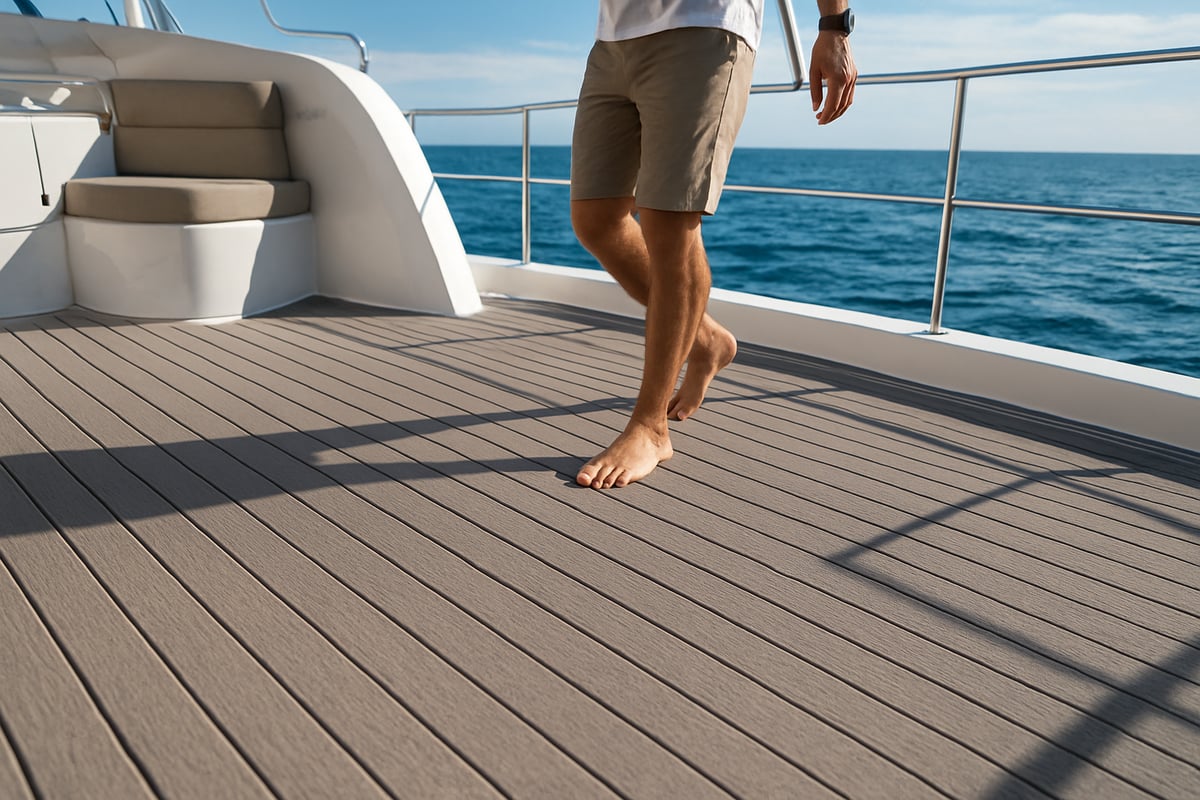
Picture this: you step barefoot onto your yacht’s deck early in the morning. The surface feels cool, looks stunning, and gives you total confidence even as the mist settles in. That’s the promise of non slip marine flooring in 2026—where safety, comfort, and style all meet.
This guide explores the latest materials, smart installation tips, and maintenance secrets. Whether you’re upgrading a family cruiser or outfitting a superyacht, you’ll find expert insights to make every step secure and every deck a showpiece.
Why Non Slip Marine Flooring Matters in 2026
Picture this: the sun is shining, the deck is slick with morning dew, and you’re about to head out with guests. One misstep could change everything. In 2026, non slip marine flooring is more than a trend—it’s a core element of every safe, stylish, and future-ready yacht. From new regulations to shifting lifestyle expectations, here’s why it matters more now than ever.
Rising Safety Standards and Regulations
Safety is at the heart of every marine innovation in 2026. With updated regulations in place, yacht owners and operators are under increased scrutiny. New standards demand that non slip marine flooring must meet specific grip ratings and material durability benchmarks.
Consider the data: Over 30% of onboard injuries in 2025 were due to slips and falls, according to the NMMA. This isn’t just a statistic—it’s a wakeup call for anyone serious about safety. Adopting non slip marine flooring directly reduces these risks and can even lower liability for vessel owners. Insurance providers have taken note, too. Many now offer premium incentives to those who upgrade to compliant, high-traction surfaces.
Beyond the paperwork, think about the real-world impact. Crew members need secure footing during fast-paced maneuvers, and guests expect worry-free movement from the salon to the swim platform. Non slip marine flooring is quickly becoming the industry’s gold standard, driven by both regulation and rising expectations. According to the Anti-Slip Coatings Market Growth, the global market for safety coatings is expanding rapidly, mirroring the marine sector’s prioritization of onboard protection.
Modern Lifestyle and Design Demands
Yachting today is all about seamless transitions—moving barefoot from the sun-drenched deck into a plush cabin, or hosting a sunset cocktail hour without worrying about slips. Owners now demand that non slip marine flooring delivers both comfort and style.
The latest flooring materials are designed with modern living in mind. They blend soft, cushioned textures with elegant finishes, giving every deck a luxurious yet practical edge. Yacht designers are pushing for flooring that complements both high-gloss interiors and open-air lounges, ensuring a cohesive look from bow to stern.
On top of that, refits in 2026 are prioritizing flooring upgrades that marry safety with aesthetics. It’s not uncommon to see custom patterns, color-matched seams, and integrated logos on new installations. This shift isn’t only about looks—it’s about making every inch of the vessel inviting, usable, and safe for everyone. Non slip marine flooring lets owners enjoy barefoot comfort without compromise, reflecting the latest trends in luxury marine design.
Environmental and Performance Factors
The marine environment is relentless. UV rays, salt spray, and constant moisture test every inch of your vessel. Traditional flooring materials often faded, cracked, or lost grip within a few years. In contrast, the latest non slip marine flooring technologies are built for endurance.
Modern solutions offer impressive resistance to the elements, with average lifespans now reaching 7 to 10 years. They maintain traction and appearance, even after seasons of heavy use. Plus, sustainability is a growing priority. Many manufacturers now produce recyclable, eco-friendly flooring options that minimize environmental impact while maximizing performance.
Choosing non slip marine flooring in 2026 means investing in a product that stands up to harsh conditions, delivers consistent safety, and supports a greener future. It’s a practical choice that pays off in both peace of mind and long-term value.
Types of Non Slip Marine Flooring: Materials, Pros & Cons
Choosing the right non slip marine flooring is more than a style decision. In 2026, the options are broader and more innovative than ever before. From high-tech synthetics to plush classics, each material brings unique strengths—and a few tradeoffs—to your deck. Let’s break down the leading contenders, plus see how they stack up in the real world.
Synthetic Teak Alternatives
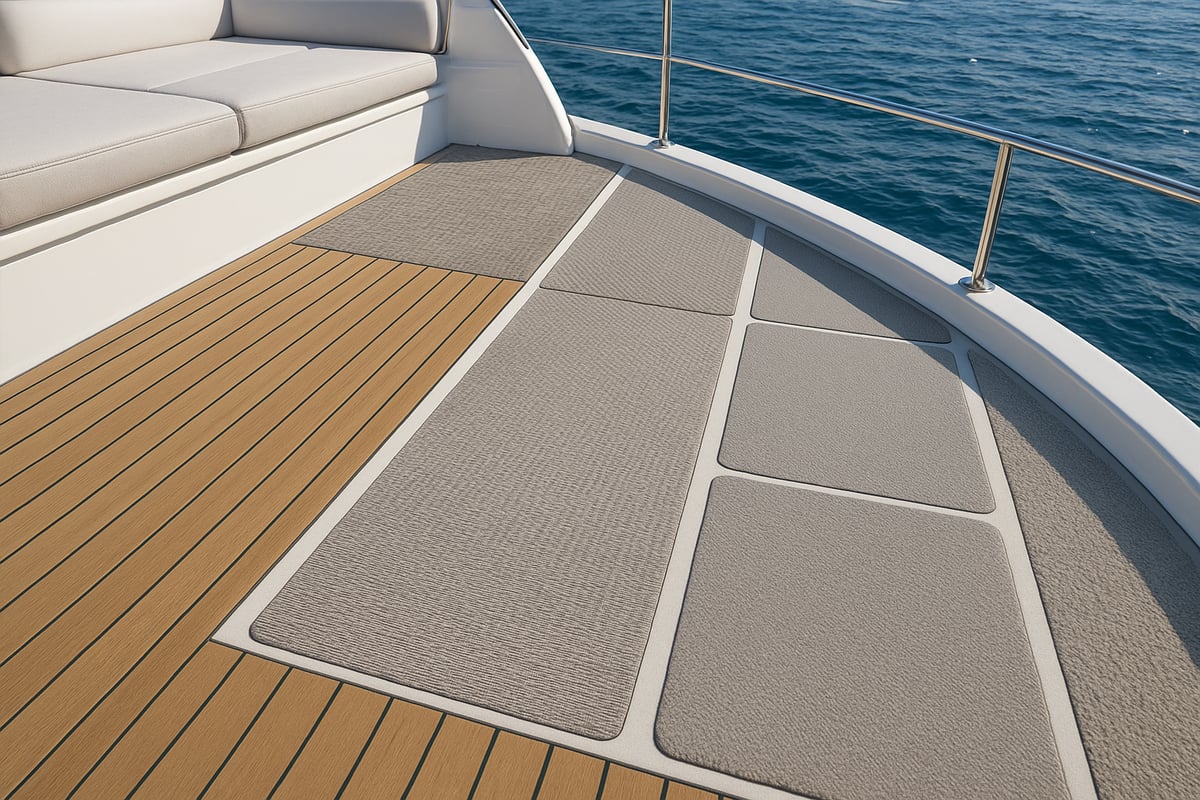
Synthetic teak has exploded in popularity, especially among new superyachts and high-end refits. Made from PVC or composite materials, these planks mimic real teak’s look and feel, but don’t demand constant oiling or sanding.
Key benefits include impressive UV resistance, minimal upkeep, and a strikingly authentic appearance. Owners love the barefoot comfort, too. However, these surfaces can get warm under direct sun, and the initial investment is higher compared to basic options.
You’ll see synthetic teak everywhere from luxury cruisers to charter fleets. If you want more details on current trends, check out Yacht Flooring Options and Trends. This resource dives into the latest materials and designs for non slip marine flooring.
Woven Vinyl Flooring
Woven vinyl is the go-to for those seeking both performance and style. It’s soft underfoot, offers a cushioned feel, and comes in a huge range of colors and patterns. Plus, it resists mildew and is a breeze to clean.
The main downside? It sometimes needs a pro for installation, and seams can be a weak point if not properly sealed. Still, according to Boating Industry, 40 percent of new yachts in 2025 featured woven vinyl flooring—a testament to its rising appeal.
Owners appreciate the easy maintenance and the way it elevates the overall look of their vessel. For non slip marine flooring, woven vinyl strikes a balance between luxury and practicality.
EVA Foam Decking
EVA foam decking is lightweight, shock-absorbing, and easy to install, making it a favorite for DIYers and fishing boat owners. It’s affordable and offers outstanding slip resistance, even when wet.
That said, EVA foam tends to have a shorter lifespan than premium materials, and it gives a more casual, less luxurious look. Still, for tenders, center consoles, or anywhere you want comfort and grip, EVA foam delivers.
This type of non slip marine flooring is also gaining traction for its eco-friendly properties. Many brands now offer recyclable or sustainably produced options.
Marine Carpeting
Marine carpeting is the classic choice for traditionalists and those prioritizing comfort. It’s plush, absorbs sound, and brings a timeless yacht style, especially in interior cabins.
However, it’s not without challenges. Marine carpet is prone to mold and requires regular deep cleaning. Its durability can’t quite match the newer synthetics, especially in high-traffic or exposed areas.
Despite these drawbacks, many luxury interiors still favor marine carpeting for its warmth and soft feel. It remains a staple in private cabins and salons, where aesthetics and comfort are the top priorities for non slip marine flooring.
Real-World Comparison Table
Here’s how these popular materials compare across the key factors that matter most:
| Material | Cost ($/sq ft) | Slip Rating | Durability (Years) | Maintenance Needs |
|---|---|---|---|---|
| Synthetic Teak | 10-20 | High | 7-10 | Low |
| Woven Vinyl | 8-15 | High | 6-9 | Low to Moderate |
| EVA Foam | 4-8 | Very High | 3-5 | Low |
| Marine Carpeting | 5-12 | Moderate | 2-4 | High |
Owners are increasingly moving from marine carpet to synthetic options, thanks to better longevity, lower maintenance, and improved safety. In 2026, non slip marine flooring is all about balancing performance, aesthetics, and value—no matter your vessel’s style or purpose.
How to Choose the Right Non Slip Marine Flooring for Your Vessel
Selecting non slip marine flooring for your boat isn’t just about picking the trendiest material. It’s about understanding your vessel, your lifestyle, and how each option aligns with your priorities on the water. Let’s break it down step by step to make your choice clear and confident.
Assessing Your Vessel’s Needs
Every boat is unique, and so are the demands placed on its deck. Start by looking at your vessel’s size and layout. A superyacht hosting dozens of guests has very different flooring needs than a nimble day cruiser or a dedicated fishing boat.
Consider where the most foot traffic occurs. High-traffic zones like swim platforms, cockpits, and walkways benefit most from non slip marine flooring. Exposure matters, too. Areas constantly in the sun, or exposed to saltwater spray, need materials that resist fading, warping, and moisture damage.
Think about how you use your boat. Is it mostly for entertaining, fishing, or long cruises? For example, fishing boats often prioritize grip and easy cleaning, while cruising yachts may focus more on comfort and aesthetics. Matching the right non slip marine flooring to your vessel’s use ensures both safety and satisfaction.
Style, Comfort, and Customization
Today’s non slip marine flooring does so much more than just prevent slips. It sets the tone for your entire onboard experience. Color, texture, and pattern all play a role in creating a cohesive look, inside and out.
Modern options allow for seamless transitions between deck and salon, blending indoor comfort with outdoor durability. Custom inlays, logos, and edge trims let owners express their personality or brand. High-end yachts often feature intricate patterns or personalized details, transforming decks into true extensions of luxury living spaces.
Don’t overlook comfort. Barefoot-friendly surfaces, soft underfoot feel, and sound dampening all contribute to a more pleasant journey. The right non slip marine flooring should feel as good as it looks, making every step enjoyable.
Durability and Maintenance Considerations
Durability is a top concern for any investment in non slip marine flooring. Look at wear patterns on your current deck—do certain spots see more scuffs or fading? Materials like synthetic teak or woven vinyl now offer impressive lifespans, often reaching seven to ten years with proper care.
Maintenance varies widely. Some materials, like EVA foam, clean up easily but may wear faster. Others, like marine carpet, require more frequent attention to prevent mold or staining. Owner surveys in 2025 found satisfaction rates highest among those choosing low-maintenance, easy-to-clean flooring.
Balance your desire for longevity with your willingness to maintain. A beautiful deck is only as good as the effort you’re willing to put in, so choose the non slip marine flooring that matches your routine.
Budget and Installation
Budget isn’t just about the initial purchase—it’s about total value over time. Some non slip marine flooring options cost more upfront but save money through longevity and reduced maintenance. Others are affordable to install but may require more frequent replacement.
Decide if you’ll tackle installation yourself or hire a professional. DIY-friendly materials, like EVA foam, can save on labor. More complex options, such as custom-cut woven vinyl, often require expert fitting for the best results. For a 40-foot yacht refit, costs can range from a few thousand dollars for basic foam to significantly more for luxury synthetics.
If you’re seeking more guidance or want to explore a broad range of solutions, check out the Carpet and Flooring Solutions page for an overview of specialized marine flooring products and installation tips.
American Marine: Elite Custom Flooring Solutions
For yacht owners in South Florida and beyond, American Marine has become synonymous with premium non slip marine flooring. Their process starts with an on-board consultation, where experts assess your vessel and listen to your needs.
Using advanced 3D digital patterning, they ensure a flawless fit, even in complex spaces. Artisan fabrication and installation bring your vision to life, whether you choose woven vinyl, synthetic teak, or another marine-grade material.
Clients trust American Marine for their tailored designs, superior safety features, and the peace of mind that comes from knowing their decks are as beautiful as they are functional. Investing in non slip marine flooring through a trusted partner ensures you get the best blend of style, safety, and durability for years to come.
Step-by-Step Guide: Installing Non Slip Marine Flooring
Installing non slip marine flooring is one of those upgrades that can feel a bit daunting at first, but with the right steps, it’s completely manageable—and the results are worth every minute. Whether you’re updating a classic vessel or finishing out a brand-new deck, this guide walks you through each phase, from prep to final inspection.
Preparation and Planning
Before you even touch a tool, planning is everything. Start by measuring every section of your deck—down to the last inch. Map out the areas where you’ll install non slip marine flooring, considering high-traffic zones and spots that stay wet the longest.
Next, choose your material. Think about how your boat is used and what you want underfoot. For example, if you’re leaning toward EVA foam for its comfort and eco-friendliness, check out current EVA Foam Marine Decking Trends for inspiration and best practices. Always match your adhesives and tools to your chosen flooring type, since marine environments demand extra durability.
Don’t skip safety checks. Make sure the subfloor is completely dry, clean, and free of any soft spots. This step sets the stage for a long-lasting installation of non slip marine flooring.
Removal of Old Flooring
Now, let’s tackle the old stuff. Removing traditional carpet, teak, or vinyl can be messy. Begin at the edges and work slowly to avoid damaging the deck beneath. Use a scraper for stubborn adhesives, and pull up any fasteners carefully.
Dispose of old materials responsibly. If you’re dealing with marine carpet, specific recycling or disposal guidelines can be found in the Marine Carpet for Boats Guide. Some materials, like glued-down carpet, require extra effort and patience to remove without harming the subfloor.
Be on the lookout for hidden issues, like moisture trapped under old flooring. Dealing with these now prevents bigger headaches down the line. Once everything’s cleared, you’re ready to move forward with your new non slip marine flooring.
Surface Preparation
Surface prep is where the magic begins. Start by sweeping and vacuuming the exposed deck to remove every last bit of dust and debris. Any leftover particles can keep your non slip marine flooring from adhering properly.
For wood or fiberglass substrates, lightly sand the area to create a smooth, even surface. If you spot any signs of rot or moisture damage, address them immediately—replace boards or patch soft spots as needed. Apply a primer or sealant if your flooring manufacturer recommends it.
Proper surface prep is what ensures your flooring bonds tightly and stays put, even in the harshest marine conditions. Take your time here, because shortcuts can lead to costly repairs later.
Installation Process
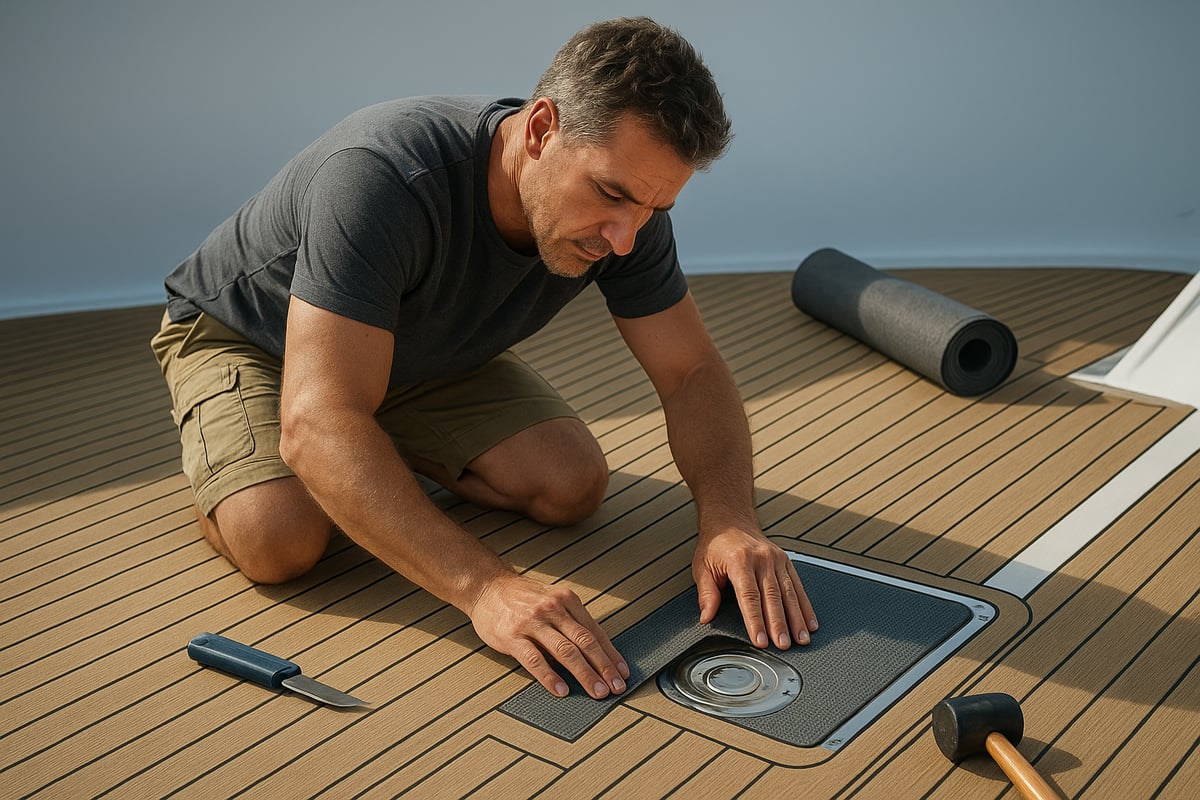
With everything prepped, it’s time for the main event: installing your non slip marine flooring. Lay out your material on the deck to double-check the fit, making any necessary cuts around hatches, cleats, and fixtures. Dry-fit pieces first, then start applying adhesive according to the manufacturer’s guidelines.
Work in small sections, pressing the flooring firmly into place as you go. Use a roller to eliminate air pockets and ensure a tight bond. Pay special attention to seams—these need to be sealed for a watertight finish.
Common mistakes include rushing, misalignment, or missing bubbles. Slow down and check your progress often. Proper installation here means your non slip marine flooring will perform beautifully for years.
Finishing Touches
You’re almost there. Now, install edge trims and transition strips to give your deck a clean, finished look. Secure all fixtures—like rails or seats—back into place, making sure nothing pinches or tears the new flooring.
Give the entire surface a gentle clean with the recommended products, and perform a thorough safety inspection before your first voyage. Little details, like addressing minor adhesive squeeze-out or double-checking seam seals, make a big difference.
With these finishing touches, your non slip marine flooring is ready for action. Take a step back, admire your handiwork, and enjoy peace of mind every time you set foot on deck.
Maintenance and Care: Keeping Your Non Slip Flooring Like New
Maintaining non slip marine flooring is about more than just looks—it's about ensuring long-term safety, comfort, and value for your vessel. Even the most advanced materials need regular attention to perform their best. With a few smart habits, you can keep your deck pristine through every season.
Routine Cleaning Best Practices
Routine cleaning is the backbone of caring for non slip marine flooring. No matter the material—synthetic teak, woven vinyl, or EVA foam—consistent cleaning prevents buildup of salt, grime, and organic debris that can degrade performance.
For daily touch-ups, use a soft-bristle brush and a gentle, marine-approved cleaner. Avoid harsh chemicals, as they can strip away the protective layer of your non slip marine flooring and shorten its lifespan. For deeper cleans, a mild soap solution and plenty of fresh water work wonders. Remember to rinse thoroughly, especially after salty voyages.
Here's a quick reference:
| Flooring Type | Best Cleaning Agents | Frequency |
|---|---|---|
| Synthetic Teak | Mild soap, soft brush | Weekly |
| Woven Vinyl | PH-neutral cleaner, sponge | Weekly |
| EVA Foam | Fresh water, gentle spray | After use |
According to the Marine Vinyl Flooring Market Analysis, using compatible cleaning agents not only preserves appearance but also maintains slip resistance. Owners who stick to a routine report higher satisfaction and fewer maintenance issues with their non slip marine flooring.
Preventative Measures
A little prevention goes a long way in protecting non slip marine flooring. Start by placing mats at entry points to catch grit and moisture before it hits the deck. Use UV-protectant sprays designed for marine environments to shield flooring from sun damage and fading.
Covers are a smart investment for vessels stored outdoors. They reduce exposure to salt spray, bird droppings, and harsh weather. Quick action on spills—especially oils or fuels—prevents staining and surface deterioration. Many yacht crews use a weekly checklist to stay ahead of small issues before they become big repairs.
On top of that, consider aligning your deck care with your upholstery maintenance. Insights from Luxury Custom Yacht Upholstery show that coordinated care routines can extend the life and look of all soft surfaces, including non slip marine flooring.
Long-Term Repairs and Upkeep
Even the toughest non slip marine flooring will eventually show signs of wear. Spot repairs are often straightforward: small chips or gouges in synthetic teak or vinyl can be patched with manufacturer-approved kits. For EVA foam, replacing a single plank is usually a quick fix.
Watch for warning signs like persistent stains, loose seams, or sections that lose their grip. These indicate it's time to re-seal, re-glue, or, in some cases, replace a section. Regular inspections—monthly for high-traffic areas—keep you ahead of the curve.
A simple checklist can help:
- Inspect seams and transitions for lifting.
- Check for discoloration or texture changes.
- Address soft spots or bubbling immediately.
Staying proactive with repairs ensures your non slip marine flooring remains safe, attractive, and resilient.
Seasonal and Off-Season Storage
Preparing your non slip marine flooring for winter or long-term storage is crucial for longevity. Start with a deep clean to remove any organic material that could mold or stain during downtime. Once dry, ensure the deck is well-ventilated to prevent trapped moisture.
If your boat is stored outdoors, use breathable covers that allow air flow while keeping out debris. For interior spaces, prop open hatches or use moisture-absorbing products to keep humidity in check. Owners who follow these steps often see their flooring last 8 years or more with minimal fading or cracking.
A little attention before and after each season pays off, keeping your non slip marine flooring looking and performing like new year after year.
As you’ve seen, choosing the right non slip marine flooring isn’t just about safety—it’s about enhancing comfort, beauty, and long term value for your yacht. With American Marine’s expertise in elite materials and custom design, you can trust that your vessel will stand out for all the right reasons in 2026 and beyond. If you’re ready to elevate your yacht’s deck with a tailored solution that fits your exact needs, let’s talk about your goals and walk through the options together. Request a Private Consultation