The Expert Guide to Marine Carpeting for Boats in 2026
Imagine stepping onto a yacht or fishing boat in 2026 and instantly feeling the difference underfoot—that’s the power of the latest marine carpeting for boats. Whether you’re navigating open seas or relaxing at the dock, the right carpet transforms comfort, safety, and style on every vessel. This expert guide is built for boat owners, yacht lovers, and marine pros ready to make smart choices about marine carpeting for boats. We’ll cover what’s new in materials and design, reveal the real-world benefits and challenges, walk you through installation and care, and even look ahead to the future. Ready to make every step on board count? Dive in with us.
The Evolution of Marine Carpeting: Trends and Innovations for 2026
The world of marine carpeting for boats is moving at full throttle in 2026. Not only are boat owners seeking better performance and aesthetics, but there is also a strong push toward innovation and sustainability. Let’s explore the top trends, materials, and technologies shaping marine carpeting for boats right now.
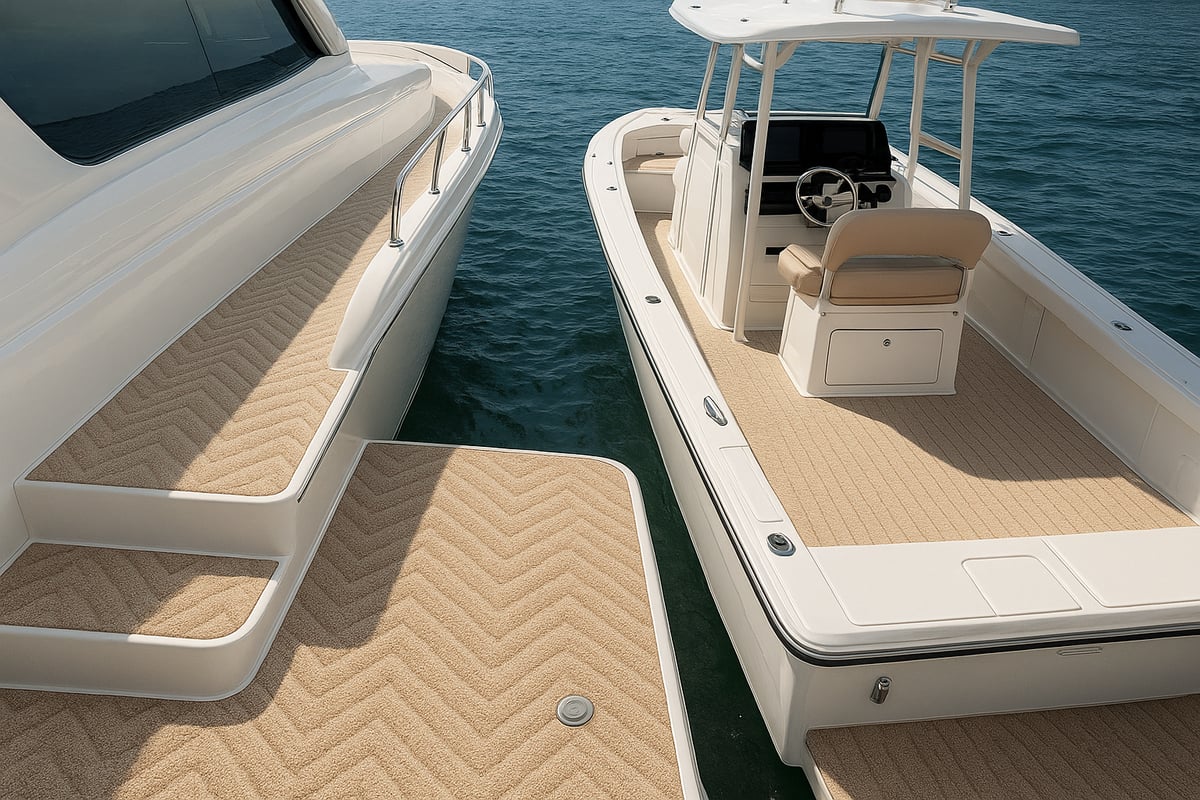
Rise of Eco-Friendly and Sustainable Materials
Eco-consciousness is at the helm of marine carpeting for boats. In 2026, about 40 percent of new marine carpets use recycled, non-toxic, or biodegradable fibers. This surge comes as more owners and manufacturers demand materials that protect both the ocean and their vessels.
Brands like SeaGreen and EcoDeck have taken the lead, offering marine carpeting for boats that marries long-term durability with environmental responsibility. Sustainable carpets now boast impressive resistance to UV rays and saltwater, plus they often look just as luxurious as traditional options. As a result, choosing green materials is no longer a trade-off—it's a step forward in both function and style.
Advanced Manufacturing and Smart Features
Technology is transforming marine carpeting for boats in remarkable ways. Manufacturers are integrating antimicrobial finishes, stain-resistant coatings, and UV-stable fibers to ensure carpets last longer and stay fresher.
A standout innovation is the rise of smart carpets. These products come equipped with sensors that detect moisture and wear, alerting owners to potential issues before they escalate. Some manufacturers now offer app-connected carpet monitoring, giving real-time updates on the condition of marine carpeting for boats. This level of insight helps maintain safety and prolongs the lifespan of the flooring.
Design Trends: Customization and Luxury
Personalization is a defining theme in marine carpeting for boats. Boat and yacht owners are choosing bespoke patterns, colors, and textures to reflect their unique tastes. Woven vinyl, teak-look finishes, and plush marine carpets are all popular choices, especially in high-end yacht installations.
The move toward luxury is clear in the demand for intricate patterns and premium materials. For more on these emerging styles and innovations, see the in-depth Yacht Flooring and Carpet Trends guide. This shift allows marine carpeting for boats to serve as both a functional asset and a statement piece, elevating the overall onboard experience.
Regulatory and Industry Standards
Safety and performance standards for marine carpeting for boats have seen significant updates in 2026. New fire-retardant and slip-resistance regulations are now in effect, aimed at reducing risks for all vessel types.
Updates from ISO and ABYC have raised the bar for what qualifies as marine-grade. These changes mean that when selecting marine carpeting for boats, owners must ensure products meet the latest certification requirements. The result is safer, more reliable flooring across the industry.
Market Insights and Popularity
The market for marine carpeting for boats is thriving, with annual growth projected at 8 percent. Demand spans fishing boats, pontoons, luxury yachts, and superyachts, reflecting a wide range of applications and consumer needs.
Consumer preferences are shifting toward eco-friendly, durable, and visually striking options. This trend is shaping manufacturers’ offerings and influencing future innovations in marine carpeting for boats. As the industry continues to grow, the focus will remain on balancing performance, sustainability, and design.
Key Benefits and Challenges of Marine Carpeting for Boats
When it comes to marine carpeting for boats, the advantages and hurdles are both practical and personal. Whether you’re outfitting a fishing boat or a luxury yacht, the right flooring can transform the experience. Let’s break down the real-world benefits and the challenges boat owners need to keep in mind.
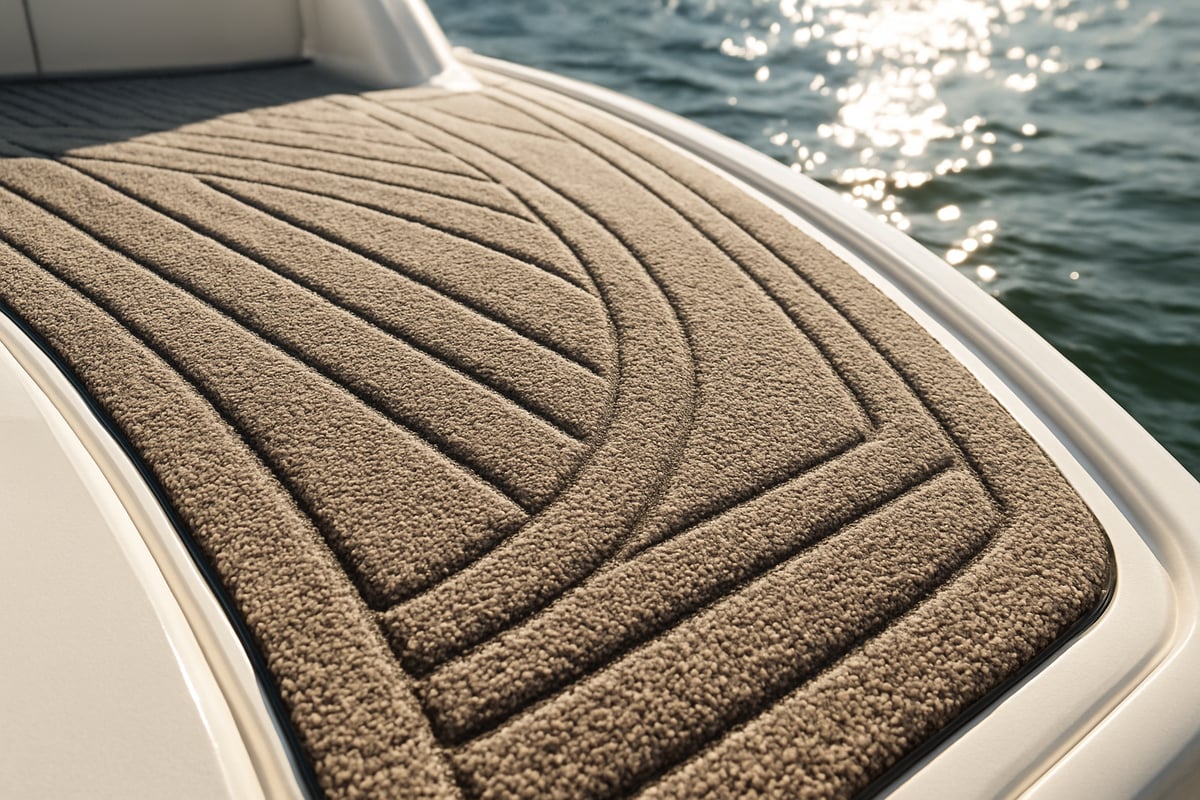
Comfort, Safety, and Aesthetics
Marine carpeting for boats is all about comfort underfoot. Imagine long days on deck—good carpeting reduces fatigue, especially during fishing trips or social gatherings. It cushions every step, making extended time on board more enjoyable.
Safety is another big win. Slip-resistant surfaces help prevent accidents, outperforming bare fiberglass or wood, especially when things get wet. Plus, the right carpet can add a touch of style. Color and texture choices set the tone, from classic neutrals to bold patterns, letting owners match their vessel’s personality.
Boats with well-chosen marine carpeting feel more inviting. Guests notice the difference right away, and owners appreciate how the space feels both safe and refined.
Durability and Performance Factors
Durability is top of mind for anyone investing in marine carpeting for boats. These carpets are engineered to withstand harsh conditions—think constant UV exposure, salty spray, and heavy foot traffic. Materials like nylon, polypropylene, and woven vinyl each offer unique strengths. For instance, woven vinyl is popular for its resilience and easy cleaning.
Modern marine carpets resist mold, mildew, and fading. With proper care, they last about 5 to 7 years, even in tough marine environments. If you’re wondering about lifespan, it’s often tied to both the quality of the carpet and the level of maintenance.
Performance doesn’t just mean lasting longer; it means staying comfortable and looking sharp, even after seasons of use.
Installation and Maintenance Hurdles
Installing marine carpeting for boats isn’t always straightforward. Getting a perfect fit is tricky, especially on curved decks or around hatches. Substrate preparation, like cleaning and smoothing the deck, is crucial for good adhesion.
Maintenance can be a sticking point. Owners often cite cleaning as their top concern—about 60% in recent surveys. Drying out wet carpets quickly is necessary to prevent odors and mildew. Stain removal can be challenging, especially after spills or muddy shoes.
If you’re looking for more on tackling these challenges, check out this Marine Carpet for Boats Guide for practical tips on selection, installation, and care.
Cost Considerations and Value
The cost of marine carpeting for boats varies widely. Upfront, you’ll pay more for premium materials or custom installations, but these often deliver better durability and style. Budget options exist, but may wear out faster or lack advanced features like UV protection.
When compared to alternatives like EVA foam or teak decking, marine carpeting often strikes a balance—less expensive than teak, but with more comfort than foam. Here’s a quick comparison:
| Option | Initial Cost | Comfort | Lifespan (years) |
|---|---|---|---|
| Marine Carpet | $$ | High | 5–7 |
| EVA Foam | $ | Medium | 2–4 |
| Teak Decking | $$$$ | High | 10+ |
Choosing the right product means weighing initial investment against long-term value and maintenance needs.
Environmental and Health Considerations
As sustainability becomes a bigger focus, so does the environmental profile of marine carpeting for boats. Traditional carpets can release VOCs (volatile organic compounds), which may affect air quality and cause allergies for sensitive passengers.
The good news? There’s real progress in hypoallergenic, low-emission carpets. Many new products are designed to reduce off-gassing and limit environmental impact. Eco-friendly options, made from recycled or biodegradable fibers, are now widely available.
For health-conscious boaters, looking for carpets certified as low-VOC and allergen-safe is a smart move. It’s not just about comfort—peace of mind matters, too.
How to Choose the Right Marine Carpet in 2026: A Step-by-Step Guide
Choosing the perfect marine carpeting for boats in 2026 is more than just picking a color or texture. It's about making a decision that shapes comfort, safety, and the overall vibe of your vessel. Whether you're updating a trusty fishing boat, customizing a pontoon, or refitting a luxury yacht, this guide breaks down the process into manageable steps. Let's get started on making the best choice for your unique needs.
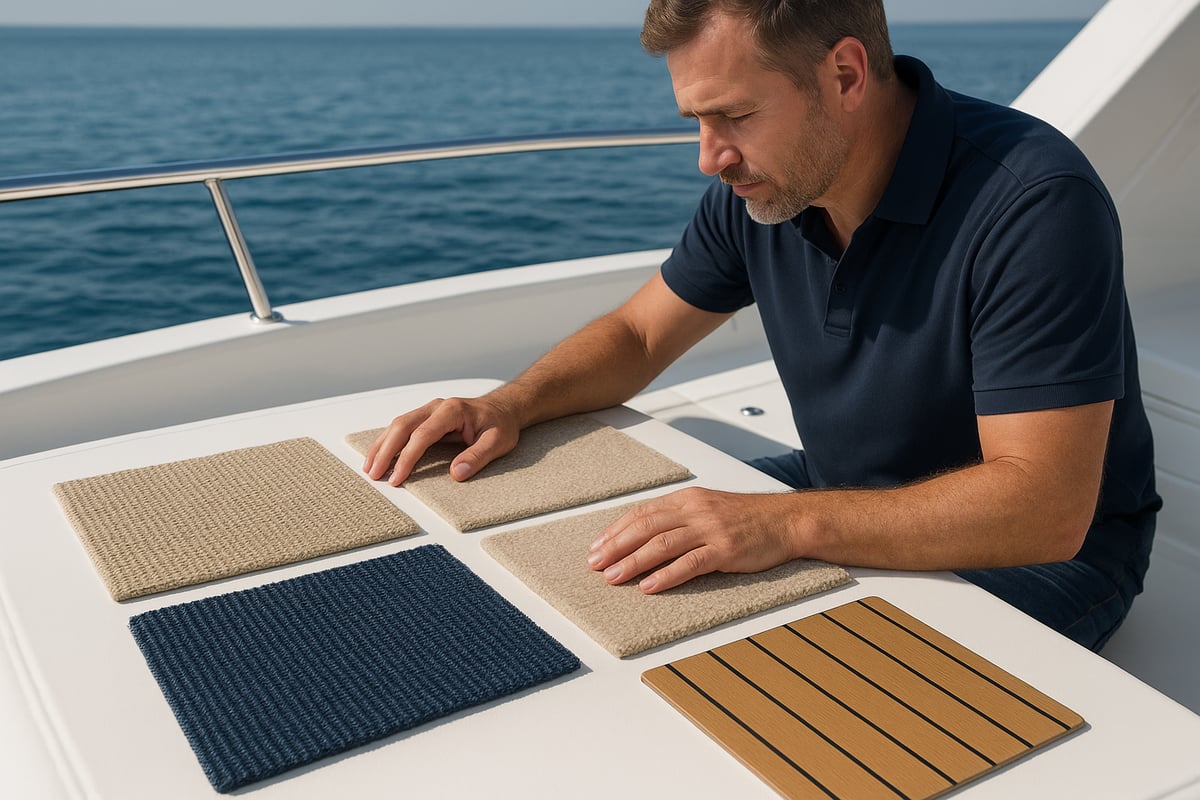
Step 1: Assess Your Boat’s Needs and Usage
Start by thinking about how you use your boat. Is it mostly for fishing trips, family cruising, or entertaining guests? Each activity puts different demands on marine carpeting for boats.
Consider how much sun, salt, and moisture your deck faces. Boats that live in marinas or see frequent offshore use need extra sun and salt resistance. Also, look at high-traffic zones like cockpits or passageways. Heavy foot traffic will wear down carpet faster, so durability becomes crucial.
Jot down your main activities and note any trouble spots. This first step sets the tone for every decision that follows.
Step 2: Select the Best Material for Your Vessel
Material matters a lot in marine carpeting for boats. The most popular choices in 2026 are nylon, polypropylene, woven vinyl, and increasingly, hybrid blends.
Here's a quick comparison:
| Material | Durability | Comfort | Water Resistance | Typical Use |
|---|---|---|---|---|
| Nylon | High | Plush | Good | Luxury yachts, cruisers |
| Polypropylene | Moderate | Firm | Excellent | Fishing boats, pontoons |
| Woven Vinyl | Very High | Moderate | Excellent | Modern yachts, pontoons |
| Hybrid Blends | High | Plush | Excellent | High-end installations |
Nylon feels soft and luxurious, while woven vinyl excels in durability and easy cleaning. Polypropylene balances cost and toughness. Check recent studies or consult with professionals for the latest on comfort and longevity. Choose what's best for your vessel and lifestyle.
Step 3: Decide on Backing, Texture, and Color
Now, focus on what goes under and how it feels underfoot. Marine-grade rubber or foam backings help keep marine carpeting for boats in place and resist moisture from below.
When it comes to texture, loop pile offers durability, while cut pile gives a softer, more premium feel. Plushness is a growing trend, especially for those who want a bit of luxury.
Color is not just about style—it hides stains and matches interiors. Neutral shades like sand, grey, or navy are practical and timeless. For a bold statement, consider custom patterns or teak-look designs.
Step 4: Check Certifications and Warranties
Safety and performance certifications are non-negotiable for marine carpeting for boats. Always look for:
- Fire-retardant ratings
- Anti-slip certification
- UV resistance labels
Leading brands also offer comprehensive warranties. Read the fine print—what’s covered, for how long, and under what conditions? Warranties can range from two to seven years, depending on the material and brand. This step gives peace of mind and protects your investment.
Step 5: Measure, Budget, and Source Your Carpet
Accurate measurements are key. Measure each section of your deck, add 10% for waste, and double-check corners and curves. This helps avoid costly mistakes.
Budgeting goes beyond the carpet itself. Remember adhesives, trims, possible labor, and even shipping fees. Here's a checklist:
- Carpet cost (by square foot/meter)
- Adhesives and tools
- Trims and finishing materials
- Labor (if hiring out)
Source your marine carpeting for boats from reputable dealers, online retailers, or custom fabricators. Weigh convenience, customization options, and after-sales support in your decision.
Step 6: Decide Between DIY and Professional Installation
Some boat owners love the satisfaction of a DIY project. Others prefer the assurance of a professional touch. Installing marine carpeting for boats yourself can save money, but it takes time, patience, and the right tools.
Professional installers bring expertise, especially for complex layouts or luxury vessels. For a deeper dive into best practices and what to expect on high-end yachts, check out Yacht Carpet Installation Tips.
Think about your skill level, available time, and the complexity of your boat. Sometimes, peace of mind is worth the extra investment.
Step 7: Plan for Maintenance and Longevity
Finally, set yourself up for years of satisfaction. Routine cleaning—weekly vacuuming and prompt stain removal—can extend the life of marine carpeting for boats by up to 30 percent.
Invest in eco-friendly cleaners and soft brushes. Schedule periodic inspections for wear, moisture, and adhesive integrity. In harsh marine environments, proactive care is the secret to lasting performance.
With the right plan, your carpet will look fresh and perform beautifully, season after season.
Professional Installation: What to Expect and How It Works
Getting marine carpeting for boats professionally installed is a game-changer, whether you're upgrading a fishing vessel or refitting a luxury yacht. The process is precise, detail-driven, and designed to bring out the best in your flooring investment. Let's walk through what you can expect, step by step.
Pre-Installation Assessment and Planning
The journey starts with a thorough consultation. Professionals will inspect your vessel, taking note of every curve, hatch, and step. Detailed digital measurements are captured, often with advanced 3D modeling tools. This tech-driven approach ensures the marine carpeting for boats will fit seamlessly, no matter how complex the layout.
You'll discuss design options, materials, and performance needs. The planning phase is crucial, as it sets the foundation for a flawless result. By leveraging digital planning, installers can minimize waste and anticipate any tricky areas before a single cut is made.
Preparation and Substrate Treatment
Preparation is everything. After the assessment, installers prep your boat’s deck to guarantee the best possible adhesion and longevity. This includes cleaning the surface, sanding down any rough spots, and checking for hidden moisture. For marine carpeting for boats to bond properly, the substrate must be dry, smooth, and completely level.
If there are any old adhesives or damaged sections, those are removed or repaired. This attention to detail helps prevent bubbling or premature wear. A solid prep job is what separates a professional install from a DIY attempt.
Installation Techniques and Adhesives
Now comes the main event: laying down the carpet. Installers will choose between glued-down methods, snap-in systems, or modular panels, depending on your vessel and needs. Each technique has its perks. Glued-down installations offer a permanent, secure fit, ideal for high-traffic areas. Snap-in or modular systems provide flexibility for cleaning and future upgrades.
Selecting the right adhesive is critical. Not all glues are created equal, especially in the demanding marine environment. The pros use adhesives specifically formulated for marine carpeting for boats, ensuring resistance to moisture, salt, and UV exposure.
Finishing Touches and Quality Checks
Once the carpet is installed, it’s time for the finishing touches. Edges are trimmed for a custom fit, seams are carefully sealed, and binding may be added to prevent fraying. Every corner and hatch gets special attention.
A thorough post-installation inspection follows. Professionals check the entire surface for fit, finish, and any imperfections. The goal is to deliver marine carpeting for boats that not only looks stunning but also performs flawlessly under real-world conditions.
Timeline and Typical Costs
How long does it take? For a small fishing boat, installation might be wrapped up in a day. Larger yachts or superyachts can take several days, especially if complex patterns or custom features are involved.
Costs vary widely. A basic install may start at a few hundred dollars, while premium, custom-fitted marine carpeting for boats on luxury vessels can run into the thousands. The investment is balanced by the value it adds in comfort, safety, and aesthetics.
Why Professional Customization Matters: American Marine’s Approach
Choosing professional, custom-fit marine carpeting for boats isn’t just about looks—it’s about longevity and performance. American Marine uses advanced 3D modeling and only the best marine-grade materials, ensuring every project meets the highest standards.

What sets them apart is their commitment to tailored design and artisan craftsmanship. Their white-glove service covers everything from onboard consultations to meticulous installation and aftercare. For boat owners seeking the ultimate in flooring solutions, their approach is a benchmark for excellence.
Care, Cleaning, and Maintenance: Keeping Marine Carpeting Looking Its Best
Keeping marine carpeting for boats in peak condition is a mix of routine care, smart prevention, and knowing how to tackle problems as they crop up. A well-maintained carpet not only looks sharp, but also extends the life and value of your vessel. Let’s break down expert strategies to preserve your marine carpeting for boats, from everyday cleaning to seasonal deep care.
Routine Cleaning for Longevity
Consistent upkeep is the secret to marine carpeting for boats that stays vibrant year after year. Start with weekly vacuuming to lift sand, debris, and salt that can grind into fibers. For stains, act quickly—dab (don’t rub) with a damp cloth and a mild, marine-safe cleaner.
Consider using specialized products designed for marine carpeting for boats, as these are formulated to handle saltwater and organic messes. For pontoon owners, Pontoon Boat Carpet Solutions offers detailed advice on cleaning routines and product selection tailored to high-traffic decks.
A simple chart for your routine:
| Task | Frequency | Tool/Product |
|---|---|---|
| Vacuuming | Weekly | Marine vacuum, soft brush |
| Spot cleaning | As needed | Eco-friendly marine carpet spray |
| Deep cleaning | Seasonally | Extractor or pro service |
Protecting Against Mold, Mildew, and Odors
Moisture is the enemy of marine carpeting for boats. Always allow carpets to dry fully after rain, washing, or heavy use. Good ventilation is crucial—open hatches or use portable fans if necessary.
Apply antimicrobial treatments periodically to help block mold and mildew growth. Quick-drying after spills, especially in humid climates, will reduce odor and potential health risks. If you notice persistent musty smells, inspect for trapped moisture beneath the carpet.
Repairing Damage and Dealing with Wear
Even durable marine carpeting for boats will eventually show wear in high-traffic spots. Small burns, rips, or frayed edges can often be patched with matching material and marine adhesive.
For more extensive damage, or if the backing is compromised, replacement may be the smarter long-term move. Keep an eye on seams and edges—early intervention can prevent bigger repairs later. Always use marine-grade supplies for any fixes to ensure longevity.
Seasonal and Deep Cleaning
At least once a year, deep clean your marine carpeting for boats with a carpet extractor or by hiring a marine cleaning specialist. Remove furniture and loose gear before starting. Work section by section, allowing each area to dry thoroughly before replacing items.
During off-season storage, roll up removable carpets and store in a dry, ventilated space. If carpets are glued down, regularly check for trapped moisture or signs of mold. Deep cleaning not only lifts embedded grime, but also refreshes colors and texture.
Troubleshooting Common Problems
Fading, matting, and stubborn stains can plague marine carpeting for boats, especially on sun-exposed decks. For fading, use UV-protective sprays and avoid harsh chemicals. Matting may improve with a stiff brush or gentle steaming.
For persistent stains, try targeted marine carpet cleaners and always test a hidden area first. Odor issues often point to moisture below the surface—lift a corner to investigate if smells linger. For allergy concerns, opt for hypoallergenic cleaning products and increase ventilation.
The Future of Marine Carpeting: What’s Next Beyond 2026?
The world of marine carpeting for boats is on the brink of a transformation. As new materials and smarter technology step onboard, the next wave of innovation is set to redefine both function and luxury. Curious about what's coming next? Let's dive into the trends shaping the future.
Emerging Materials and Technologies
Recent breakthroughs are taking marine carpeting for boats into uncharted territory. Smart textiles are now being woven with embedded sensors that monitor moisture and wear, while self-cleaning fibers and nanotech coatings fend off stains and salt. Some brands are even rolling out fully recyclable and biodegradable carpets.
On top of that, the Worldwide Marine Carpets Market Research Report 2025 highlights a surge in eco-innovation, with manufacturers racing to balance durability and sustainability. The upshot? Expect next-gen carpets that last longer, look better, and tread lighter on the planet.
Sustainability and Circular Economy
Sustainability is no longer a buzzword, it's a requirement. The marine industry is pushing hard for closed-loop recycling systems, turning old marine carpeting for boats into raw material for new products. More manufacturers are joining pilot projects that cut waste and shrink carbon footprints.
Some are even partnering with environmental groups to create take-back programs for used carpets. As this movement grows, expect a stronger focus on transparency and traceability in the entire supply chain.
Customization and Personalization Trends
Customization is quickly becoming the new standard for marine carpeting for boats. Digital printing lets owners choose colors, patterns, or even logos that reflect their personality. 3D-printed carpets are making precise fits possible, especially on complex superyacht decks.
AI is also stepping in, optimizing both design and installation for each unique vessel. The result? A tailored look that feels high-end and totally unique, whether you're outfitting a fishing boat or a luxury cruiser.
Changing Consumer Expectations
Consumer preferences are evolving fast. More buyers want marine carpeting for boats that balances comfort, style, and environmental responsibility. Surveys show a steady rise in demand for plush, hypoallergenic carpets and luxury finishes.
At the same time, eco-minded boaters are looking for low-emission and recyclable options. With the market projected to keep growing, manufacturers are listening closely and adapting their offerings to meet these new priorities.
The Role of Regulatory Changes
Regulations are tightening, shaping the future of marine carpeting for boats. Upcoming rules will address safety, emissions, and environmental impact, pushing manufacturers toward even higher standards. Updates to fire-retardant and slip-resistance requirements are already on the horizon.
According to the Marine Carpets Market Size & Share Analysis, these changes will influence both product development and consumer choices. To stay ahead, boat owners should look for carpets that not only meet today's standards but are ready for tomorrow's regulations.
Now that you’re equipped with the latest insights on marine carpeting— from eco-friendly materials and smart features to expert installation and maintenance tips— you’re one step closer to transforming your boat with superior comfort and style. If you want to experience the difference that elite craftsmanship and tailored design can make, we’re here to help bring your vision to life. Let’s discuss your unique needs and how American Marine can deliver a flawless, long-lasting solution for your vessel.
Schedule Your Free Consultation
and take the next step toward first-class marine flooring.