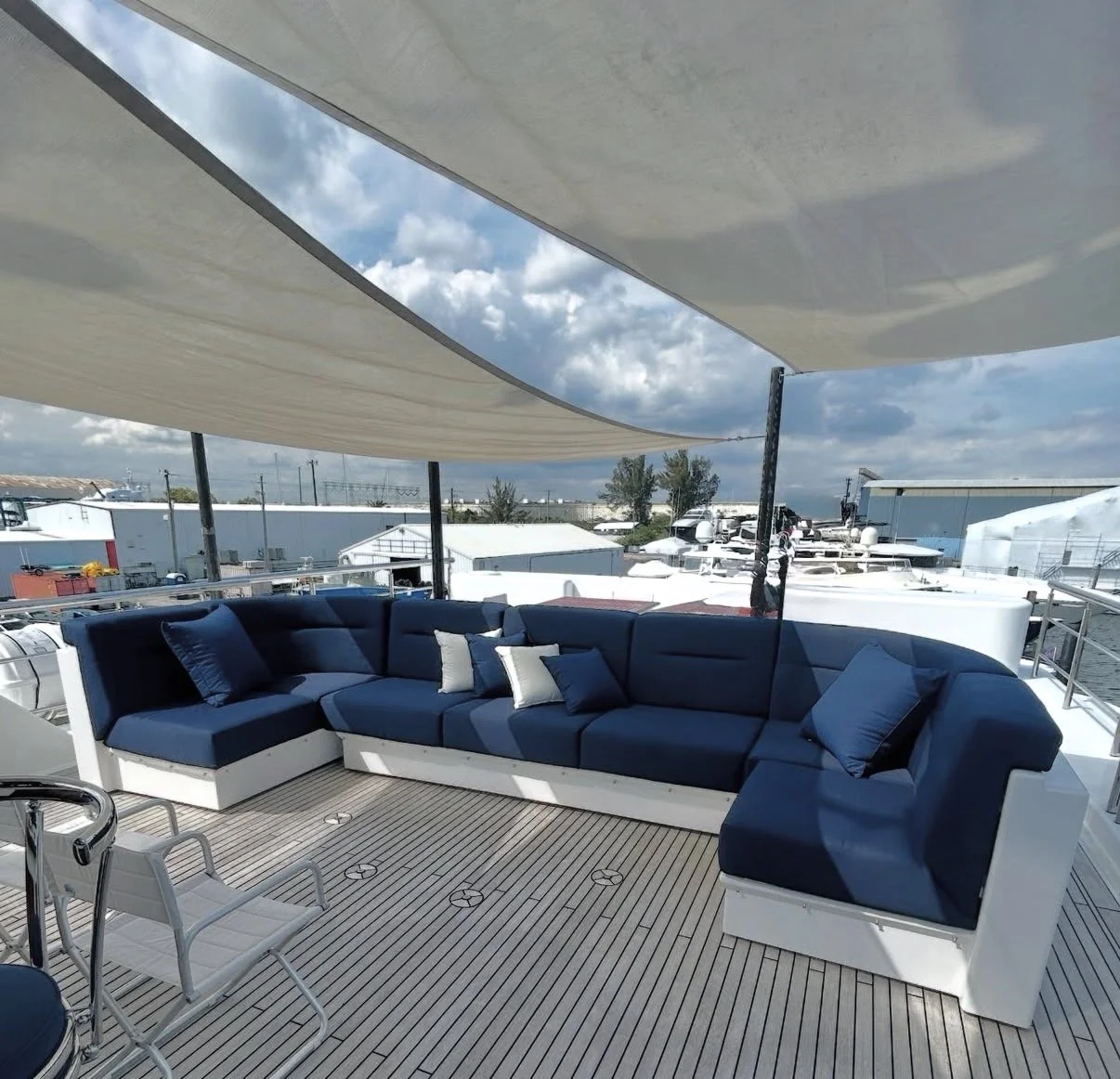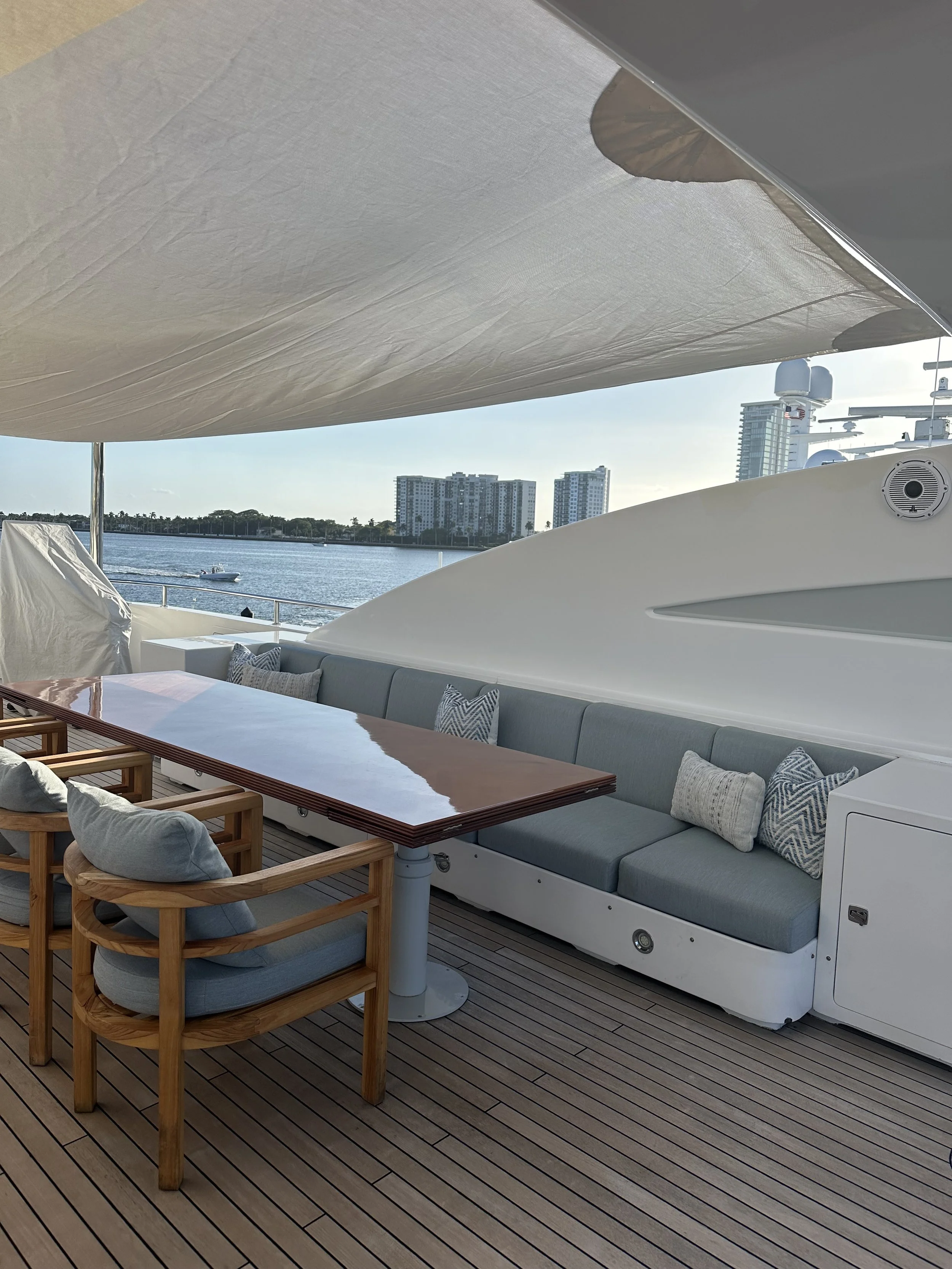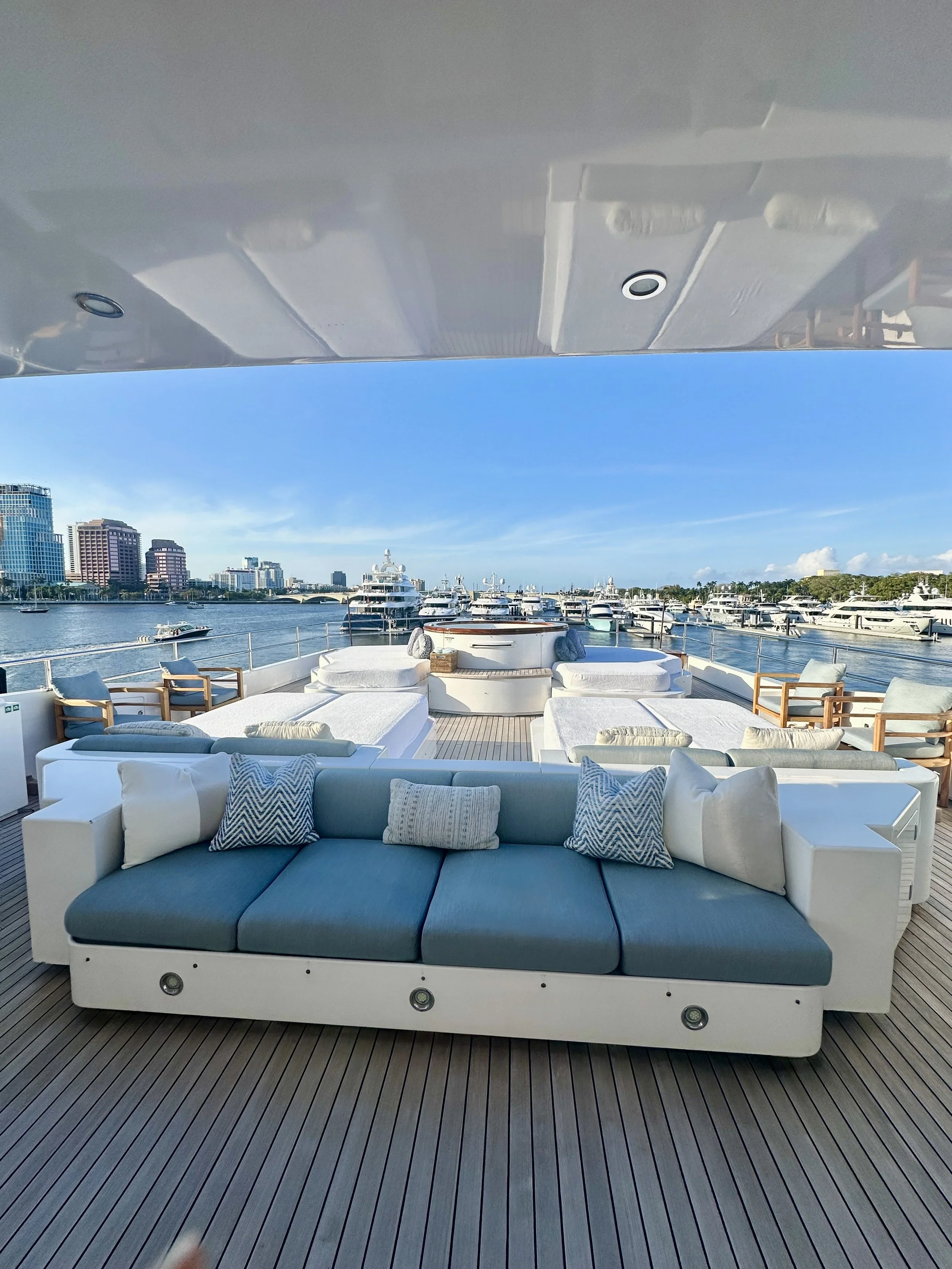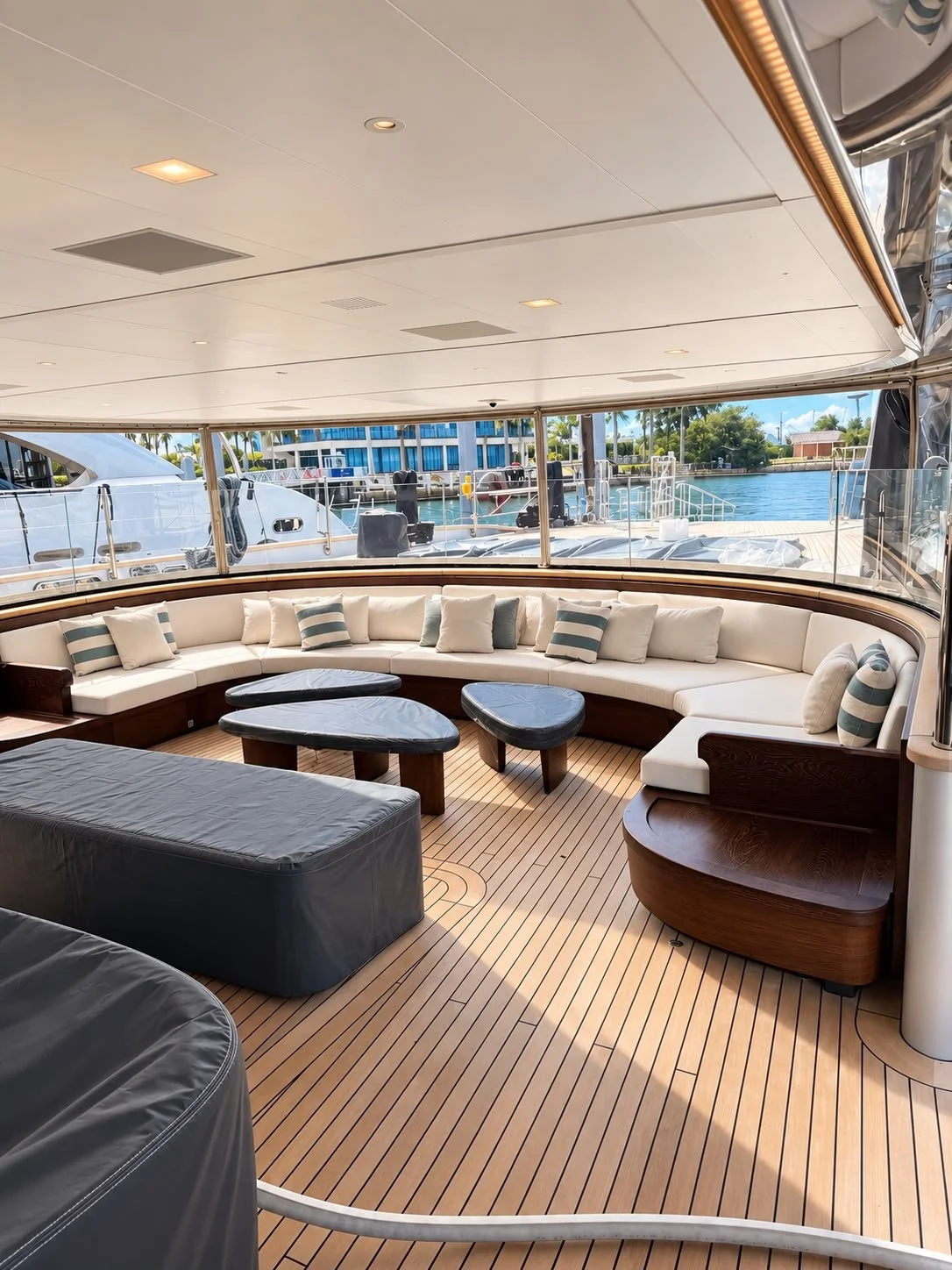
Step-by-Step Guide to Reupholster Pontoon Boat Seats 2025
Tired of cracked, faded, or sagging pontoon boat seats ruining your time on the water? You’re not alone. Worn-out seats do more than just look bad—they can seriously impact your comfort and the overall vibe of your boat.
Ready for a change? This step-by-step guide will show you exactly how to reupholster pontoon boat seats in 2025, even if you’ve never tackled a project like this before. We’ll walk through everything, from gathering the right materials to expert tips for a flawless finish.
Imagine the savings, the freedom to choose your own colors, and the satisfaction of fresh, like-new seats. If you want your boat looking and feeling its best, just follow along with this guide.
Understanding Pontoon Boat Seat Upholstery Basics
Let’s start by getting familiar with the basics you’ll need before you reupholster pontoon boat seats. Whether you’re a weekend cruiser or a serious angler, understanding the types of seats, the materials that last, and the right tools will set you up for a successful project.

Types of Pontoon Boat Seats and Common Issues
Pontoon boats typically come with three main seat types: the classic bench seat, the captain’s chair, and spacious loungers. Each brings its own comfort and style, but also faces unique challenges over time.
Common issues? Let’s see: UV rays break down vinyl, mildew creeps in after rain, seams start to split, and foam can lose its bounce after years of use. If you boat in a warm, sunny climate, like Florida, these problems show up even faster. In fact, statistics reveal that Florida pontoon owners often reupholster pontoon boat seats every five to seven years to keep them looking sharp.
How do you know it’s time? Discoloration, cracking, sagging, or a seat that just feels flat are all red flags. And if you spot any foam poking out or the surface feels sticky, that’s a sure sign it’s time to reupholster pontoon boat seats. Pay attention to these cues so you can keep your boat both comfortable and great looking.
Key Materials Used in Marine Upholstery
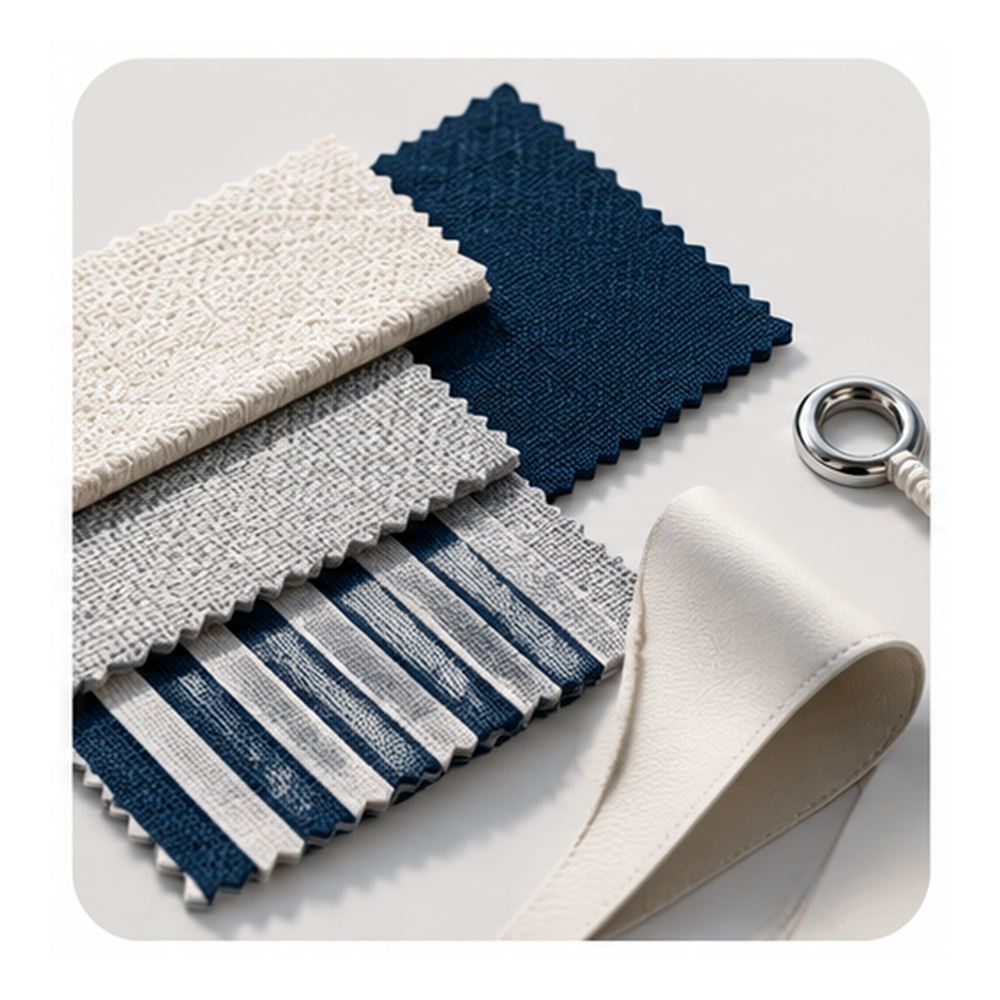
When you reupholster pontoon boat seats, picking the right materials is everything. Marine-grade vinyl is built to withstand sunlight, salt, and water, unlike standard vinyl that can crack or fade in harsh conditions. Closed-cell foam is another must because it resists water absorption, helping your seats stay firm and dry for years.
Don’t forget about UV-resistant thread, which keeps seams strong, and corrosion-proof hardware for every screw or staple. For 2025, expect to see bold colors, cool grays, and textured finishes trending across new pontoon models. Antimicrobial treatments are also becoming standard, fighting off mildew and keeping seats fresher for longer.
If you want a deeper dive into what makes marine vinyl special, check out this Waterproof marine vinyl fabric guide for expert advice on choosing the best materials for your project.
Tools and Supplies You’ll Need
Ready to reupholster pontoon boat seats? Here’s your toolkit: a staple gun, stainless steel staples, screwdrivers, pliers, a seam ripper, sharp scissors, and marine adhesive. You’ll find quality supplies at most marine supply stores or trusted online retailers.
Let’s talk cost. Doing it yourself usually runs between $200 and $600 for a full seat set, depending on your choices. Going pro? Expect to pay $1,000 or more per set, but you’re paying for expert skill and premium finish.
| Option | Average Cost (per seat set) | What’s Included |
|---|---|---|
| DIY | $200 – $600 | Materials, your labor |
| Professional | $1,000+ | Materials, expert labor |
Investing in good tools and materials now saves you from headaches and repeat repairs later. Quality counts every step of the way.
Preparing for the Reupholstery Project
Getting ready to reupholster pontoon boat seats is a project that rewards careful prep. Before you even touch a staple or piece of vinyl, proper planning makes all the difference. Let’s break down the process so you avoid headaches, protect your investment, and set yourself up for a smooth, professional finish.

Removing Pontoon Seats Safely
First things first: you need to get those seats off the deck. Disconnect each seat by unscrewing the mounting hardware underneath. It’s wise to label every piece—use small bags or painter’s tape to keep screws, bolts, and brackets organized. This step is crucial if you want to reupholster pontoon boat seats without confusion during reassembly.
If your seats have electrical components, like speakers or lights, disconnect the wiring carefully. Take pictures for reference. A simple trick to avoid scratching your boat’s deck is to lay out towels or cardboard as a buffer when moving seats.
Use painter’s tape to mark the locations of each screw hole. This saves time later and ensures every seat goes back exactly where it belongs. Tackle one seat at a time, and don’t rush—patience protects both your boat and your sanity.
Assessing and Repairing Seat Frames & Foam
With seats removed, inspect each frame closely. Look for signs of wood rot, metal rust, or structural weakness. If you spot minor damage, address it now with marine-grade epoxy or rust converter. Strong frames are the backbone when you reupholster pontoon boat seats, so don’t skip this step.
Foam is next. Squeeze the foam firmly—if it springs back, it’s good. If it stays compressed or crumbles, replace it. Upgrading to higher-density foam can make your seats more comfortable and durable over time. For more detailed advice on tackling tricky repairs or deciding when to replace versus restore, check out these Marine upholstery repair tips.
Don’t forget: even small repairs now prevent big problems later. Well-prepped frames and foam lay the foundation for a flawless finish when you reupholster pontoon boat seats.
Cleaning and Prepping Surfaces
Before you start reupholstering, clean every surface thoroughly. Remove old adhesive, dirt, and any debris from the seat bases and frames. Use a marine-safe cleaner to tackle mildew and lingering grime. It’s tempting to rush this step, but a spotless base helps new material adhere properly and extends the life of your work.
Let all parts dry completely. Any trapped moisture can cause mold or mildew under your new upholstery, ruining your efforts to reupholster pontoon boat seats. Take your time—proper prep pays off with long-lasting, beautiful results.
Step-by-Step Guide to Reupholster Pontoon Boat Seats
Ready to dive in? This is where you learn exactly how to reupholster pontoon boat seats, whether you're a seasoned DIYer or a first-timer. Follow each step, and by the end, your seats will look and feel brand new.

Step 1: Removing Old Upholstery
First things first, you’ll need to remove every trace of the old fabric. This is where most folks get a little nervous, but don’t worry, you’re not going to break anything if you go slow.
Start by flipping each seat over, exposing the bottom. Use a screwdriver or pliers to gently work out the staples or tacks. Sometimes marine manufacturers hide fasteners under trim or plastic caps, so take your time—look for anything that doesn’t move easily and pry gently. If you hit a stubborn seam, a seam ripper or even a sharp utility knife can make the process smoother.
Keep all hardware in labeled bags for easy reassembly. It’s smart to snap photos as you go, especially if the construction is more complex. These reference shots will make it much easier to reupholster pontoon boat seats later.
- Remove old staples/tacks with pliers or a staple remover
- Carefully pull back the vinyl, watching for hidden fasteners
- Save hardware in bags labeled by location
- Photograph every stage for later reference
If you encounter mold or mildew under the vinyl, clean the area thoroughly before moving on. Want even more visual guidance? Check out this DIY Pontoon Seat Reupholstery Guide for a photo-driven walkthrough.
Step 2: Measuring and Cutting New Marine Vinyl
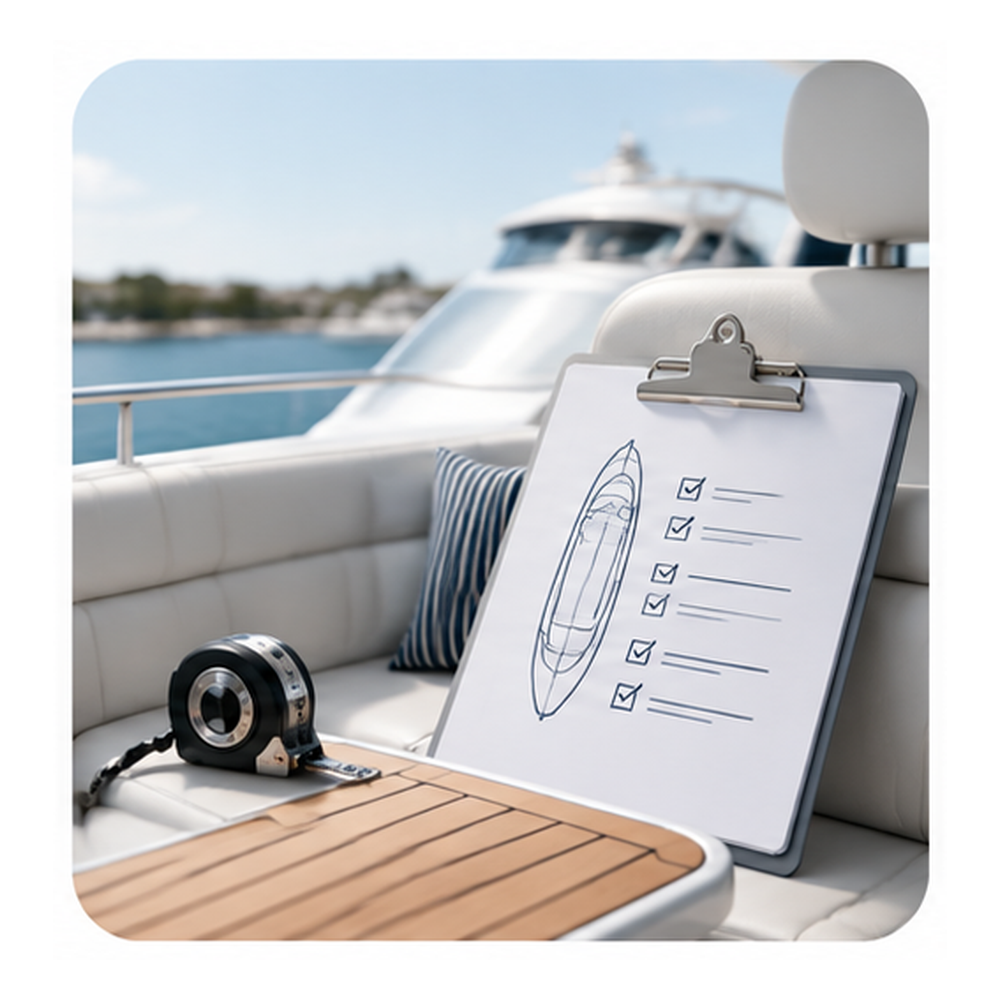
Now that your seats are bare, it's time to measure and cut new vinyl. Lay the old fabric flat on your work surface—it’s your pattern. If the old material is stretched out, measure the frame directly and add a couple of extra inches on each side. This extra slack helps you stretch the material tight and makes the next steps easier.
Always cut vinyl along the "grain" for the best stretch and fit. Use a marker to outline curves and corners, and sharp scissors to get clean edges. If your seat has unique contours, cut small relief notches in the vinyl—these will help it wrap without puckering.
- Lay out old vinyl as a template
- Add 2–3 inches on all sides for stretching and seams
- Cut with the grain for flexibility
- Mark tricky curves and corners before cutting
Remember, accuracy now will give you a smooth, professional look when you reupholster pontoon boat seats. Double-check measurements before making any cuts. If you’re nervous, practice on a scrap piece first. Take your time—the right prep makes everything else easier.
Step 3: Attaching New Upholstery
With your new pieces ready, it’s time to reupholster pontoon boat seats by attaching the vinyl to the foam and frame. Lay the vinyl over the seat, centering it carefully. Start stapling from the center of each side, working outward. This method keeps the fabric evenly stretched and avoids wrinkles.
Use stainless steel staples for marine durability. Pull the vinyl taut but not so tight that it tears. For corners and curves, fold the material in small pleats or use a heat gun to soften the vinyl. Just be careful—too much heat can scorch the surface.
- Start stapling at the center, moving outward
- Keep tension even for a smooth finish
- Fold corners neatly, using small pleats
- Use a heat gun on low for tight curves
If you see puckers, pull out a few staples and try again. Patience pays off. This step is where your project really starts to look like new.
Step 4: Reassembling Seats and Hardware
Once your vinyl is smooth and tight, it’s time to put everything back together. Place the foam and seat base back into the frame, making sure everything lines up just like in your reference photos. Reattach all hinges, bases, and any electrical components.
Replace any corroded or rusty hardware with stainless steel for the longest life. Use thread-locker on bolts if your boat takes a beating on rough water. Double-check all connections for tightness and safety.
- Align foam and base carefully
- Secure hardware with stainless steel fasteners
- Double-check for tightness and alignment
- Replace any worn or rusty parts
Take your time here. Rushing reassembly can undo all your hard work to reupholster pontoon boat seats. Make sure everything moves and locks as it should.
Step 5: Finishing Touches and Quality Check
You’re almost done. Now, look over every seat closely. Run your hands over the surface, feeling for any missed staples or wrinkles. Trim away any excess material along the edges for a neat finish.
Apply a marine vinyl protectant to guard against UV rays and mildew—products like 303 Marine Protectant can extend seat life by up to 30 percent. Give each seat one final wipe-down and let everything dry fully before reinstalling on your boat.
- Inspect for wrinkles, loose staples, or missed spots
- Trim excess vinyl for clean edges
- Apply protectant for UV and mildew resistance
- Let seats dry thoroughly before use
A careful quality check now means you won’t have to reupholster pontoon boat seats again for years. Step back, admire your work, and picture those crisp, comfortable seats on your next trip out.
Pro Tips for a Professional-Looking Finish
Achieving a truly polished result when you reupholster pontoon boat seats comes down to details. Even with the best materials, small tricks and expert habits make the difference between a DIY job and a finish that turns heads at the dock. Here are some essential techniques and maintenance tips to ensure your seats look—and last—the part.
Tricks for Tight Corners and Curves
When you reupholster pontoon boat seats, corners and curves can trip up even experienced DIYers. The secret is to pre-stretch the vinyl gently before you start stapling. This helps prevent wrinkles and ensures a snug fit.
Use relief cuts—small, angled snips in the material—at tight bends. These allow the vinyl to lay flat without bunching. For extra plushness at edges, layer a thin strip of foam underneath before wrapping the vinyl.
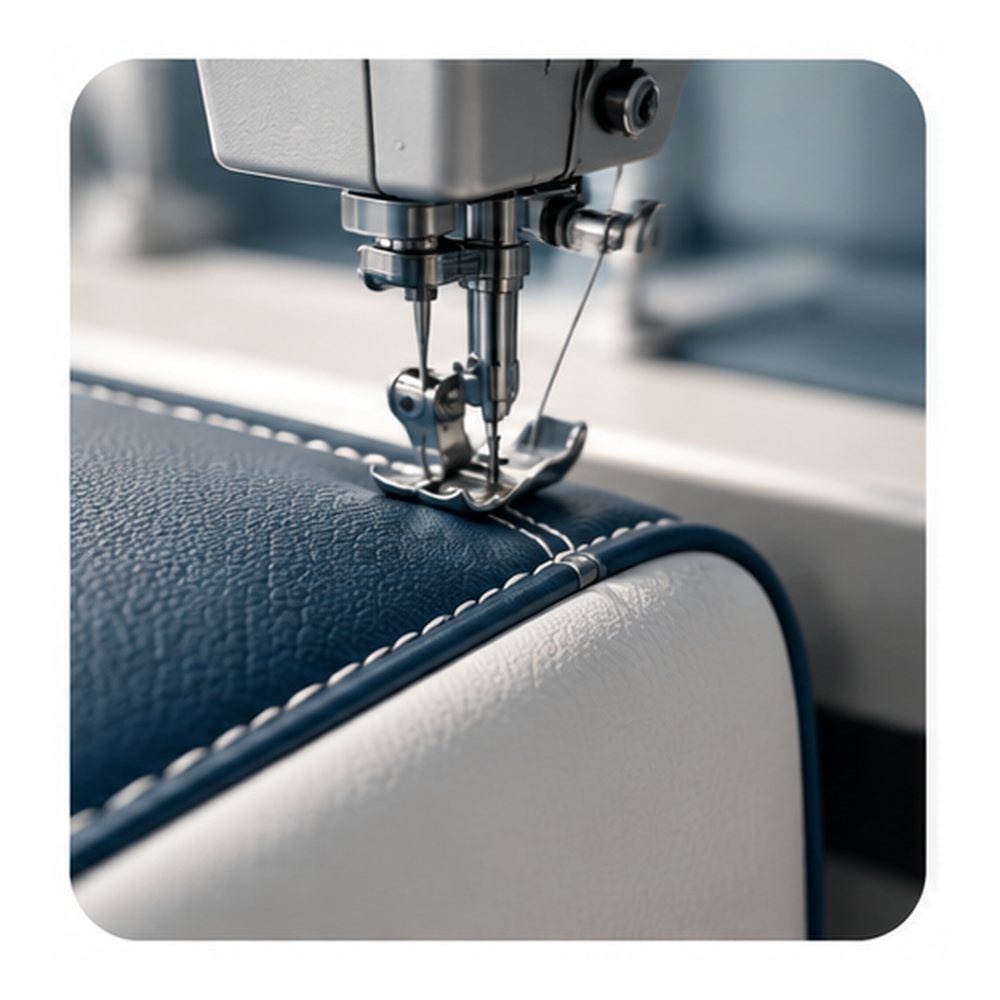
Decorative stitching, like the classic “baseball” stitch, can give your seats a custom, professional look. Just remember, patience pays off. Take your time with each corner for the best results.
- Pre-stretch vinyl for smooth curves
- Make relief cuts at tight corners
- Add foam layers for soft, rounded edges
- Try “baseball” stitching for style
If you want inspiration from the pros, check out The art of marine upholstery for expert insights on how finishes and techniques elevate marine seating.
Avoiding Common DIY Mistakes
Plenty of common mistakes can derail your attempt to reupholster pontoon boat seats. The most frequent? Overtightening staples. Pulling the vinyl too tight or adding too many staples can actually cause tears over time.
Avoid using low-quality vinyl or household thread. Marine environments are harsh—standard materials just will not hold up. Always choose UV-resistant thread and stainless steel staples for durability.
Here are mistakes to watch out for:
- Overtightening staples, risking rips
- Skimping on marine-grade materials
- Using household thread instead of UV thread
- Not documenting disassembly for reassembly
Double-check every seam and fastener before calling the project done. It is better to spend a little extra time than to redo a section later.
Maintenance Advice to Extend Life
Once you have taken the time to reupholster pontoon boat seats, proper care will keep them looking fresh for years. Clean seats regularly with gentle, marine-safe products to remove salt, dirt, and sunscreen residue.
Cover your seats when not in use to block UV rays and bird droppings. Investing in mildew-resistant sprays can also double the life of your upholstery, especially in humid climates.
For ongoing care:
- Wipe down with a soft cloth and marine cleaner
- Use custom-fitted seat covers
- Treat with mildew-resistant products
- Inspect for early signs of wear
A little routine maintenance goes a long way. Protect your investment, and your pontoon’s seats will stay comfortable and stylish trip after trip.
When to Consider Professional Marine Upholstery Services
Sometimes, even the most enthusiastic DIYer needs to pause and ask: is this the right time to reupholster pontoon boat seats myself? There are situations where handing the job to a professional isn’t just easier—it’s the smartest move for quality, safety, and long-term value.
Recognizing Projects That Are Best Left to Pros
Some reupholster pontoon boat seats projects reach a level of complexity where DIY just won’t cut it. For instance, if your pontoon seats have intricate shapes, integrated electronics, or built-in storage, replicating those factory patterns at home is a huge challenge.
- Custom seat designs, like curved loungers or multi-piece benches, demand advanced tools and experience.
- Built-in speakers, lighting, or wiring need careful handling to avoid costly damage.
- Structural repairs, such as fixing rotten frames or corroded hardware, often require specialized skills and materials.
On top of that, full-boat reupholstery jobs can quickly become overwhelming. Superyachts, luxury pontoons, and commercial vessels nearly always require custom fitting and precision stitching—tasks best left to professionals who do this every day. If you want to reupholster pontoon boat seats and maintain factory-grade quality, it’s wise to know your limits before you start.
Benefits of Professional Services
Choosing a professional to reupholster pontoon boat seats brings a level of expertise and durability that’s hard to match at home. Marine upholstery shops have access to elite, marine-grade materials—think Sunbrella, Stamoid, and advanced UV-resistant threads. These materials are engineered to last in harsh sun, salt, and frequent use.
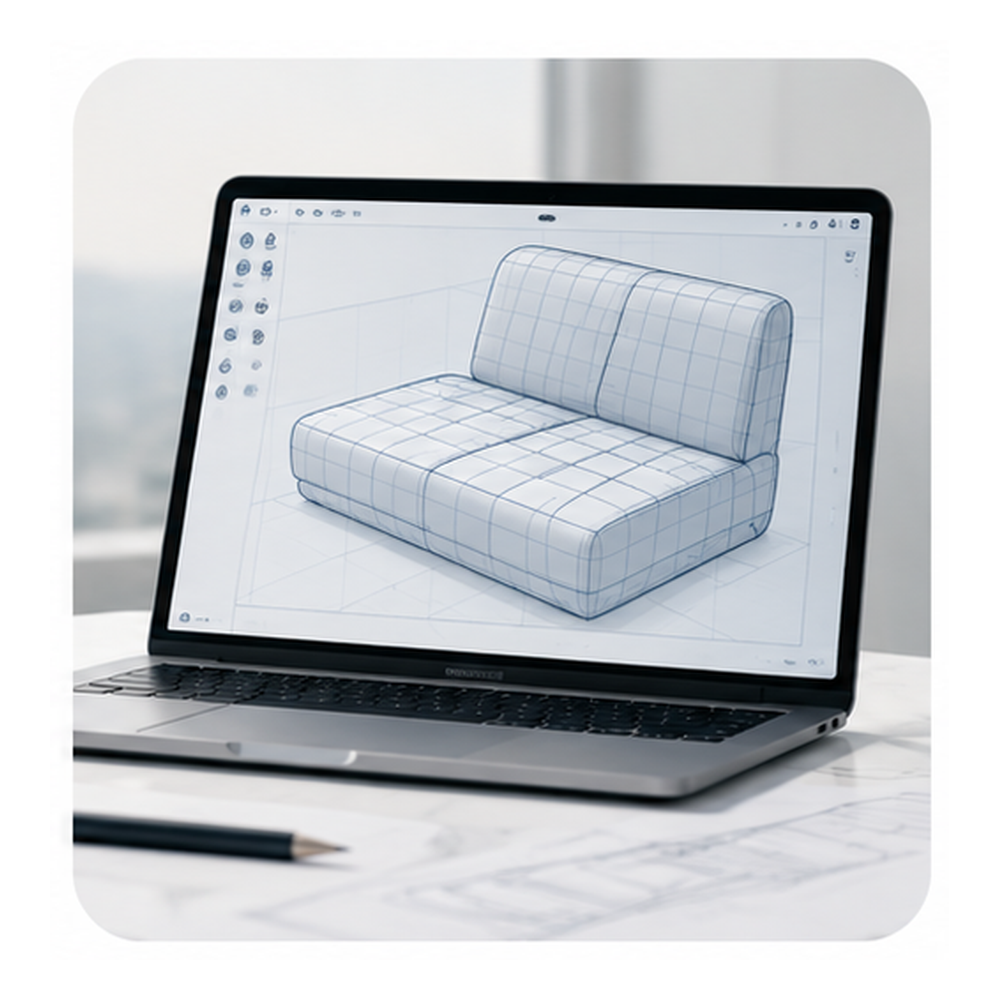
- Advanced 3D patterning and digital fitting ensure every seat, cushion, and panel fits perfectly.
- Professional shops provide warranties, so you’re covered if issues arise later.
- You’ll save time and avoid costly mistakes, especially on large or complex projects.
- The finish is flawless, with tight seams, smooth corners, and robust hardware that stands up to years of use.
Plus, many shops stay ahead of the curve by incorporating the latest innovations. If you want to explore the newest trends—like sustainable fabrics or smart textiles—professionals can guide you to the best options. For more inspiration, check out Top Marine Upholstery Trends for 2025.
Why Choose American Marine for Luxury Marine Upholstery
When you want the absolute best results as you reupholster pontoon boat seats, American Marine stands out as a leader in the industry. Based in South Florida, they specialize in high-end marine upholstery and custom canvas, trusted by yacht owners, marinas, and boat builders alike.

- Only the finest materials are used, including Sunbrella®, Stamoid®, and marine-grade threads designed to resist UV and mildew.
- Their advanced 3D modeling technology guarantees a perfect fit for every seat and cushion—no gaps, no wrinkles, just seamless style.
- You’ll benefit from a warranty and the kind of craftsmanship that holds up for 6–7 years, even in the toughest climates.
- Free consultations and international shipping make it easy to get started on your custom project, no matter where you’re located.
If your goal is to reupholster pontoon boat seats and achieve a truly luxurious, durable finish, partnering with American Marine gives you peace of mind and stunning results.
Latest Trends and Innovations in Pontoon Seat Upholstery for 2025
Keeping up with the latest trends is essential if you want to reupholster pontoon boat seats and achieve a modern, long-lasting result. In 2025, the industry is seeing exciting advancements in both materials and design, making it easier than ever to blend style with durability. Whether you’re aiming for bold aesthetics or prioritizing sustainability, these innovations can help you reupholster pontoon boat seats with confidence.
New Materials and Technologies
The materials you choose when you reupholster pontoon boat seats can make all the difference. For 2025, eco-friendly marine vinyls are leading the way, offering the same resilience as traditional options but with a smaller environmental footprint. Recycled foam is now widely available, providing comfort and support while reducing waste.
Another innovation is digital 3D patterning. This technology allows for precision-cut upholstery that fits every curve and contour perfectly. Smart fabrics are also gaining traction, with features like built-in stain resistance and cooling properties that keep seats comfortable on the hottest days. Antimicrobial coatings, now standard on premium seats, add another layer of protection against mildew and bacteria.
For a closer look at emerging materials, colors, and texture options, check out this Marine Upholstery Fabric Trends 2025 resource, which highlights how new technologies are changing the way boaters reupholster pontoon boat seats. With these advancements, you can expect your seats to look better, last longer, and perform at a higher level.
Design and Color Trends for the Modern Pontoon
Design trends in 2025 are all about making your pontoon stand out. When you reupholster pontoon boat seats, you’ll notice bold blues, metallic accents, and two-tone color schemes dominating the scene. These choices not only refresh your boat’s appearance but also let you express your personal style.
Textures are evolving as well. Carbon fiber weaves, quilted patterns, and “grip” surfaces offer both visual interest and practical benefits, like added comfort and slip resistance. Custom embroidery is more accessible, allowing you to add logos or unique designs to your seats. LED accent lighting in seat piping is another popular feature, creating a modern, upscale vibe during evening cruises.
By embracing these trends, you ensure your reupholstered seats feel current and custom-tailored, giving your pontoon a true wow factor.
Sustainability and Longevity
Sustainability is no longer optional for many boaters who want to reupholster pontoon boat seats. Manufacturers are prioritizing marine vinyls that last longer and reduce environmental impact. Many products now offer warranties of 10 years or more, reflecting the industry’s commitment to durability and resource conservation.
Choosing the right materials means fewer replacements and less waste over time. Eco-friendly foam and fabrics are becoming the new standard, and market research confirms that these innovations are shaping the future of marine upholstery. For a broader perspective on how the industry is evolving, the Marine Upholstery Market Analysis 2025-2035 provides valuable insight into the latest advancements and sustainability efforts.
By selecting sustainable options, you not only extend the life of your upholstery but also contribute to a greener boating community. It’s a smart move for anyone planning to reupholster pontoon boat seats in the coming year.
Now that you’ve seen how to reupholster your pontoon boat seats step by step, you might be picturing just how impressive your boat could look with a truly first class finish. If you want the confidence of elite marine grade materials and precision craftsmanship—especially for complex projects or that perfect custom fit—why not let the experts help? At American Marine, we specialize in superior, luxury yacht upholstery and use advanced 3D modeling to ensure every detail is flawless. If you’re ready to elevate your boat’s comfort and style, Schedule Your Free Consultation and let’s bring your vision to life.