Finding reliable boat cover repair services for marine canvas tears and wear
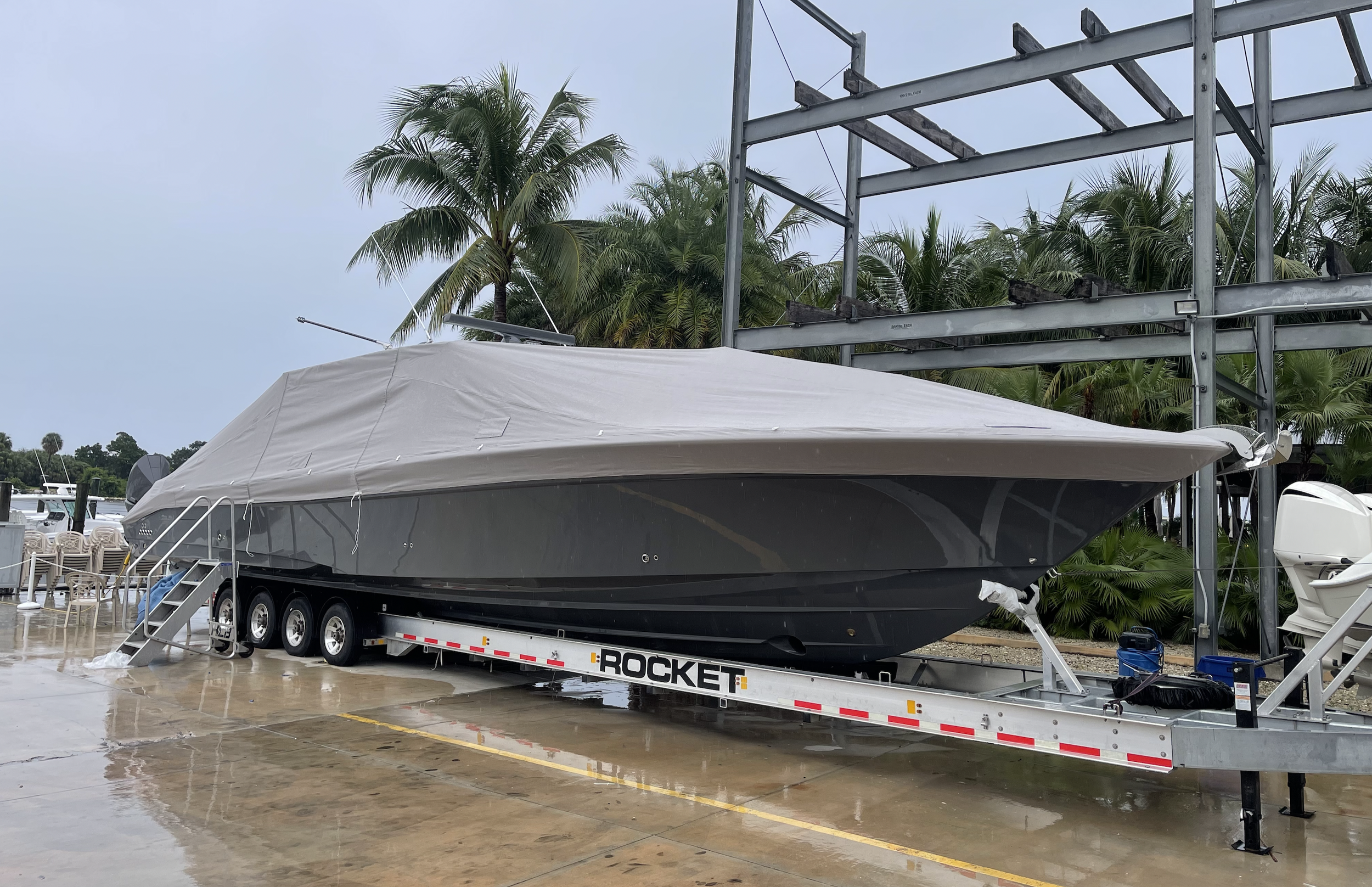
A boat cover is more than a nice-to-have accessory. It protects your upholstery, electronics, and finishes (from the bow to the stern) from UV damage, rain, salt, and dirt. For many owners, boat covers are the first line of protection for everything from small powerboat cushions (and even small powerboat cushions home decor pieces you move on/off the boat) to premium yacht interiors exterior surfaces. When your marine canvas starts to tear, leak, or smell musty, the right repair shop can extend its life significantly—often for far less than the cost of replacement.
This guide breaks down the most common signs your cover is failing, how to choose a repair service you can trust (especially for Sunbrella marine fabrics and other marine fabric solutions), and when professional restoration makes more sense than ordering a brand-new cover.
The most common signs your boat cover is failing
Some cover problems are obvious, like a ripped panel. Others show up slowly and only become “urgent” after the first heavy rain or a windy day at the dock. Catching issues early usually means smaller repairs, better results, and less stress—especially with constant exposure to sun, salt, and harsh marine conditions.
Stitching failure and thread rot
If your canvas looks fine but the seams are coming undone, the fabric may not be the problem—the thread is.
Common symptoms:
Seams that are opening up even though the fabric isn’t torn
Loose or missing stitches along stress points (corners, straps, tie-downs)
“Powdery” thread that breaks when you rub it between your fingers
A quality marine shop will restitch with UV-resistant thread designed for marine environments, and they’ll reinforce high-tension areas so the fix lasts—especially on marine grade canvas used for protective covers, pillows biminis, shade sail installs, and other high-stress applications.
Seam separation and stress damage
Seam separation is often caused by tension, poor fit, or years of stretching and shrinking. It can also happen when a cover flaps in the wind, which acts like constant sanding on the seams.
Look for:
Gaps along welded or sewn seams
Stress lines and thinning near corners, snaps, and support poles
Areas where the cover no longer sits tight and starts to pool water
If the cover’s fit has changed, a reliable canvas shop will address the root cause (adjustment, reinforcement, support changes), not just sew the seam shut and send you on your way.
Mildew growth, musty odors, and water intrusion
Mildew can indicate trapped moisture, poor ventilation, or degraded water repellency. Even solution-dyed marine fabrics can develop mildew on dirt, salt, and organic buildup sitting on the surface—and prolonged dampness can also contribute to mold and mildew in surrounding upholstery applications.
Watch for:
Black or green spotting
Persistent musty odor even after drying
Damp areas inside the cover after rain
A good repair provider should offer cleaning and re-treatment options (including stain-resistant water-repellent fabrics re-treatment where appropriate) and explain what’s realistic. Some mildew staining can be improved, but not always fully removed.
Fabric thinning, pinholes, and UV breakdown
Sun damage is sneaky. Before a big rip happens, you’ll often see “paper-thin” sections, tiny pinholes, or a faded, brittle feel.
A quick test: hold the fabric up to bright light. If you see many tiny points of light in high-exposure areas, it may be approaching end-of-life—especially around seams.
Repair vs. restoration vs. replacement: what’s the smartest move?
Not every cover needs replacing, but not every cover is a good repair candidate either. The best shops will tell you the truth, even if it means a smaller invoice today.
Situation
Best option
Why it works
Seam stitching is failing, fabric is still strong
Professional restitching
Fixes the “weak link” without replacing panels
Small tears, worn chafe points, strap damage
Targeted repairs + reinforcement
Restores function and prevents re-tearing
Leaking due to lost water repellency, fabric still intact
Cleaning + re-treatment
Often brings performance back at a lower cost
Widespread UV thinning, many pinholes, brittle fabric
Replacement (full or partial)
Repairs won’t hold and can fail quickly
Fit is poor and water pools regularly
Pattern adjustment or replacement
Avoids repeated seam and stress failures
Look for real experience with Sunbrella and marine-grade materials
If your cover is Sunbrella (common for quality marine canvas), ask directly about their experience with it. A reliable shop should be comfortable discussing:
Matching fabric type and weight (including performance-oriented fabrics like innovative Sunbrella Horizon or comparable long-lasting marine vinyl for certain sections)
UV-resistant thread options
Proper seam construction and reinforcement methods
Replacing hardware (snaps, zippers, webbing) with marine-grade components
You don’t need a shop that “can sew.” You need one that understands marine stress points, upholstery applications, and longevity—plus how different featured marine brands perform under constant exposure.
Prioritize on-site assessments (or detailed fit verification)
The best repairs depend on how the cover fits on your boat. On-site evaluation is a major plus, especially for:
Covers that flap in wind
Pooling water issues
Repeated seam failures
Complex enclosures and multi-panel canvas systems (including cockpit enclosures fenders regatta sail bags storage covers)
If on-site isn’t possible, the shop should still have a strong process: clear photos, measurements, notes about poles/vents, and an honest discussion about what can be guaranteed without seeing the boat.
Ask about warranty-backed repairs and what’s included
A professional operation should be able to explain warranty terms in plain language. Important details to confirm:
What’s covered (stitching, workmanship, specific repaired sections)
What’s excluded (storm damage, improper installation, existing fabric breakdown)
Whether hardware and zippers have separate coverage
Warranty clarity is often a sign of how confident a shop is in its process—and the quality of their materials and workmanship.
Check how they handle mildew, cleaning, and water repellency
Not all “repairs” are sewing. Many covers benefit from restoration services that include:
Deep cleaning to remove grime that feeds mildew (and can contribute to mold and mildew problems elsewhere on board)
Re-treatment to improve water beading
Replacing worn binding and edge finishing (for example, Sur Last-style binding repairs when applicable)
Adding chafe patches where the cover rubs rails or cleats
If a shop only offers stitching but ignores the condition of the surrounding fabric, you may end up paying twice.
Look for process, not promises
Reliable shops typically provide:
Written estimate or scope (even if it’s a range before inspection)
Photos of damage and proposed fixes
Material options with pros and cons (including the ideal fabric choice for your usage and climate)
A timeline that accounts for seasonality
Be cautious of vague quotes without seeing the cover or anyone who guarantees “like new” results on severely aged fabric.
What a professional repair should include
A dependable repair isn’t just a patch. It’s a fix that anticipates future stress and restores real protection in harsh marine conditions.
A high-quality marine canvas repair often includes:
Removing failed stitching and re-sewing with marine UV thread
Reinforcing corners, tie-down points, and high-tension seams
Adding chafe guards at consistent rub points
Replacing weakened webbing, buckles, snaps, and zippers as needed
Checking fit and recommending changes to reduce flapping and pooling
Even small improvements—like adding a support pole or vent—can reduce future damage dramatically. For boats with coordinated soft goods (like custom marine canvas cushions, sunpads, or matching outdoor cushions), a good shop can also help keep materials and finishes consistent across the cockpit and cabin—using stylish upholstery fabrics where appropriate for interior seating.
Tips to extend your boat cover’s life after repairs
Once your cover is repaired, good habits can add seasons of life and preserve long-lasting comfort across your seating, cushions, and finishes.
Reduce flapping and water pooling
Wind is one of the fastest ways to destroy canvas. To minimize damage:
Use the correct support poles and adjust them to prevent puddles
Tighten straps evenly so the cover stays snug
Add chafe protection where it contacts rails, cleats, or sharp edges
Keep it clean enough to stay mildew-resistant
Mildew often grows on the dirt on the fabric, not the fabric itself. Light maintenance helps:
Rinse off salt and pollen periodically
Let the cover fully dry before long storage
Avoid sealing moisture under the cover after rain
Choose professional restoration when performance drops
If your cover is no longer beading water but the fabric still feels strong, restoration (cleaning + re-treatment + minor reinforcement) can be a smart middle path between “do nothing” and “replace everything.”
It’s especially cost-effective when the pattern and fit are still excellent, and when your cover’s job is ongoing protection against constant exposure.
Why American Marine is a smart partner for marine canvas repairs
At American Marine, we focus on repairs that last, not quick fixes that return in a few months. The goal is to restore protection, improve fit where possible, and help you get the most value out of your existing canvas—especially when replacement isn’t necessary yet.
We work with industry standard options and cutting-edge marine fabric selections alike, and we can discuss what makes sense for your boat—whether that’s Sunbrella from Glen Raven, Trivantage Original sourcing, or alternatives like Harbortime Edge or Aqualon Edge Marine Fabric for specific use cases (including heat gain reduction technology where available).
If you’re seeing seam separation, stitching failure, mildew problems, mold risk, or early fabric wear, a professional assessment is the fastest way to understand whether you need a repair, a restoration, or a replacement plan that fits your budget—and still delivers legendary performance on the water.
Quick checklist before you call a repair shop
Identify the biggest issue (stitching, seam separation, tear, leak, mildew).
Take photos of the damage and wide shots of overall fit.
Note the fabric brand (Sunbrella, etc.) and age if you know it.
List where the cover rubs, flaps, or pools water.
Ask about materials, on-site assessment options, and warranty terms.
A little preparation helps a good shop give you a faster quote—and a better result.