
Marine Carpet Costs: What to Expect for Your Boat's New Floor
Understanding What You'll Pay for Marine Carpet
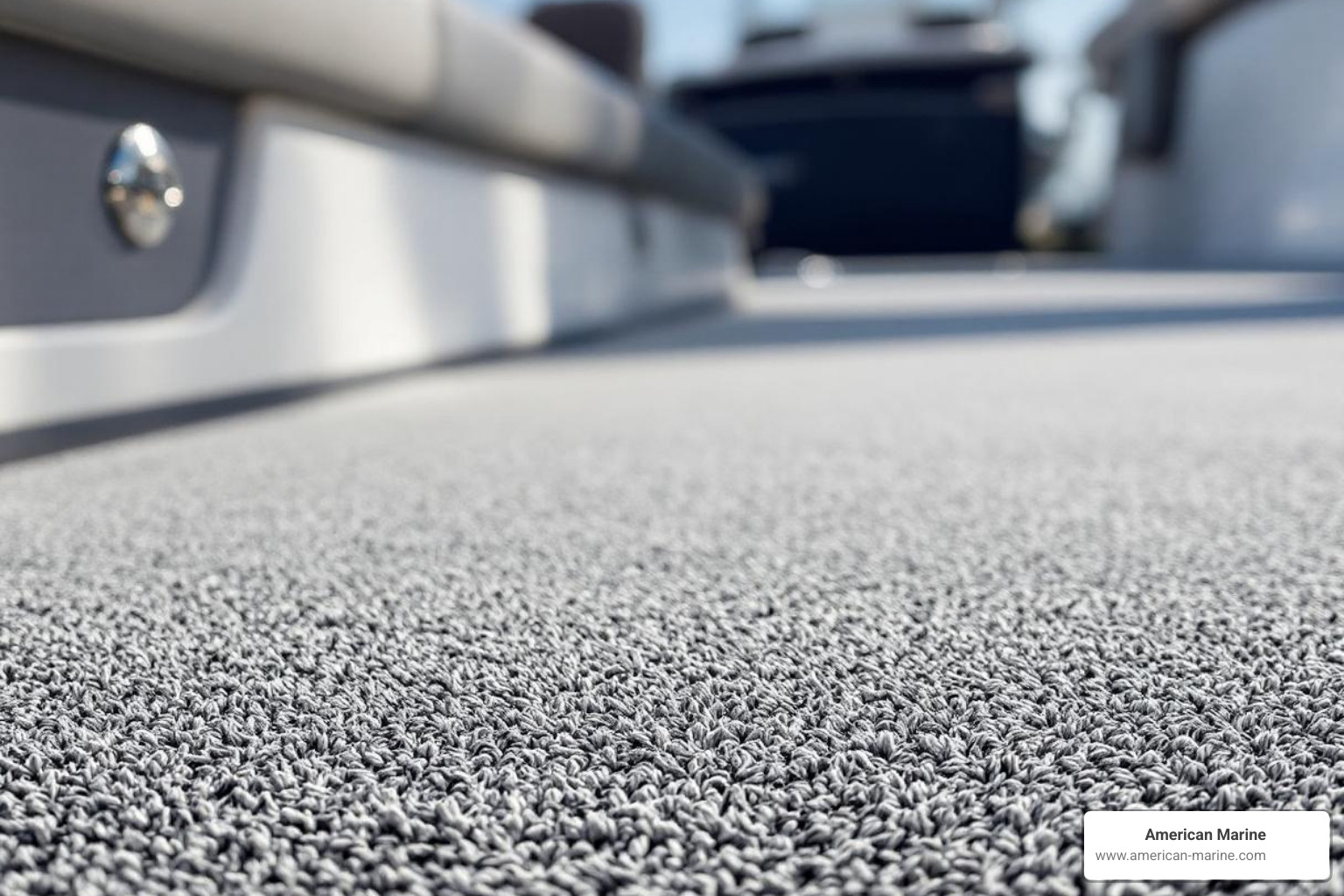
Marine carpet cost typically ranges from $0.60 to $5.00+ per square foot for materials alone, with most boat owners spending between $1.50 and $3.50 per square foot for quality carpet that balances durability and value.
Quick Cost Breakdown:
| Cost Category | Price Range | What You Get |
|---|---|---|
| Budget | $0.60 - $2.00/sq. ft. | Lightweight (16oz), basic backing, suitable for low-traffic areas |
| Mid-Range | $2.00 - $4.00/sq. ft. | Medium weight (20-28oz), UV resistant, improved durability |
| Premium | $4.00 - $5.00+/sq. ft. | Heavyweight (40oz+), superior backing, exceptional longevity |
| Installation | $2.00 - $5.00/sq. ft. | Professional labor (varies by region and complexity) |
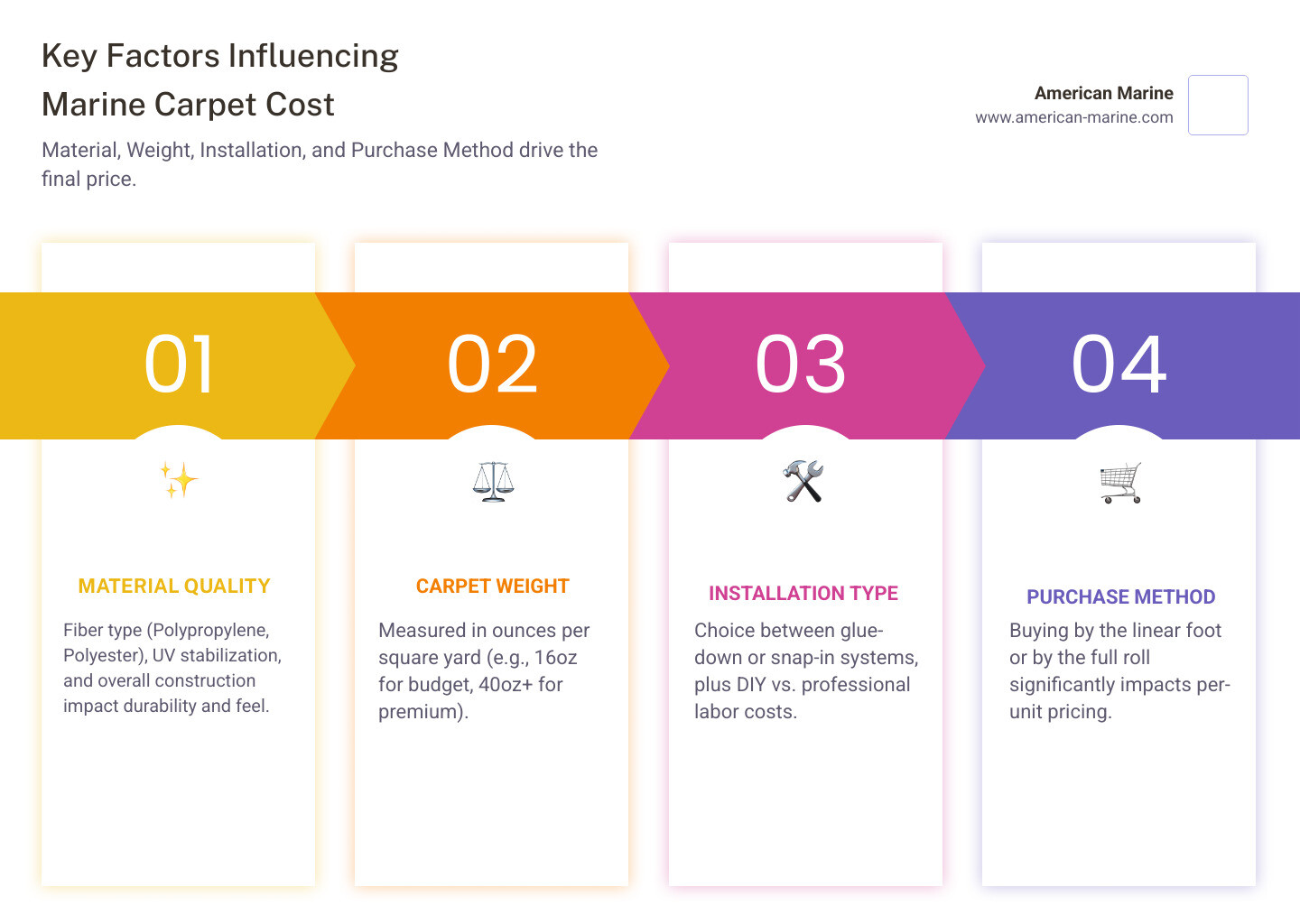
The final price you pay depends on several factors: the weight and material quality of the carpet, whether you choose glue-down or snap-in installation, the size of your project, and whether you tackle it yourself or hire professionals.
For a typical 20-foot pontoon boat with approximately 200 square feet of deck space, expect total costs between $300 and $1,200 for materials, plus $400 to $1,000 for professional installation if you go that route.
I'm Jeremy Bottau of American Marine. I've guided countless South Florida yacht owners through marine carpet decisions for everything from sport boats to superyachts. Understanding the cost upfront helps you balance your budget with the durability and aesthetic your vessel deserves.
Breaking Down the Average Marine Carpet Cost
Marine carpet cost is often quoted per square foot for the material, but that's just one piece of the puzzle. The overall price fluctuates based on quality, type, and quantity. In South Florida, we see a broad spectrum of choices, from simple replacements for smaller vessels to luxurious upgrades for high-end yachts.
Generally, marine carpet materials alone can range from as low as $0.60 per square foot for basic options to over $5.00 per square foot for top-tier products. This wide range reflects the diverse needs and budgets of boat owners. Let's dig into what differentiates these price points.
Budget-Friendly Options (Under $2/sq. ft.)
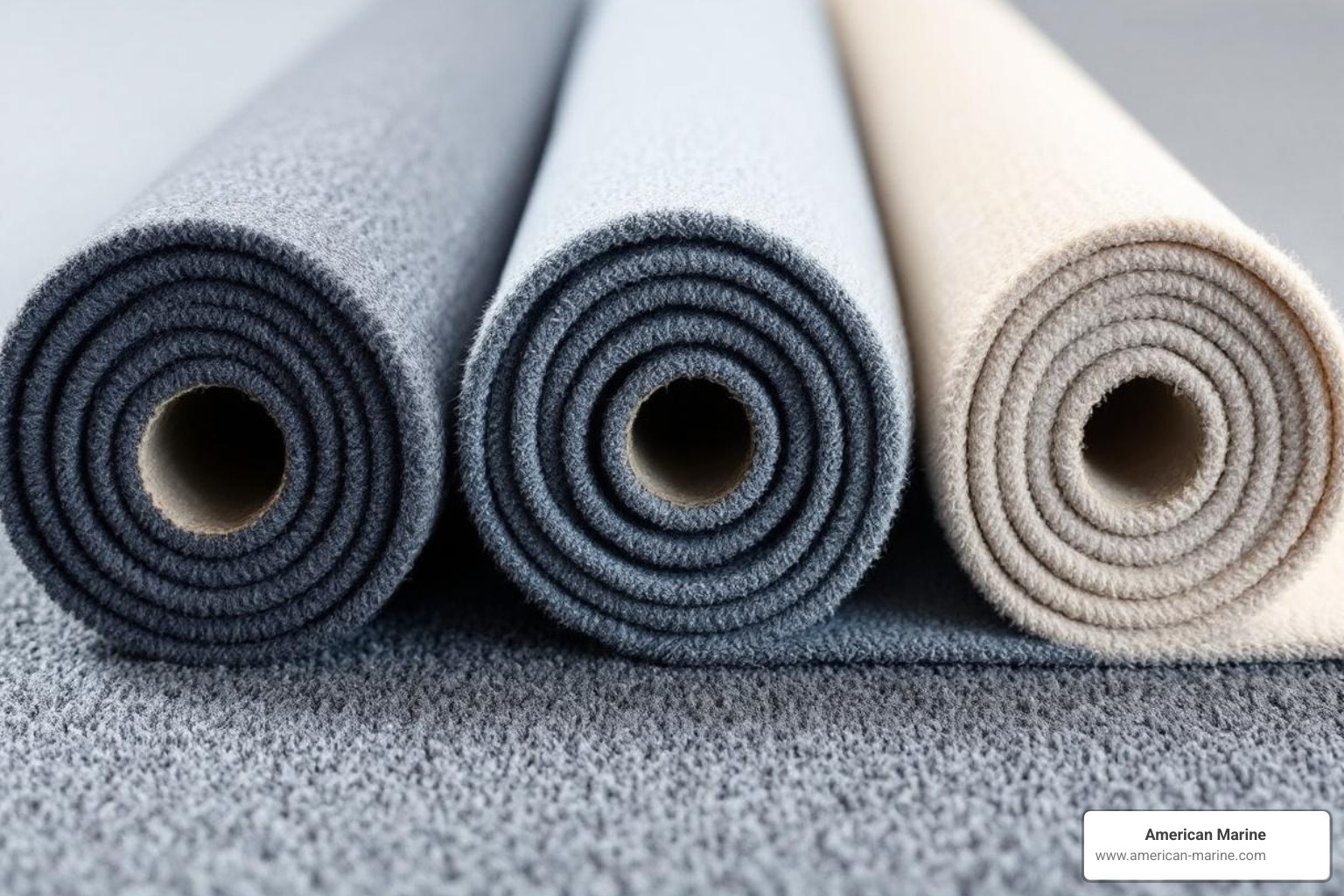
Budget-friendly marine carpets, typically under $2 per square foot, are excellent for refreshing a boat's flooring without breaking the bank. You can find options around 59¢ per square foot, like some SD Polyester texture indoor/outdoor boat carpets. These are usually lighter weight (around 16oz per square yard), made from polyester fibers with a basic rubber backing, and designed for glue-down applications. Though affordable, they are still marine-grade, offering mildew and moisture resistance. They're a practical choice for low-traffic areas, older boats, or utility vessels where cost is a priority. For more insights, see our article on More on boat floor carpet.
Mid-Range Choices ($2 - $4/sq. ft.)
Stepping up in quality, mid-range marine carpets cost between $2 and $4 per square foot, offering a significant upgrade in durability and appearance. You'll find these in medium weights from 20oz to 28oz per square yard. For example, a 20 oz cut pile marine carpet might retail for around $350.00 for an 8.5' x 25' section, which is about $1.65 per square foot when bought in bulk. Other options can be around $7.25 per linear foot for a 6' wide 16oz carpet, which is about $1.21 per square foot.
Materials in this category frequently include BCF Polypropylene or Olefin fibers, known for improved UV resistance against the harsh South Florida sun. They come in varied styles like cut pile or Berber, offering better aesthetics and comfort. These carpets are ideal for pontoon boats, deck boats, and ski boats where a balance of comfort, durability, and cost is desired. For specific needs, like those of a pontoon boat, we have more information available at Pontoon Boat Carpet. We also offer a range of these quality options right here at A look at options from American Marine.
Premium & Luxury Carpeting (Over $4/sq. ft.)
At the higher end, premium marine carpets command prices over $4 per square foot, and often significantly more for custom solutions. These are favored by our clients in Fort Lauderdale and Miami for their luxury yachts. These carpets feature heavyweight construction, often 40oz per square yard or more, providing an exceptionally plush feel and superior wear resistance.
Materials are typically high-grade, UV-stabilized polypropylene or advanced woven marine carpet hybrids. They may feature advanced backing systems like TuftLoc to improve water drainage and prevent mold growth—a crucial feature in our humid climate. Many premium options include custom snap-in systems for easy removal and cleaning, adding to their convenience and longevity. These carpets are an investment in your vessel's long-term beauty and comfort, offering exceptional resistance to fading, stains, and heavy foot traffic. For the ultimate in marine flooring, we dig deeper into options at Yacht Carpet.
Key Factors That Influence Marine Carpet Pricing
Understanding the base price per square foot is essential, but several key factors directly influence the overall marine carpet cost. These factors are crucial for making an informed decision about your boat's flooring, especially in a demanding environment like South Florida.
Material and Weight
The choice of material is the most significant determinant of marine carpet cost.
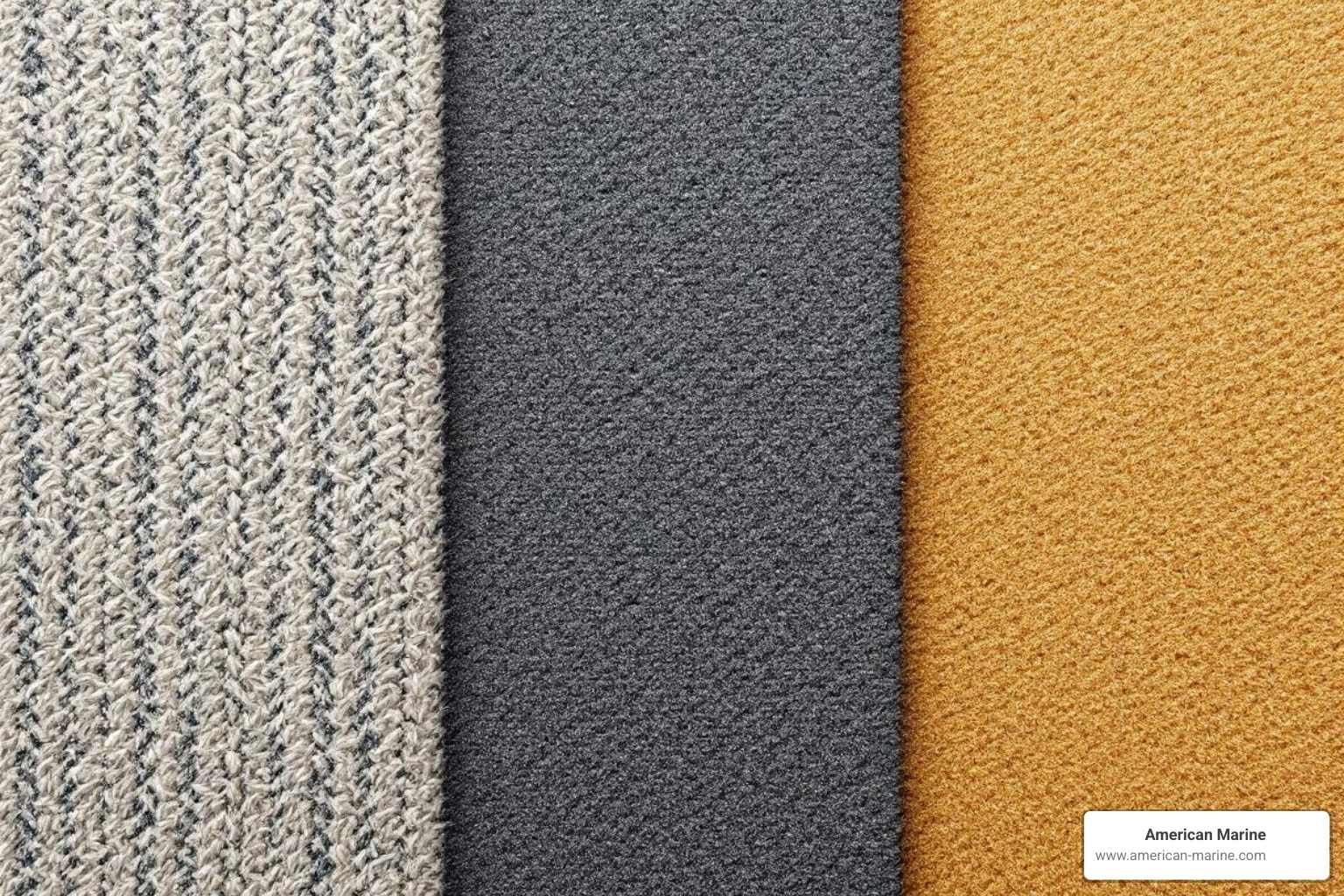
- Polypropylene vs. Polyester: Polypropylene is a popular choice for its inherent resistance to moisture, mildew, and fading. It’s durable and affordable. Polyester, also marine-grade, can offer a softer feel but may have different performance characteristics.
- BCF Olefin Fibers: High-quality carpets often use BCF (Bulked Continuous Filament) Olefin fibers for exceptional UV stability, meaning they resist fading from the intense South Florida sun. The Aggressor Marine Carpet Collection, for instance, uses 100% UV stabilized BCF polypropylene yarn for superior color stability.
- UV Stabilization: This critical feature ensures the carpet retains its color and integrity under constant sun. Higher levels of stabilization cost more but pay off in longevity and appearance.
- Carpet Weight (Ounces per Square Yard): This refers to the fiber density.
- 16oz carpets are lighter, economical, and suitable for low-traffic areas. We've seen 16oz options for about $7.25 per linear foot (6' wide), which is around $1.21 per square foot.
- 20oz to 28oz carpets offer a good balance of durability and comfort for mid-range budgets.
- 40oz+ carpets are premium, offering a plush feel and exceptional durability for luxury installations.
A heavier carpet generally means a denser pile and greater resilience. For more on marine carpet materials, our article on More on marine carpeting for boats offers further insights.
Carpet Type and Style
Beyond the material, the carpet's type and style also affect its cost.
- Glue-Down Carpet: This traditional method is often the most cost-effective. The carpet is permanently adhered to the deck, and the material itself may be less expensive than snap-in options.
- Snap-In Carpet: A popular choice for convenience, snap-in carpets are custom-cut and secured with marine-grade snaps for easy removal. The custom work adds to the marine carpet cost, but the convenience is often worth the investment for our South Florida clients.
- Cut Pile vs. Loop Pile (Berber):
- Cut pile carpets have cut loops, creating a soft, upright texture.
- Loop pile (or Berber) has uncut loops, offering a more durable, low-profile surface that's great for high-traffic areas.
- Patterned Designs: While most marine carpets are solid colors, some specialty options feature patterns like camouflage. Camo Marine Carpet is a niche choice, and pattern complexity can influence price.
Purchase Method: By the Foot vs. By the Roll
How you buy your carpet can significantly impact the per-unit marine carpet cost.
- Linear Foot Pricing: Buying by the linear foot (a specific length of a set width) is flexible for smaller projects.
- Roll Pricing: Buying a full roll provides a lower per-square-foot cost due to bulk discounts. This is ideal for large projects like re-carpeting a pontoon boat.
- Per-Unit Cost Savings on Rolls: While the initial outlay is higher, the per-square-foot price is lower, making it cost-effective for larger areas.
- Suitability for Large Projects: For vessels with expansive decks, common among the luxury yachts we service in Broward County, buying by the roll is almost always more economical.
For guidance on sourcing materials, check our insights on Where to buy boat carpet.
Installation: The Hidden Component of Marine Carpet Cost
While the material itself is a significant part of the marine carpet cost, the installation process is where many boat owners encounter unexpected expenses or challenges. Whether you choose to tackle it yourself or hire a professional, understanding the costs and complexities involved is crucial for budgeting your project effectively.
DIY Installation Costs
For the handy boat owner, DIY installation can seem like an attractive way to save money on labor. However, it's important to factor in all the necessary expenses and the time commitment.
- Adhesive: Marine-grade adhesive is essential. Research indicates that one gallon of marine-grade adhesive typically covers about 90 square feet or 10 square yards. The cost of adhesive can range, but budgeting for several gallons is wise for larger projects.
- Tool Rental or Purchase: You'll need specific tools:
- Trowel for spreading adhesive.
- Utility knife with plenty of sharp blades for precise cuts.
- Carpet roller or a PVC pipe to ensure proper adhesion and smooth out bubbles.
- Scrapers for removing old glue and preparing the deck.
- Knee pads (your knees will thank you!).
- Other miscellaneous items like measuring tape, straight edges, and cleaning supplies.
- Time and Effort: This is arguably the biggest "cost" of DIY. Proper deck preparation, which includes unbolting and removing fencing/furniture, and carefully removing old carpet and glue, is time-consuming. Laying the carpet accurately, smoothing it, and allowing for adequate drying time (12-24 hours) requires patience and precision. Mistakes can be costly, potentially requiring more material or redoing sections.
- Deck Preparation: This step is critical for a long-lasting installation. Removing old glue and ensuring a clean, smooth surface is paramount. Using medium-grade sandpaper can help, but caution is needed not to damage the deck boards.
Professional Installation Costs
Hiring professionals, like our team at American Marine in South Florida, offers peace of mind and a superior finish, but it comes with its own set of costs.
- Labor Rates: Professional installation labor typically ranges from $2.00 to $5.00 per square foot, but this can vary based on the complexity of the job and the specific rates in your area. In high-demand locations like Miami and Fort Lauderdale, rates might be on the higher end due to specialized expertise.
- Old Carpet Removal Fees: Professionals often charge an additional fee for removing old carpet and preparing the deck, which can be a labor-intensive process.
- Job Complexity: Boats are rarely simple, flat surfaces. Hatches, curves, consoles, and tight corners significantly increase the complexity and time required for installation, directly impacting labor costs. Custom snap-in systems also require precise measurements and fabrication, adding to the expense.
- Geographic Price Differences: While we focus on South Florida, it's worth noting that installation costs can fluctuate from region to region. Our specialized services for luxury yachts in this area mean we prioritize precision and the use of elite marine-grade materials, which is reflected in our service.
Comparing DIY vs. Professional: A Cost-Benefit Analysis
Deciding between DIY and professional installation boils down to a cost-benefit analysis custom to your skills, time, and desired outcome.
- Upfront Savings of DIY: The most obvious benefit of DIY is saving on labor costs, which can be substantial.
- Risks of Mistakes: DIY comes with the risk of improper installation, which can lead to premature wear, bubbling, lifting, or an unsightly finish. This could ultimately cost more in material replacement and re-installation.
- Warranty on Professional Work: Reputable installers, including our team, often provide warranties on their workmanship, offering protection and peace of mind.
- Achieving a Perfect Fit: For complex deck layouts, custom snap-in carpets, or high-end vessels, achieving a flawless, precision-cut fit is best left to professionals with specialized tools and experience. This is especially true for luxury yachts where perfection is expected.
- Time Savings: Professional installation saves you valuable time, allowing you to enjoy your boat sooner rather than spending weekends wrestling with adhesive and carpet rolls.
For our luxury yacht clients in South Florida, the choice is clear: professional installation ensures the highest quality finish, leveraging our 3D-measured, precision-cut solutions.
Long-Term Value vs. Upfront Price
When considering marine carpet cost, it's easy to focus solely on the initial purchase price. However, a truly savvy boat owner looks beyond the immediate expense to the long-term value. Investing in higher-quality marine carpet can significantly reduce future costs and improve your boating experience for years to come. It’s about balancing your budget with durability, longevity, and ease of maintenance.
Durability and Lifespan
The durability of marine carpet is directly linked to its material quality and construction. A higher upfront investment often translates to a much longer lifespan, saving you the hassle and cost of frequent replacements.
- Higher Quality Materials: Premium carpets, often made with 100% UV stabilized BCF polypropylene, are engineered to withstand the relentless sun, saltwater, and heavy foot traffic typical of South Florida boating. They resist degradation and maintain their structural integrity far better than cheaper alternatives.
- Resistance to Foot Traffic: Heavier carpets (e.g., 40oz+) with denser piles are more resilient to compression and wear. This means they won't flatten or show traffic patterns as quickly, maintaining a plush feel and attractive appearance even in high-traffic areas.
- Ravel-Resistant Edges: Quality marine carpet is designed to be ravel-resistant, meaning the edges won't fray or come apart even after being cut. This is crucial for a clean, professional finish and prevents the carpet from deteriorating from the edges inward. This superior construction means a better carpet saves on replacement costs by simply lasting longer and looking better throughout its service life.
Maintenance and Resistance
The marine environment is notoriously harsh. High-quality marine carpet is designed to resist common issues, making maintenance easier and extending its life.
- Mold and Mildew Resistance: This is paramount in our humid South Florida climate. Elite marine-grade carpets are treated or inherently designed to inhibit the growth of mold and mildew, preventing foul odors and unsightly stains. Some even feature superior rubber backing to help boat decks dry faster.
- Stain Resistance: Spills happen on boats. High-quality marine carpets are often treated or manufactured with fibers that naturally resist staining, making cleanup much simpler. Promptly addressing spills is always a best practice, but good stain resistance provides an extra layer of protection.
- Fade Resistance (UV Protection): As discussed, UV stabilization is key. Superior fade resistance means your carpet will retain its vibrant color and aesthetic appeal even after countless hours under the intense sun, a common concern for boat owners in Miami and Fort Lauderdale.
- Ease of Cleaning: While all carpets require cleaning, higher quality marine carpets are often easier to maintain. Their robust construction and resistance features mean they can withstand more rigorous cleaning methods without damage, helping them look new for longer.
For those interested in the pinnacle of marine flooring that offers exceptional durability and easy maintenance, we invite you to explore More on high-end yacht flooring.
Frequently Asked Questions about Marine Carpet Costs
We often get asked various questions about marine carpet cost and related topics from our clients across South Florida. Here are some of the most common inquiries, with answers to help you steer your flooring decisions.
How does marine carpet cost compare to other marine flooring options?
Marine carpet is just one of several popular flooring options for boats, and its cost compares favorably in many scenarios, especially when considering comfort and aesthetic.
- Upfront Cost Comparison:
- Marine Carpet: As we've seen, marine carpet can range from $0.60 to $5.00+ per square foot for materials.
- Marine Vinyl: Often a popular alternative, marine vinyl can have a similar or slightly higher material cost, typically ranging from $2.00 to $6.00+ per square foot. It's known for its extreme durability and ease of cleaning.
- Rubber/EVA Foam Decking: Options like SeaDek or similar EVA foam products are excellent for comfort and grip. Material costs can start higher, often $8.00 to $20.00+ per square foot for customized, cut-to-fit options, making them a premium choice.
- Feel and Comfort: Marine carpet offers a unique level of comfort and warmth underfoot that other options often can't match. It can make a boat's interior feel more inviting and reduce fatigue on long trips.
- Heat Retention in the Sun: In the scorching South Florida sun, carpet generally remains cooler to the touch than many darker vinyl or non-skid surfaces, which can become extremely hot. This is a significant comfort factor for bare feet.
- Aesthetics: Carpet provides a classic, plush look that many boaters prefer, especially for cabin areas or pontoon boats. Vinyl and foam offer a more modern or utilitarian aesthetic.
The best choice depends on your priorities for aesthetics, comfort, durability, and budget. For a comprehensive look at your options, we encourage you to Explore marine flooring options.
Is it cheaper to buy marine carpet by the roll?
Yes, in most cases, it is cheaper to buy marine carpet by the roll, especially for larger projects.
- Per-Square-Foot Savings: Suppliers often offer significant discounts when you purchase an entire roll of marine carpet compared to buying the same amount by the linear foot. This bulk pricing strategy allows them to move larger quantities, and those savings are passed on to you.
- Higher Initial Investment: While the per-square-foot cost is lower, the total upfront cost for a full roll will naturally be higher than buying a smaller, custom-cut length. You'll need to ensure you have the budget for this larger initial outlay.
- Best for Large Projects: Buying by the roll is particularly advantageous if you're re-carpeting a large pontoon boat, a multi-section deck, or even multiple boats. It streamlines the ordering process and maximizes your budget efficiency.
- Storing Excess Material: If you buy a roll and have leftover material, you'll need a dry, cool place to store it. However, having extra carpet can be useful for future repairs or smaller projects.
What accessories are needed for installation?
Whether you're undertaking a DIY project or simply want to understand what goes into a professional installation, knowing the necessary accessories is helpful.
- Marine-Grade Adhesive: This is non-negotiable. You'll need a waterproof adhesive specifically designed for marine environments to ensure the carpet stays securely in place and resists moisture. One gallon covers about 90 square feet.
- Trowel: A notched trowel is used to spread the adhesive evenly across the deck surface, ensuring consistent coverage and strong bonding.
- Utility Knife and Blades: A sharp utility knife with plenty of spare blades is crucial for precise cutting and trimming of the carpet to fit your boat's contours. Dull blades can snag and damage the carpet.
- Carpet Roller: A heavy-duty carpet roller (or a piece of PVC pipe for lighter duty) is used to press the carpet firmly into the adhesive, removing air bubbles and ensuring maximum contact and adhesion.
- Knee Pads: Essential for comfort during the often long and strenuous process of laying and smoothing carpet.
- Glue Remover/Cleaner: For deck preparation, you might need specialized glue removers to get rid of old adhesive residues. Acetone or mineral spirits can also be used for cleanup, but always test on an inconspicuous area first.
- Measuring Tools: A large measuring tape, a straight edge, and possibly a chalk line or marking pen for precise layout.
- Protective Gear: Gloves, safety glasses, and a respirator (when working with adhesives) are always recommended.
Conclusion: Investing in the Right Flooring for Your Vessel
Navigating marine carpet cost can seem daunting, but by understanding the key factors—material, weight, type, and installation—you can make an informed decision that perfectly balances your budget with your boat's needs. From the economical 16oz options to the luxurious 40oz+ custom solutions, there's a marine carpet for every vessel and every owner.
The initial price is only part of the equation. Investing in higher-quality, UV-stabilized, and mold-resistant marine carpet not only improves the comfort and aesthetics of your boat but also offers significant long-term value through increased durability, easier maintenance, and fewer replacement costs. This is especially true in the demanding environment of South Florida, where sun and moisture are constant challenges.
For high-end applications, particularly for luxury yachts and superyachts in Miami, Fort Lauderdale, and West Palm Beach, precision and quality are paramount. That's where specialists like American Marine come in. Our expertise in 3D-measured, precision-cut solutions using elite marine-grade materials ensures a flawless, long-lasting result that truly lifts your vessel.
We invite you to explore our premium carpet and flooring options to find the perfect fit for your vessel. Let us help you make a smart investment in your boat's comfort and style.