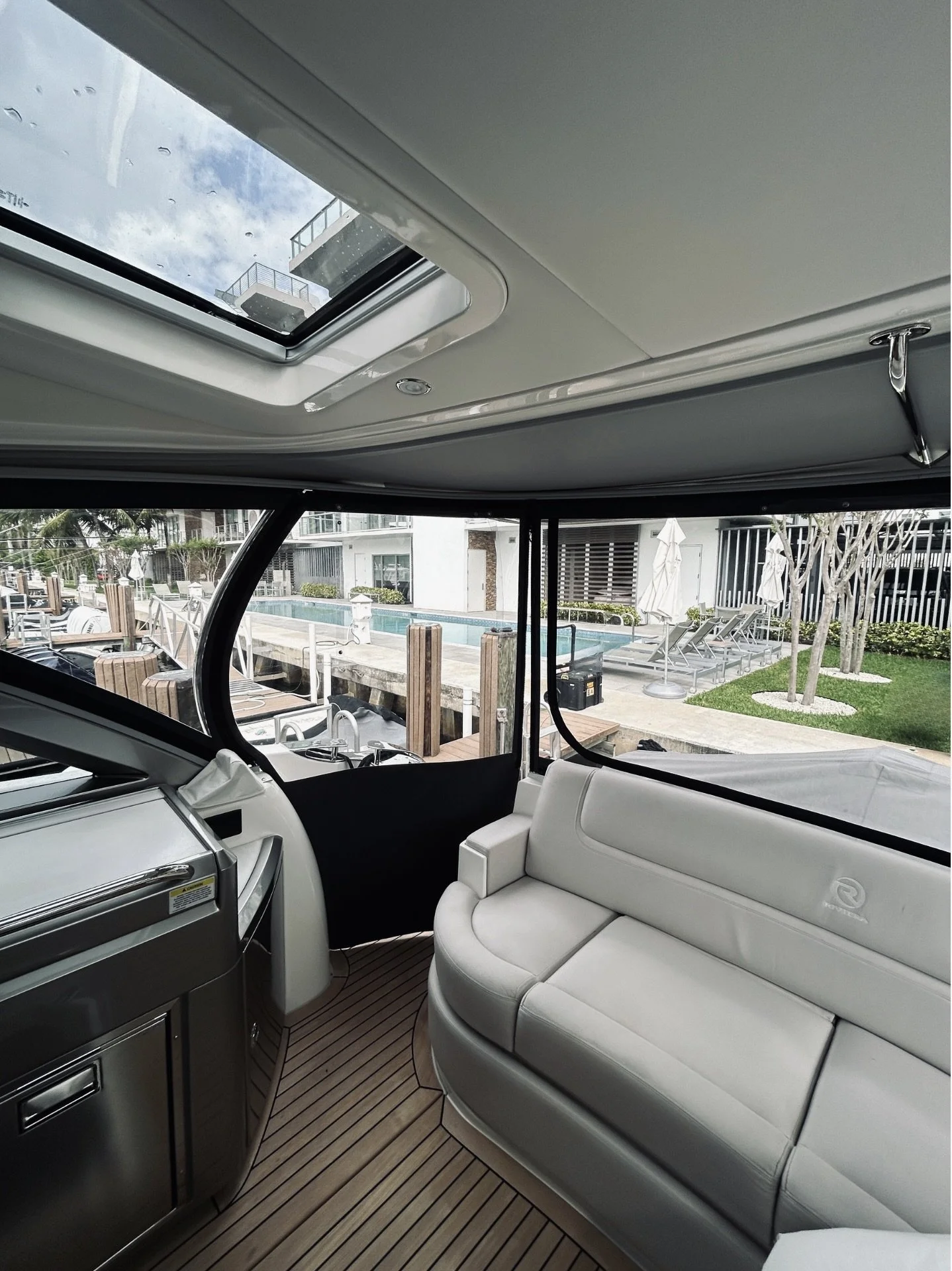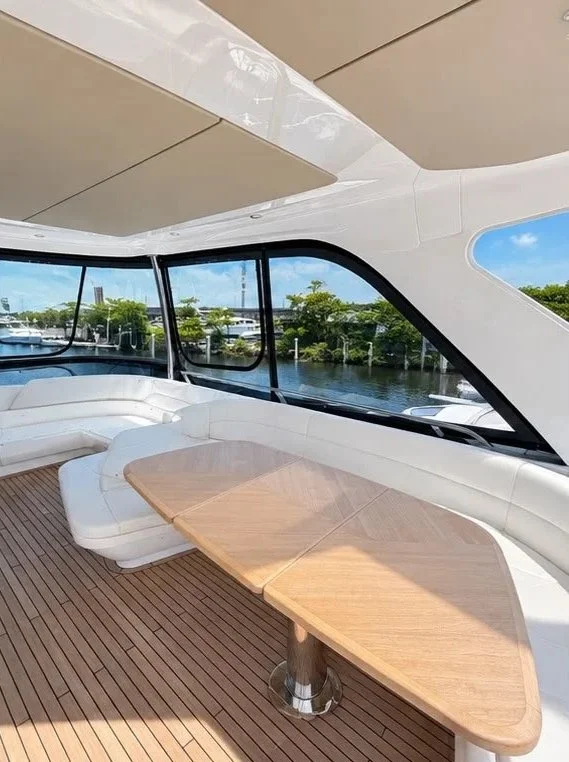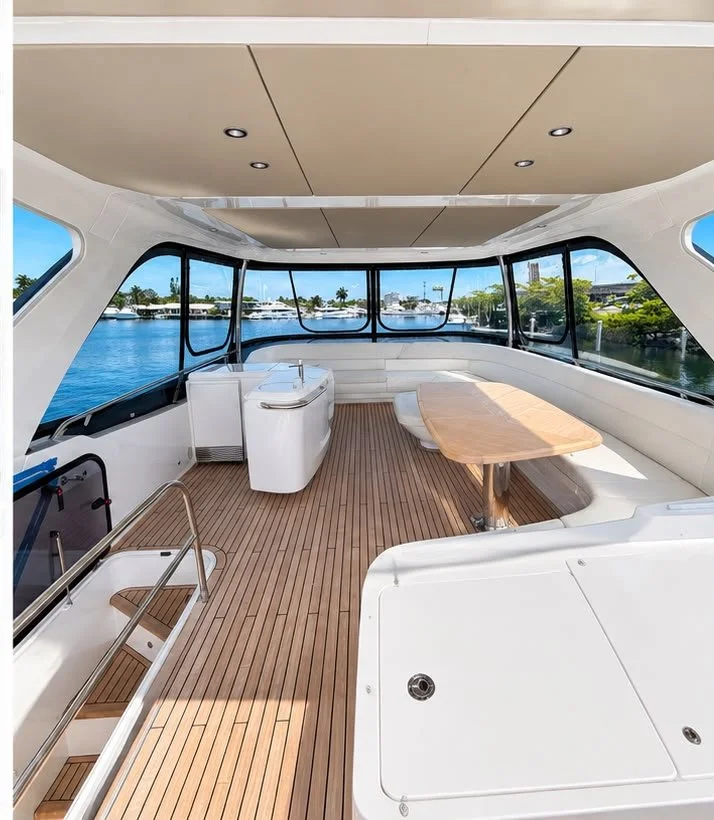
The Ultimate Guide to Boat Enclosure Kits and Custom Solutions
Transform Your Boating Experience with the Right Protection
A boat enclosure kit is a protective canvas and clear vinyl system that surrounds your boat's cockpit, flybridge, or seating area to shield occupants from weather, UV rays, and debris. These kits extend your boating season, increase comfort, and protect your vessel's interior from the elements.
Quick Overview: What You Need to Know
- Purpose: Weather protection, UV shielding (up to 98%), and extended usability in all conditions
- Types: Bimini enclosures, flybridge enclosures, T-top enclosures, camper backs, and pontoon enclosures
- Materials: Marine-grade canvas (Sunbrella), clear vinyl (Isinglass), or rigid polycarbonate windows
- Options: DIY kits for standard boats or custom solutions for luxury yachts requiring precision fit
- Cost Range: Varies widely based on boat size, material quality, and customization level
Whether you own a pontoon or a 40'+ superyacht, the right enclosure transforms how you use your vessel, allowing you to use it in any weather while protecting electronics, upholstery, and guests from rain, wind, and sun.
For luxury yachts, generic kits rarely deliver the flawless fit and premium aesthetics required. Custom enclosures, made with elite materials and meticulous craftsmanship, ensure durability, clarity, and seamless integration with your yacht's design.
The difference is significant. Standard kits may leave gaps, wrinkle, or use lower-grade materials that yellow and crack. Custom enclosures are precisely measured, fabricated, and installed to exact specifications—protecting your investment while enhancing its value.
This guide covers everything you need to understand about boat enclosure kits: the types available, materials used, how to choose the right solution for your vessel, installation considerations, and maintenance best practices.

Types of Boat Enclosures and Systems
When considering a boat enclosure kit, you'll find a diverse range of options, each designed to meet specific needs and boat types. Every vessel, from a center console to a superyacht, has unique requirements for protection and comfort.

Here's a breakdown of the most common types:
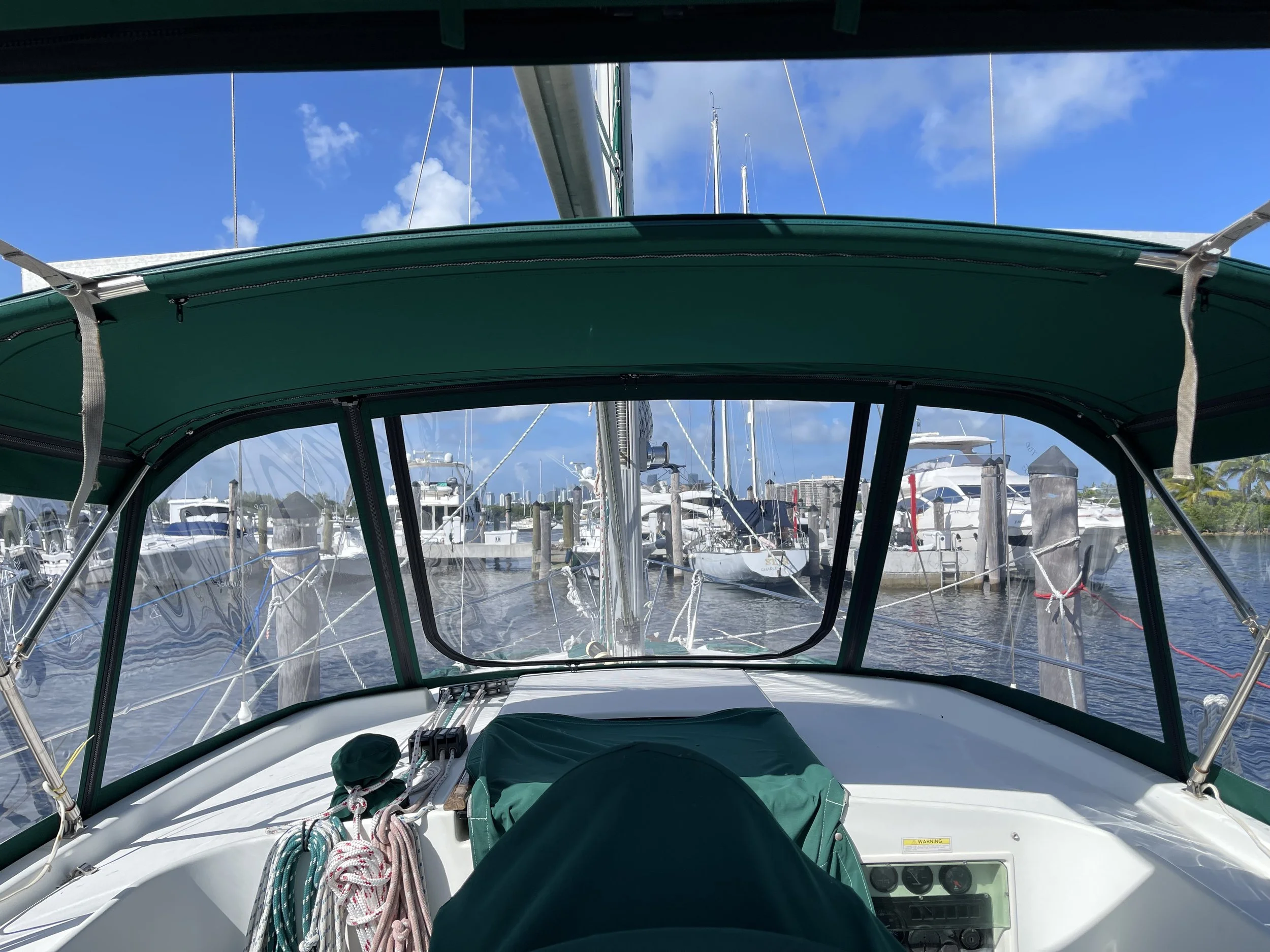
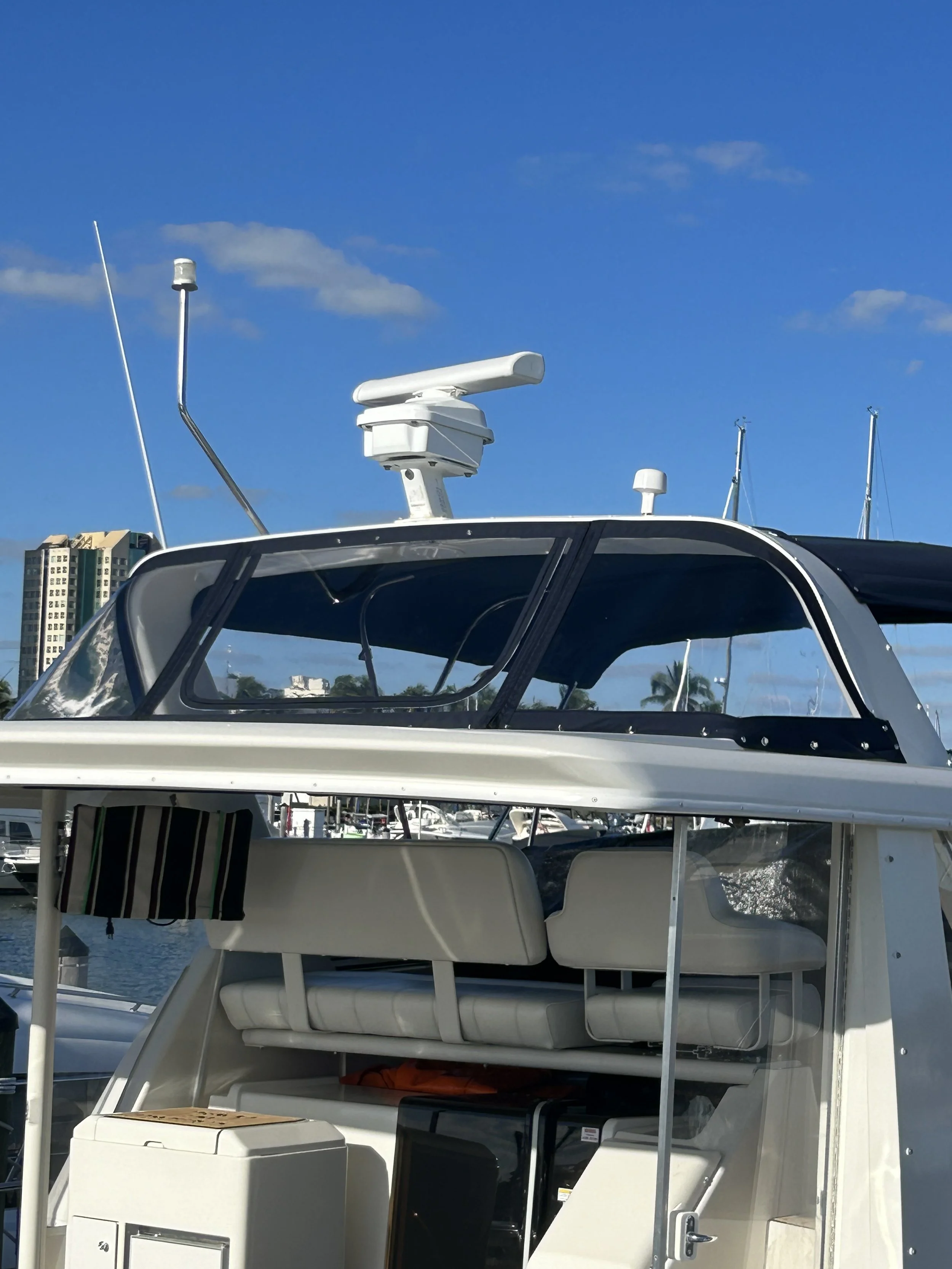
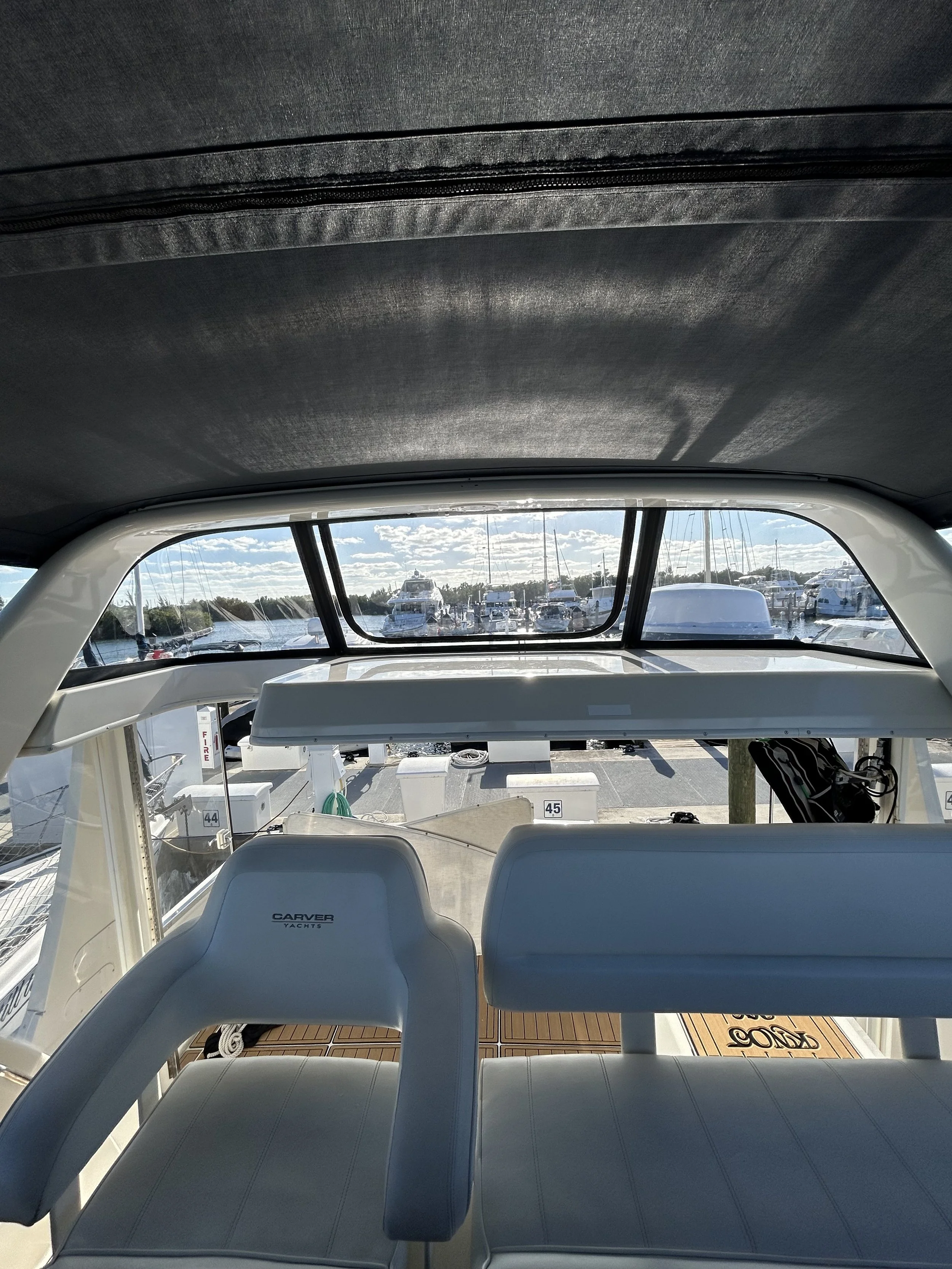
- Bimini Enclosures: These are perhaps the most popular, often extending from an existing bimini top. They can include side, front, and aft curtains to fully enclose the cockpit, offering shade, shelter, and privacy.
- Camper Back Enclosures: Typically found on cruisers and larger boats, camper backs extend the usable space over the aft deck, creating an additional "room." They often include windows and screens, making them perfect for overnight stays or extended periods on the water.
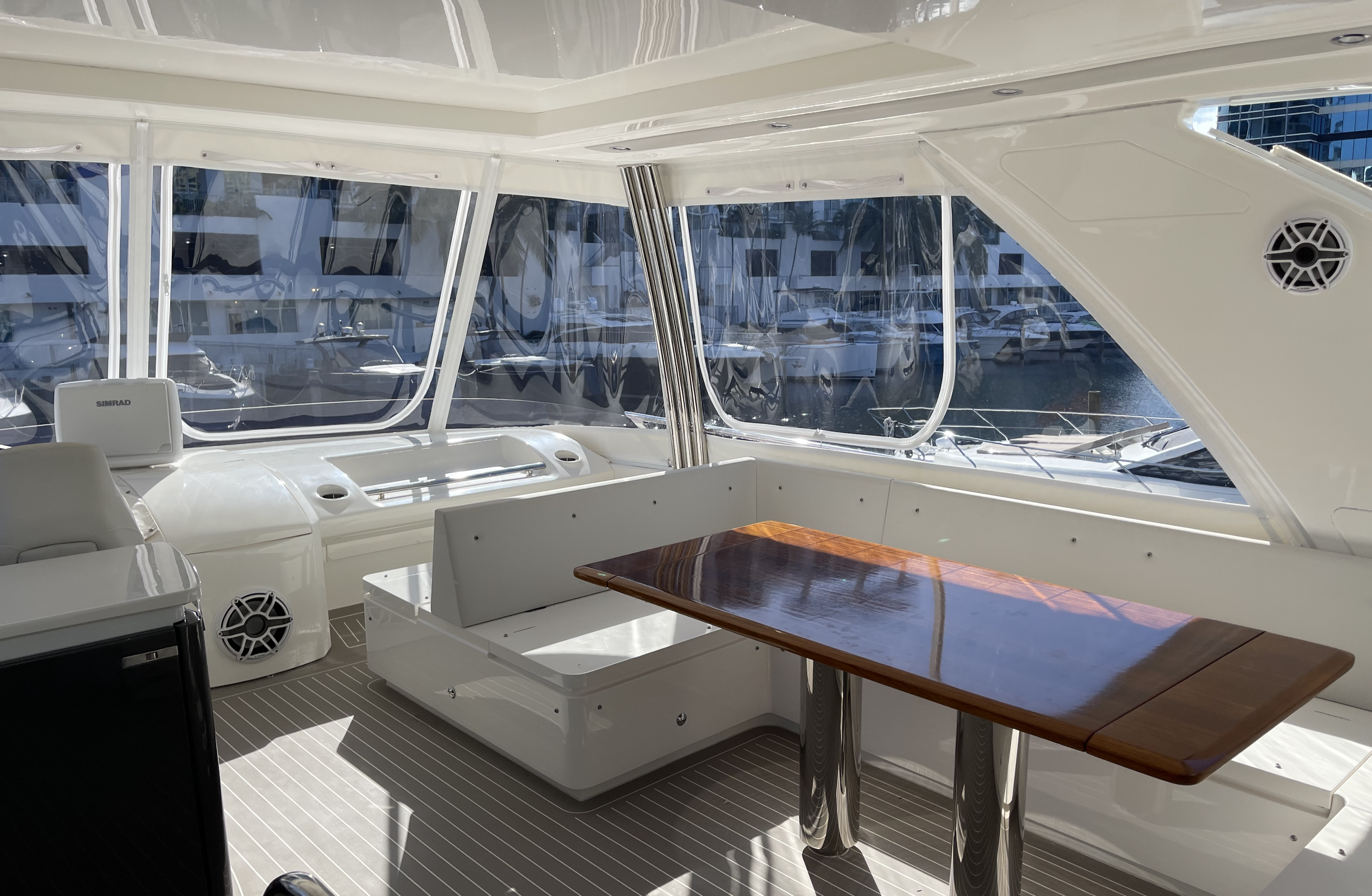
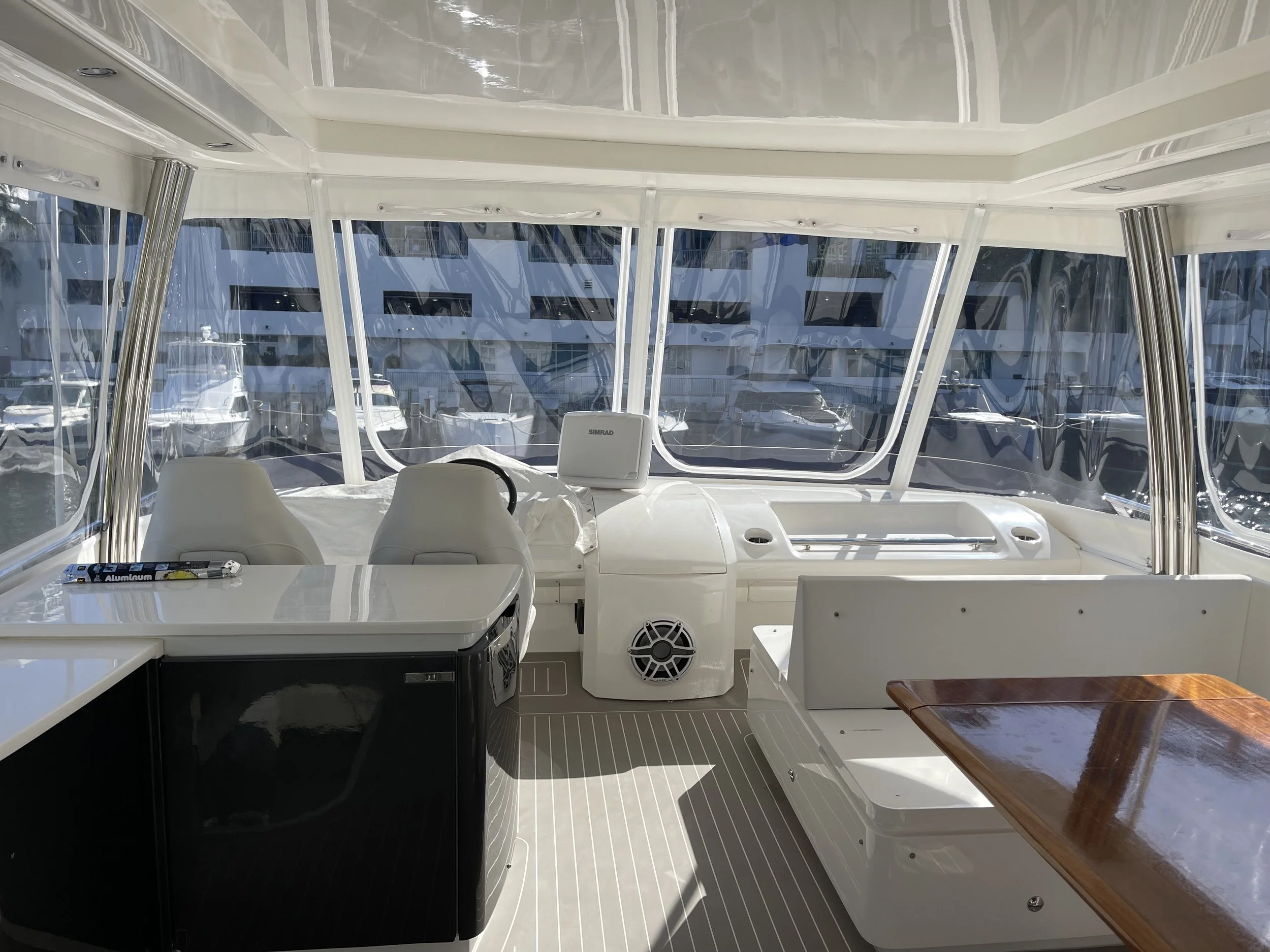
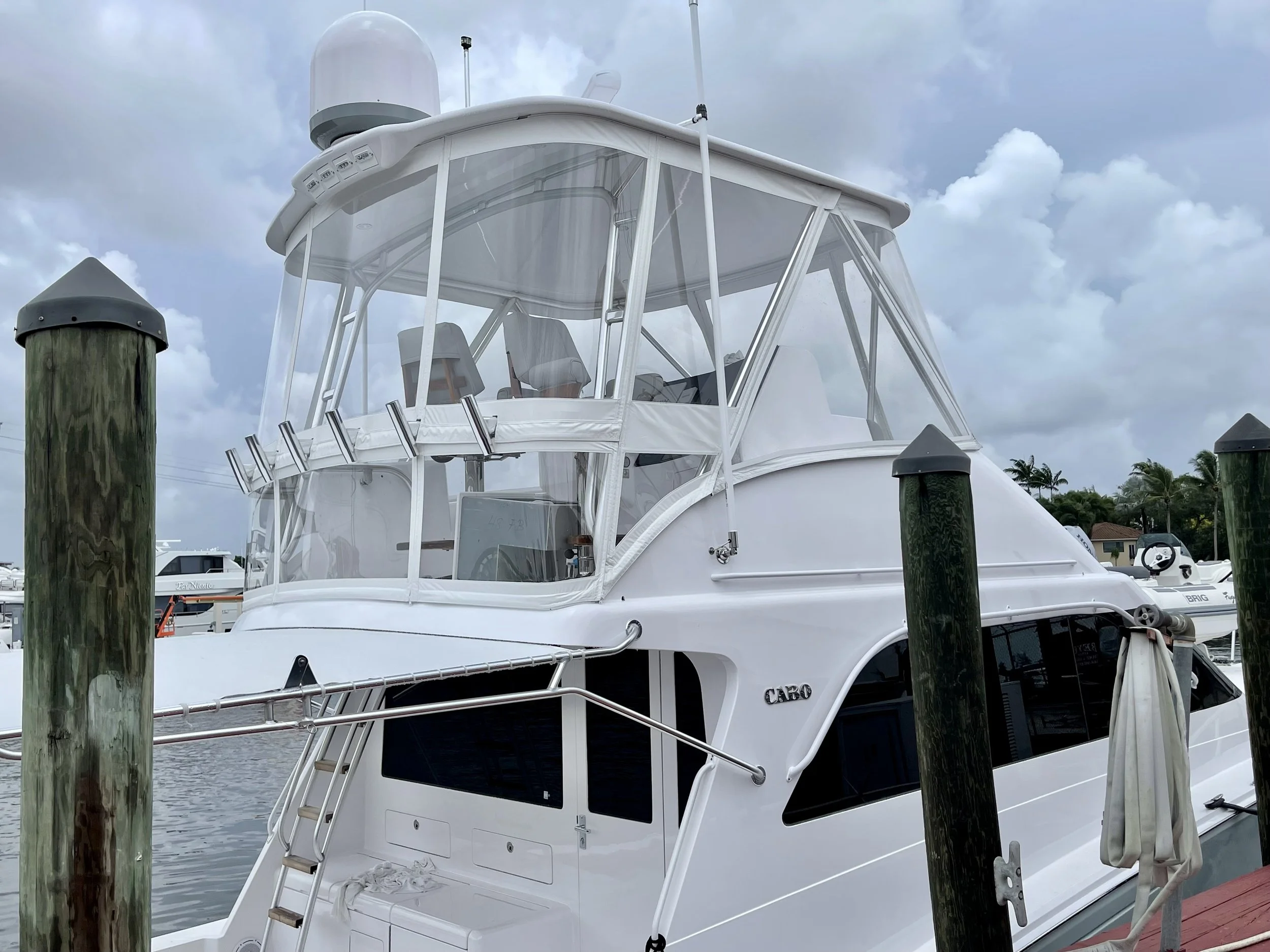
- Flybridge Enclosures: For boats with an upper helm station, flybridge enclosures protect the captain and guests from the elements while maintaining visibility. These can range from partial windscreens to full enclosures with rigid windows.
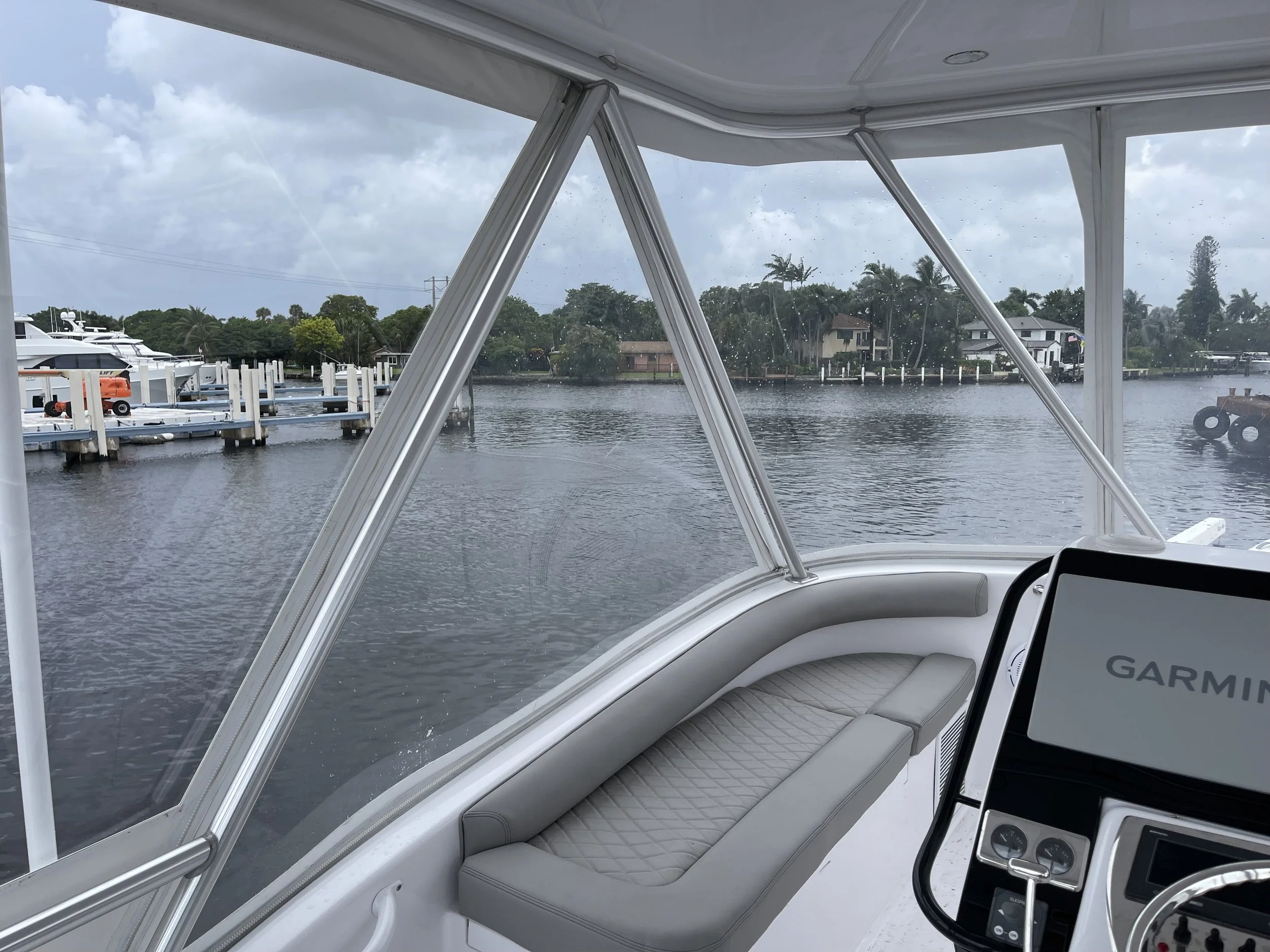
- T-Top Enclosures: Designed for center console fishing boats, T-top enclosures typically consist of a clear vinyl or fabric curtain system that attaches to the T-top frame, providing protection from spray, wind, and sun.
- Pontoon Enclosures: Specifically custom for pontoon boats, these enclosures often create a private changing room or additional shaded area. An "Easy-Up" pontoon enclosure, for example, is designed for convenience, providing shade, shelter, and privacy, with a zippered entryway and mesh windows. While convenient for stationary use, these are often not intended for use while underway or for extended storage.
Each type serves to improve the functionality and comfort of your boat, allowing you to get more enjoyment out of your time on the water. For more information on the various options, we encourage you to visit our main pages: More info about Enclosures and More info about Bimini Shades.
Flexible vs. Rigid Enclosures
When selecting a boat enclosure kit, one of the most critical decisions is choosing between flexible and rigid clear window materials. Each has distinct advantages and disadvantages that impact clarity, durability, and storage.
- Flexible Vinyl Enclosures: These use clear vinyl (often called Isinglass).
- Pros: Flexible vinyl is cost-effective and can be rolled or folded for storage, making it convenient for boats with limited space. Minor damage is relatively easy to repair.
- Cons: Over time, flexible vinyl suffers from lower optical clarity and is prone to scratching, hazing, and yellowing, especially in South Florida's sun. It can distort visibility and requires careful maintenance.
- Rigid Enclosures (Polycarbonate/Acrylic): These use hard, clear panels like polycarbonate or acrylic.
- Pros: Rigid enclosures offer superior, glass-like clarity and are more durable and resistant to scratching and distortion. They provide excellent UV protection (up to 98%), vital in South Florida. Some innovative designs can contour to the boat's shape and still store flat.
- Cons: Rigid enclosures have a higher price tag, can be challenging to store if not designed to lay flat, and are heavier.
The choice is between budget and storage versus superior clarity, durability, and UV protection. For luxury yachts, rigid enclosures are often the preferred choice.
| Feature | Flexible Enclosures (e.g., Isinglass) | Rigid Enclosures (e.g., Polycarbonate) |
|---|---|---|
| Clarity | Good initially, degrades over time | Excellent, glass-like |
| Durability | Prone to scratches, hazing, yellowing | Highly resistant to scratches and distortion |
| UV Blockage | Varies, generally lower | Up to 98% |
| Cost | Lower | Higher |
| Storage | Can be rolled or folded | Can store flat, but less flexible overall |
| Maintenance | Requires frequent cleaning and protectants | Easier to clean, less prone to degradation |
Permanent and Advanced Systems
Beyond traditional flexible and rigid enclosures, we also offer permanent and advanced boat protection systems, particularly for those who desire ultimate convenience and protection. These systems often go beyond a simple boat enclosure kit by integrating seamlessly with your vessel's structure.
These custom-fitted enclosure systems are designed for superior integration and functionality. They can provide integrated shade and weather protection that is always ready for deployment. Imagine transitioning from an open deck to a fully protected space in seconds. Some of these advanced systems offer automated features, allowing for wireless and remote-control operation. This means you can deploy or retract screens and enclosures with the touch of a button, providing instant shelter from a sudden South Florida downpour or intense sun.
Such systems offer improved protection against UV rays, wind-blown debris, insects, and birds, helping to maintain your boat in showroom condition. For more details on how these innovative solutions can transform your boating experience, explore our Explore Permanent and Advanced Enclosure Solutions page.
Key Materials and Construction Quality
The longevity and performance of any boat enclosure kit hinge critically on the quality of its materials and construction. In the demanding marine environment of South Florida, where sun, salt, and humidity are constant factors, choosing the right components is paramount. At American Marine, we pride ourselves on using elite marine-grade materials to ensure our custom solutions withstand these harsh conditions.

Let's explore the common materials and their characteristics:
Marine-Grade Fabrics
The fabric portion of your enclosure is its primary shield. We use materials specifically engineered for marine applications:
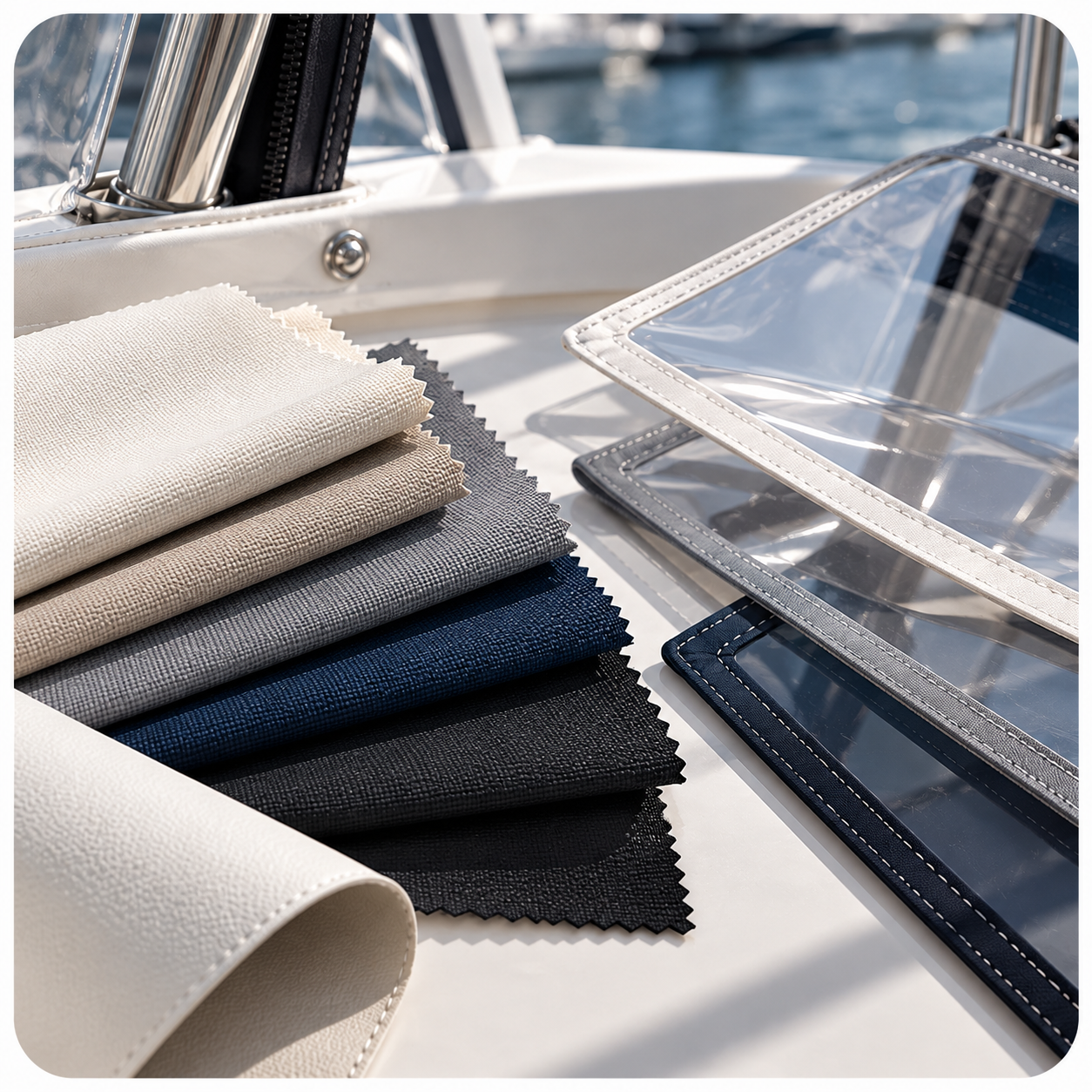
- Acrylic Canvas (e.g., Sunbrella): This is the gold standard for marine canvas. Sunbrella fabrics are renowned for exceptional UV resistance, colorfastness, and breathability. They are mold and mildew resistant, easy to clean, and offer a wide range of colors. Their durability makes them ideal for the intense South Florida sun. You can learn more about these premium fabrics on our Sunbrella Boat Covers page.
- Polyester: While generally less expensive than acrylic, marine-grade polyester fabrics offer good strength and water resistance. They may not have the same long-term UV resistance as Sunbrella but can be a suitable option for certain applications.
- Vinyl-Coated Polyester: This material offers superior waterproofing and can be very durable, often used in applications where maximum weather protection is required. It's also easy to clean.
Clear Window Materials
The clear panels are crucial for visibility and light. Their quality directly impacts your view and comfort:
- Flexible Vinyl (Isinglass): Often called 30 or 40 gauge clear vinyl, this material is common in many boat enclosure kits due to its flexibility and cost-effectiveness. However, as discussed, it's susceptible to scratching, yellowing, and hazing over time, especially in high UV environments.
- Rigid Polycarbonate: A premium choice, this offers glass-like clarity, superior scratch resistance, and excellent UV protection (up to 98%). Rigid windows like EZ2CY or Strataglass maintain optical quality far longer than flexible vinyl, providing a crystal-clear view.
Hardware
The structural integrity and functionality of your enclosure rely on robust hardware:
- Anodized Aluminum Frames: Lightweight yet strong, 7/8″ anodized aluminum is a common material for enclosure frames, resisting corrosion in saltwater environments.
- Stainless Steel Fittings: For crucial stress points and areas requiring maximum durability, stainless steel hardware (e.g., hinges, snaps, and bows) is essential. We also use chrome die-cast hardware in some cases.
- Zippers and Fasteners: High-quality, marine-grade zippers (like YKK®) and snaps (like DOT®) are crucial for easy operation, secure attachment, and longevity. These should be UV-resistant and corrosion-resistant.
The combination of these high-quality materials ensures that your boat enclosure kit or custom solution from American Marine provides lasting protection and aesthetic appeal. For a deeper dive into marine fabrics, visit our More info about Marine Canvas Material page.
Choosing the Right Boat Enclosure Kit for Your Vessel
Selecting the right enclosure is a personalized process. It involves considering your boat's specifics, your intended use, and South Florida's climate challenges. Here are the key factors:
- Boat Type and Size: Different boats require different enclosure designs. A pontoon boat needs a different solution than a center console or a luxury yacht. The overall dimensions of your boat will dictate the size and complexity of the enclosure, impacting both material requirements and design.
- Intended Use (Fishing, Cruising, Entertaining):
- Fishing: You might prioritize clear visibility, easy access for casting, and protection from spray. A T-top enclosure with removable panels could be ideal.
- Cruising: Comfort, weather protection, and unobstructed views are key. A full cockpit enclosure with large, clear windows would improve your experience.
- Entertaining/Overnight Stays: Privacy, extended living space, and ventilation become more important. A camper back or a pontoon enclosure with mesh windows and zippered entries could be perfect.
- Climate Considerations: For us in South Florida, UV protection and heat management are paramount. Our climate demands materials that can withstand intense sun, high humidity, and sudden downpours. We recommend fabrics and clear vinyls with superior UV resistance to prevent premature degradation. Our article on Canvas and Climate: Adapting Yacht Covers for South Florida's Sun and Salt provides valuable insights into this.
- Budget: While cost is always a factor, consider it an investment in your boat's longevity and your enjoyment. Custom solutions with premium materials will naturally be a higher initial investment but offer superior durability and fit, often saving money in the long run by avoiding frequent replacements or repairs. For a comprehensive understanding of making smart choices for your vessel, refer to our Expert Guide to Custom Boat Covers.
What to Look for in a DIY Boat Enclosure Kit
While we specialize in custom solutions, some owners may consider a DIY kit for simpler applications. If you go this route, here’s what to scrutinize:
- Completeness of Kit: Does the kit include everything you need? Fabric panels, clear window materials, zippers, snaps, framing (if applicable), and all necessary fasteners? Missing components can quickly turn a cost-saving project into a frustrating scavenger hunt.
- Quality of Materials: Even for DIY, marine-grade materials are non-negotiable, especially in South Florida. Look for UV-resistant fabric (like Sunbrella), durable clear vinyl, and corrosion-resistant hardware. Inferior materials will not last.
- Clarity of Instructions: Are the instructions detailed, easy to understand, and accompanied by clear diagrams or videos? A poorly documented kit can lead to errors and wasted materials.
- Hardware Included: Ensure the kit provides appropriate marine-grade hardware for installation. This typically includes snaps, screws, and possibly framing components.
Understanding the Cost of a Boat Enclosure Kit
The cost of an enclosure varies significantly, from a few hundred dollars for a basic kit to several thousand for a custom yacht enclosure. Several factors influence the price:
- Material Quality: Premium marine-grade fabrics like Sunbrella and rigid clear window materials like polycarbonate (e.g., EZ2CY, Strataglass) are more expensive than basic polyester and flexible vinyl. However, their superior durability and UV resistance often make them a more cost-effective choice in the long run, especially in our sunny South Florida climate.
- Boat Size: Larger boats naturally require more material and more extensive fabrication, leading to higher costs.
- Complexity of Design: A simple three-sided enclosure will be less expensive than a full enclosure with multiple zippered entries, roll-up panels, smile windows, and intricate curves designed to fit a radar arch or flybridge. Customization adds to the design and labor costs.
- Custom vs. Off-the-Shelf: Pre-fabricated kits are generally more affordable but offer limited fit and material choices. Custom solutions, while a larger initial investment, provide a perfect fit, personalized features, and often use higher-quality, longer-lasting materials. As highlighted in our blog, The Hidden Costs of Generic Covers: Why Custom-Fit Saves Money Long-Term, investing in a custom solution avoids the hidden costs of ill-fitting, short-lived generic options.
When to Choose a Custom Solution
For many owners, especially those with luxury yachts in Miami, Fort Lauderdale, or West Palm Beach, a standard kit won't suffice. This is where American Marine shines, offering bespoke solutions that improve your vessel's protection and aesthetic.
Here's why a custom solution is the ultimate choice:
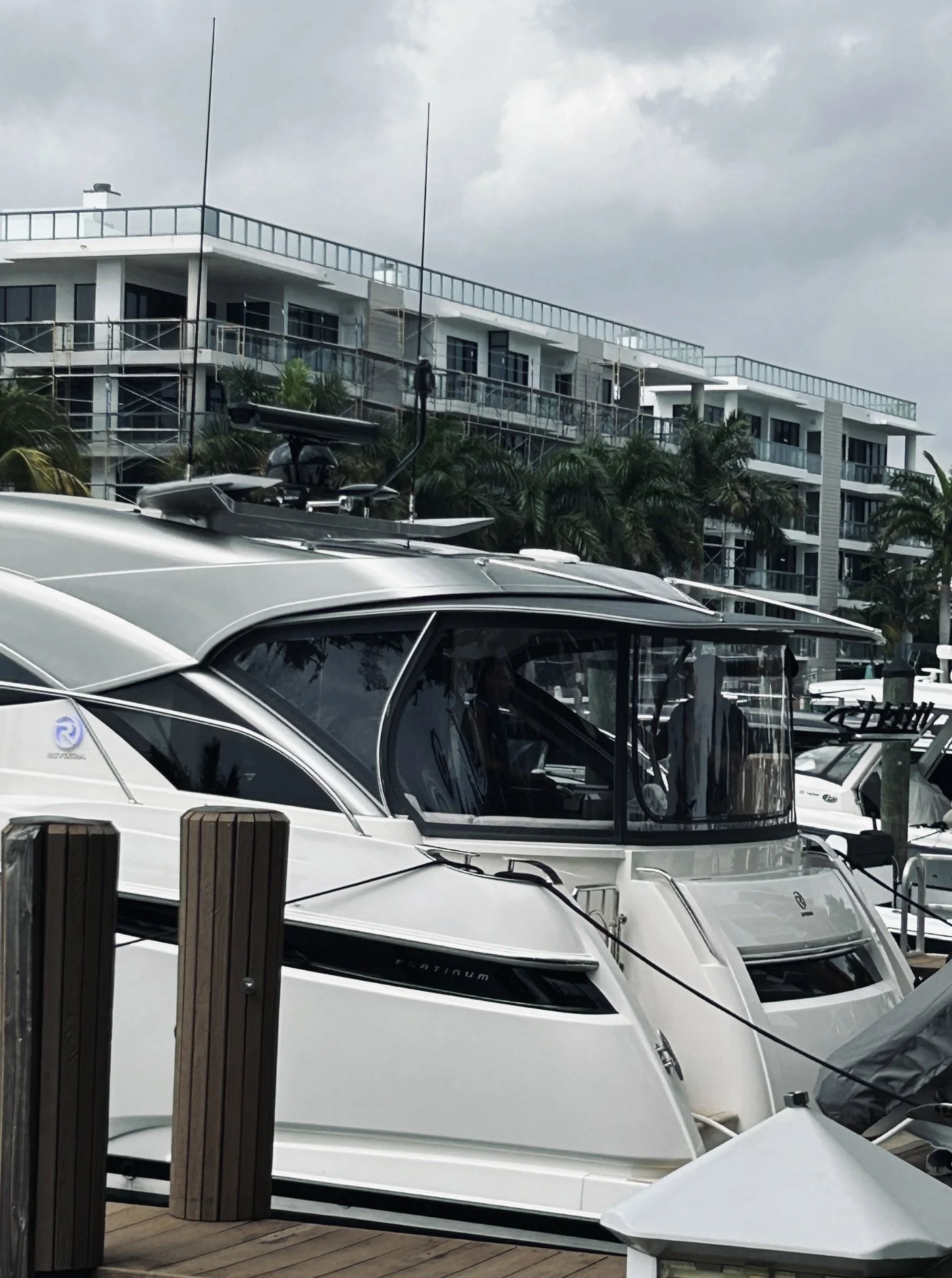
- For Luxury Yachts and Superyachts: These vessels demand perfection. A custom enclosure ensures that every curve, every line, and every panel integrates seamlessly with the yacht's sophisticated design, maintaining its high-end appearance and value.
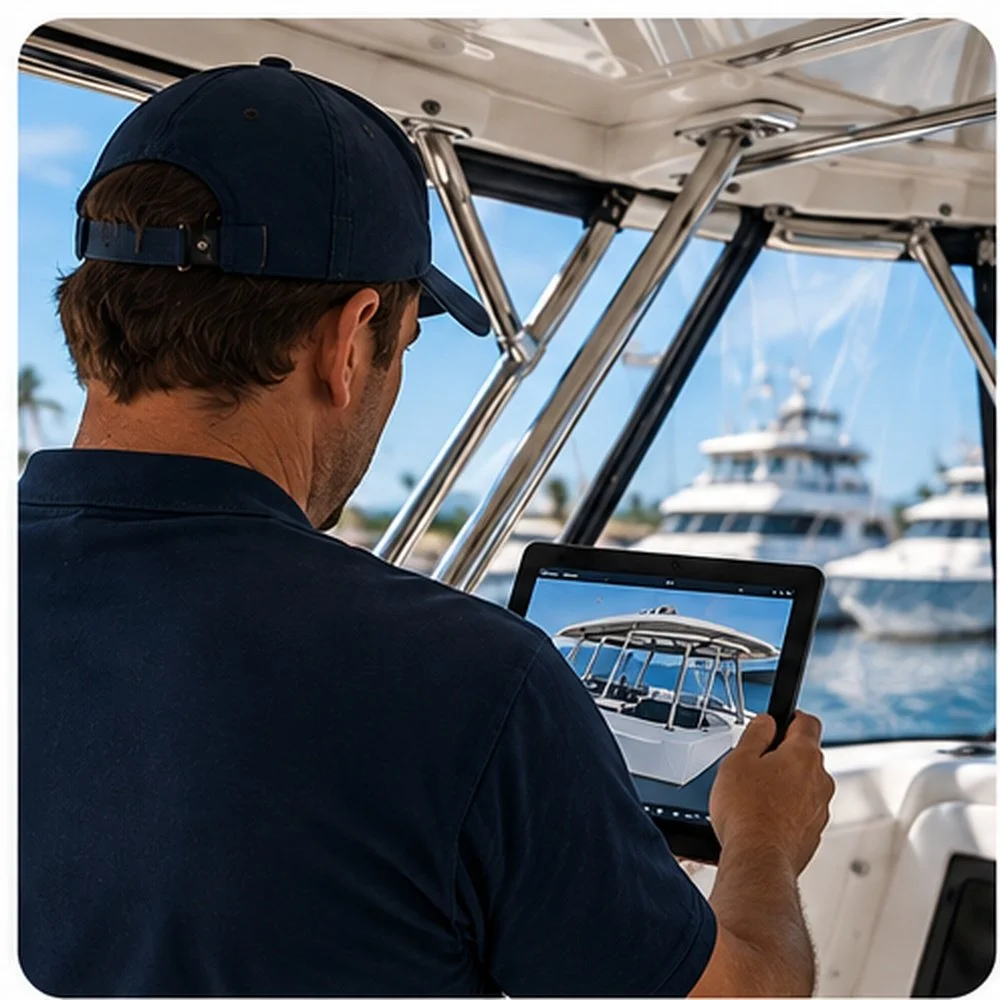
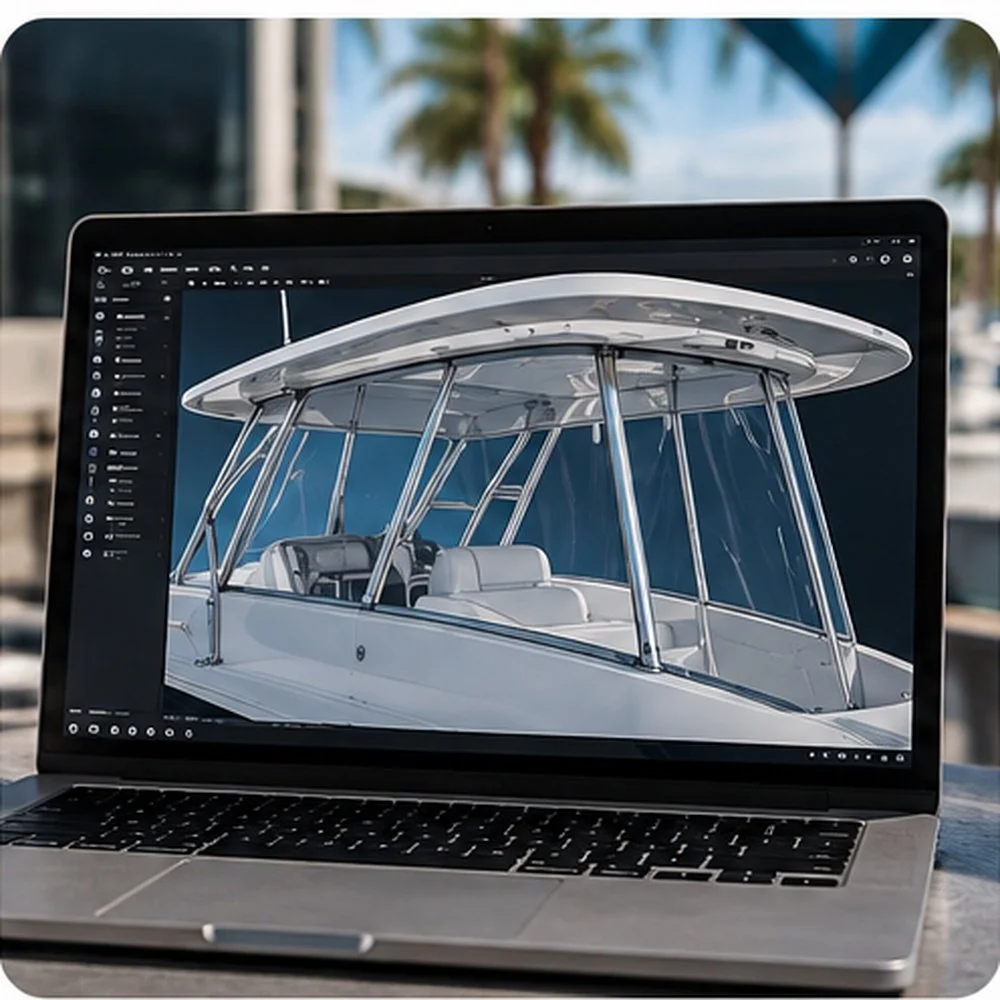
- Perfect Fit Required: Off-the-shelf kits are designed for generic dimensions and often result in sagging, gaps, or an uneven appearance. Our custom solutions are 3D-measured and precision-cut to fit your boat, ensuring a taut, wrinkle-free, and weather-tight seal.
- Unique Boat Designs: Many modern yachts have unique architectural features that standard kits cannot accommodate. We can design enclosures that work around radar arches, complex helm stations, and other custom elements, providing functionality without compromising design.
- Desire for Premium Materials: Customization allows you to choose the highest quality marine-grade fabrics (like Sunbrella) and clear window materials (like rigid polycarbonate or EZ2CY) that offer superior clarity, UV protection, and longevity, essential for the demanding South Florida environment.
- American Marine Specialization: We specialize in creating custom marine canvas and upholstery for luxury yachts and superyachts. Our USP is our 3D-measured, precision-cut solutions using elite marine-grade materials, ensuring top-tier craftsmanship and timely delivery. Our experienced team focuses on meticulous design and manufacturing. We're trusted by yacht builders, owners, and marinas across Broward County and South Florida for our commitment to quality. As we often say, our Craftsmanship on the Water: What Sets Elite Marine Canvas Apart is what truly distinguishes us.
Installation and Maintenance Best Practices
Proper installation and maintenance are crucial for maximizing your enclosure's lifespan and performance.
Professional Installation Benefits
While some kits are for DIY, professional installation offers significant advantages, especially for custom enclosures:
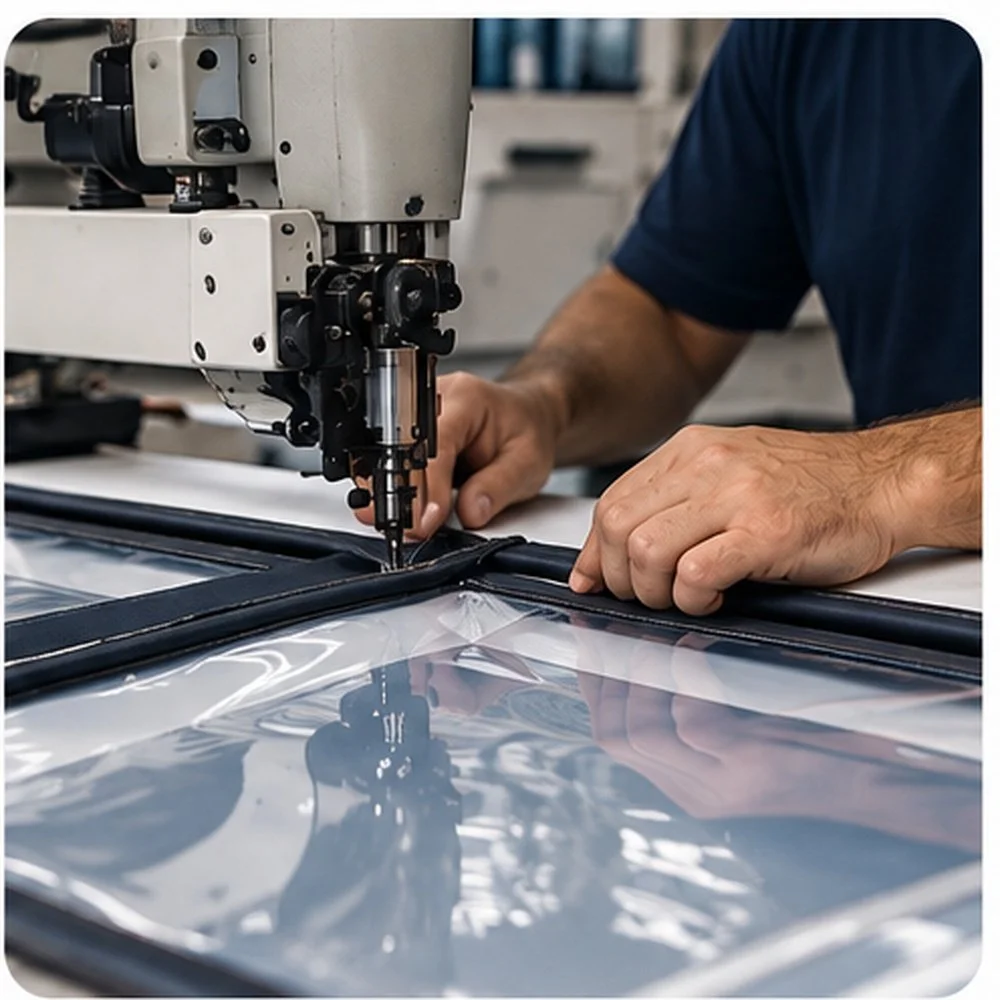
- Precision Fit: Our experienced installers use precise measurements and techniques to ensure your enclosure fits perfectly, eliminating gaps, wrinkles, and stress points that can lead to premature wear. This is particularly vital for weatherproofing in South Florida's climate.
- Warranty: Professional installation often comes with a warranty on both the product and the workmanship, providing peace of mind.
- Expertise: Professionals have the tools, knowledge, and experience to handle complex installations, integrate hardware correctly, and troubleshoot any issues, ensuring optimal functionality and aesthetic appeal.
DIY Installation Considerations
If tackling a DIY installation, be prepared:
- Skill Level Required: Assess your own skills. Even with a kit, installing marine canvas can be challenging, requiring patience and attention to detail.
- Tools Needed: You'll likely need a marine-grade sewing machine (if any assembly is required), a hot knife for cutting vinyl, marking pencils, snap installation tools, and various clamps and fasteners.
- Time Commitment: DIY projects often take longer than anticipated. Allocate ample time and don't rush the process to avoid mistakes.
Maintaining Your Enclosure for Longevity
Proper maintenance is key to extending your enclosure's life and appearance in the harsh South Florida environment:
- Regular Cleaning Procedures: Clean your enclosure frequently to prevent the buildup of salt, dirt, and mildew. Use a soft brush or sponge with mild soap and plenty of fresh water. Rinse thoroughly.
- Recommended Cleaning Products: Always use marine-specific cleaning products that are safe for your fabric and clear vinyl. Avoid harsh chemicals, ammonia, or abrasive cleaners, as these can damage materials and coatings. For vinyl, ensure the product is designed for clear plastic.
- Zipper Lubrication: Lubricate zippers regularly with a specialized marine zipper lubricant. This prevents corrosion, keeps them running smoothly, and extends their life.
- Vinyl Polishing and Protection: For clear vinyl windows, use a marine-grade polish and protectant that offers UV protection. This helps prevent yellowing, hazing, and minor scratches. For rigid polycarbonate, follow the manufacturer's specific cleaning and polishing instructions.
- Proper Storage Techniques: When not in use, especially during extended periods, clean your enclosure thoroughly. For flexible enclosures, roll (don't fold) them to prevent creases and cracks, and store in a cool, dry, ventilated area. Rigid enclosures should be kept in their designated flat storage positions.
Following these maintenance tips can significantly extend the life of your enclosure, keeping it looking great for years to come. For more detailed advice, our More info on Canvas Care Tips Every Yacht Owner Should Know article is an excellent resource.
Frequently Asked Questions about Boat Enclosures
Here are answers to common questions about boat enclosures:
How long do boat enclosures typically last?
A boat enclosure's lifespan is typically 5 to 15 years, depending on several factors:
- Material Quality: High-quality marine-grade fabrics like Sunbrella and premium rigid clear vinyls (e.g., polycarbonate) will last significantly longer than lower-grade alternatives.
- Climate: In the intense South Florida sun, UV radiation is the primary enemy. Materials with superior UV resistance will endure much longer.
- Maintenance: Regular cleaning, proper storage, and timely repairs can drastically extend an enclosure's life. Neglect, on the other hand, will shorten it considerably.
- Usage: How often the enclosure is used, deployed, and exposed to harsh conditions will also play a role.
With proper care and elite materials, our custom enclosures often last well over a decade.
Can I use my boat enclosure while underway?
Yes, most enclosures, especially custom-fitted ones, are designed for use while underway to protect occupants from wind, spray, and sun.
- Custom-fitted and professionally installed enclosures are built to withstand the forces of wind and water at speed. They are designed to be taut and secure, preventing flapping that could cause damage or obstruct visibility.
- However, specific types, like some "easy-up" pontoon enclosures, are explicitly not intended for use while underway. Always check the manufacturer's recommendations or consult with your canvas professional.
- Visibility is key. Ensure your clear windows offer unobstructed views and are clean before operating your vessel with the enclosure up.
How do I prevent my clear vinyl windows from turning yellow or cracking?
Preventing yellowing and cracking of clear vinyl windows requires a proactive approach:
- Use High-Quality, UV-Resistant Vinyl: This is the first line of defense. Premium clear vinyls and rigid polycarbonate materials are manufactured with UV inhibitors to resist degradation.
- Clean Regularly with Approved Products: Salt, grime, and environmental pollutants can etch into the vinyl. Clean frequently with a soft cloth or sponge and a mild, marine-specific vinyl cleaner.
- Avoid Harsh Chemicals: Never use ammonia-based cleaners (like Windex), abrasive cleaners, or petroleum-based solvents. These will strip protective coatings, cause hazing, and accelerate degradation.
- Apply Protective Polishes: Use a marine-grade vinyl polish and protectant that contains UV blockers. Apply it regularly to create a barrier against the sun and keep the vinyl supple.
- Store Properly When Not in Use: If your enclosure is designed to be removed, clean it thoroughly before storing. Roll (do not fold) flexible vinyl panels to prevent creases and cracks. Store in a protective bag in a cool, dry, dark place.
By following these steps, you can significantly prolong the clarity and life of your enclosure windows, ensuring clear views for years to come.
Conclusion: The Best Protection for Your Investment
A custom boat enclosure is more than an accessory; it's a vital investment in your boating lifestyle and your vessel's longevity. We've explored the types available and the crucial role of marine-grade materials like Sunbrella fabrics and rigid vinyls.
The right enclosure improves comfort, extends your boating season, and protects against UV rays, rain, and wind. It safeguards your boat's interior, electronics, and upholstery from premature wear.
While basic kits serve a purpose, a custom solution is the ultimate choice for a perfect fit, quality, and durability—especially for luxury yachts. At American Marine, we combine 3D-measured precision with elite materials and craftsmanship to deliver bespoke enclosures that protect and improve your investment's beauty and value.
When it comes to protecting your passion and maximizing your time on the water, don't compromise. Choose a solution that stands up to the elements and complements your vessel perfectly.