Your Boat's Glow-Up: The Ultimate Guide to Interior Renovation

Transform Your Vessel from Dated to Dazzling

Boat interior renovation

luxury yacht interior renovation - Boat interior renovation

Boat interior renovation is the process of updating the inside of your vessel to improve its look, function, and value. Whether addressing worn upholstery or outdated paneling, a well-executed renovation dramatically improves your onboard experience.

Quick Overview: The Boat Interior Renovation Process

  1. Planning - Define your goals, set a budget, and prioritize areas (galley, salon, cabins, head)
  2. Material Selection - Choose marine-grade fabrics, flooring, and finishes that withstand UV, moisture, and saltwater
  3. Execution - Deep clean, strip old materials, install new upholstery, paint, flooring, and lighting
  4. Finishing Touches - Add personal elements like artwork, custom cabinetry, and modern fixtures
  5. Maintenance - Regular cleaning and inspections to preserve your investment

The growing boat and yacht market reflects increased investment in vessel upgrades. Owners spend an average of $1,000-$5,000 annually on improvements, with full interior refits ranging from $50,000 to over $1 million depending on the vessel.

When you step aboard your boat, the interior should feel like a luxurious haven, not a tired relic. Dated varnished plywood, worn vinyl, and moldy teak can make even the finest vessel feel like living in a basement apartment. As one long-time boat owner found when describing their 19-year-old cruiser, the interior "just looked tired" and "beyond tired" until it was completely refreshed.

The good news? A boat interior renovation goes far beyond aesthetics. It significantly lifts comfort, functionality, and your vessel's resale value. Whether you're tackling a DIY weekend project or commissioning a complete professional refit, the change can be remarkable.

infographic showing the 5 key phases of boat interior renovation: Planning phase with clipboard and measurements, Demolition phase with removal of old materials, Installation phase with new upholstery and panels being fitted, Finishing phase with trim work and details, and Maintenance phase with cleaning supplies and inspection checklist - Boat interior renovation infographic

Why Renovate? Top Reasons to Refresh Your Vessel

Our boats are our floating homes, but over time, interiors show wear and tear. A boat interior renovation is a strategic investment that improves the entire boating experience. Here are the top reasons to refresh your vessel:

  • Increase Resale Value and Appeal: A modern, well-maintained interior makes a powerful first impression and can significantly increase your boat's market value. Dated aesthetics, worn upholstery, or moldy teak can deter buyers, while fresh finishes and contemporary design signal a well-cared-for vessel.
  • Repair Wear and Tear: The harsh marine environment—with its UV rays, salt, and humidity—takes a toll on materials. A renovation addresses faded upholstery, degraded foam, and tarnished fixtures, ensuring your boat remains structurally sound and visually pleasing.
  • Modernize Style and Improve Comfort: Transform a dark, cramped interior into a bright, modern haven. Updating color palettes, installing energy-efficient LED lighting, and choosing plush, marine-grade upholstery creates a more comfortable and luxurious onboard experience.
  • Improve Functionality: On a boat, every inch counts. Renovations can optimize layouts for better storage in the galley, integrate modern electronics at the helm, or create more comfortable sleeping arrangements, making life at sea more convenient.
  • Personalize Your Space: Make your boat a true reflection of your style. Whether you prefer a minimalist aesthetic or a vibrant "Miami Beach House" vibe, a renovation allows you to create a space that is uniquely yours.
  • Address Critical Issues: It is also a chance to fix underlying problems like water damage, which can cause rot and mildew, and to upgrade technology with modern navigation, entertainment, and smart systems.

Common Renovation Hotspots

When starting on a boat interior renovation, certain areas consistently top the list for updates due to their heavy use and impact on overall comfort and aesthetics. These "hotspots" are where we often focus our attention to achieve the most dramatic changes:

  • Salon: As the main living and entertaining area, the salon often receives new upholstery, updated flooring, and modern lighting to create a welcoming and spacious atmosphere.
  • Galley (Kitchen): Functionality is key here. Upgrades often include modern appliances, improved storage solutions, durable countertops, and new faucets.
  • Cabins: Comfort is paramount in sleeping quarters. Renovations might involve new bedding, optimized storage, refreshed wall coverings, and improved lighting.
  • Head (Bathroom): Space-saving fixtures, waterproof materials, and improved ventilation are common updates to make this compact space more functional and hygienic.
  • Helm Station: Integrating new technology for navigation and displays is a frequent upgrade, often requiring custom cabinetry or modifications to existing structures.
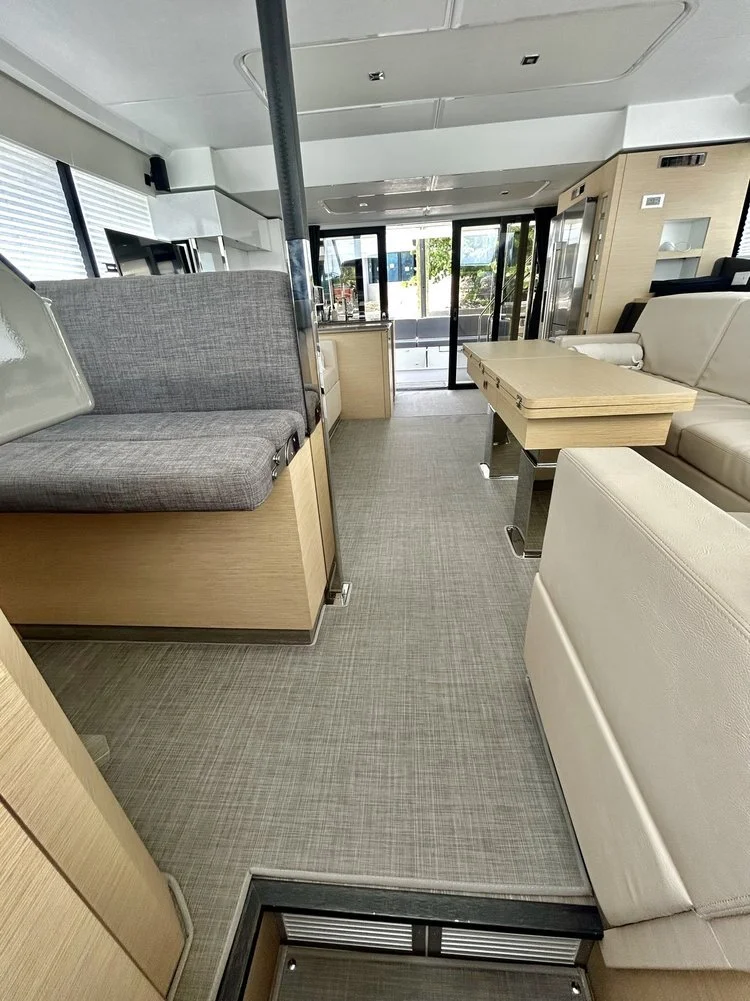
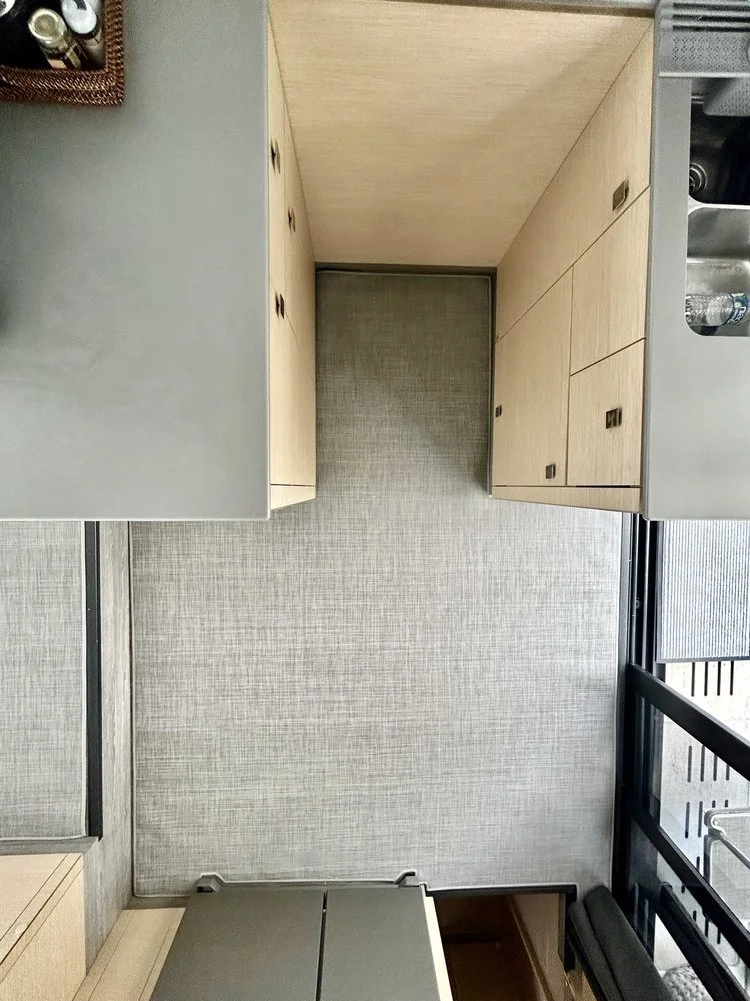
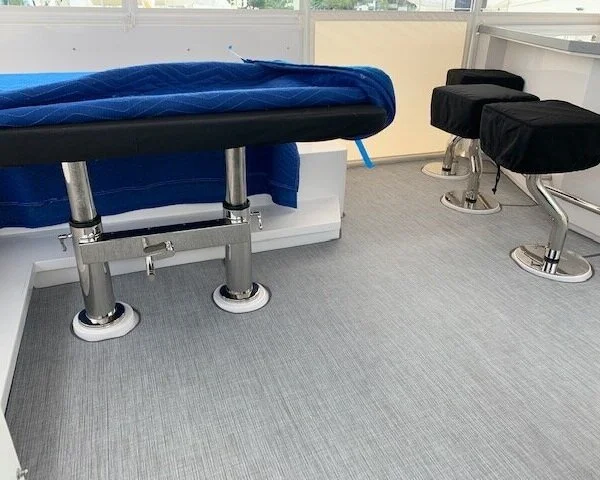
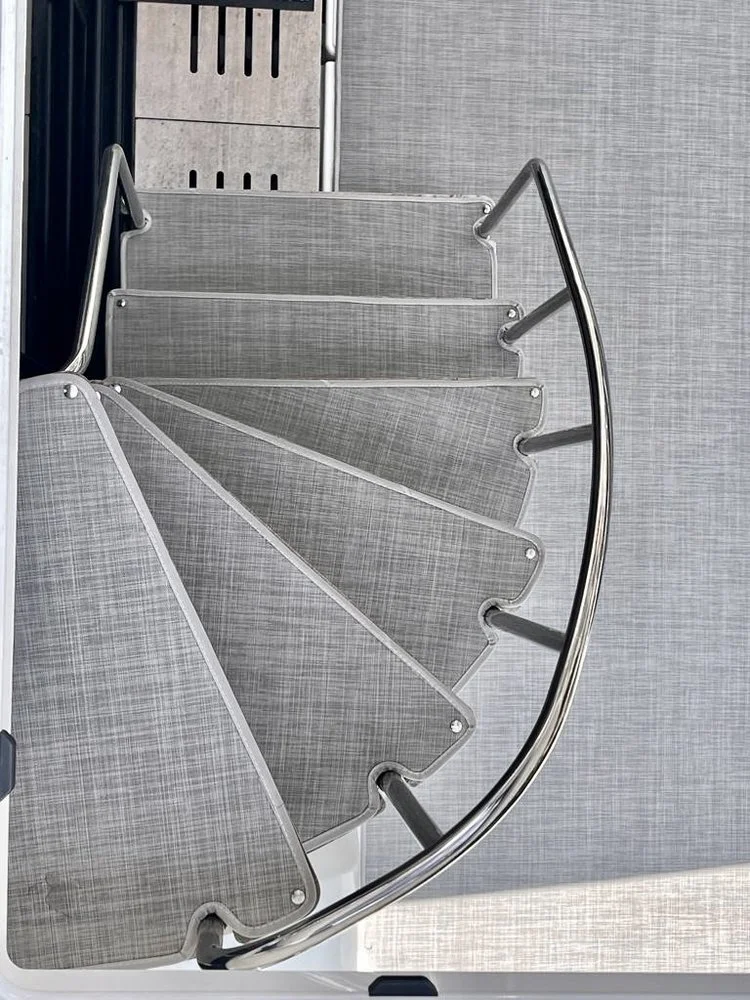
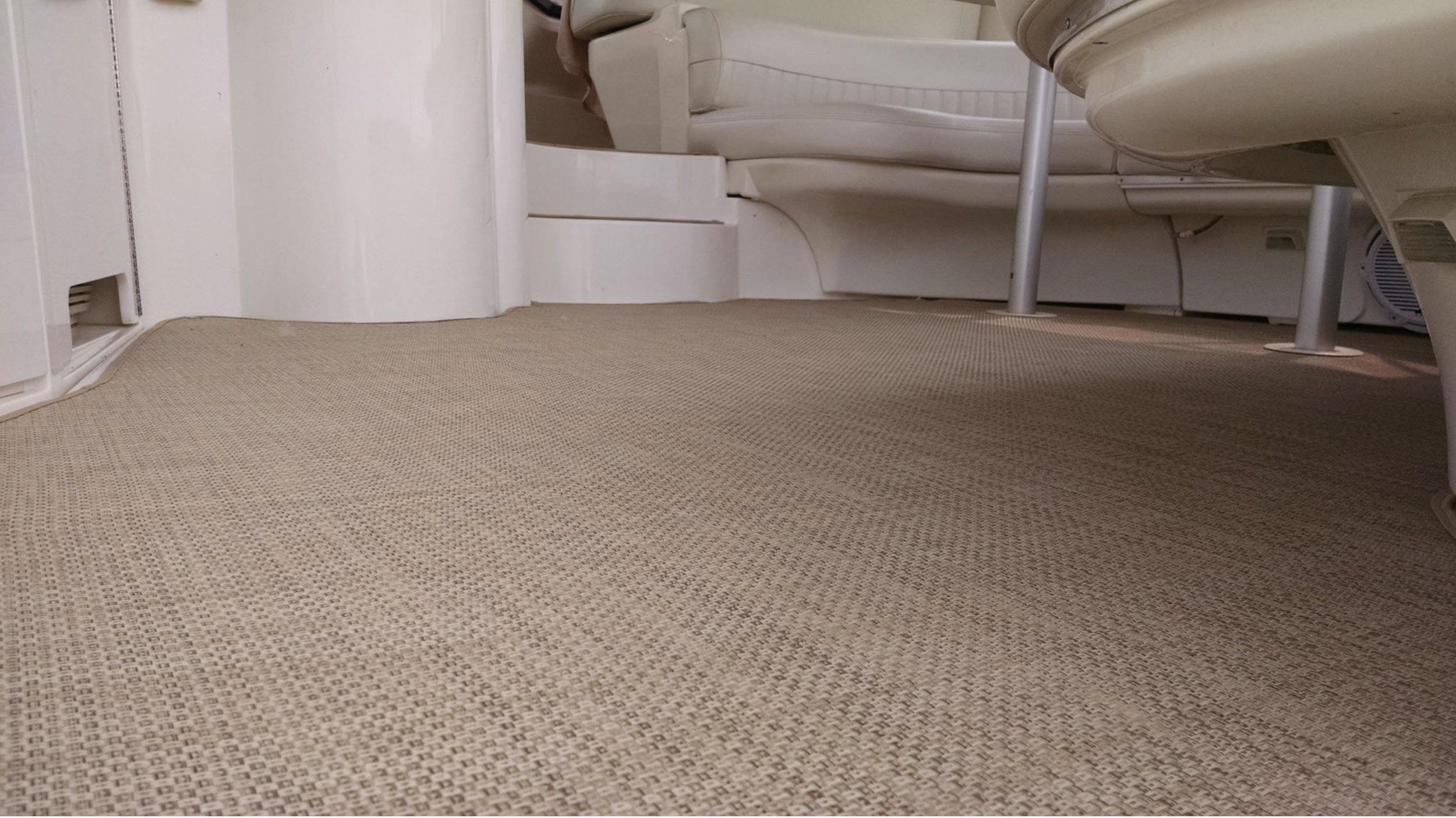
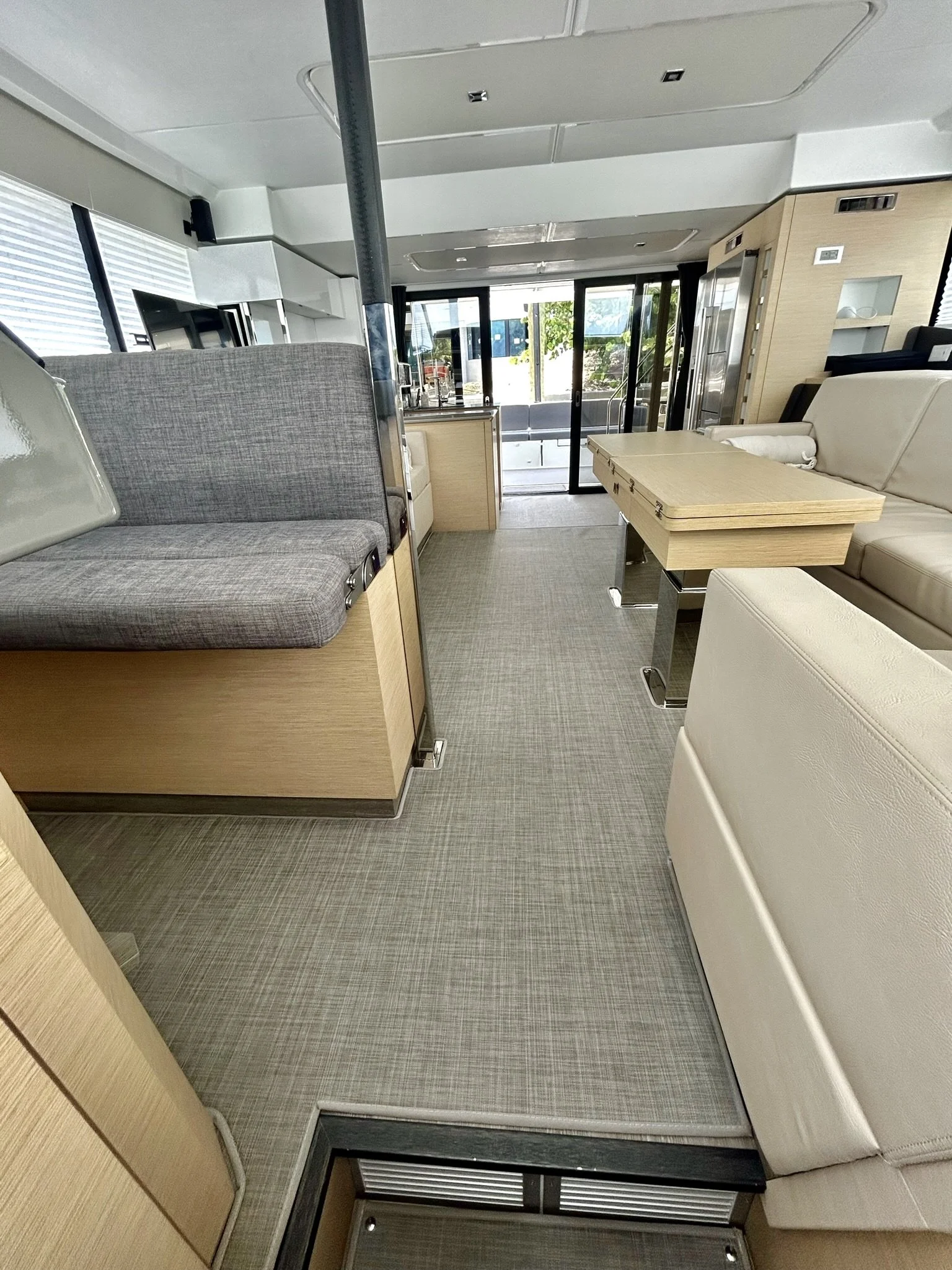
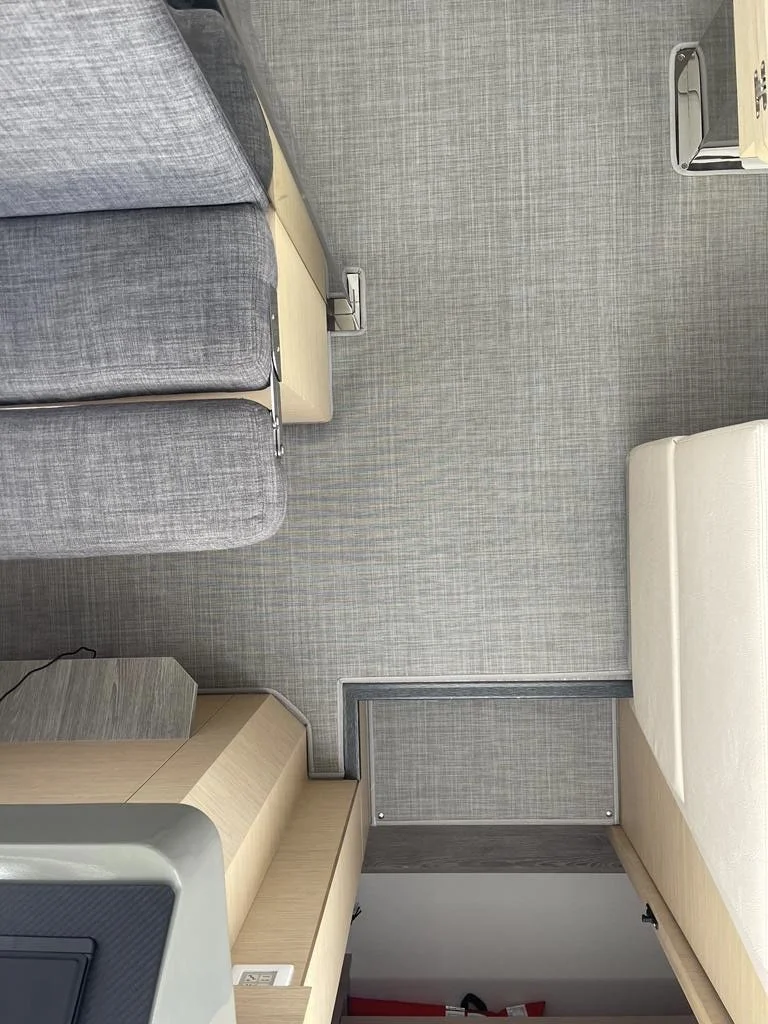
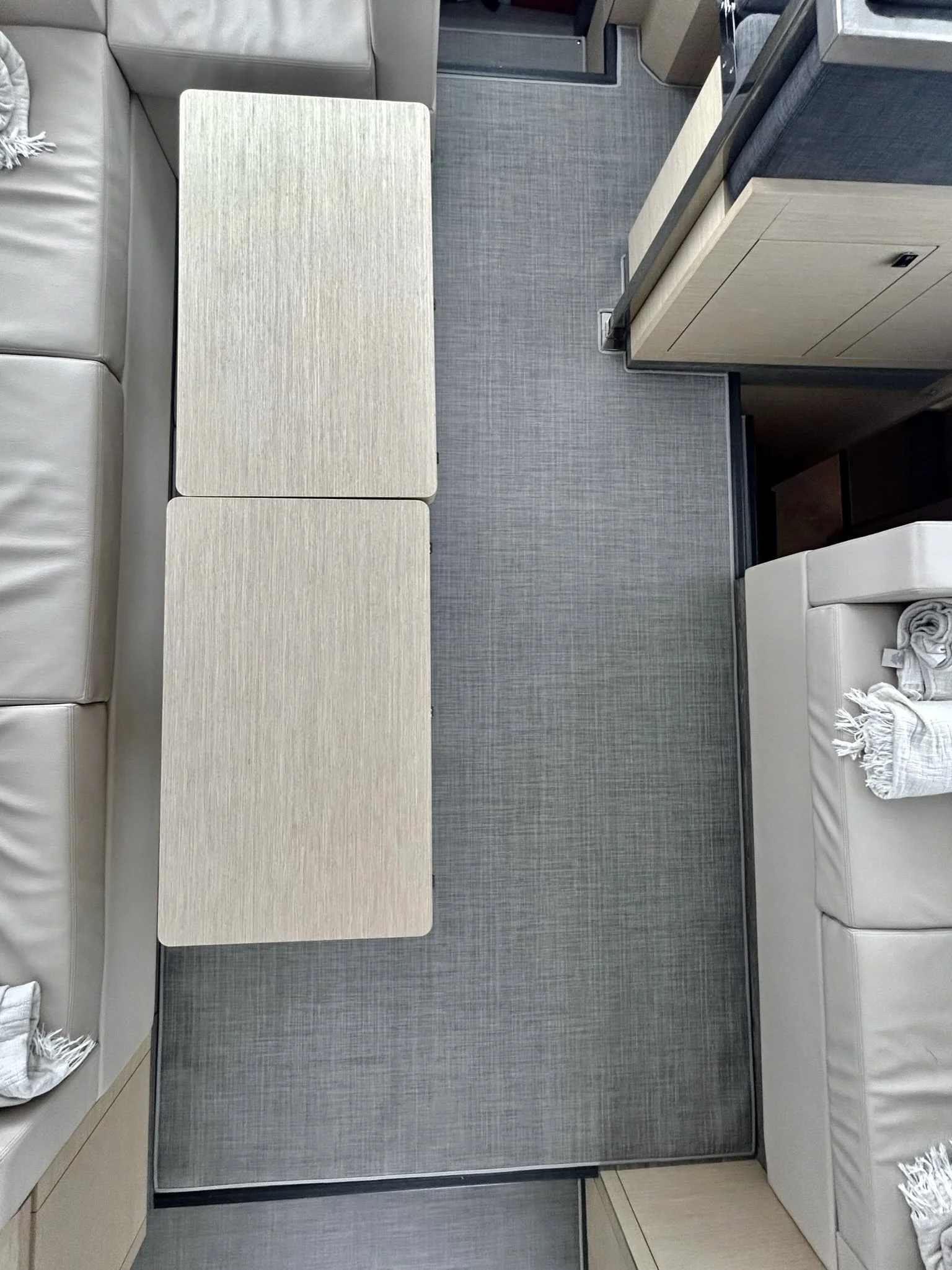
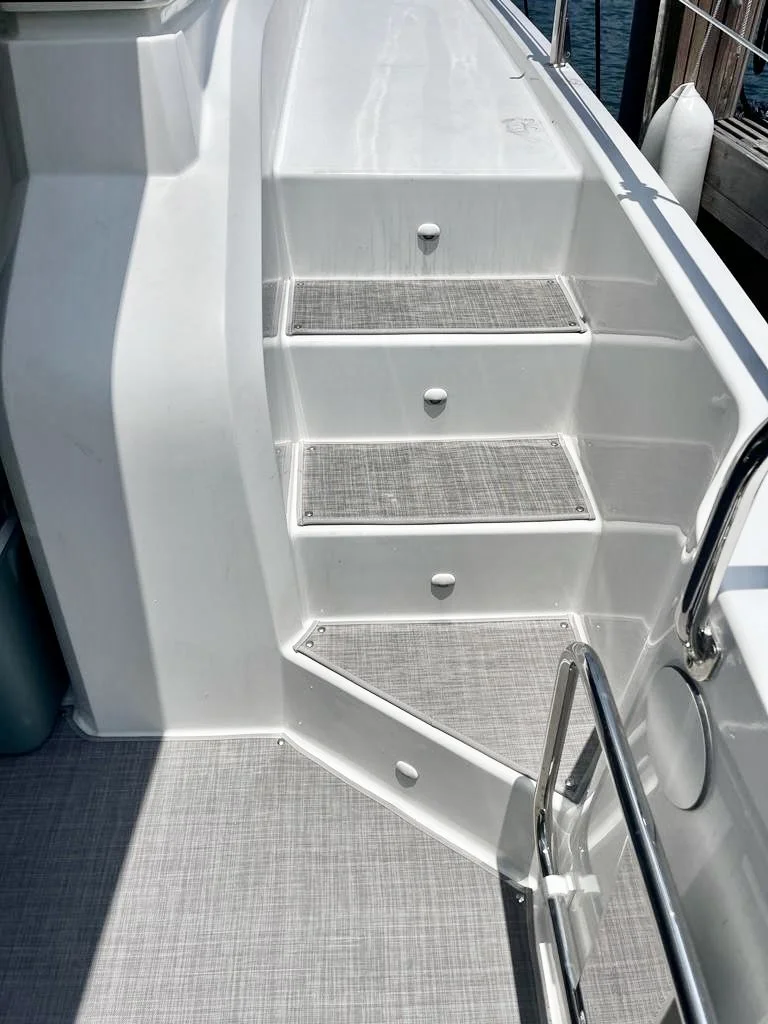
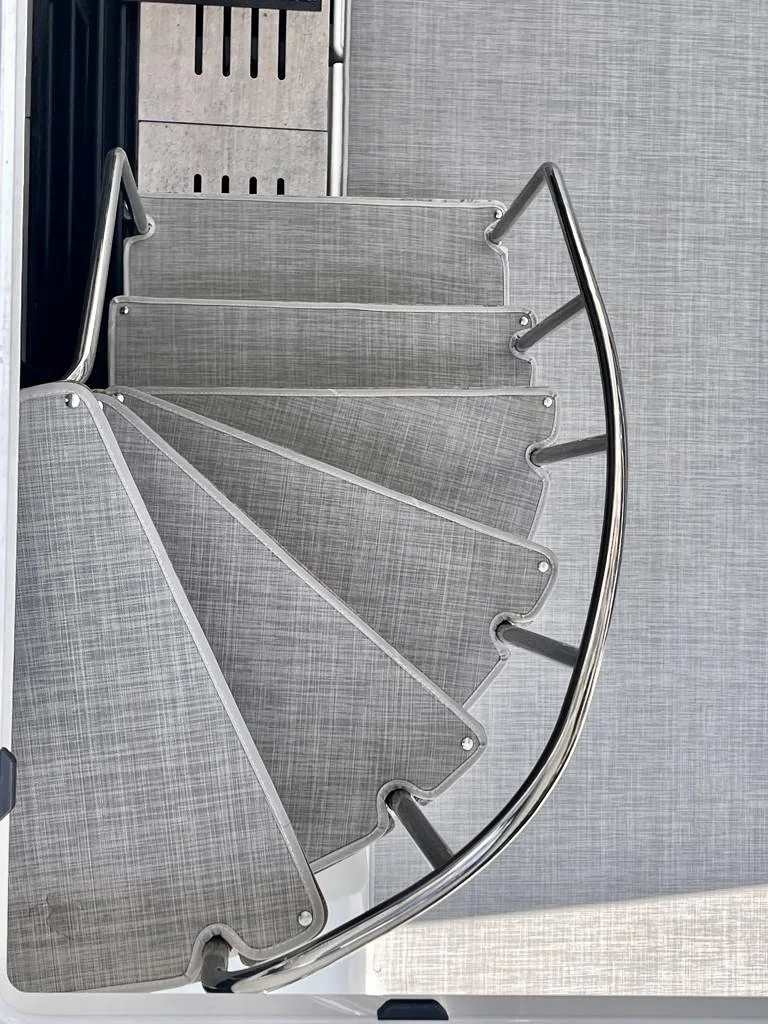
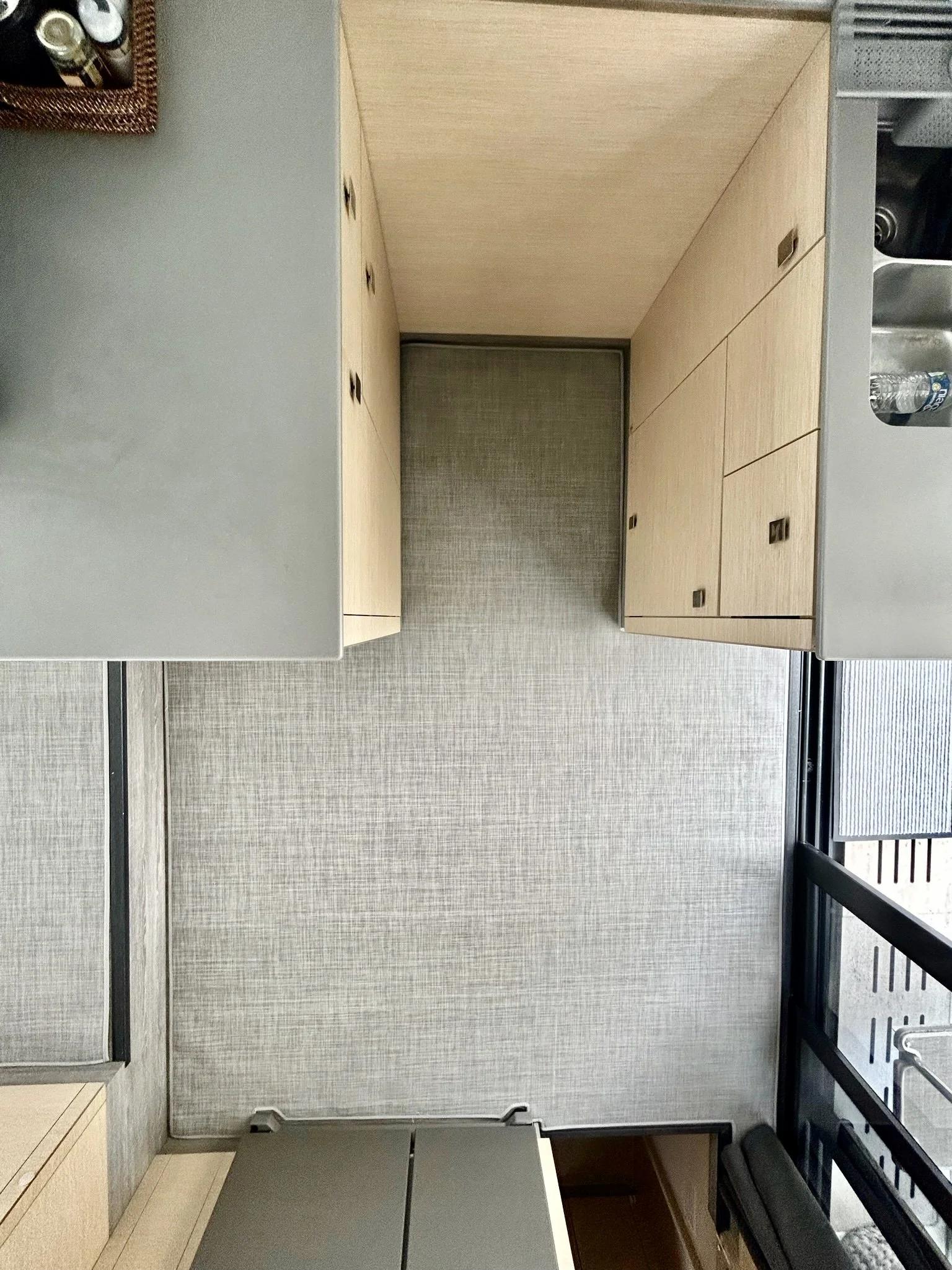
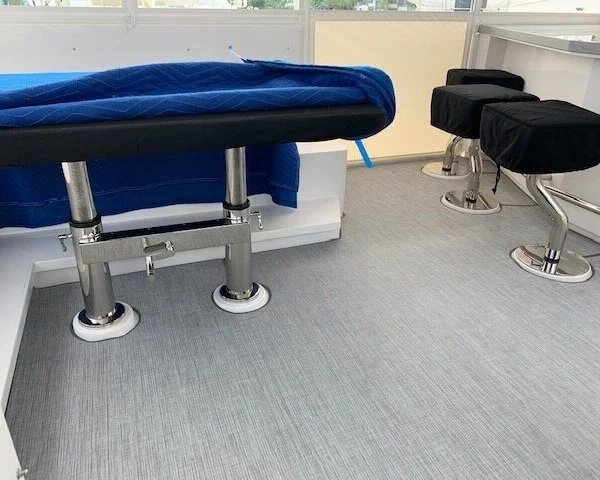
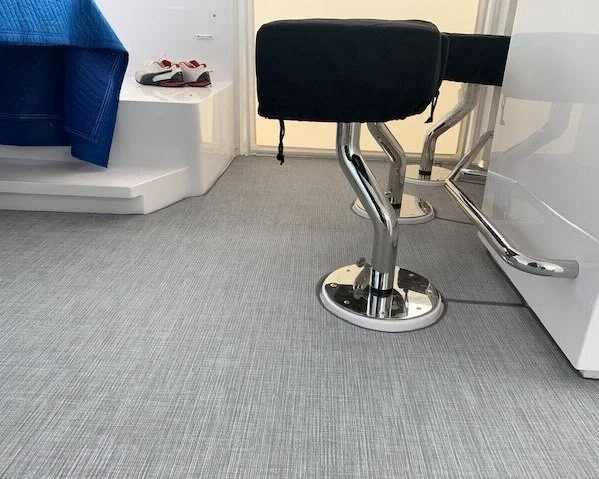
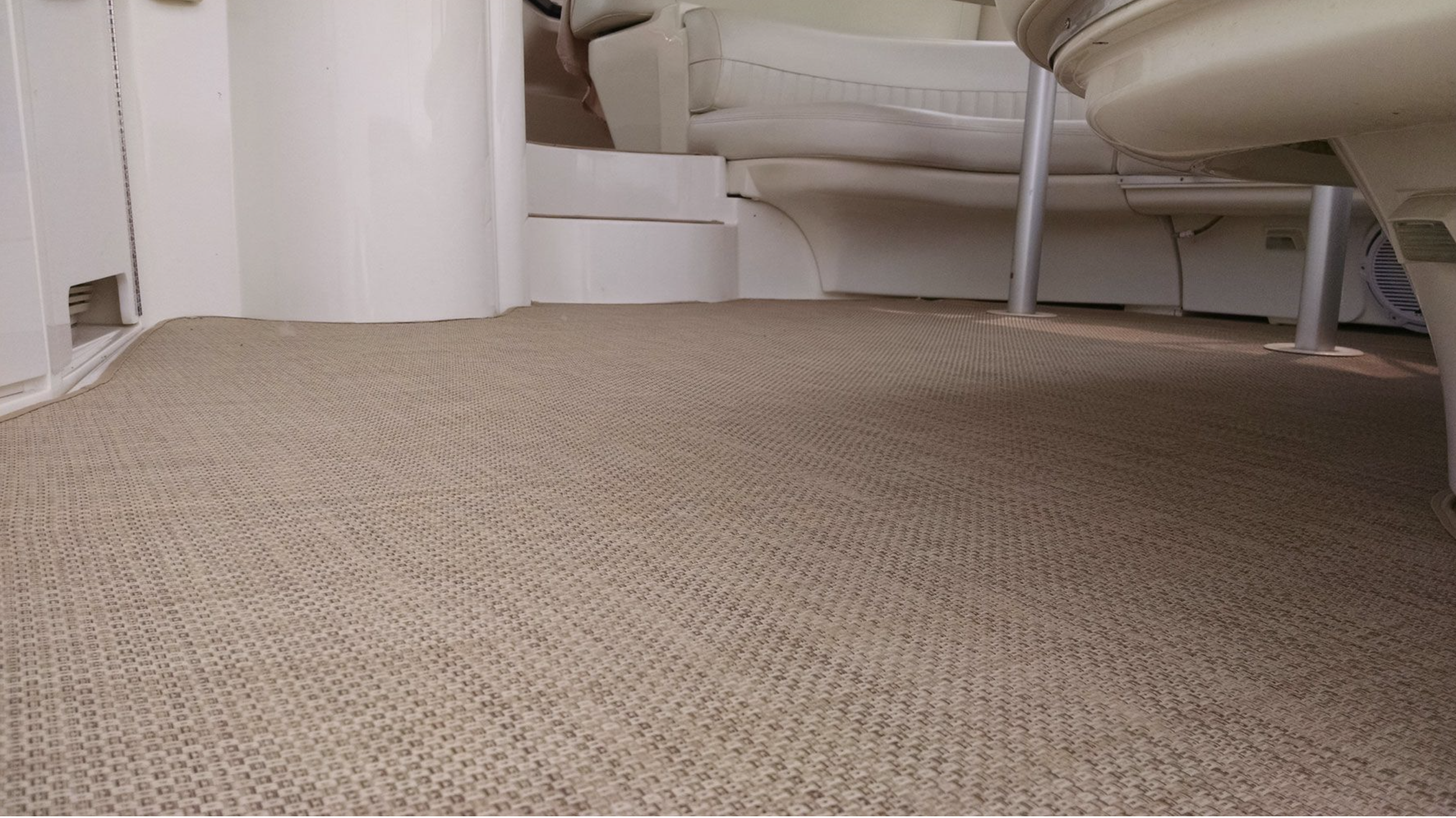
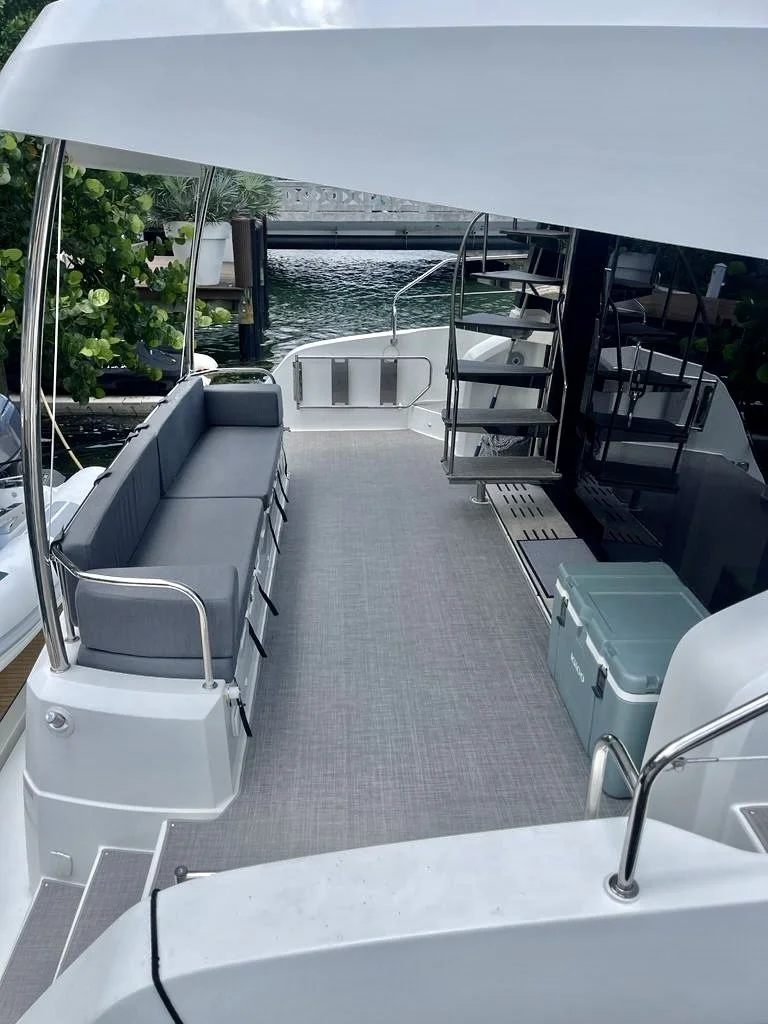
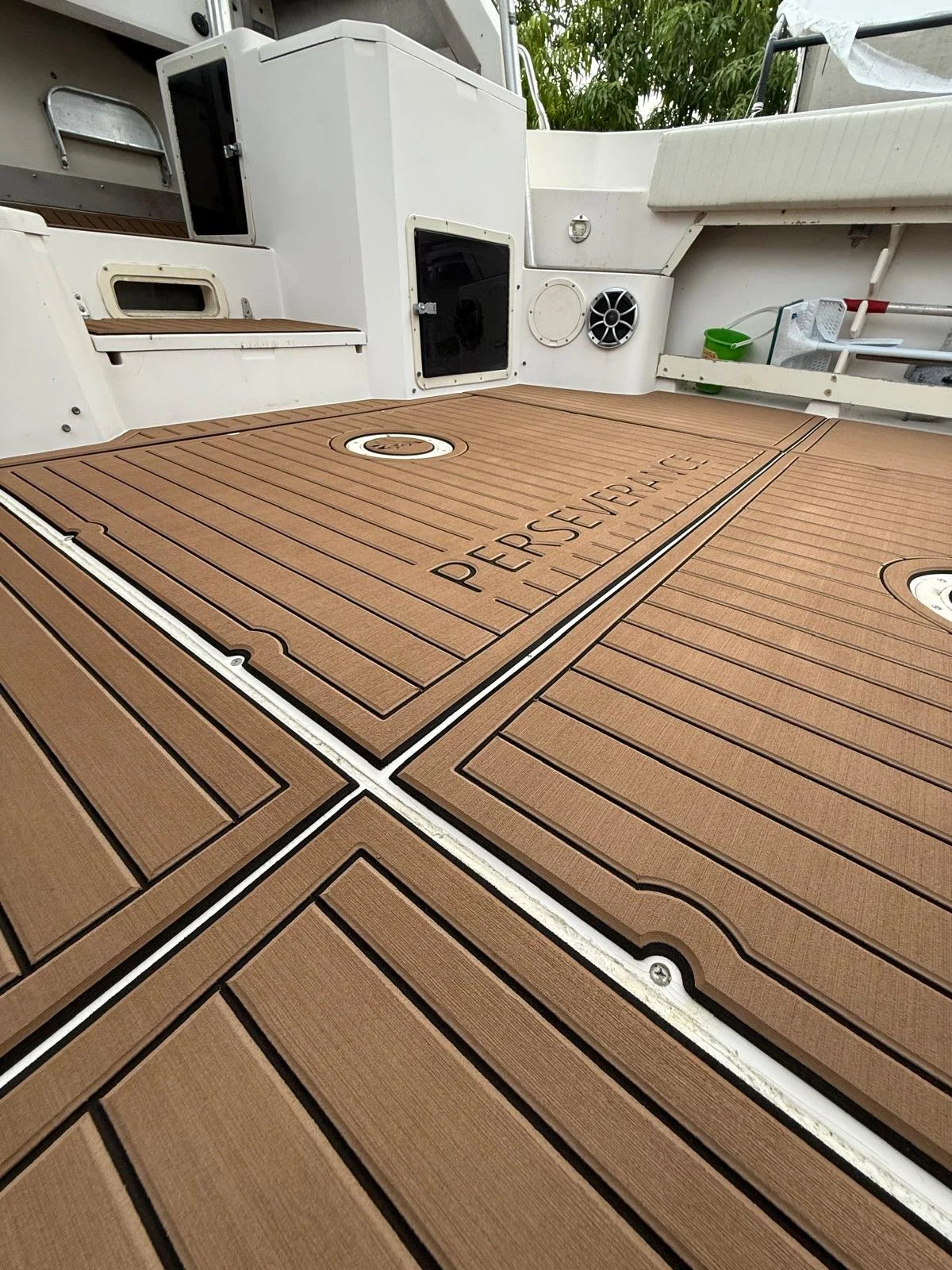
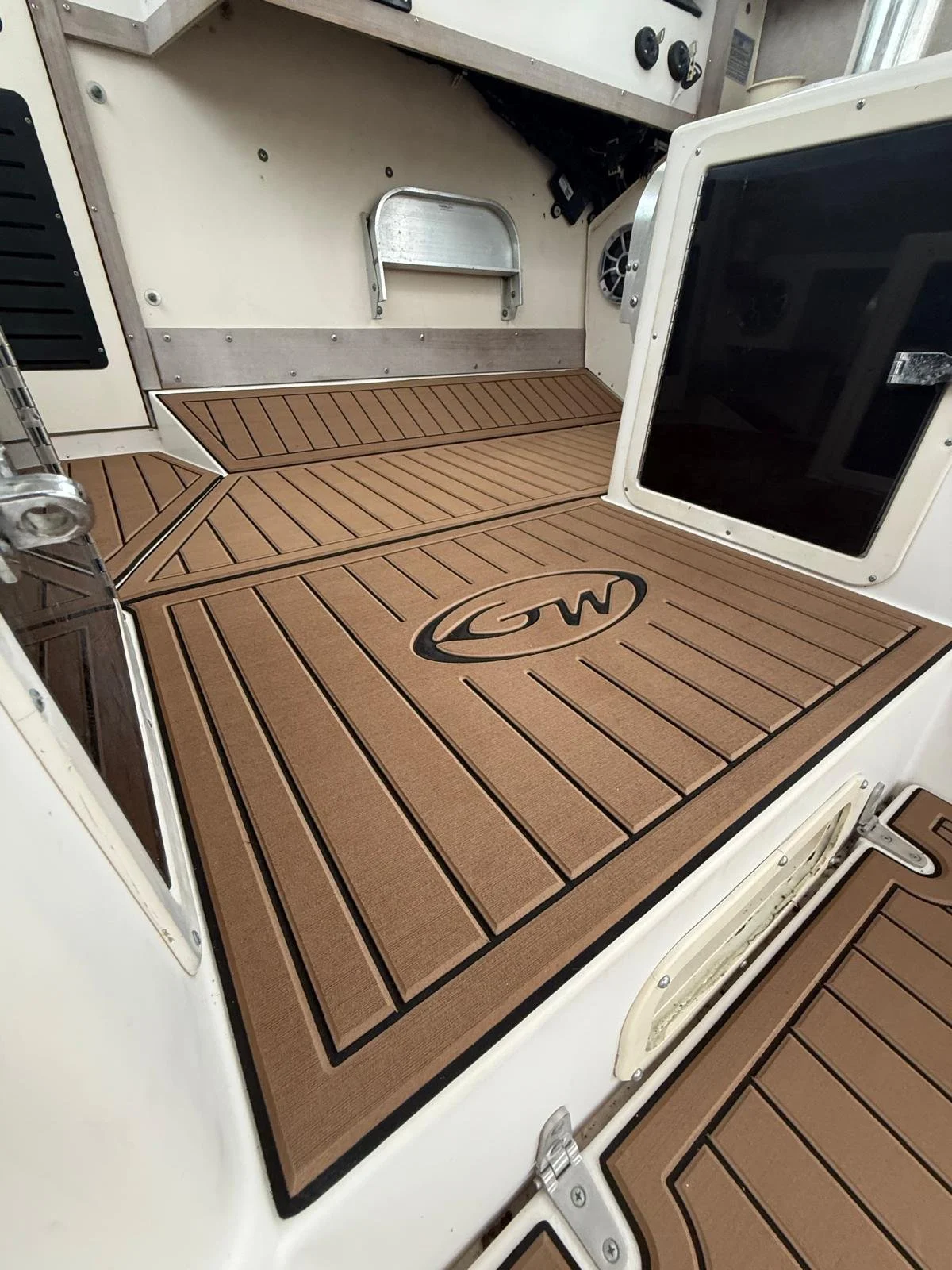
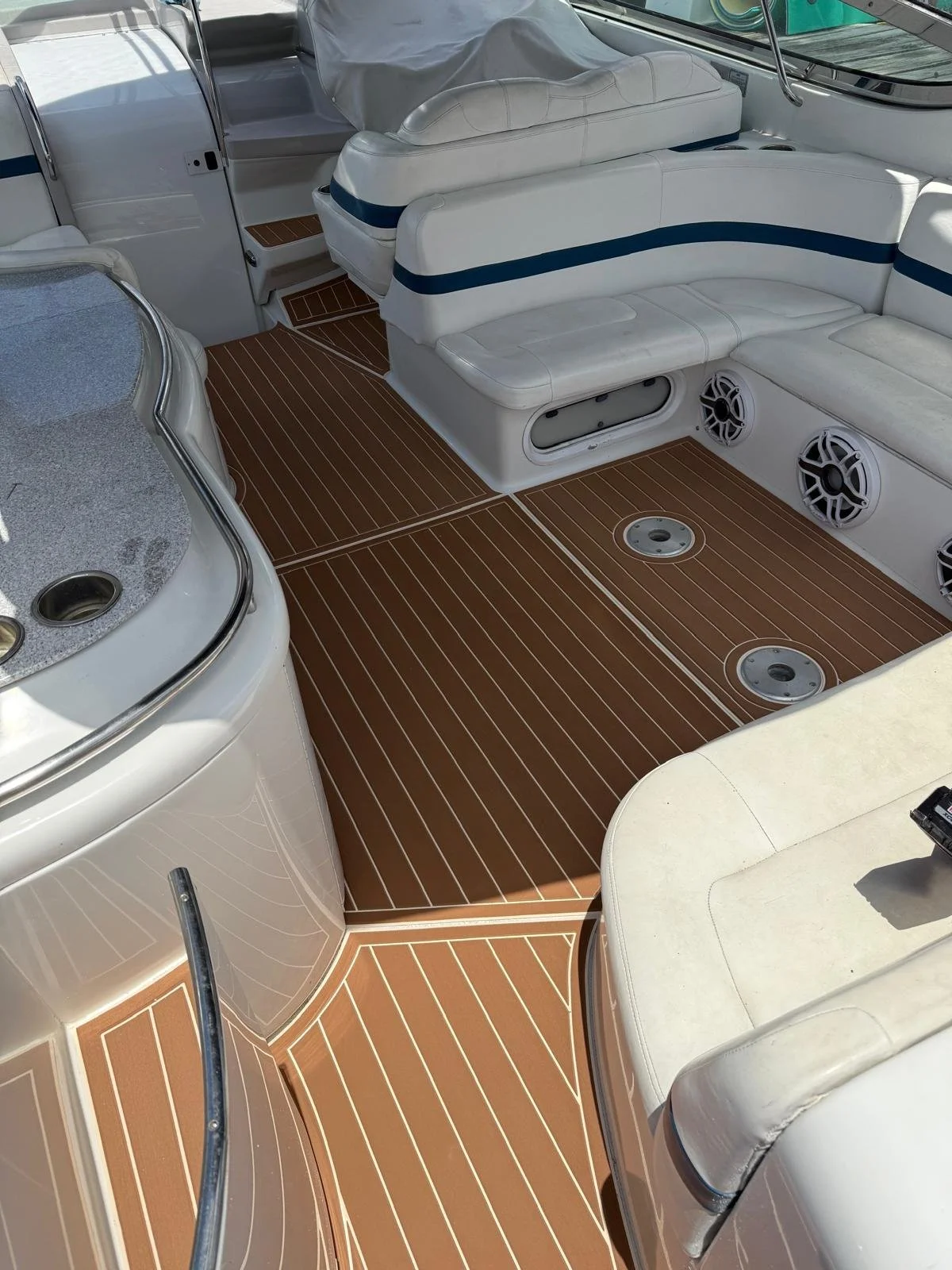
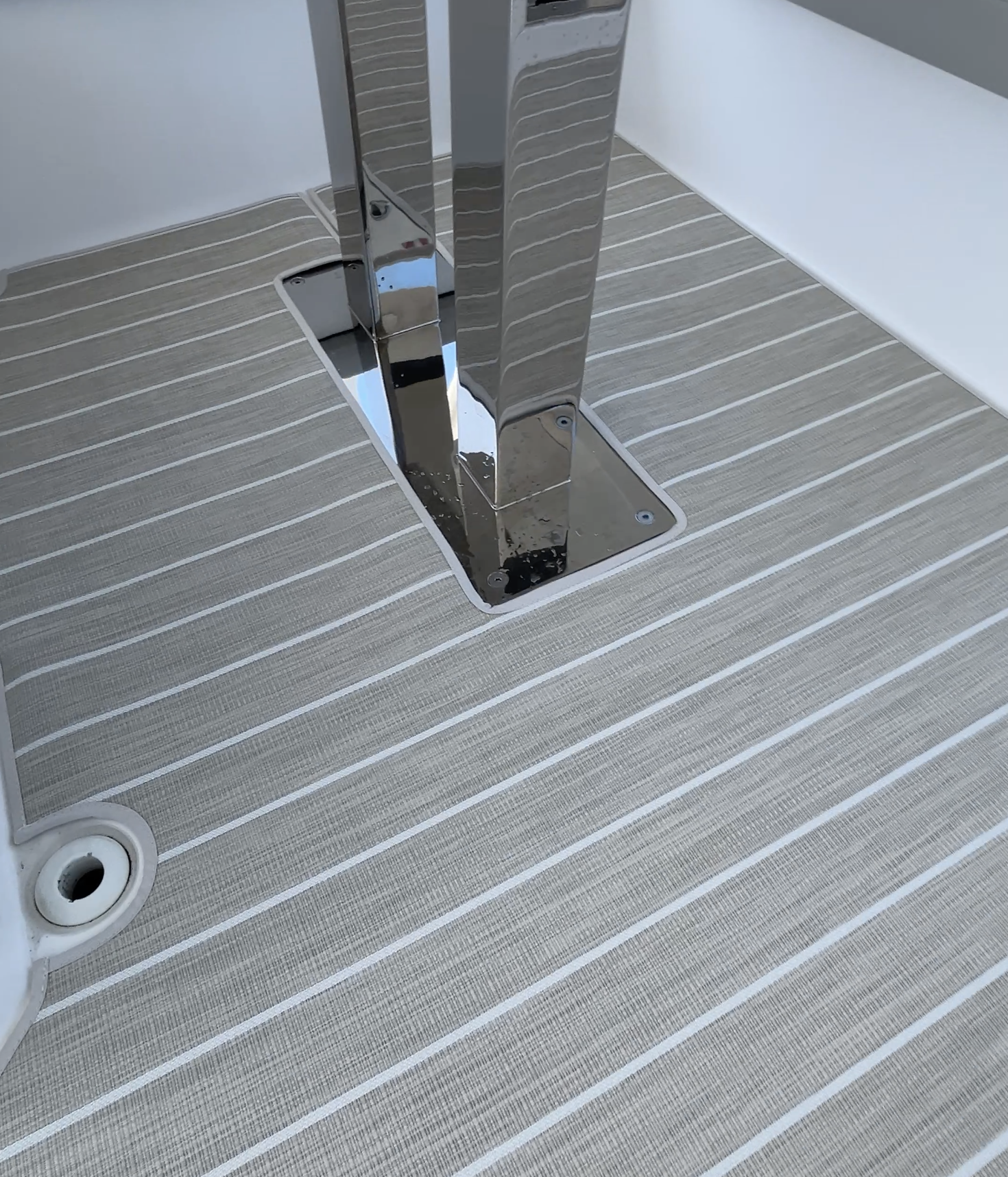
  • Flooring: Worn-out carpets or peeling varnish are common targets. Replacing them with durable, marine-grade options like woven vinyl or synthetic teak dramatically improves appearance and maintenance.
  • Upholstery: Perhaps the most impactful change, reupholstering seats, cushions, and headliners can instantly refresh an entire interior. Our expertise in custom marine canvas and upholstery ensures precision-cut solutions using elite marine-grade materials. You can find more info about custom yacht upholstery here.
  • Headliners and Wall Paneling: Sagging or stained headliners and outdated wall panels (often varnished plywood) are prime candidates for replacement with lighter, more modern, and moisture-resistant materials like PVC paneling.
  • Cabinetry: Custom cabinetry or reconfiguring existing ones can significantly improve storage and aesthetic appeal throughout the boat.

The Impact on Your Boat's Value and Appeal

A thoughtfully planned boat interior renovation almost always pays dividends when it is time to sell or upgrade.

  • Modernization Appeal: Buyers in the South Florida market expect clean, bright, contemporary interiors. Renovated spaces photograph better in listings and stand out on yacht brokerage sites and at showings in Miami, Fort Lauderdale, West Palm Beach, and Broward County marinas.
  • Higher Resale Price: Fresh upholstery, updated flooring, and modern lighting can support a higher asking price and reduce time on the market. Many owners recoup a significant portion of their renovation investment at resale, especially on late-model yachts.
  • Functionality Improvements: Better layouts, smarter storage, and upgraded systems (like lighting and ventilation) improve day-to-day usability. Surveyors and prospective buyers notice these practical upgrades and often view them as evidence of a well-cared-for vessel.
  • Powerful First Impressions: When a buyer steps aboard, the interior is what they see and feel first. A cohesive design, neutral palette with tasteful accents, and high-quality marine-grade finishes from bow to stern immediately communicate quality.
  • Spending and Cost Context: Industry research from groups such as the National Marine Manufacturers Association (NMMA) shows that owners routinely invest thousands of dollars per year in upgrades and maintenance. Full interior refits can range from tens of thousands of dollars on smaller boats to well into six or seven figures on large yachts, reflecting how central the interior has become to overall vessel value.

By treating your interior as an investment rather than an afterthought, you improve both your time on the water now and your eventual return when it is time to sell or trade up.

The Ultimate Boat Interior Renovation Roadmap

A successful boat interior renovation requires a clear roadmap. Before you begin, it's crucial to define the project's scope, set a realistic timeline, and understand the key steps, from planning and material selection to deciding between a DIY approach and hiring professionals. For inspiration, see what's possible in a personal story of a complete refit.

Boat owner sketching renovation plans on a clipboard inside a cabin - Boat interior renovation

Planning Your Boat Interior Renovation

Thorough planning is the most critical phase of a boat interior renovation, setting the stage for success and preventing costly mistakes.

  1. Defining Goals: What do you want to achieve? Are you aiming for a complete overhaul, a cosmetic refresh, or targeted improvements to specific areas like the galley or cabins? Do you need more storage, better lighting, or a brighter aesthetic? Clearly defined goals will guide all subsequent decisions.
  2. Creating a Mood Board: Gather inspiration from magazines, online galleries, and even other boats. A mood board helps visualize your desired style, color palettes, and material choices, ensuring a cohesive look.
  3. Measuring Spaces: Boats are notorious for their irregular shapes and tight quarters. Accurate measurements are paramount. Don't just measure straight lines; account for curves, angles, and existing structures.
  4. Creating Templates: For curved surfaces, bulkheads, or custom cabinetry, creating "throwaway templates" from art board or cardboard is the only way to ensure an accurate fit. This ingenious step prevents wasted expensive materials.
  5. Prioritizing Tasks: It's easy to get overwhelmed. We recommend prioritizing essential systems (like addressing water damage or mechanical issues) before diving into cosmetic upgrades. Then, tackle areas that will provide the most impact or are critical for comfort and safety.
  6. Sourcing Materials: Research and select marine-grade materials that can withstand the harsh conditions of the South Florida environment—UV, moisture, salt, and heat. This includes everything from paint and fabrics to flooring and adhesives.

Budgeting and DIY vs. Professional

A key part of planning your boat interior renovation is deciding on a budget and whether to DIY or hire professionals. The right choice depends on your budget, skills, and the project's complexity.

Setting a realistic budget is crucial. While a full interior refit for a yacht can range from $50,000 to over $1 million, a more modest renovation can be achieved for significantly less. Be sure to factor in not just material costs, but also potential tools, unforeseen issues, and if applicable, professional labor.

For budget-conscious owners, DIY boat interior renovation projects can save up to 50% on labor costs compared to professional services, making upgrades more accessible. Here are some budget-friendly DIY tips:

  • A Deep Clean: This is the cheapest way to radically brighten a boat's interior. It includes professionally laundering upholstery, wiping down cabin liners with vinegar, washing hatches, cleaning under cabin soles, washing walls, treating wood, and scrubbing the bilge.
  • A Fresh Coat of Light-Colored Paint: Painting interior panels, especially in white or light neutrals, can make a space feel much bigger and brighter.
  • New Throw Pillows and Blankets: These can add pops of color and texture, instantly refreshing the look of your salon or cabins without reupholstering everything.
  • Upgrading to LED Lights: Swapping old halogen bulbs for energy-efficient LED fittings is a cost-effective way to improve illumination and save power.
  • Sew Simple Upholstery Covers: Instead of full reupholstery, consider making simple, washable covers for existing cushions.
  • Ditch the Carpet: Old, stained carpet can be removed and the floor painted with durable, semi-gloss marine paint for a cleaner, brighter look.
  • Bring Greenery Inside: Adding a few well-secured houseplants can bring life and a touch of nature to your interior.

However, hiring professionals is essential for complex tasks. Structural changes, custom cabinetry, intricate electrical work, or plumbing require the expertise of marine professionals in Fort Lauderdale, Miami, or West Palm Beach to ensure safety and integrity. For specialized woodworking, a Custom Marine Carpentry Shop in Fort Lauderdale offers bespoke solutions. For upholstery, our marine upholstery repair services guarantee marine-grade quality and expert installation.

With planning and budgeting complete, it's time to design the aesthetic and select materials for your boat interior renovation. This phase balances personal style with the practical demands of the marine environment. The goal is a stunning, comfortable, and functional space with materials that resist UV damage, moisture, mildew, and saltwater—all non-negotiable factors in South Florida.

Choosing Your Palette and Lighting

Color and lighting can dramatically alter the perception of space and mood on your boat.

  • Light Color Palettes: For small boat interiors, light colors are your best friend. Whites, beiges, and soft grays create an illusion of spaciousness and brightness, making the interior feel larger and more welcoming. One owner painted their sailboat interior white, changing it from a dark, outdated space to a bright, modern "Miami Beach House" style.
  • Neutral Bases with Bold Accents: We often recommend a neutral base for the larger surfaces (walls, headliners, main upholstery) and then introducing pops of personality with bold accent colors in cushions, throws, artwork, or decorative items. Deep blues, rich greens, or vibrant reds can create a dynamic and stylish look without overwhelming the space.
  • Maximizing Natural Light: Natural light is a premium on any boat. Consider installing larger windows or adding skylights where feasible to brighten the interior and make it feel more expansive. Modern window treatments like roller shades or minimalist blinds can control light and privacy without adding visual clutter.
  • Upgrading to LED Lighting: This is one of the most impactful lighting upgrades. LED lighting is energy-efficient, long-lasting, and comes in various color temperatures, allowing you to create different ambiances. The benefits of modern LED lighting are numerous, including reduced power consumption and cooler operation.
  • Task and Accent Lighting: Don't forget task lighting for areas like the galley or navigation station, and accent lighting to highlight features or create a cozy mood. LED strip lights, tucked under cupboards or along walkways, can provide subtle yet effective illumination.

Selecting Durable and Stylish Materials

The success of your boat interior renovation depends on choosing materials that are both stylish and built for the marine environment. In South Florida, resistance to heat, humidity, UV, and salt is paramount.

Material Durability Maintenance Cost Non-Slip Properties
Marine Carpet Engineered for marine use, but can hold dampness Requires regular cleaning, can stain Moderate Good, especially with marine backing
Synthetic Teak Highly durable, UV-resistant, rot-proof Easy to clean, low maintenance High Excellent, even when wet
Woven Vinyl Excellent, resistant to UV, salt, mildew, stains Very easy to clean, quick-drying Moderate Good, often textured
  • Durable Marine Upholstery Fabric: Marine-grade fabrics are essential for seating and cushions. Our durable marine upholstery fabric is designed to withstand harsh conditions.
    • Marine-Grade Vinyl: A top choice for its durability, water resistance, and ease of cleaning. It's formulated to resist UV degradation, saltwater, and mildew.
    • Faux Leather: Provides a luxurious look with superior durability and easier care than real leather.
    • Sunbrella: Known for its UV resistance and longevity. Mildew can grow on accumulated dirt, so regular cleaning is important.
  • Rot-Resistant PVC Panels: For bulkheads, wall coverings, and headliners, materials like Plas-Tex PVC paneling are excellent. They are pliable, waterproof, rot and mildew resistant, and easy to clean, providing a modern and bright finish.
  • Flooring: Beyond the table above, more on non-slip marine flooring highlights the importance of safety. Hard-wearing semi-gloss paint for subfloors can also be a durable, budget-friendly option.
  • Countertops: Solid surface materials like Corian are recommended over natural stone due to their lighter weight and resistance to cracking. Porcelain-based materials (like some modern sintered stone products) are also lightweight and durable options.

Modern boat interior renovation trends prioritize comfort, functionality, and a connection with the marine environment.

  • Minimalist Design: Clean lines, uncluttered spaces, and a focus on essential elements define this popular trend. It helps make smaller boat interiors feel larger and more serene.
  • Multi-functional Furniture: With space at a premium, furniture that serves multiple purposes (e.g., settees that convert into berths, tables with integrated storage) is highly sought after.
  • Smart Technology Integration: Seamlessly integrating new technology, from advanced navigation displays to smart TVs with streaming capabilities and high-fidelity sound systems, is a key trend. This can even extend to smart lighting and climate control.
  • Natural Textures: Incorporating natural wood tones (even if painted, leaving some wood as a feature), woven vinyl flooring, and textured fabrics adds warmth and an organic feel, echoing the natural beauty outside.
  • Open-Plan Layouts: Where structural changes are feasible, opening up the galley to the salon can create a more expansive and social living area, enhancing the flow and light.
  • Sustainable Materials: A growing awareness of environmental impact leads to interest in sustainable and eco-friendly marine-grade materials where available.

These trends, combined with our expertise in custom canvas and upholstery, can help transform your yacht. For inspiring examples, check out Inside a Yacht Makeover: Transformations with Custom Canvas & Upholstery.

Tackling Key Areas: Practical Challenges and Solutions

A boat interior renovation presents unique challenges compared to a home. Space constraints, moisture and ventilation control, weight distribution, and access to systems are key considerations, requiring a balance of aesthetics, practicality, and marine-grade durability.

The Galley (Kitchen)

The galley is often a compact space demanding maximum efficiency.

  • Compact Appliances: Upgrading to sleek, stainless steel, marine-specific compact appliances (refrigerators, cooktops, microwaves) is essential. Modern induction cooktops are energy-efficient, though they require specific cookware.
  • Smart Storage Solutions: Innovative storage is key. Think pull-out pantries, rotating shelves, custom cabinetry, and magnetic knife strips. Every nook and cranny can be optimized.
  • Durable Countertops: Solid surface materials like Corian are excellent choices for their durability, hygiene, and lighter weight compared to stone.
  • Easy-to-Clean Backsplashes: A custom tiled backsplash can add a touch of elegance while providing an easy-to-clean surface.
  • Upgrading Faucets: Replacing old, corroded faucets with modern, marine-grade fixtures can instantly refresh the look and improve functionality.
  • Flooring: For the galley, durable, non-slip, and easy-to-clean flooring is crucial. Options like synthetic teak or woven vinyl are excellent. For more details, see more on yacht flooring options.

The Salon and Cabins

Salon and cabin renovations focus on comfort, combining smart furniture, quality materials, and clever storage.

  • Modular Furniture: In the salon, modular sofas and stylish coffee tables can maximize flexibility and create an open feel. Modern, minimalist designs help avoid a cluttered look.
  • Under-Bunk Storage: Cabins often benefit from integrated storage solutions. Beds with integrated drawers or lift-up access to under-bunk storage are invaluable for maximizing space.
  • High-Quality Bedding: Invest in premium bedding like memory foam mattresses and soft, breathable linens. Hydrophobic options like 100% polyester and Hypervent mattress pads can combat dampness and prevent condensation. Mulberry silk duvets are naturally mold and mildew resistant. For more insights, refer to a guide to cabin upgrades.
  • Wall Coverings and Headliners: Replace saggy or stained headliners and outdated wall paneling with lighter, durable materials like Plas-Tex PVC panels or tongue-and-groove PVC boards. These are rot and mildew resistant and easy to clean.
  • Flooring: Marine carpet, specifically engineered to withstand the rigors of the marine environment, is a popular choice for salons and cabins, offering comfort and sound dampening. Find information on marine boat carpet.

The Head (Bathroom)

Even the smallest head can become a stylish, functional space.

  • Space-Saving Fixtures: Choose contemporary, compact marine fixtures like sleek faucets, stylish sinks, and efficient toilets. Wall-mounted soap dispensers save counter space.
  • Waterproof Materials: All surfaces must be waterproof and easy to clean. Painting fiberglass bathrooms white can make the space feel larger and brighter.
  • Improved Ventilation: Proper ventilation is crucial to prevent mildew and odors. Upgrade fans or consider adding passive vents where possible.
  • Maximizing Storage: Small shelves, recessed cabinets, and decorative baskets can help organize toiletries and towels.
  • Upholstery Nearby: While upholstery is not typically inside the head itself, any adjacent seating in the cabin or dressing area may need attention as part of a cohesive refit. If you're considering reupholstering, check out details on reupholstering pontoon boat seats for insights into marine-grade fabrics suitable for damp, high-use environments.

Frequently Asked Questions about Boat Interior Renovation

We often receive questions from boat owners in South Florida looking to update their vessels. Here are some of the most common inquiries regarding boat interior renovation.

What is the most impactful budget-friendly boat interior renovation?

A deep clean is the cheapest and most effective way to brighten a boat's interior. After cleaning, a fresh coat of light-colored paint can make the space feel larger and brighter. Simple additions like new throw pillows and blankets add pops of color, while upgrading to LED lights improves illumination and modernizes the ambiance. These steps can transform your boat on a budget.

What are the best materials for a boat interior?

The best materials are marine-grade, designed to withstand the harsh marine environment. Look for materials with UV resistance, mildew resistance, saltwater tolerance, and durability. Key examples include marine-grade vinyl for upholstery, Sunbrella fabrics, synthetic teak or woven vinyl for flooring, and rot-resistant PVC panels for walls. These materials balance durability, aesthetics, and easy maintenance. For more on selecting fabrics, explore The Art of Marine Upholstery: Where Form Meets Function on the Water.

How long does a boat interior renovation take?

The timeline for a boat interior renovation varies by scope:

  • DIY cosmetic updates: A few weekends for tasks like painting or deep cleaning.
  • Extensive DIY projects: Several weeks to a few months for flooring or reupholstering.
  • Full professional refit: Several months or longer for a comprehensive overhaul with structural changes and custom finishes.

Effective planning is key to managing timelines and potential delays.

Conclusion

A boat interior renovation is more than just a cosmetic upgrade; it's an investment in your comfort, lifestyle, and the longevity of your cherished vessel. From addressing wear and tear to modernizing outdated aesthetics and enhancing functionality, the benefits are profound. We've explored the primary reasons for undertaking such a project, identified common renovation hotspots, and highlighted the significant impact a well-executed renovation can have on your boat's value and appeal.

We've also laid out a roadmap, from meticulous planning and budgeting to navigating the exciting world of design, materials, and modern trends. Whether you're considering a budget-friendly DIY refresh or a comprehensive professional refit, the key is choosing marine-grade materials and applying thoughtful design solutions custom to the unique challenges of the marine environment, especially here in sunny South Florida.

Remember the importance of post-renovation maintenance. Selecting long-lasting materials specifically designed for marine environments is the first step, but regular cleaning and routine checks on fixtures are crucial to keeping your newly renovated interior looking its best for years to come.

At American Marine, we specialize in custom marine canvas and upholstery for luxury yachts and superyachts across Miami, Fort Lauderdale, West Palm Beach, and Broward County. Our expertise lies in 3D-measured, precision-cut solutions using elite marine-grade materials, ensuring top-tier craftsmanship and timely delivery. We're here to help you bring your vision to life, changing your vessel into the luxurious haven you deserve. Transform your vessel with our expert marine upholstery services and experience the difference true craftsmanship makes.

For consultations and quotes, contact American Marine or visit our service locations in Miami, Fort Lauderdale, West Palm Beach, and throughout Broward County.

Previous
Previous

The Ultimate Guide to Boat Enclosure Kits and Custom Solutions

Next
Next

Carpet Your Craft: A Comprehensive Look at Boat Decking